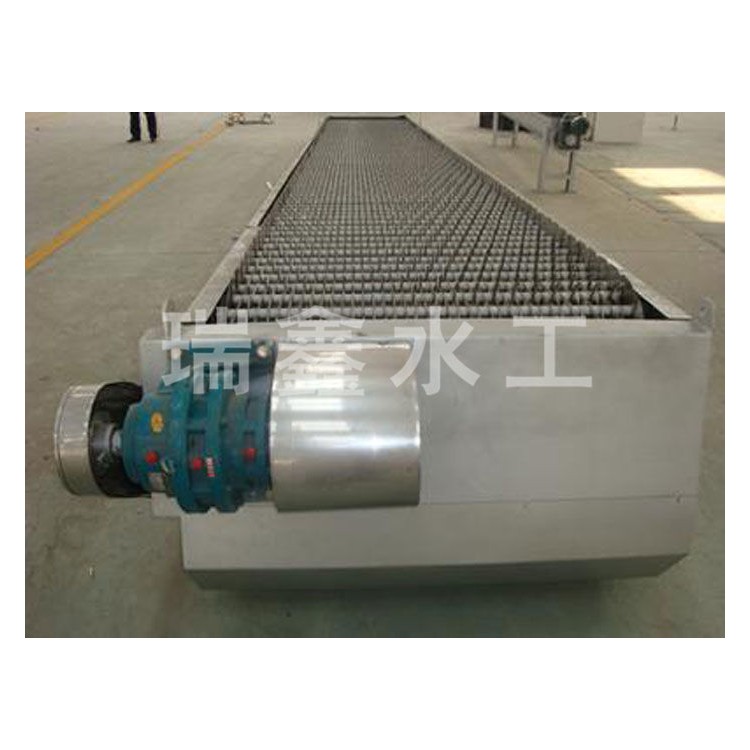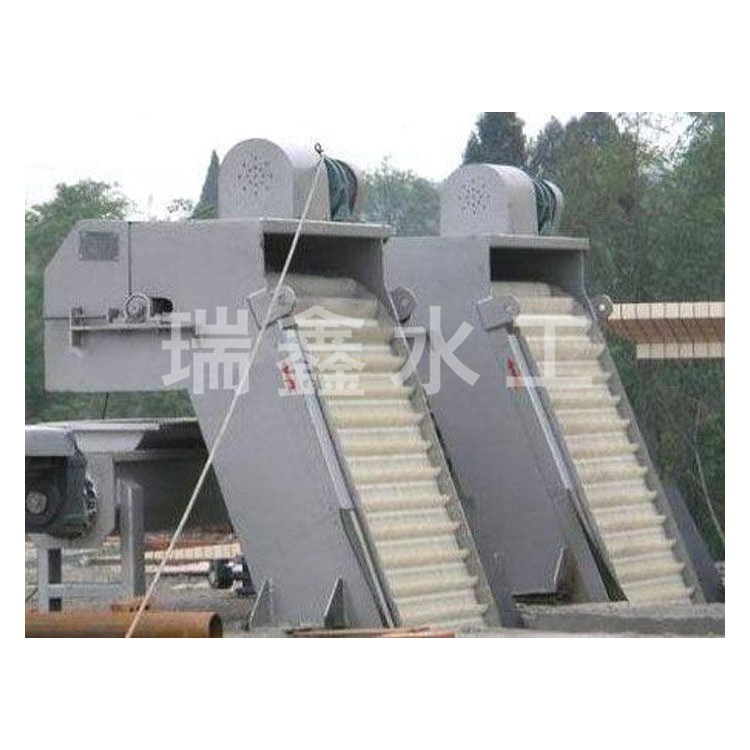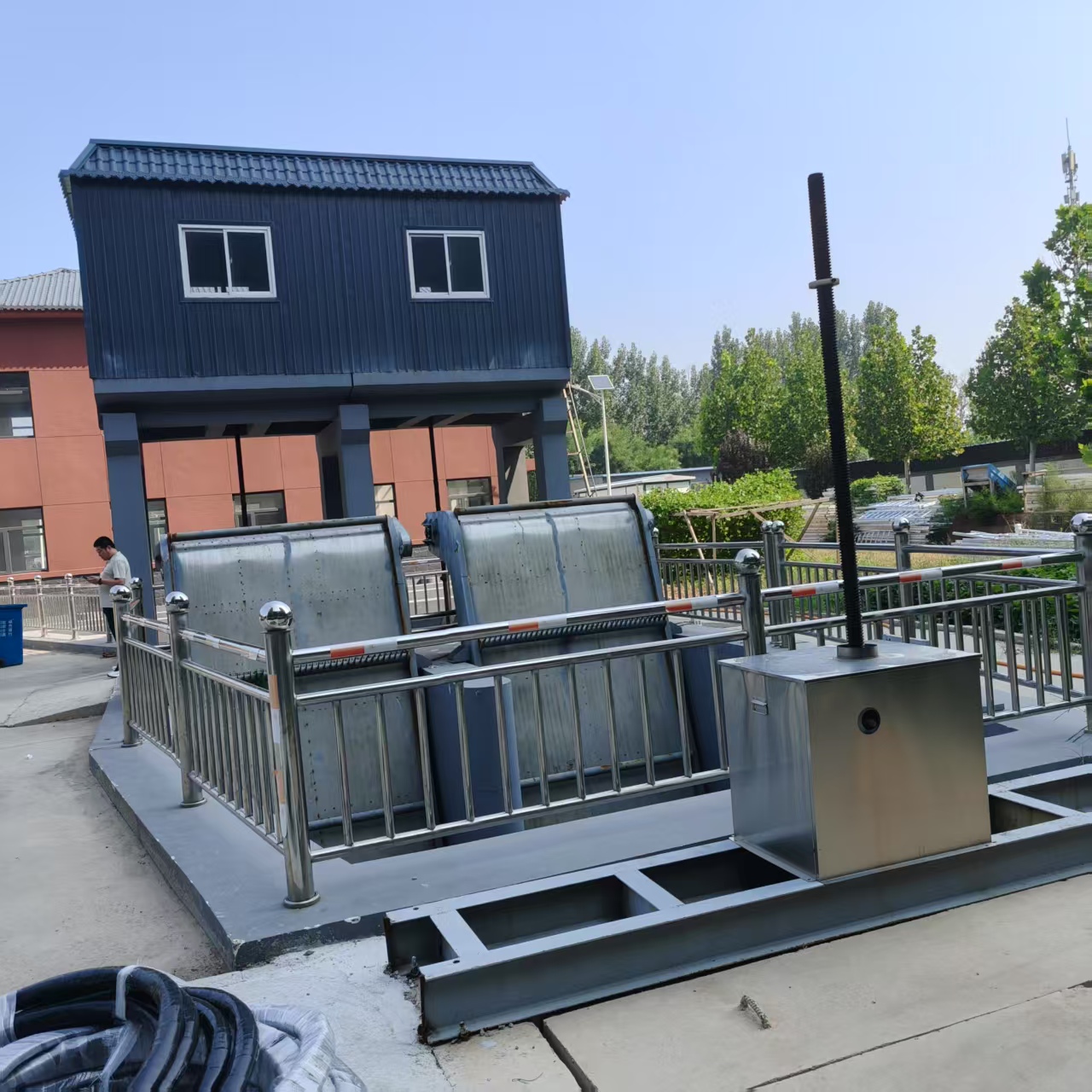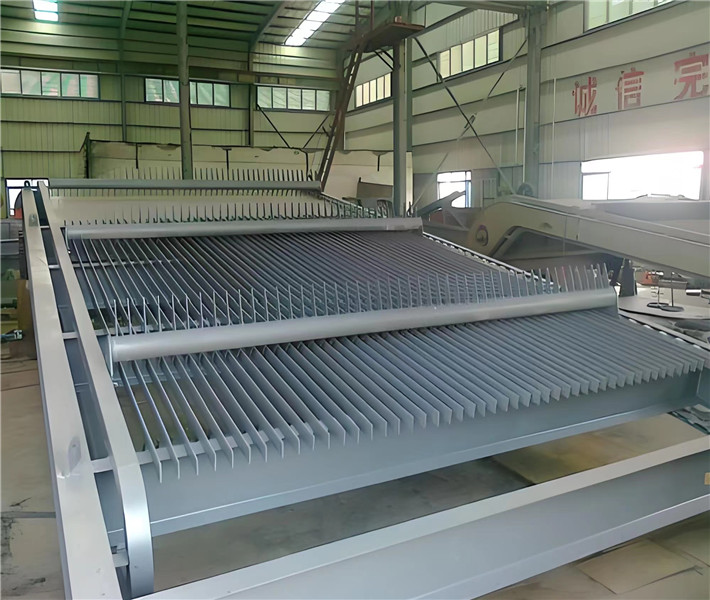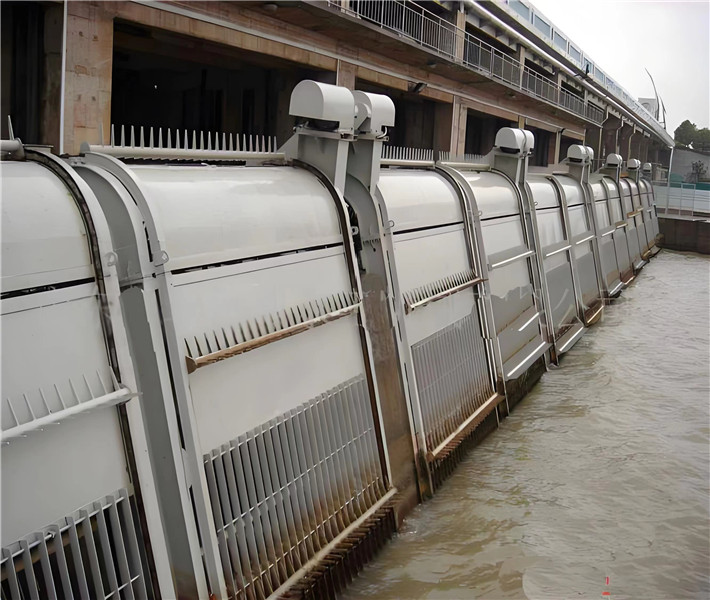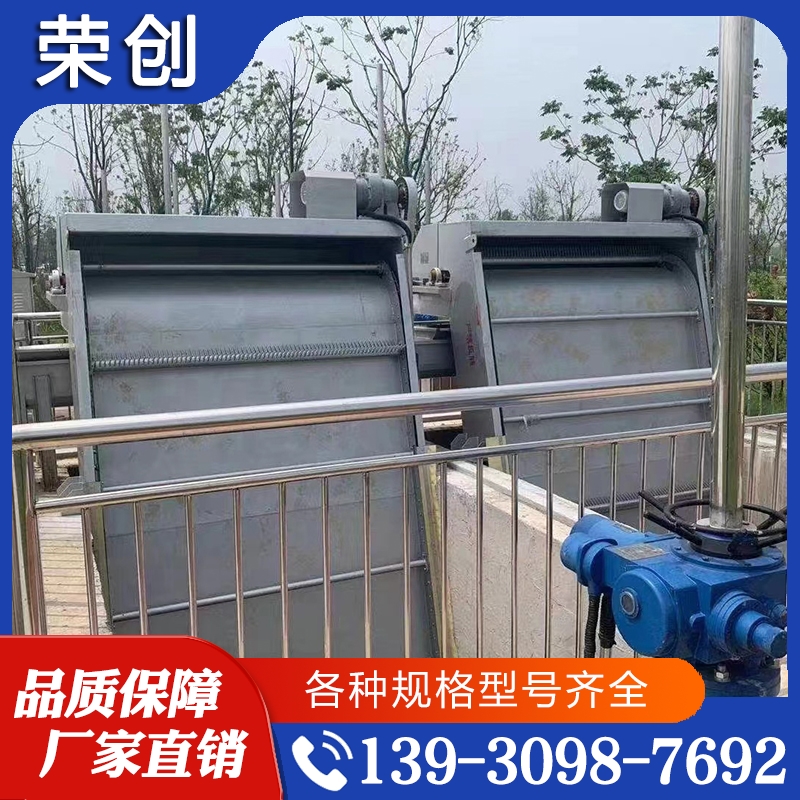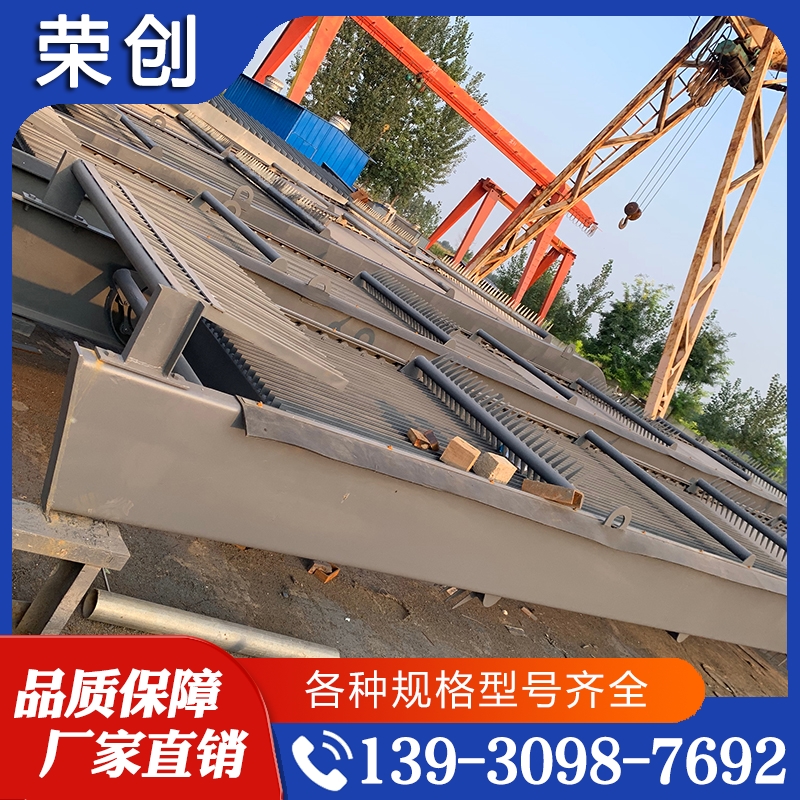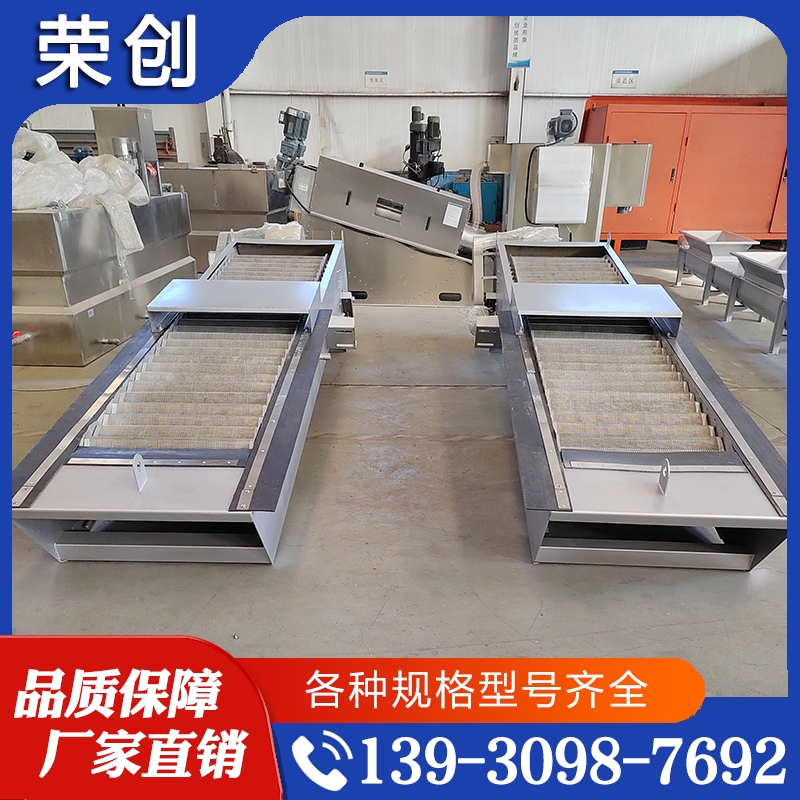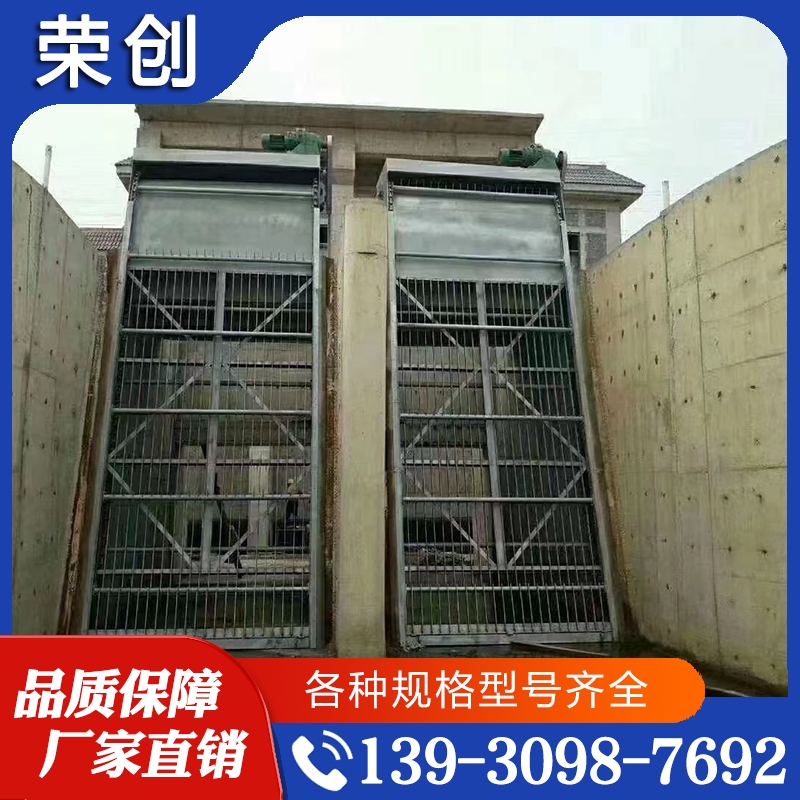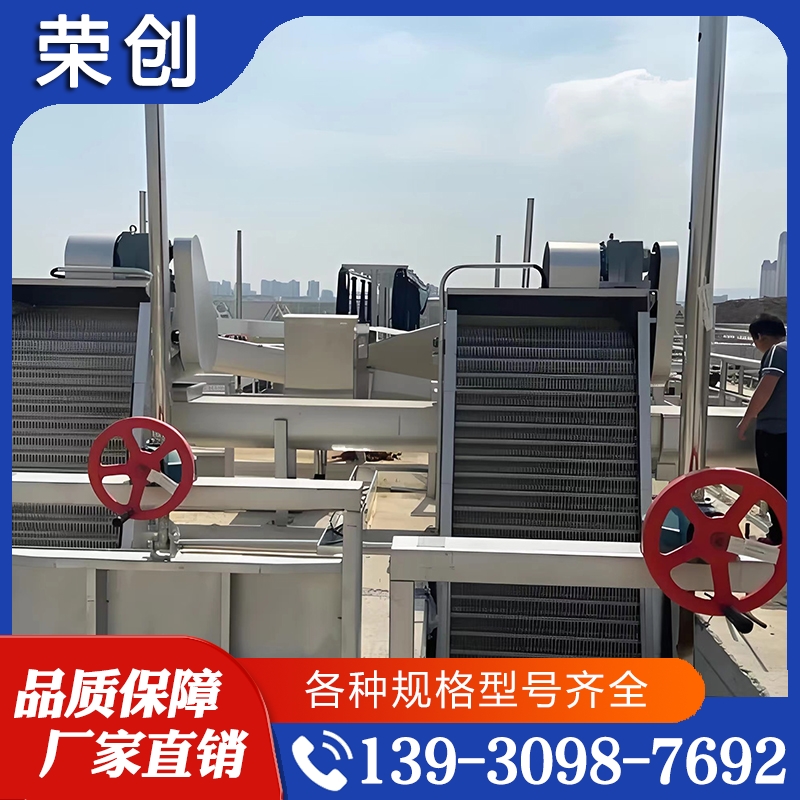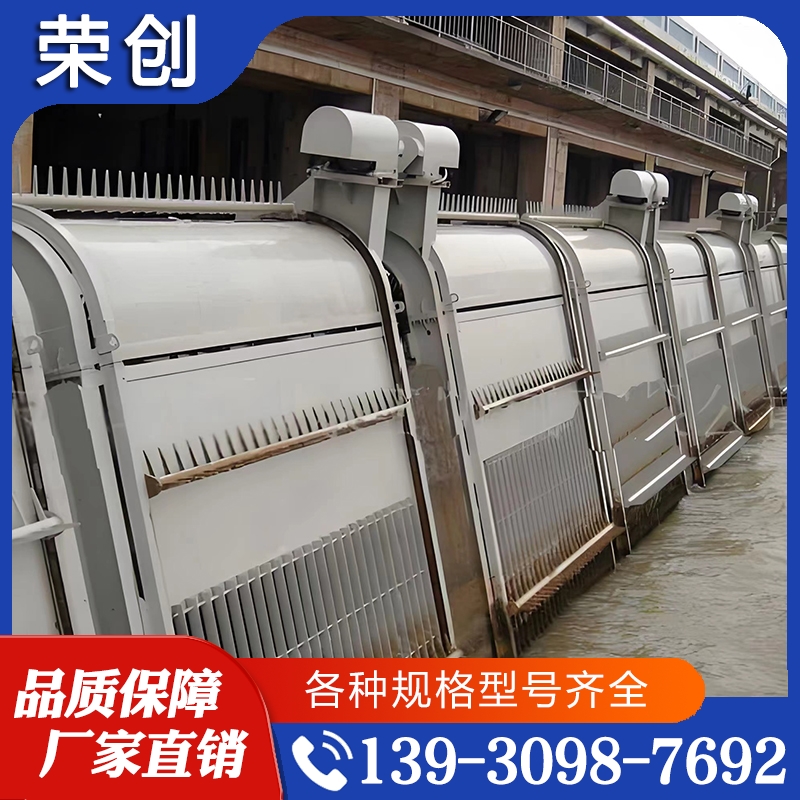

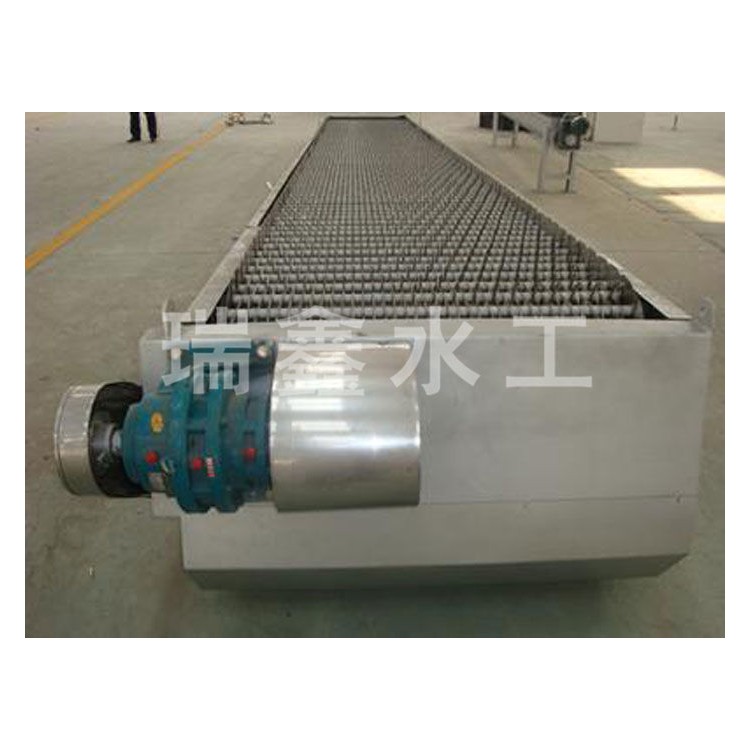

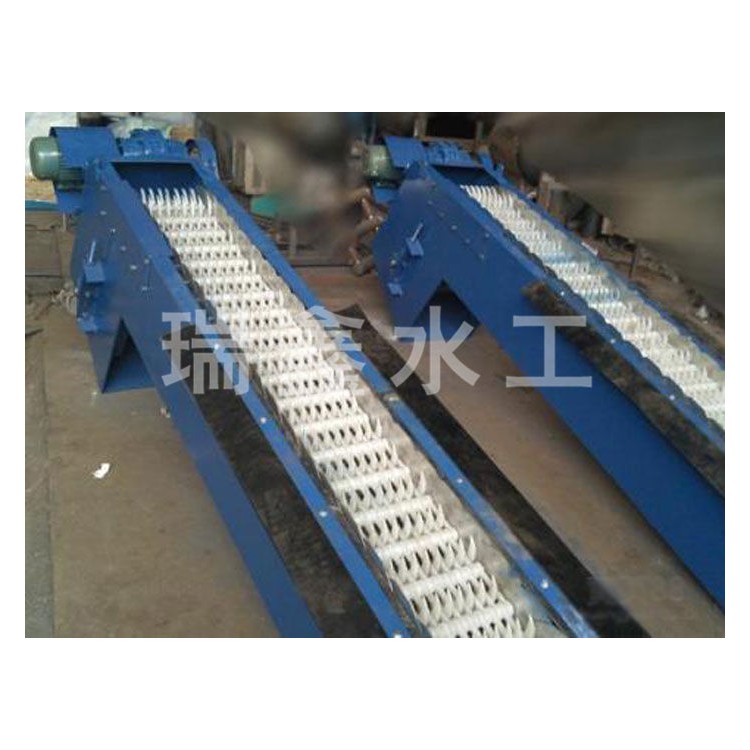
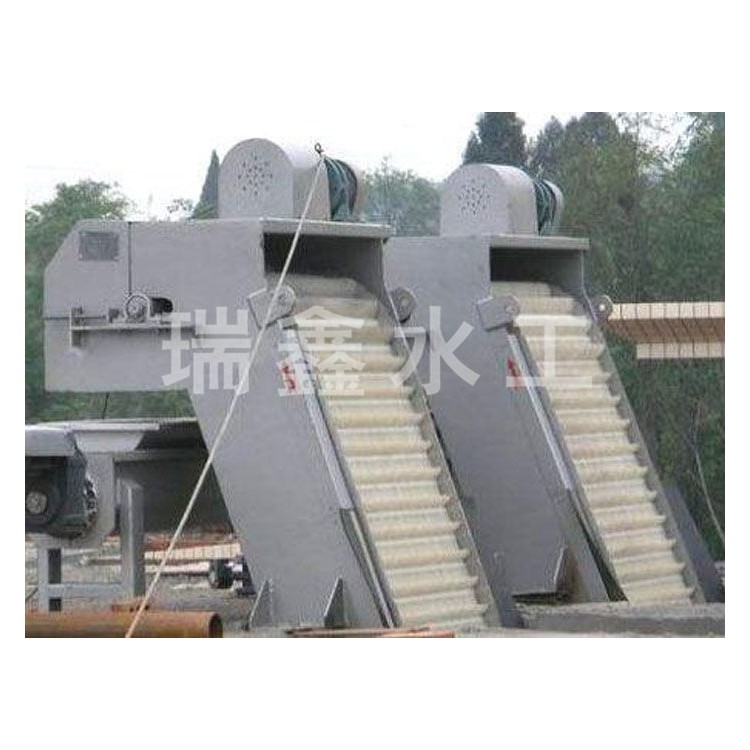


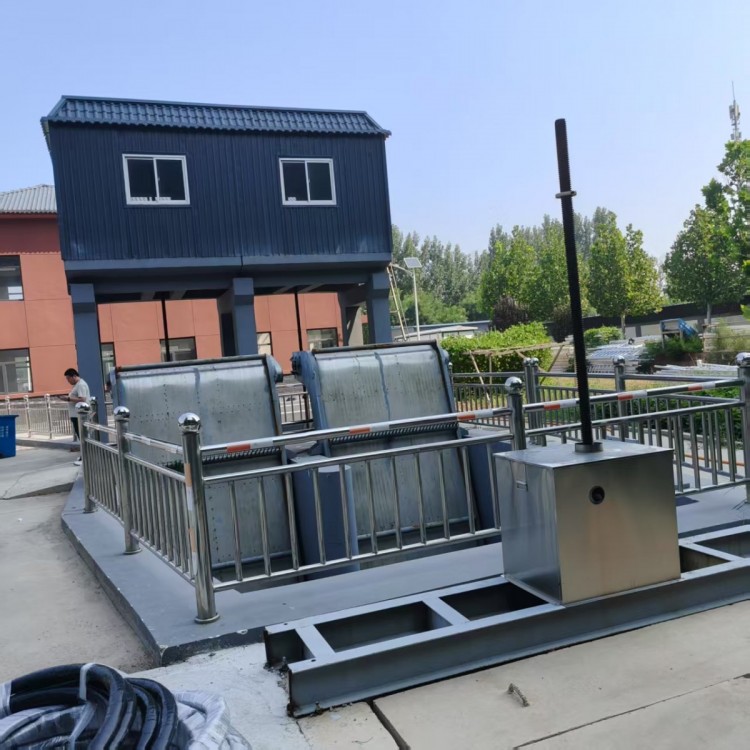
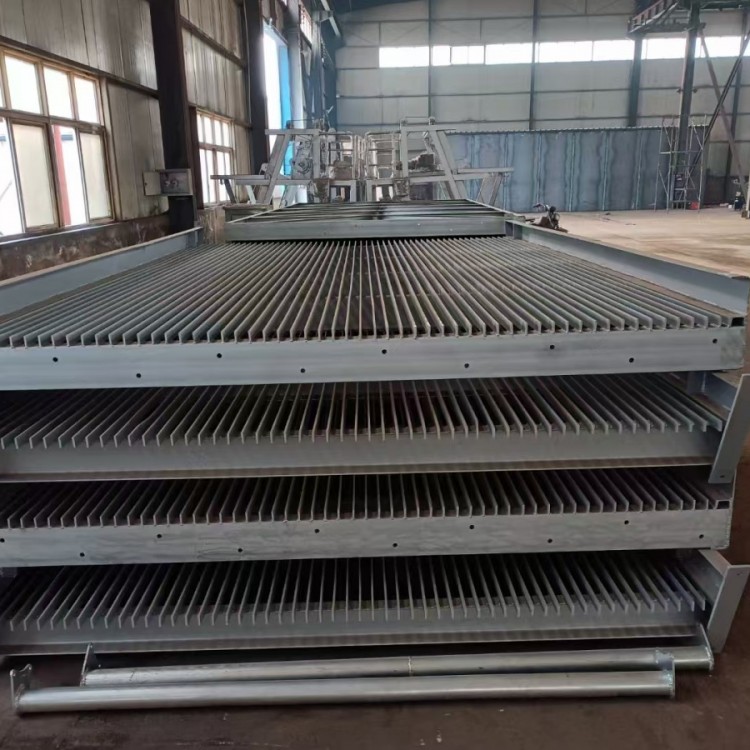
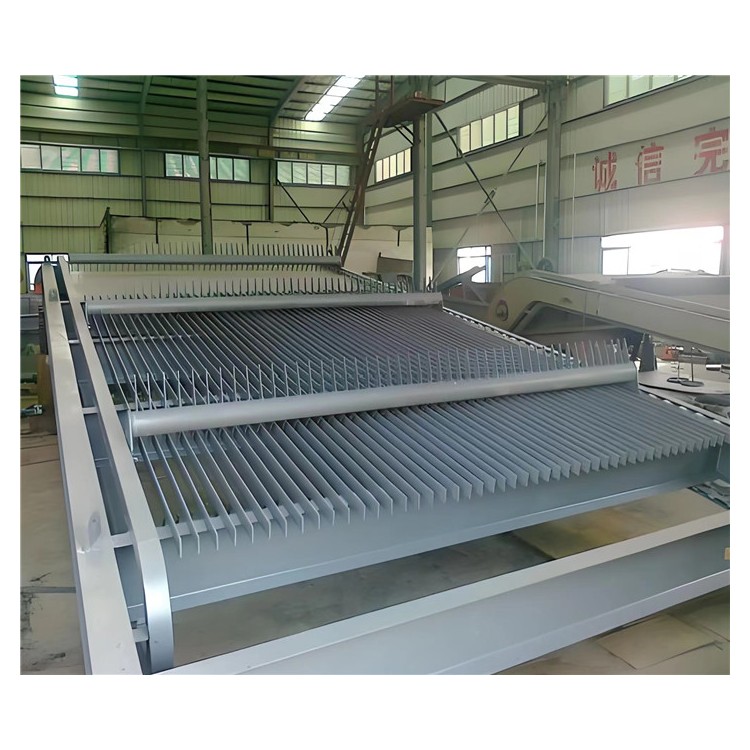
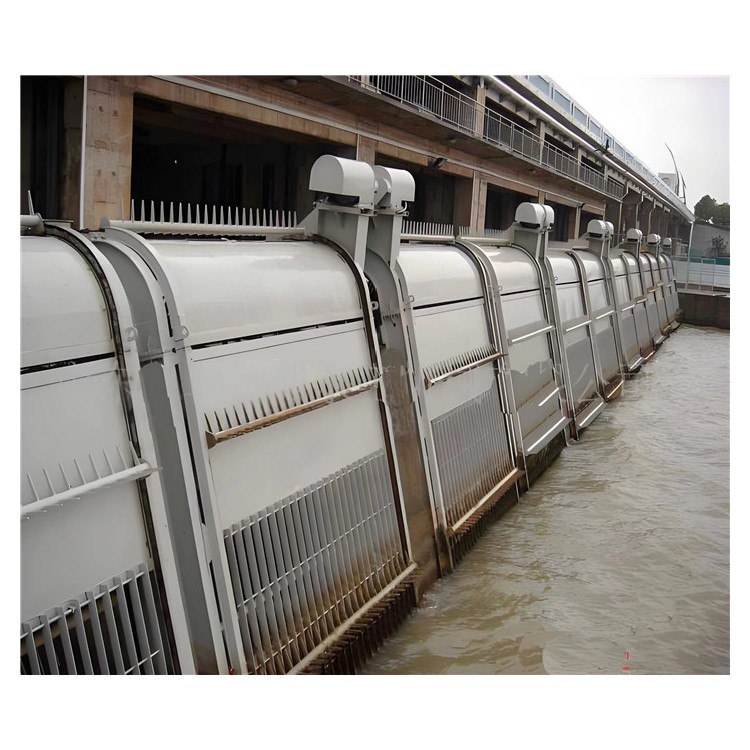
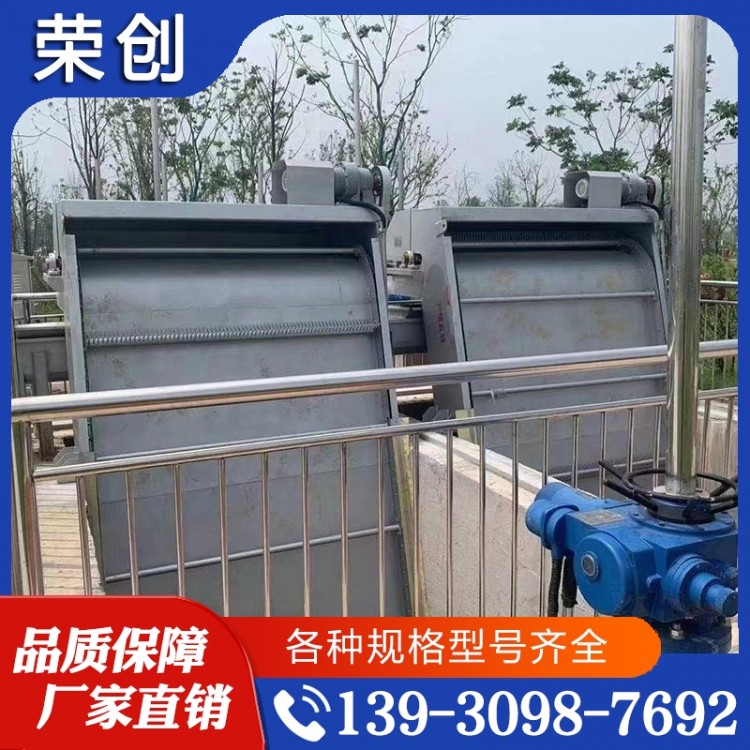





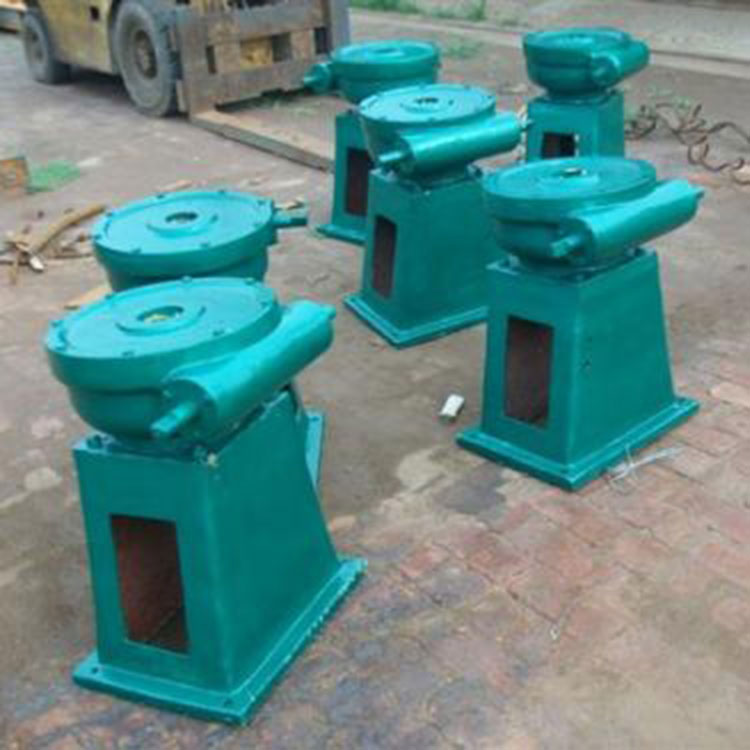

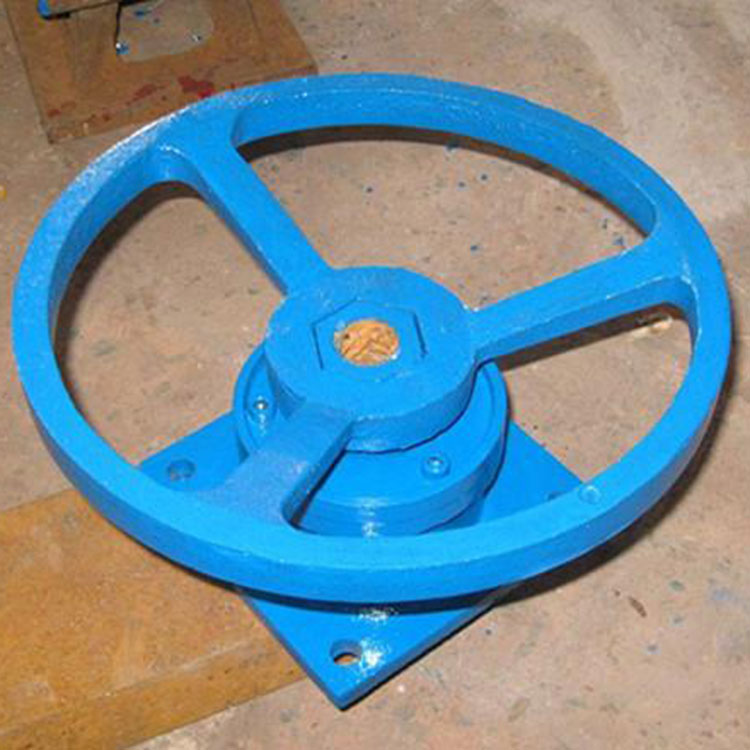


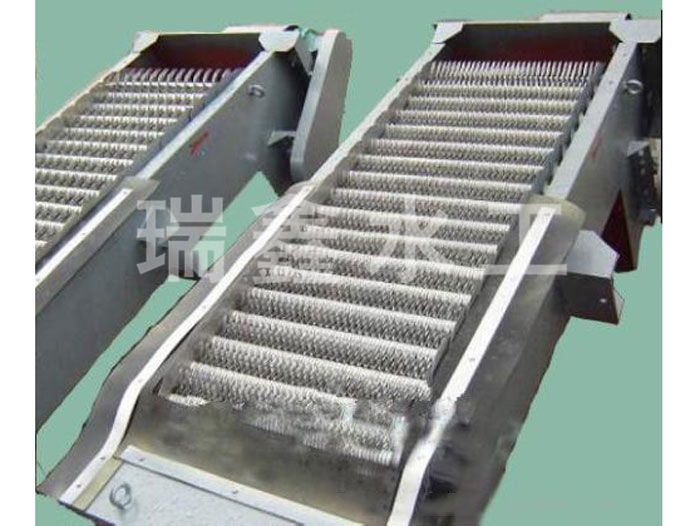
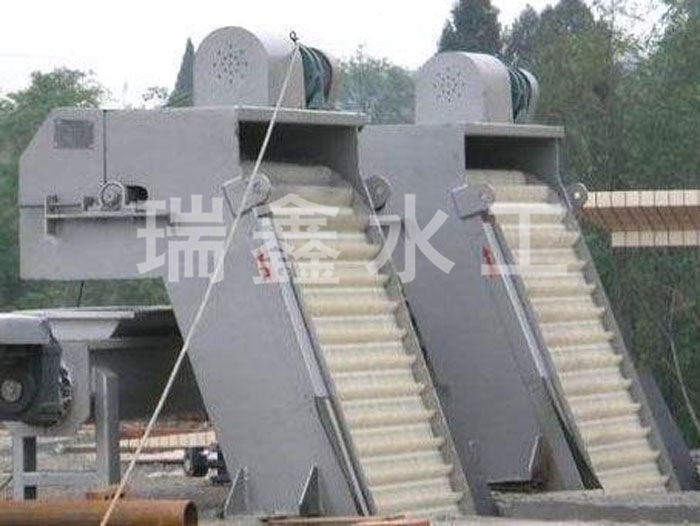

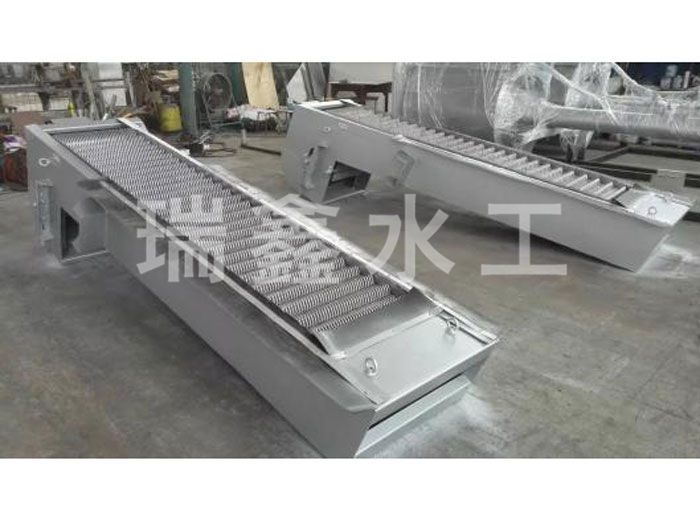


The Rotating Rake Screen Cleaner is assembled into a set of rotating grate chains with a unique rake tooth design. Driven by a motor reducer, the rake chain performs a reverse water flow rotational movement.
As the rake chain runs to the top of the equipment, the guide of the groove wheel and curved track causes each rake tooth to produce a relative self-cleaning motion. The majority of solid material falls off due to gravity. The remainder is cleaned by the scraper's reverse movement, removing debris stuck on the rake teeth.
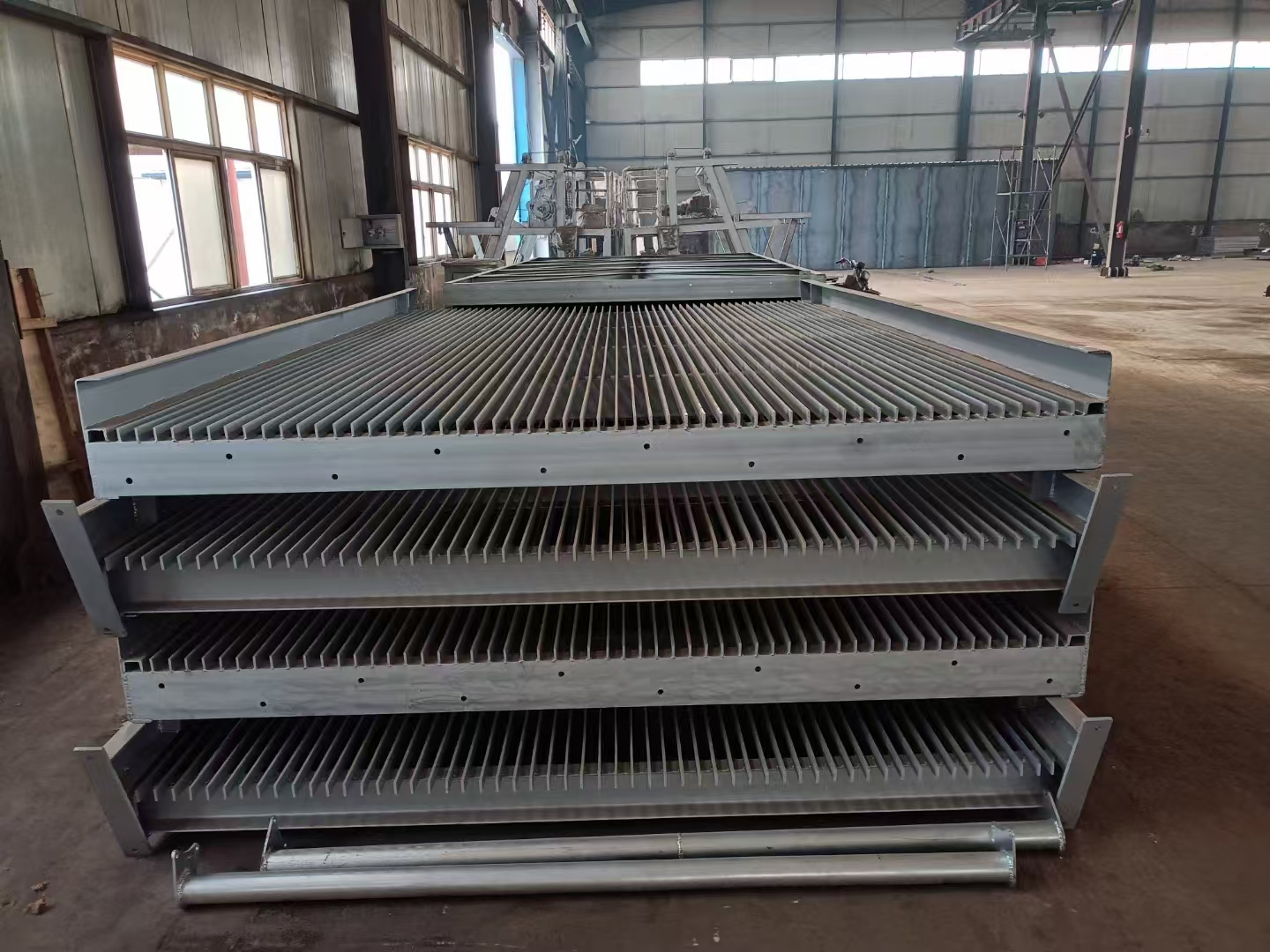
Rake chain, similar to a grate, runs in the direction of water flow. The gap between the rakes mounted on the rake chain shaft can be selected according to the operating conditions. After the rakes separate solid suspended particles from the fluid, it ensures unobstructed flow. The entire process can be continuous or intermittent.
Product Features
The equipment's major advantages are its high degree of automation, high separation efficiency, low power consumption, noise-free operation, and excellent corrosion resistance. It can ensure continuous and stable operation even unattended. It's equipped with an overload safety protection device, which will automatically shut down the equipment in case of a fault, preventing overloading. The device can be adjusted to any operating interval as per user requirements, enabling periodic operation; it can also automatically control based on the liquid level difference before and after the grate; and it features manual control for ease of maintenance. Users can select it based on different operational needs.
Due to the reasonable structural design of this equipment, it boasts a strong self-cleaning capability during operation, preventing any clogging issues. Consequently, the daily maintenance workload is minimal.
Technical Specifications
1. Equipment and Rake Specifications
Equipment specifications are divided into GSLY300-3600 models according to the machine width. Machine width
Over 1800mm, make it a parallel machine. Rake tooth spacing is available in various specifications such as 1mm, 3mm, 5mm, 10mm, 20mm, 30mm, 40mm, 50mm, etc. Selection is based on flow rate, lifting height, total solid-liquid separation, and the shape and particle size of the separated material, with different materials available for optional pairing.
2. Equipment Length and Width Specifications
The standard trench depth for the equipment is 1535mm, which can be extended arbitrarily according to the user's needs and actual usage. Special specifications are designed separately.