












 、
、
.jpg)
.jpg)
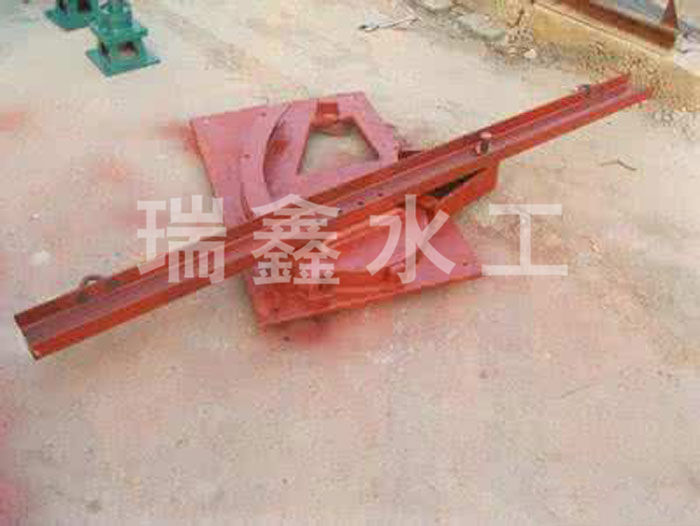
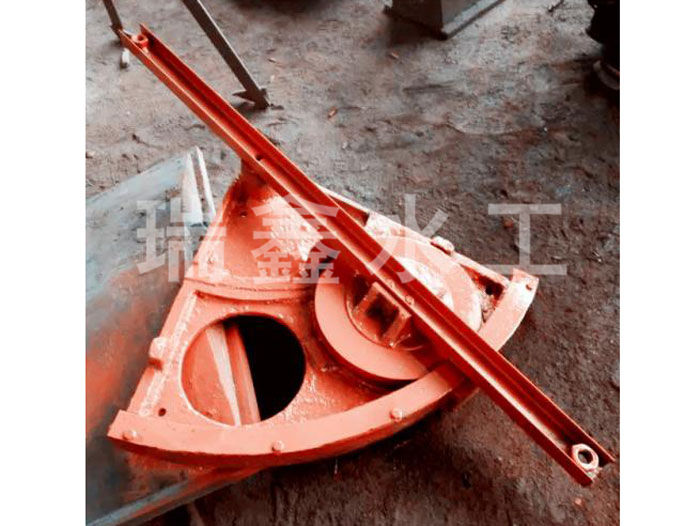
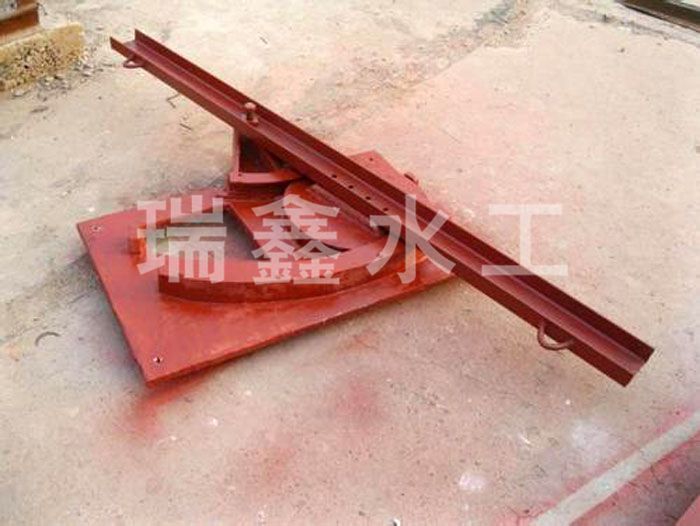
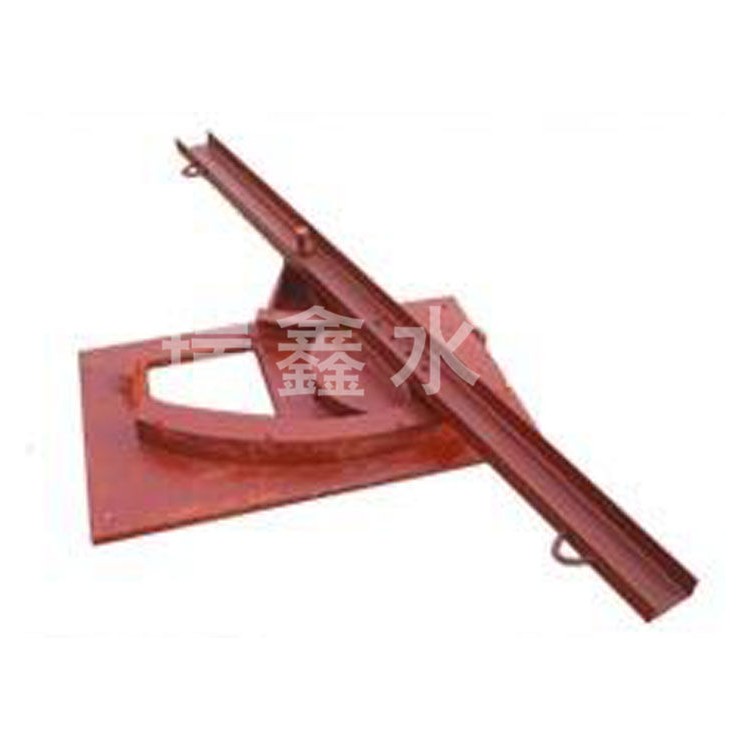
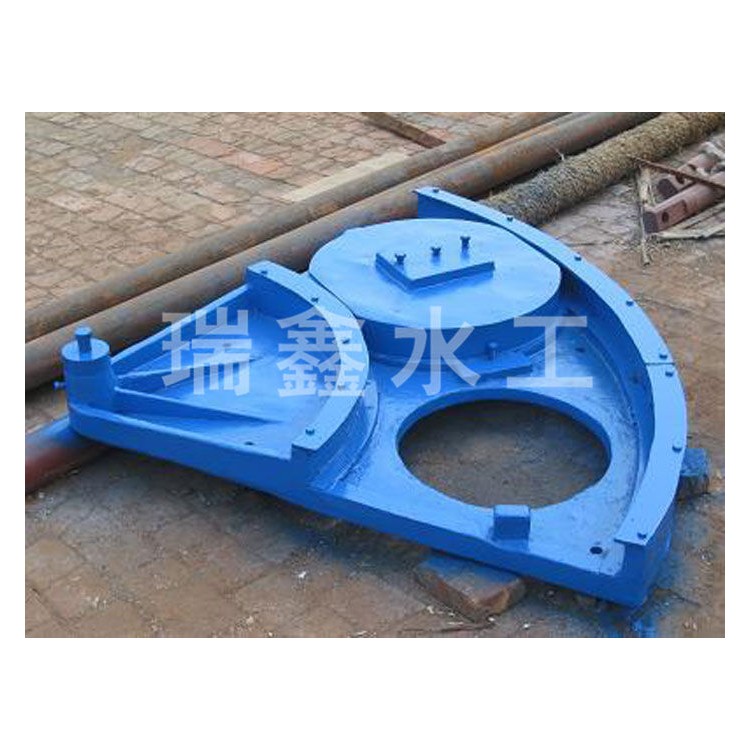
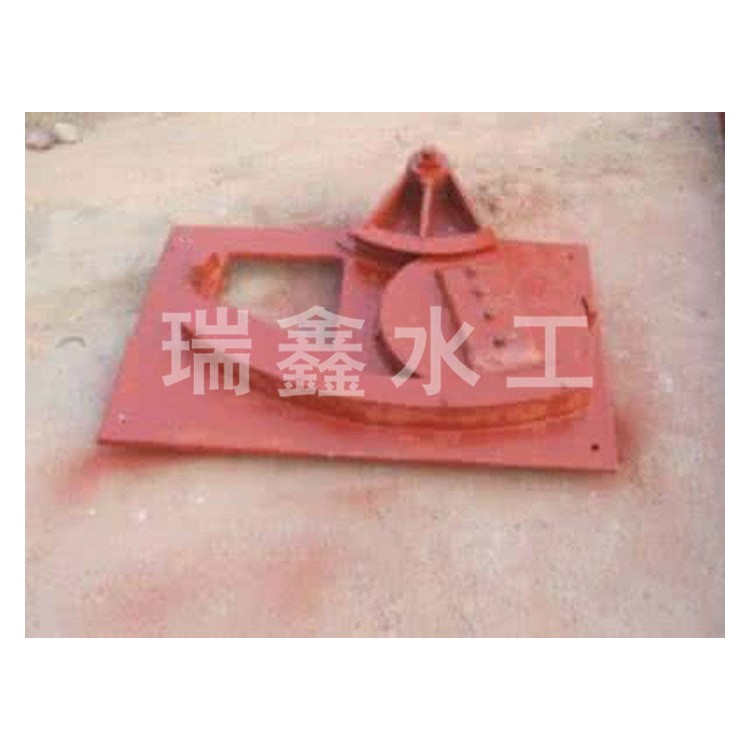
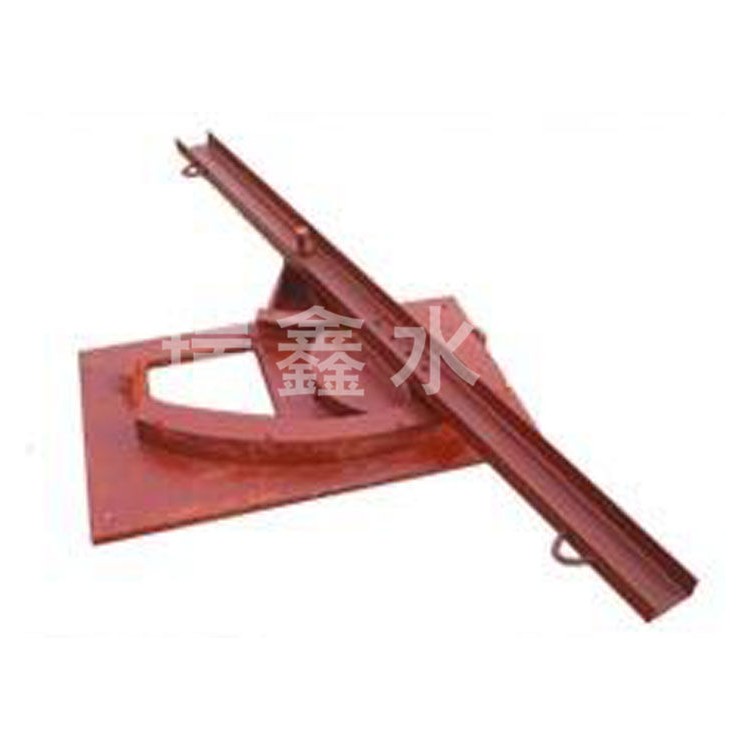
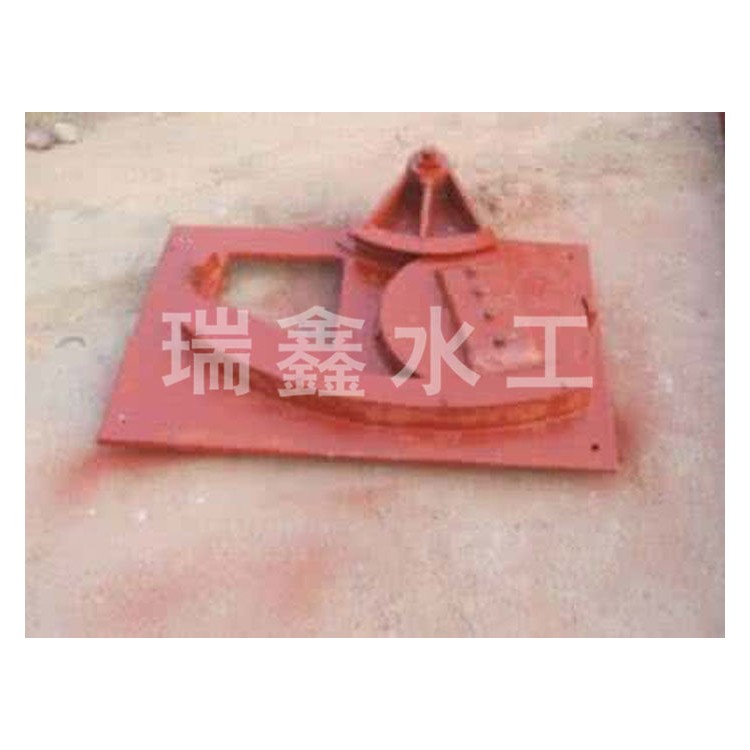
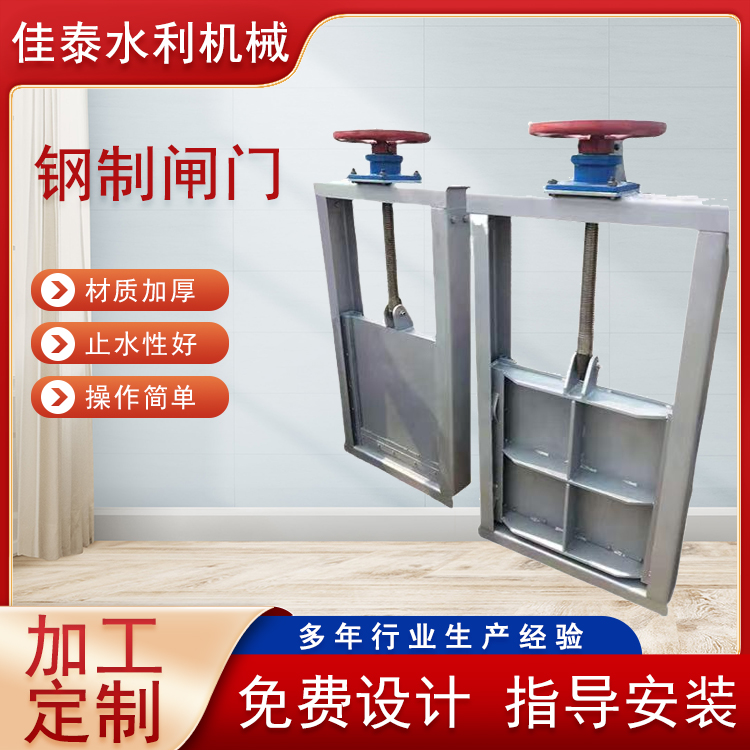
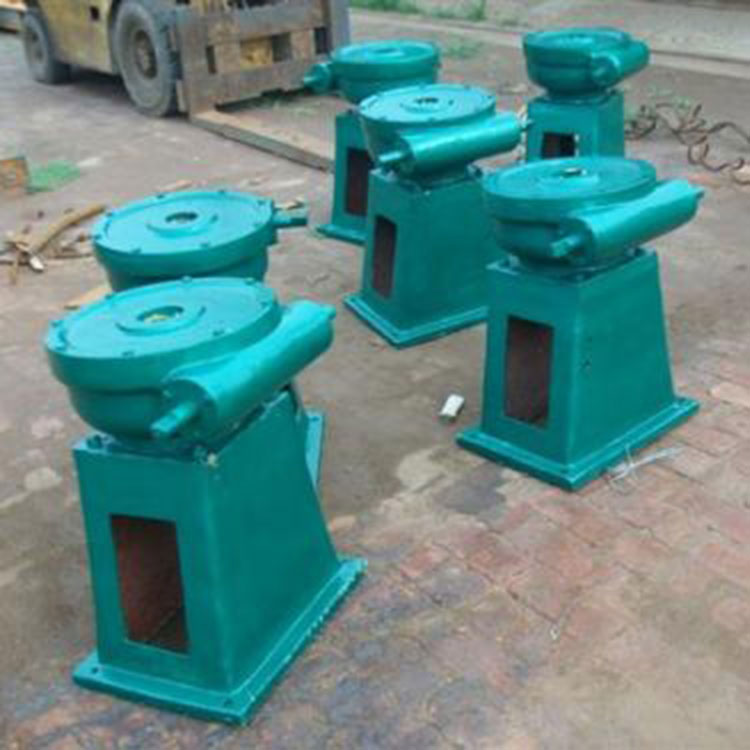
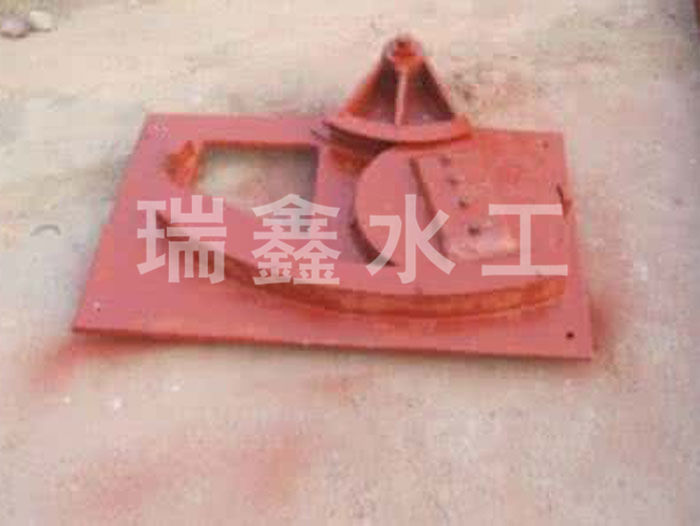
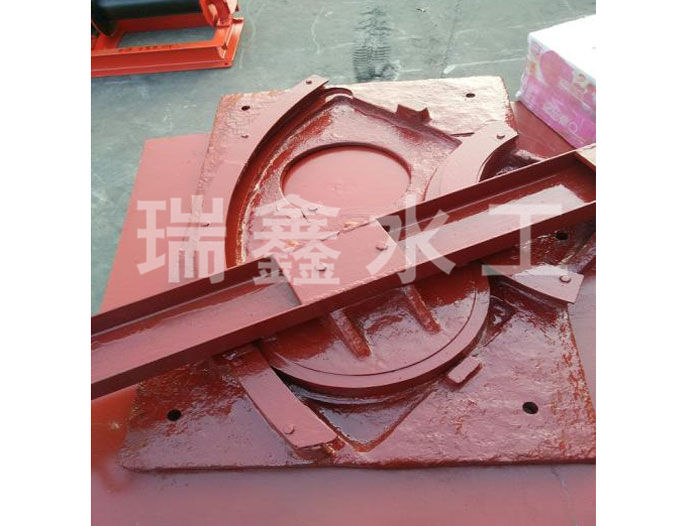
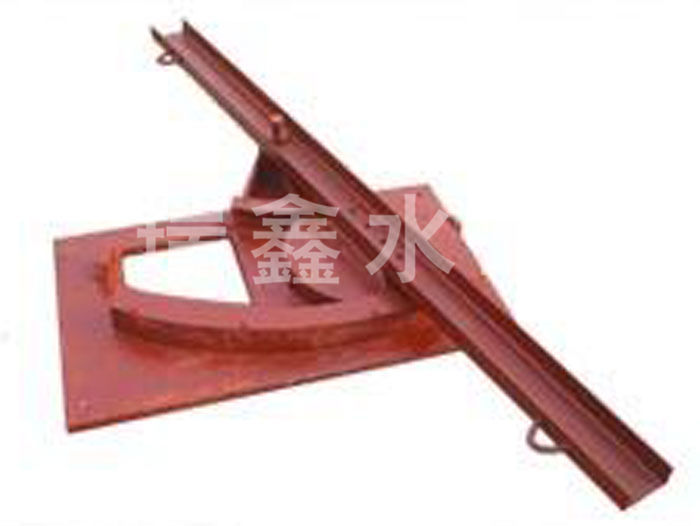
The rotating gate is widely used in reservoirs, primarily for releasing water through holes beneath the dam. It is operated by a winch-type hoist mechanism, which pulls the gate open or closed via a cable, serving purposes such as irrigation and flood discharge.
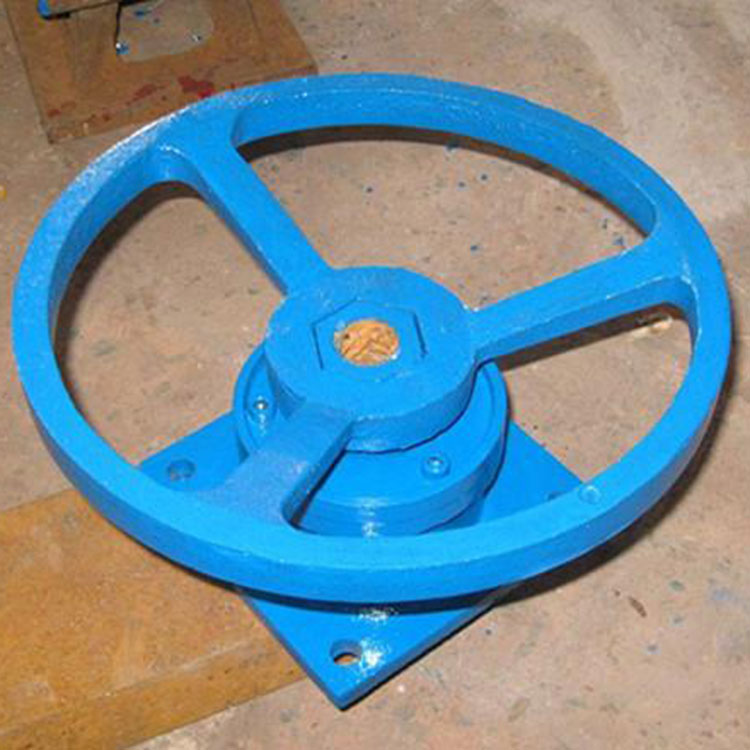
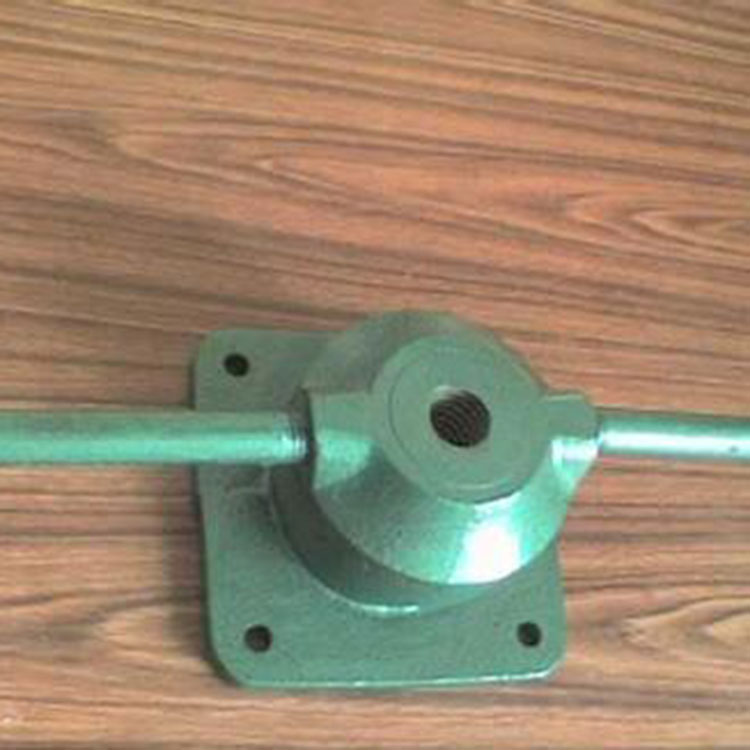
This product series utilizes the "Bidirectional Rotation Gate Standard Design Series" from the Survey and Design Institute of Hebei Provincial Water Conservancy Department. The water head classification is 5 meters, suitable for closing water in and out of tunnels, culverts, and channels. It features an underwater opening with 8 sizes ranging from Φ200 to Φ1200, in 24 specifications. The lifting mechanism is either a hand-cranked winch or a hand-cranked/hand-electric hoist. Our factory stocks the matching hand-cranked winches and hand-cranked/hand-electric hoists. Refer to the technical performance table for specific specifications. If a suitable water head classification is not available, a higher design water head classification can be used instead.
Characteristics of the directional gate:
One: Lightweight: Approximately one-third the weight of a standard gate.
Two: Corrosion-resistant: Resistant to acids, alkalis, and most corrosive chemicals, as well as sewage and seawater.
Three: Good Sealing: Utilizes rubber soft sealing, excellent sealing effect
Torque is low: Due to the light weight of the gate plate and the small frictional resistance between the gate plate and the track plate, the operating torque is low.
Five, Long lifespan: A anti-locking structure is installed between the gate and guide rail, resulting in minimal wear on the sealing surface.
Six, Easy Maintenance: In case of leakage after years of use, simply lift the gate and replace the rubber sealing ring on the door frame, saving time and effort with low repair costs.
Section 7: Manual Operation - Equipped with screw-type opening and closing mechanism, offering convenient, light, and reliable operation.
Eight: Electric operation – with precise positioning, easy operation, and facilitates both self-control and remote control via the electric control unit.