















.jpg)


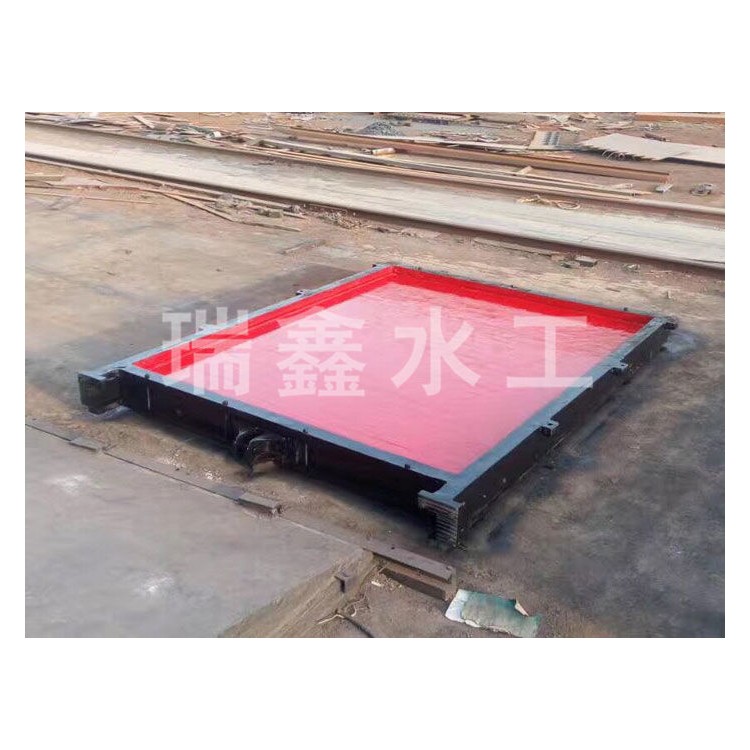
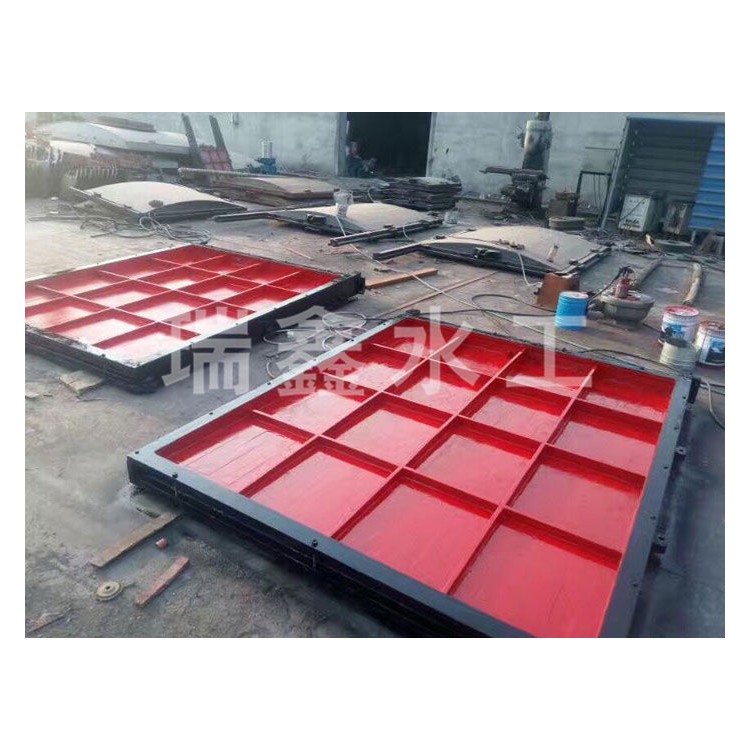
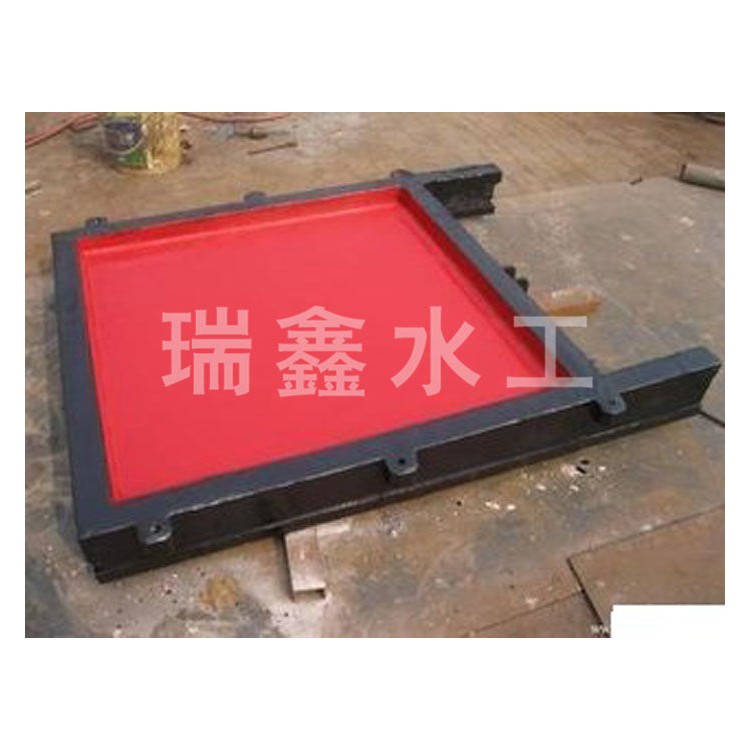
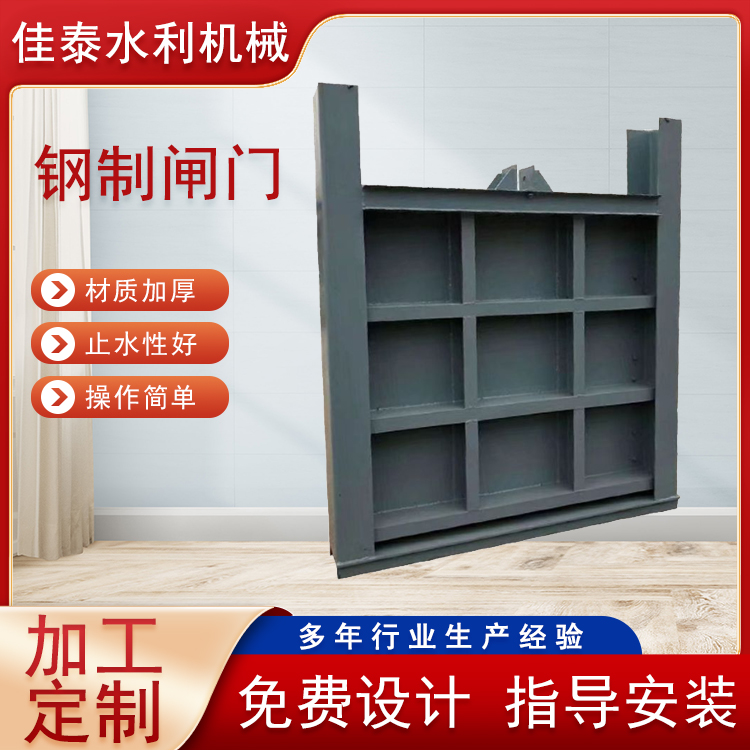
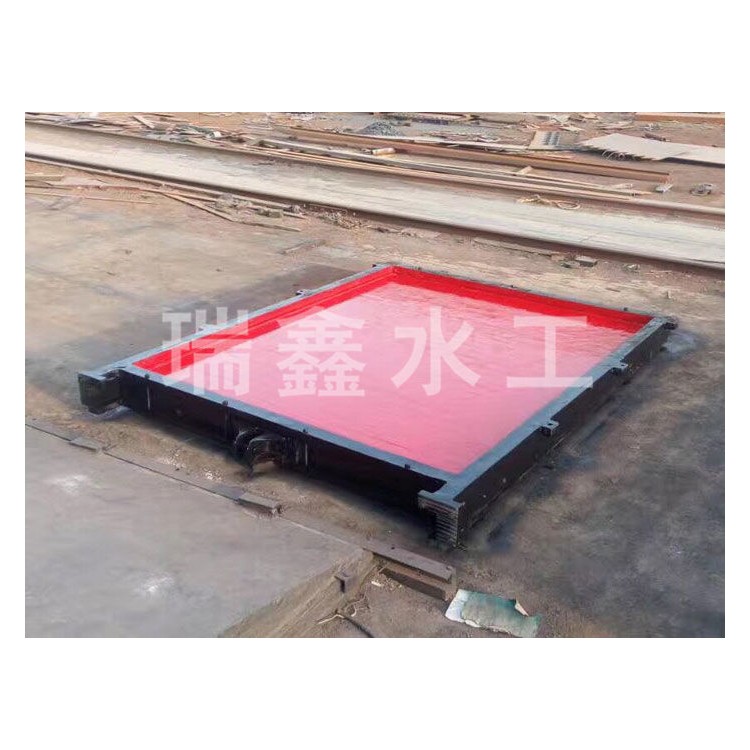
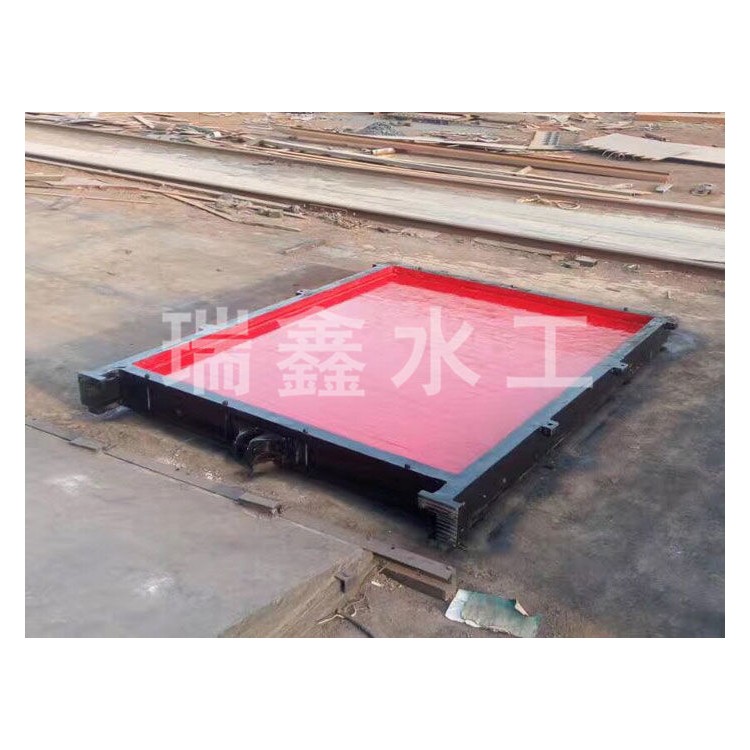
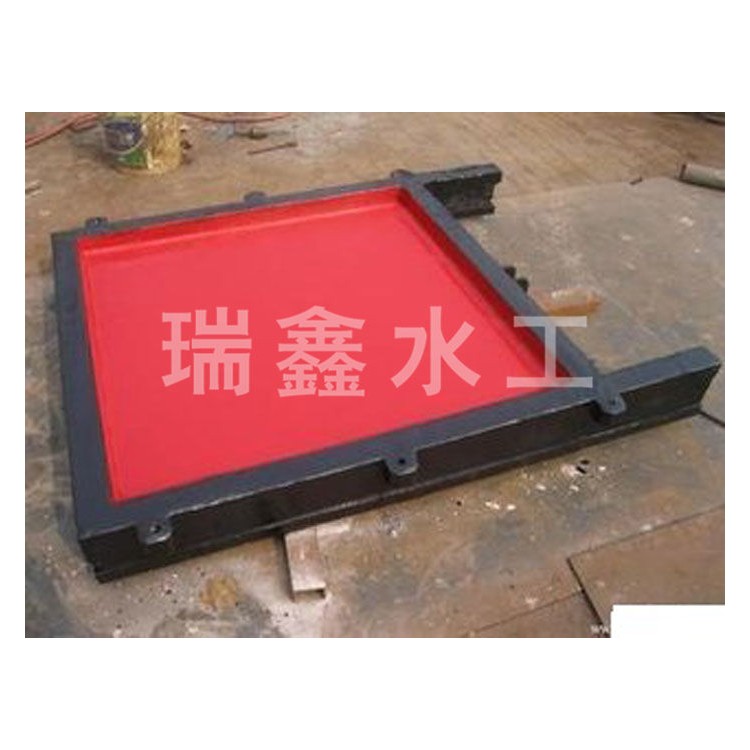
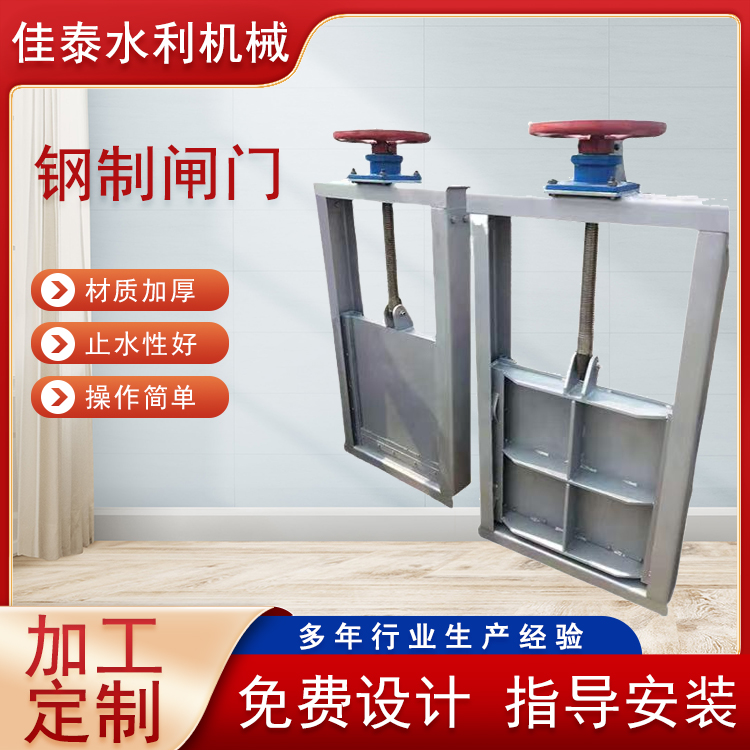
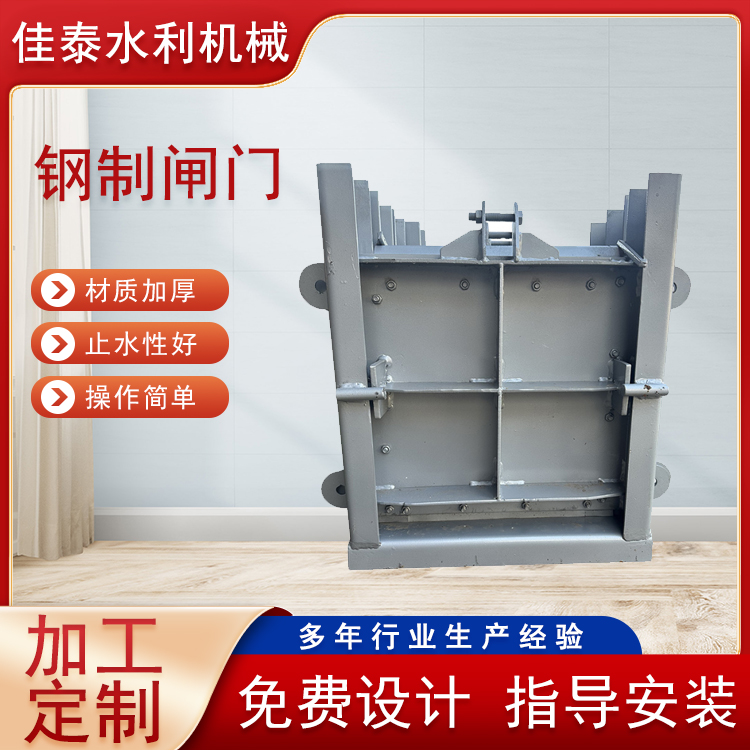
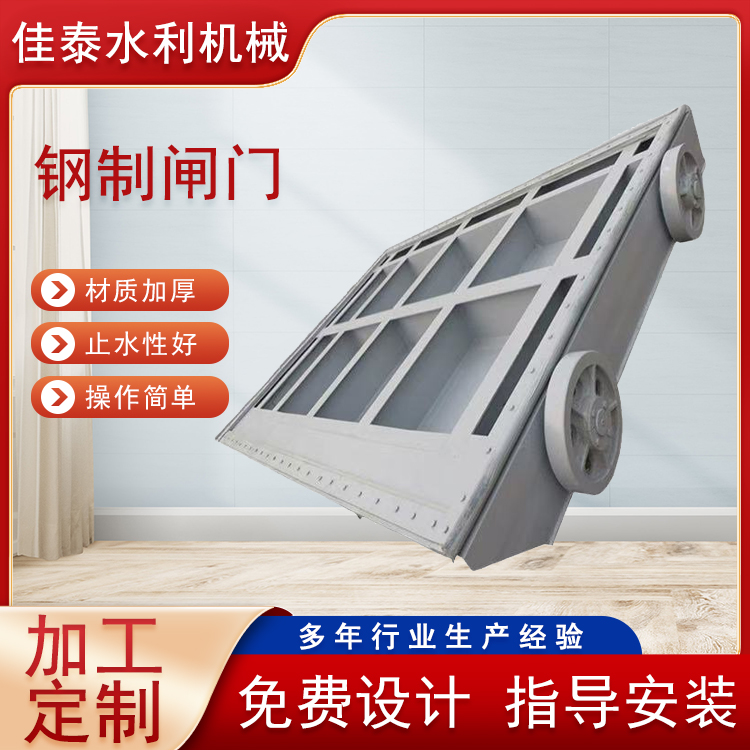
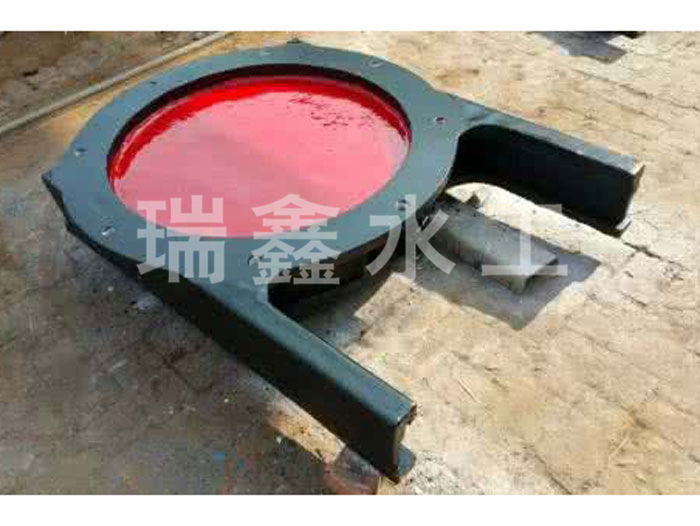
★ Double-seal cast iron gate requirements for both positive and reverse water stop engineering.
★ The double-seal cast iron gate utilizes a double-stand frame for water stopping, with the gate and frame fitting in a conical manner. This structure ensures an excellent water-stopping effect after the gate is closed, achieving ideal water-stopping performance in both forward and reverse water heads.
★ The gate installation is simple and convenient, with the same installation method as the standard gate PGZ (PZ) flat cast iron sliding gate.
★ Upon customer's special request, double face-sealing water stops can be installed with a copper water stop.
Cast Iron Gate Installation and Maintenance:
Firstly, before the actual installation work commences, there are certain conditions that we need to verify for compliance:
One, after the casting iron gate leaf is installed, we must conduct a corresponding inspection of the gate groove area to ensure there are no foreign objects left and that it meets the specified installation standards.
Two, whether the tightness of the supporting connections for cast iron gate valves meets the standard, and whether the assembly of the components is qualified;
Three, inspection of the surrounding environment for cast iron gate. To ensure optimal use of the gate, it is also necessary to conduct routine checks on the surrounding environment to prevent any debris that has not been cleared in a timely manner from obstructing the gate's operation after it has been activated, which may affect its normal functioning.
Cast Iron Gate Advantages and Disadvantages:
Advantages: Low fluid resistance; sealing surface is not eroded when fully open; can be used with bidirectional flow of medium, no directional requirement; sturdy and durable; suitable for both small and large valves.
Disadvantages: Tall height; long opening and closing time; heavy; difficult to repair; manual operation can be laborious for large diameter gate valves.
Gate valves are distinguished by the type of stem into lift stem and blind stem; by the gate design into parallel and wedge types; and also into single plate and double plate variations. In heating projects, the commonly used valves are the lift stem wedge single plate gate valve (Z41H-16C) and the blind stem wedge single plate gate valve (Z45T-10). The former is installed on the primary side of the thermal power station, while the latter is installed on the secondary side. They generally serve two purposes: as the main equipment for on/off operation; and as auxiliary equipment installed before and after the main equipment for maintenance.