











.jpg)


.jpg)
.jpg)
Handheld/Handwheel Screw Type Gate Operators, Product Introduction and Installation/Maintenance of Screw Type Gate Operators
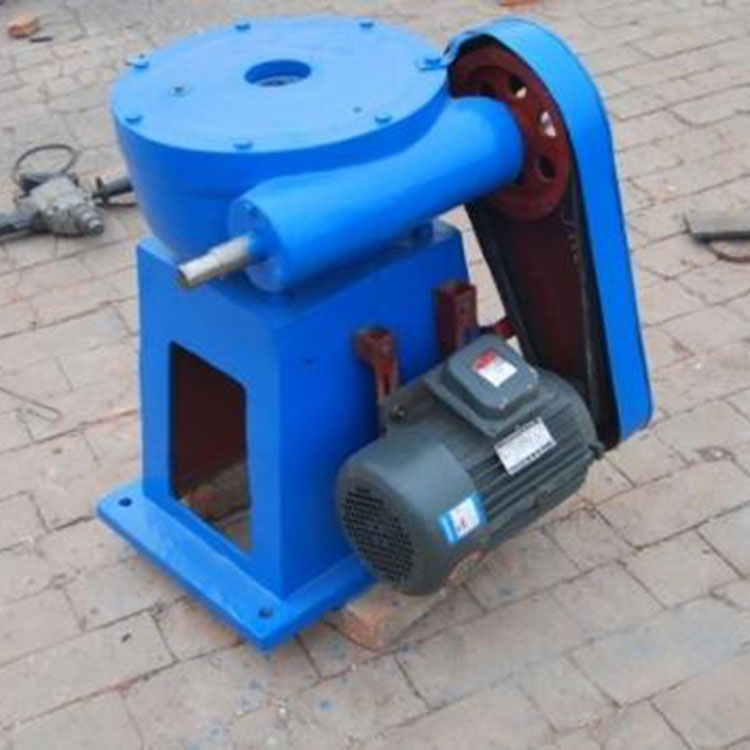
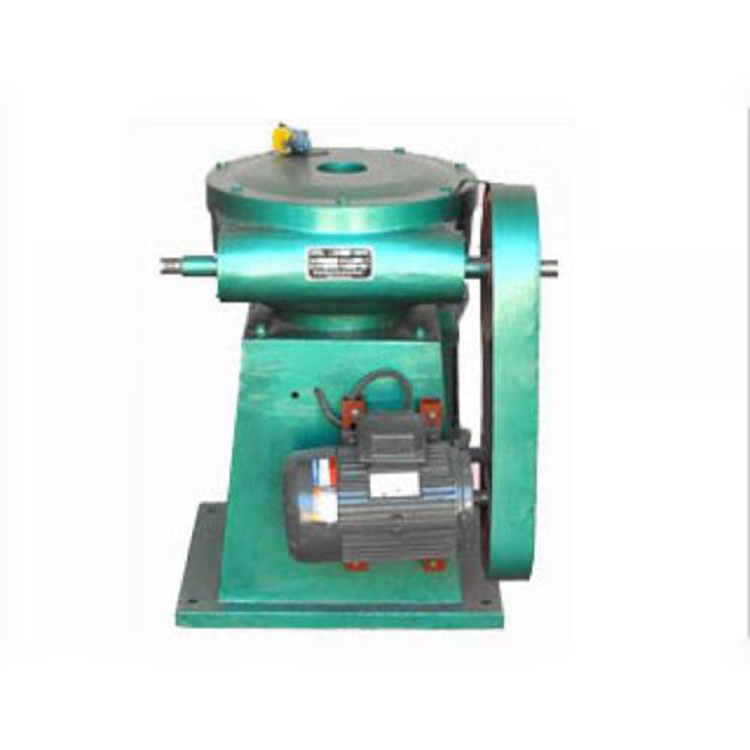
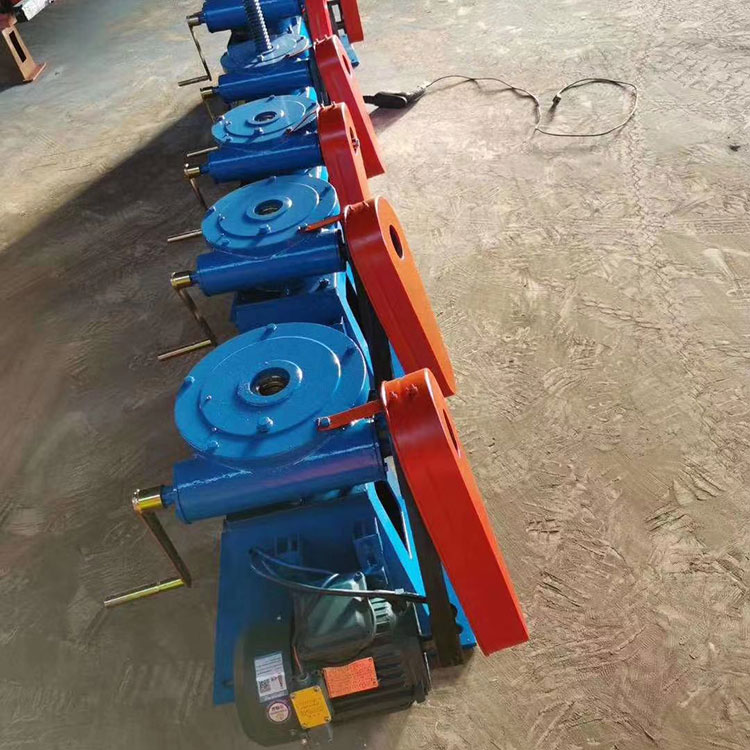
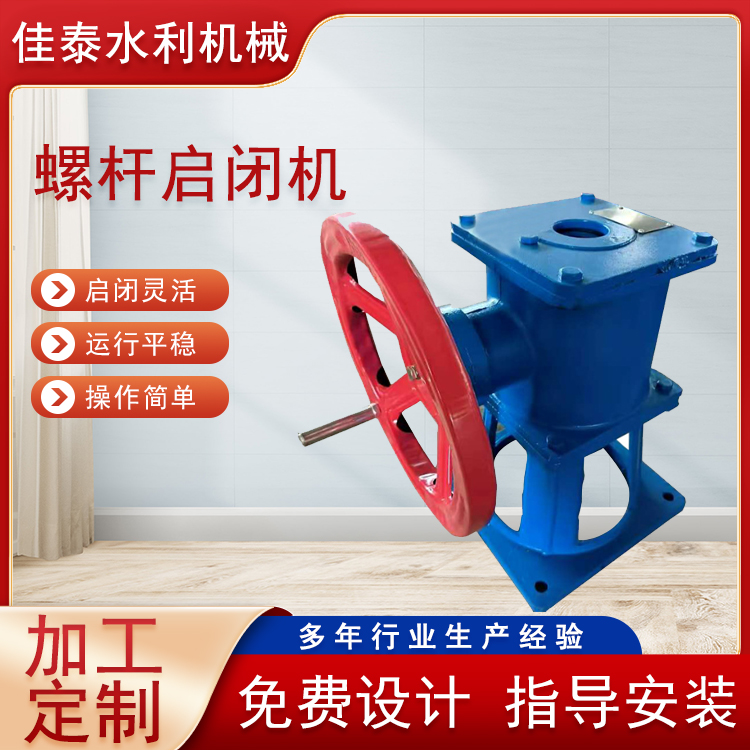
Section 1: Introduction to Dual-Use Screw-Type Handheld Closure Machines
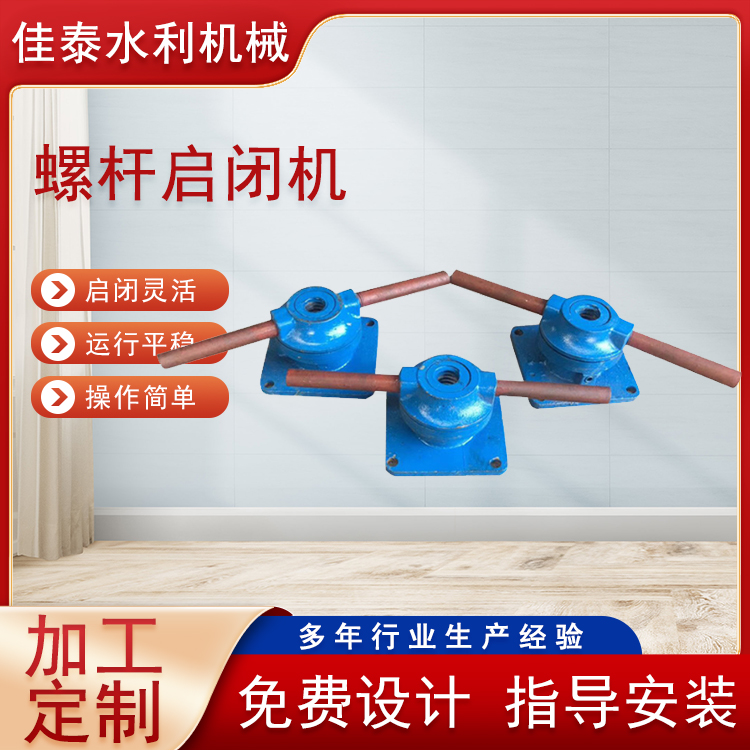
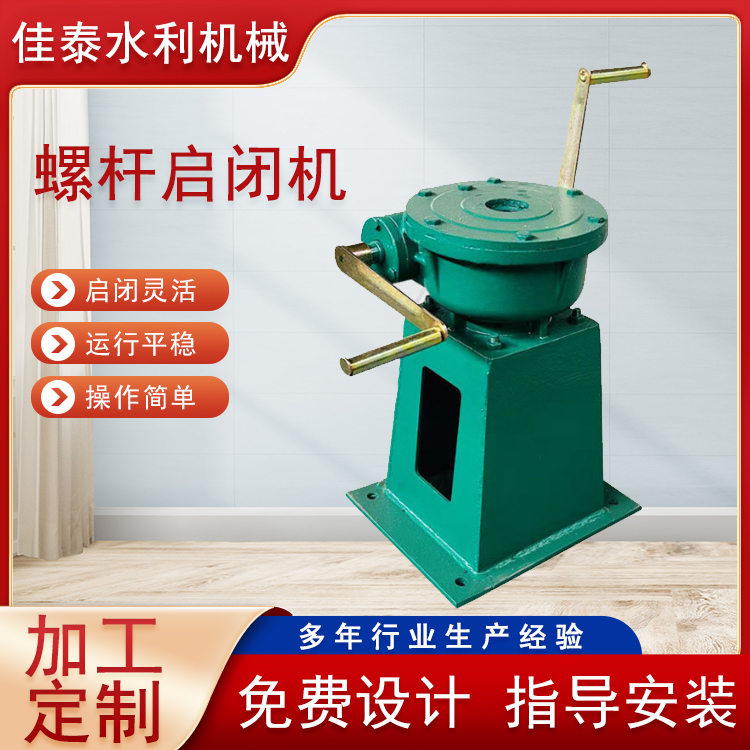
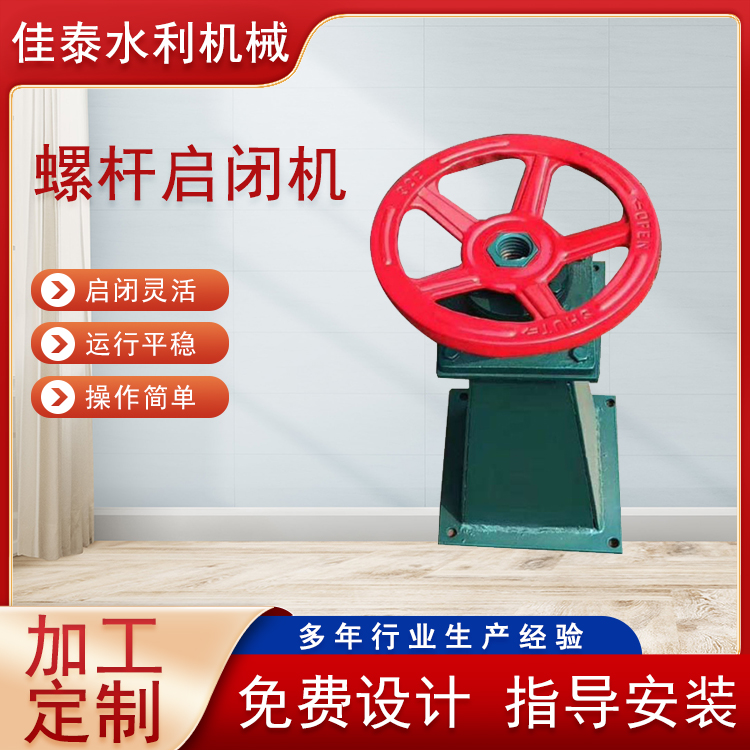
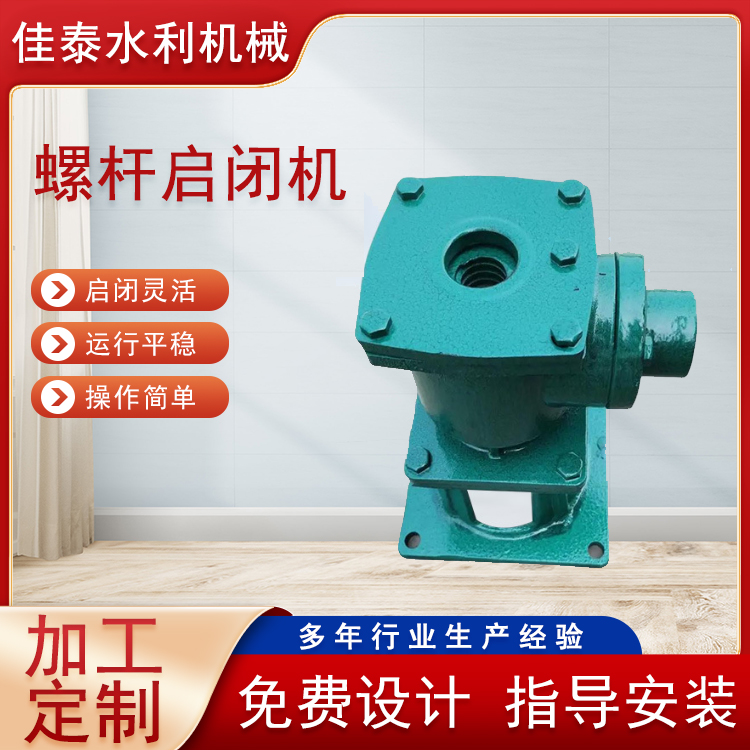
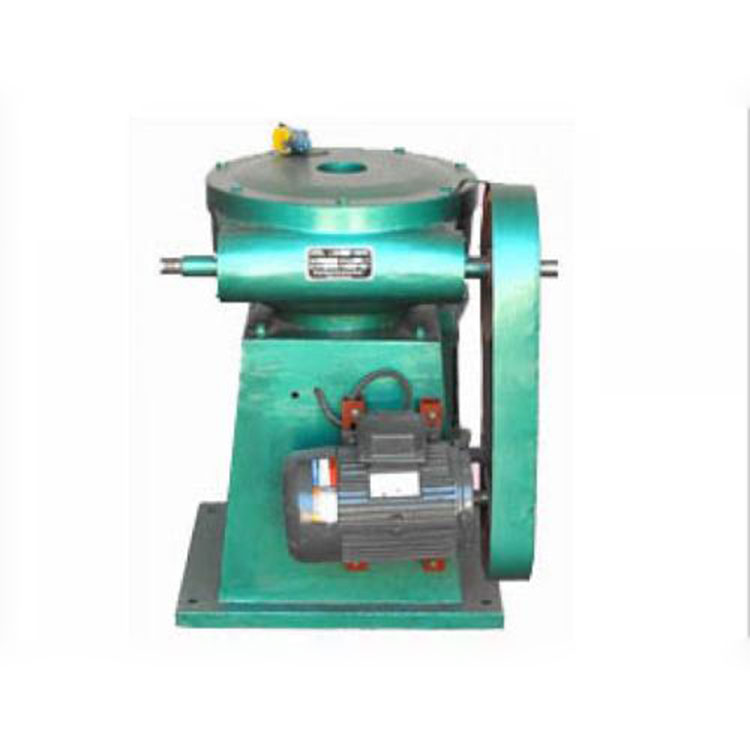
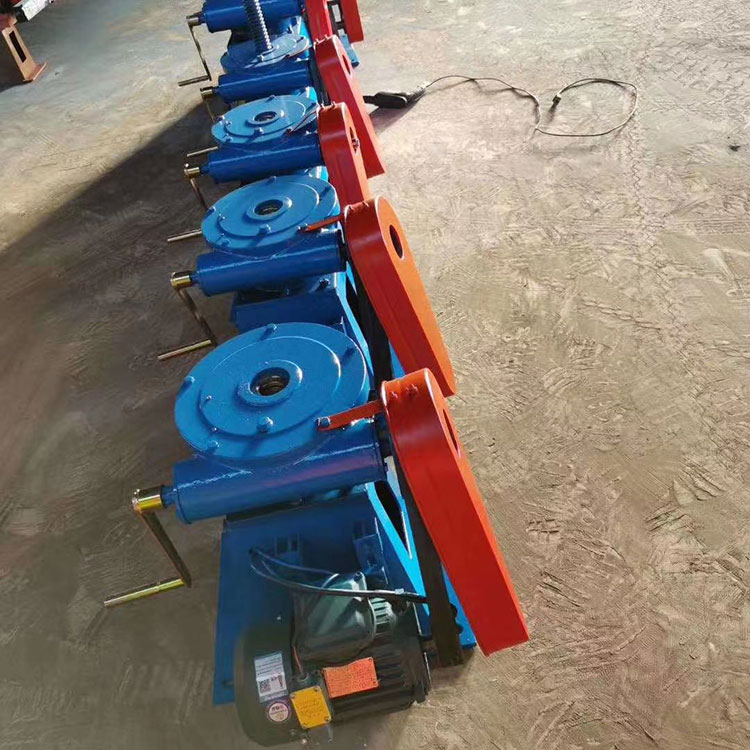
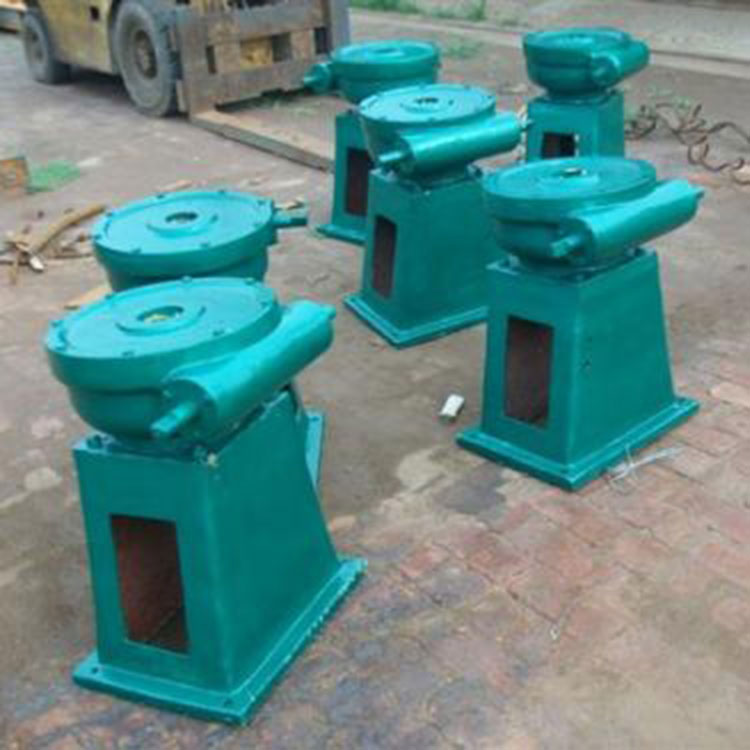
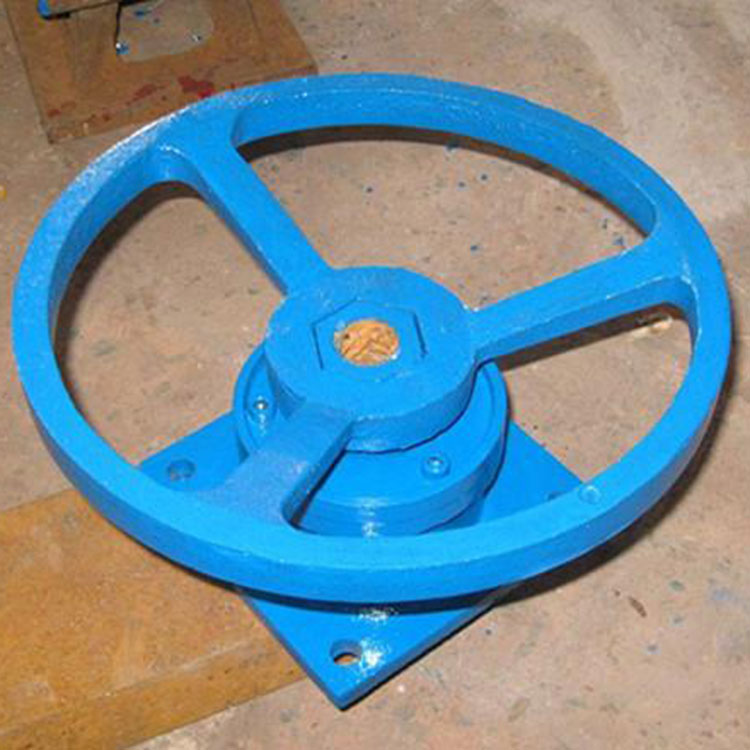
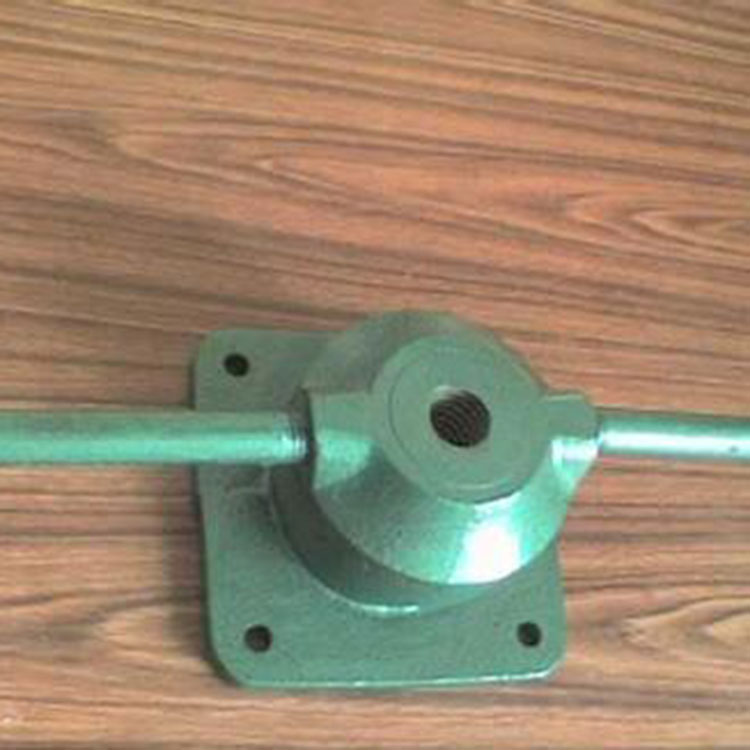
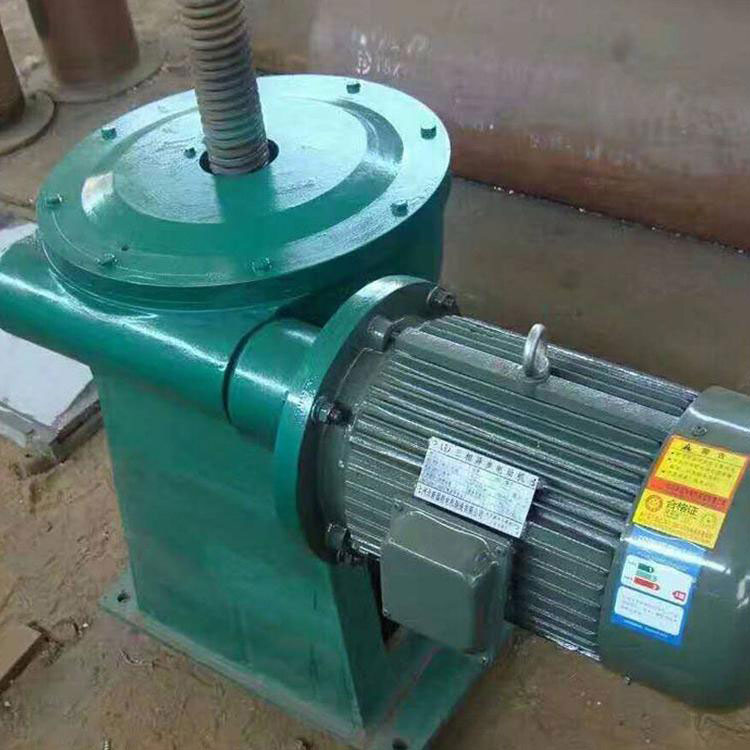
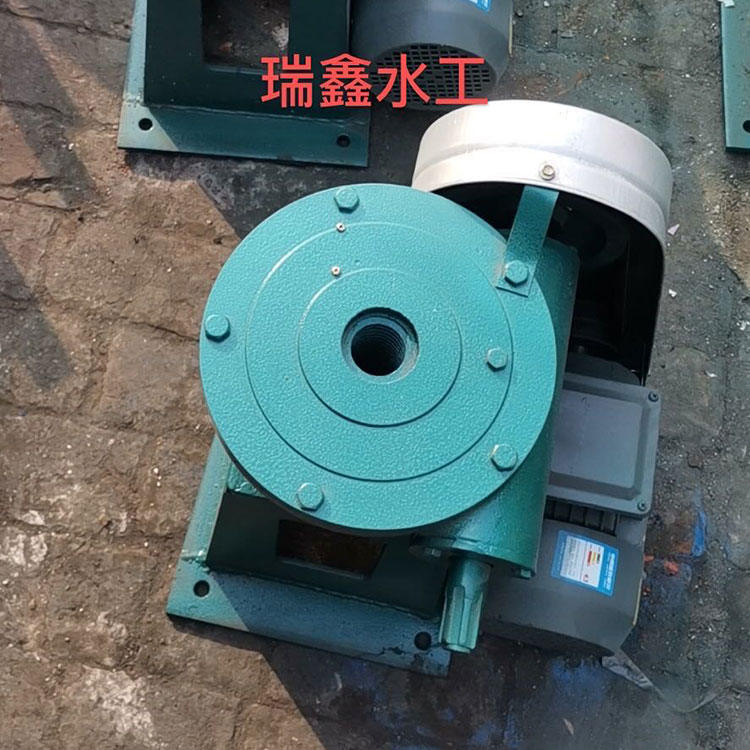
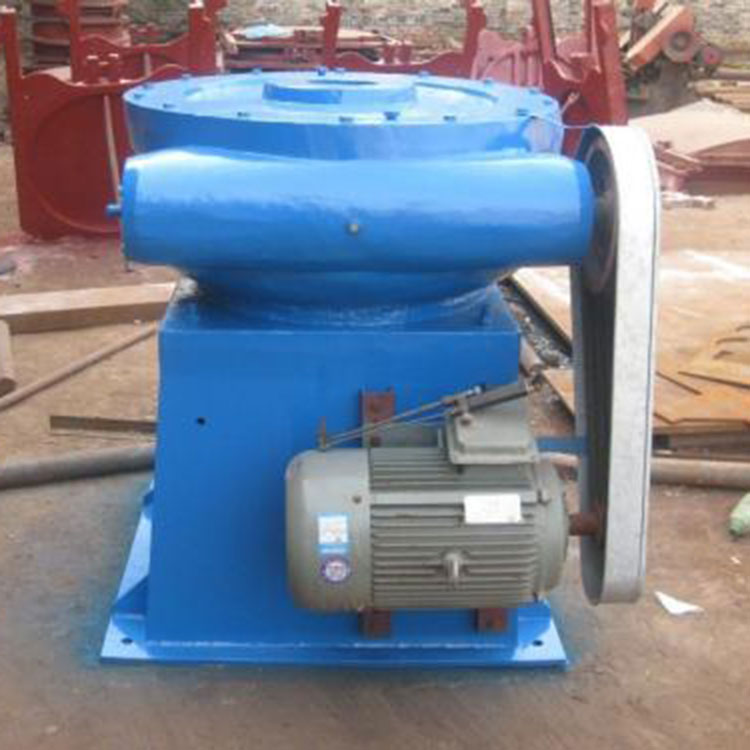
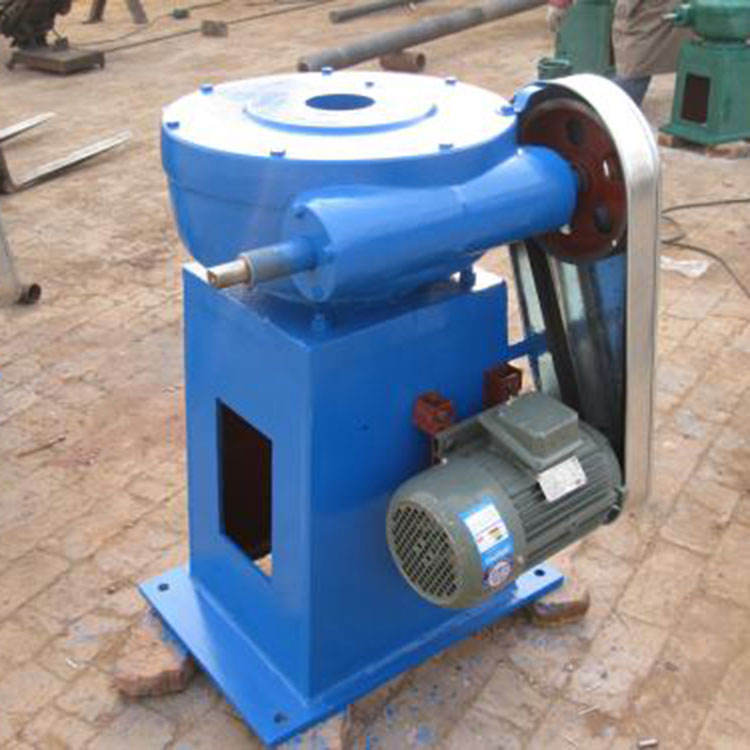
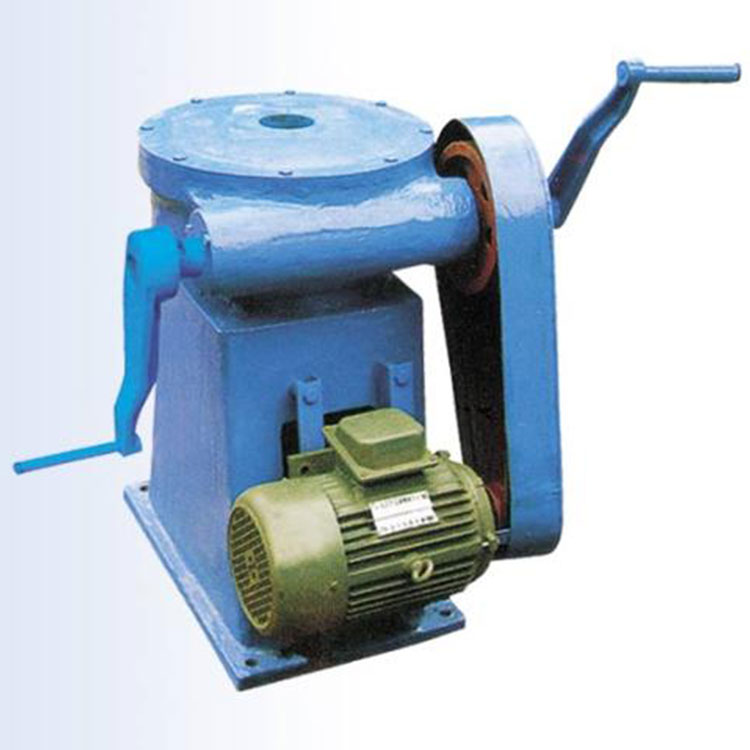
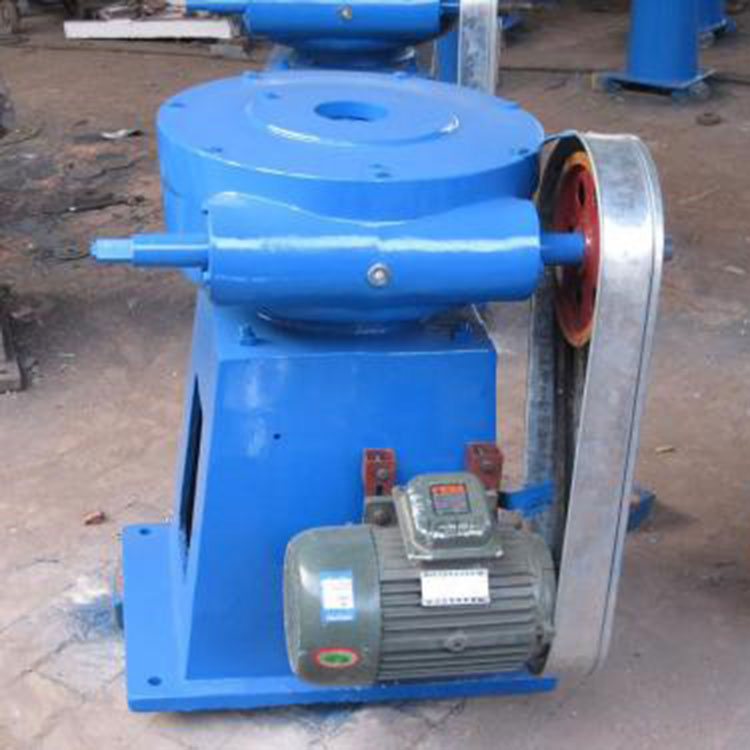
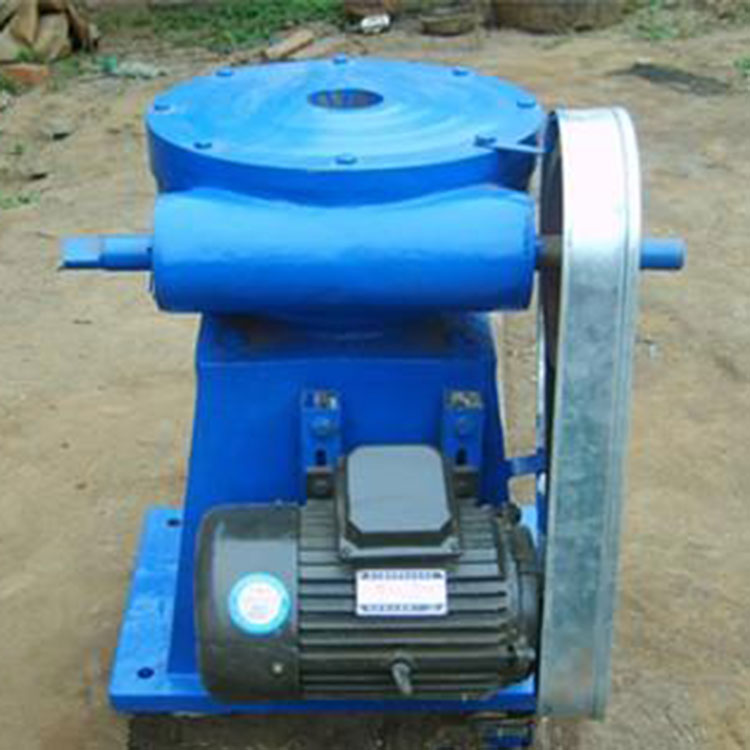
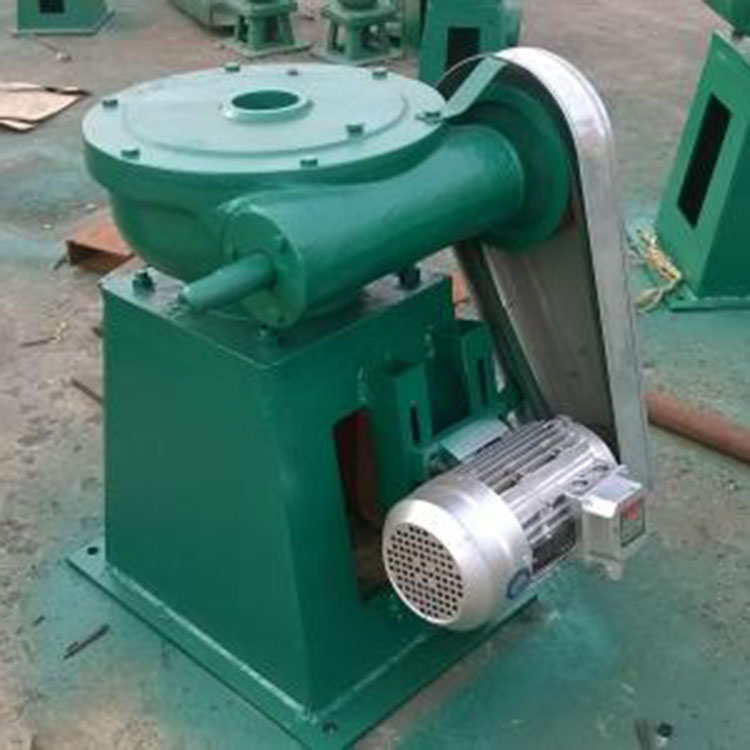
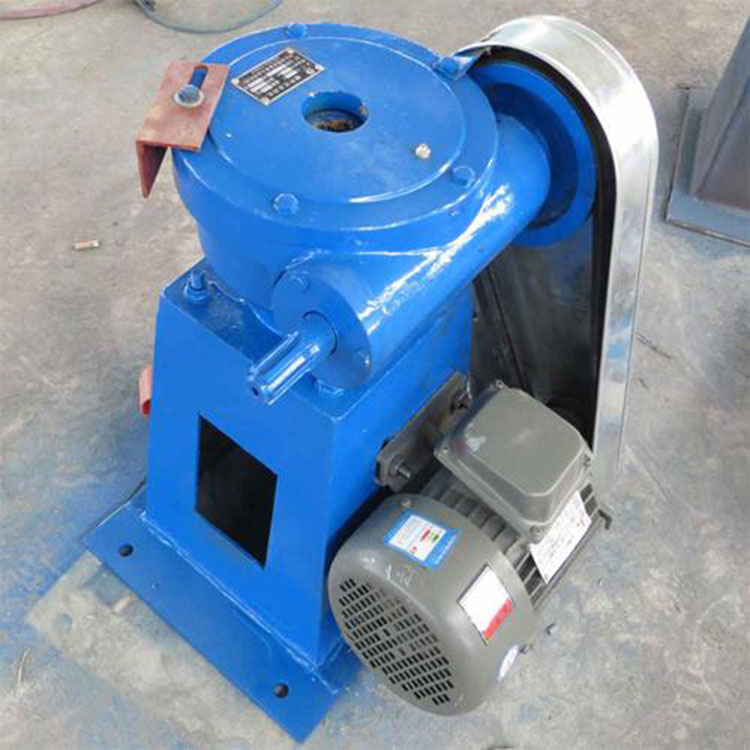
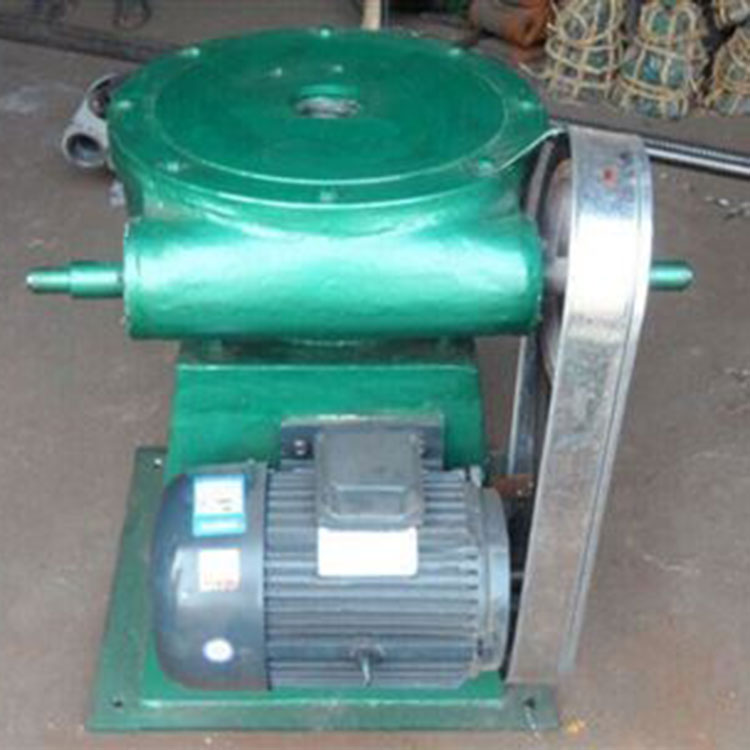
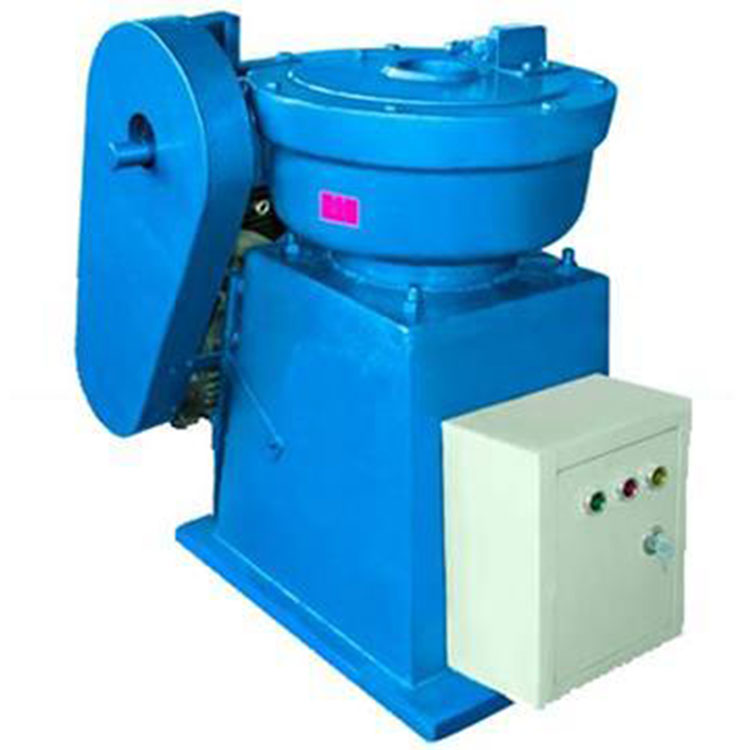
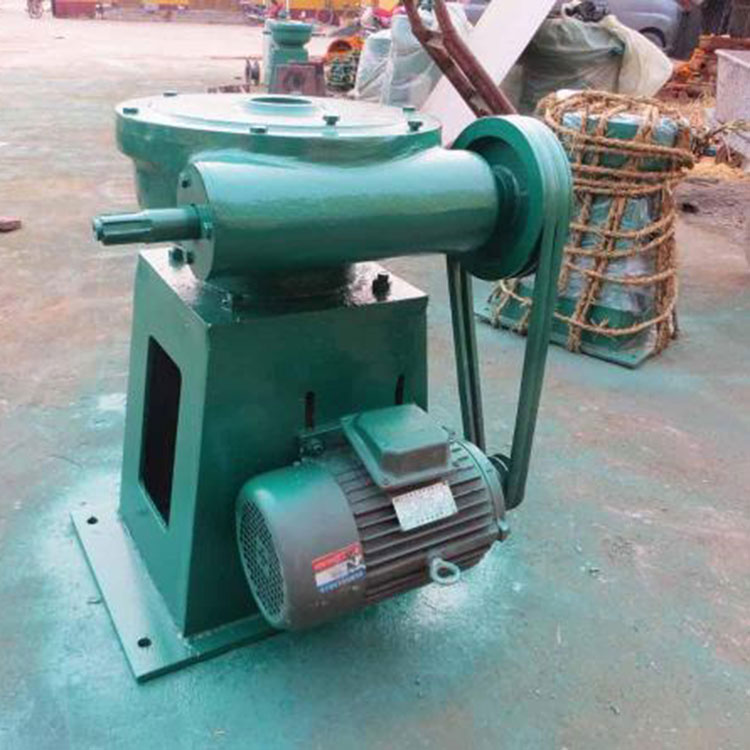
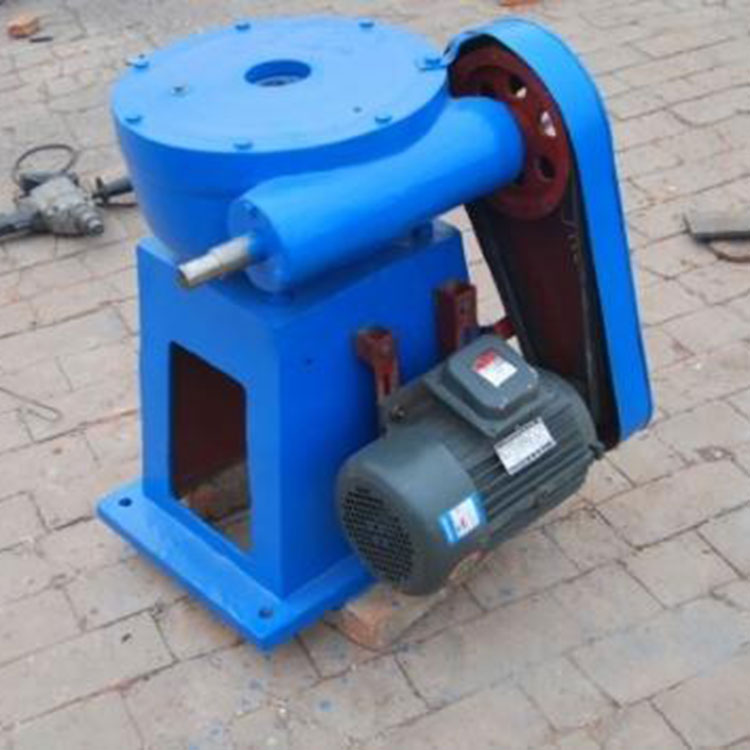
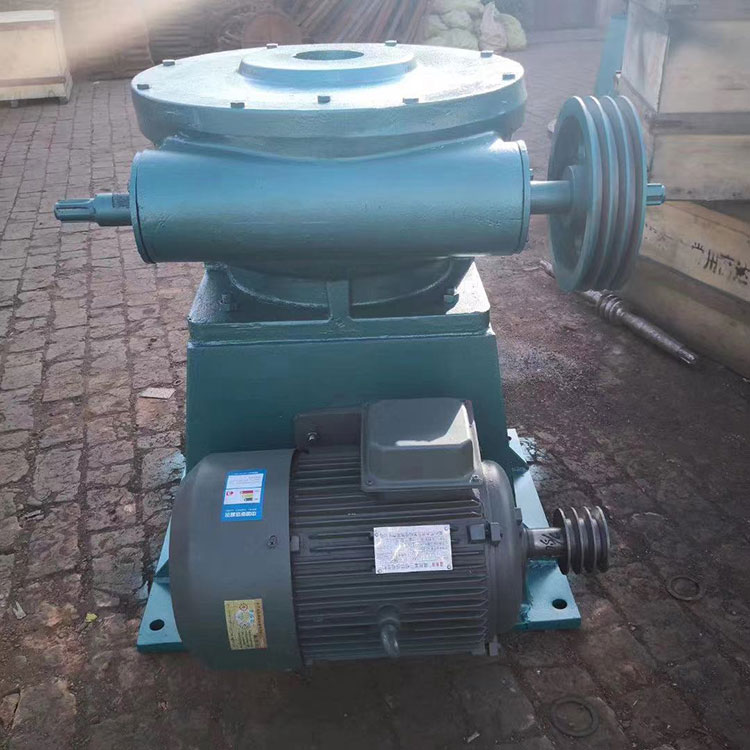
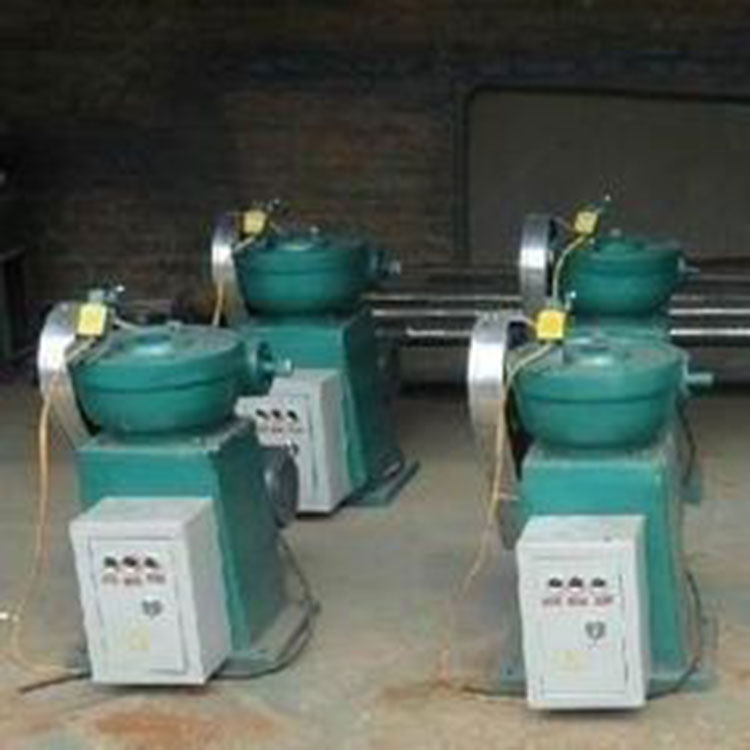
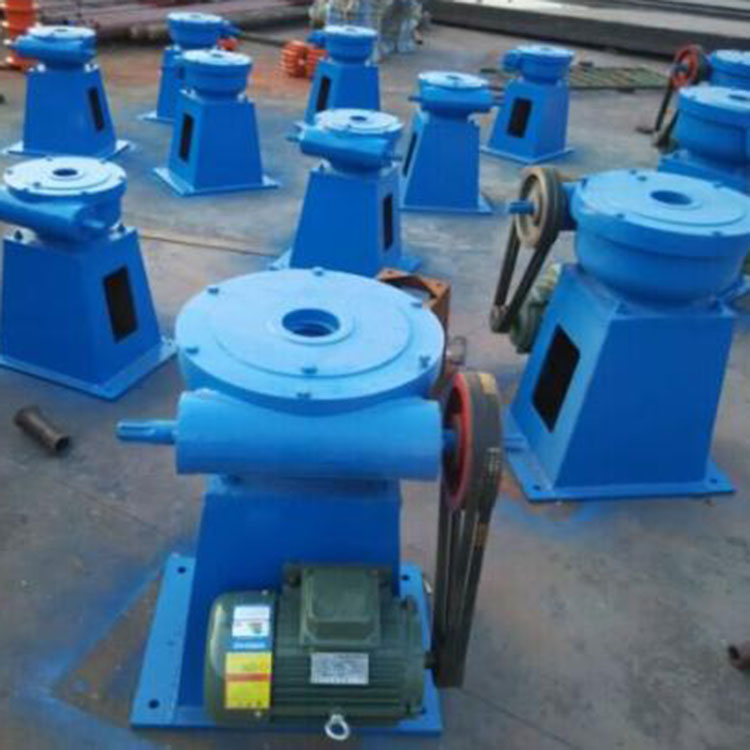
The twin-handlight screw-type gate operator, also known as the screw-type gate operator, is a mechanical device that directly or through gate hinge ears, connects the screw shaft to the gate leaf, using the screw shaft's up and down movement to open or close the gate. The twin-handlight screw-type gate operator is very simple in structure and easy to install, widely used for gate operations in channel culverts and water diversion hubs. With the extensive development of water conservancy and hydropower projects, screw-type gate operators are extensively adopted in reservoir irrigation areas, river embankments, and hydroelectric power station projects. The installation, commissioning technology, and knowledge of maintenance should also be widely promoted. For construction installation units and management departments, it is necessary to popularize this technology and knowledge to ensure the quality of the project and maximize its benefits.
Section 2: Installation of Dual-purpose Screw-Type Handheld Shut-off Machines
When installing the two-in-one hand-held screw type gate operator, ensure the foundation layout plane is level at 180 degrees; the contact area between the operator base and the foundation layout plane should be above 90%; the screw shaft must be perpendicular to the horizontal surface of the gate platform beam; it should align vertically with the hinge holes of the gate plate to avoid the screw shaft tilting and causing localized stress that may damage the components.
After installing the double-use handlamp-style screw-type opening and closing machine, it is essential to conduct a trial run. First, perform a no-load test by allowing the screw to make two strokes and listen for any abnormal sounds to check if the installation meets technical requirements. Second, conduct a load test by operating the screw for two strokes under the rated load and observe the operation of the screw and gate for any anomalies. Only after confirming there are no issues should the machine be operated officially. After a period of load operation, maintenance should be performed. Clean the new machine parts inside, especially the screw, nut, turbine, and worm, gently and thoroughly, apply lubricating oil, seal them tightly, and continue using.
III. Faults and Repairs for Dual-purpose Screw Type Lantern Opening and Closing Machines:
1. Accidental top gate failure of a hand torch dual-purpose screw jack caused by non-human factors
During operation, debris such as trees or stones can be swept by the high-speed water flow to the bottom of the gate or jammed in the gate groove. If the gate is closed at this point, the lower edge of the gate is blocked by the obstacle before it touches the bottom, generating a reverse force. However, the limit indicator or switch on the screw-type hoist may not have reached its position, failing to stop the machine or alert the operator. As a result, the operator may not stop the machine, and the hoist will continue to lower the gate. When the reverse force exceeds the load-bearing capacity of the hoist or the hoist platform, a gate jamming accident will inevitably occur. During use, special attention should be paid to the gate jamming accidents of screw-type hoists. If such an accident occurs, it should be addressed promptly to prevent more severe incidents.
2. Man-made factors causing a tripping accident
Operators are careless, failing to check the gate opening and closing procedures before operating, or substitute workers operate blindly when they are not familiar with the procedures and methods. This can lead to reversing the opening and closing direction, opening the gate while it's closed, pressing the wrong button for electric operation, or turning the wrong direction manually, mistaking the closing operation for opening; in some cases, operators are not focused when closing the gate, failing to stop the machine immediately upon reaching the lower limit position. There are also instances where the limit nuts or limit markers on the screw shaft are misaligned, failing to act as limiters. Electric gate operators may encounter power supply changes during maintenance of electrical equipment or power lines, causing the motor to reverse its original running direction and changing the gate opening and closing direction. If the gate is closed and opened in this situation, a collision accident is likely to occur.
IV. Reasons for Screw Bent in the Double-Use Screw Jack for Lanterns:
The gate opening indicator is inaccurate or the limit switch fails, causing the gate to continue closing even after it is fully closed; incorrect operation of the power unit continues to close the fully closed gate; sudden jamming of the gate or obstruction by a stone or other obstacle on the bottom sill during closing; violating the operation procedures leads to the closing force exceeding the allowable pressure of the screw; the long slender ratio of the handlamp dual-screw lifting machine screw and connecting rod exceeds the allowable maximum limit or the guide arrangement spacing is too large; the installed screw and connecting rod errors are too large, resulting in jamming during closing. Repair methods: methods such as applying weights, levers, jacks, straighteners, presses, and heating can be used for correction. After correction, the non-perpendicularity should be controlled as follows: not exceeding 0.15mm per 0.5m length, and not exceeding 0.7mm when the total length is not greater than 5m; when the total length is 510m, it should not exceed 1mm. If it exceeds these standards, further correction is required.
To prevent further bending, the screw should be corrected and the cause of the bending addressed. This includes precisely adjusting the gate opening indicator, repairing and adjusting the limit switch, installing limit nuts, adjusting the safety coupling, modifying the screw and connecting rod's length-to-diameter ratio and guide points, and adjusting the screw's installation position.