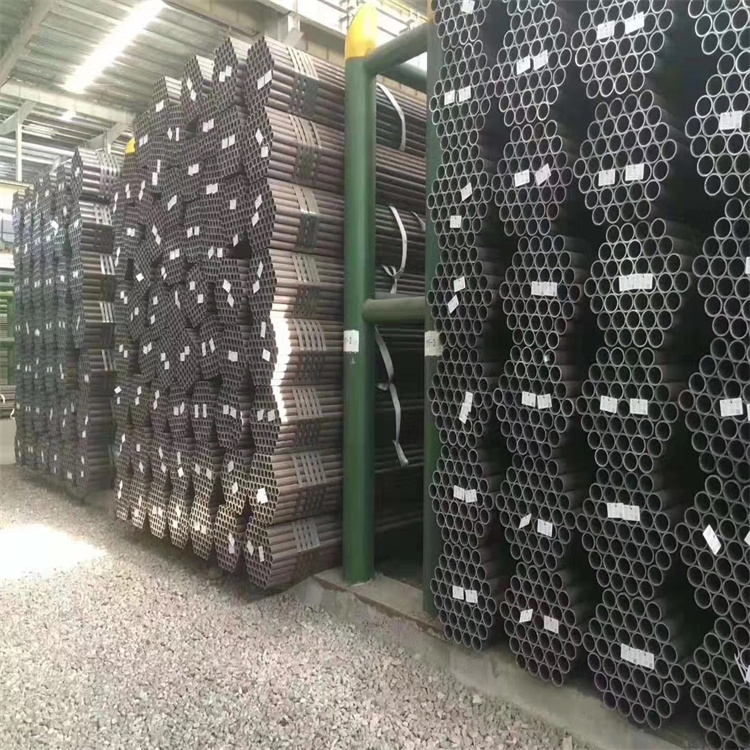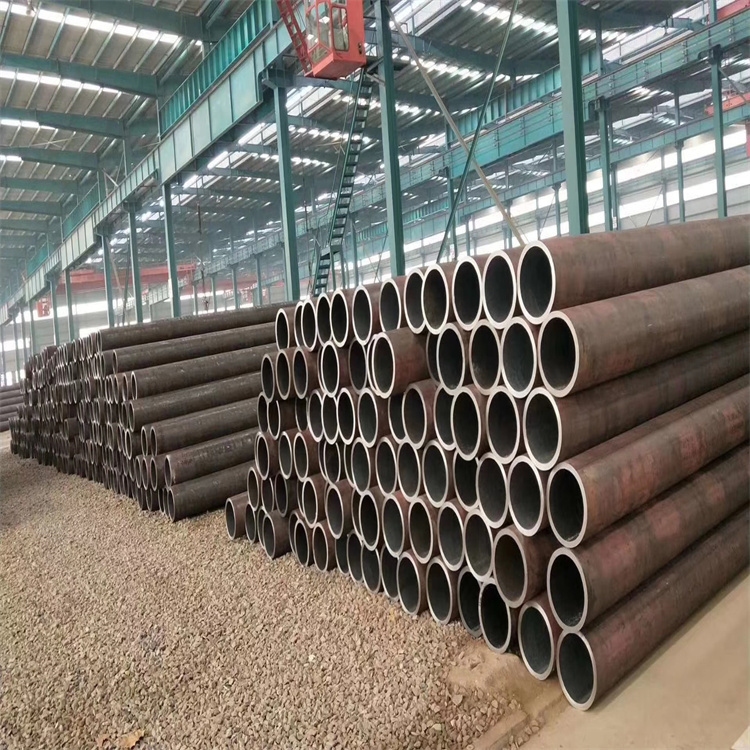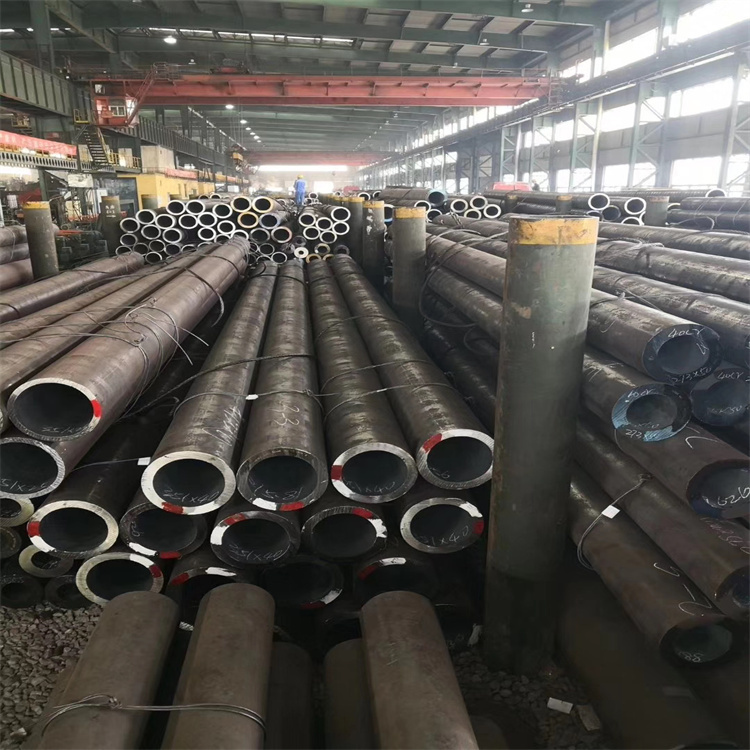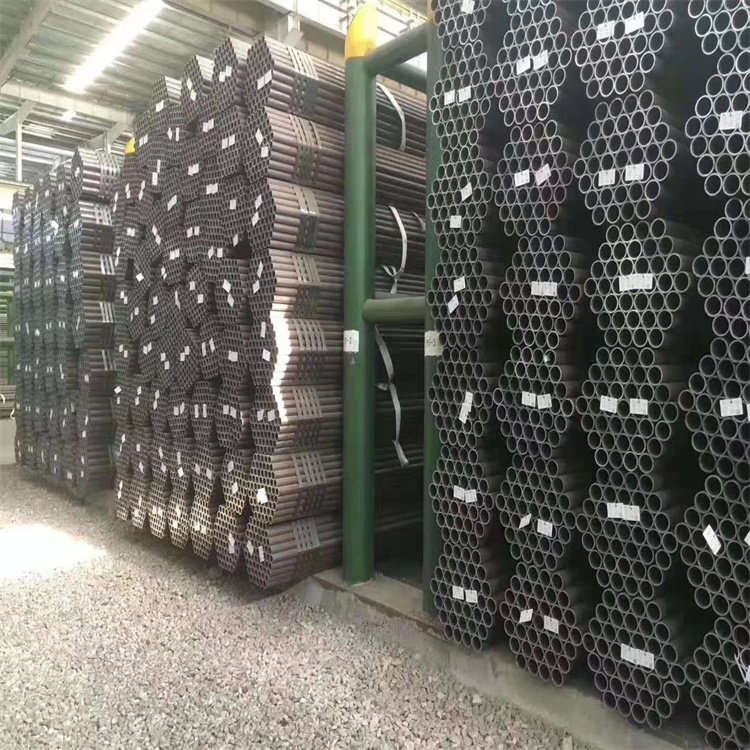

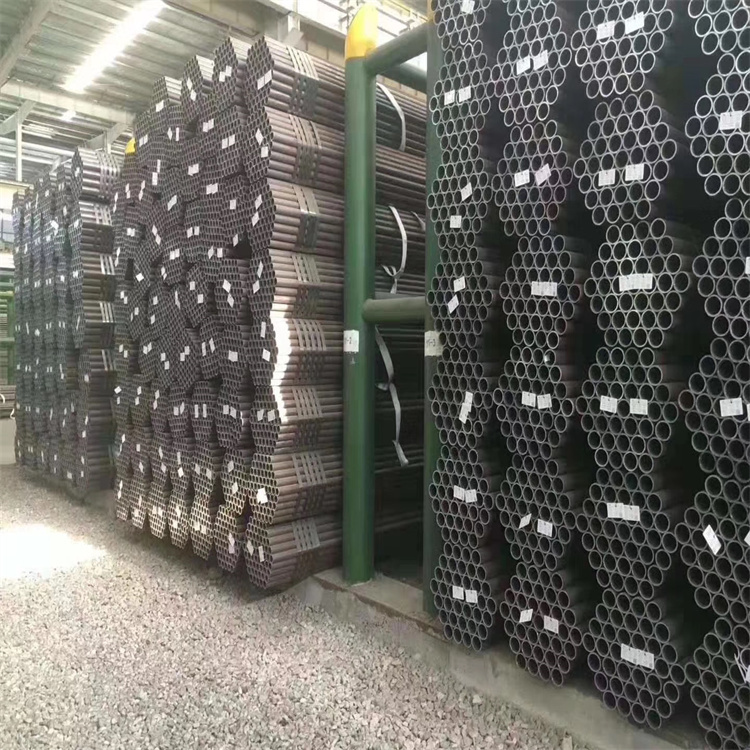
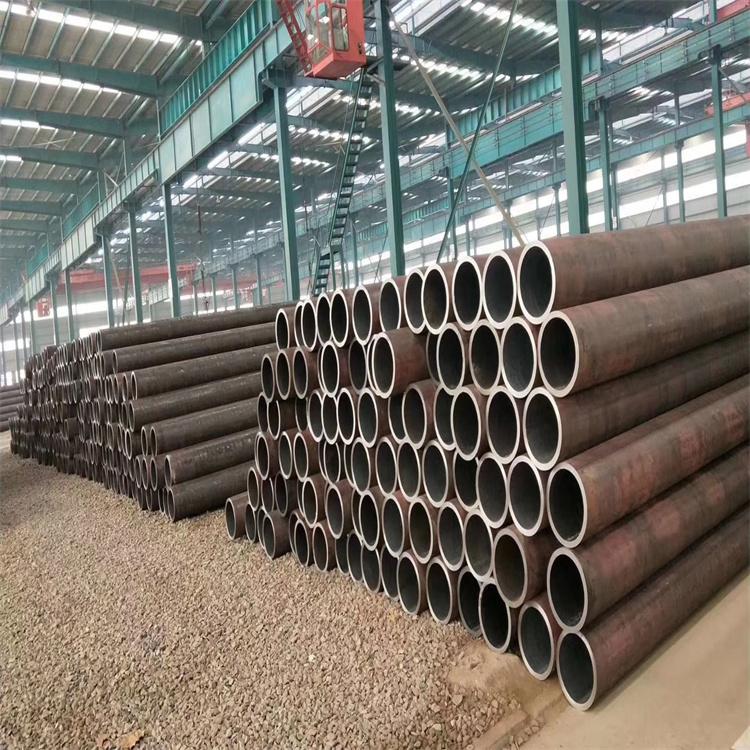
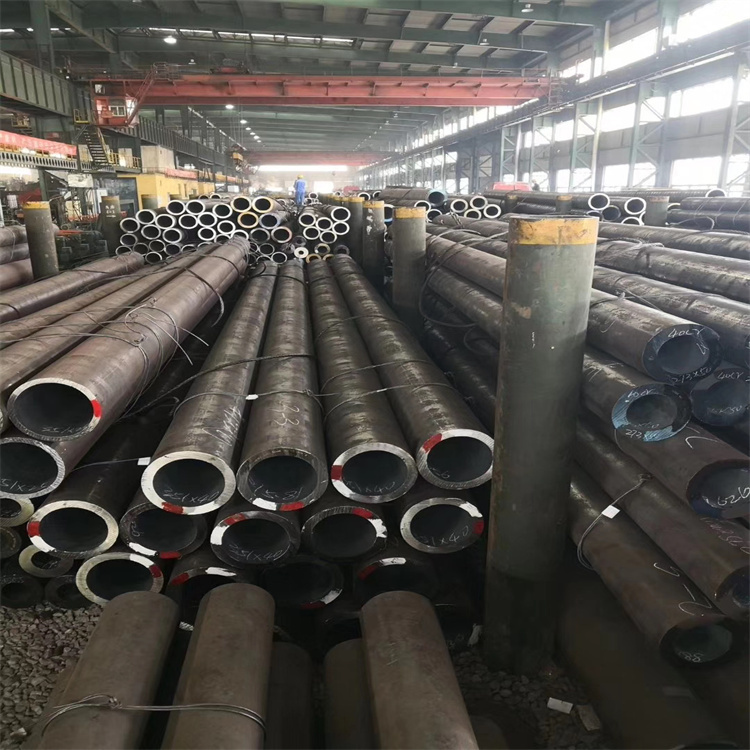












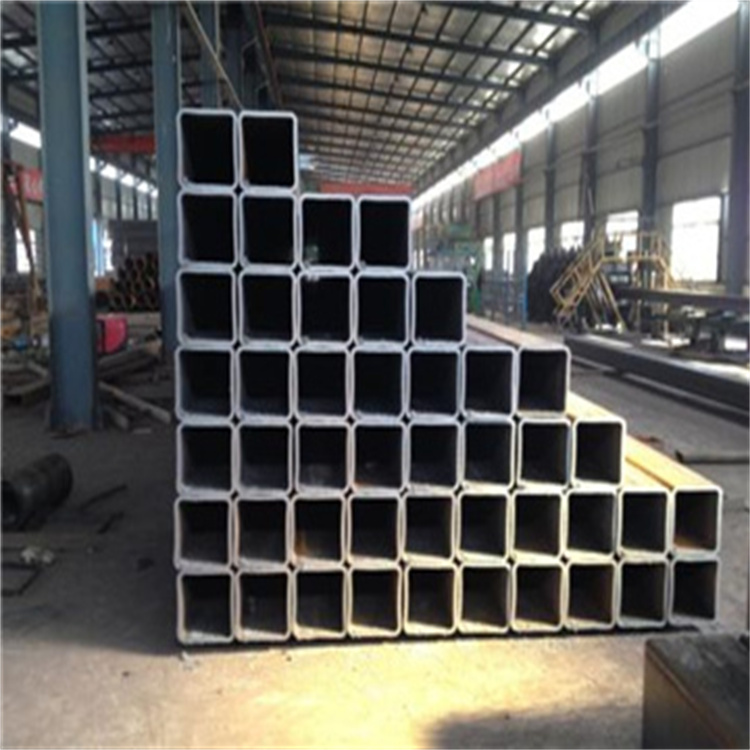
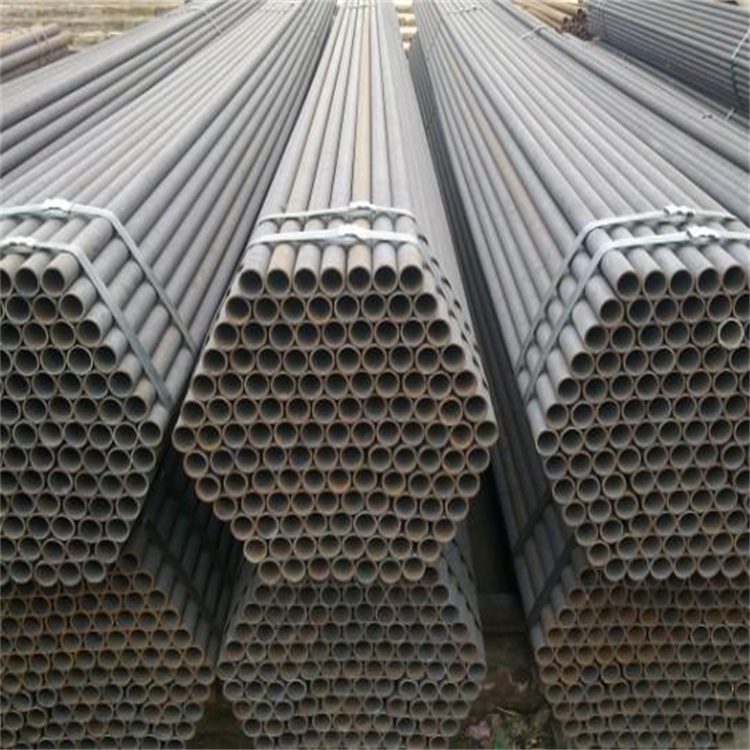
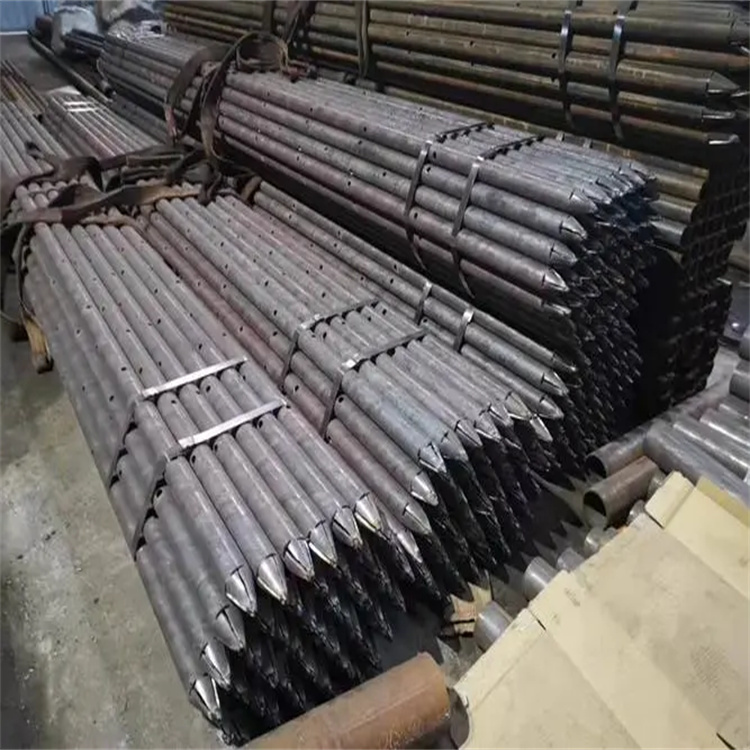
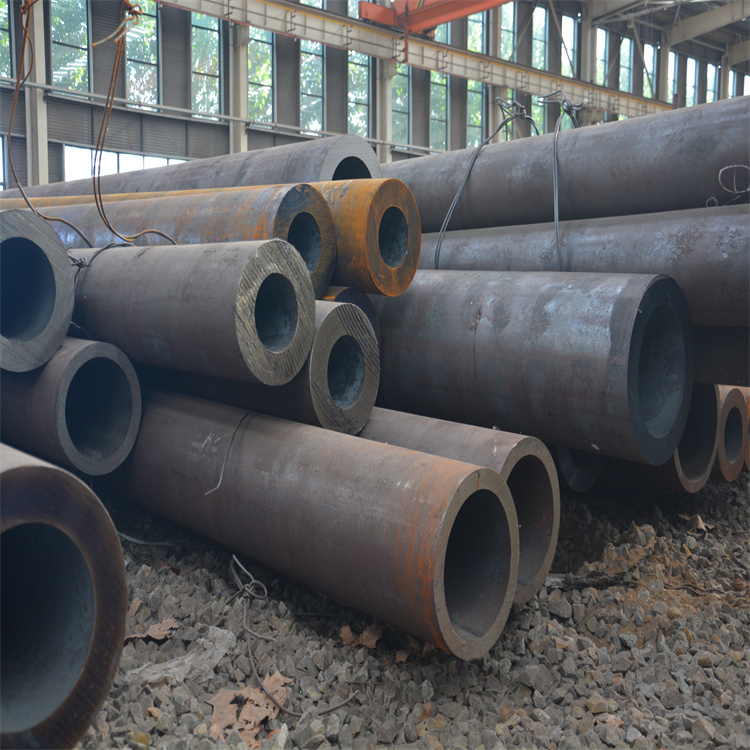
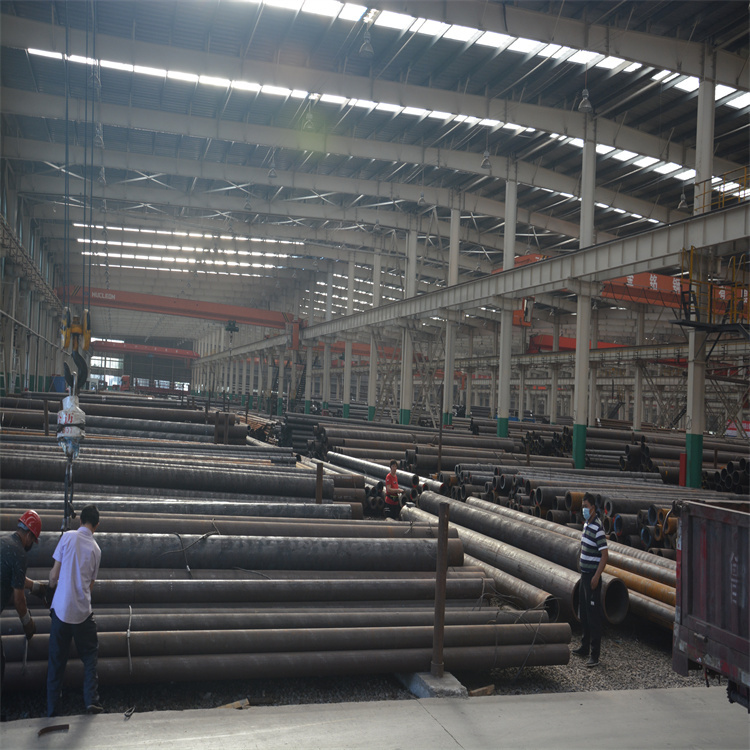
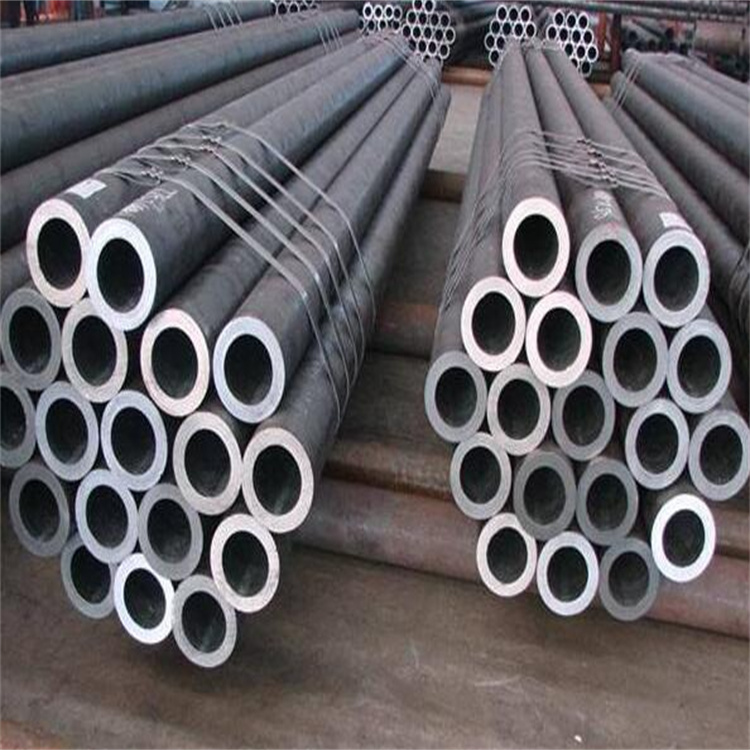
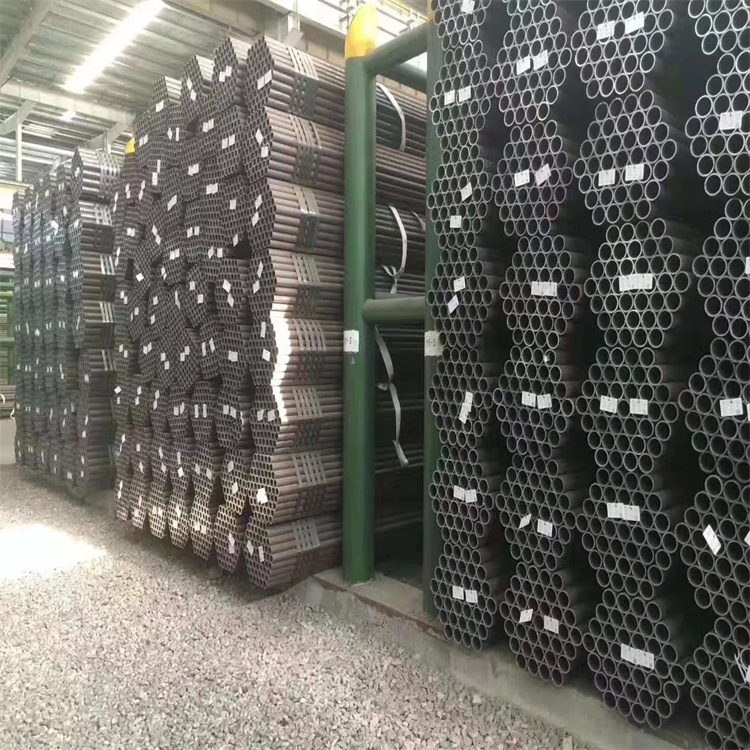
High-pressure boiler tube applications are categorized into several major types.
Heating surface tubes for low and medium pressure boilers (operating pressure not exceeding 5.88 Mpa, operating temperature below 450℃).
Tubes for heating surfaces in high-pressure boilers (operating pressures usually above 9.8 MPa, working temperatures between 450°C and 650°C), economizers, superheaters, reheaters, and pipes for the petrochemical industry.
Categorized by composition materials, they include: 20G high-pressure boiler tubes, 12Cr1MoVG high-pressure boiler tubes, Gangyan 102 high-pressure boiler tubes, 15CrMoG high-pressure boiler tubes, 5310 high-pressure boiler tubes, 3087 low-medium pressure boiler tubes, 40Cr high-pressure boiler tubes, 1Cr5Mo high-pressure boiler tubes, and 42CrMo high-pressure boiler tubes, etc.
General boiler tubes are primarily used for manufacturing water-cooled wall tubes, boiler tubes for boiling water, superheated steam pipes for locomotive boilers, large and small flue pipes, and arch brick tubes, etc.
High-pressure boiler tubes are primarily used for manufacturing superheater tubes, reheater tubes, guide tubes, main steam pipes, and other components for high-pressure and ultra-high-pressure boilers.
The production process of high-pressure boiler pipes varies with different steel grades.
For example, with the pearl-like body of chrome molybdenum vanadium steel, the production process characteristics of boiler tubes are:
(1) The billet should be peeled, with the peeling amount usually being 5mm.
(2) Due to the hardness of the steel, pipe billets are mostly cut using oxygen or saw cutting.
(3) Due to the lower thermal conductivity of chrome-molybdenum-vanadium steel compared to carbon steel, the heating rate should be slightly slower. The heating temperature should be between 1120℃ and 1180℃, and the piercing temperature should be between 1100℃ and 1160℃; (4) This type of steel exhibits good ductility and low deformation resistance between 1000℃ and 1100℃, hence it has good piercing properties. The deformation parameters can be selected according to medium-carbon steel or alloy steel (e.g., 30CrMnSiA).
(5) After rolling, the steel pipes must be normalized and tempered. The normalizing temperature is 950-980°C, the tempering temperature is 730-750°C, and the holding time is 2-3 hours.
(6) Steel pipe dimensions have tight tolerances to ensure butt welding; the pipe length is as long as possible to minimize the number of weld joints.