












.jpg)


System Overview:
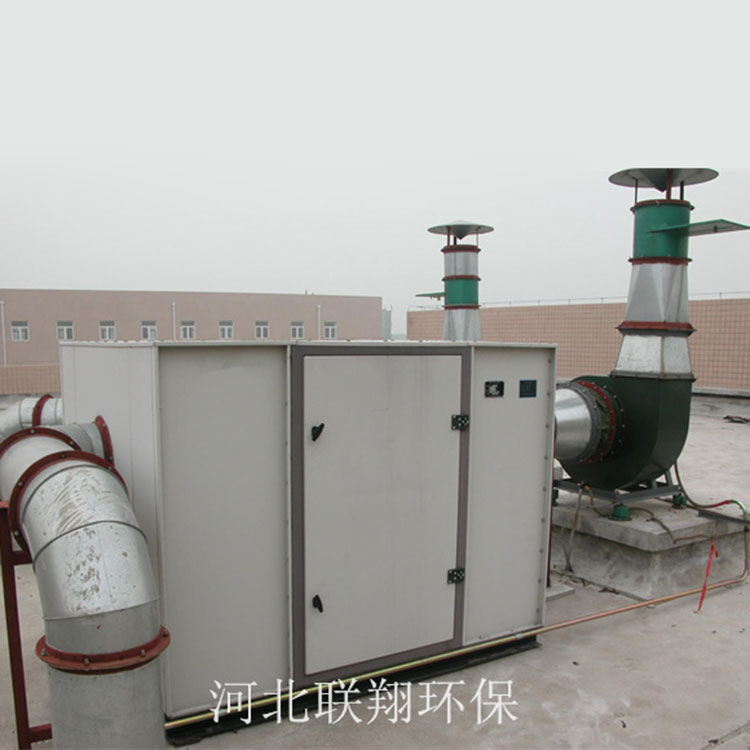
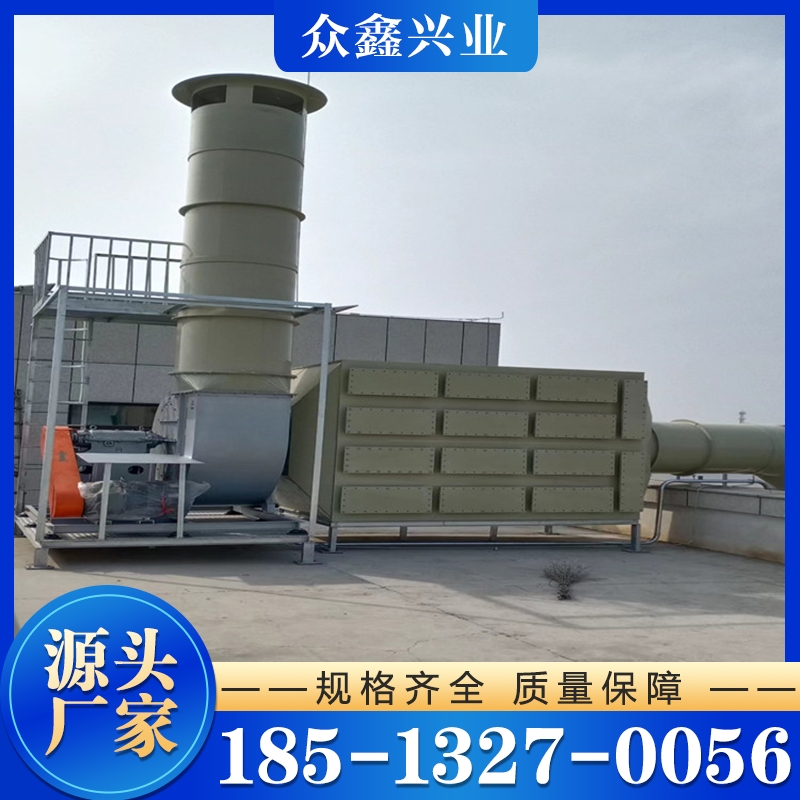
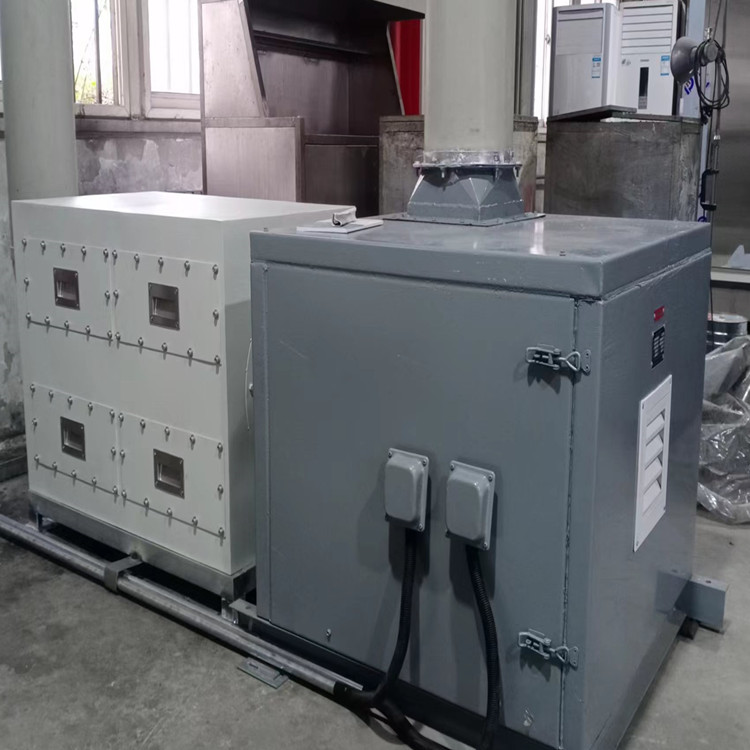
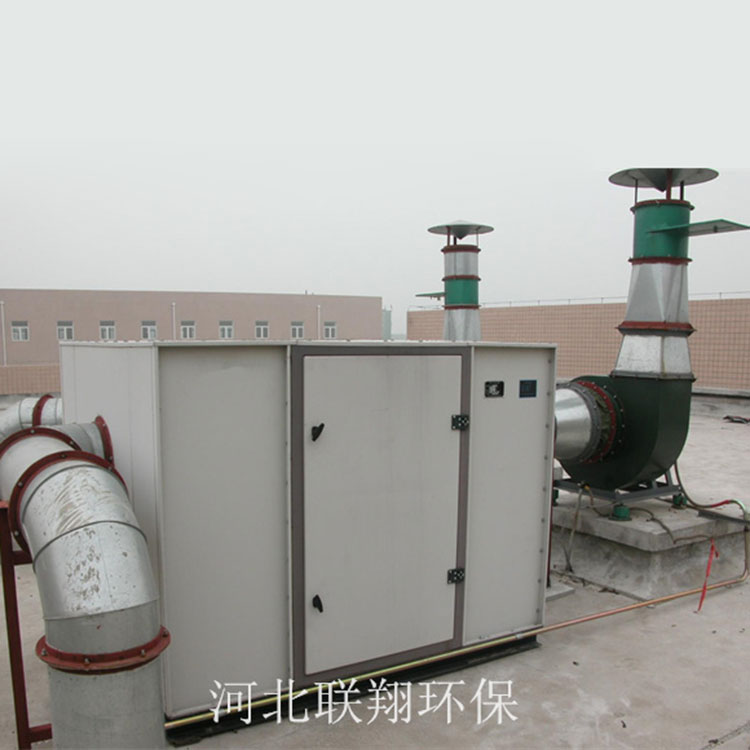
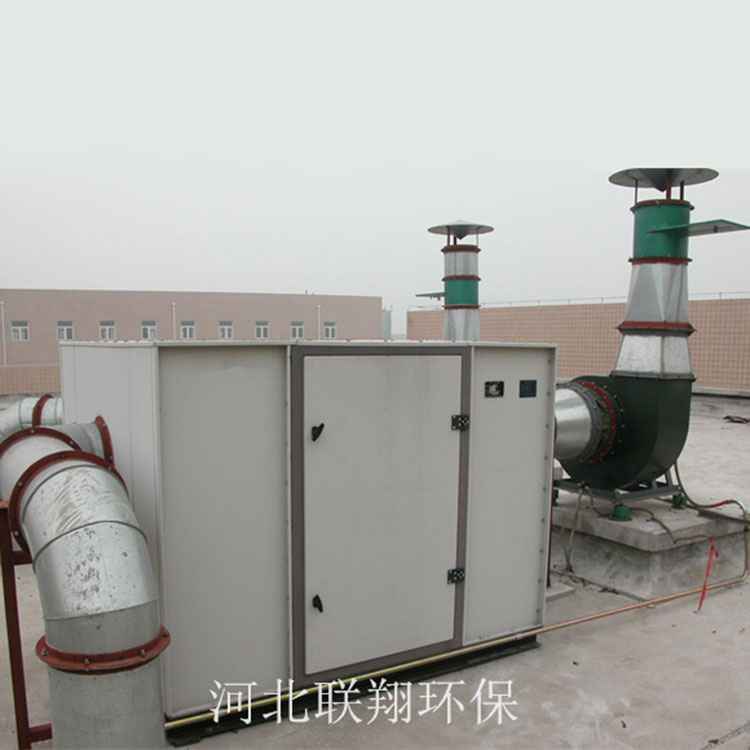
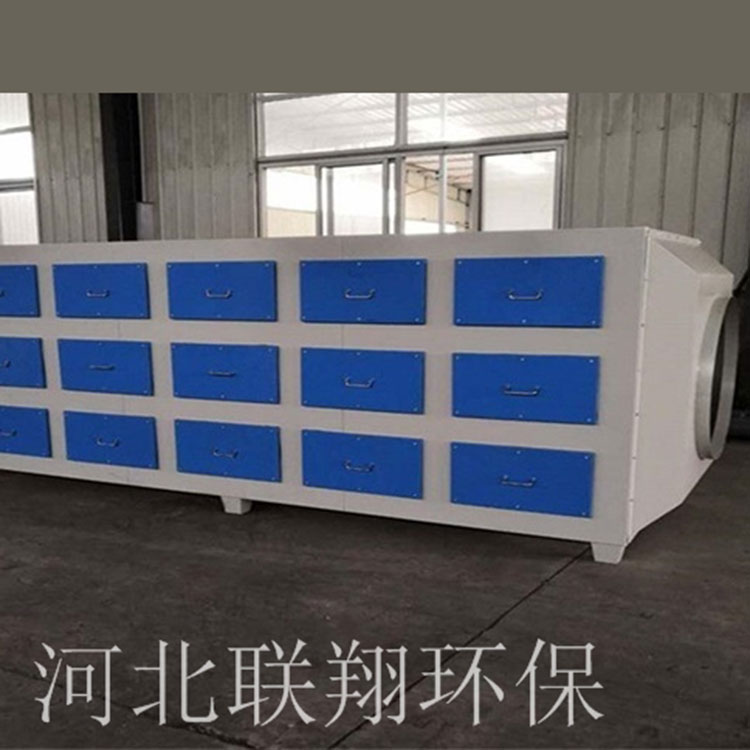
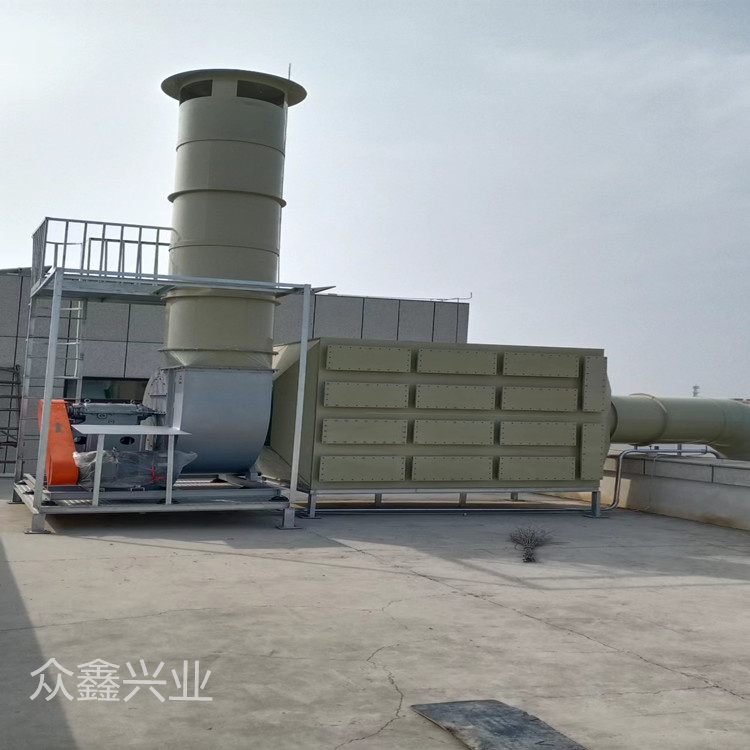
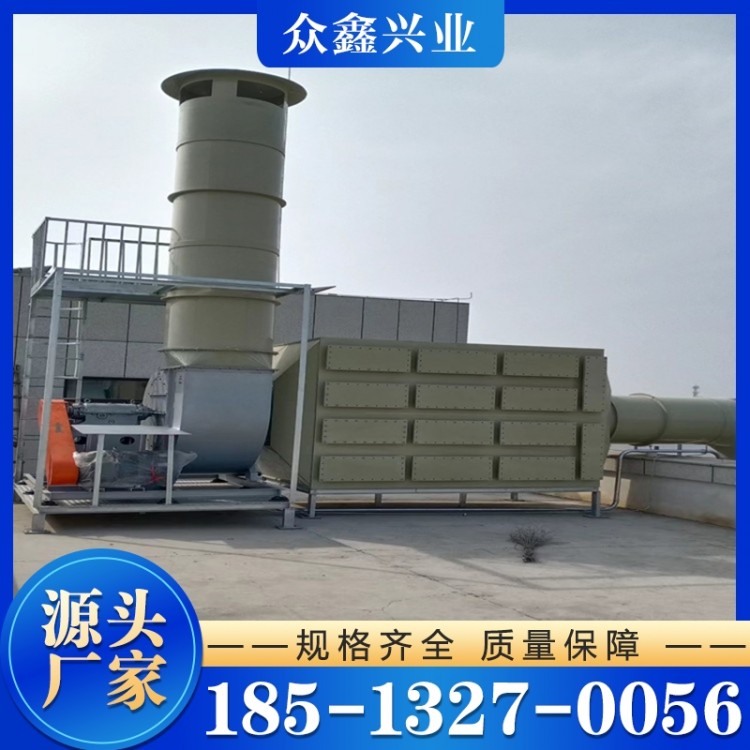
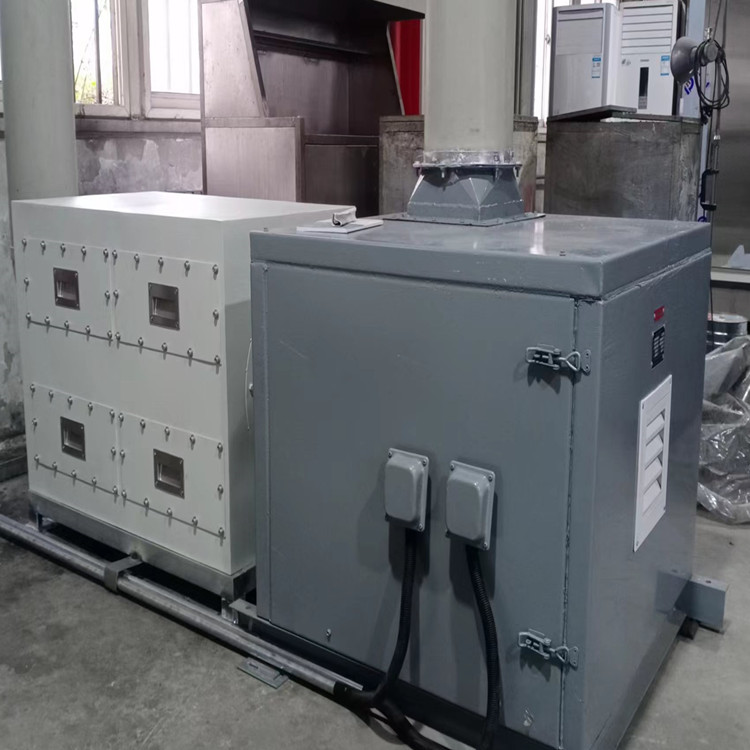
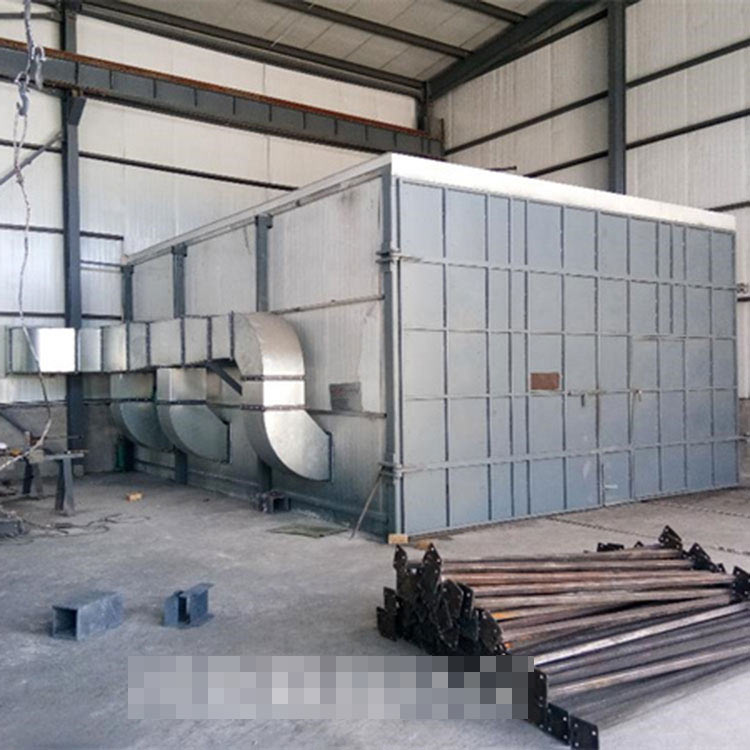
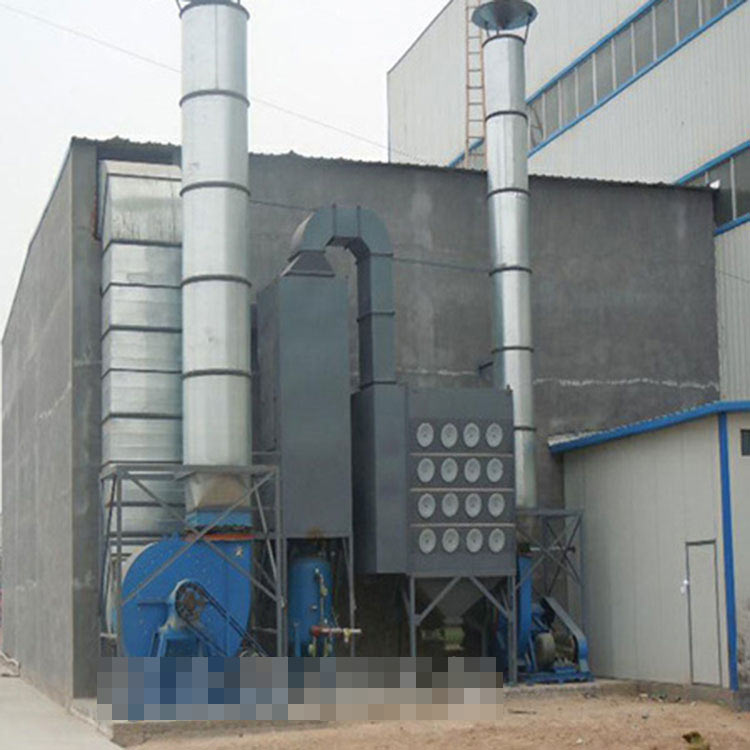
Waste gases are powered by a fan and enter the activated carbon adsorption box at negative pressure. Upon entering the adsorption layer, the unbalanced and unsaturated molecular attractions or chemical bond forces on the surface of the activated carbon adsorbent attract gas molecules upon contact, causing them to concentrate and remain on the activated carbon surface. This phenomenon is called adsorption. By utilizing the adsorption capacity of the activated carbon adsorbent surface, the waste gases come into contact with the porous activated carbon adsorbent with a large surface area. Pollutants in the waste gases are adsorbed onto the surface of the activated carbon, separating them from the gas mixture and allowing the purified gas to be emitted at high altitudes.
Application Fields
Activated carbon adsorption boxes are primarily used for treating low-volume, low-concentration organic waste gases.
2. Activated carbon adsorbents can treat and purify a variety of organic and inorganic pollutants: benzene, ketones, alcohols, ethers, alkanes, and their mixed organic waste gases, acidic waste gases, and alkaline waste gases.
3. Primarily used for purification and treatment of harmful exhaust gases generated in industrial workshops, such as smelting, chemicals, machinery, electronics, electrical appliances, coating, shoe-making, rubber, plastic, printing, as well as environmental desulfurization and deodorization.
4. Handles a wide range of substances, effectively removing the eight臭臭 substances specified in the "Odor Pollution Control Standard" – hydrogen sulfide, ammonia, trimethylamine, methanethiol, dimethyl sulfide, carbon disulfide, styrene, and dimethyl disulfide – and also effectively decomposes and purifies the following materials.