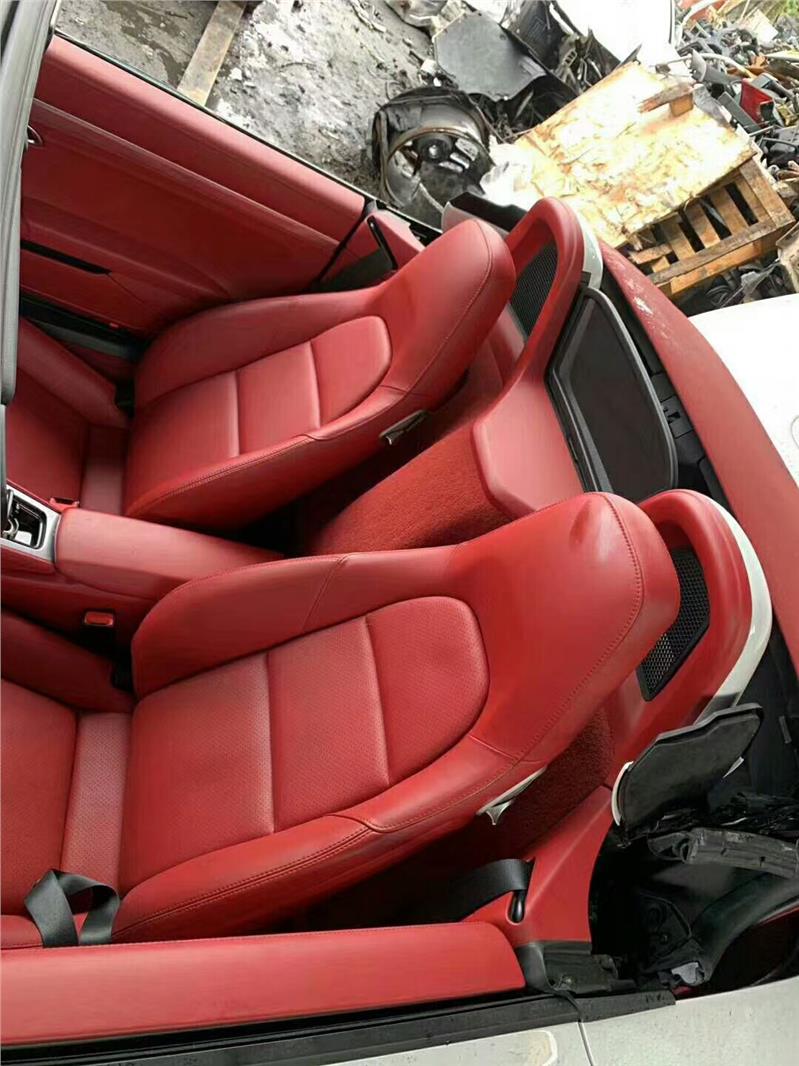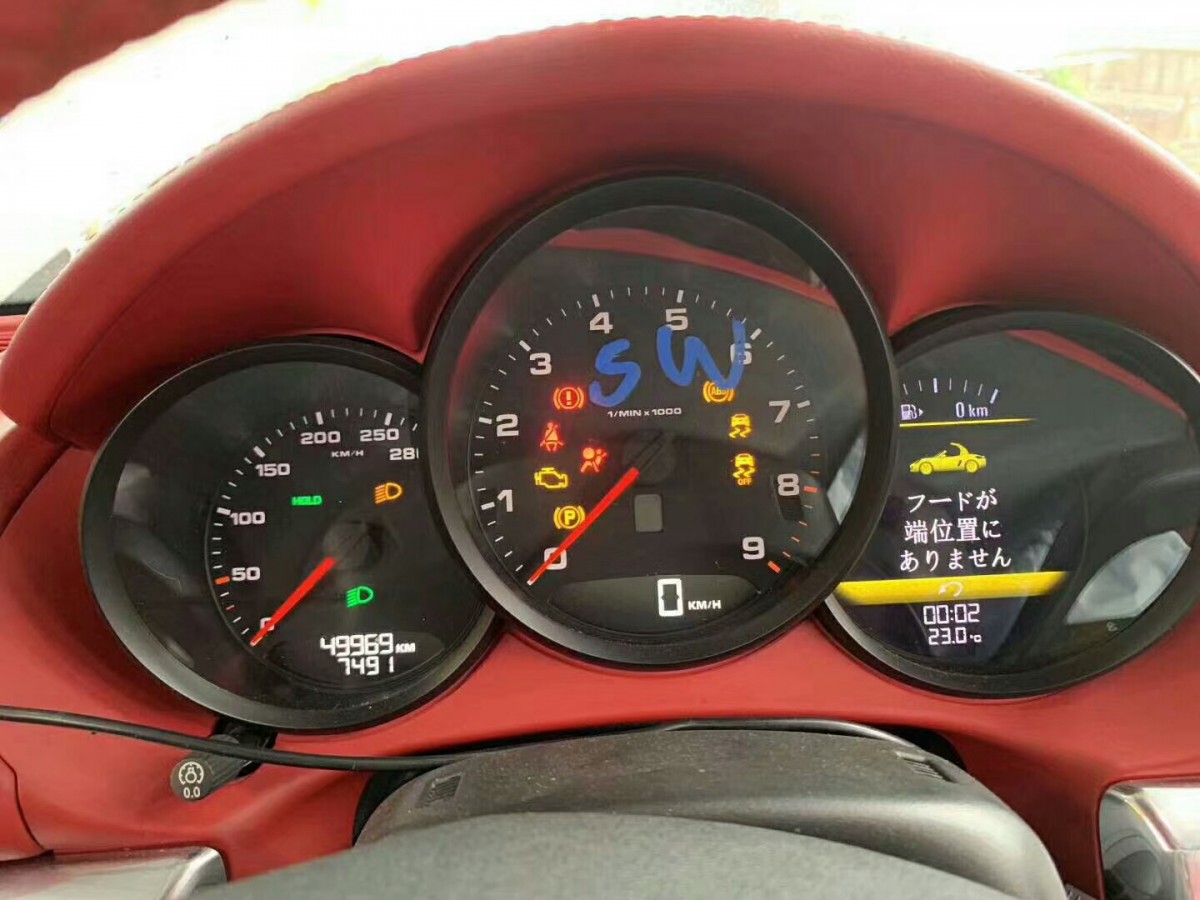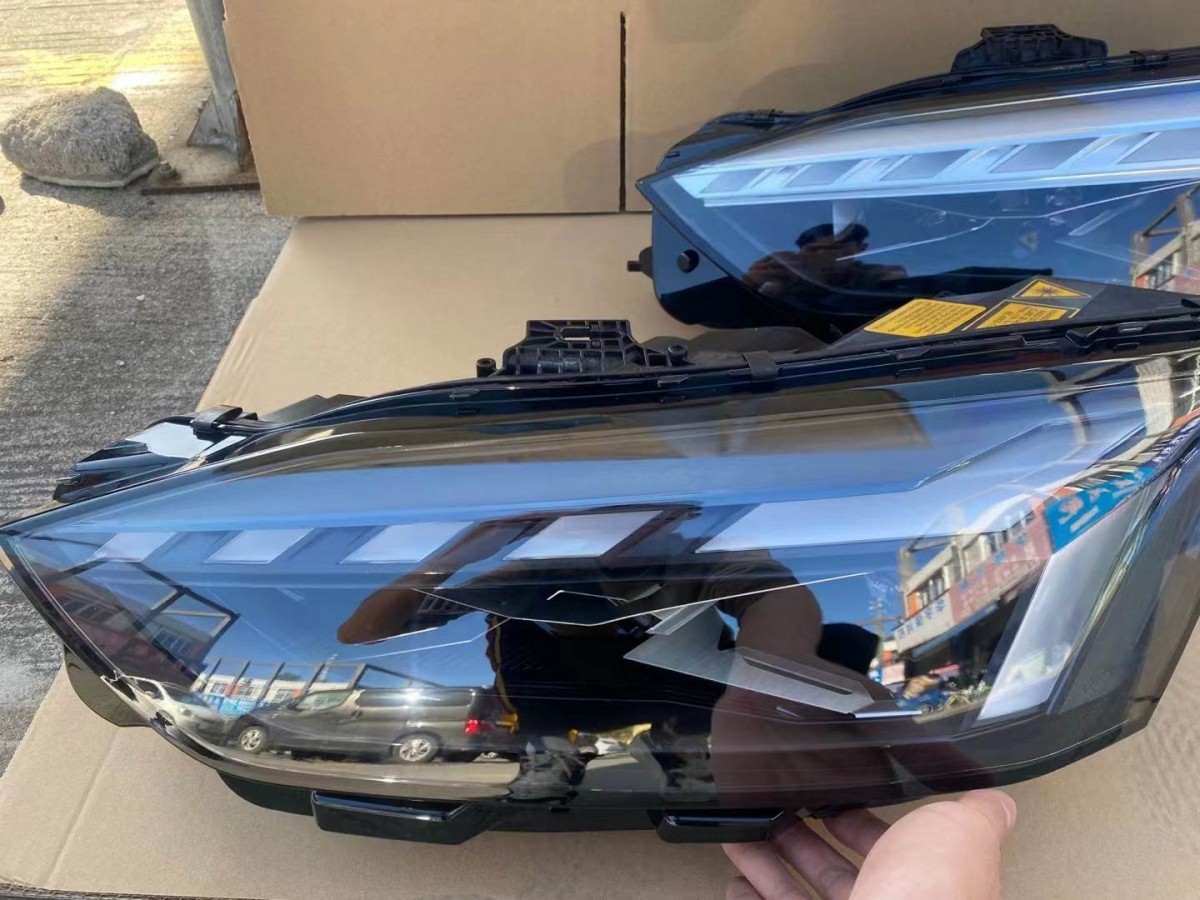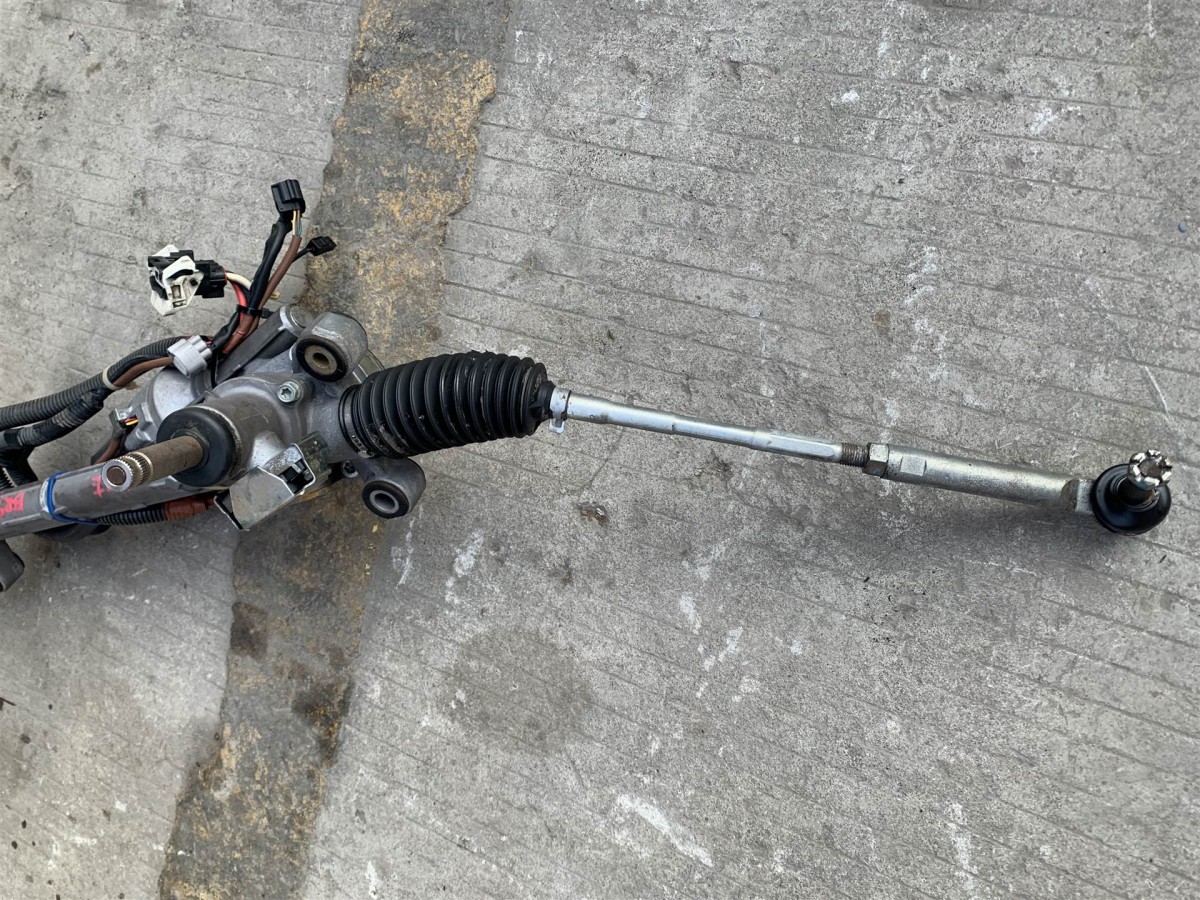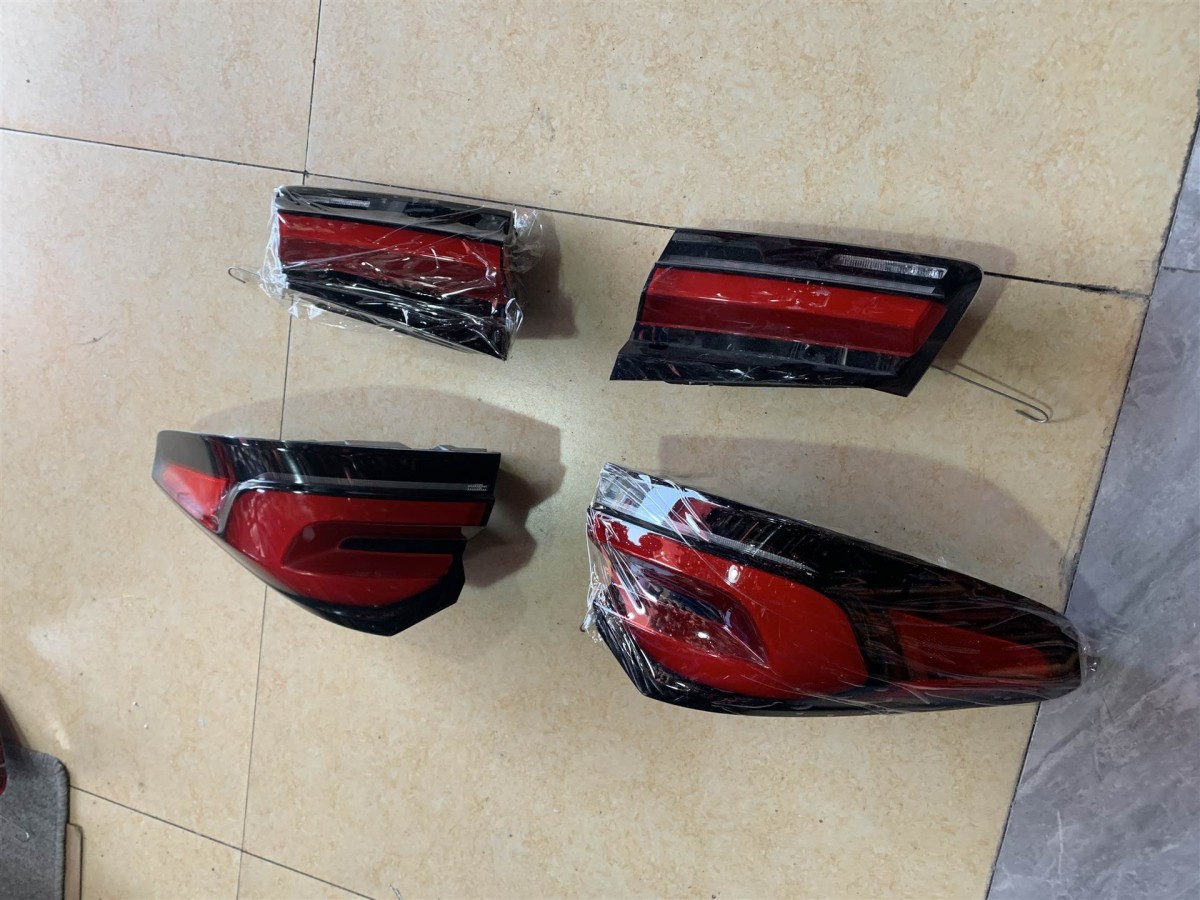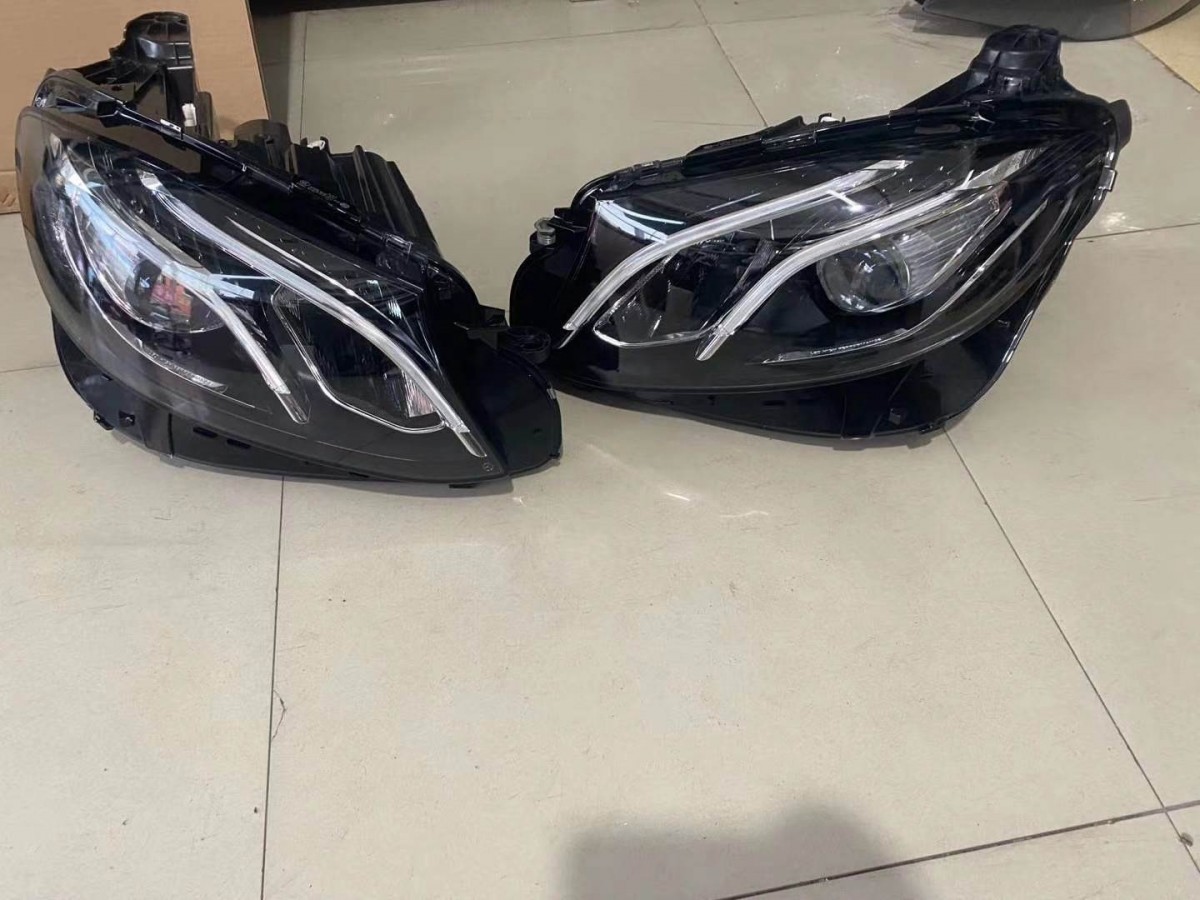


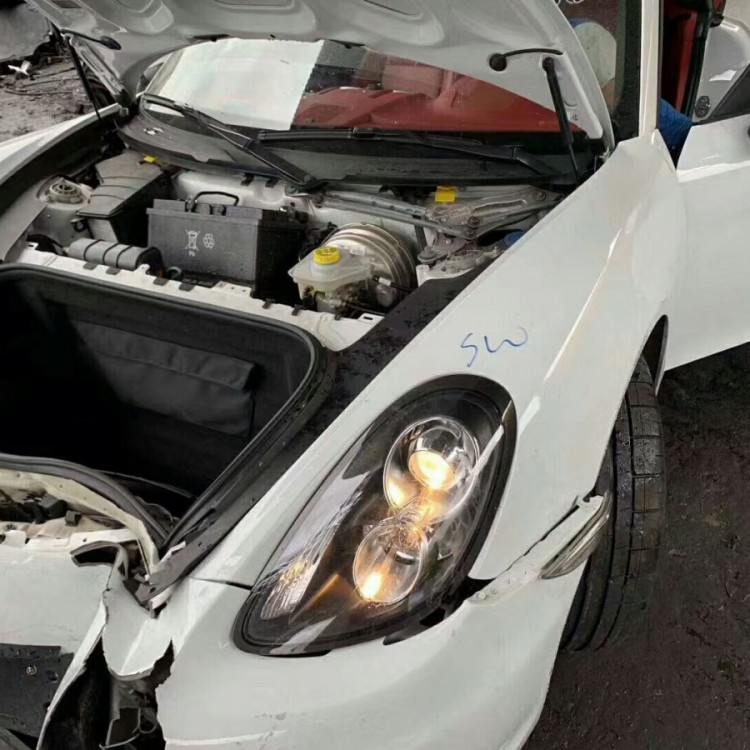
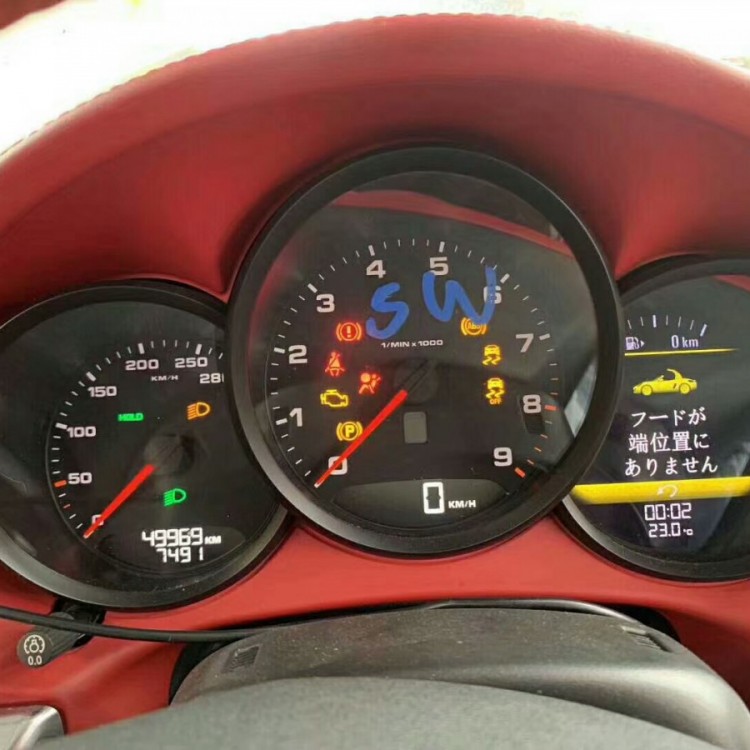


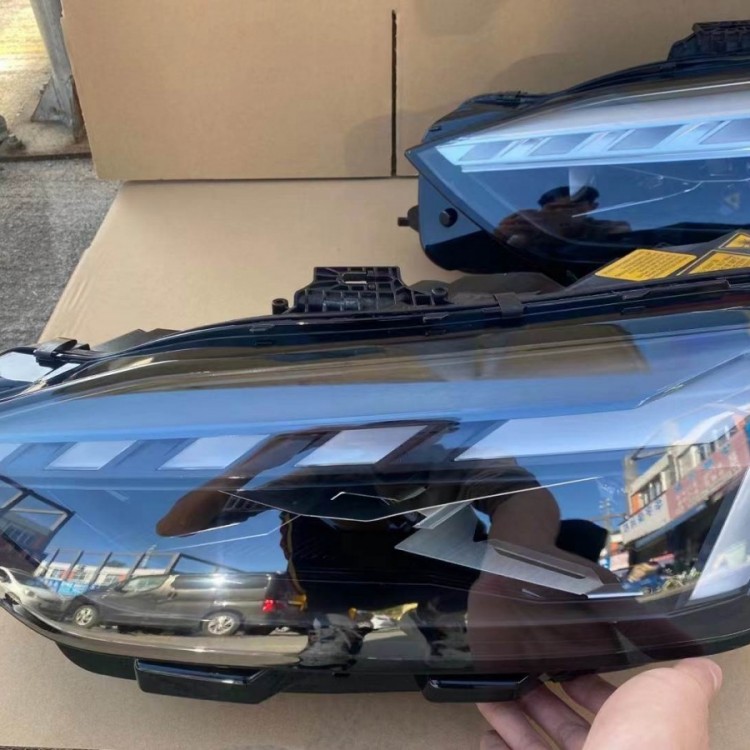
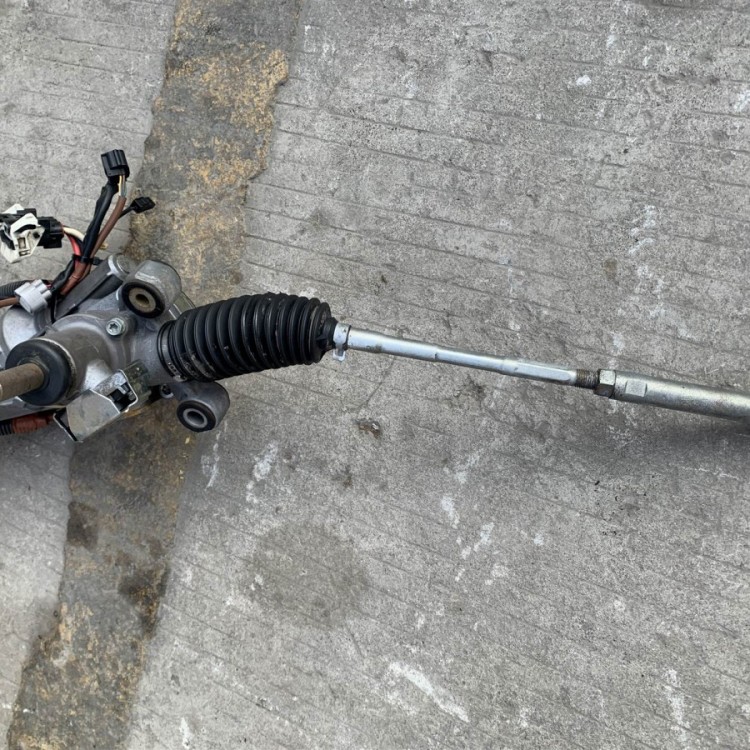
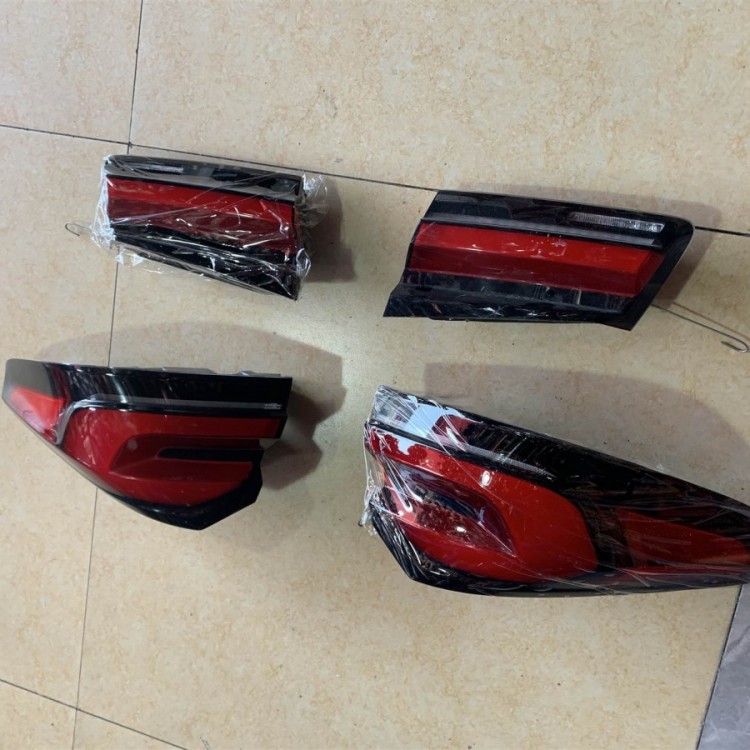

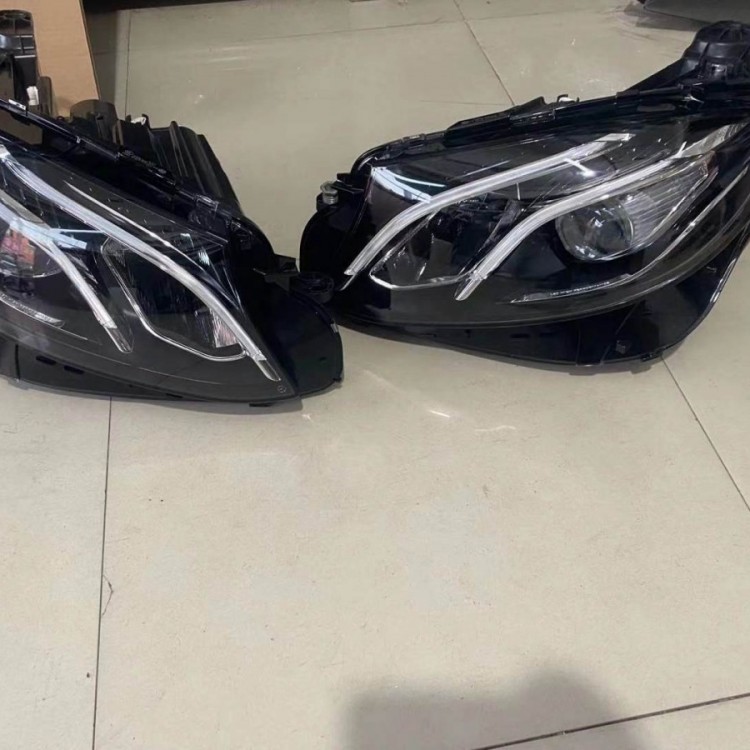





Guangzhou Auto Locks Assembly Co., Ltd. is a dealer in the automotive parts industry, offering direct sales at low prices with years of sales experience: dismantled parts, OEM parts, and aftermarket parts for the full range of Japanese, European, American, Korean, and German car models; including Toyota, Honda, Audi, Nissan, BMW, Mercedes-Benz, Peugeot, Buick, Bentley, Bugatti, Daewoo, Volkswagen, Dodge, Ferrari, Fiat, Ford, Volvo, Fuji, Fukang, Hummer, Jeep, Cadillac, Chrysler, Renault, Lincoln, Suzuki, Lexus, Land Rover, Maserati, Maybach, Citroen, Hyundai, Isuzu, Infinity, General Motors, Skoda, SsangYong, Saab, Mitsubishi, Kia, Opel,绅宝, Jaguar, Rover, Mazda, and more. We provide full series OEM and aftermarket parts, original dismantled parts. Adhering to the principles of mutual benefit and integrity, with customer satisfaction as our top priority, we offer a range of products: engines, cylinder blocks, cylinder heads, generators, starters, carburetors, distributors, transmissions, drive shafts, half shafts, differentials, front and rear axles, suspensions, shock absorbers, brake discs, brake pumps, steering wheels, steering columns, power steering pumps, body shells, doors, hood and trunk lids, bumpers, lights, grilles, spoilers, rearview mirrors, computer boards, air conditioning pumps, instruments, dashboards, heater boxes, fuel separators, switches, radiators, wheels, tires, lifters, sensors, oil pumps, crankshafts, connecting rods, ignition amplifiers, seats, engine hoods, rear trunk lids, and more OEM and aftermarket parts, as well as full vehicle dismantled parts. Services include: 1. Ship the goods according to the customer's requested transportation method after receiving payment. 2. All sold parts are guaranteed for exchange if incorrect or defective. 3. All sold dismantled parts are guaranteed to be usable; otherwise, they are guaranteed for return or exchange. 4. Customers must inspect the parts for damage and verify their correctness upon receipt and report any issues to us in a timely manner.
Fuel-injected engines can be categorized into multi-point injection and single-point injection based on the number of injectors.
Each cylinder of the engine has an injector, abbreviated as MPI, known as multi-point injection. Several cylinders of the engine share a single injector, abbreviated as SPI, known as single-point injection.
Fuel-injected engines differ significantly from carburetor engines, and they also have different operating methods. When starting a fuel-injected engine (including cold-start), it is generally not necessary to accelerate the throttle. This is because fuel-injected engines are equipped with cold-start enrichment and automatic cold-idle fast idle functions, ensuring smooth starting in both cold and hot conditions. The method of repeatedly and rapidly twisting the throttle, as with carburetor engines, to increase the fuel injection volume before and during the engine start is ineffective. This is because the throttle in fuel-injected engines only controls the throttle valve opening, and the fuel injection volume is entirely determined by the intake air parameters. The fuel-injected engine should not be operated for an extended period when the fuel tank is low. This is because the electric fuel pump is cooled by the fuel flowing through it. Operating the engine for a long time with a low fuel level can cause the electric fuel pump to overheat and burn out. Fuel-injected engines utilize
1. When starting the engine, it is generally unnecessary to press the accelerator pedal, as electronic fuel-injection engines are equipped with functions like cold-start enrichment and automatic cold idle speed, ensuring smooth engine start-up in both cold and warm conditions. Conversely, if the throttle is opened too widely during startup, the control system will enter a fuel cutoff control state, making the engine harder to start.
2. The practice of increasing fuel injection by repeatedly and rapidly pressing the throttle pedal before and during engine start-up is ineffective. This is because the throttle pedal on an electronic fuel-injected engine only controls the throttle valve opening, with the fuel injection amount being entirely determined by the computer based on parameters such as intake volume, so the operation method of carburetor engines cannot be directly applied.
3. If the engine fails to start after warming up, consider the possibility of an oil overflow issue. At this point, fully depress the throttle pedal, then turn the motor, and use the fuel cutoff control to expel the fuel from the cylinders before attempting to start the engine again.
4. Do not operate the engine under oil deficiency. When the fuel warning light on the dashboard illuminates, top up the fuel immediately, as the electric fuel pump is cooled by the fuel flowing through it. Running the engine with insufficient oil can cause the electric fuel pump to overheat and burn out.
5. Do not remove any sensor plug while the engine is running, as this may cause the computer to display false fault codes, affecting the technician's ability to accurately diagnose and resolve the issue.
6. When the malfunction indicator light on the dashboard is illuminated, it indicates a fault in the engine control system. It is advisable to promptly take the car to a repair shop for inspection and repair to prevent further damage from long-term operation with the fault.
7. To prevent interference with the computer, do not install a high-power mobile wireless phone system in the vehicle. When using a regular mobile phone, keep the antenna and feed line as far away from the computer and its cables as possible to avoid radio signals affecting the computer's operation.
Most EFI engines utilize stepper motor-type idle control valves. Depending on the engine's operating condition, they adjust the sequence of power supply to the stepper motor's electromagnetic coil, causing the conical valve body on the stepper motor shaft to rotate in or out, thus regulating the opening of the bypass air passage to control the bypass air intake.
If the engine is difficult to start but can start with a slight throttle, it indicates a malfunction in the idle control valve. Disassembling the ISC valve reveals a significant buildup of carbon,胶质粘稠, and oil residue on the valve body cone surface, which reduces the adjustable range of the conical valve. This results in a decrease in intake volume and a richer air-fuel mixture when starting the cold engine, leading to difficulty in starting.