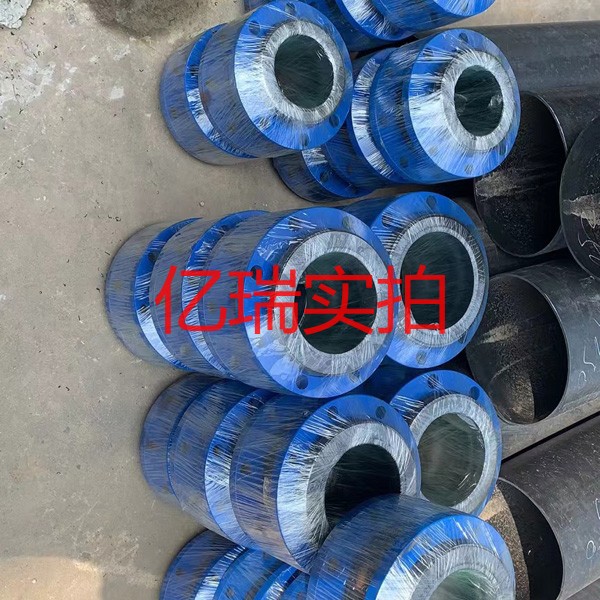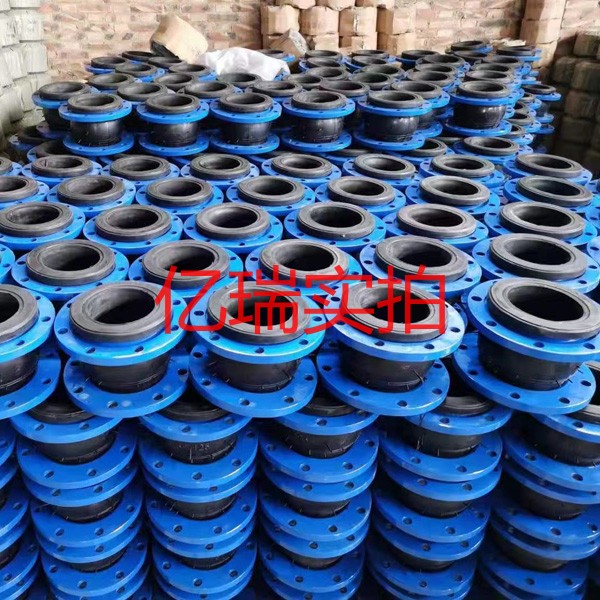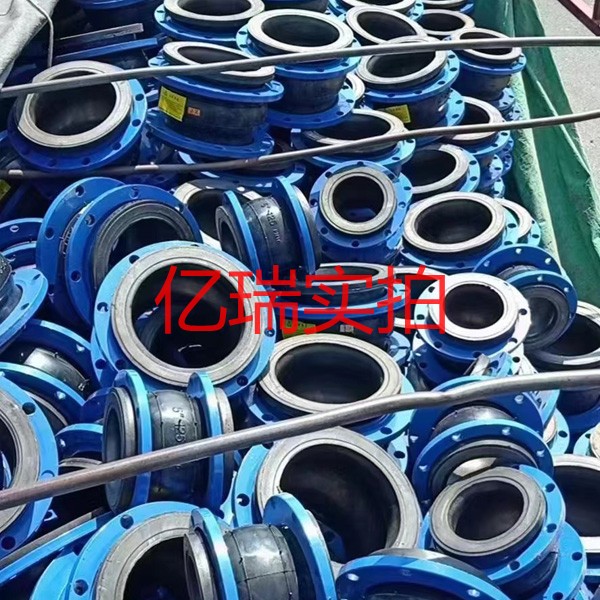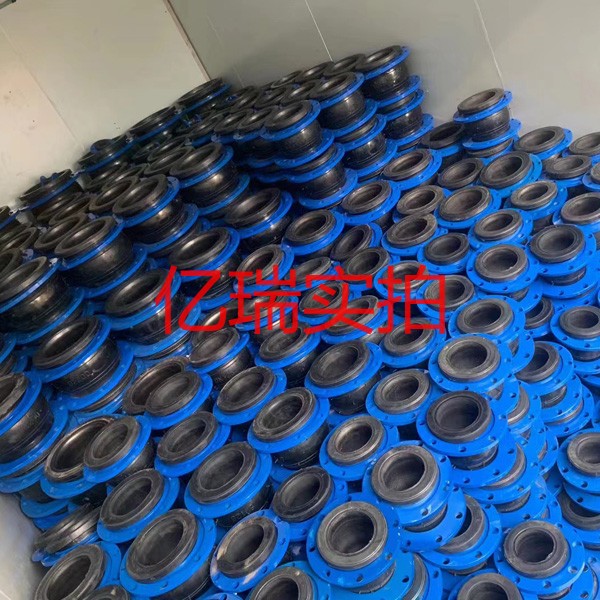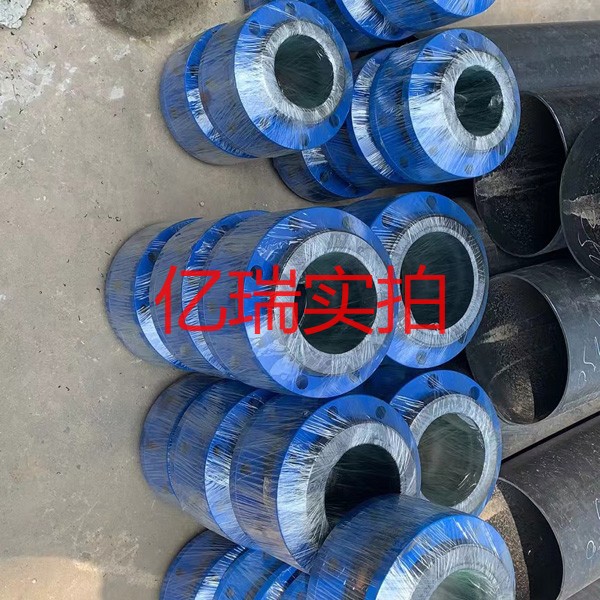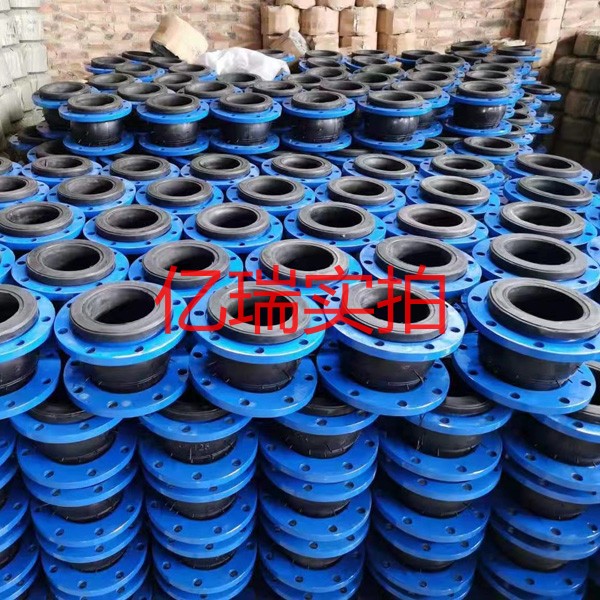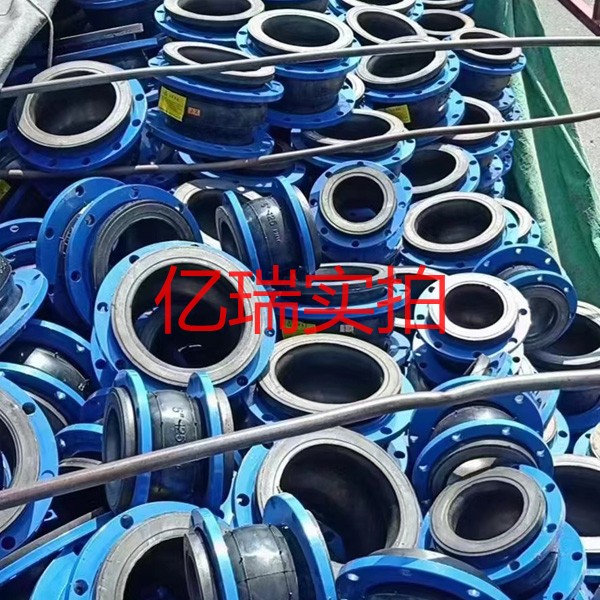

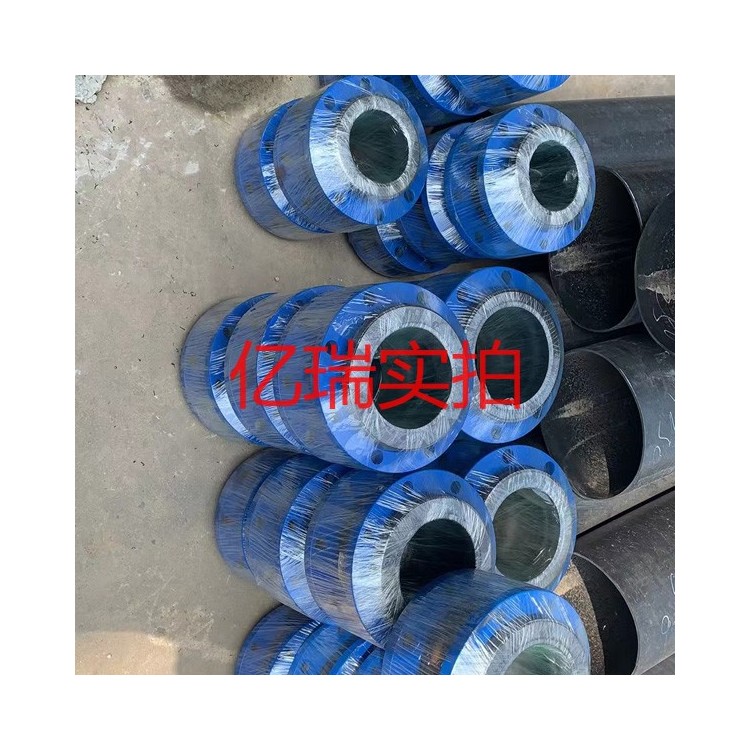


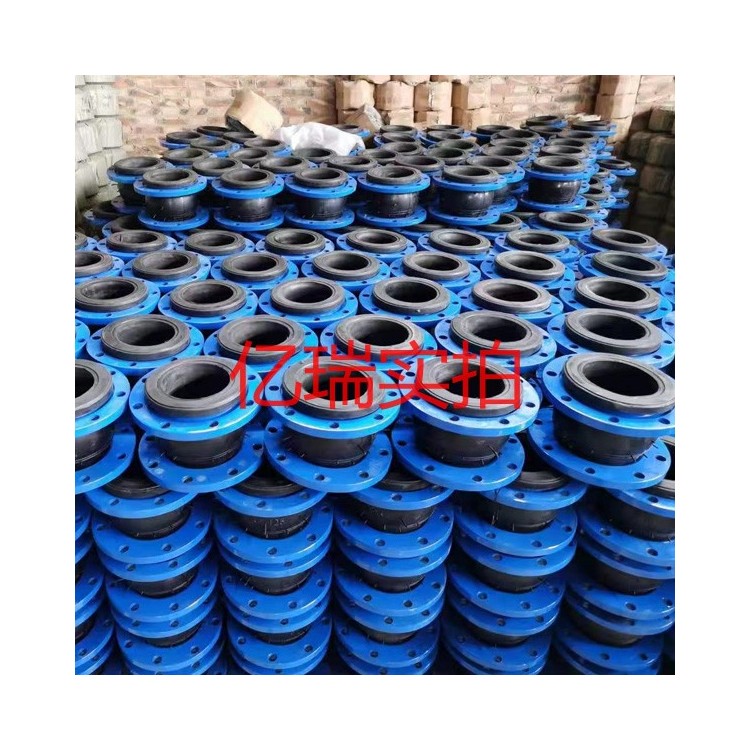







Rubber soft joints are made without reclaimed rubber, using natural and chloroprene composite rubber. They can withstand water, steam, weak acids and alkalis, eliminating the sweating phenomenon of the spheres, extending the service life to 5-10 years. Both rubber raw materials and accessories are of high-quality, with spheres free of odor and five times more resistance to aging than engineering rubber joint spheres. Molding is done by an automatic forming machine using a solid winding method, ensuring high-pressure resistance with a test pressure of 50 kg and three times the tensile strength of manually formed joints. The rubber soft joints leverage the elasticity, weather resistance, high airtightness, chemical resistance, and radiation resistance of rubber. Combined with high-strength, heat-resistant polyester cord, they are vulcanized under high pressure using high-precision molds, resulting in a smooth and fine rubber surface, visible quality. The inner diameter is standardized, covering basic engineering fields such as chemicals, construction, water supply, drainage, oil, food, machinery, refrigeration, sanitation, plumbing, fire protection, environmental protection, coastal, and power, especially suitable for pipelines with significant vibration and frequent changes in temperature and humidity.
Reduce fatigue coefficient
Given the inherent properties of natural and synthetic elastomers, due to the steel-rubber interface at the joints and mating flanges, they will not fatigue crack or become brittle, and will not generate any electrolytic action.
Exceptional wear and corrosion resistance for all industrial uses
Utilize a variety of natural, synthetic, and specialty-purpose elastomers and fabrics. Processed and combined materials can meet a wide range of actual pressure/temperature operating conditions, corrosion erosion, wear, and abrasion. Refer to technical specifications and applicable pipeline for applicable media and industries.
Compact face-to-face dimensions, while accommodating larger movements
Rubber expansion joints feature a compact face-to-face length, allowing for excellent movement capabilities in axial compression, axial extension, lateral deflection, as well as rotation and torsion.
Rubber
Inherent flexibility reduces spring stiffness; the inherent flexibility of the rubber expansion joint allows nearly unlimited deflection to recover from imposed motion, thus requiring relatively low force and avoiding damage to the power equipment.
No installation gaskets required
Flanged sulfur rubber and fabric integrated with hoses do not offer flexible expansion joints; therefore, washers are generally not required in most applications. Please check the assembly instructions before installation.
Lightweight
Rubber expansion joints are lightweight, helping to reduce installation labor costs.
Minimize heat loss
Rubber expansion joints minimize heat loss and provide long-term maintenance-free service.
Design and specifications
Advanced automatic molding machine forming, solid-wound wrapping, high-pressure resistant, with a test pressure of up to 50 kg, and three times the tensile strength of hand-formed wrapping.
Self-developed Formula
No reground rubber is used; it is made of natural and chloroprene rubber compounds, truly achieving high-temperature resistance and chemical corrosion resistance, eliminating the sweating phenomenon of the spheres, extending the service life to 5-10 years.
Extended service life
3-year extended warranty, safe, durable, maintenance-free.