









What are the classifications of metal flexible hoses?
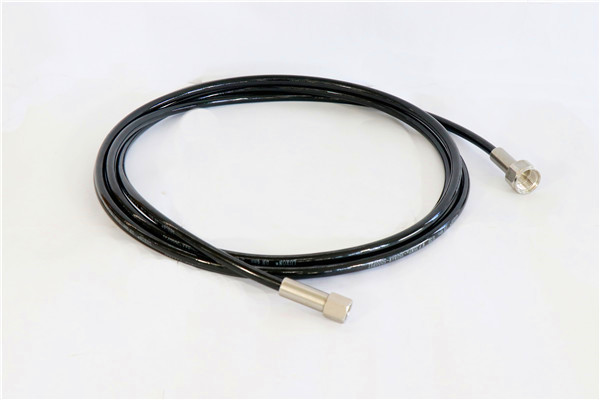
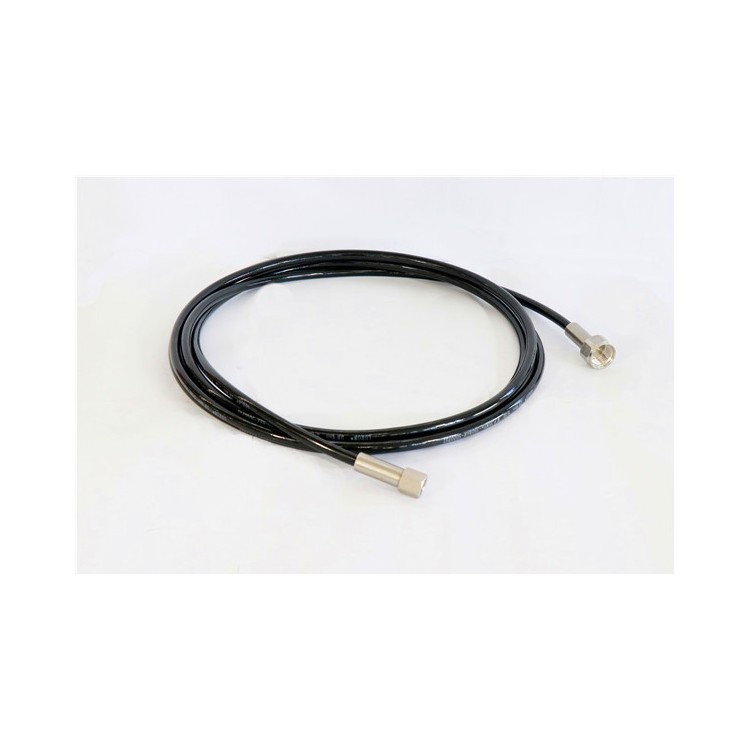
1. Wire Conduit: The wire conduit is primarily made of stainless steel, offering excellent flexibility, corrosion resistance, and tensile strength. It boasts good high-temperature and wear resistance, mainly used as a protective tube for electrical wires and cables.
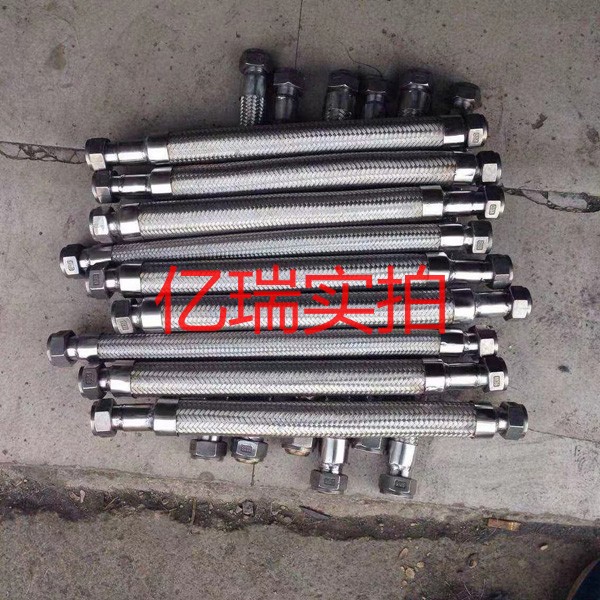
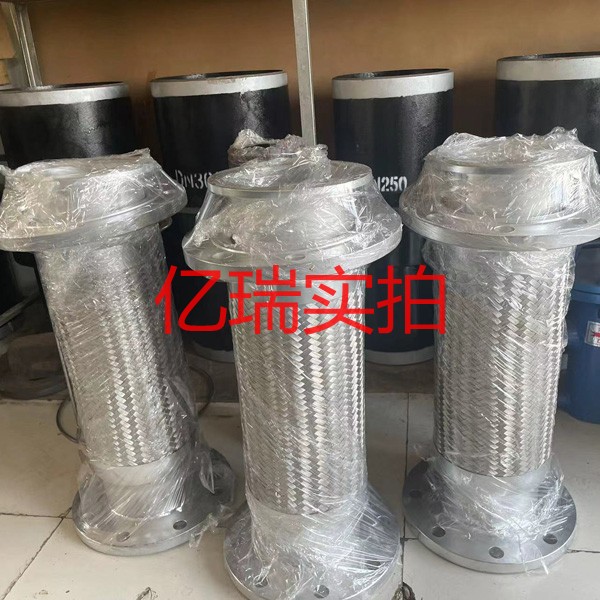
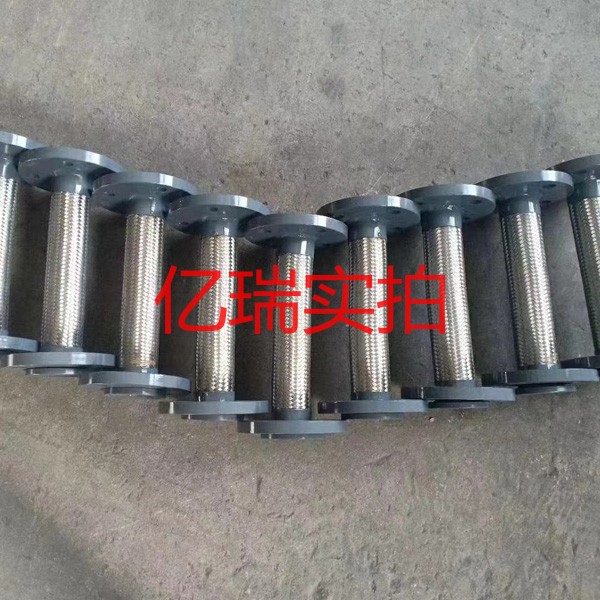
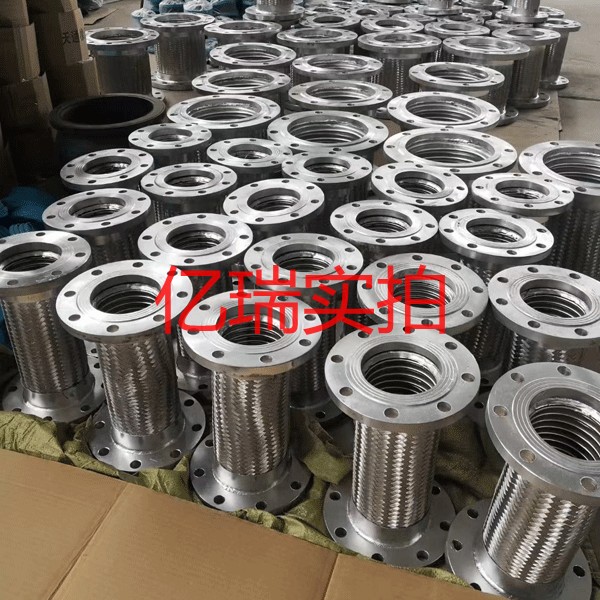
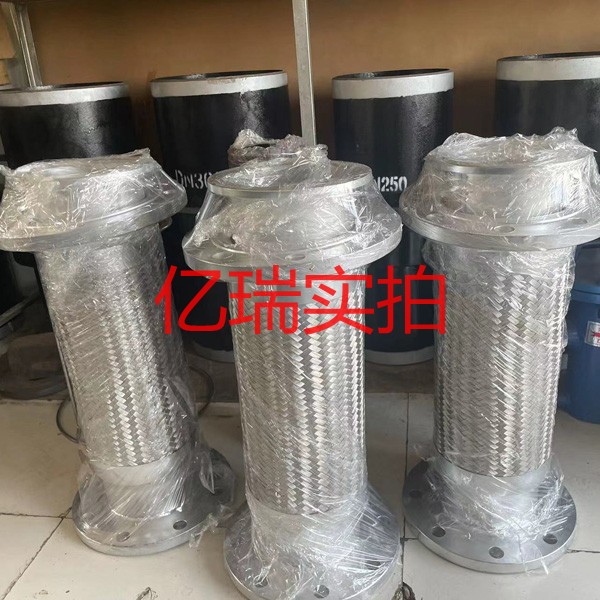
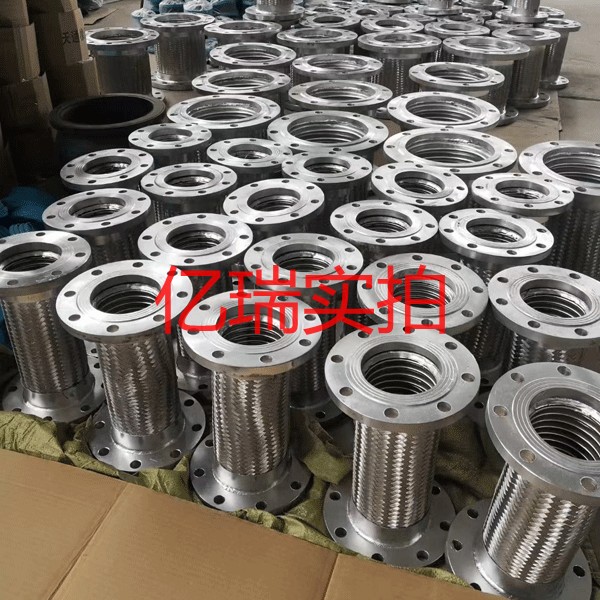
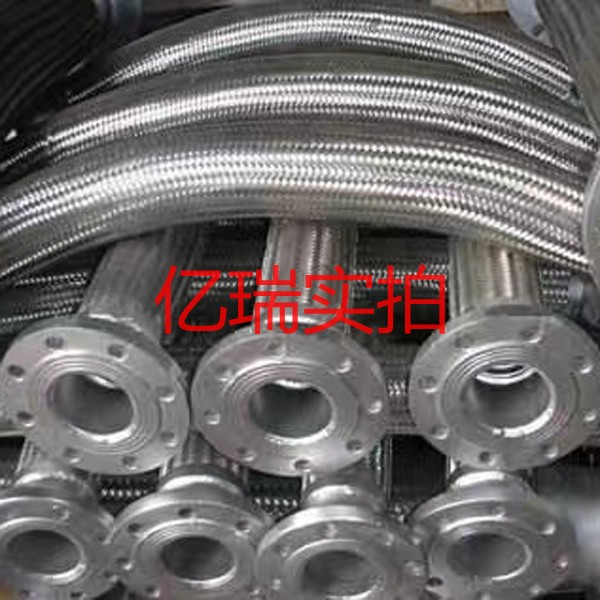
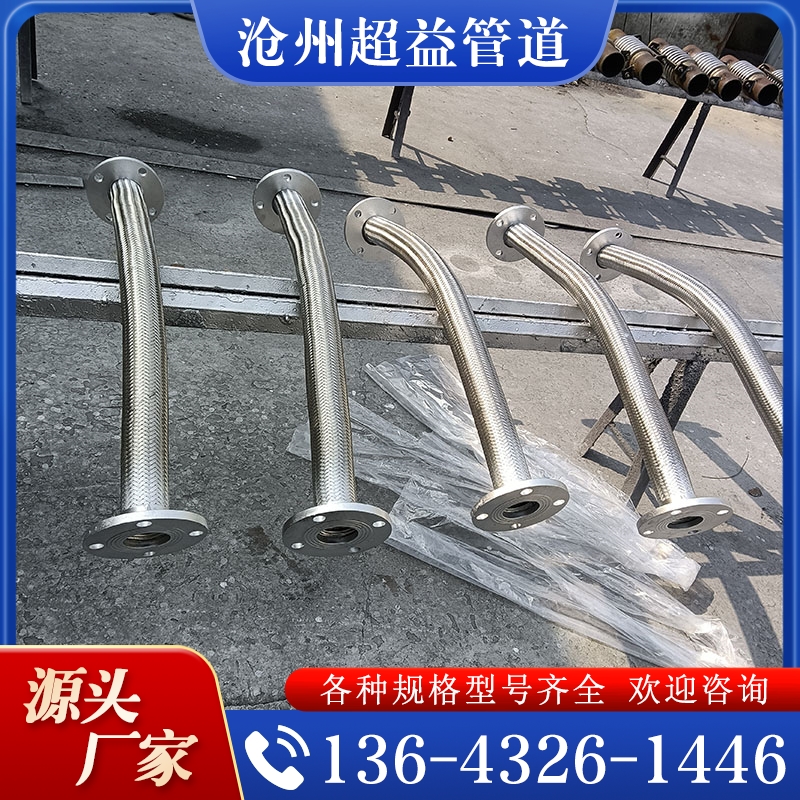
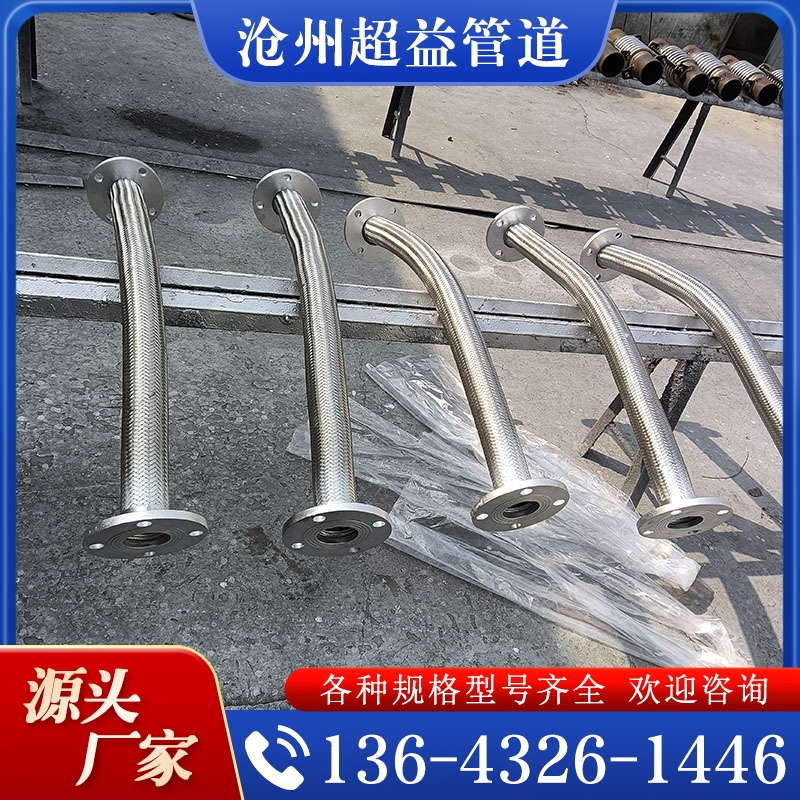
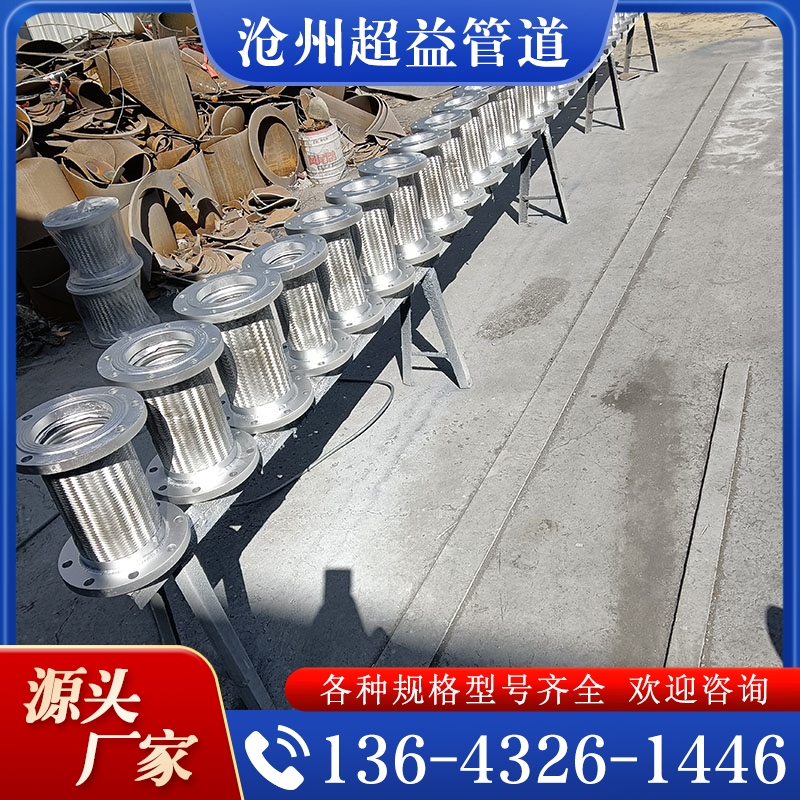
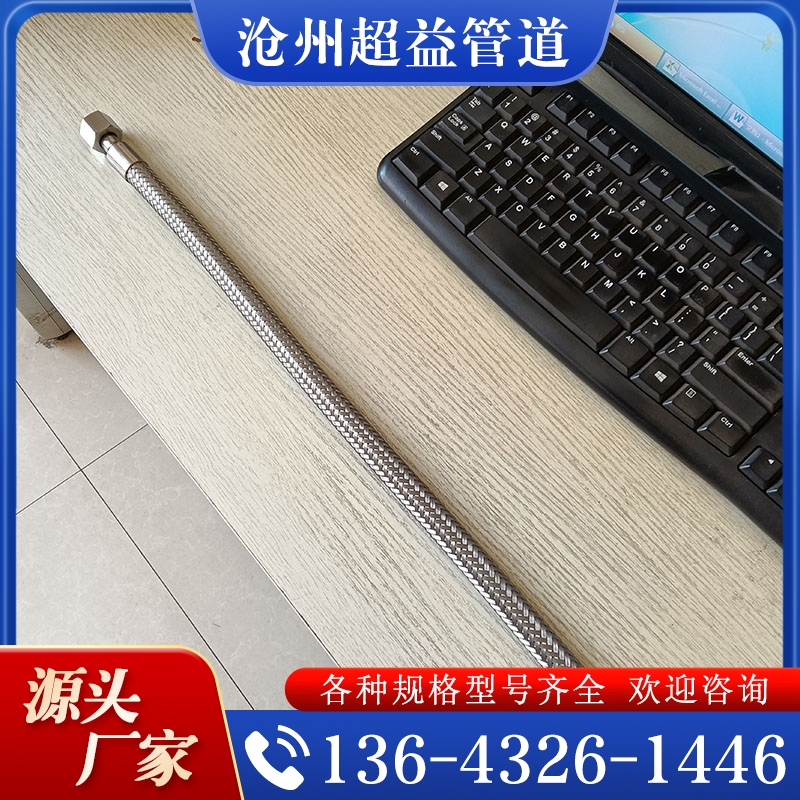
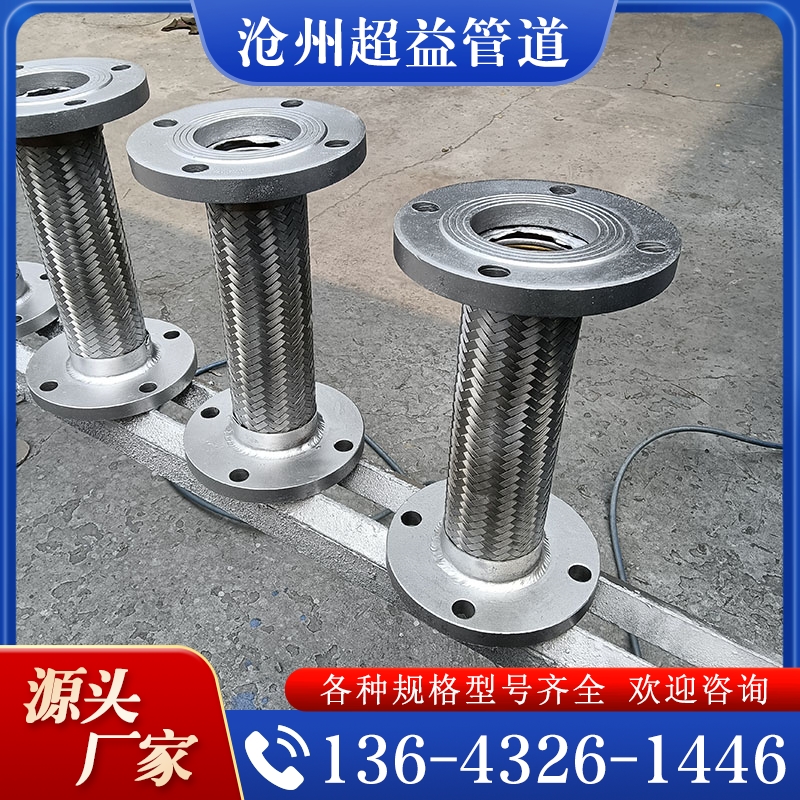
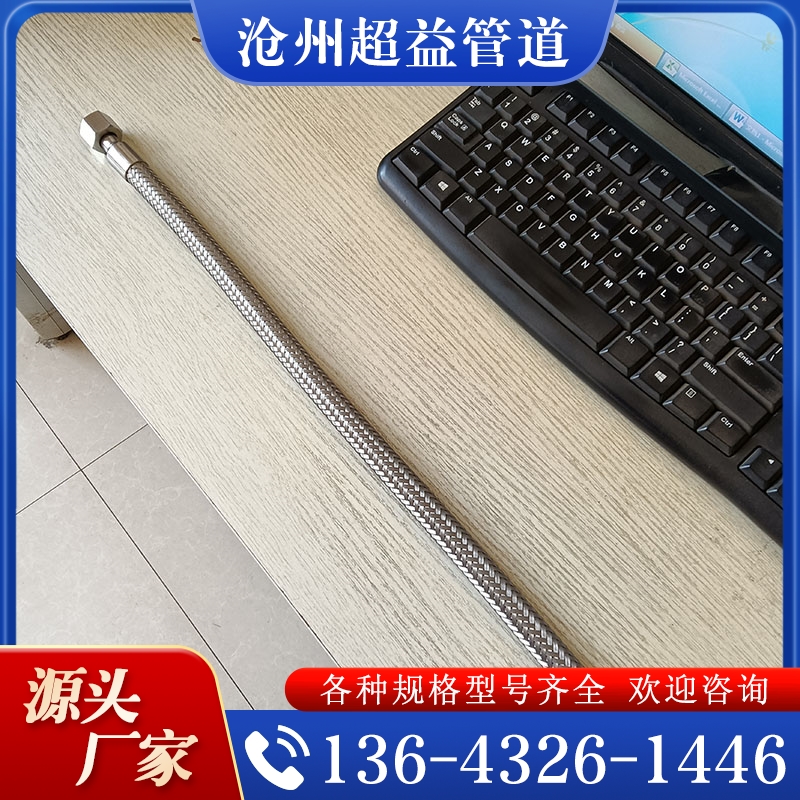
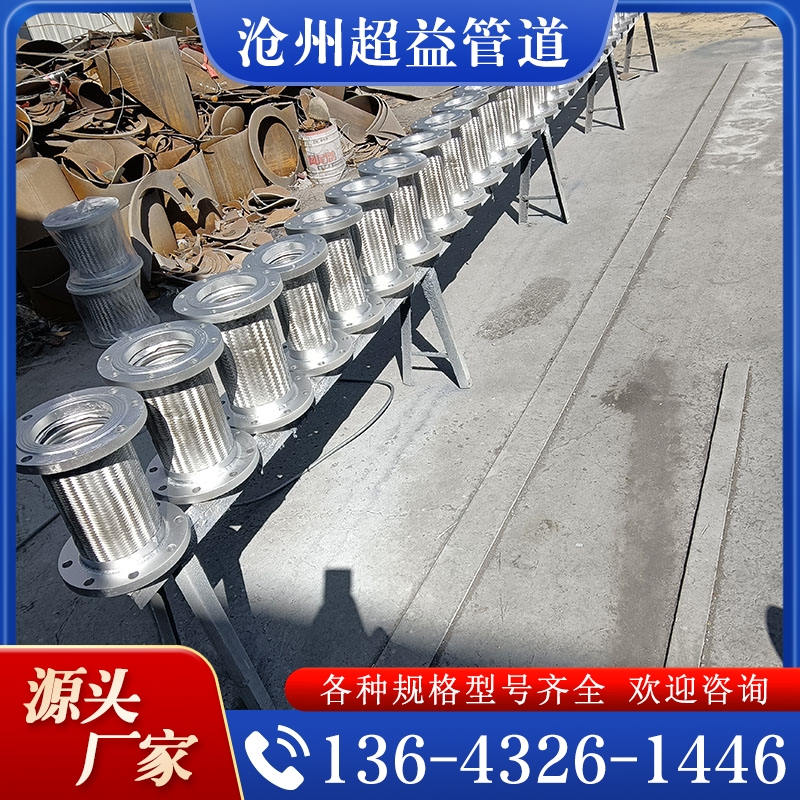
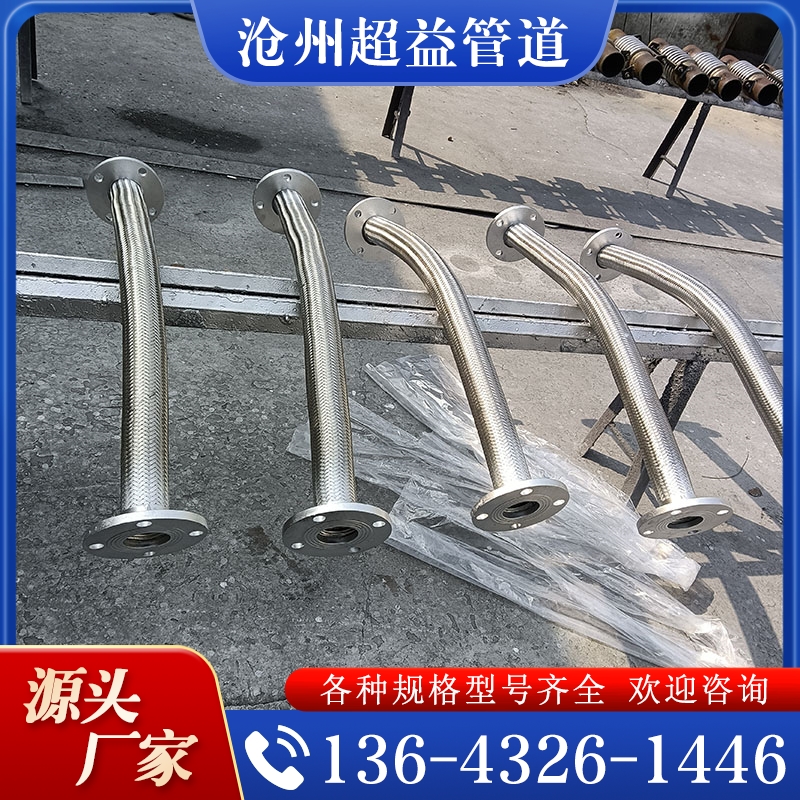
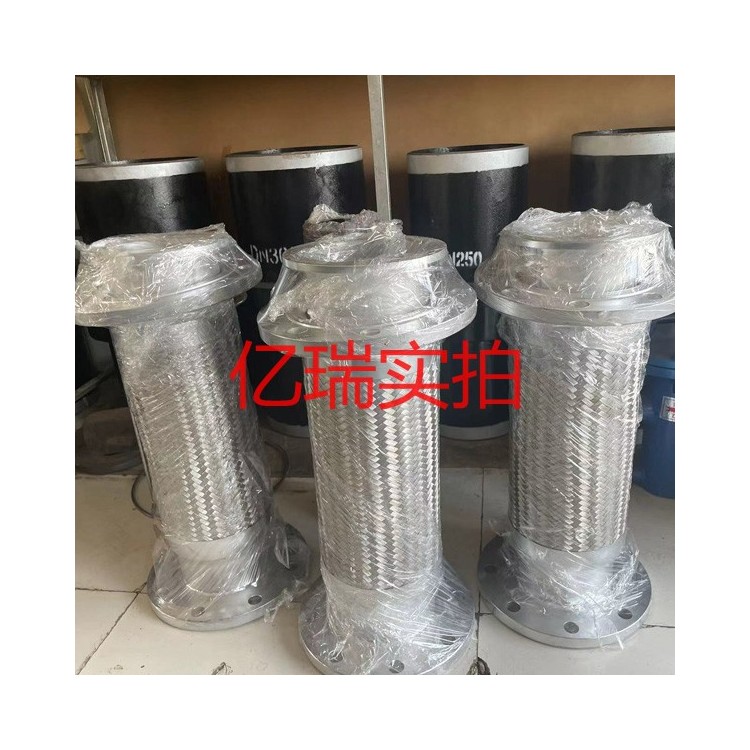
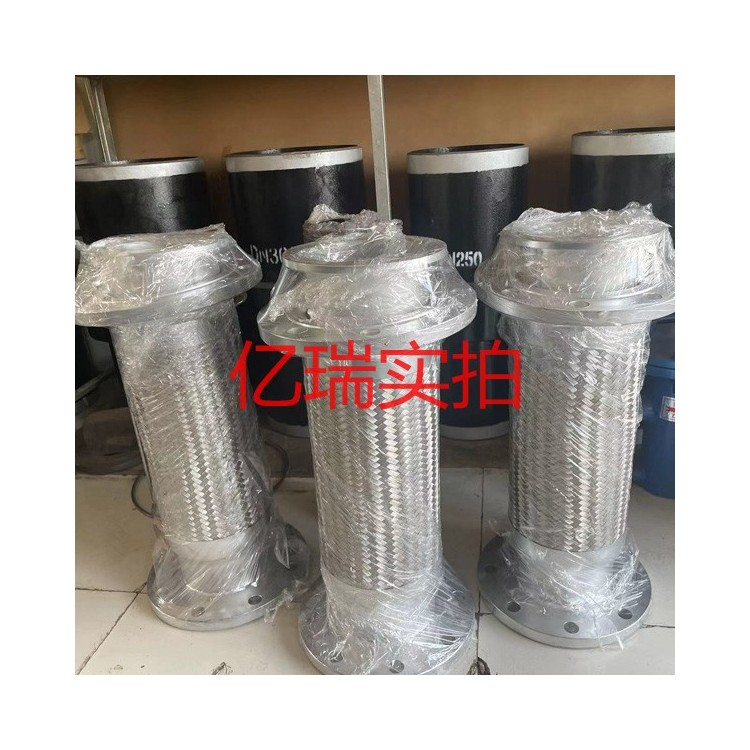
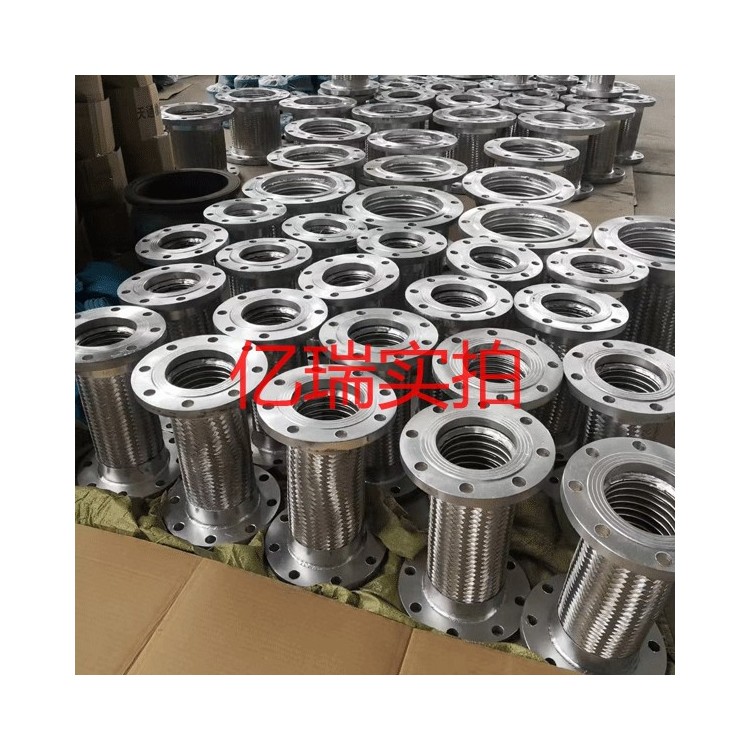
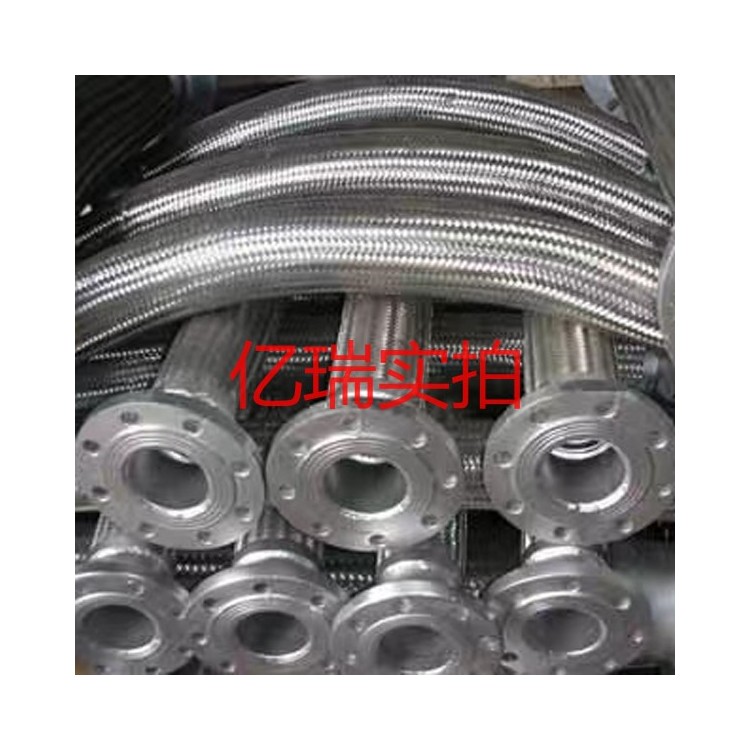
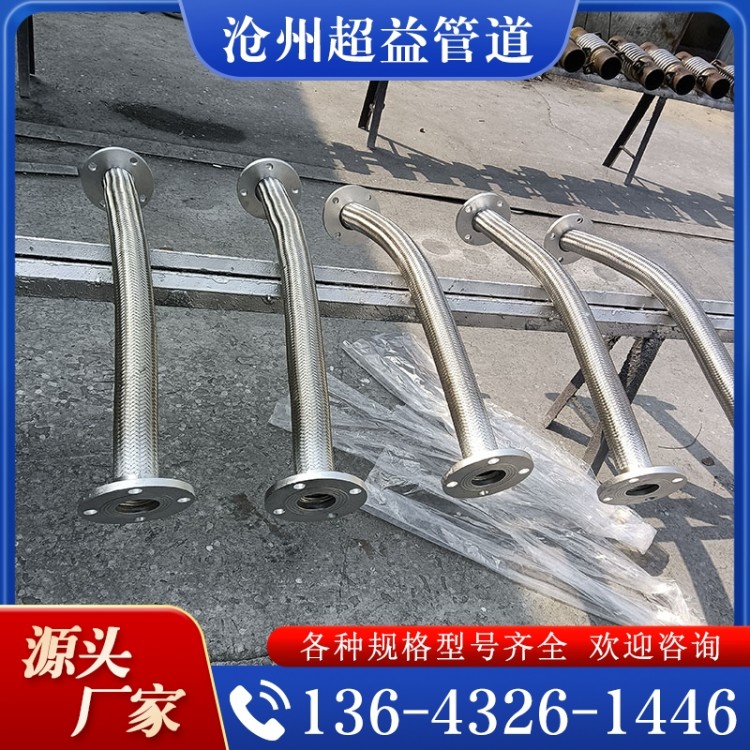
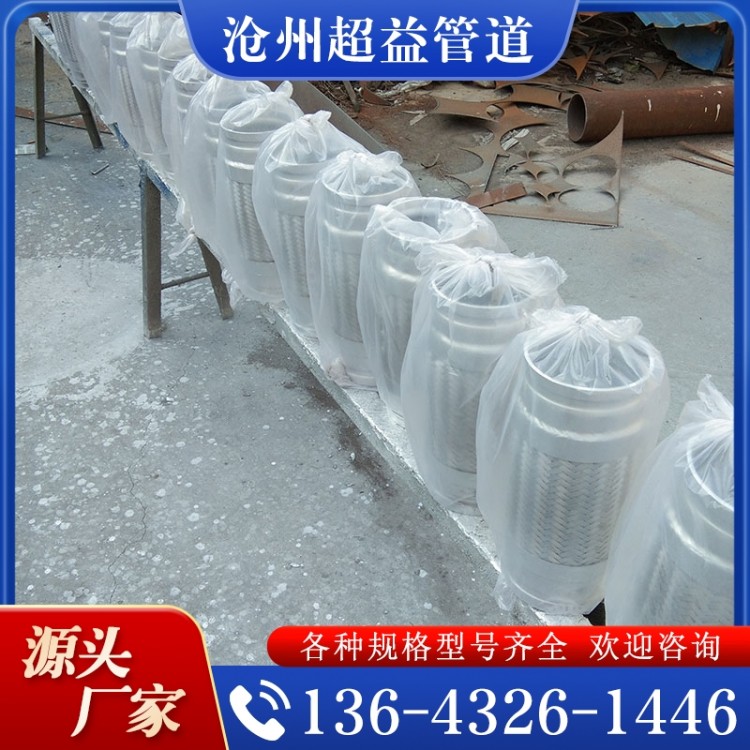
2. Ductile Metal Hoses: Ductile metal hoses are composed of three main components: the bellows, the sleeve, and the connector. The bellows provide flexibility in the hose, made of thin-walled stainless steel with helical or annular corrugations. The sleeve is woven from crossed metal wires or strips in a specific sequence and is fitted over the outer surface of the metal bellows, serving to reinforce and shield. Connector structures are generally categorized into three types: spiral, flanged, and quick-connection. Depending on different application requirements, the connection methods between the bellows, sleeve, and connector include welding, mechanical clamp, and hybrid.
3. Coated Metal Flexible Hoses: These are a new type of flexible hose with a special inner layer made of stainless steel or galvanized steel tube, and an outer layer made of PVC material. They feature resistance to UV rays and anti-aging properties.
What are the characteristics of metal flexible hoses?
Metal hoses are mainly made of stainless steel material, featuring high corrosion resistance.
2. Metal hoses have an extremely wide operating temperature range, from -196 to 600°C, with excellent resistance to both high and low temperatures.
3. The metal flexible hose body is hydraulically formed, featuring excellent flexibility, good ductility, strong bending and vibration resistance, as well as bend resistance, tensile strength, and side pressure resistance.
4. Metal flexible hoses offer excellent wear resistance, prevent rodent bites, and protect the internal wires from damage.
5. The metal flexible hose comes with a variety of connectors, making it easy to connect with other equipment. The ends of the hose can also be fitted with other types of connections besides threads and flanges, facilitating connection and use with other equipment.
6. Metal hoses are easy to install and locate with threading, suitable not only for use with rotating joints but also widely employed for flexible connections in the conveyance of various fluid media.