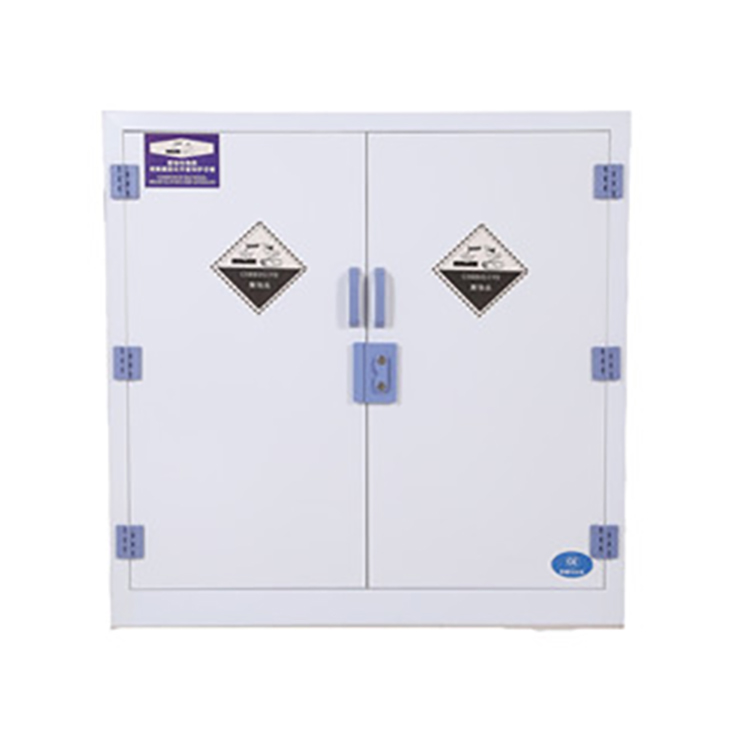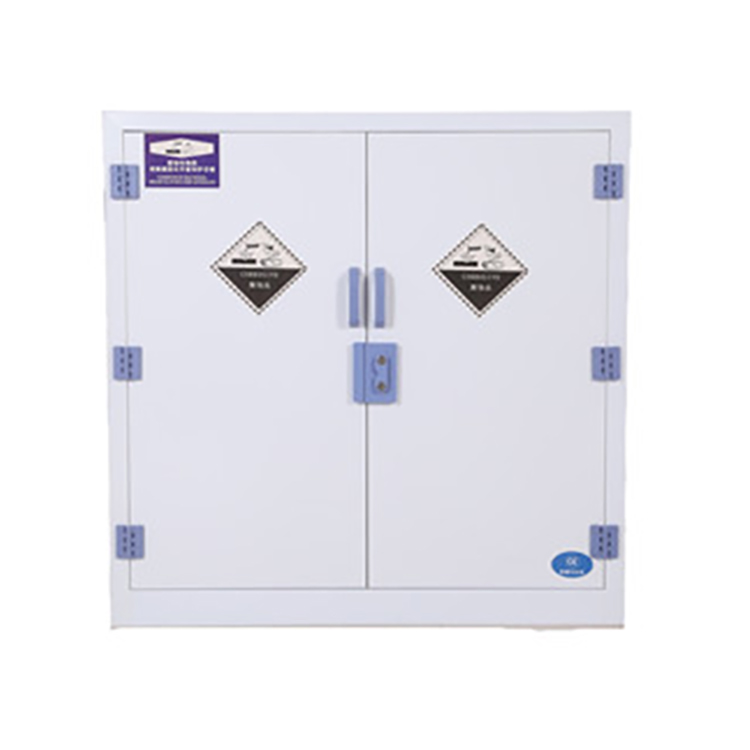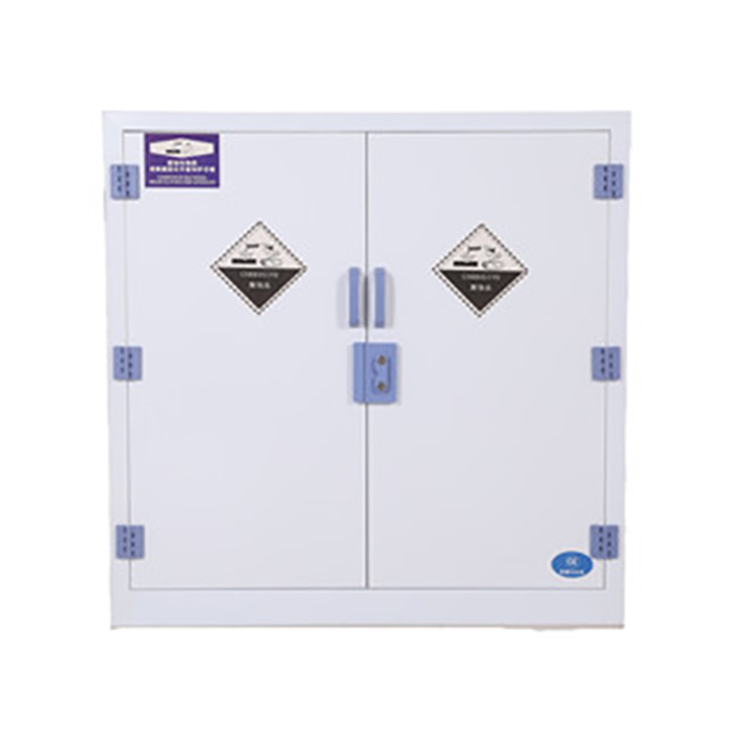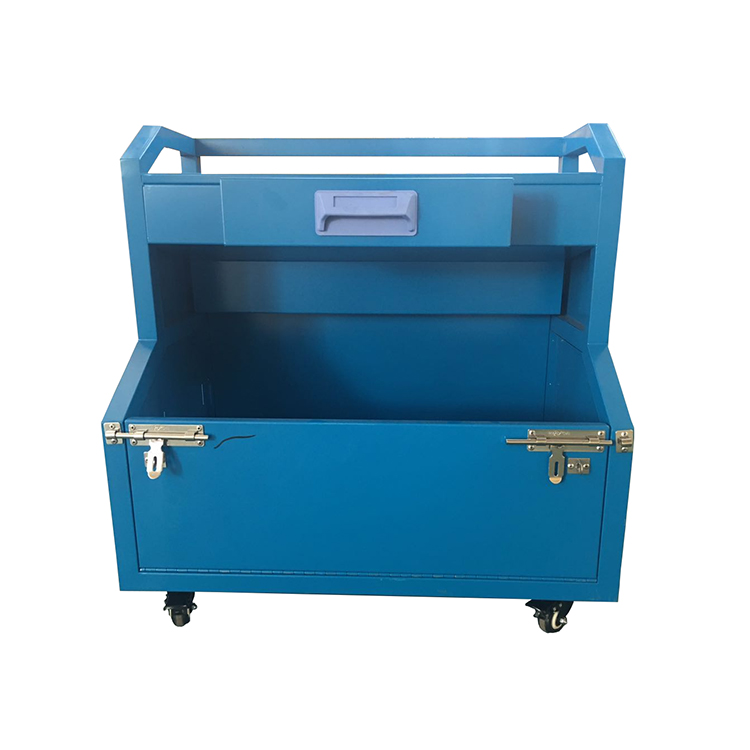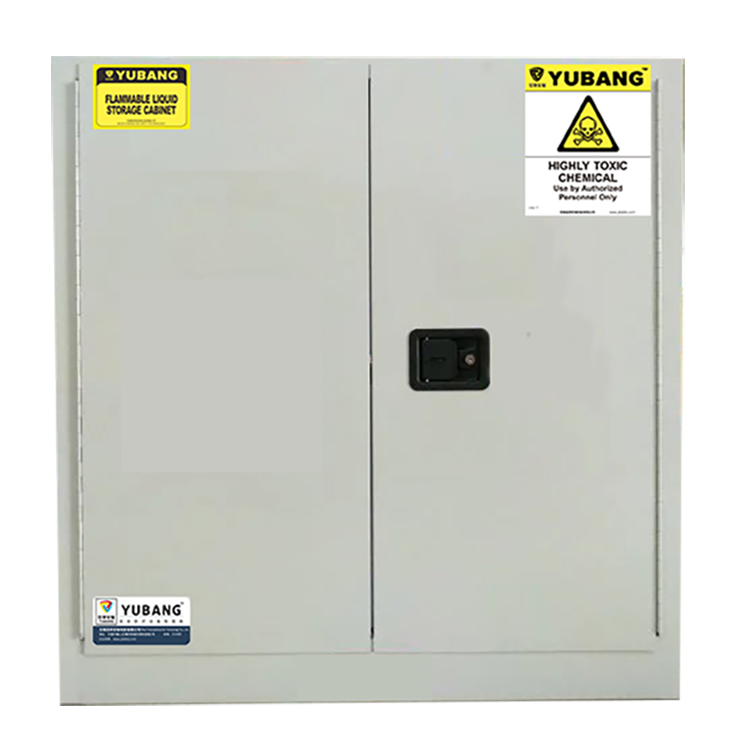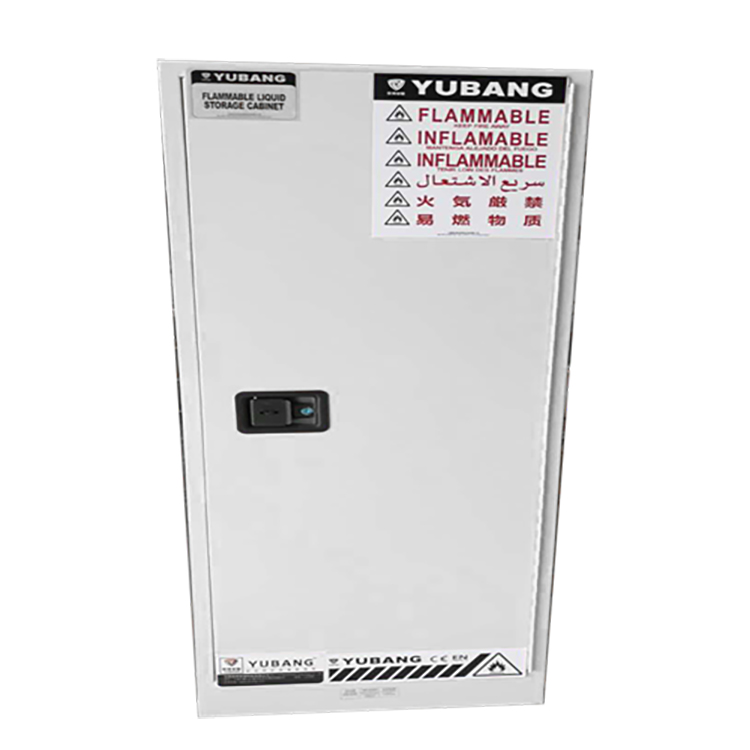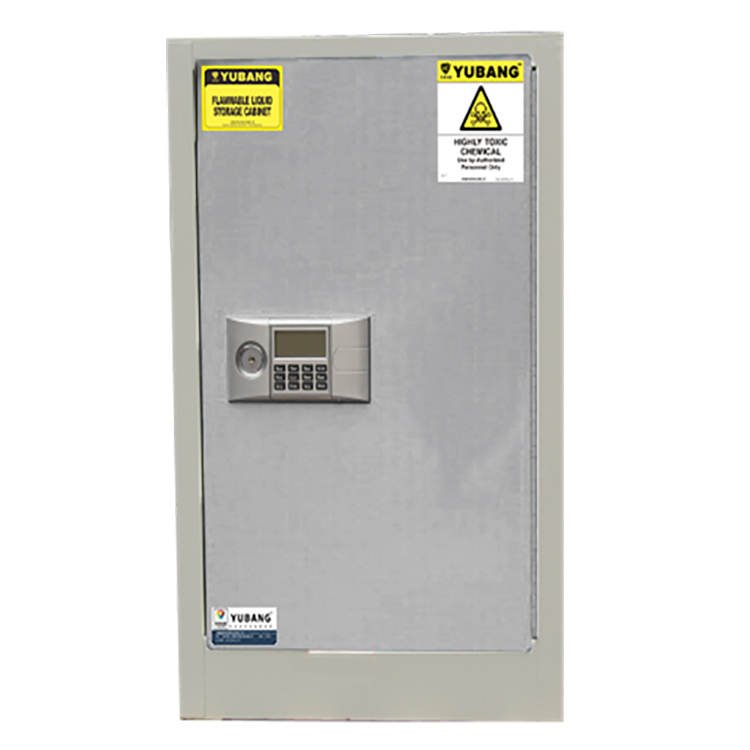

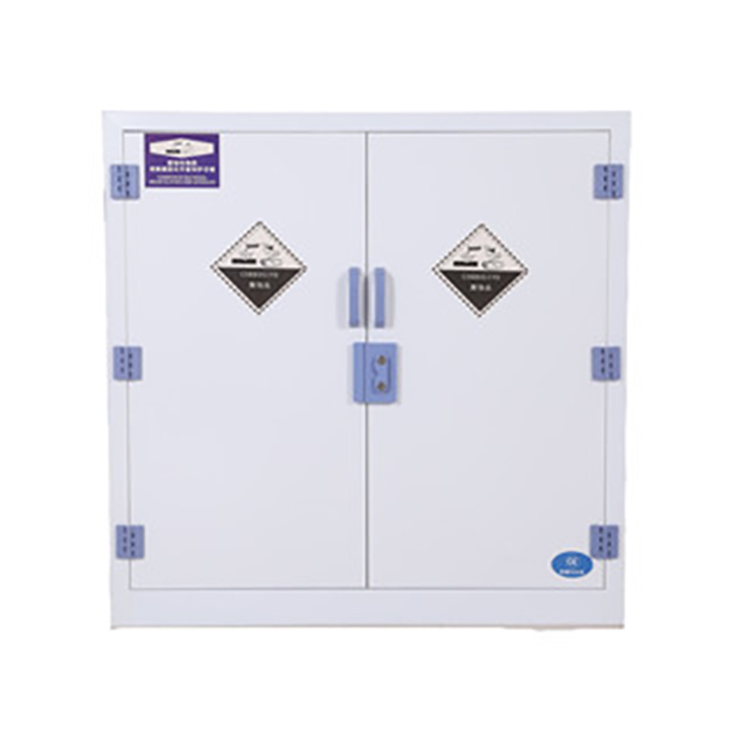

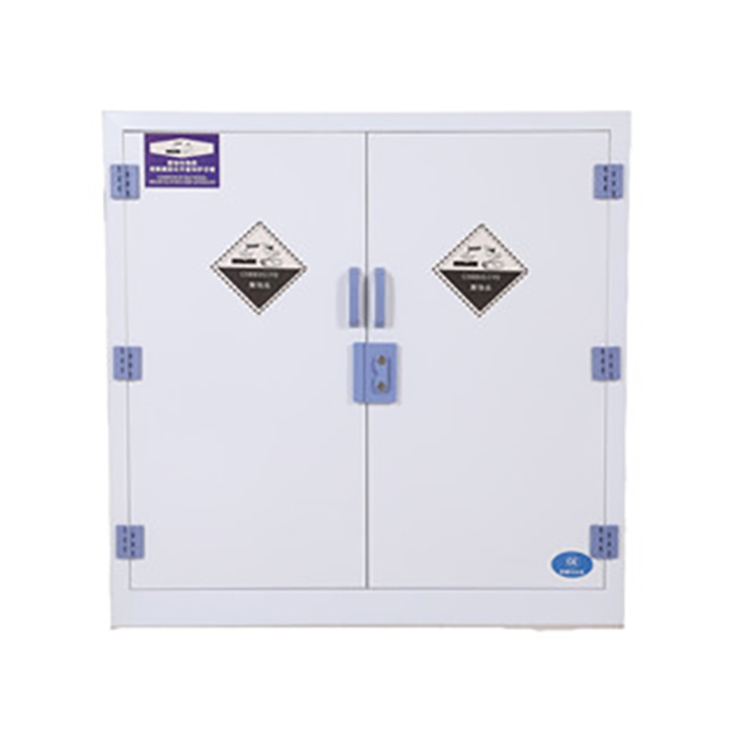
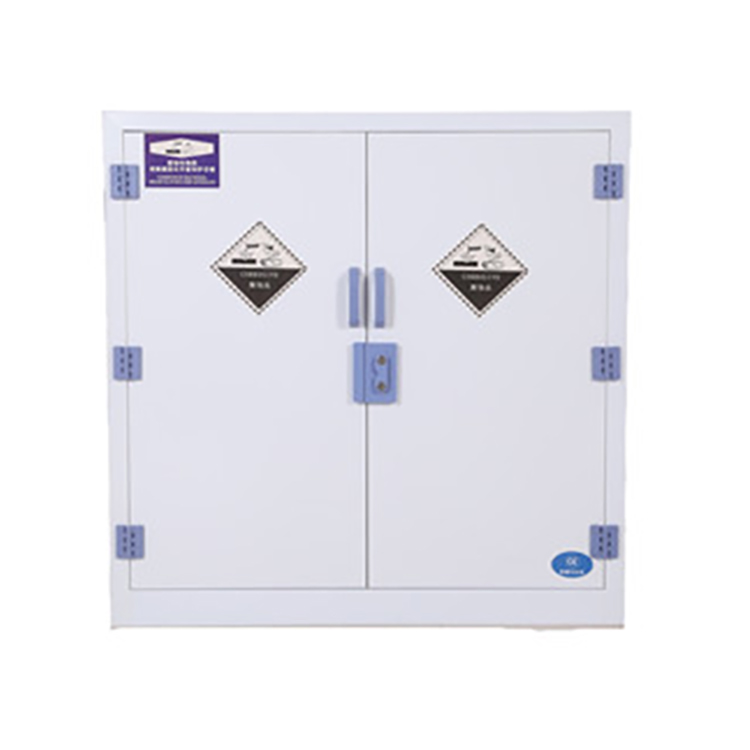
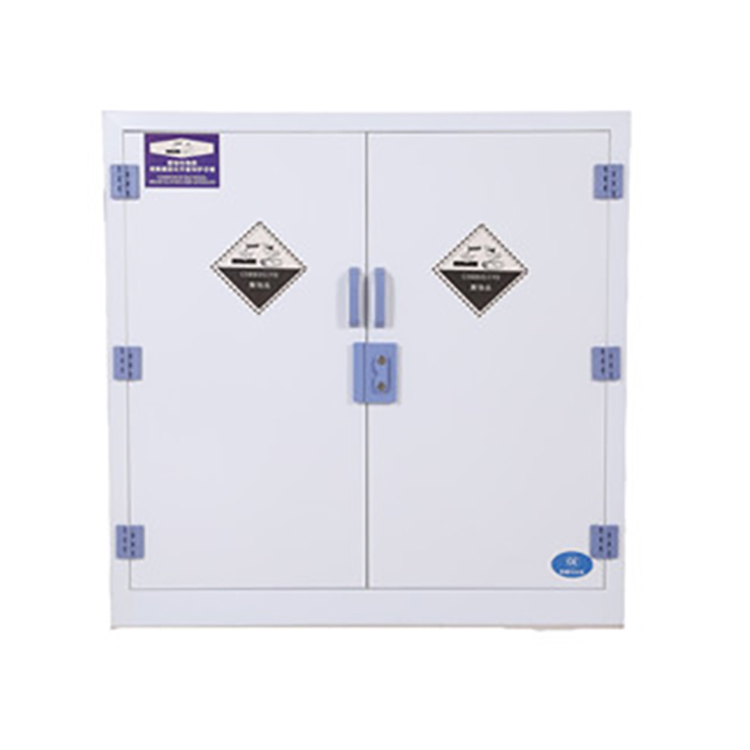









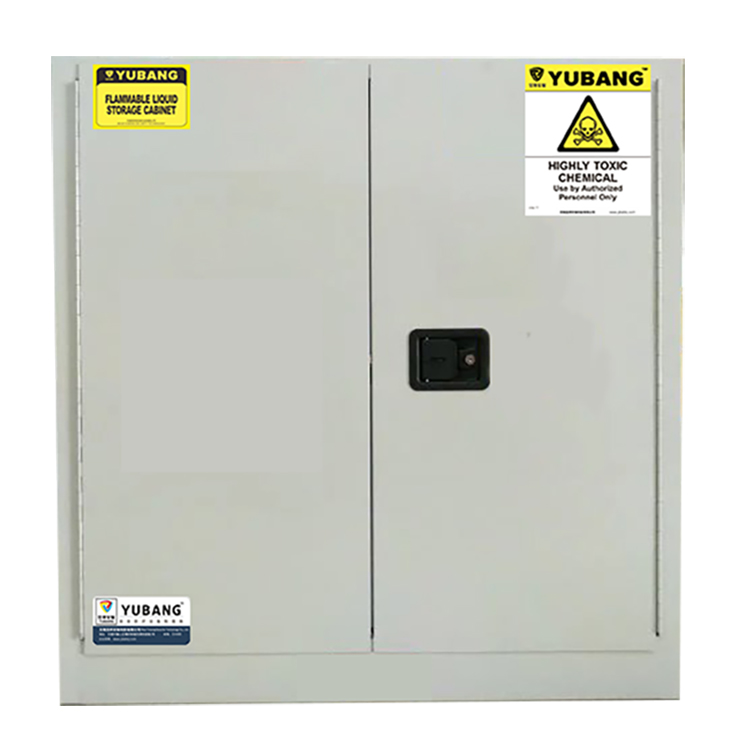
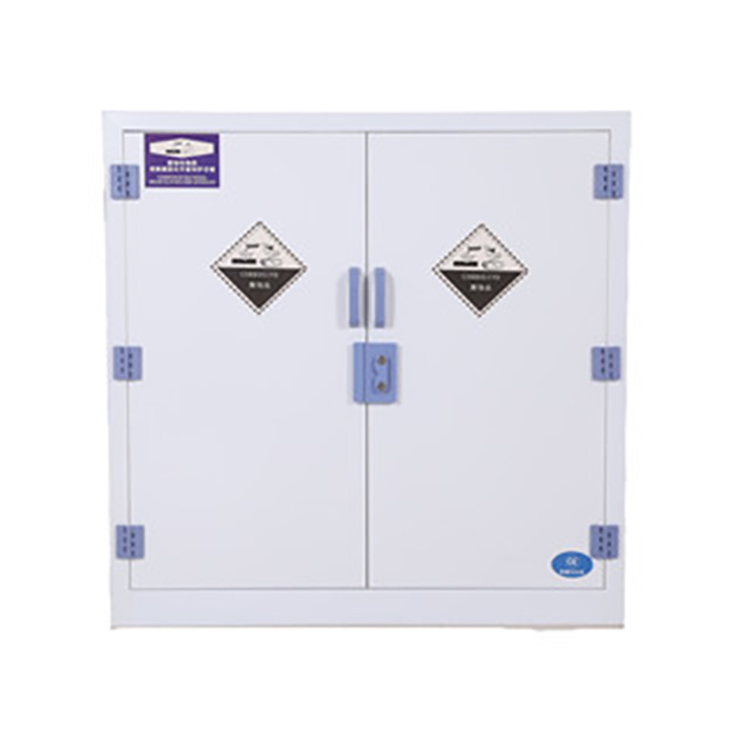
Ceramic white PP polypropylene anti-corrosion chemical safety storage cabinets, designed for storing corrosive chemicals (e.g., sulfuric acid, hydrochloric acid, nitric acid, sodium hydroxide, potassium hydroxide, etc.). The cabinets are made of corrosion-resistant, impact-resistant ceramic white PP boards (imported in original packaging) and are welded together using color-matching, homogenous welding rods. Depending on the amount of highly corrosive chemicals to be stored and the convenience of use, different specifications of ceramic white PP polypropylene anti-corrosion chemical safety storage cabinets can be selected.
Special规格的bisque-colored PP polypropylene corrosion-resistant chemical storage cabinets can also be custom-made for customers.
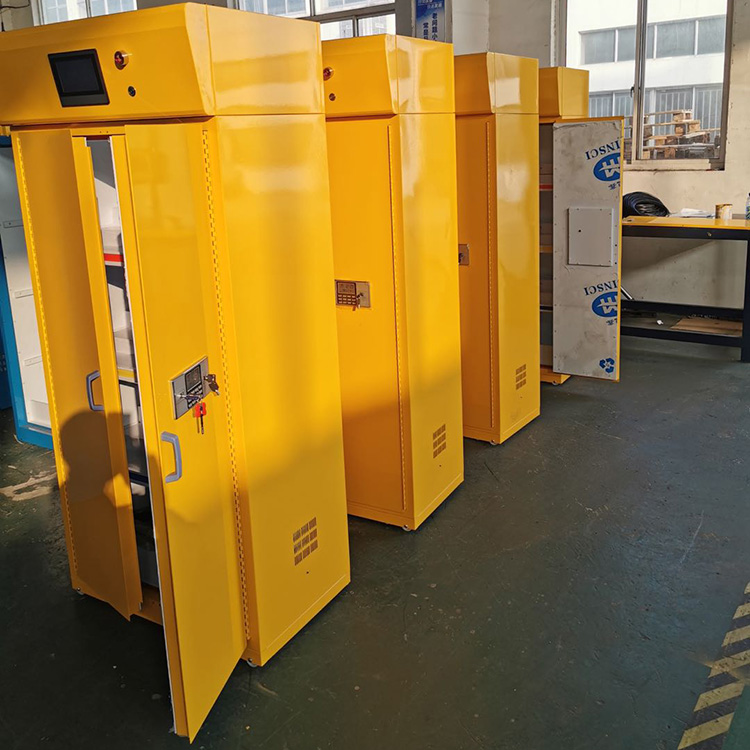
In various factories or laboratories, a large quantity of highly corrosive chemical substances (such as hydrochloric acid, nitric acid, or sodium hydroxide, etc.) are stored. Storage of such chemicals is particularly crucial. Currently, the market offers numerous types of safety cabinets for categorizing and storing chemicals of different properties and hazard levels. However, only strong acid and strong alkali storage cabinets are suitable for storing highly corrosive chemicals.
Features of porcelain white PP polypropylene corrosion-resistant chemicals safety storage cabinets:
1. Constructed from seamless welding using imported polypropylene (PP) material.
2. Material Thickness: 8mm or 10mm thick sheets available upon customer request.
3. Equipped with imported polypropylene leak-proof trays, which can be removed individually for easy cleaning. The shelves can be adjusted as needed.
4. The cabinet door is prominently marked with a "Corrosive" warning label.
6. To enhance operational safety, chemical cabinets can also be equipped with padlocks for additional protection.
7. Cabinet doors can be customized to open left or right as required, and various sizes and styles, including double and single door options, are available for ordering.
8. Suitable for storing various corrosive chemicals such as sulfuric acid, nitric acid, acetic acid, and sulfuric acid, ensuring safety for operators and surrounding personnel.
9. Life span of over ten years