






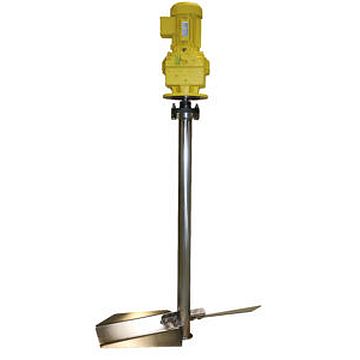
Brief introduction
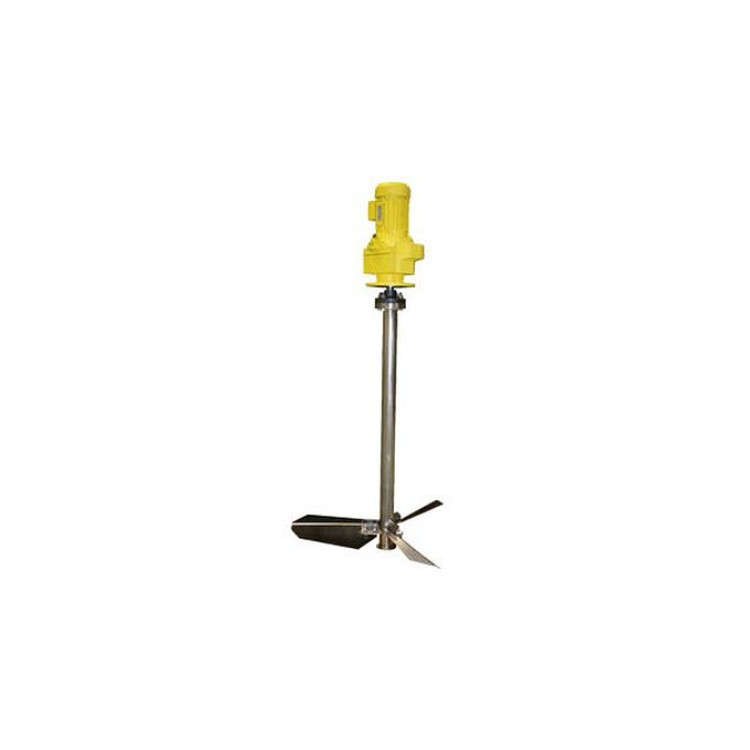
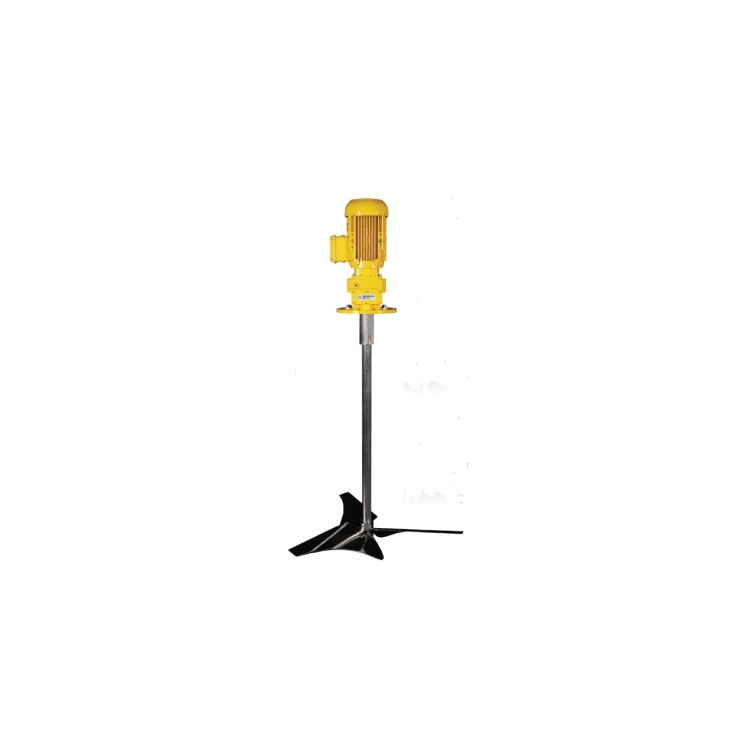
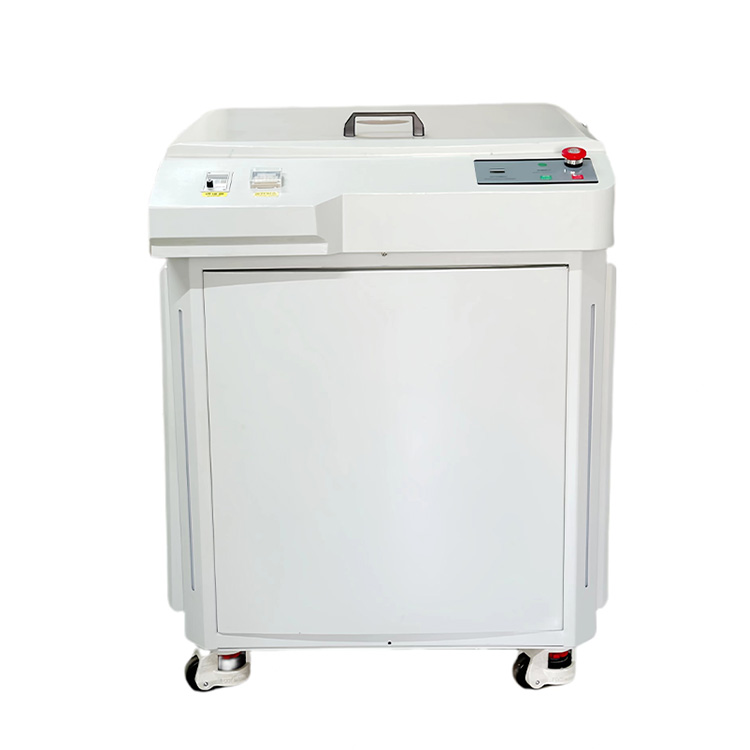
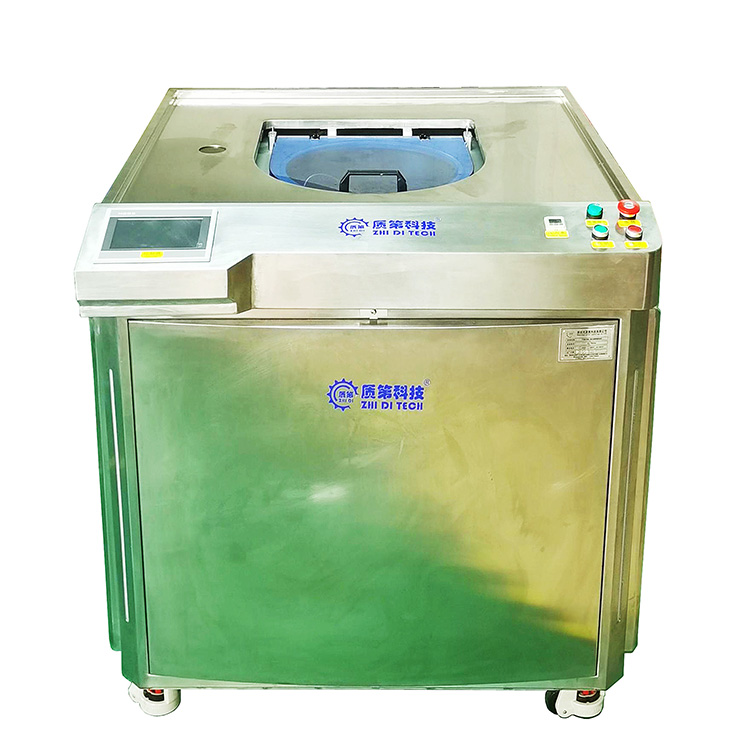
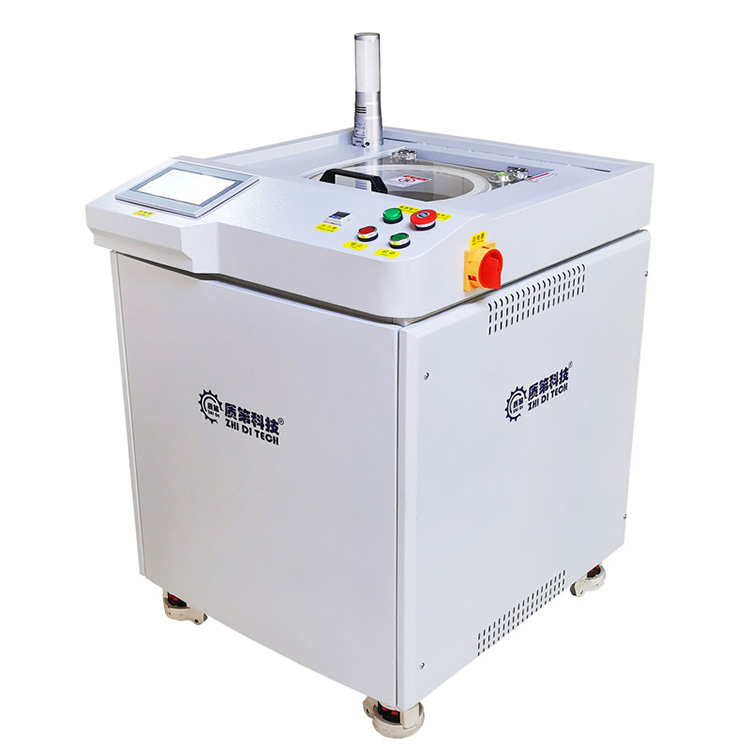
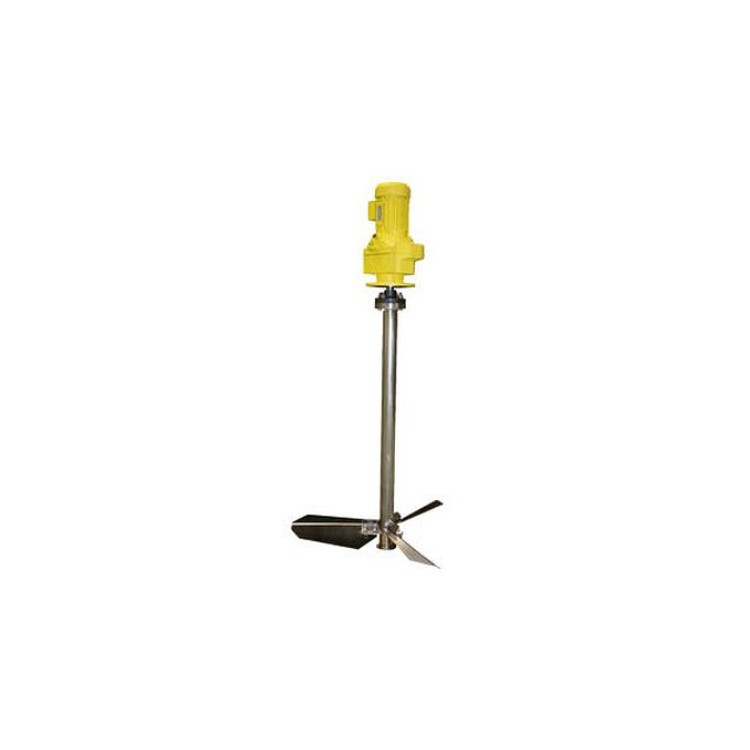
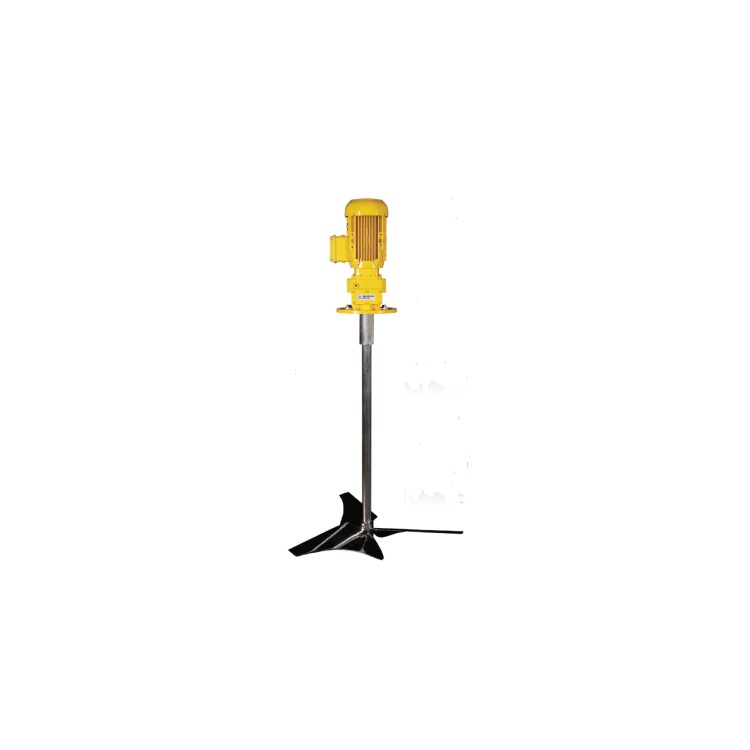
Type B stainless steel mixer is a side-entry mixer, where the mixing unit is installed on the side wall of the equipment cylinder. The mixers typically use axial flow impellers, with push-type mixers being the most common.
Stainless Steel BlenderDetailed Description
Stainless steel mixer B model features side-entry mixingThe machine installs the mixing device on the side wall of the equipment cylinder. The mixers on the mixer are typically axial flow type, with push-type mixers being more common. Under the same power consumption, they achieve the highest mixing effect, with power consumption only 1/3 to 2/3 of top mixing and cost only 1/4 to 1/3. The rotational speed ranges from 200 to 750 rpm.
Broadly used for agitation in desulfurization, denitrification, and various large storage tanks or vessels. Particularly, by using one or more side-entry mixers working together in large storage tanks or vessels, a good mixing effect can be achieved with low energy consumption.
Section 1. Uses and Features of Stainless Steel Mixers
Side-entry mixers are widely used in environmental protection, biogas fermentation, desulfurization in power plants, petrochemical, papermaking, construction, and other industries. They achieve excellent heat transfer, uniform mixing, and effectively prevent sedimentation.
Low investment, low power consumption, high mixing efficiency, and easy operation.
Section II: Organizations
Primary Components: Motors, Belt Pulleys, Frames, Outer Shafts, Inner Shafts, Mechanical Seals, Impellers, Bearings.
Seals can be selected in various forms depending on the application environment, such as mechanical seals, packing seals, labyrinth seals, and more. Different types of seals can also be used in combination.
Mechanical Seal Structure Diagram
III. Classic Applications
Biogas Fermentation: Agitate the fermentation raw materials with biogas microorganisms to ensure thorough mixing and even contact, allowing the microorganisms to have ample food supply, ensuring normal fermentation and increasing gas yield. Prevent the separation of raw materials and the formation of dregs and sediment.
Flue Gas Desulfurization: Primarily used in large containers such as slurry tanks and absorption towers for mixing the slurry inside the tower, preventing sludge sedimentation, and simultaneously thoroughly blending the injected oxidizing gas with the paddle blades.
Other: Crude oil storage tanks, pulp and paper production, lubricant storage tanks, edible oil storage tanks, etc.