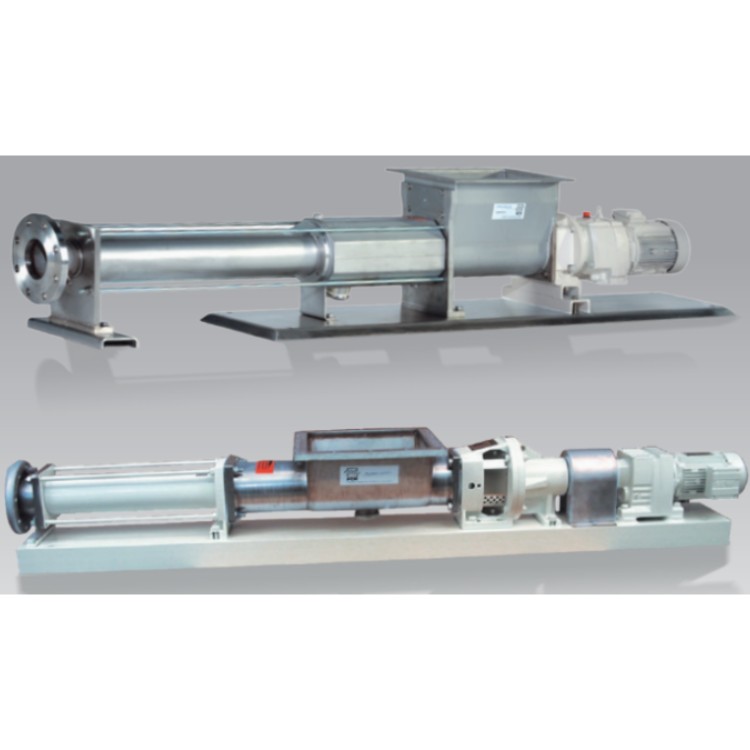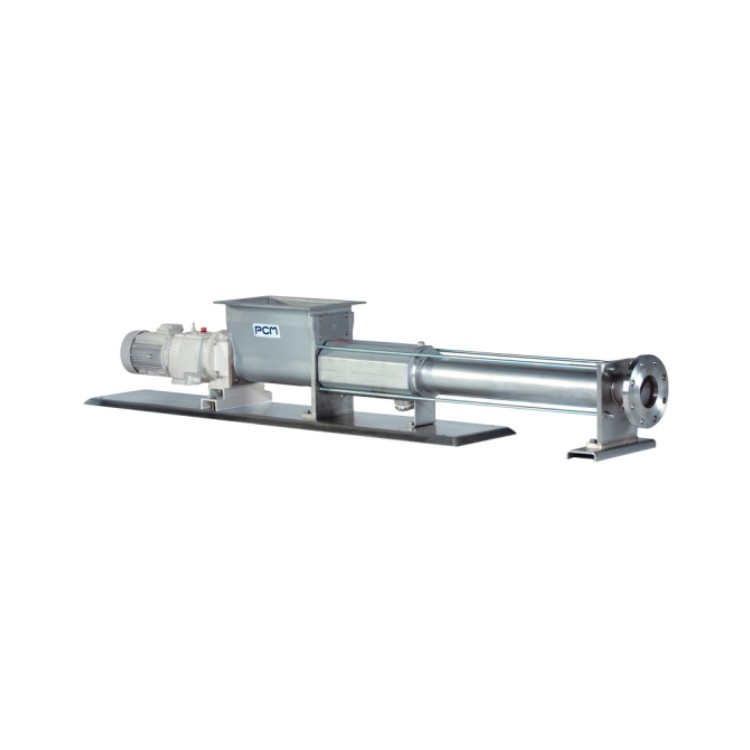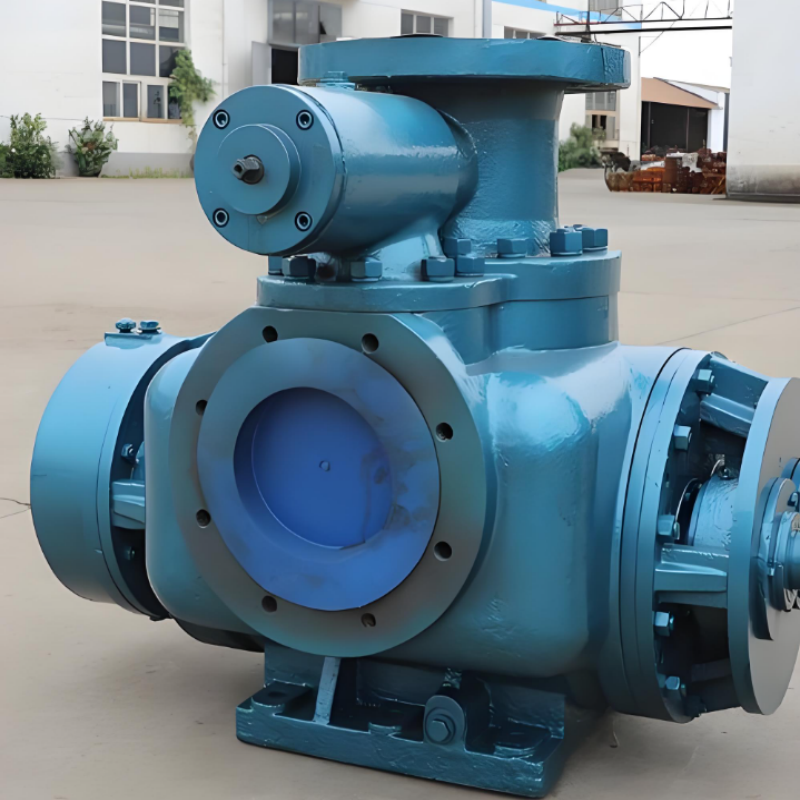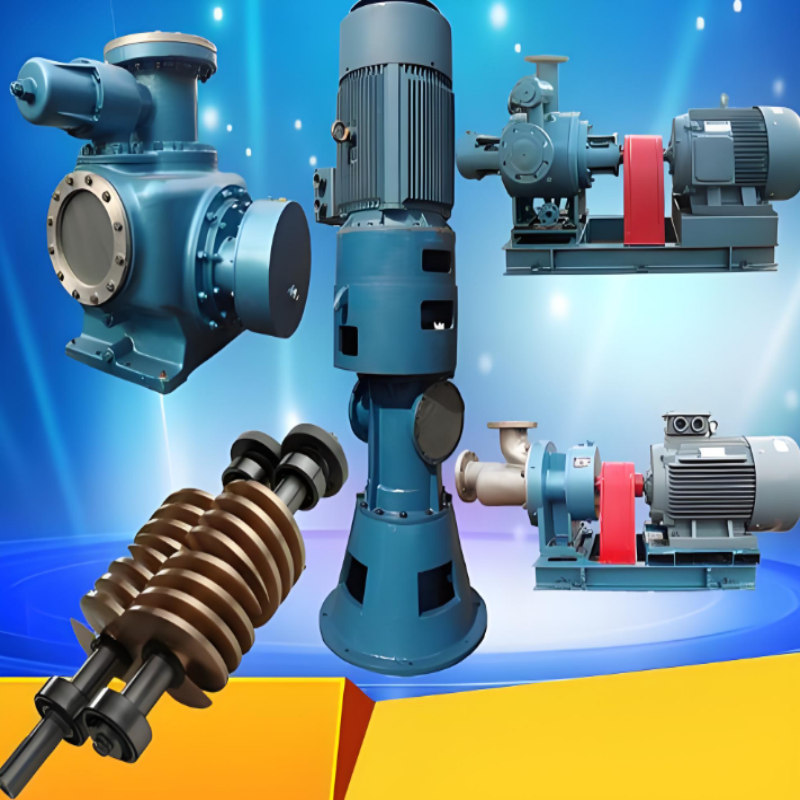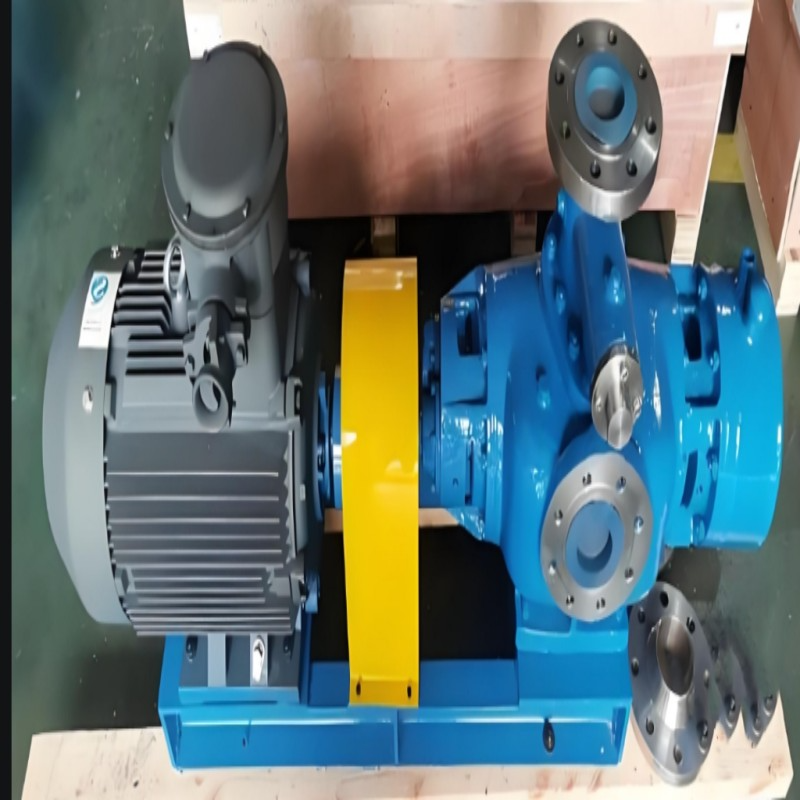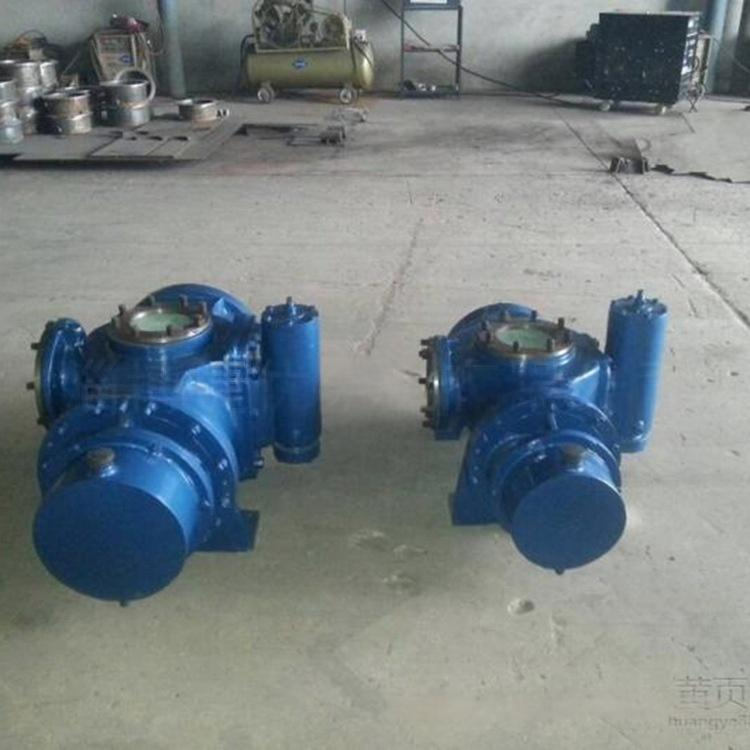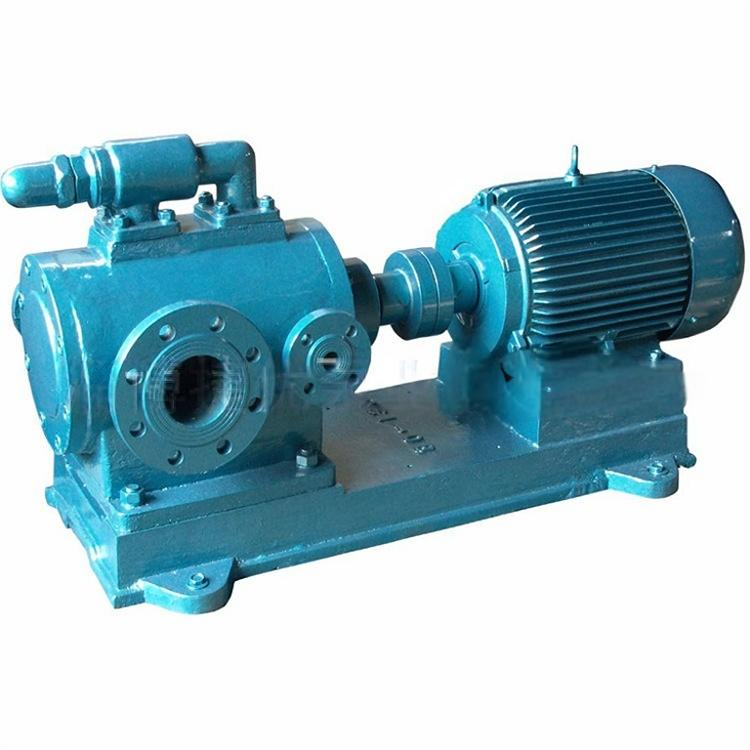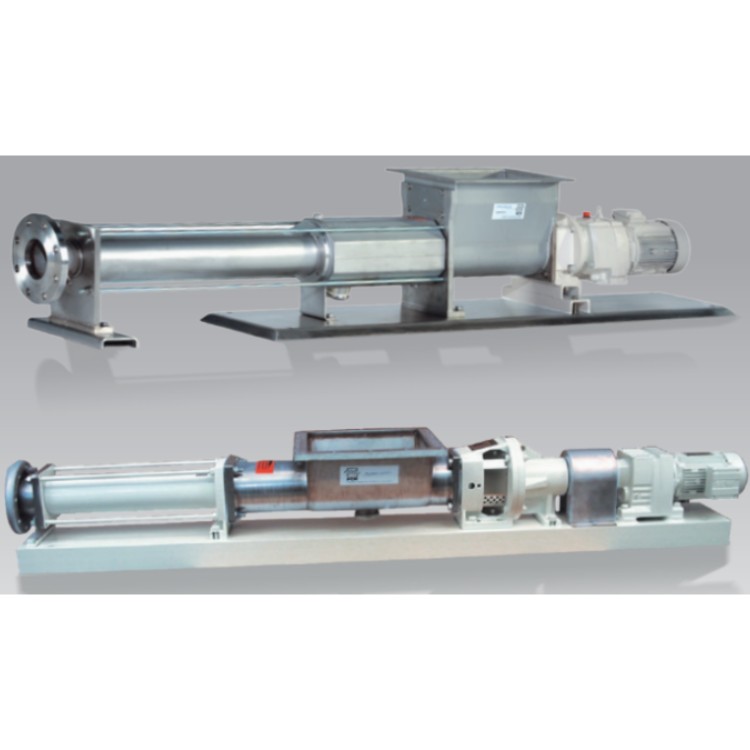
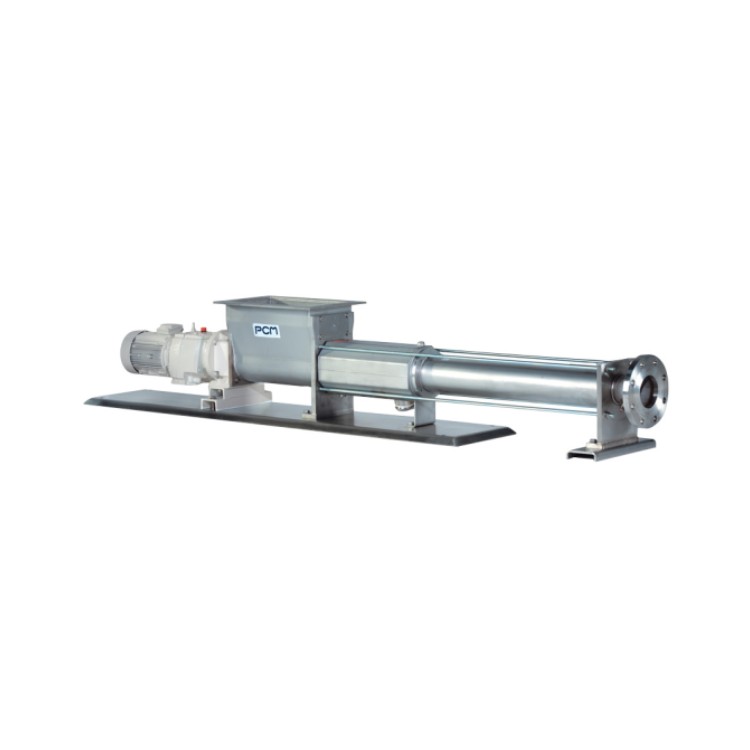


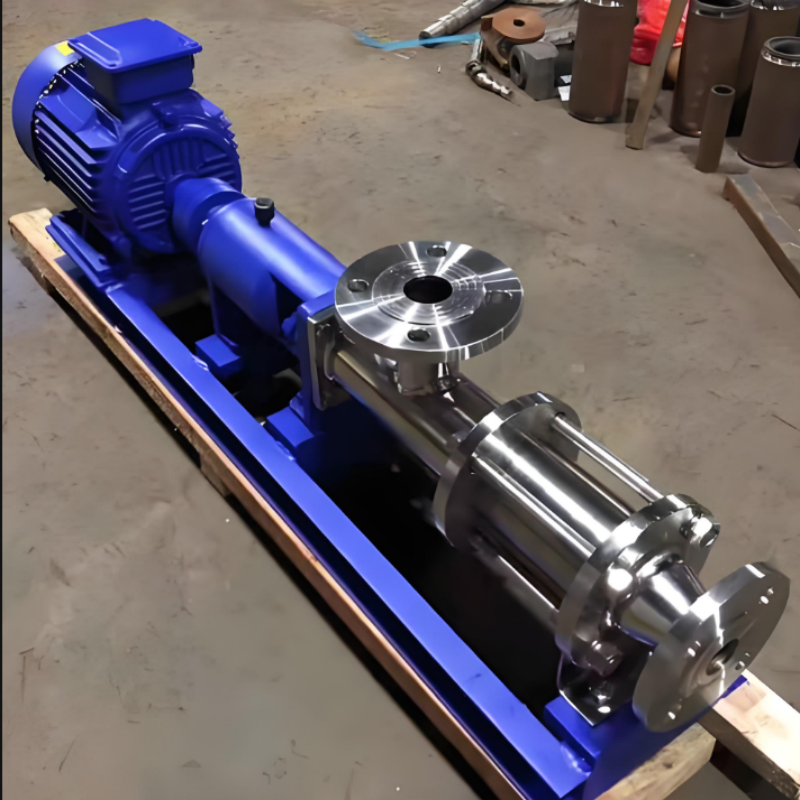
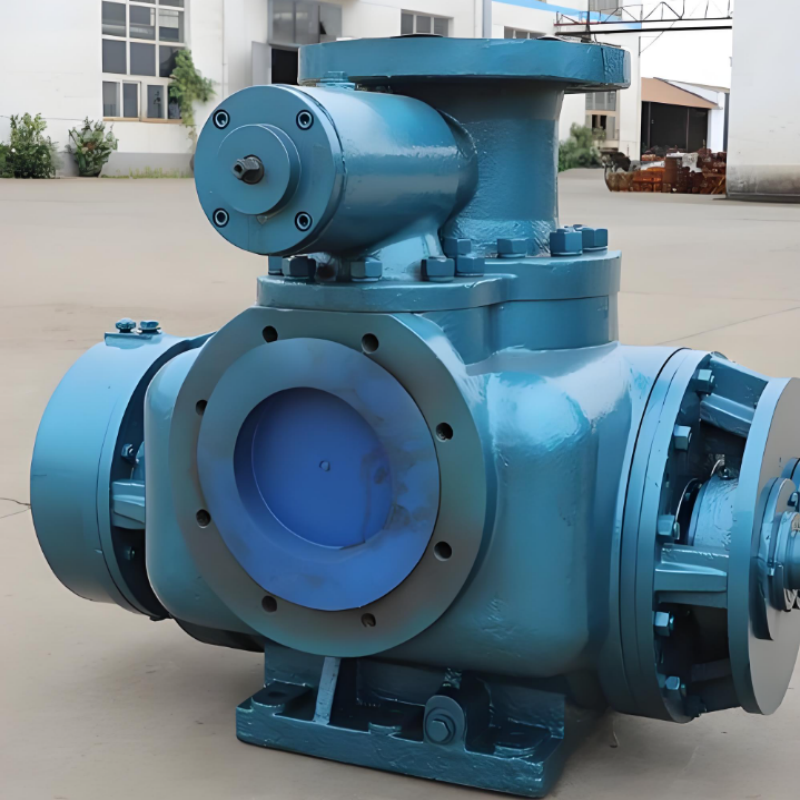
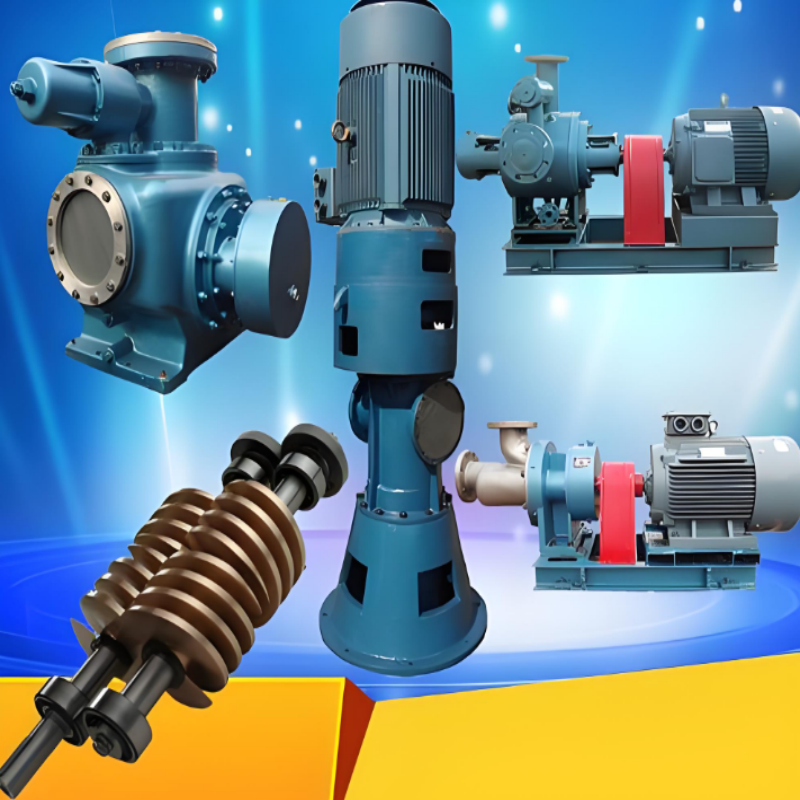
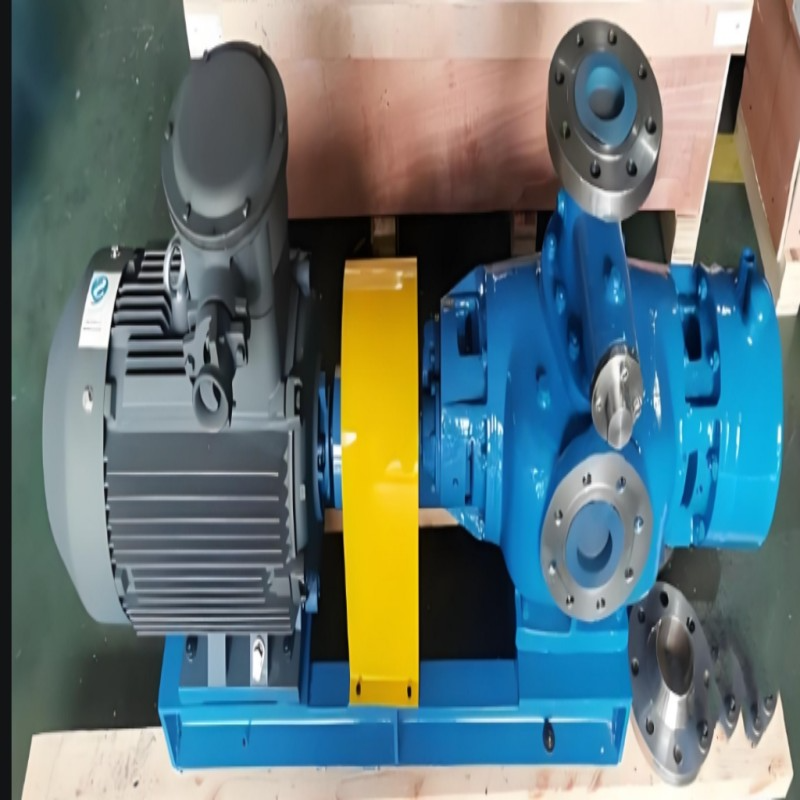
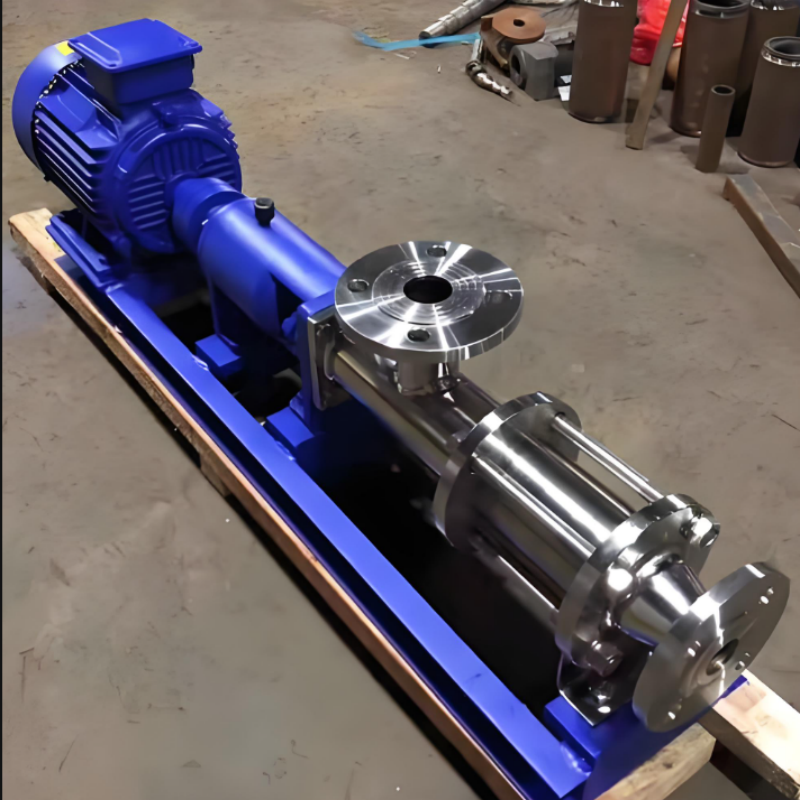





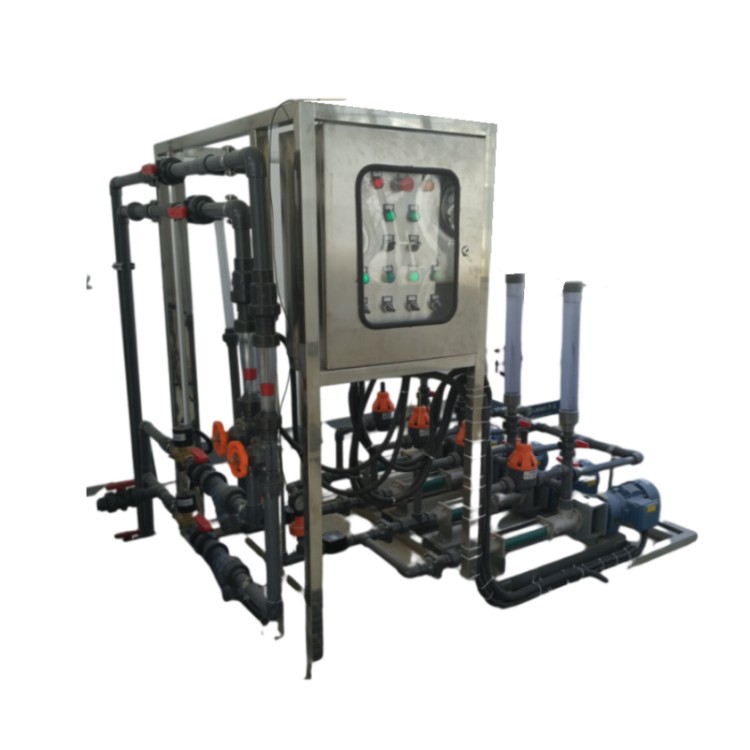
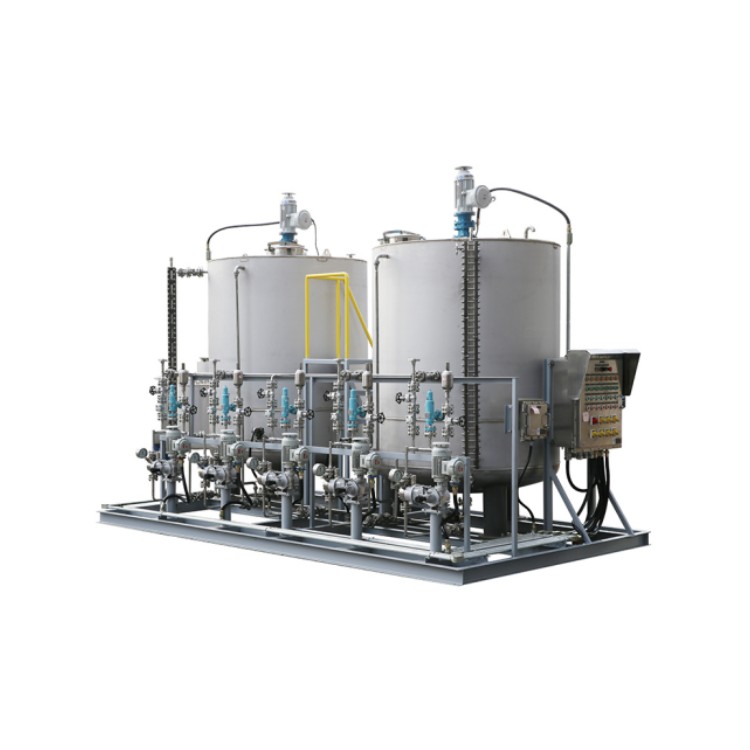
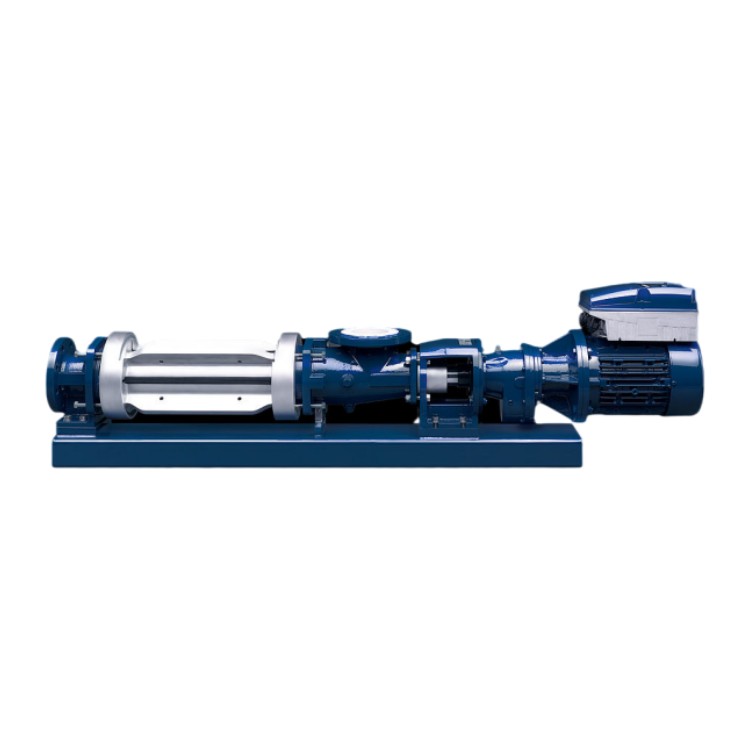
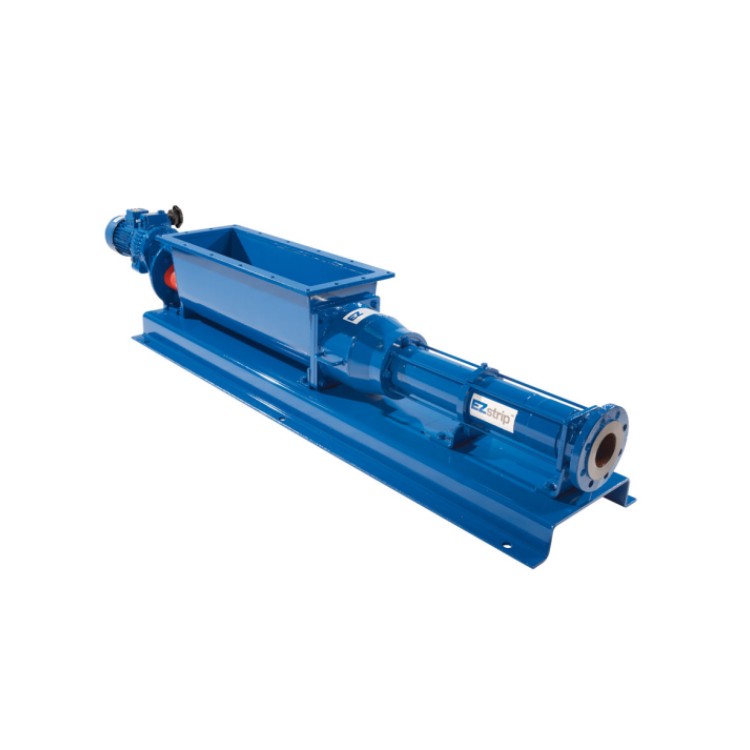
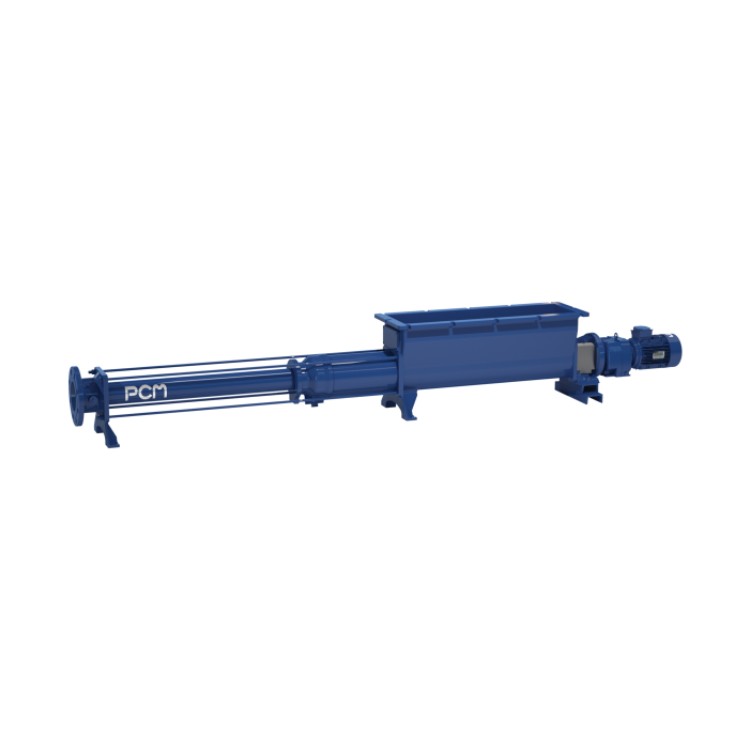
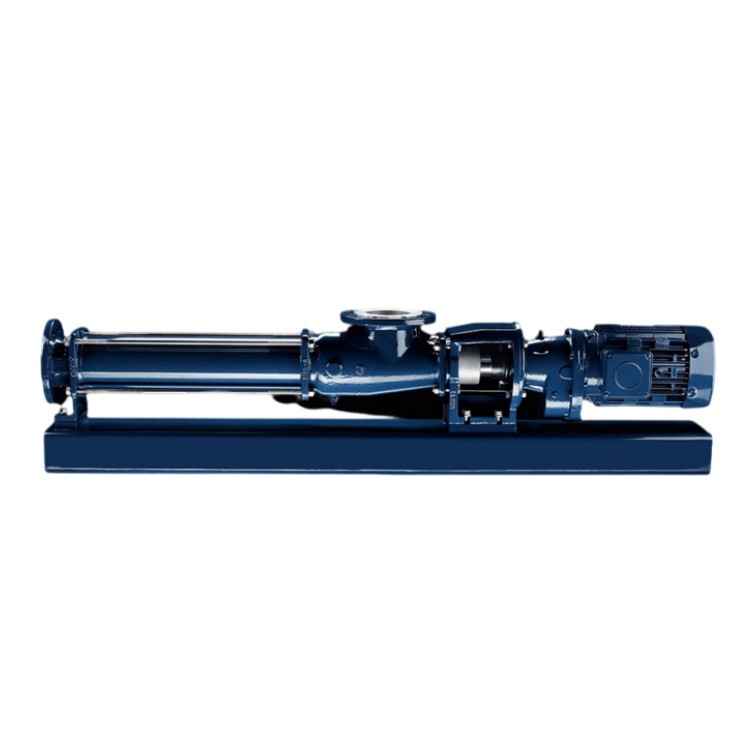
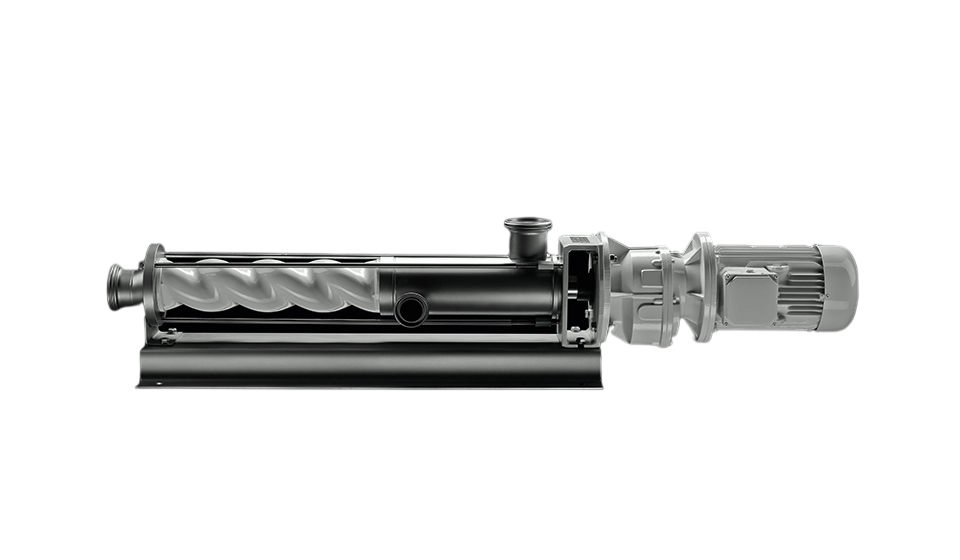
Brief introduction
Wear-resistant screw pumps have a linear relationship between flow rate and speed. Compared to low-speed wear-resistant screw pumps, high-speed wear-resistant screw pumps increase flow rate and head, but the power output is significantly higher. The higher speed accelerates the wear between the rotor and stator, inevitably leading to premature failure of the wear-resistant screw pump. Moreover, the stator-rotor length in high-speed wear-resistant screw pumps is short, prone to wear, thus shortening the service life of the wear-resistant screw pump.
Wear-resistant screw pumps and corrosion-resistant screw pumps are widely used in wastewater treatment plants for conveying water, wet sludge, and flocculant solutions due to their features such as variable flow rate, strong self-priming ability, reversibility, and the capability to transport liquids containing solid particles. The selection of wear-resistant screw pumps should adhere to principles of economy, rationality, and reliability. Poor consideration in design and selection can lead to difficulties in future use, management, and maintenance. Therefore, choosing a wear-resistant screw pump that meets actual production needs and is reliable can ensure smooth production and reduce repair costs.
Wear-Resistant Screw Pump, Corrosion-Resistant Screw Pump Technical Specifications:
Flow Rate: 0-150 m³/h
Flow Range: 60-120m
Power: 0.75-37 kW
RPM: 100-400 rpm
Bore Size: 20-135MM
Temperature: -15-200°C.
One: Selection of rotational speed for wear-resistant screw pump
Milling screw pump, the flow rate of corrosion-resistant screw pumps is linearly related to the speed, while high-speed corrosion-resistant screw pumps, although they increase flow and head, exhibit significantly higher power consumption. The higher speed accelerates wear between the rotor and stator, inevitably leading to premature failure of the wear-resistant screw pump. Moreover, the short length of the stator and rotor in high-speed wear-resistant screw pumps makes them prone to wear, thereby shortening the service life of the wear-resistant screw pump.
By utilizing a deceleration mechanism or a variable speed drive, the rotation speed can be reduced to a reasonable range below 300 RPM per minute. Compared to high-speed rotating, wear-resistant screw pumps, the lifespan can be extended several times.
Wear-resistant Screw Pump, Corrosion-Resistant Screw Pump Quality
When selecting screw pump products, choose those with low speed, long screw pitch, high-quality transmission components, and a long rated lifespan for their cost-performance ratio.
Ensure no debris enters the pump housing.
Foreign matter mixed in slurry can damage the rubber stator of wear-resistant and corrosion-resistant screw pumps. Therefore, it is crucial to prevent debris from entering the pump cavity. Many wastewater treatment plants have installed crushers before the pumps or set up grating devices or filters to block debris from entering the wear-resistant screw pumps. It is important to clean and remove the grating regularly to avoid blockages.
Avoid material shortages
The wear-resistant screw pump must not operate under a lack of material condition. Once it does, the rubber stator can instantaneously overheat and burn due to dry friction. Therefore, the integrity of the crusher and the unobstructed grid are necessary conditions for the normal operation of the wear-resistant screw pump. For this reason, some wear-resistant screw pumps are equipped with a material cutoff shutdown device on the pump body. In the event of a material cutoff, the pump's self-priming feature creates a vacuum within the cavity, which activates the shutdown device to stop the pump's operation.
V. Maintain Consistent Export Pressure
The Shanghai TiLong brand wear-resistant screw pump is a positive displacement reciprocating pump. When the outlet is blocked, the pressure will gradually rise until it exceeds the predetermined pressure value. At this point, the motor load increases sharply. The load on the related transmission mechanical parts will also exceed the design value, which may lead to motor burnout or transmission part breakage in severe cases. To prevent damage to the wear-resistant screw pump, a bypass overflow valve is generally installed at the outlet to stabilize the outlet pressure and maintain the normal operation of the pump.