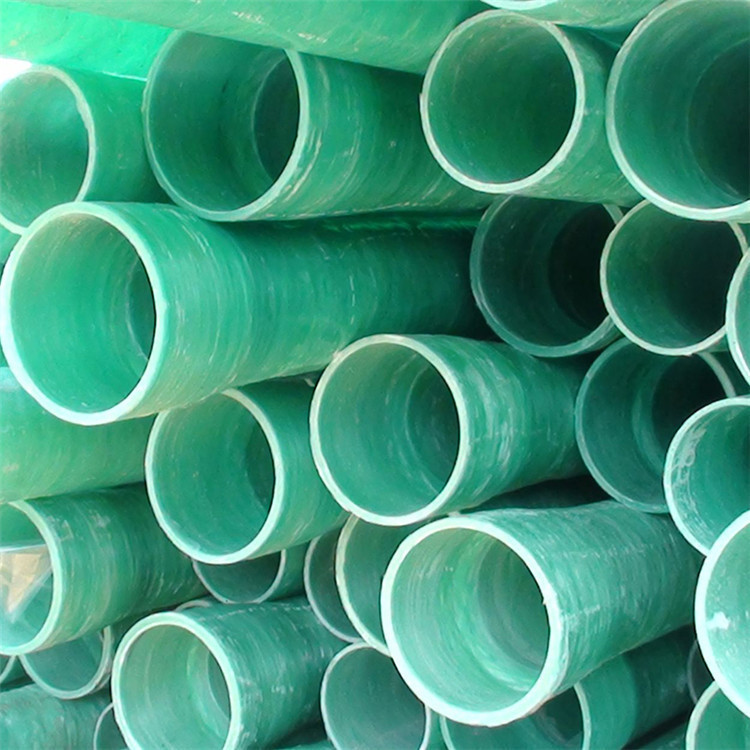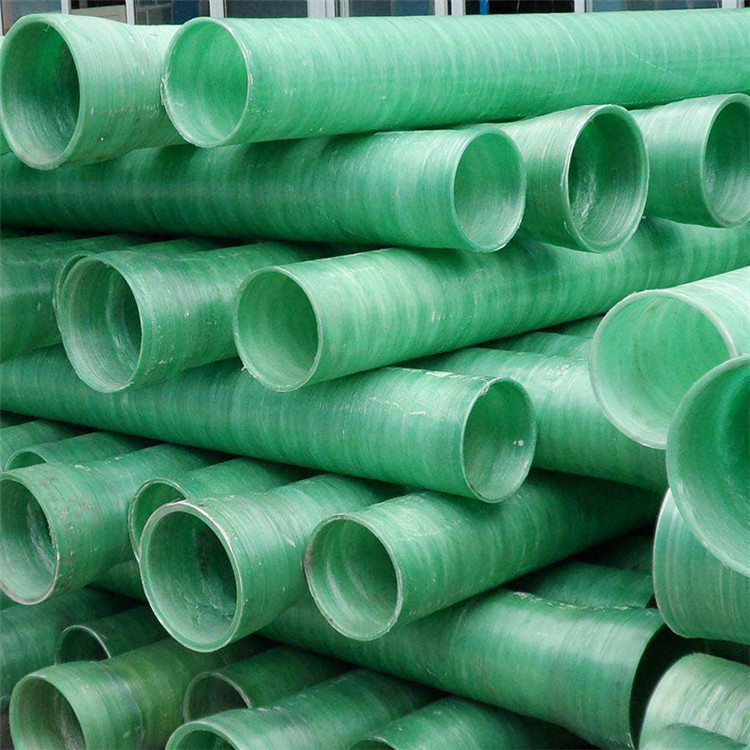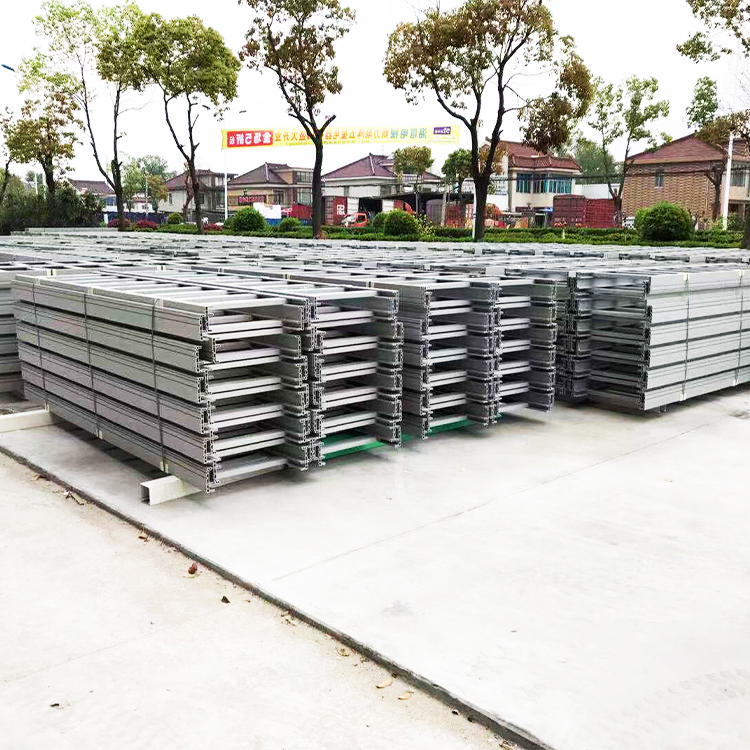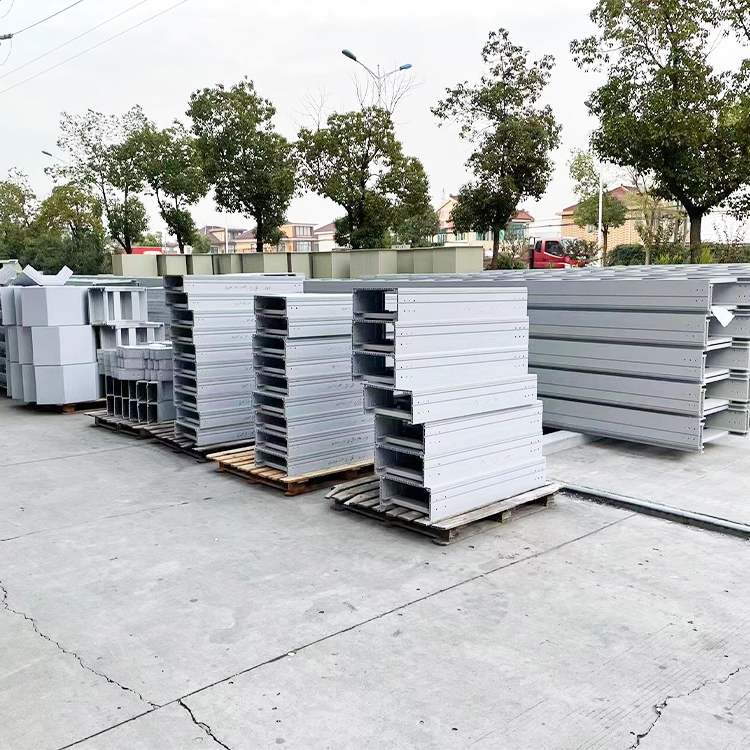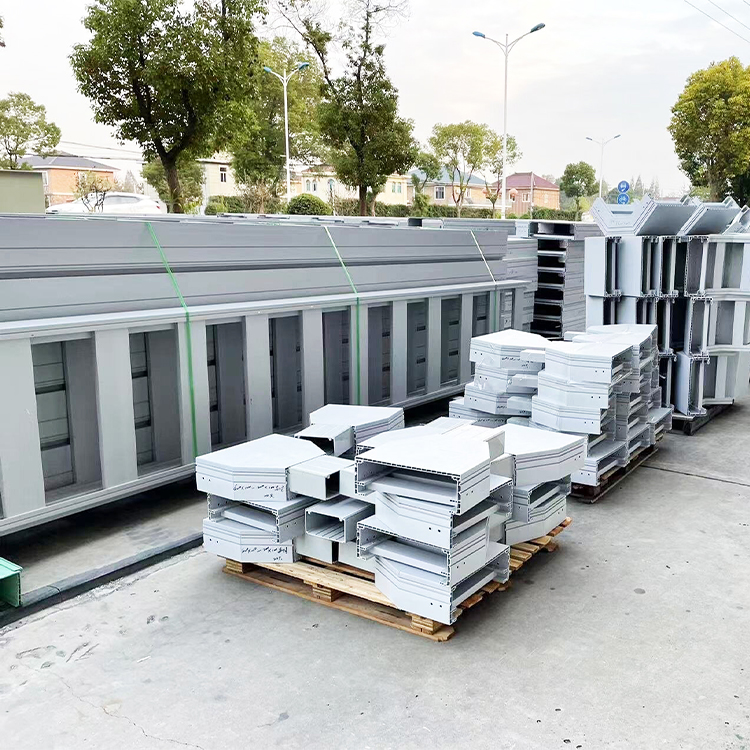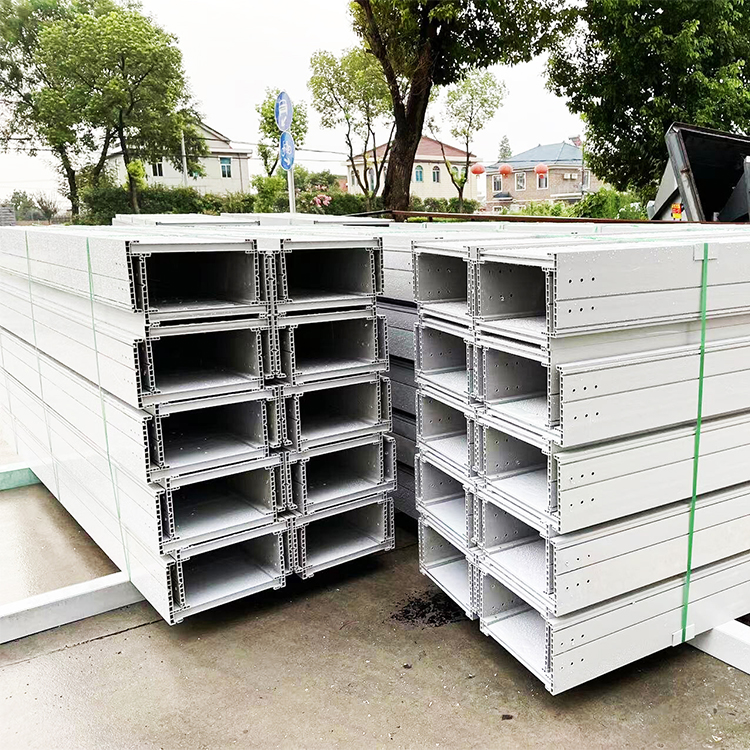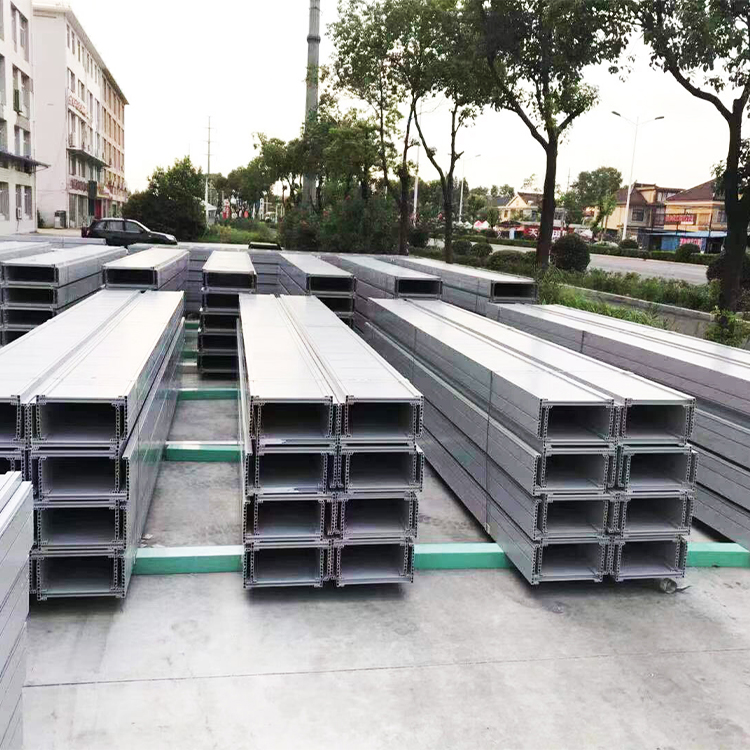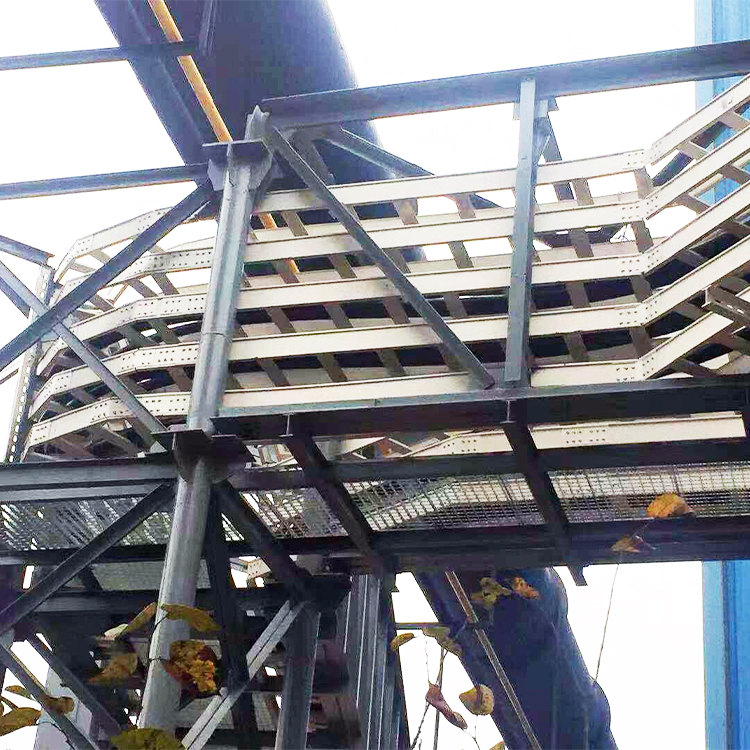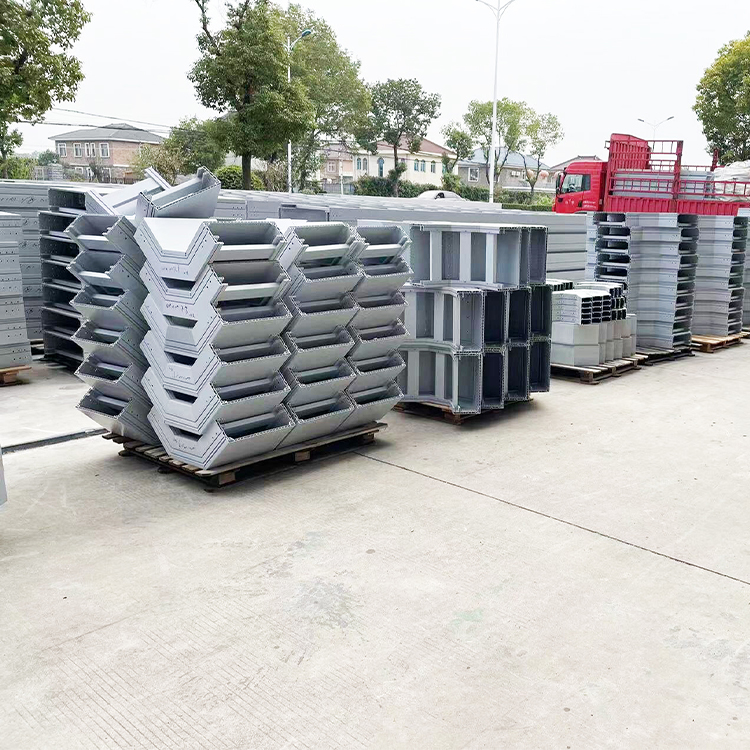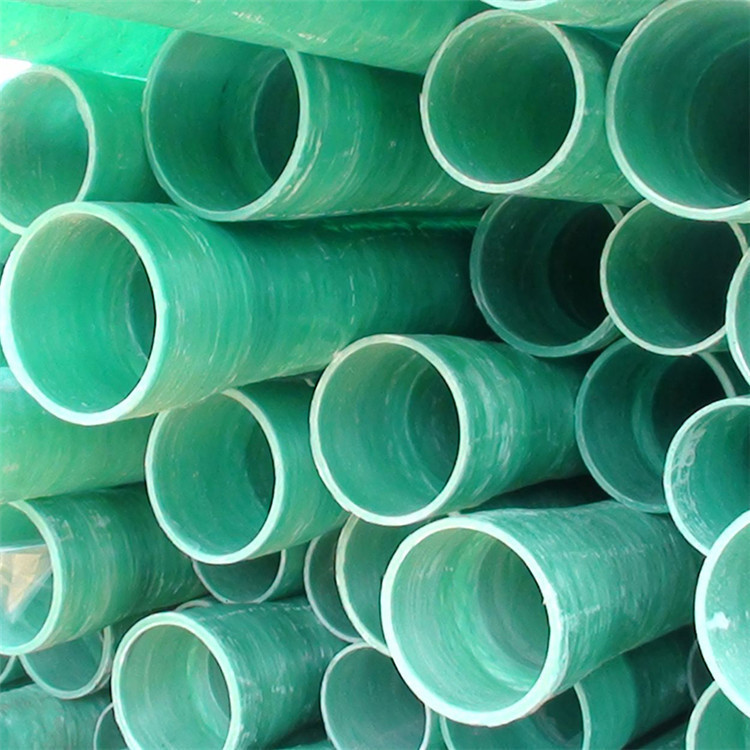


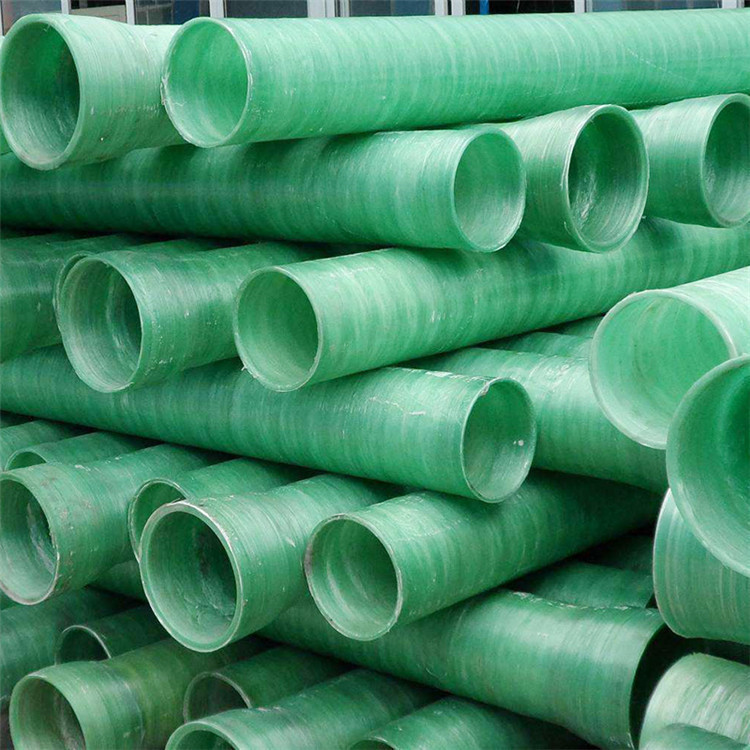


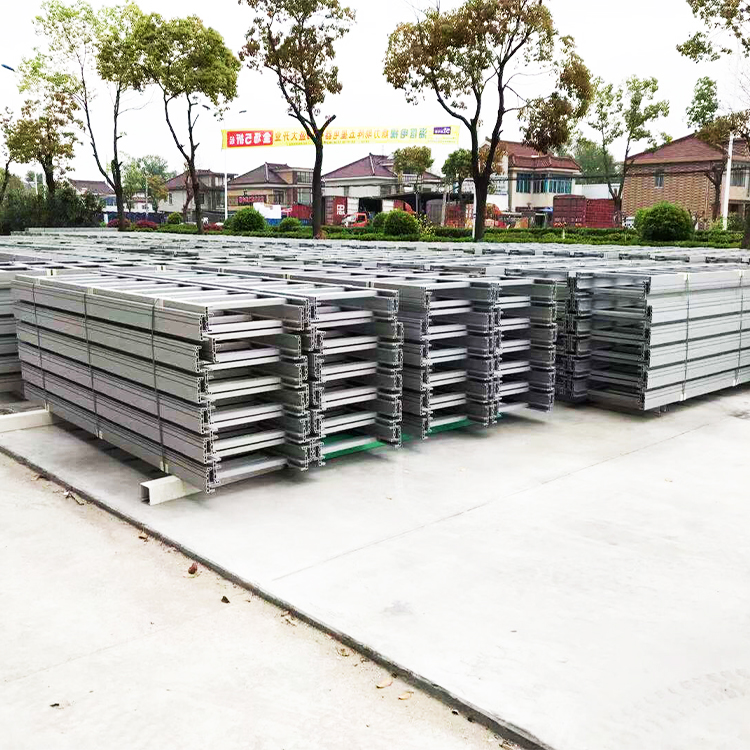
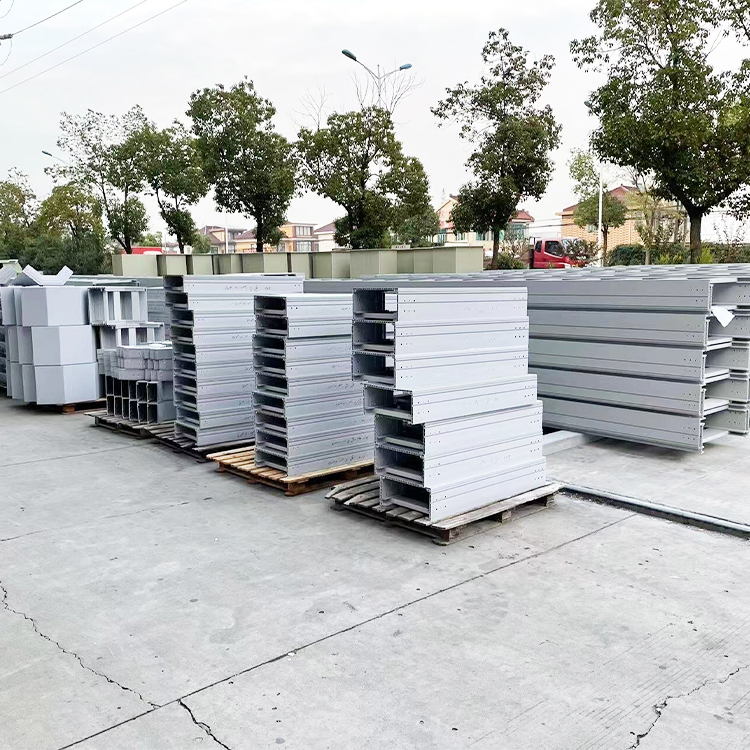
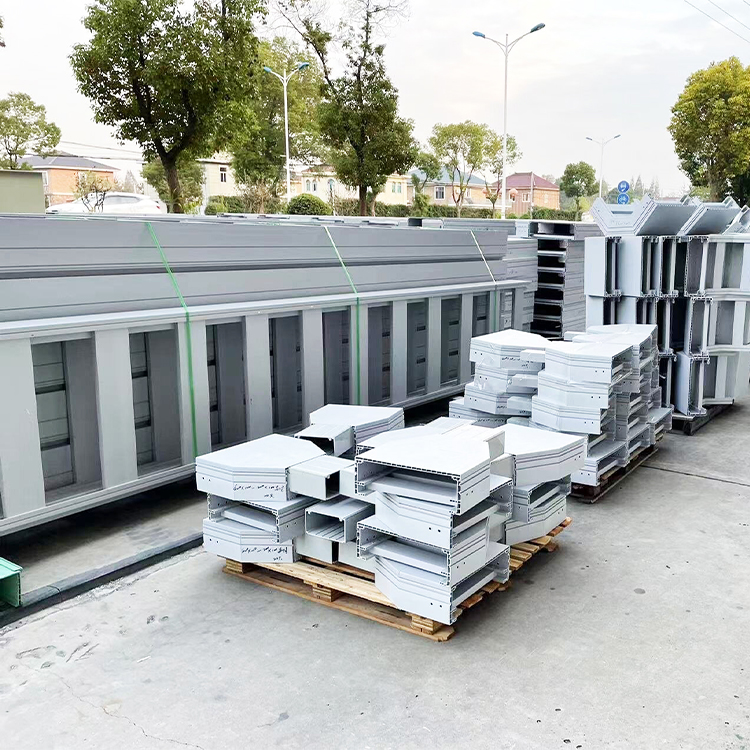







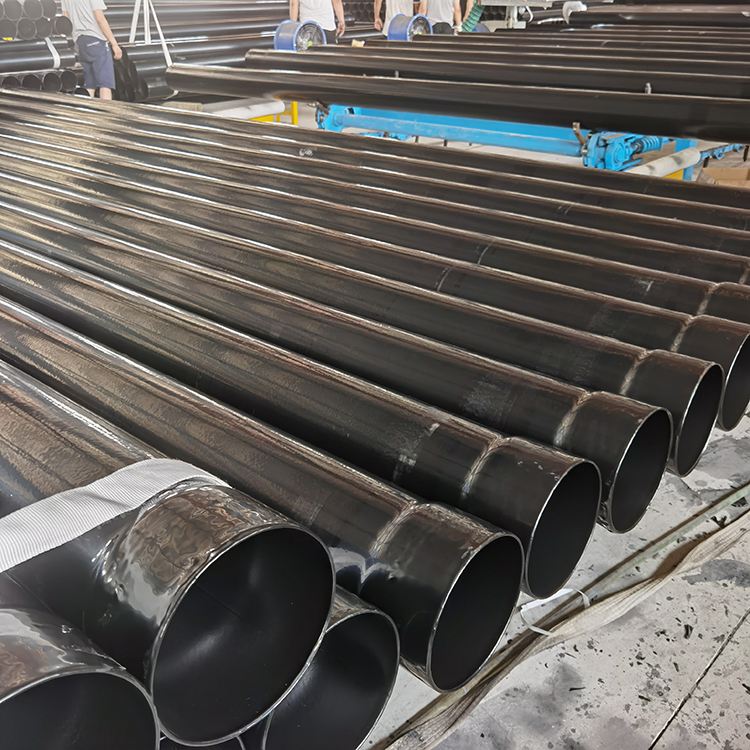
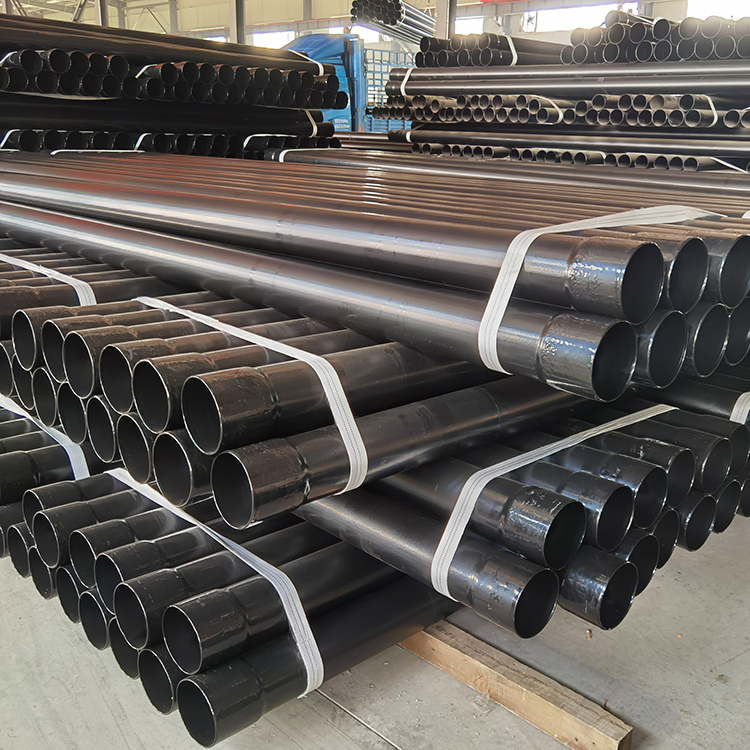
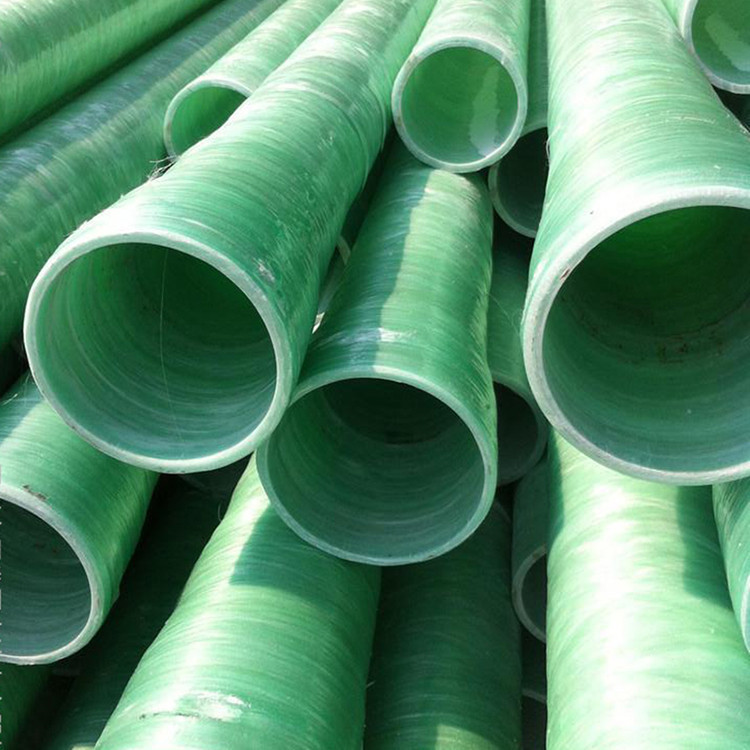
Glass钢管, also known as Reinforced Plastic Mat (RPM) pipes, are primarily made with glass fibers and their products as reinforcing materials, basic materials including unsaturated polyester resins and epoxy resins with high molecular components, and fillers such as quartz sand and calcium carbonate as inorganic non-metallic granular materials. The pipes are available in lengths of 6m and 12m, and are produced using three methods: fixed-length winding, centrifugal casting, and continuous winding. They can be categorized by the process method, pressure class PN, and stiffness class SN of the product.
Glass steel pipes have found applications in industries such as oil, electricity, chemicals, papermaking, urban water supply and drainage, factory wastewater treatment, seawater desalination, and gas transportation, thanks to their smooth inner surface, low energy consumption for conveying, convenient transportation and installation, low maintenance costs, and overall low cost.
As China's urbanization accelerates, facing the balance and protection of population, resources, and environment, investments in urban infrastructure have been increasingly increased year by year. In line with the need for scientific and technological advancement, the variety and specifications of pipes and fittings have continually expanded, with production volumes rising continuously. Especially, the development of plastic pipes is rapid, with glass-steel pipes being one of them.