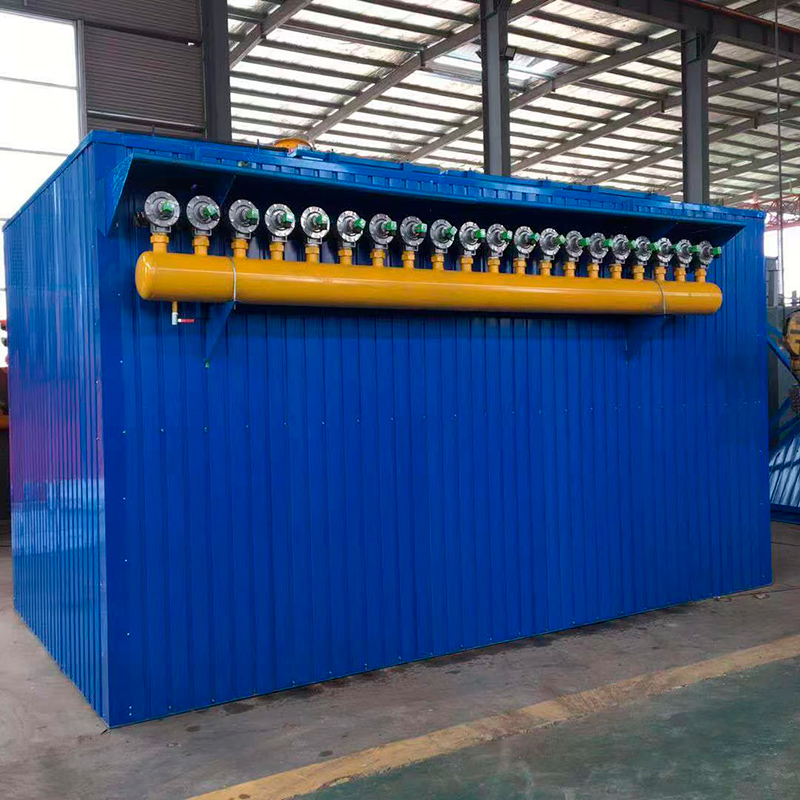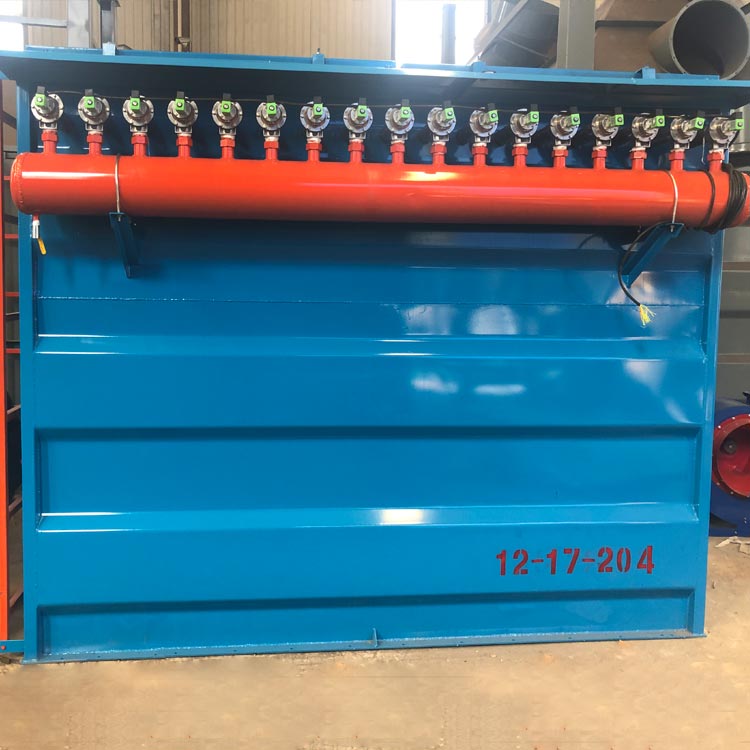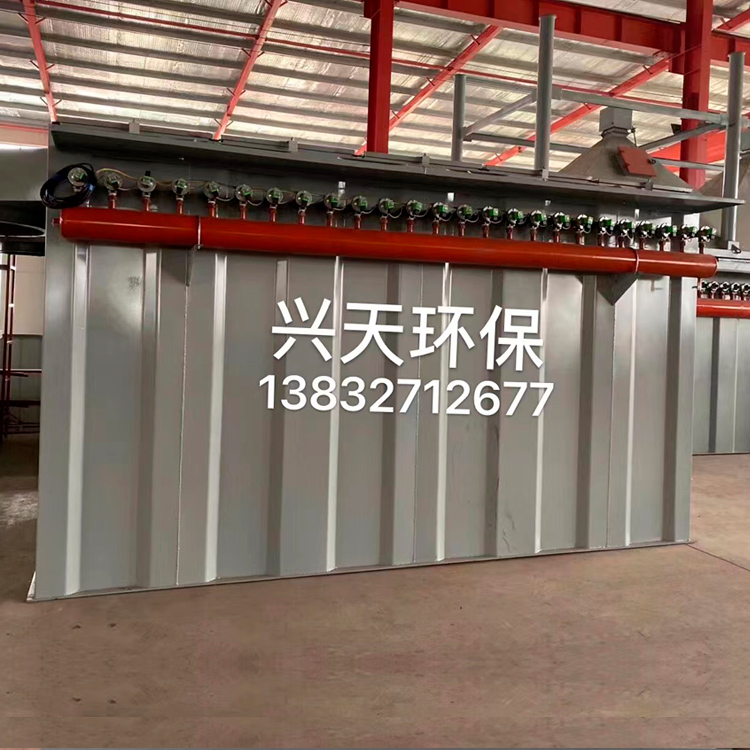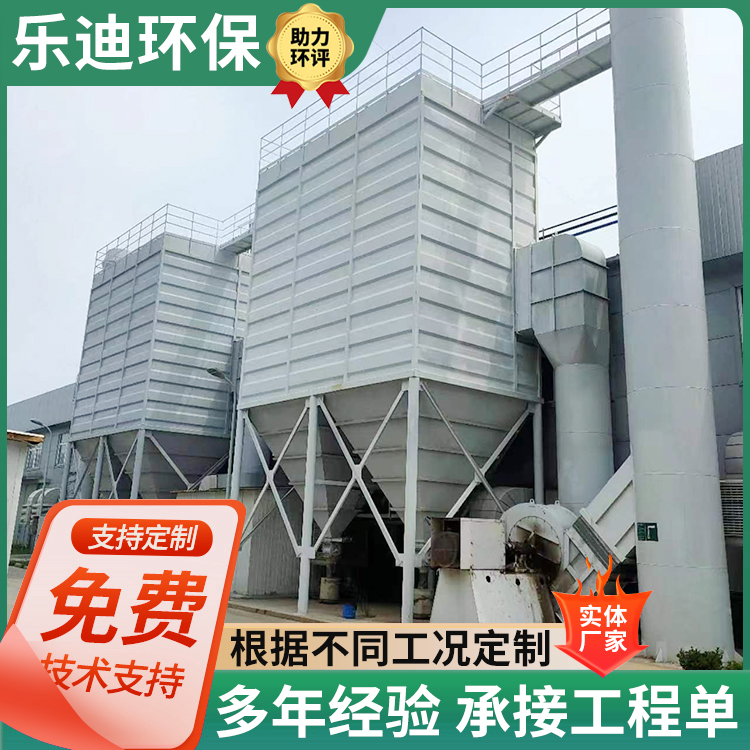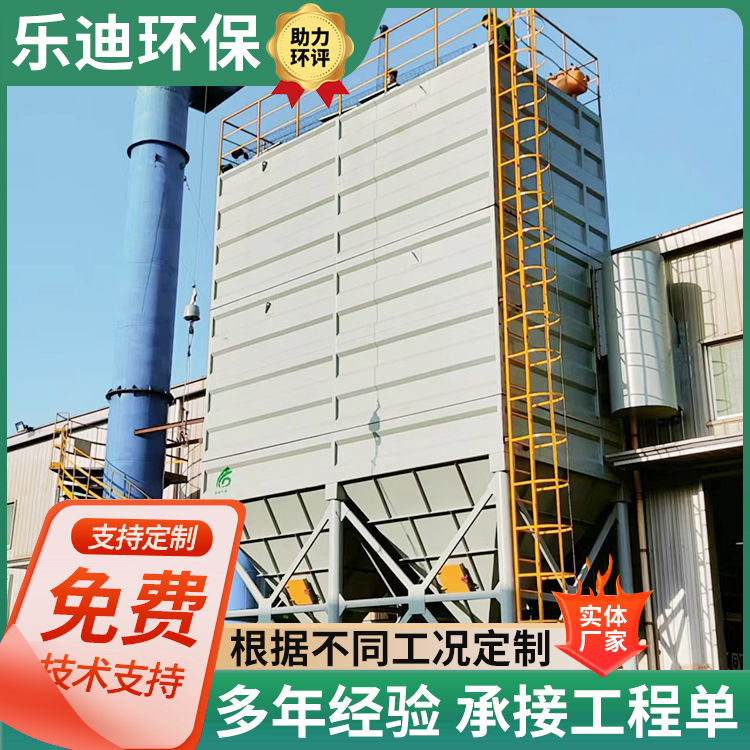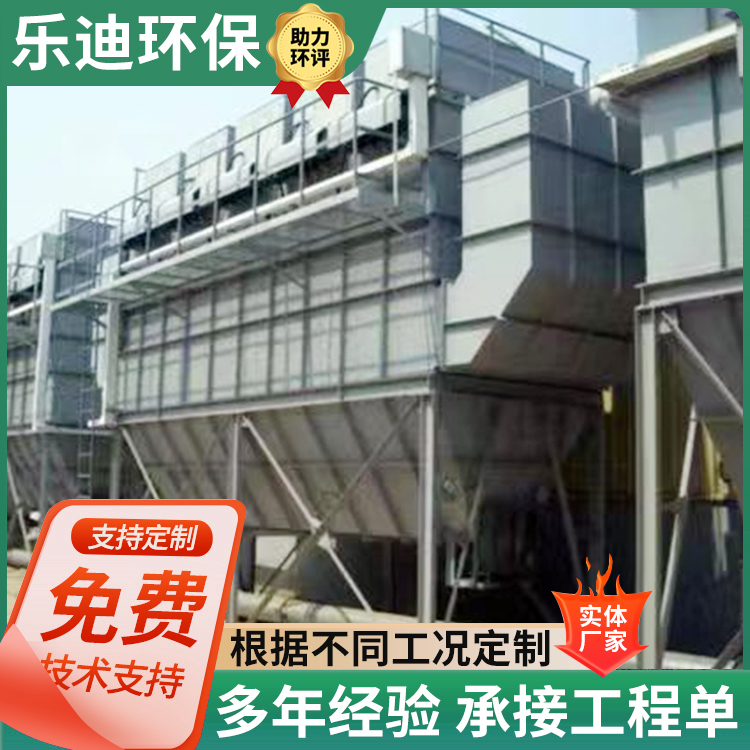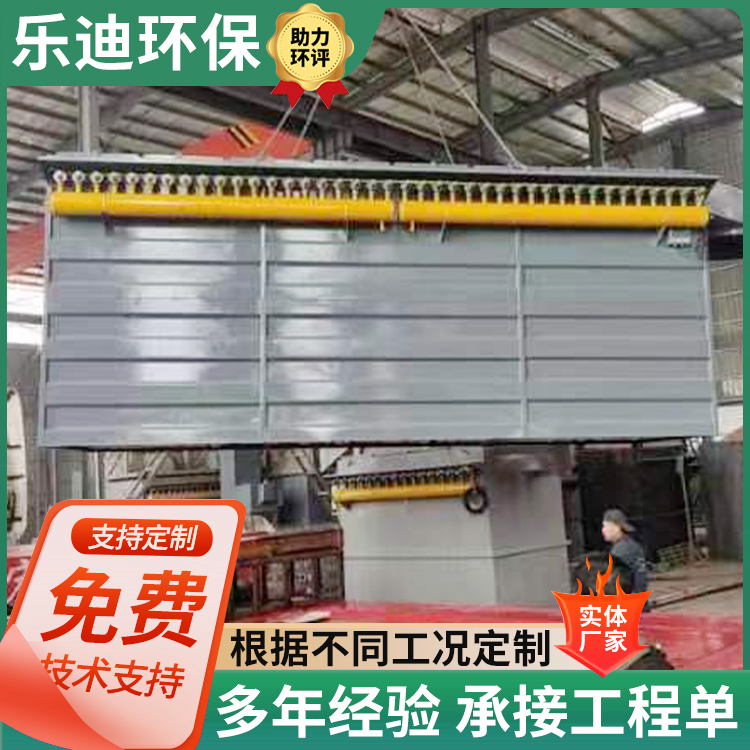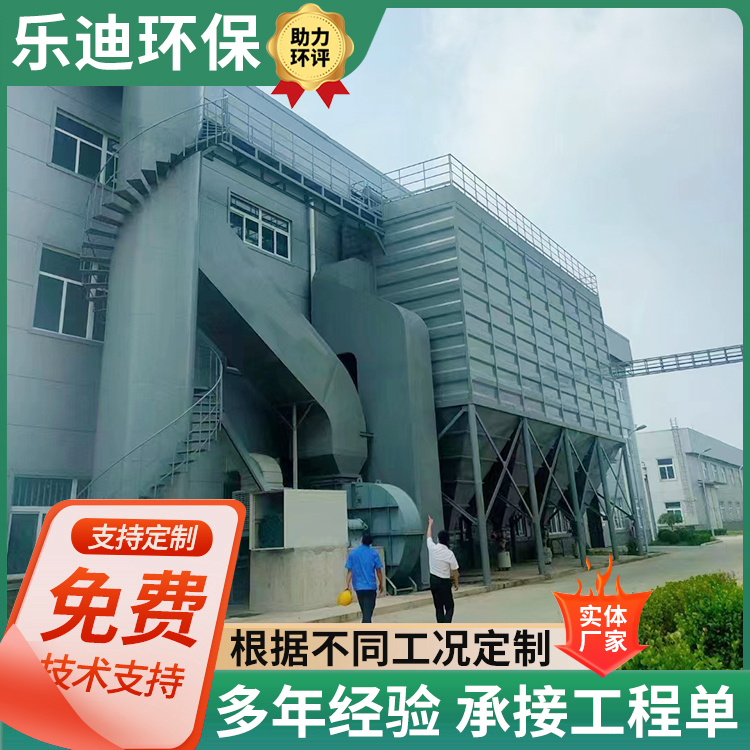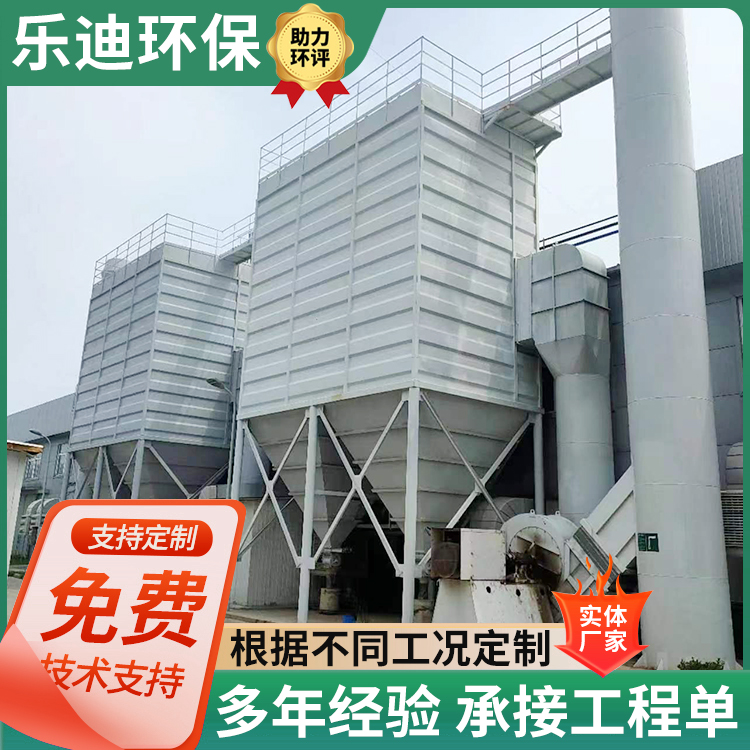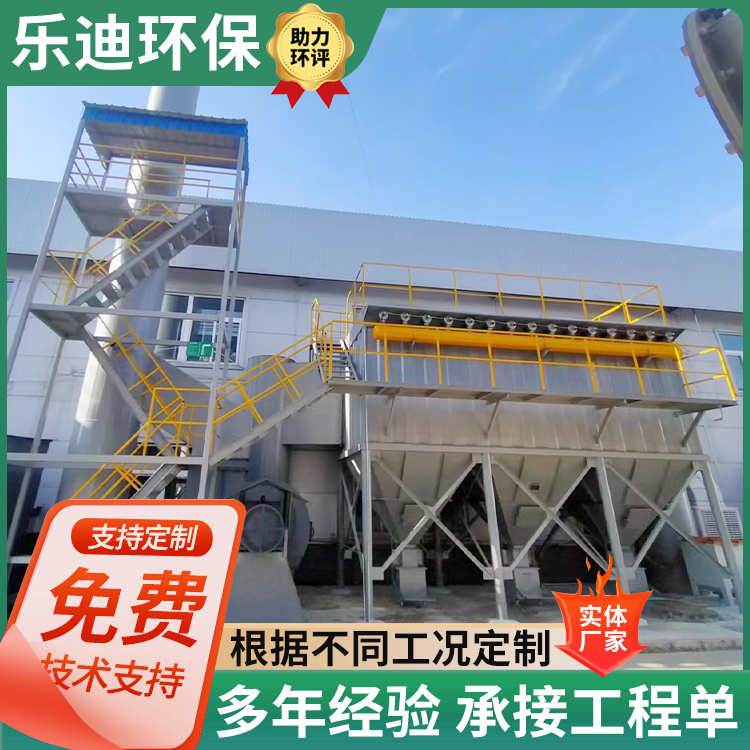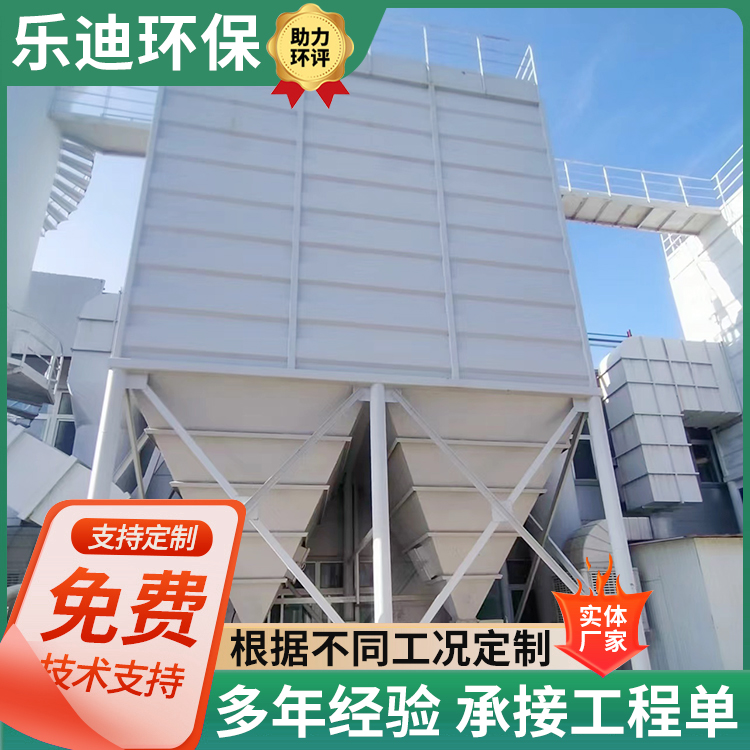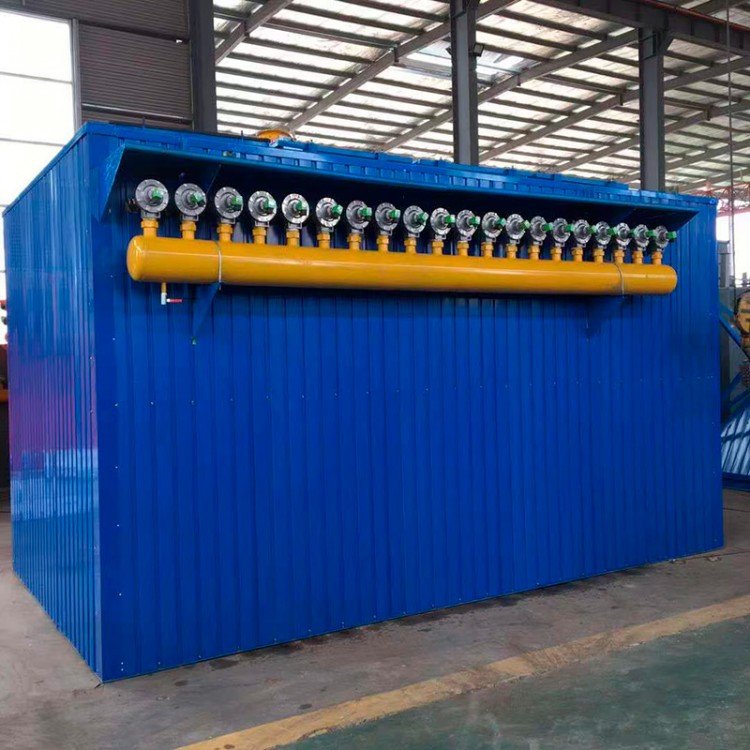


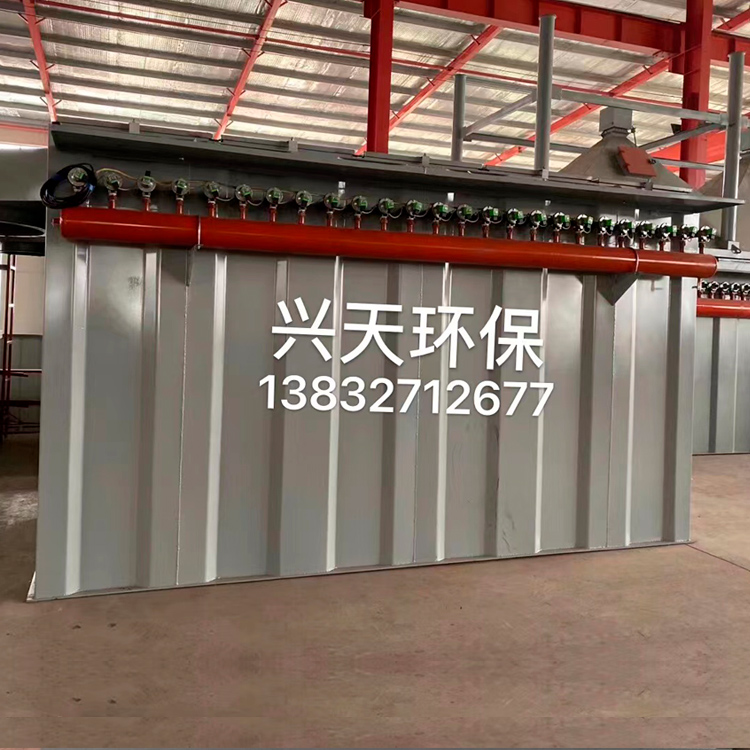


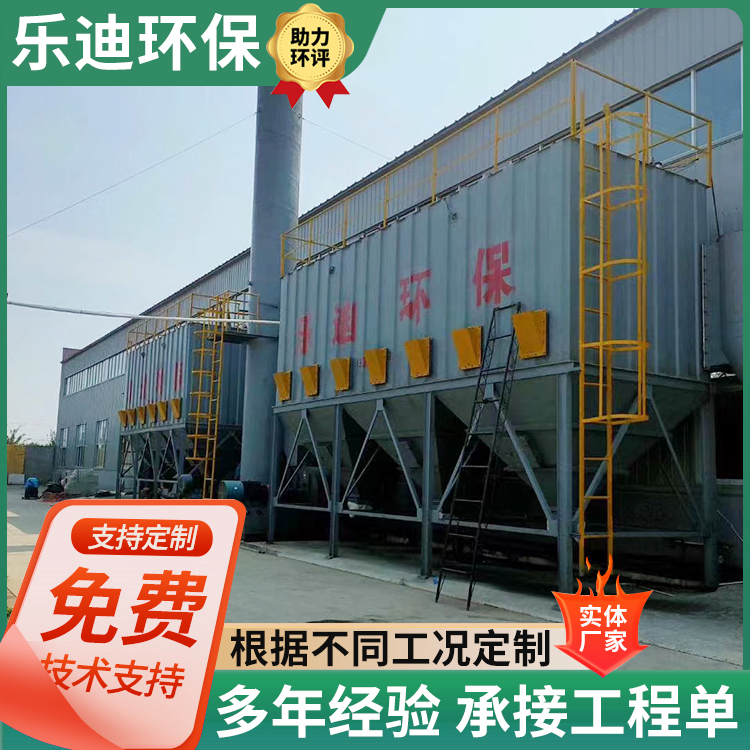
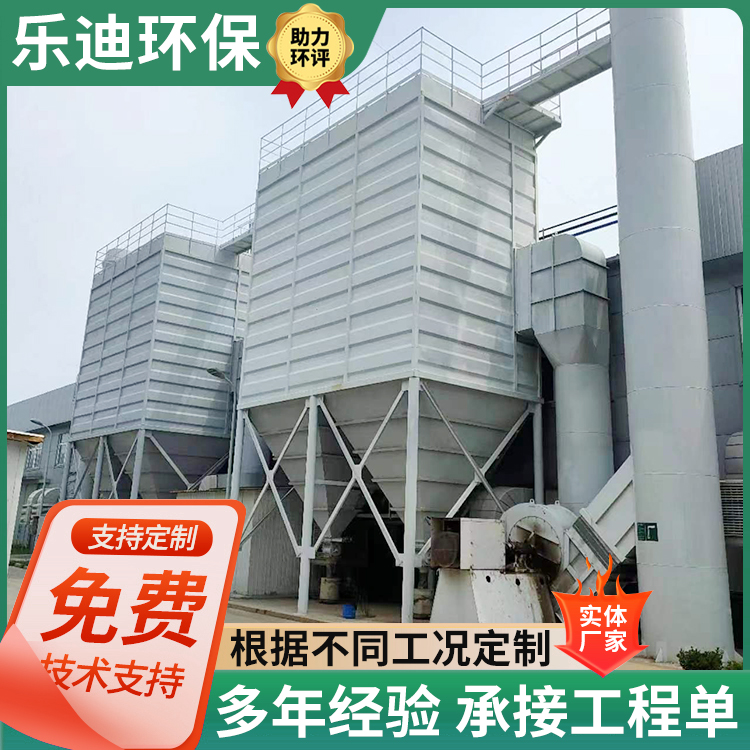
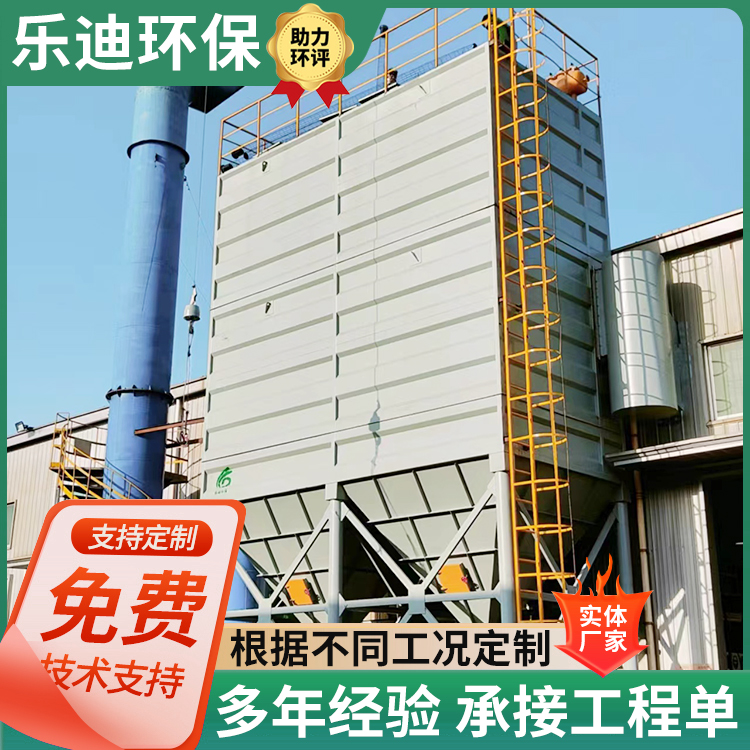
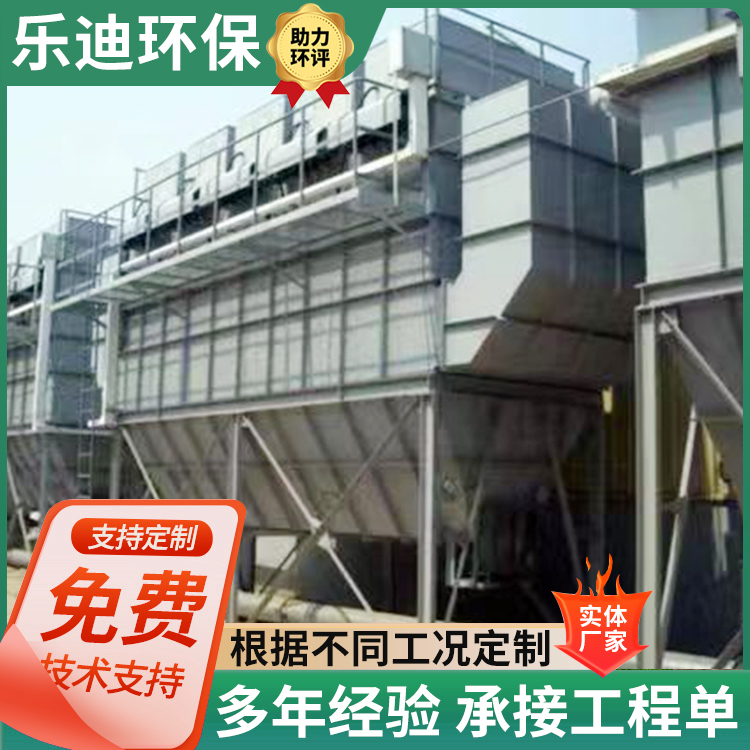
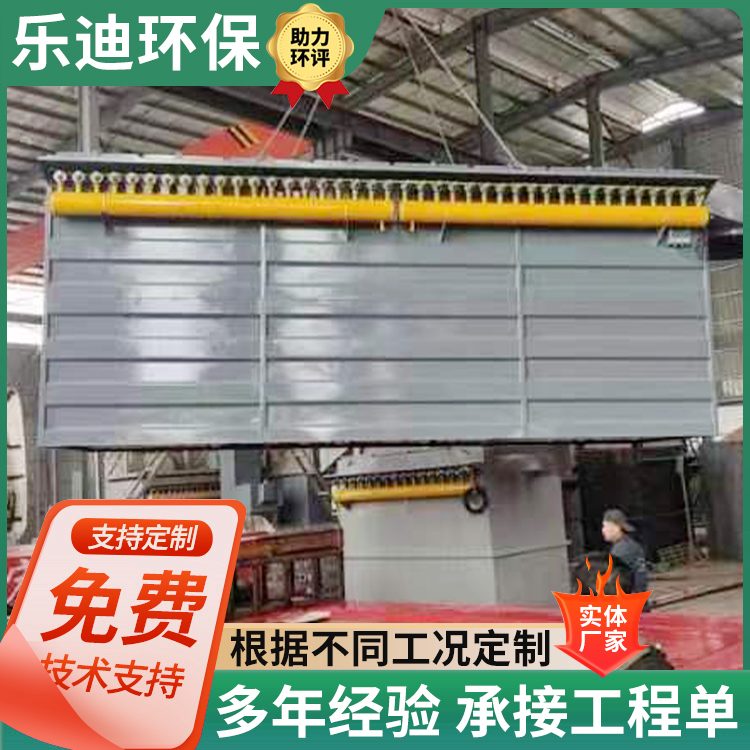





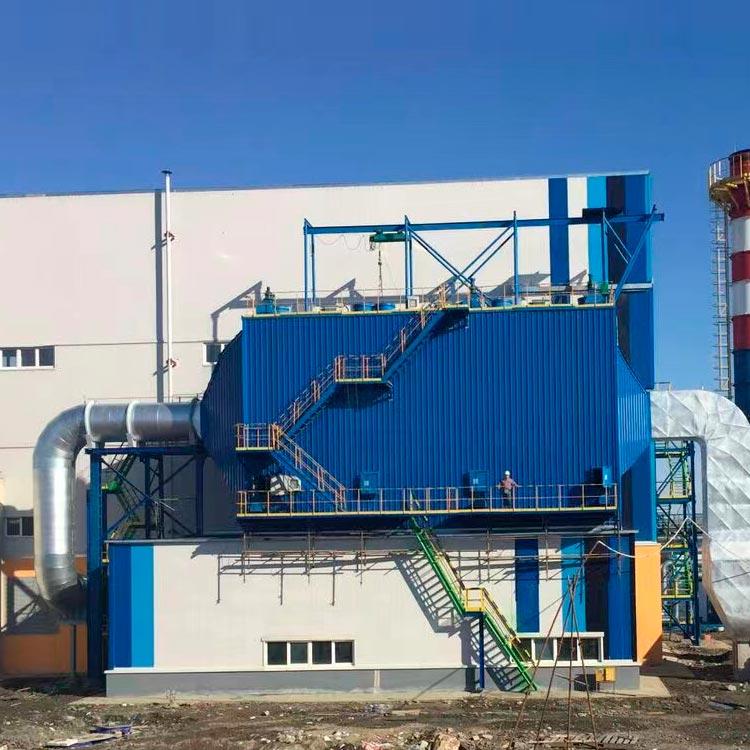
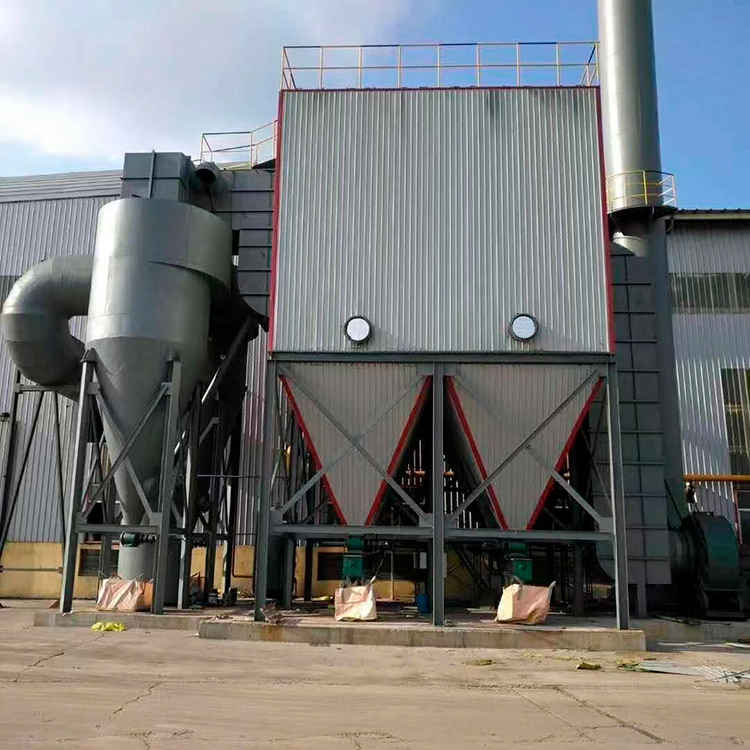

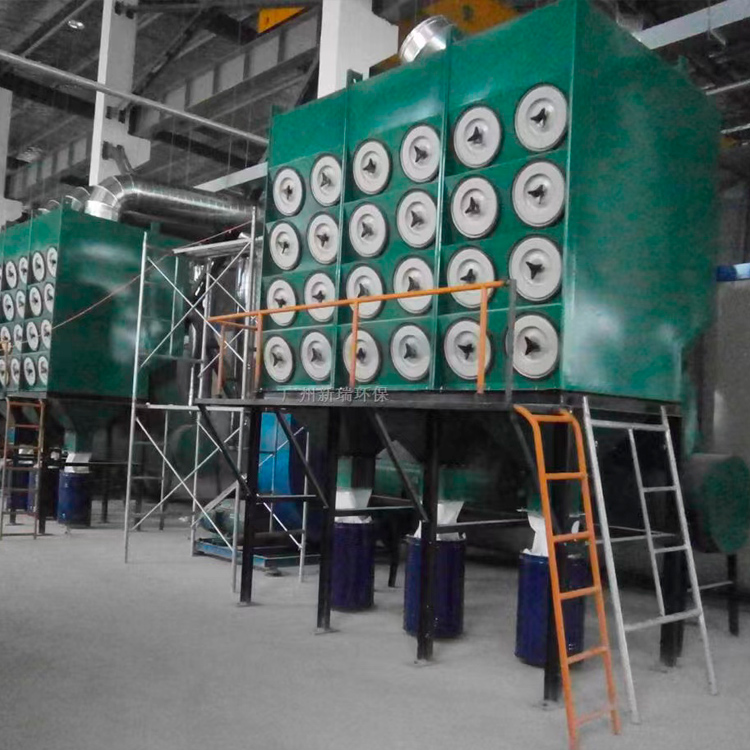
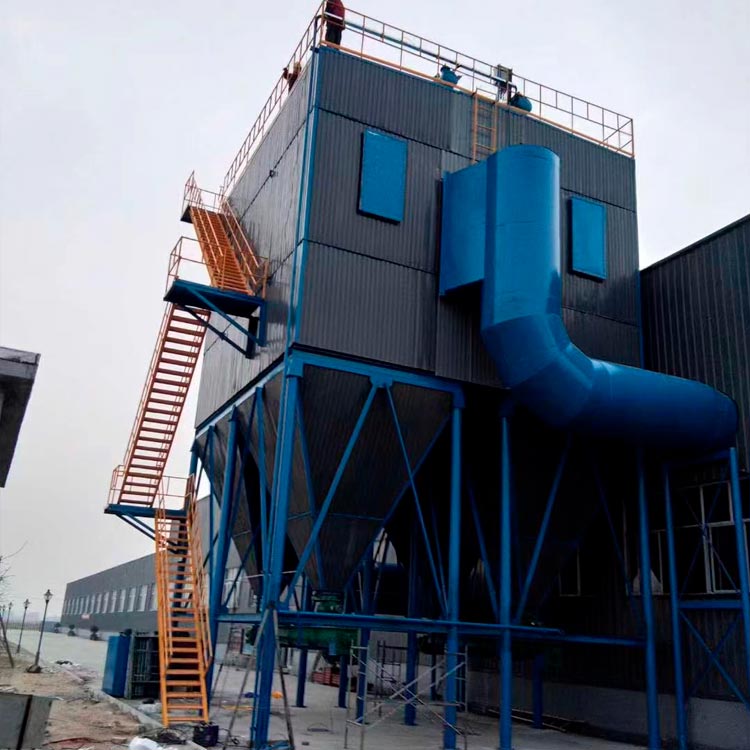

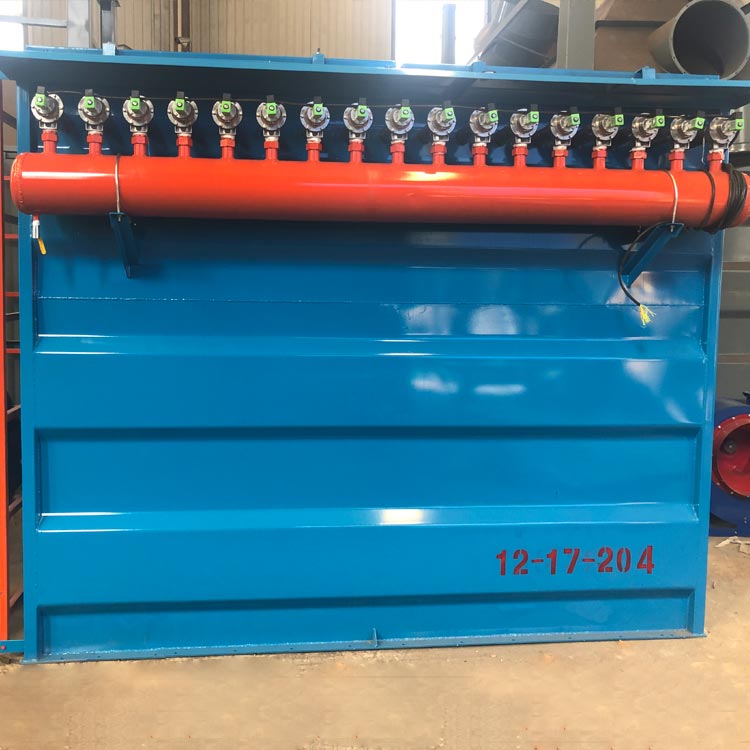
The pulse jet dust collector operates by the dusty gas entering the collector through the inlet, first encountering the inclined plate and baffle between the inlet and outlet air openings, causing the air flow to turn and enter the ash hopper. The air speed slows down, and due to inertia, the coarse particles in the gas directly fall into the ash hopper. It serves as a preliminary dust collection. The air flow entering the ash hopper then turns upward and passes through filter bags with metal frames inside, where the dust is collected on the outer surface of the bags. The purified gas then enters the upper clean room of the filter bag chamber and is discharged through the outlet. As the dusty gas passes through the filter bags, the dust accumulates on the bags over time, increasing the resistance and gradually reducing the air volume handled. To maintain normal operation, the resistance must be controlled within a range (140-170 mm water column). If it exceeds this range, the filter bags are cleaned. During cleaning, the pulse control instrument sequentially triggers the opening of the control valves to activate the pulse valves. Compressed air in the gas bag is ejected through the orifices of the nozzle pipes into the corresponding filter bags via Venturi tubes, causing the bags to rapidly expand and dislodge the accumulated dust. The bags return to their initial state. The removed dust falls into the ash hopper and is discharged from the machine through the ash removal system. This cyclic pulse jet cleaning of the dust on the bags ensures the normal flow of purified gas and the operation of the dust removal system.
Pulse jet deduster for gas box operating principle
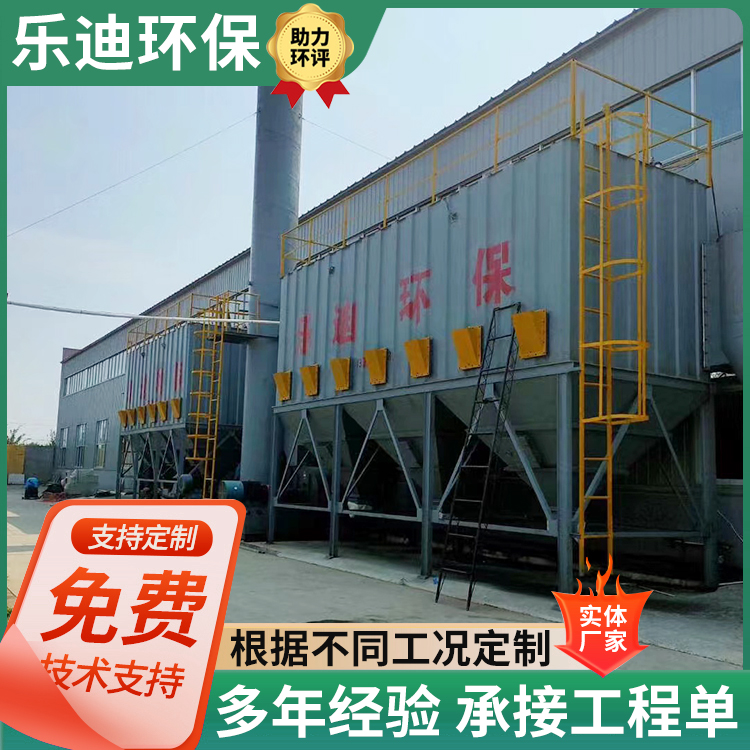
The pulse jet dust collector refers to the method of removing dust attached to the filter medium (bag or cartridge) by blowing compressed air; the dust collector may have several groups of pulse valves depending on its size, controlled by a pulse controller or PLC. Each time, one group of pulse valves is opened to remove the dust from the bags or cartridges it controls, while the others continue normal operation. After a certain period, the next group of pulse valves opens to clean the next section. The dust collector is composed of parts such as the hopper, upper, middle, and lower boxes, with the upper, middle, and lower boxes being separated compartments. During operation, the dusty gas enters the hopper through the inlet duct, with coarse dust particles falling directly to the bottom of the hopper. Fine dust particles, following the gas flow, turn upwards and enter the middle and lower boxes. Dust accumulates on the outer surface of the filter bags. The filtered gas enters the upper box to the clean gas manifold-exhaust duct, and is then exhausted to the atmosphere by the exhaust fan. The cleaning process involves first cutting off the clean gas outlet duct of the compartment, putting the bags in a state with no gas flow (compartment stop wind cleaning). Then, the pulse valve is opened to use compressed air for pulse-jet cleaning, with the valve closure time long enough for the dust stripped from the bags to settle in the hopper after blowing, avoiding the phenomenon of dust re-attaching to the surface of adjacent bags after detaching from the bag surface. This ensures the cleaning of the bags and automatic control of the exhaust valve, pulse valve, and ash discharge valve by a programmable controller. The dusty gas enters through the inlet, and when passing through the hopper, some large particles of dust are separated out due to inertia and gravity and fall directly to the bottom of the hopper. After passing through the hopper, the dusty gas enters the filter bag filtering area of the middle box, where the gas passes through the bags, and the dust is trapped on the outer surface of the bags. The purified gas enters the upper box through the bag mouth and is then discharged through the outlet.
Features of the gas box pulse dust collector
1. Utilizing the room-by-room stop wind pulse jet cleaning technology, it overcomes the shortcomings of conventional pulse dedusting baghouses and room-by-room reverse jet dedusters. It ensures efficient cleaning, low dust emission concentration, minimal air leakage, reduced energy and steel consumption, less land area requirement, stable operation, and good economic benefits. Suitable for the purification of dusty gases and material recovery in industries such as metallurgy, building materials, cement, machinery, chemicals, power, and light industry.
2. By using the pulse-jet cleaning method with separated room air stoppage, a single cleaning cycle can achieve the desired cleaning effect. Consequently, the cleaning cycle is extended, reducing the energy consumption for cleaning, and the air pressure consumption can be significantly decreased. Additionally, the fatigue degree of the filter bags and the pulse valves is correspondingly reduced, thereby multiplying the lifespan of the filter bags and valve blades.
3. Bag replacement and maintenance can be conducted in individual compartments under normal system operation without interrupting the system fans. The filter bag mouth features an elastic expanding ring for good sealing and durability. The filter bag frame is polygonal, reducing friction between the bag and frame, extending the bag's lifespan, and facilitating bag removal.
4. Utilize the top-draw bagging method. After removing the frame for bag change, discard the soiled bag into the lower ash bin of the box, and retrieve it through the manhole. This completes the bag change procedure.
5. The cabinet features airtight design with excellent sealing. The inspection door is made with superior sealing materials, and leaks are detected during the manufacturing process using kerosene, resulting in a very low wind leakage rate.
6. The air duct layout is compact for both import and export, with minimal air flow resistance.