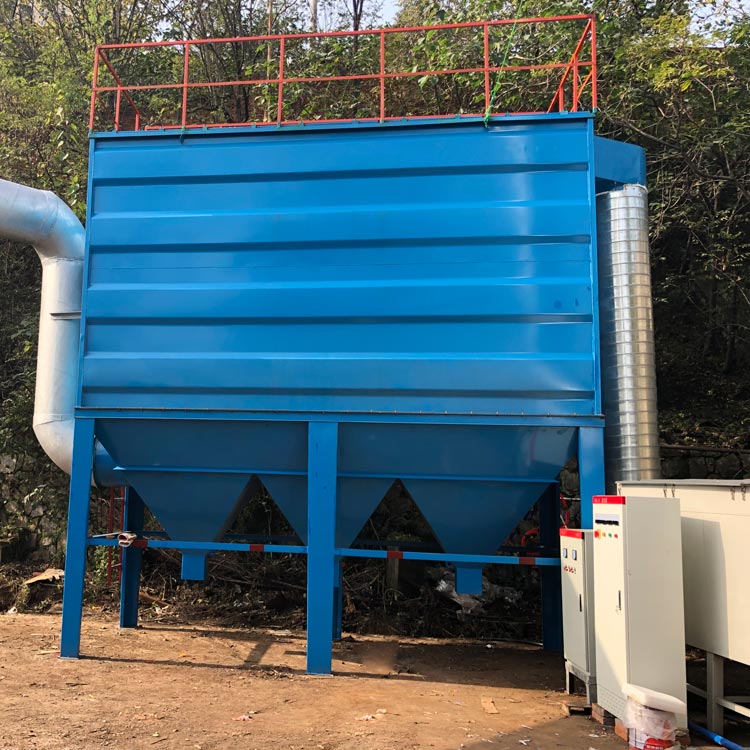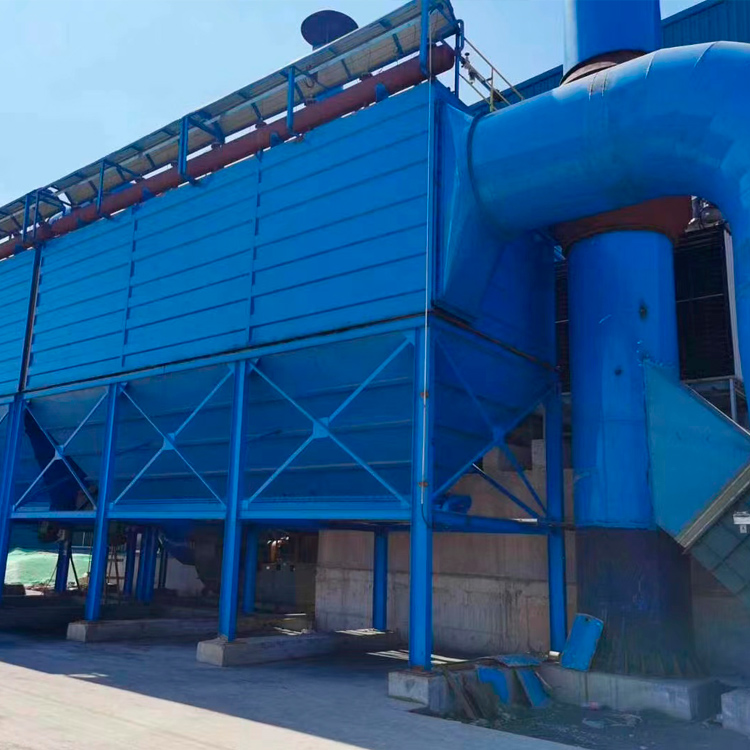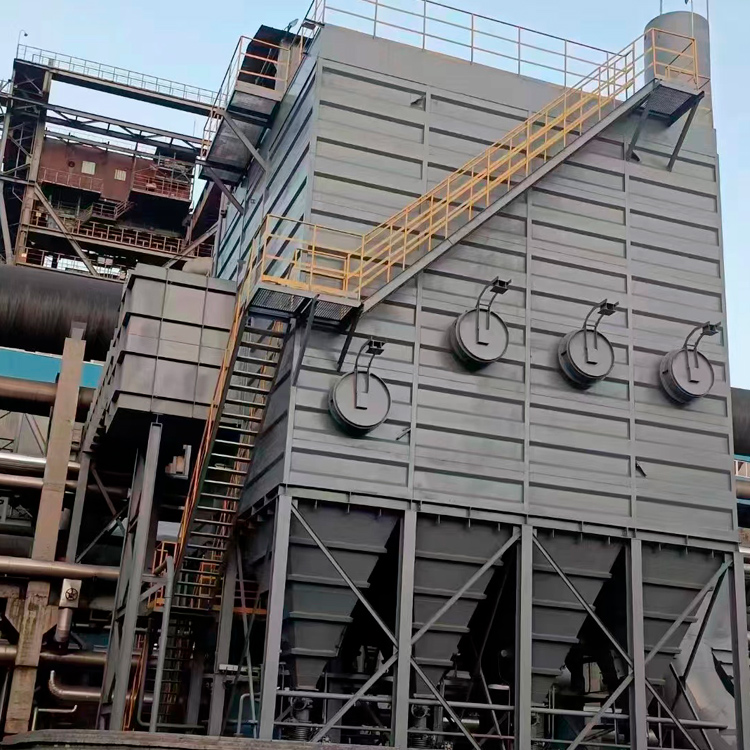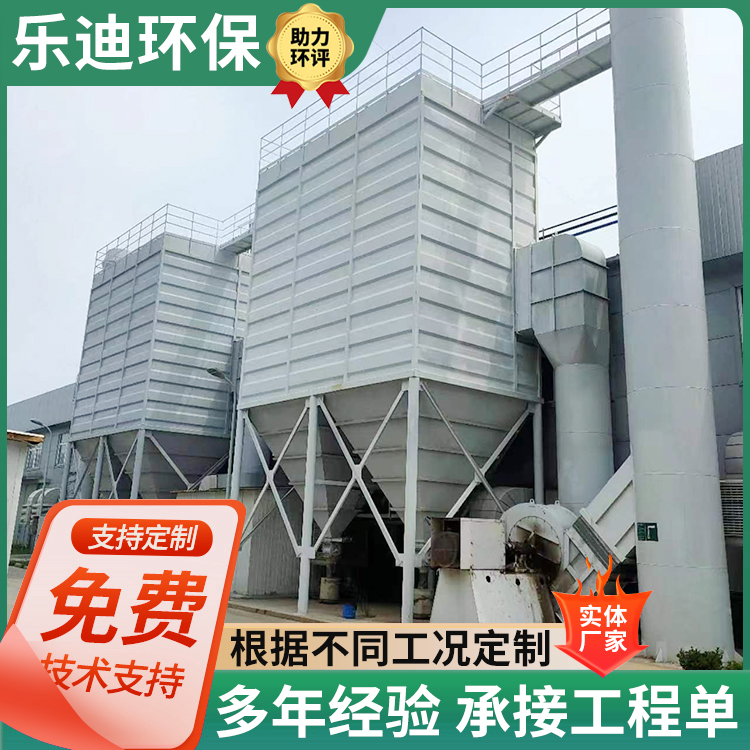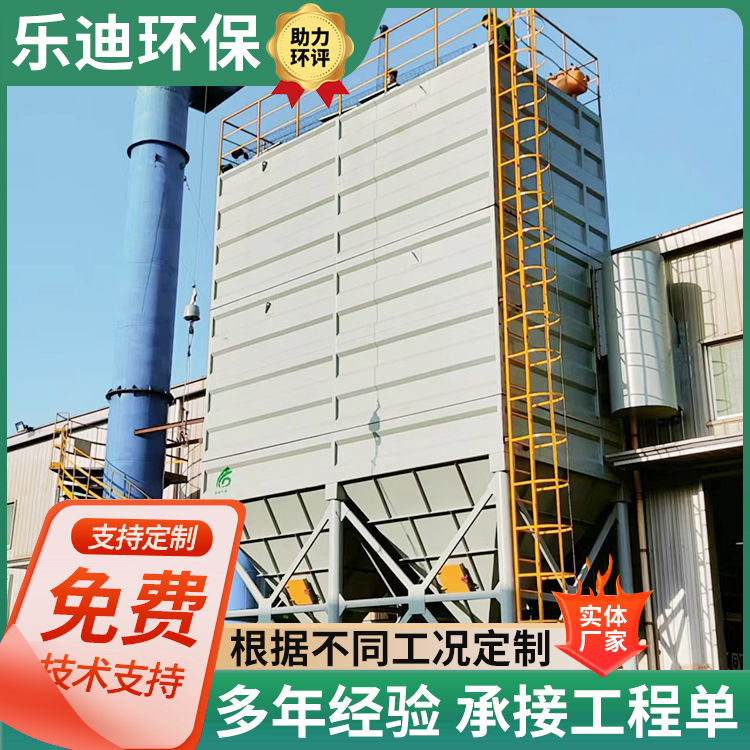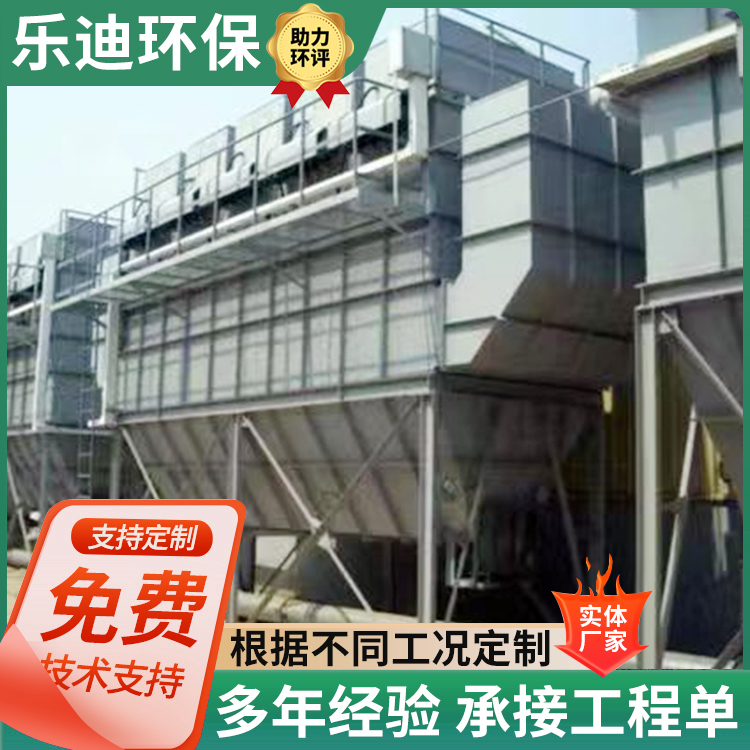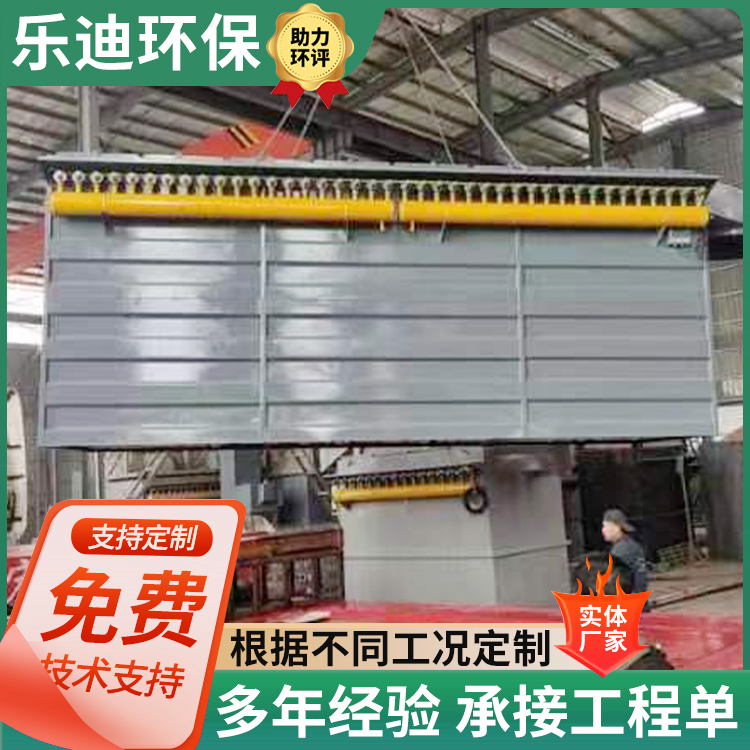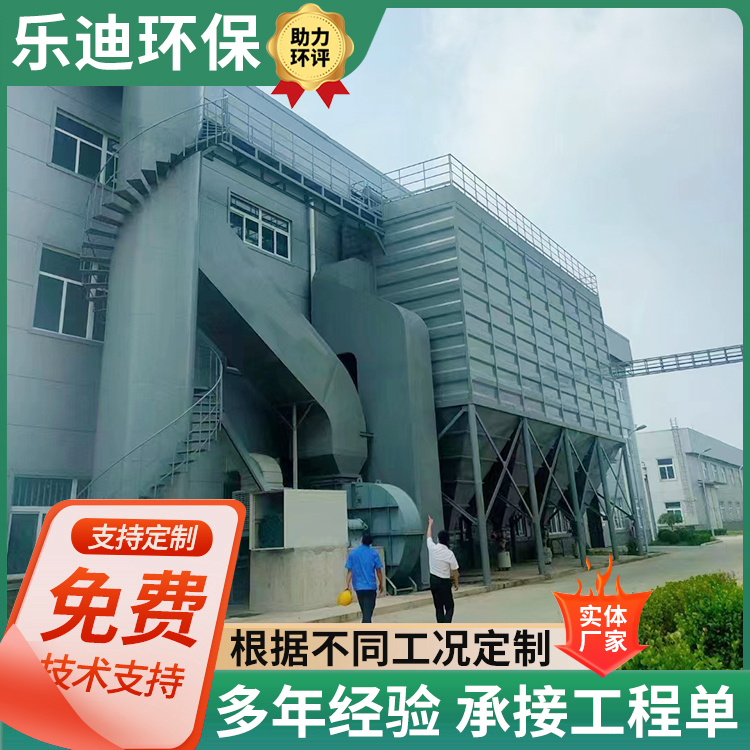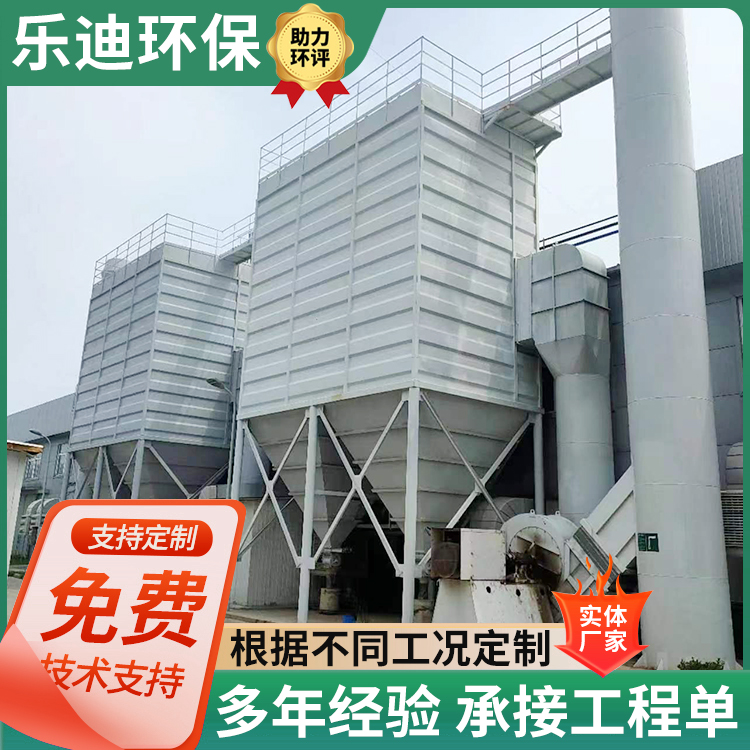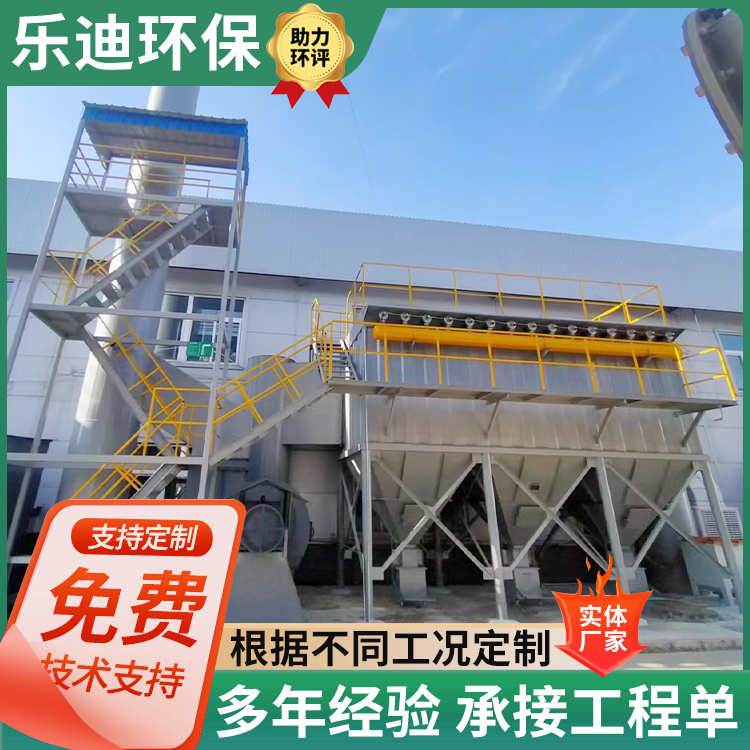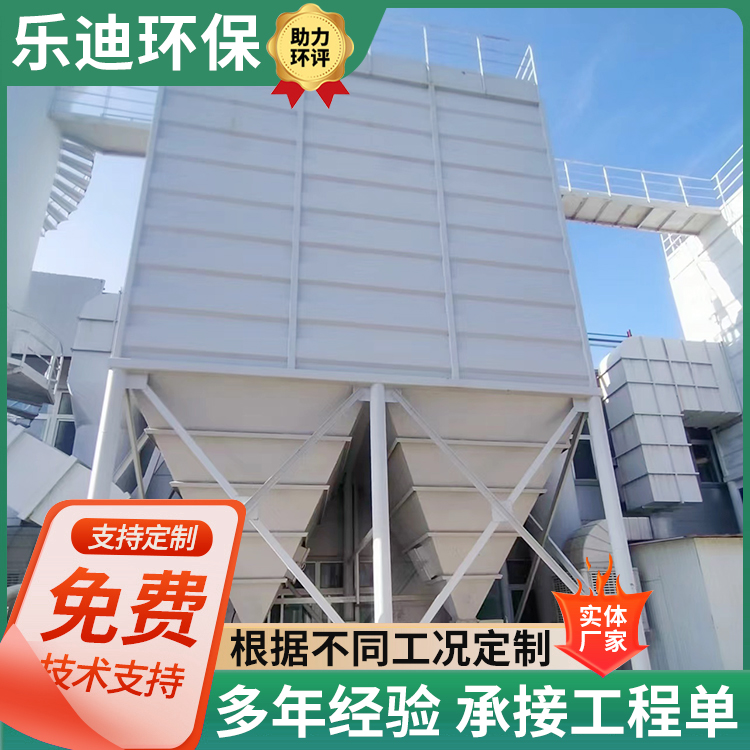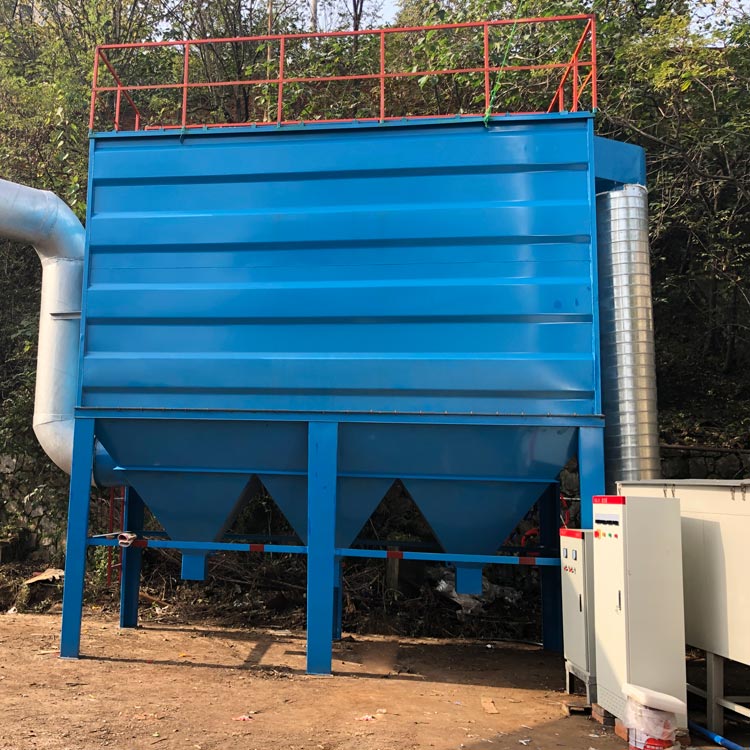

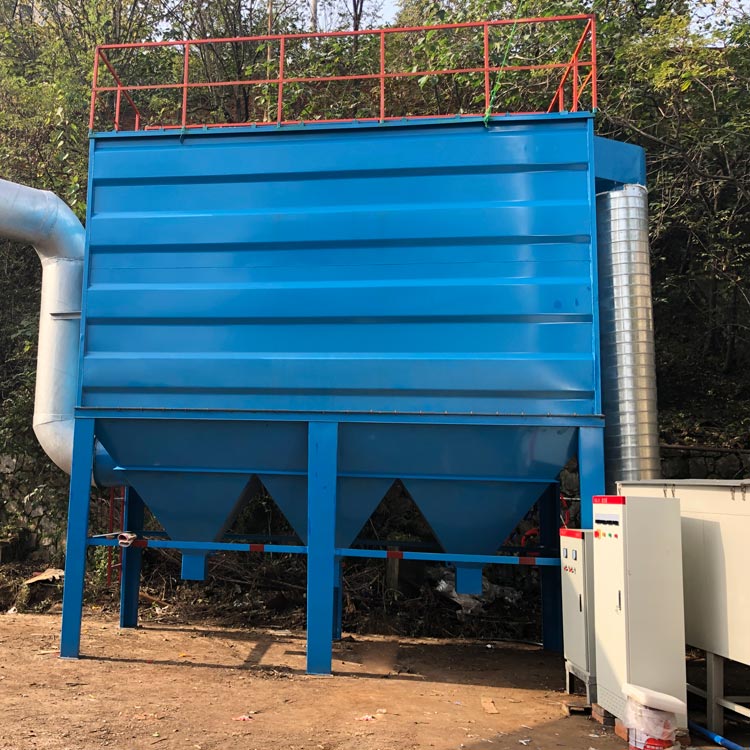
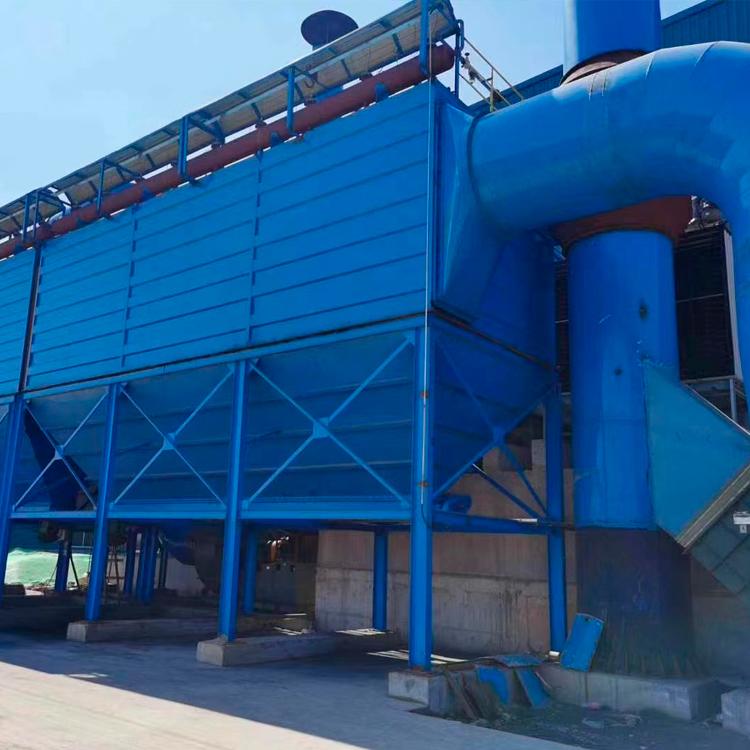
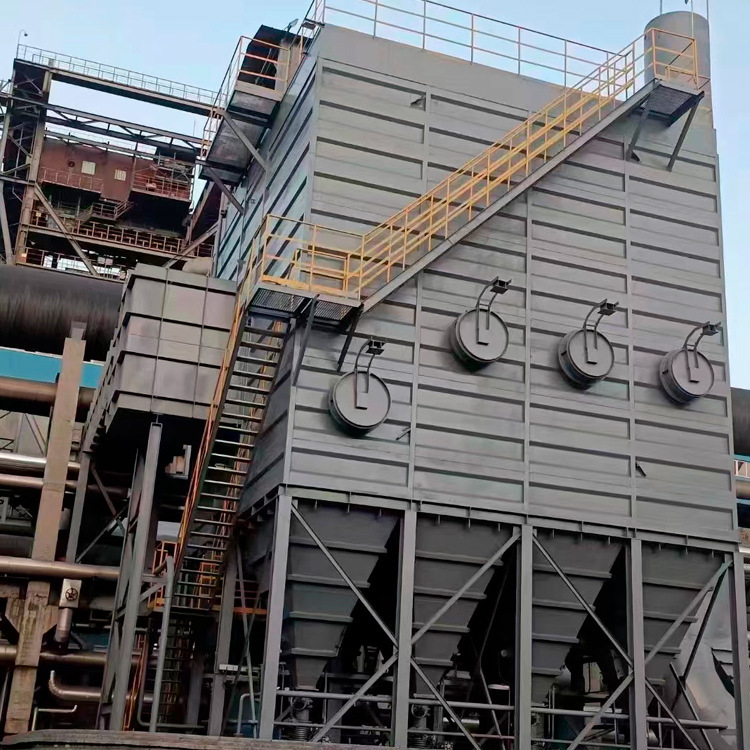


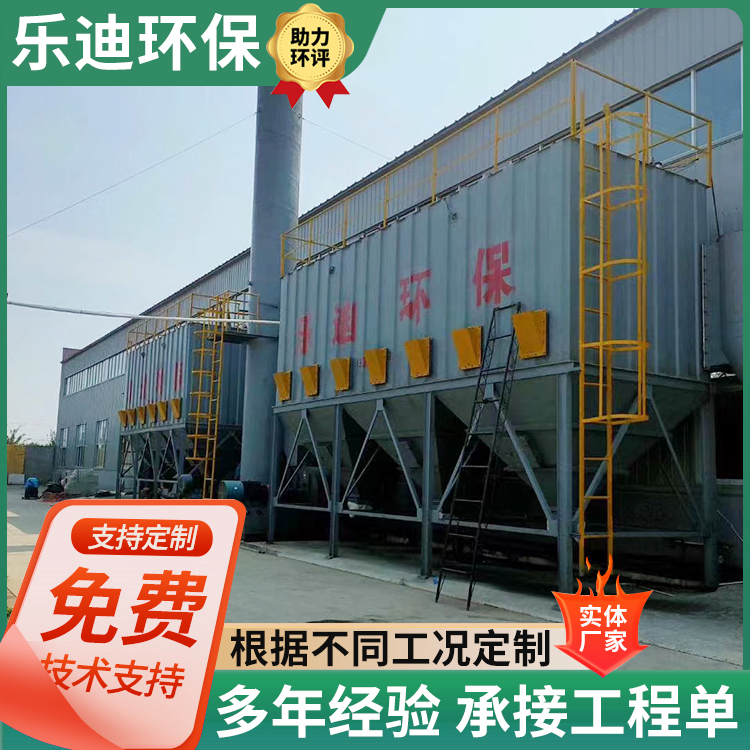
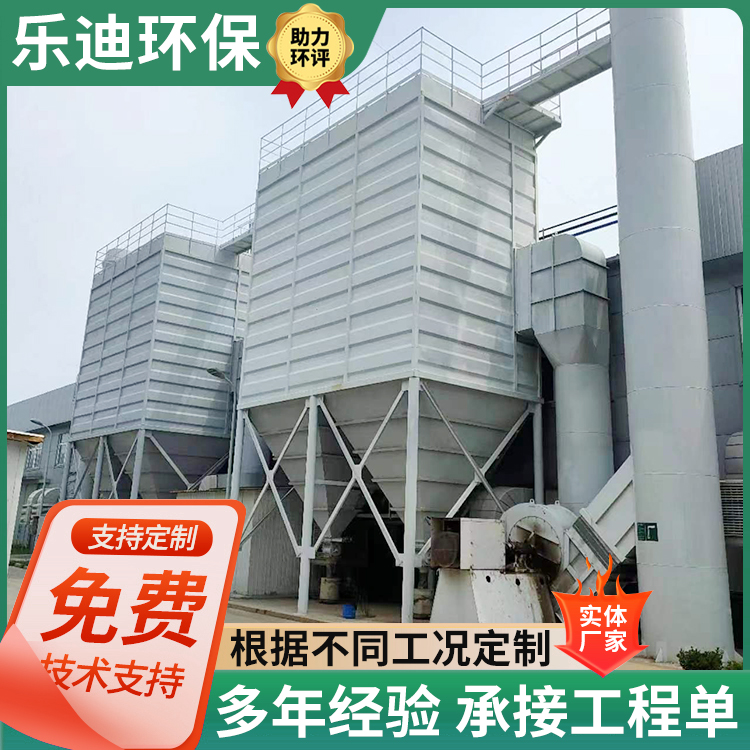
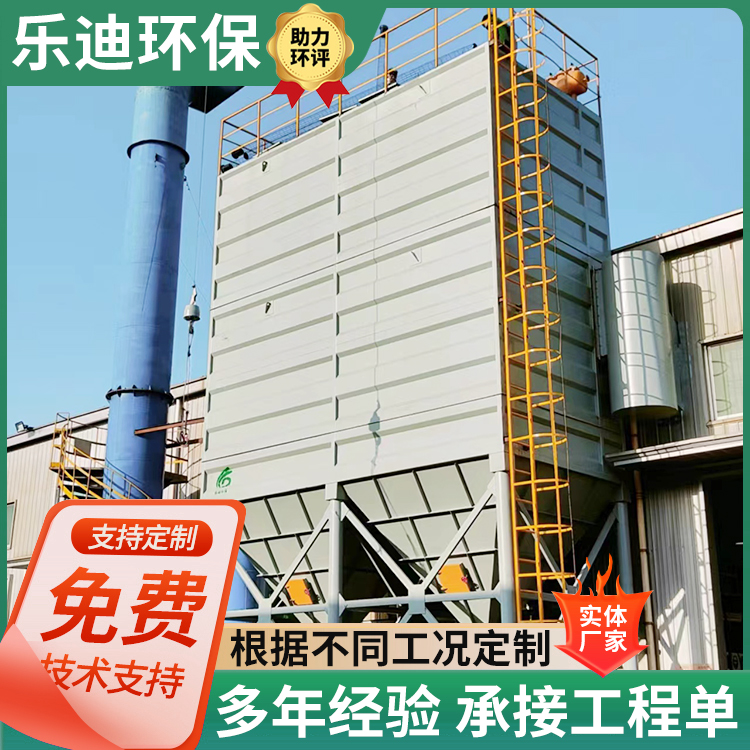
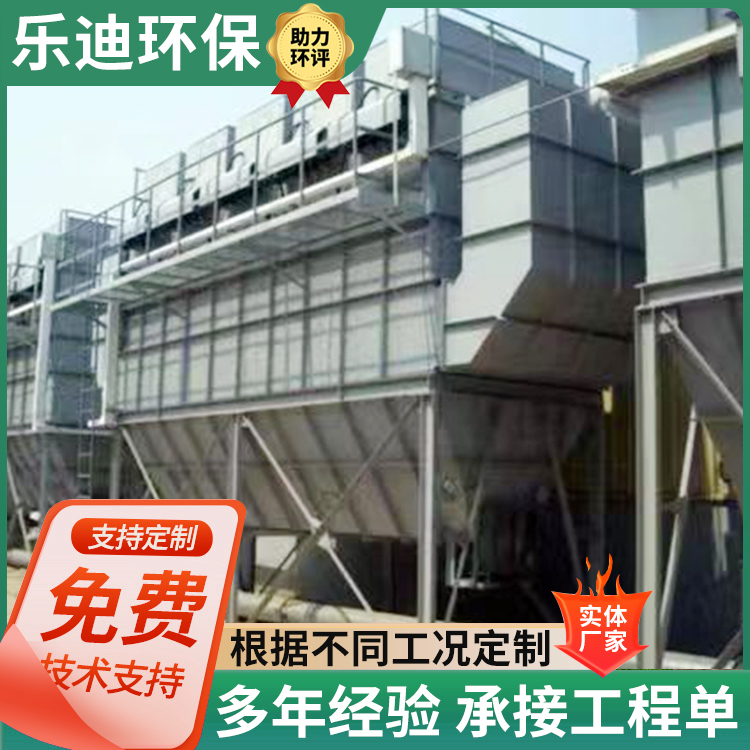
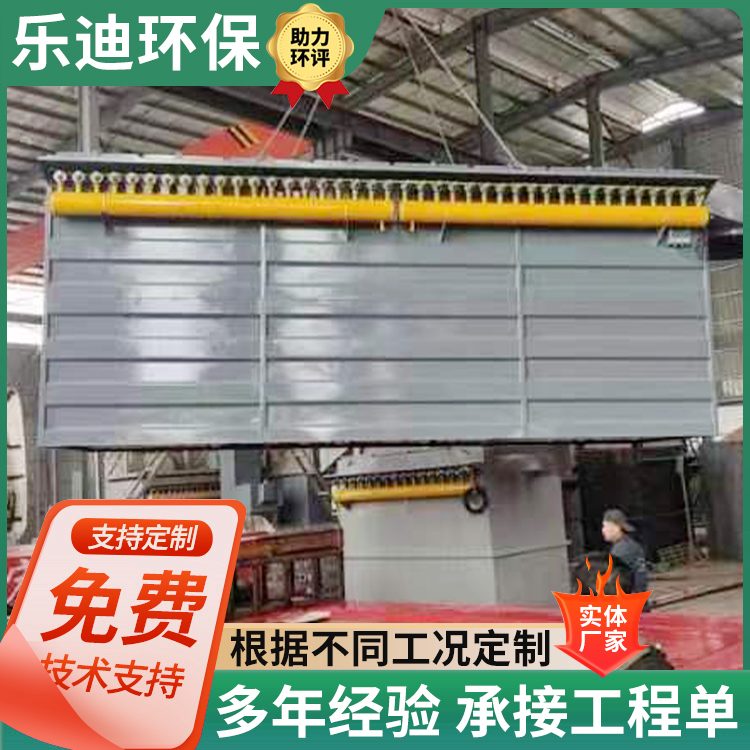





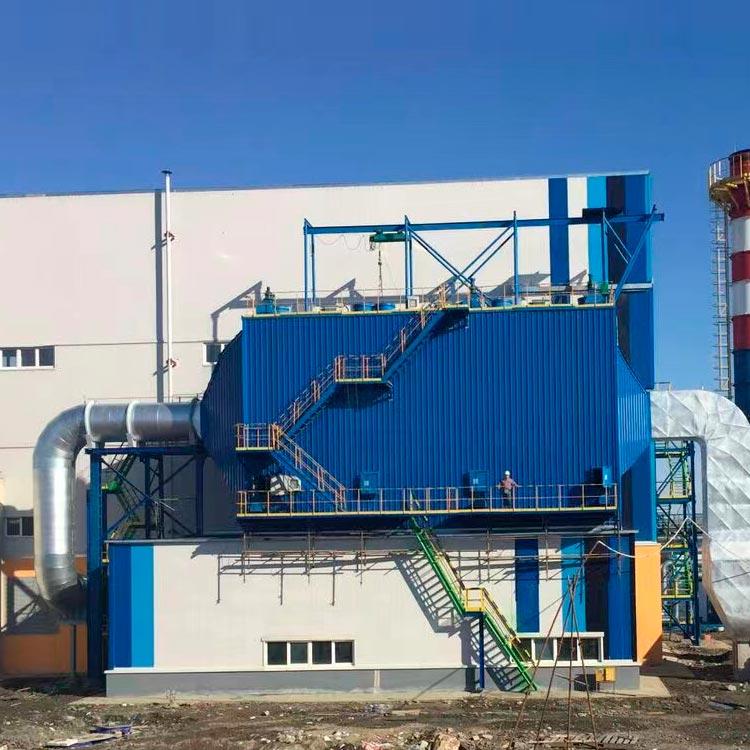
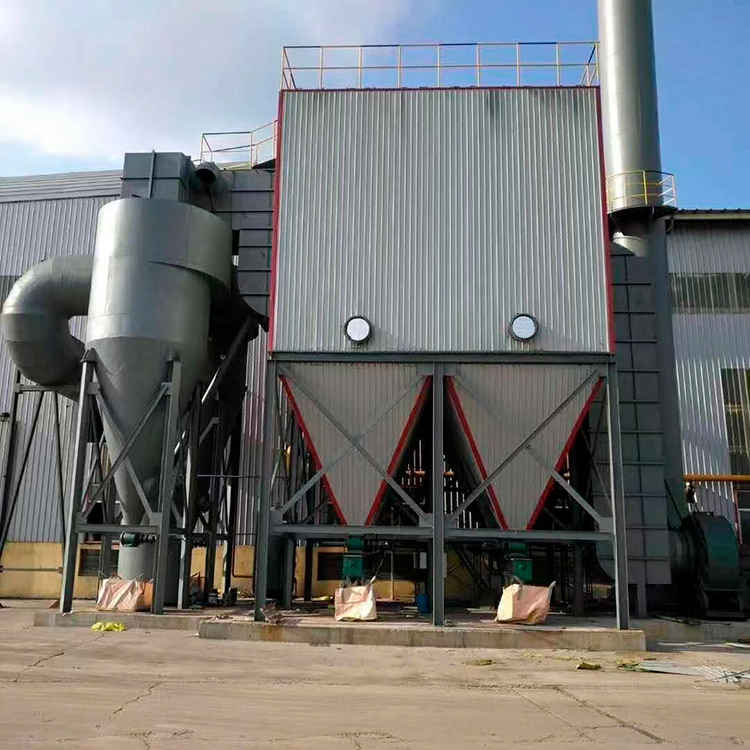

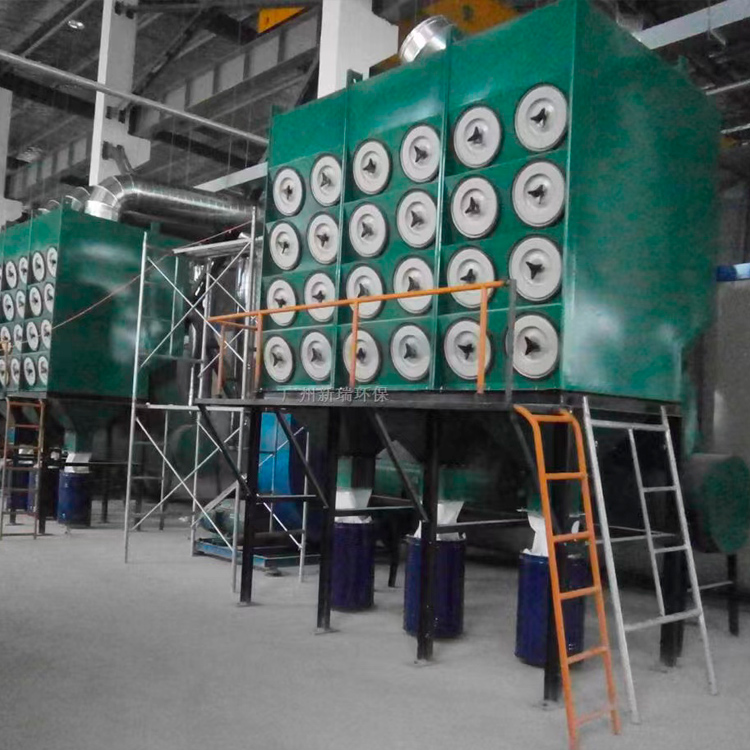
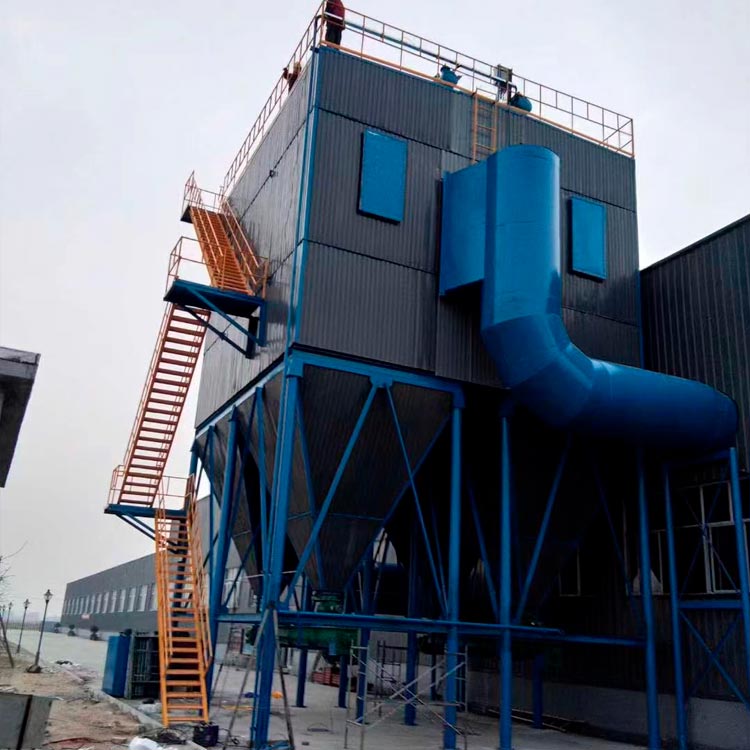

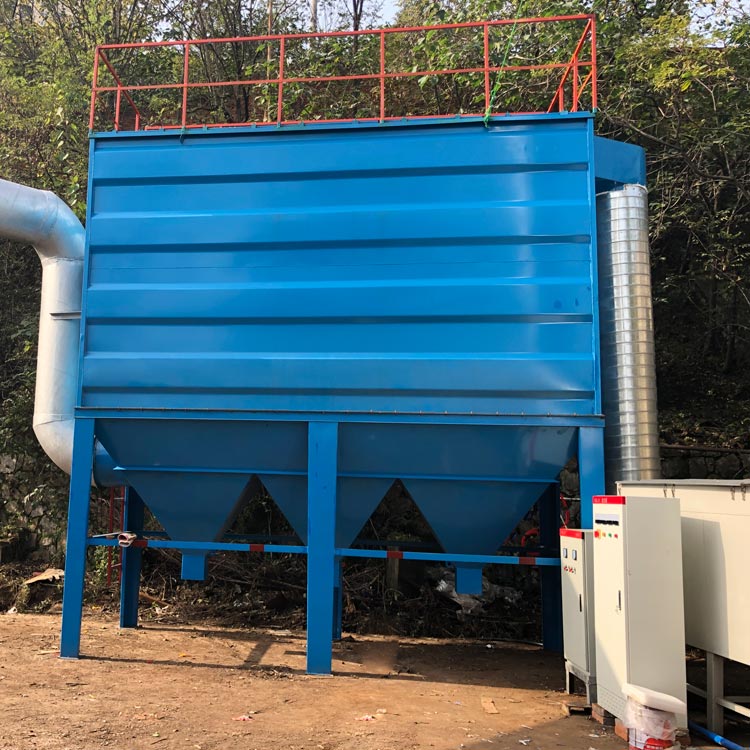
Boiler dust removal refers to the equipment that separates dust from flue gas. Boiler dust collectors are commonly used auxiliary equipment in boilers and industrial production. Their function is to remove particulate soot from the flue gas emitted by the boiler fuel, thereby significantly reducing the amount of soot discharged into the atmosphere, making them essential environmental protection equipment for reducing pollution and improving air quality.
Smoke enters the Venturi through the intake duct, where it is uniformly sprayed with water at the throat entrance. Due to the high-speed movement of the smoke, the water is atomized into a fine mist, wetting the ash in the smoke. This causes the ash particles to collide and coalesce with water droplets, particularly the fine dust particles, which are dissolved by the mist. This achieves preliminary dust removal and desulfurization, fully preparing for the separation of the ash. Afterward, the smoke, now cooler, continues to冲击 the lime slurry in the pool. The dust and SO2 in the smoke react with the lime slurry in the pool to form sulfates, which, under the forces of inertia, gravity, adhesion, and coalescence, settle to the bottom of the water, completing the desulfurization process. The water droplets and mist stirred up by the smoke are lifted along with the cleaned smoke by the fan's suction, allowing for a complete reaction with the lime slurry. The smoke is then passed through a wheel dehydrator for water separation, with the water draining into the pool. This completes the third stage of dust removal and desulfurization, and the purified gas is exhausted into the atmosphere by the fan.