

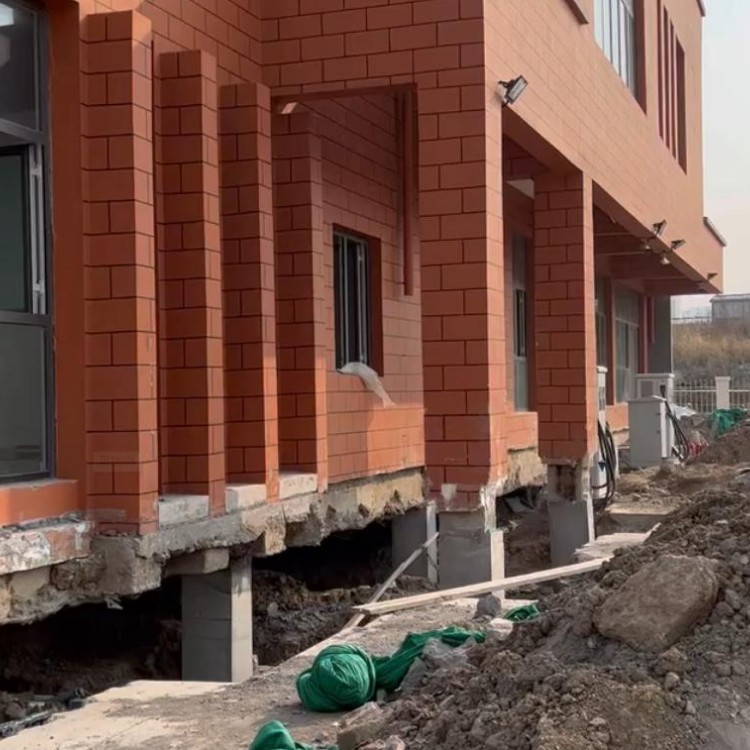

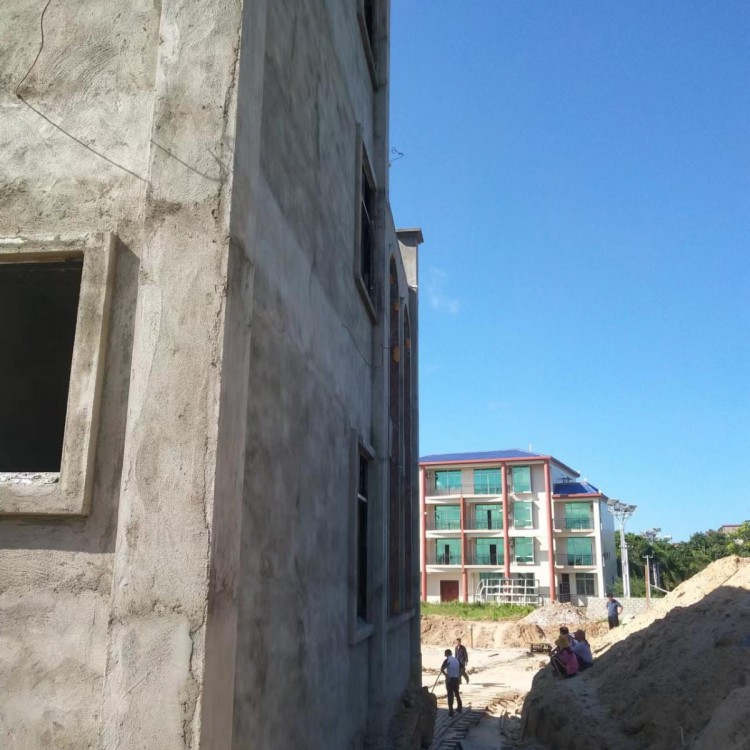







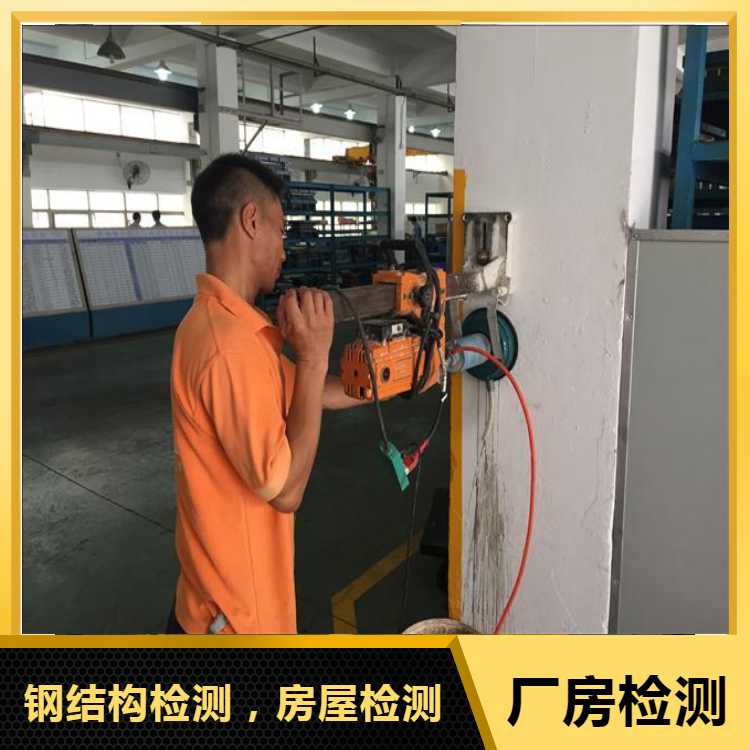

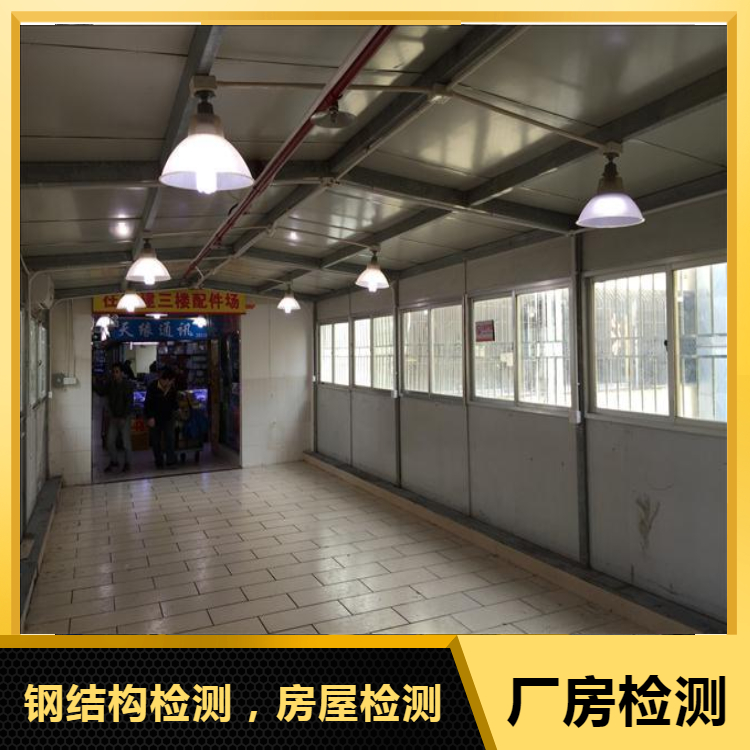

I. Component Concrete Strength:
The following components are subject to concrete strength testing: frame columns, frame beams, concrete shear walls, prestressed slabs, column foundations, and wall footings. For frame-supported shear wall structures, the frame columns, frame beams, and corresponding floor slabs should be included, as well as the floor slabs for the slab-column-shear wall structure.
Elastomeric method, Elastomeric-Destructive Extraction Comprehensive Method
Utilizing a measurement sampling plan, the number of samples is based on Article 3.3.13 of the "Building Structure Testing Technology Standards" and inspection
Category B (new projects with complete construction permits can be classified as Category A) confirmed; the quantity of the foundation can be determined by combining specific conditions with the bearing layer test.
II. Appearance Quality and Defects of Concrete Components
Inspect defects such as honeycomb, rough surfaces, holes, inclusions, exposed rebars, and loose concrete, as well as the quality of joint surfaces not poured simultaneously.
Inspect concrete cracks, record the location, length, width, depth, and quantity of cracks. Draw a crack distribution map if necessary.
The inspection is conducted on a full-count basis.
Surface defects are detected by visual and measurement inspection, in accordance with GB 50204-2002.
Ultrasonic testing for internal defects in concrete.
Section 3: Dimensions and Tolerances:
Component cross-sectional dimensions (beams, slabs, columns, walls) are sampled using a counting sampling scheme, with the sample size determined according to Article 3.3.13 of the "Building Structure Inspection Technology Standard" and inspection category A.
Check elevation (i.e., floor height), axis dimensions, component verticality, and surface flatness as needed. 20% inspection for secondary welds, note that the 20% here refers to a different counting method for factory-made welds and on-site installation welds.
For factory-welded seams, the percentage should be calculated per seam, and the inspection length should not be less than 200mm. If the seam length is less than 200mm, the entire seam should be inspected. It can be understood that each secondary weld made by the factory requires ultrasonic inspection. When the seam length exceeds 1000mm, the short inspection length is 20% of the entire seam length; when the seam length is between 200mm and 1000mm, the short inspection length is 200mm; when the seam length is less than 200mm, inspect the entire seam length. In actual inspection work, there is sometimes a misunderstanding that factory-welded seams are also randomly inspected at a rate of 20%, which is incorrect.
For field-installed welds, the percentage should be calculated based on the number of welds of the same type and welding conditions. The flaw detection length should not be less than 200mm and should include at least one weld. It should be understood that 20% of the welds should be sampled, but the detection length for each sampled weld can be referenced to the factory's second-class weld length.
WeChat Official Account

Scan to follow Official Account