






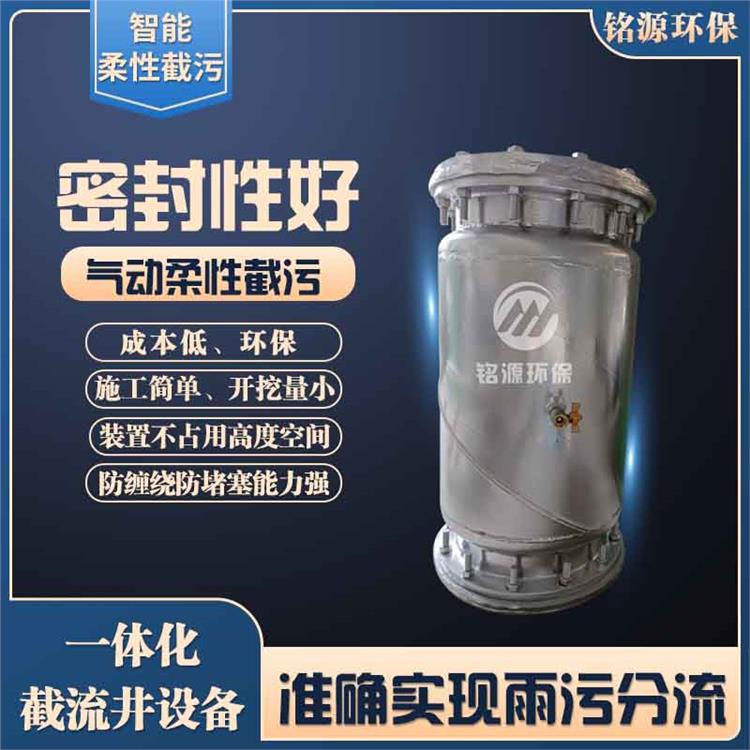

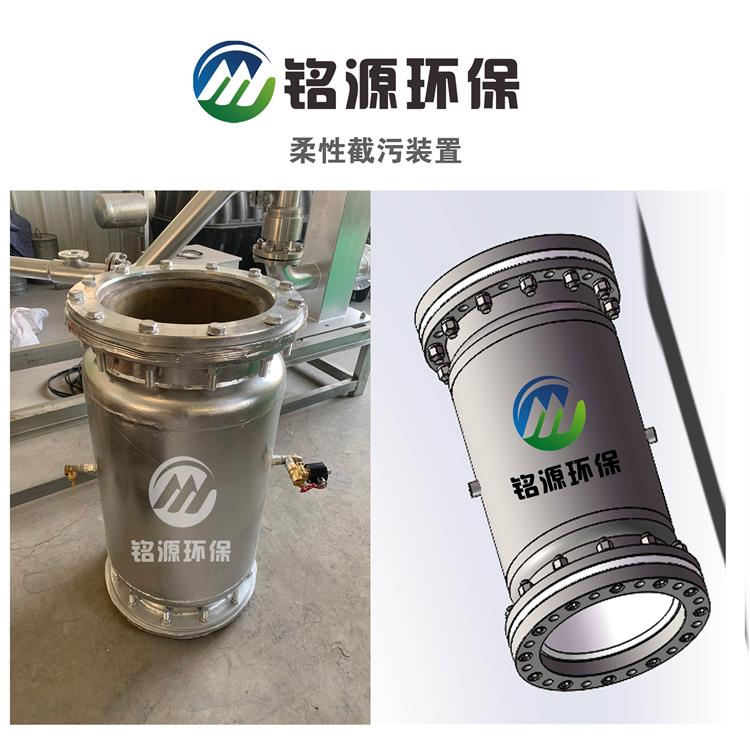

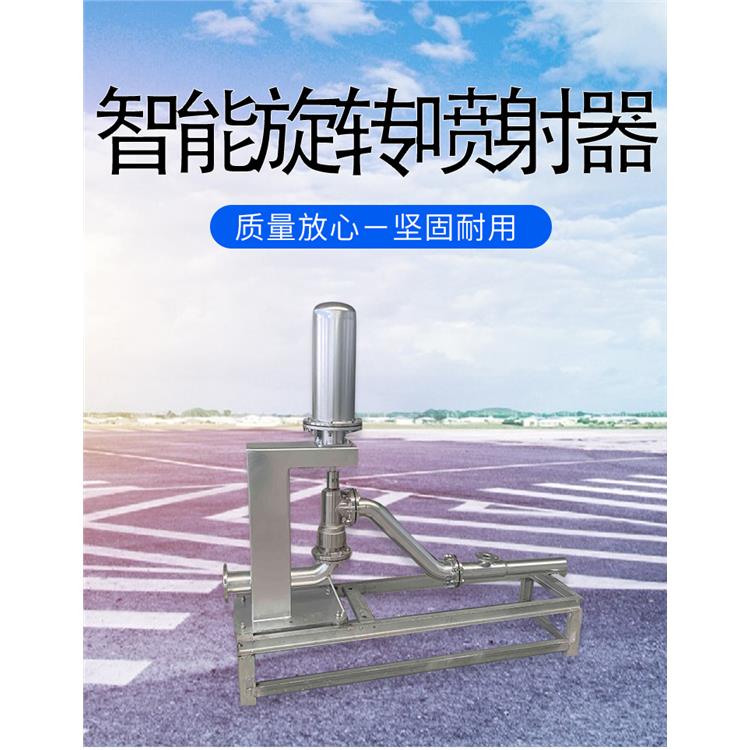
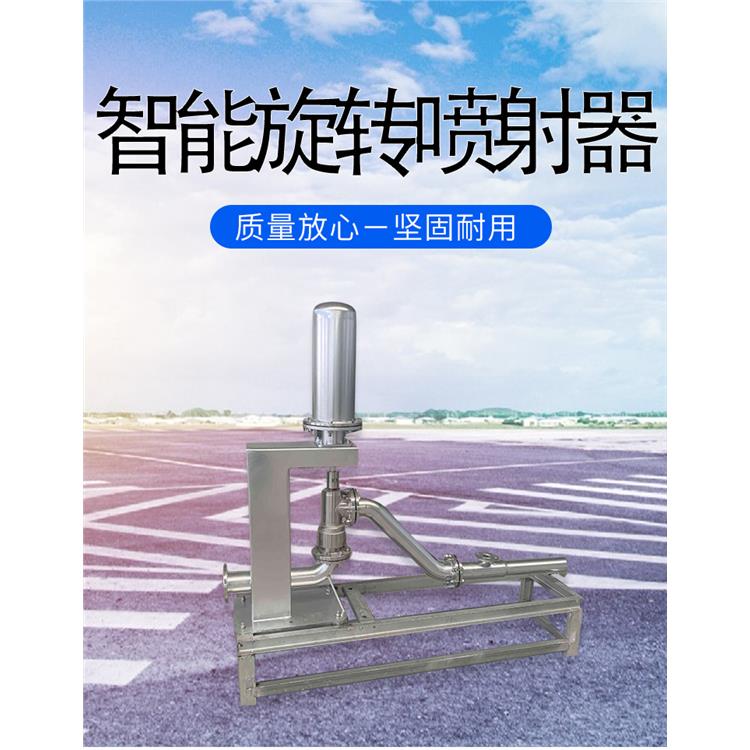


Integrated intelligent weir adopts an intelligent control system via ultrasonic water level gauges. The real-time water quality monitoring system, rainfall gauge, and opening encoder data collection with corresponding calculations enable the system to operate intelligently, significantly reducing overflow pollution and improving effluent interception effects.
Mingyuan Integrated Pre-fabricated Pump Station vs. Traditional Pump Station:
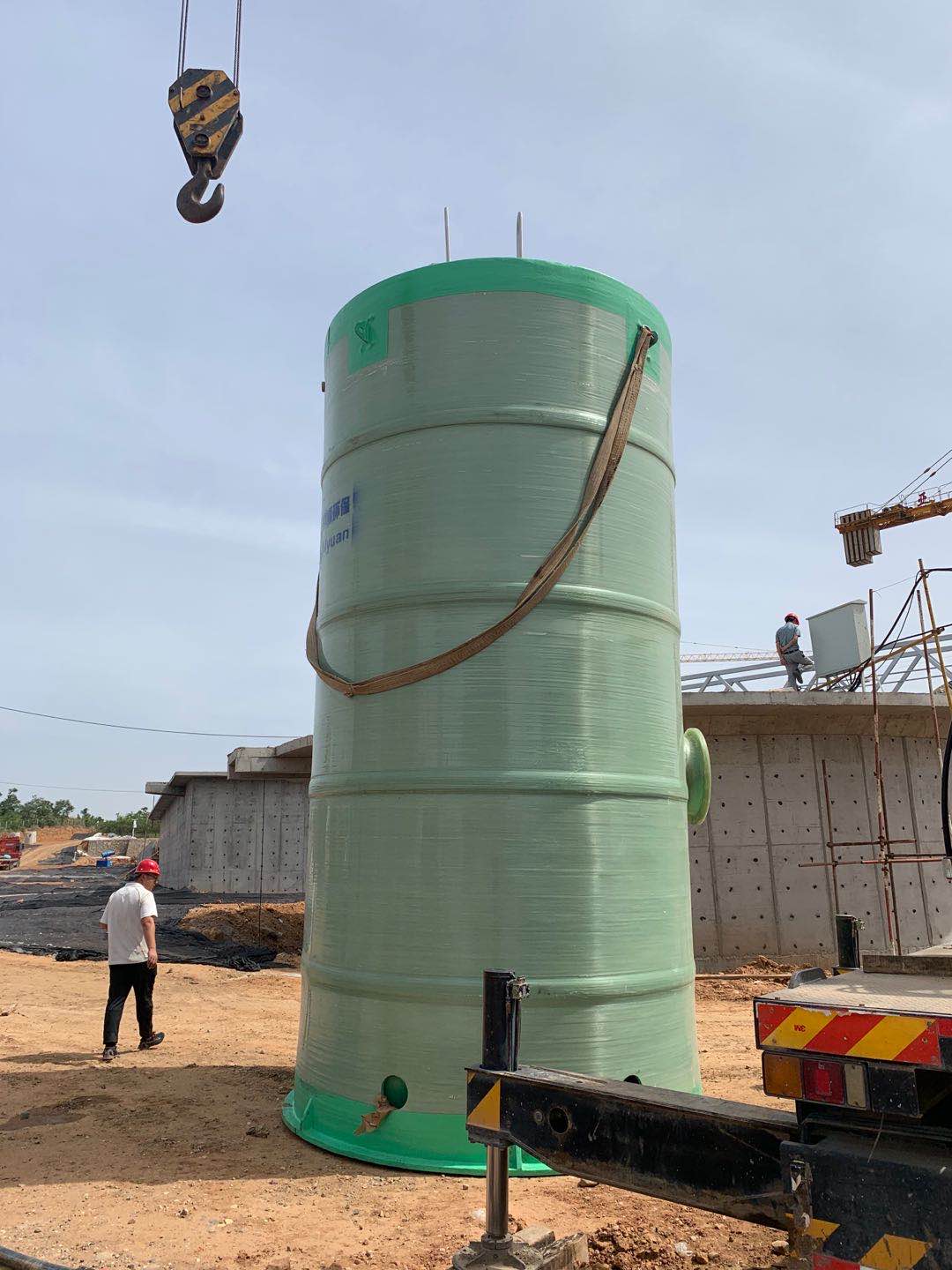
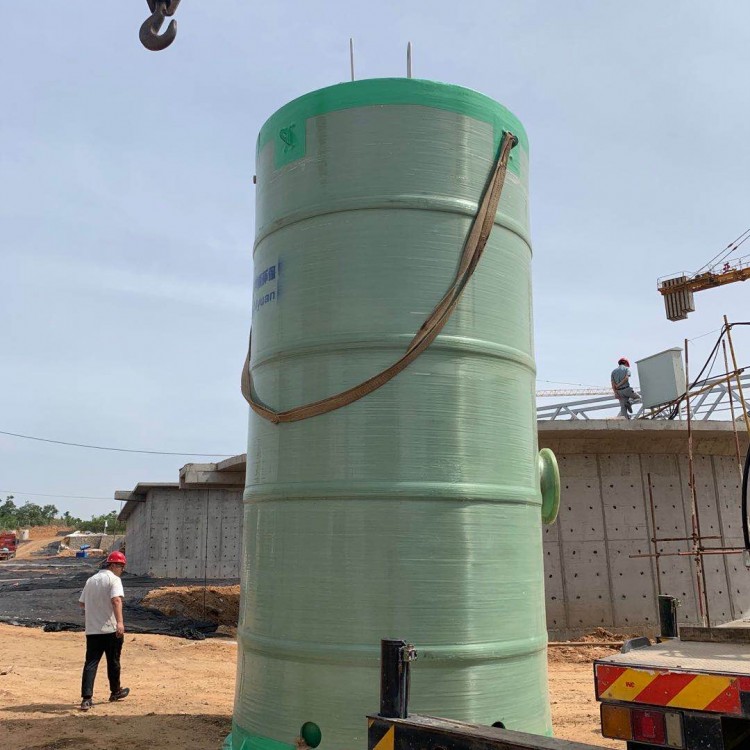
Traditional concrete pumping stations indeed have numerous drawbacks during use. To accomplish the centralized treatment of domestic and municipal wastewater, the construction of a pumping station's wastewater pool is indispensable. In comparison, integrated prefabricated pumping stations offer shorter construction periods, longer service lives, and significantly reduced costs, while also minimizing land occupation. Therefore, integrated pumping stations have already become a mature product in industries such as water supply and drainage, and wastewater treatment.
The integrated pump station by Mingyuan Environmental Protection is an ideal solution to replace traditional concrete pump stations. It boasts high integration, small footprint, and ease of automation. It is reliable with no leaks, environmentally friendly, lightweight, and cost-effective. Traditional concrete pump stations require a control room to be built and require dedicated personnel for management, leading to high initial investment and maintenance costs. Qingdao Mingyuan's integrated pump station is an intelligent station equipped with systems for remote control without the need for on-site personnel.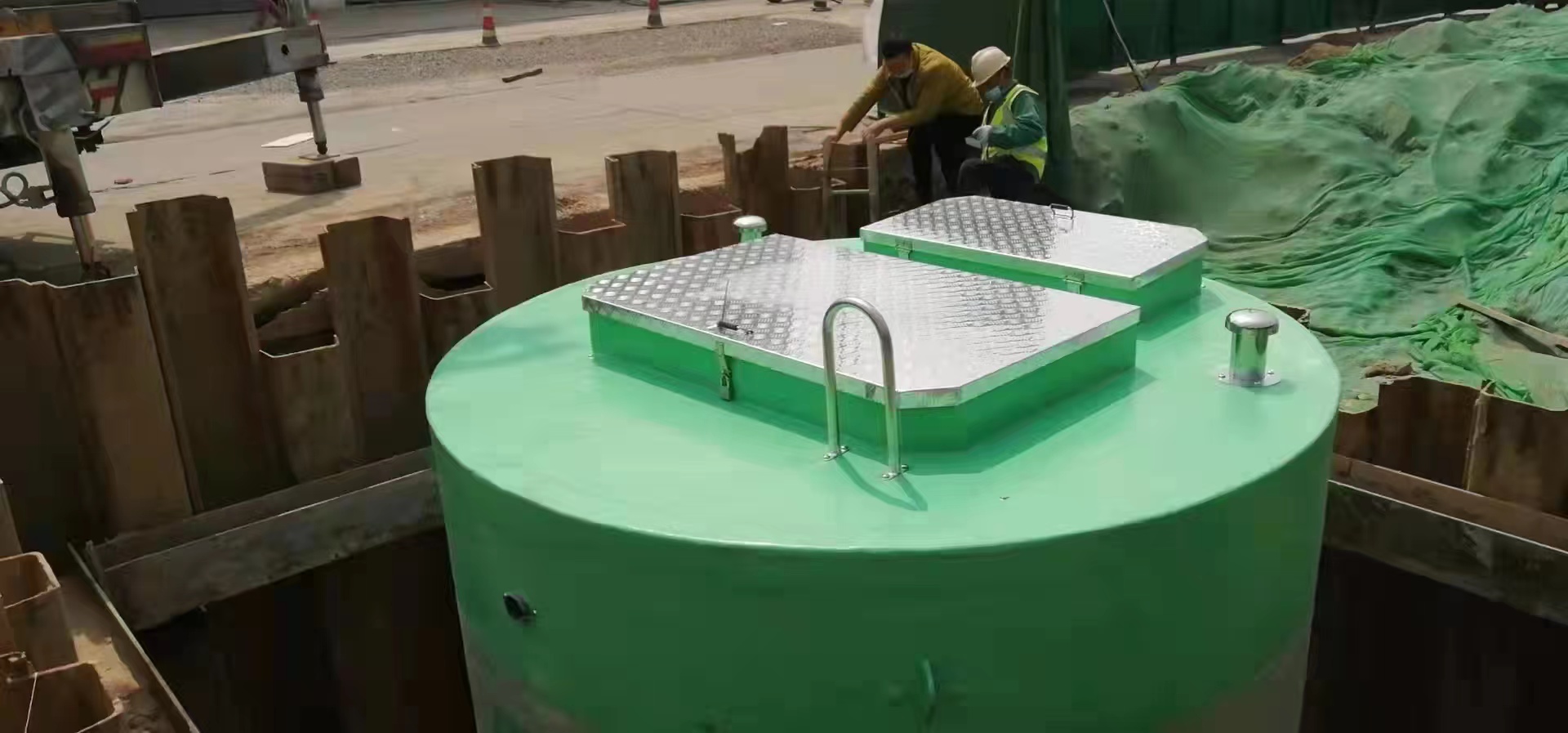
Integrated intelligent interceptor well, a type of wastewater interceptor well for urban combined sewers, positioned at the confluence of stormwater and sewage pipes. It automatically diverts stormwater and sewage to their respective pipelines through instrumented data monitoring, achieving the function of "completely intercepting all sewage in summer, discarding initial rainwater, and directly discharging all during the rainy season." It is an essential facility for the end-of-pipe treatment technology of water source pollution.
The Smart Integrated Overflow Well is an upgraded version of the traditional overflow well. Unlike the traditional one, it not only has the function to intercept pollutants on sunny days but also utilizes solar photovoltaic panels for automatic charging. It can measure rainfall and adjust the rainfall values, autonomously determining and controlling the opening and closing of gates under various rainfall conditions, thereby achieving intelligent pollution interception. It can be widely applied in the outlet wells of old residential areas that have not implemented stormwater and sewage separation, as well as in the treatment projects for intercepting and collecting pollutants from urban rivers.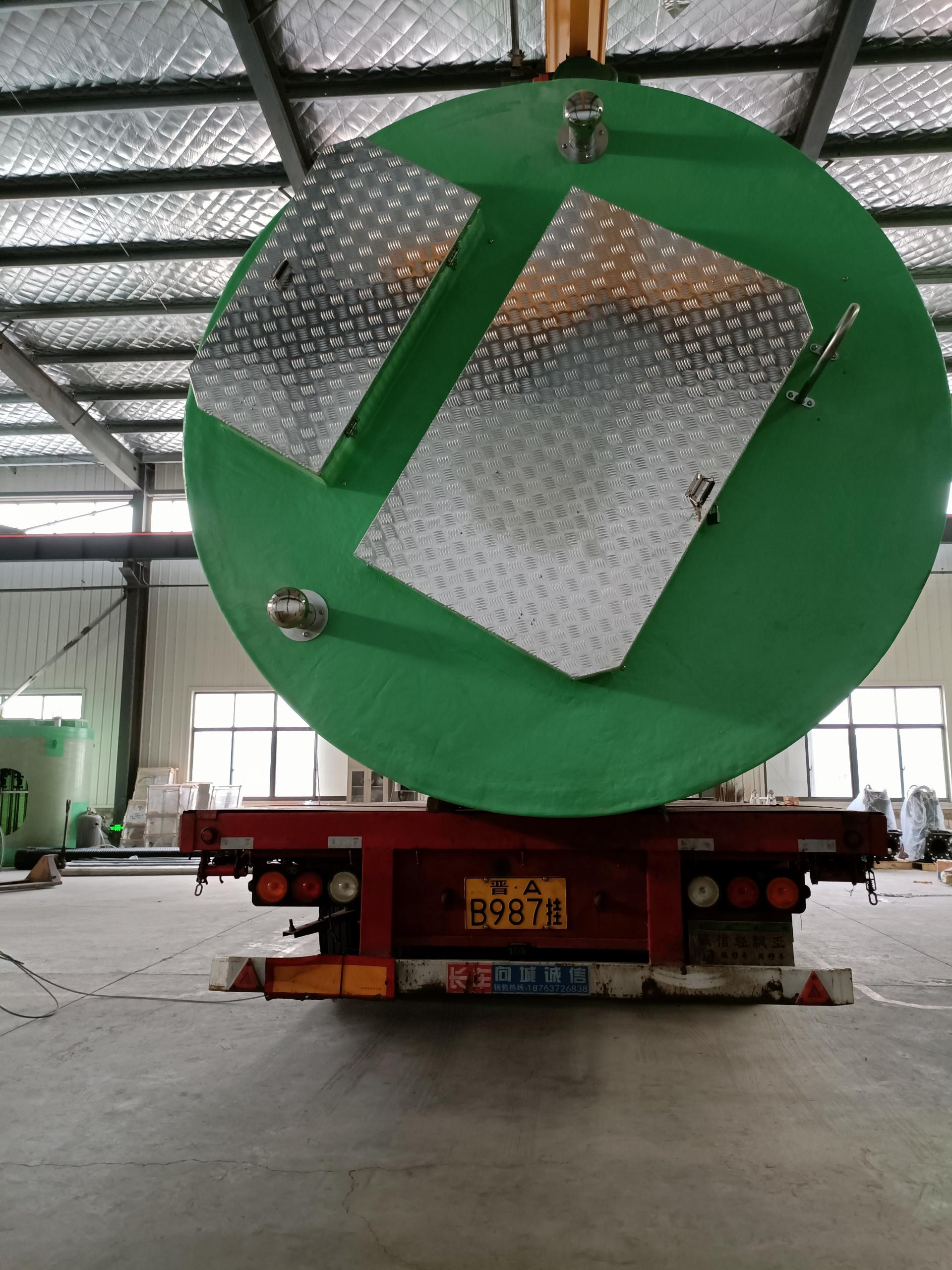
Integrated intelligent flow control well functions across different seasons:
1. Pre-rain Draining: Based on weather information, activate the drainage pump before rainfall to boost power and expel polluted water. This ensures that wastewater in the upstream sections of stormwater pipes or culverts is drained prior to the rain, reserving storage capacity for stormwater. This practice helps to reduce peak flow rates and avoid concentrating high volumes of flow on the municipal stormwater drainage system.
2. Initial Rain Diversion: During rainfall, the rain gauge detects the amount of rain. The stormwater discharge gate adjusts its opening and closing based on the water levels of the interior and exterior rainwater pipes or waterways. The sewage discharge valve adjusts its opening and closing based on the water level and quality inside the well. In the early stages of rainfall, surface runoff enters the diversion well, where the rainwater pollution level is high. The sewage discharge valve is opened to directly release sewage through the sewage pipe, preventing the initial rainwater from entering the river.
3. Direct Drainage During Rainy Season: As rainfall increases, the water level in the well rises and the water quality concentration decreases. Once the rainfall reaches a certain level, close the sewage discharge valve and open the sewage discharge gate. Rainwater is then directly discharged into external stormwater pipes or natural water bodies like rivers, achieving direct rainwater drainage.
4. Dry Season Diversion: During the dry season or on sunny days, wastewater enters the diversion well through combined sewers or culverts. Close the valves of the stormwater and wastewater discharge gates in the diversion well to achieve pressure diversion.
Integrated intelligent interception wells are an upgraded version of traditional interception wells. Unlike traditional interception wells, they not only have the function of intercepting pollutants on sunny days but also utilize solar photovoltaic charging for automatic power supply, measure rainfall, and adjust the rainfall values. They can autonomously judge and automatically open or close gates under different rainfall conditions to achieve intelligent pollution interception. They are widely applicable to the outlet wells of old residential areas that have not implemented stormwater and sewage separation, as well as in the treatment projects for intercepting and collecting pollutants in urban rivers.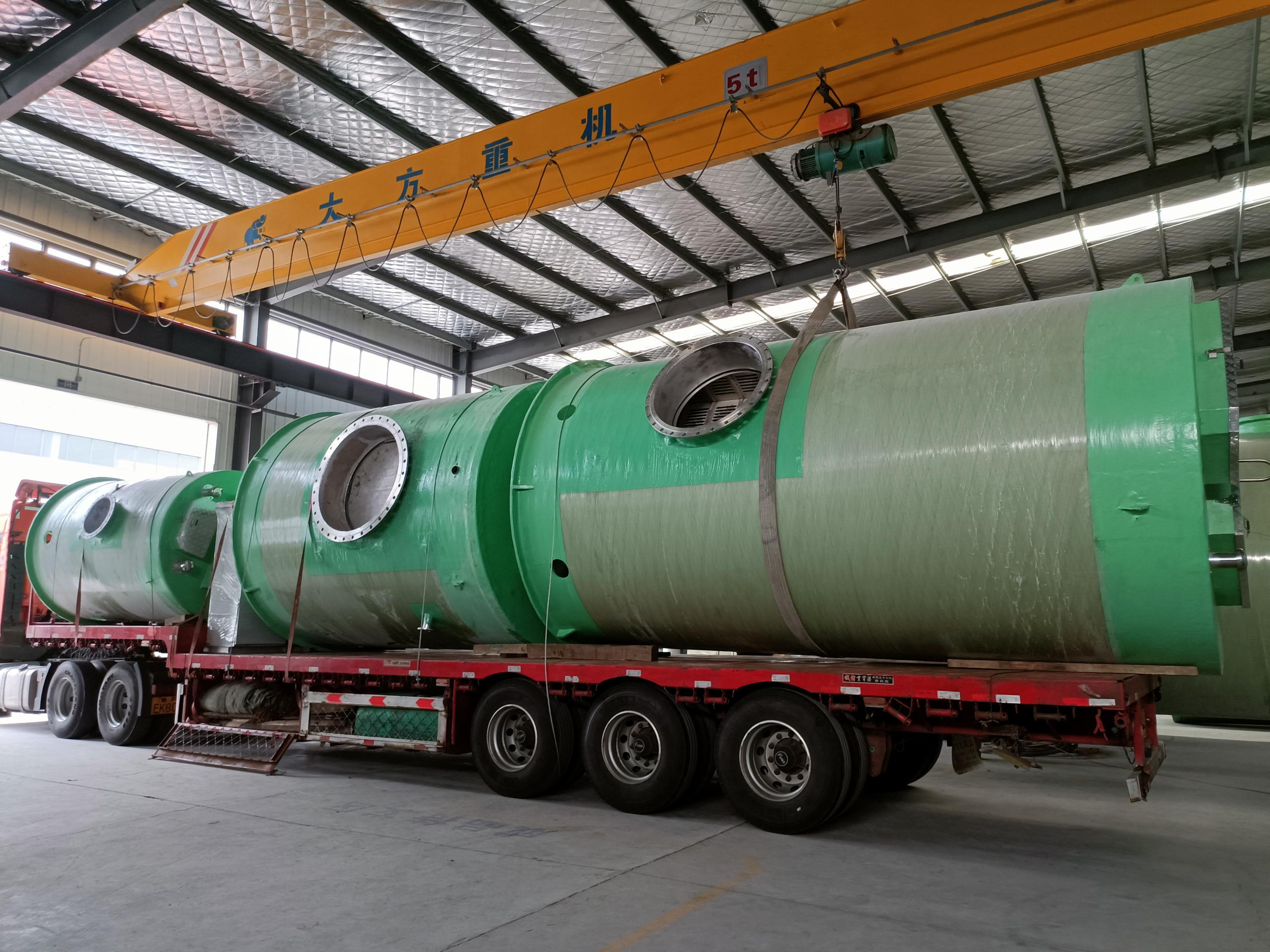
Integrated intelligent cutoff well and cutoff pump station manufacturers' applicable working conditions and environments:
1. Intersection pipeline junctions
2. Combined Sewer Overflow (CSO) control, stormwater runoff control in the initial stage.
3. Residential area drainage pipes connect with road municipal pipelines.
4. During clear weather, the inflow at the river outlet is entirely wastewater, with a low water volume. The water level within the well is low, and the automatic intercepting device's gate is open, allowing all wastewater to flow through the device's opening into the sewage network. Simultaneously, the storm drain gate remains closed, preventing river water from backflowing into the storm drain well.
5. Initially during rainfall, the inflow at the intake gradually increases, causing the water level within the well to rise accordingly. At this point, the internal float ball sends a signal, initiating the closure of the wastewater outlet gate and the full opening of the rainwater outlet gate. As the water level in the existing combined sewer decreases, the float ball signal activates, gradually opening the solar-powered automatic solids intercepting device's gate and restoring it to its initial state.
Our company's positioning: A comprehensive equipment enterprise specializing in the development and production, installation, debugging, operation, and after-sales service of eco-friendly products.