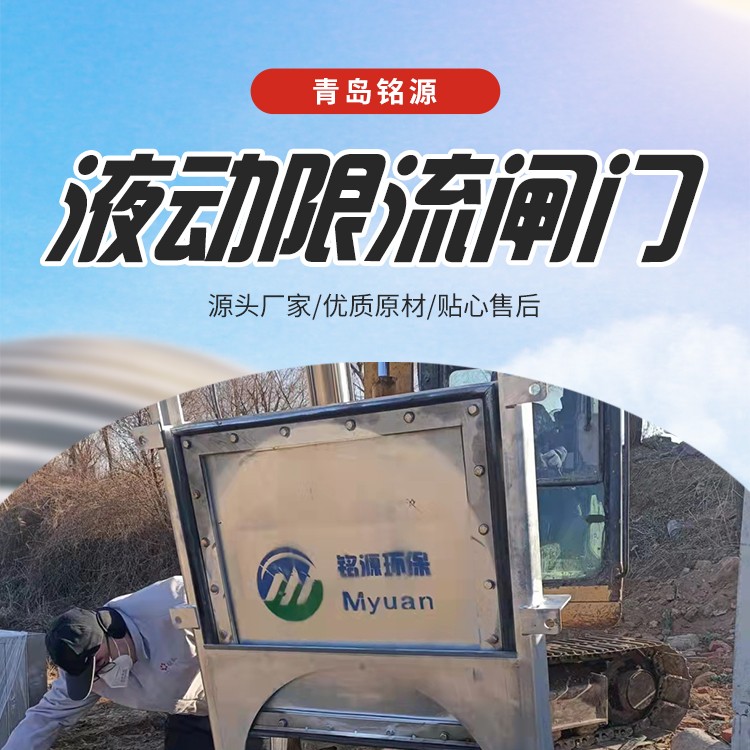

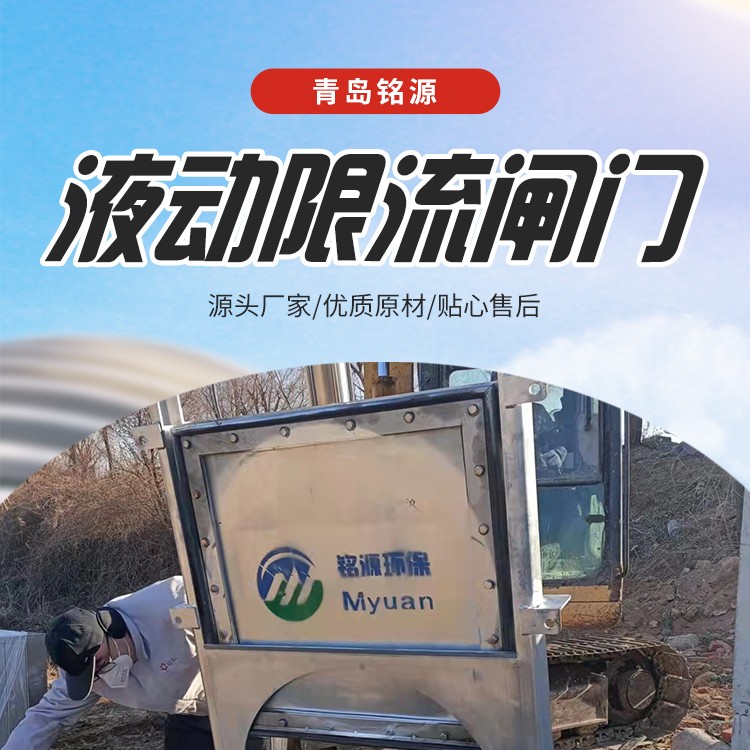










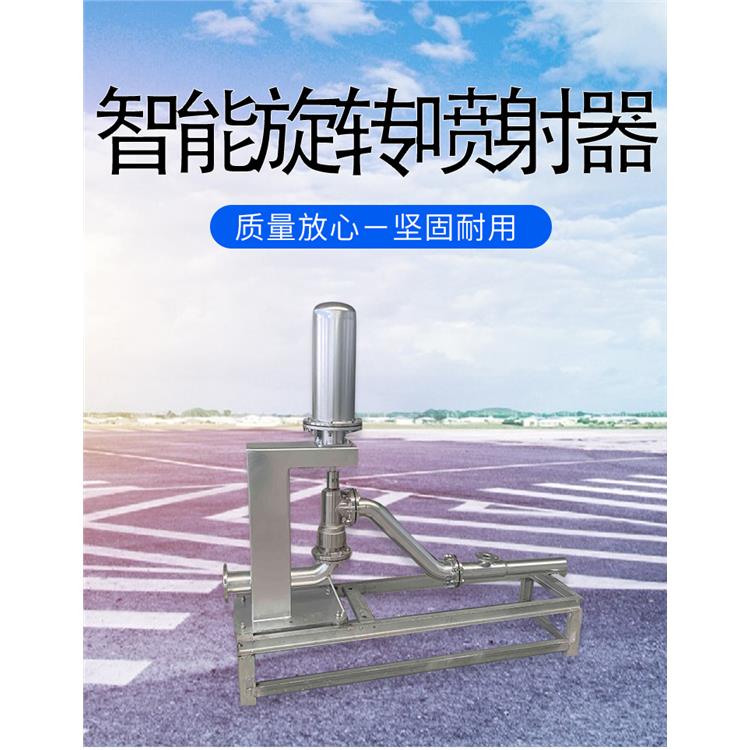
Hydraulic Flow Control Gate, Rotary Gate, Swing Gate, Steel Gate, Stainless Steel Regulating Gate, Hydraulic Gate, Stormwater Separation Gate, Wastewater Diversion Gate, Stormwater Separation Gate, Hydraulic Flow Control Gate

Product Features:
1. Utilizes intelligent integrated control
2. Easy Installation: Wall-mounted, DN200-1500
3. Equipment in the well requires no maintenance
4. Smaller installation space required: Can be installed vertically or horizontally
5. Aesthetically Pleasing: Unlike traditional opening and closing mechanisms, it does not protrude from the ground.
6. Measures are well-implemented, easy to maintain, user-friendly, and have a long lifespan, with the flexibility to choose any drive unit.
7. Multiple Control Modes: Manual, Automatic, Remote, Emergency Operation
8. Upgradable gate seat sealing surface, capable of scraping off adherent material from the sealing surface, and automatically clearing debris
9. The body is sturdy and durable; the reinforced design of the valve body enhances its strength. The design of the direct current passage ensures no residue or blockage, providing a broader range of adaptability.
10. Valve bodies and frames are made of SUS304 material
Hydraulic flow control gate assembly:
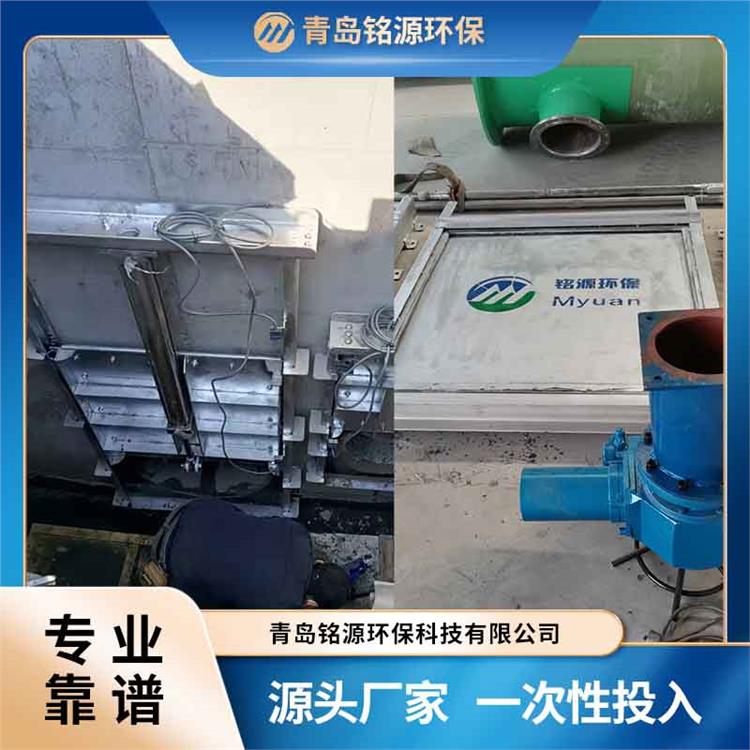
The hydraulic flow control valve consists of a throttle gate, hydraulic cylinder, and hydraulic opening and closing system. It features a simple structure, easy maintenance, light weight, and versatility for use in any direction, as well as remote operation capability. The hydraulic operation is achieved by providing pressure to the cylinder through an external pump station, where the cylinder is connected to the throttle gate to facilitate its opening and closing.
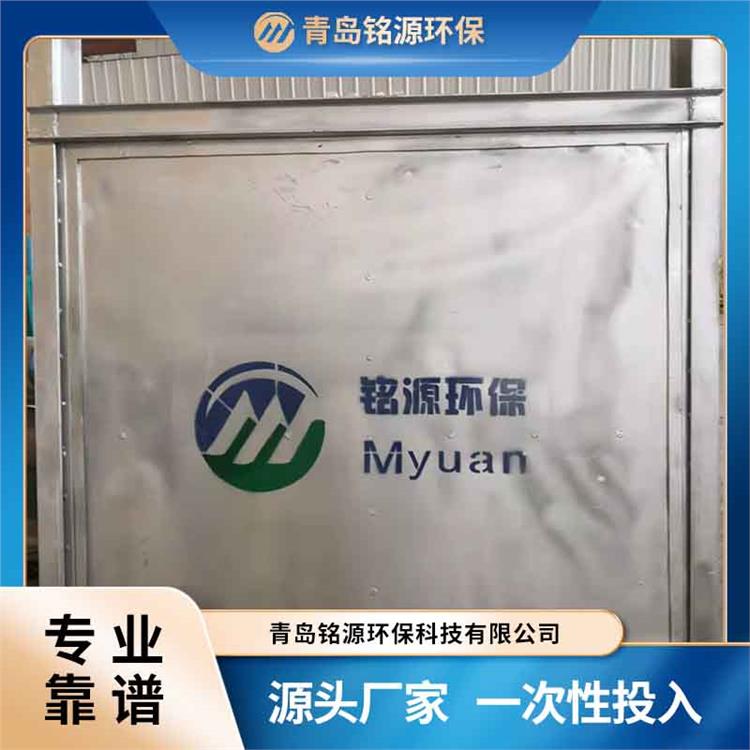
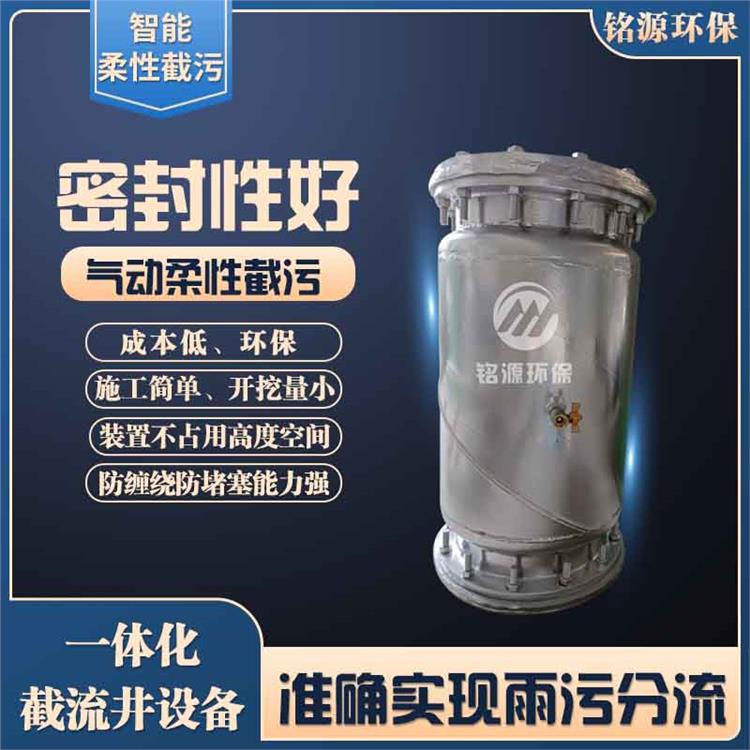
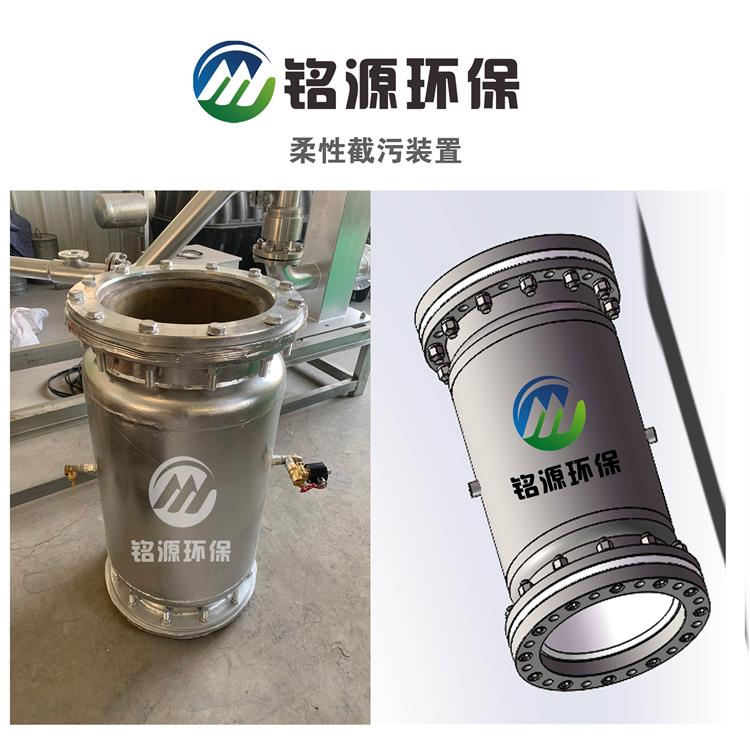
The hydraulic flow control gate is composed of the gate frame, moving gate, guide rail, sealing ring, hydraulic cylinder, and control system. The hydraulic flow control gate, based on the level gauge's water level, sends signals to the RTU. These signals enable the calculation of the gate's correct position, which is then controlled by an actuator to open the gate. The hydraulic flow control gate can be divided into flat gate and flap gate, also known as the hydraulic rotating weir gate. It is commonly used in intercepting and conveying engineering, installed at wastewater or rainwater outlets, and serves the functions of bypassing flow, intercepting pollutants, and separating rainwater from wastewater.
Hydraulic Flow Control Gate, Swing Gate, Flip Gate, Steel Gate, Stainless Steel Regulating Gate, Hydraulic Gate, Stormwater and Sewage Separation Gate, Wastewater Diversion Gate, Stormwater and Sewage Separation Gate, Hydraulic Flow Control Gate
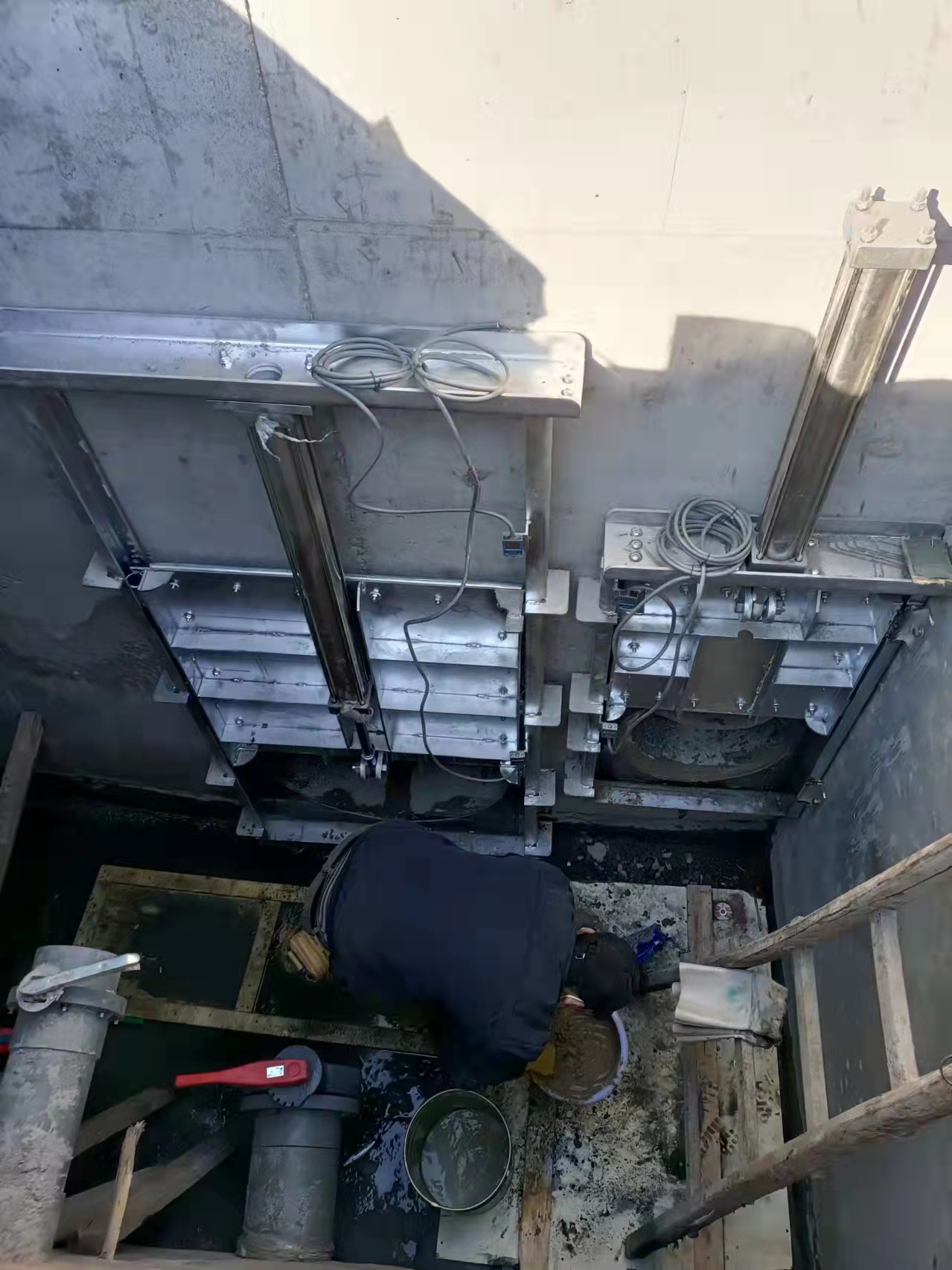
Maintenance of hydraulic flow control gates and other metal structures:
1. Gate Cleaning: Clean the gate and gate channel of debris such as mud, dirt, and attached aquatic organisms, to maintain cleanliness and integrity of the coating.
2. Gate Adjustment: When the gate is off-center, it should be adjusted in coordination with the opening and closing machine to correct the offset, ensuring the side wheels maintain consistent spacing with both sides of the gate slot.
3. Maintenance of gate walking supports and guiding devices: The gate roller, lifting lugs, pivot pins, and other parts should be regularly lubricated.
4. Maintenance of gate sealing devices: Should fit tightly against the sealing plate.
5. Door Slot Maintenance: Ensure a firm connection with the base material and a smooth surface. Regularly clean away debris and flush with water.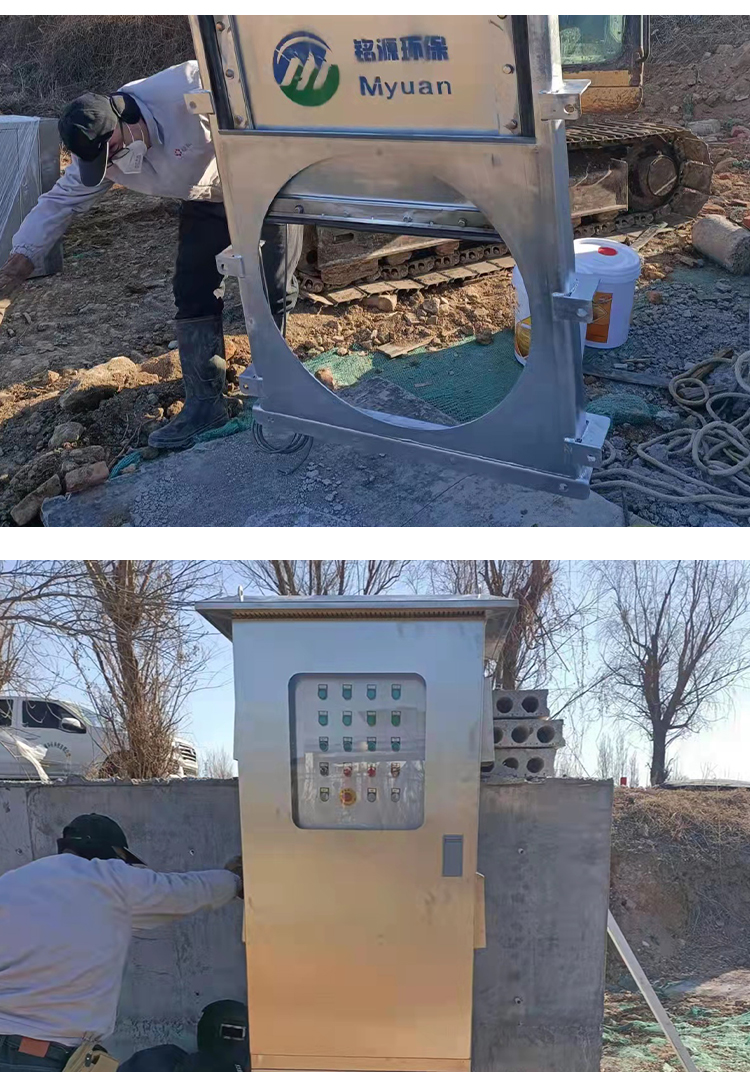
The hydraulic flow control gates can be installed upstream or downstream. As an integrated system, the hydraulic flow control gates can be mounted at any location on the pipeline or channel, offering a wide range of applications and economic efficiency. The gates are activated and closed based on data detected from the configured level gauge and rainfall sensors. Once the overall equipment is installed, we set the level and rainfall values; when the level or rainfall reaches this value, the gate automatically opens; when the level or rainfall falls below the set value, the gate closes. The hydraulic flow control gates consist of the gate frame, movable gate, guide rail, seal, hydraulic cylinder, and control system. The gates, based on the level gauge's water level, transmit signals to the RTU, allowing for the calculation of the gate's correct position. The actuator controls the opening of the gate.
Our company adheres to the business philosophy of "Integrity as our guiding principle, quality as our lifeblood, and service as our driving force for development," and we insist on "seeking truth through integrity, serving society, prioritizing reputation, and customer satisfaction as our pursuit."