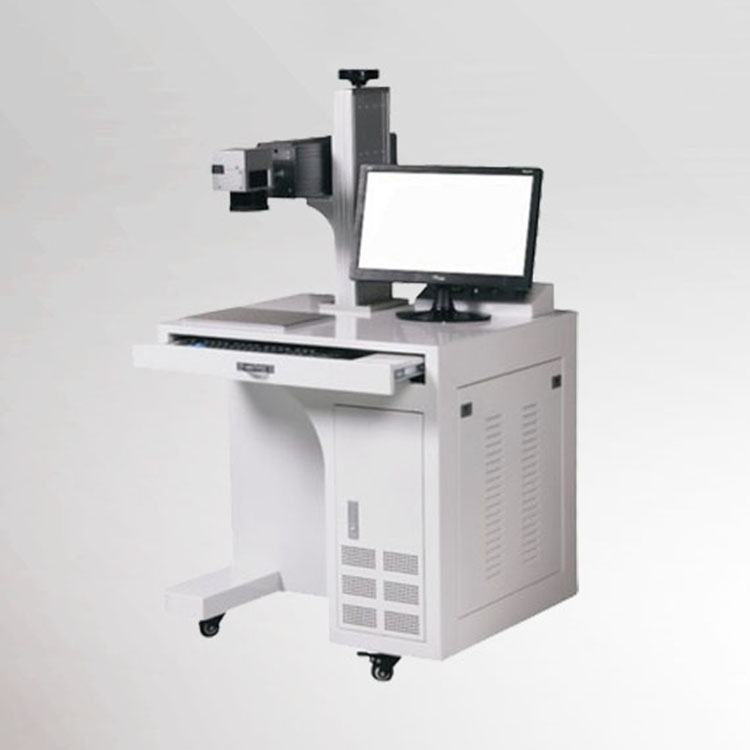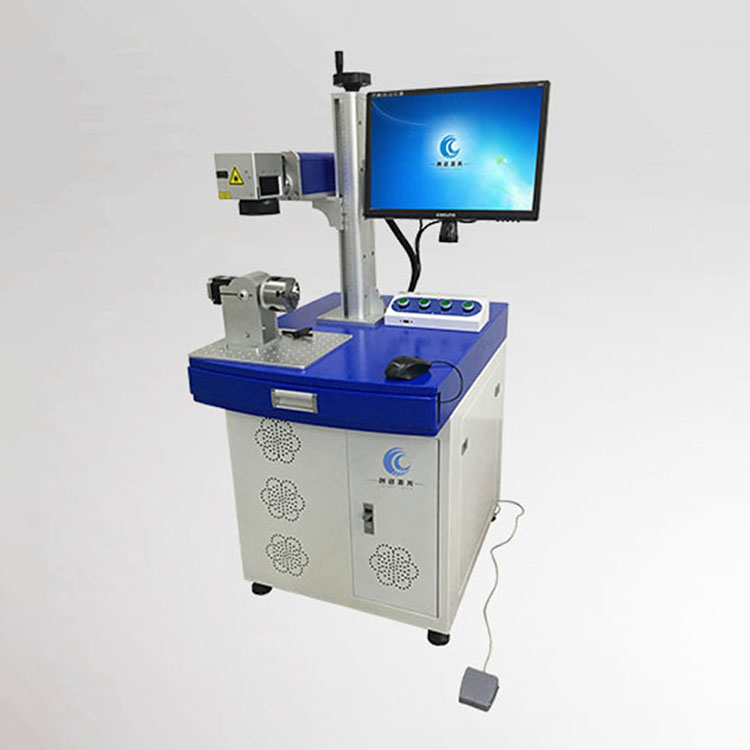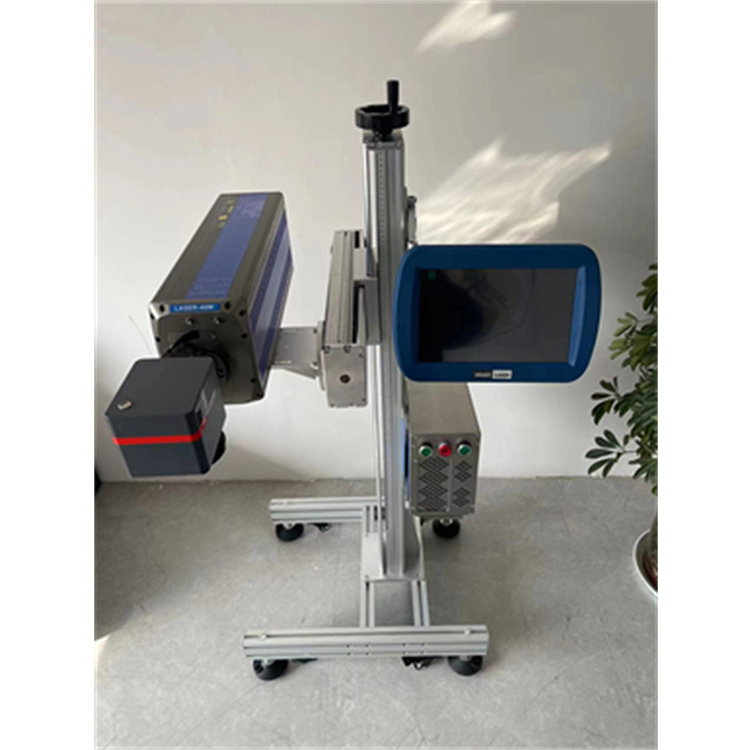

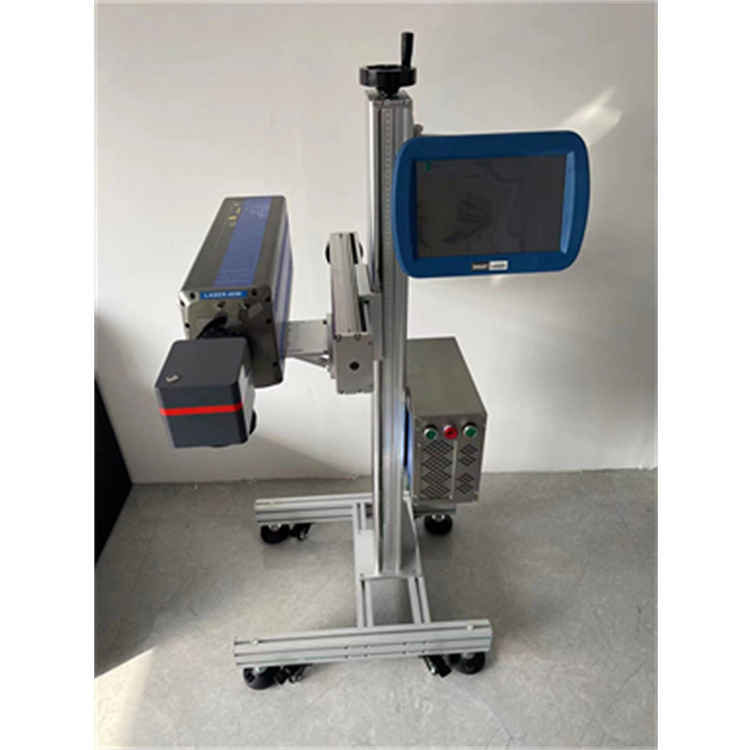
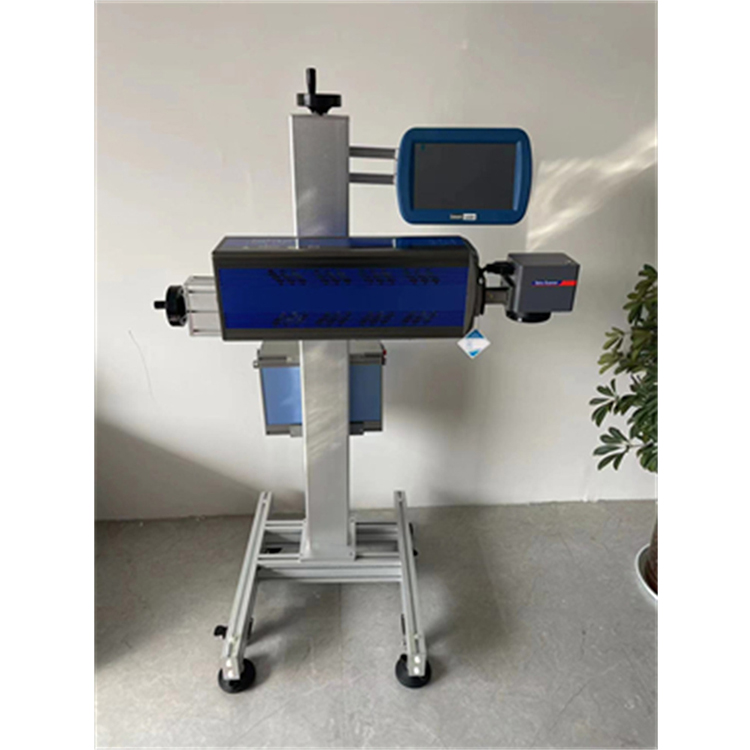


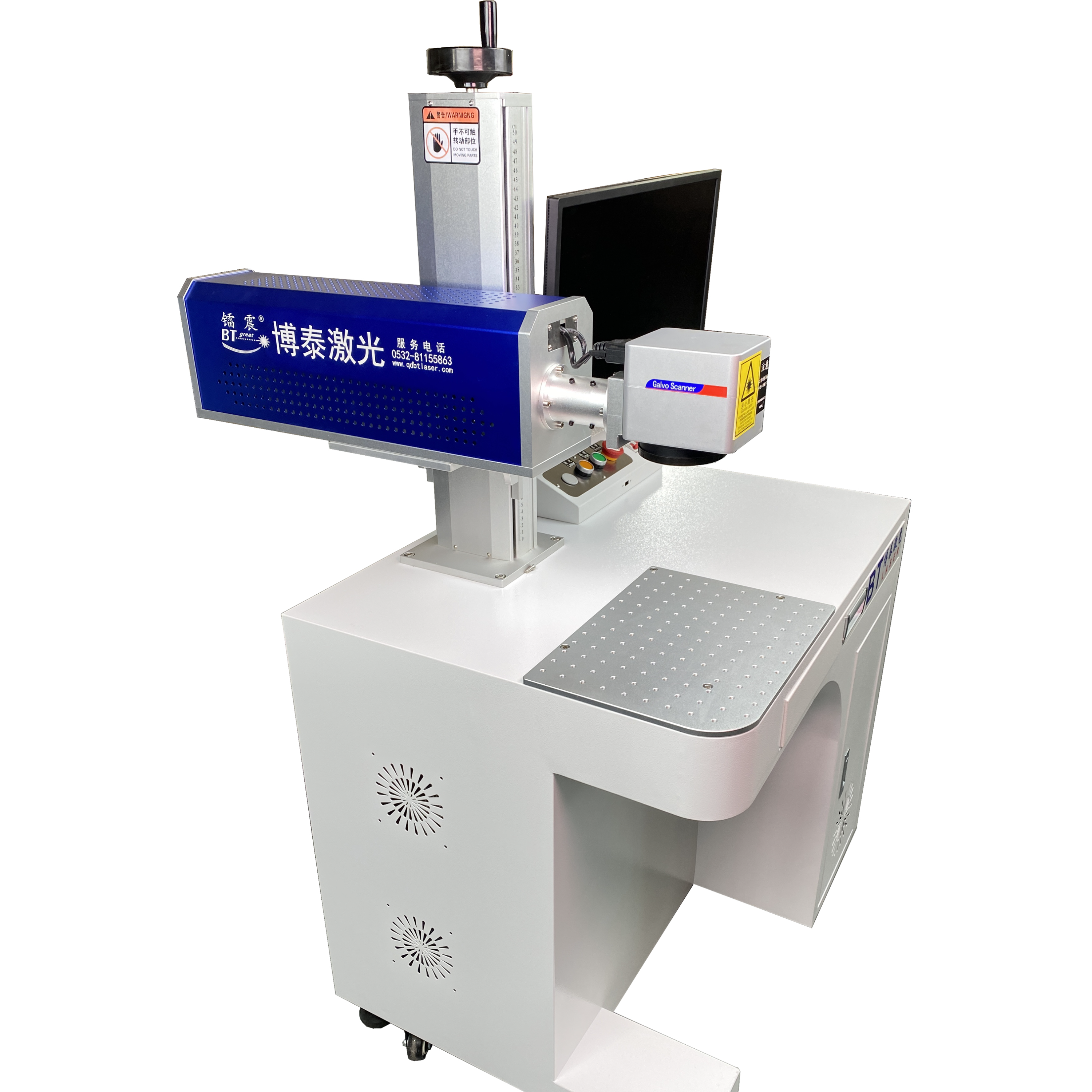
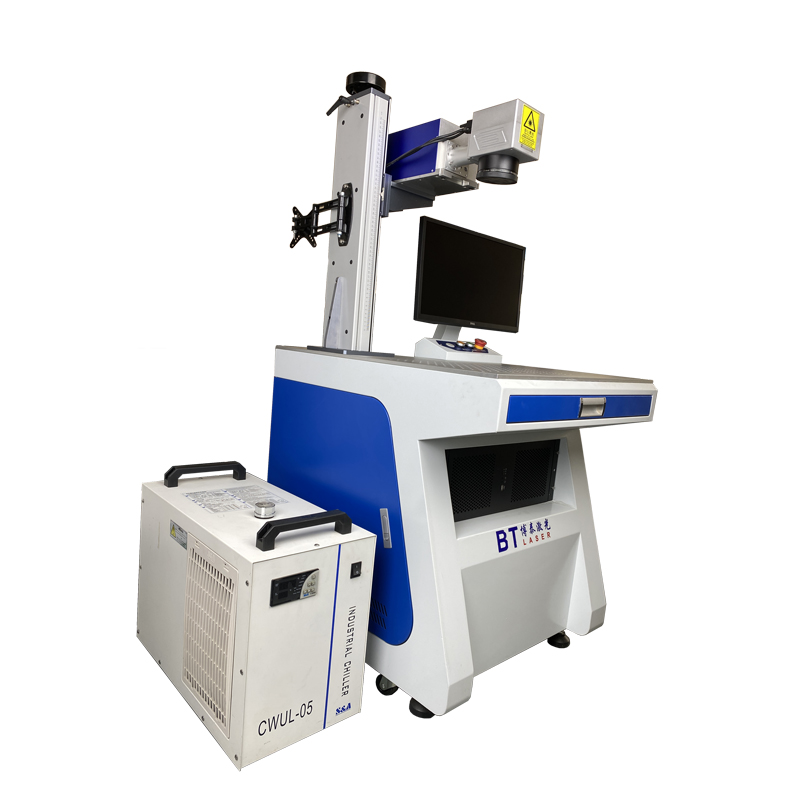








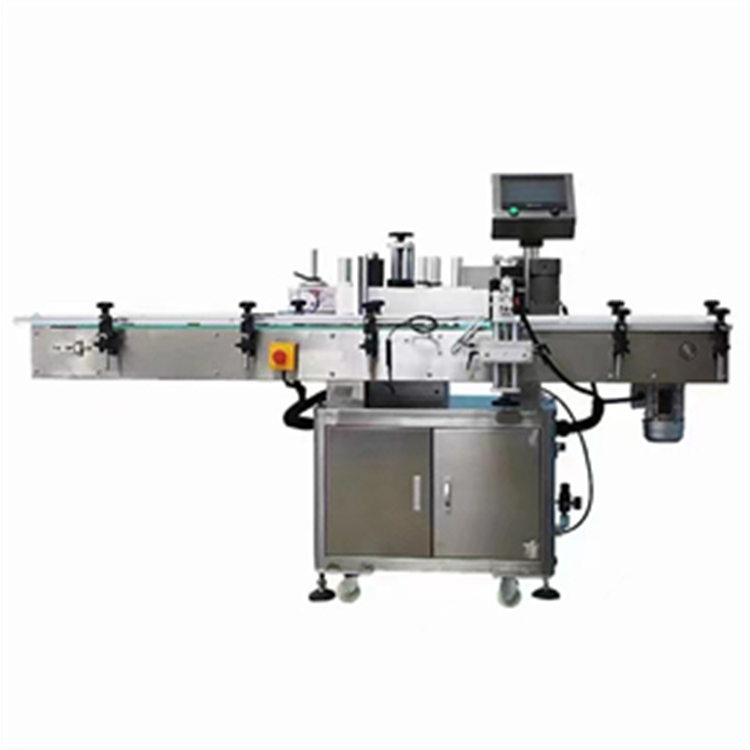

The coding machine applies pressure to the ink within the system by controlling an internal gear pump or by supplying compressed air externally. The ink is then emitted through a nozzle with a diameter of several tens of micrometers. A crystal oscillator signal above the nozzle splits the continuous ink line into droplets of the same frequency, size, and spacing. Subsequently, the droplets are individually charged as they pass through a charging electrode, with the amount of charge controlled by the central processing unit (CPU). They are then detected for correct charge and phase by a detection electrode. The charged droplets are deflected in an electric field formed by deflection electrodes and ejected from the nozzle, landing at various positions on the product surface to form the desired text, patterns, and other markings. Uncharged droplets are directed into a recovery tray and re-enter the ink circulation system within the machine.