







One, Issues with LED lighting illumination
1) LED lighting presents issues such as excessive current in the neutral wire, severe heating of the neutral wire, and a clear electrical fire hazard.
2) Frequent tripping of LED lighting switches, excessive temperature in the power transformer.
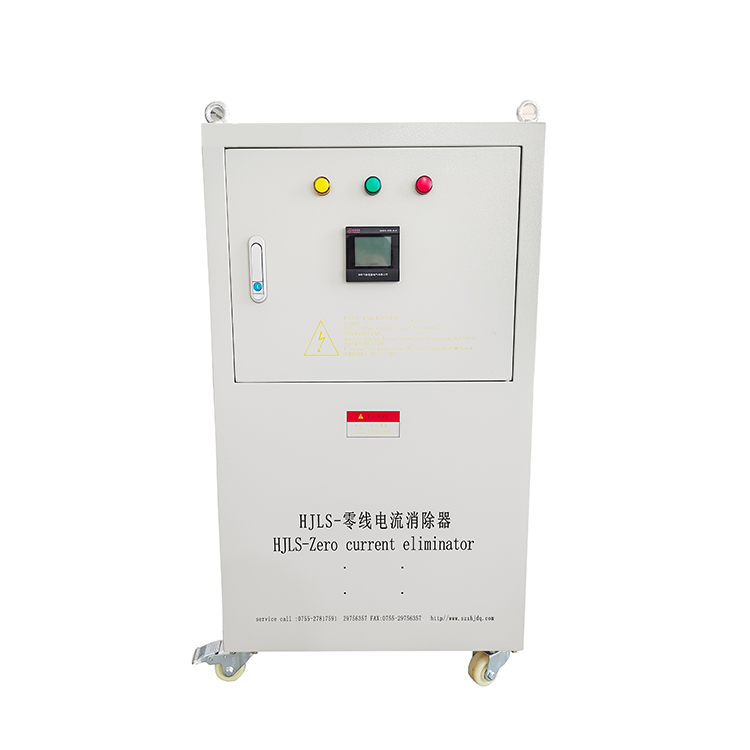
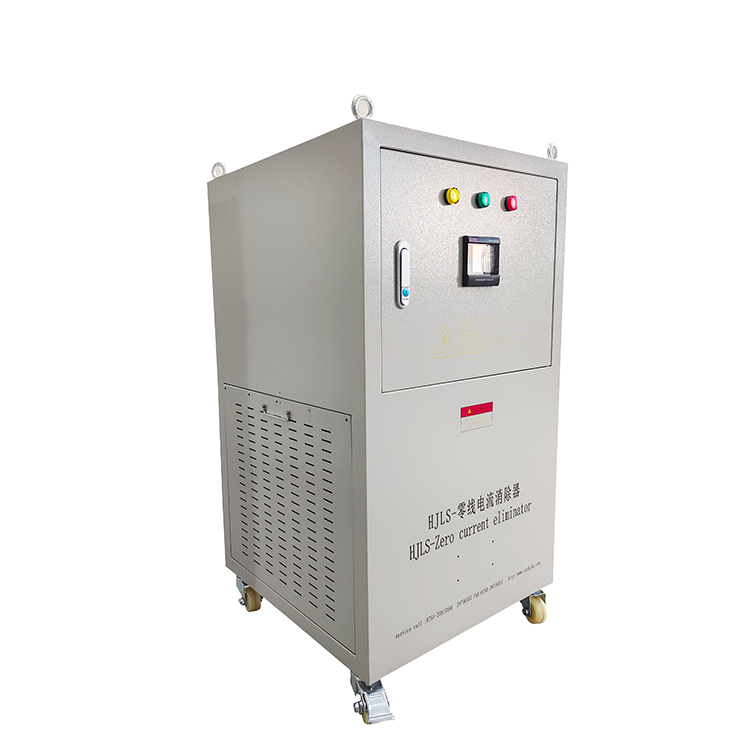
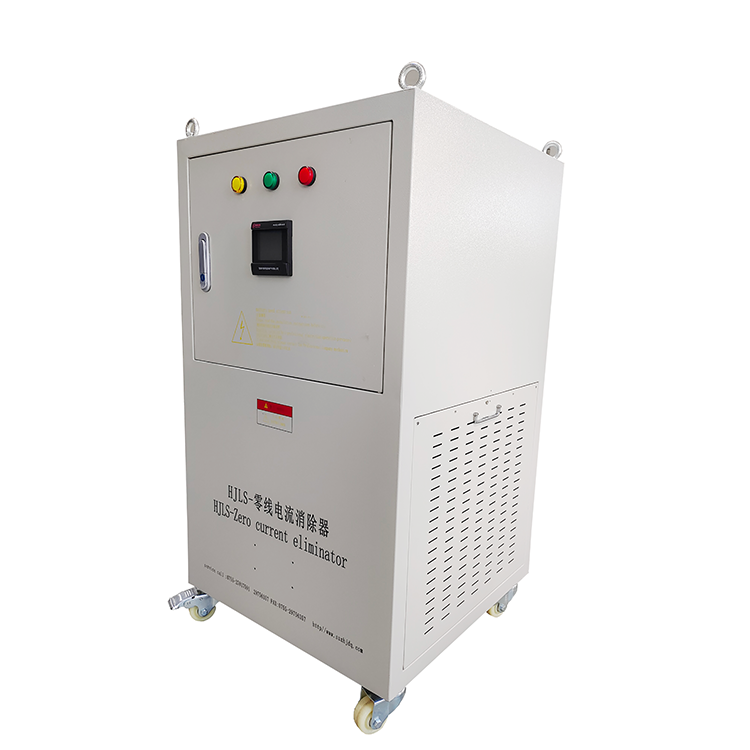
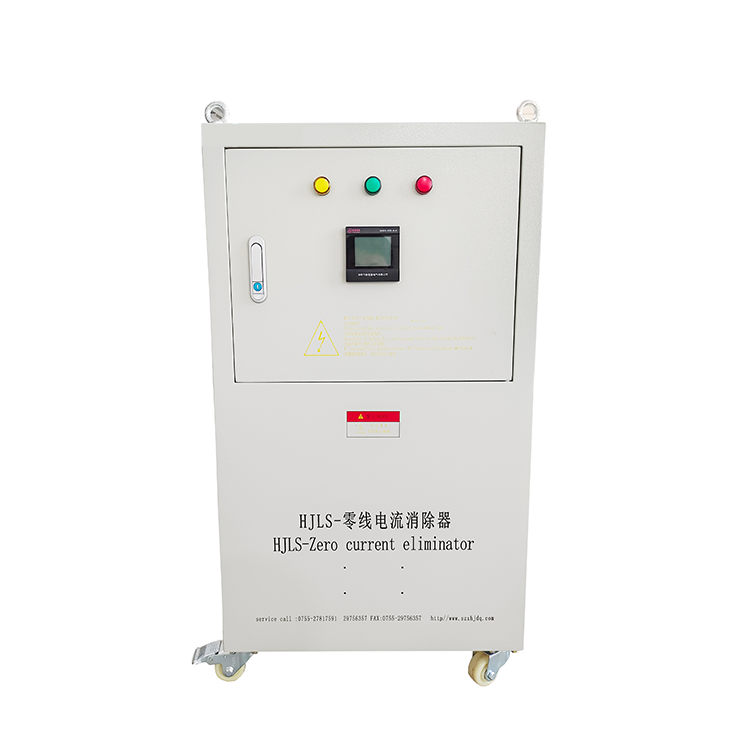
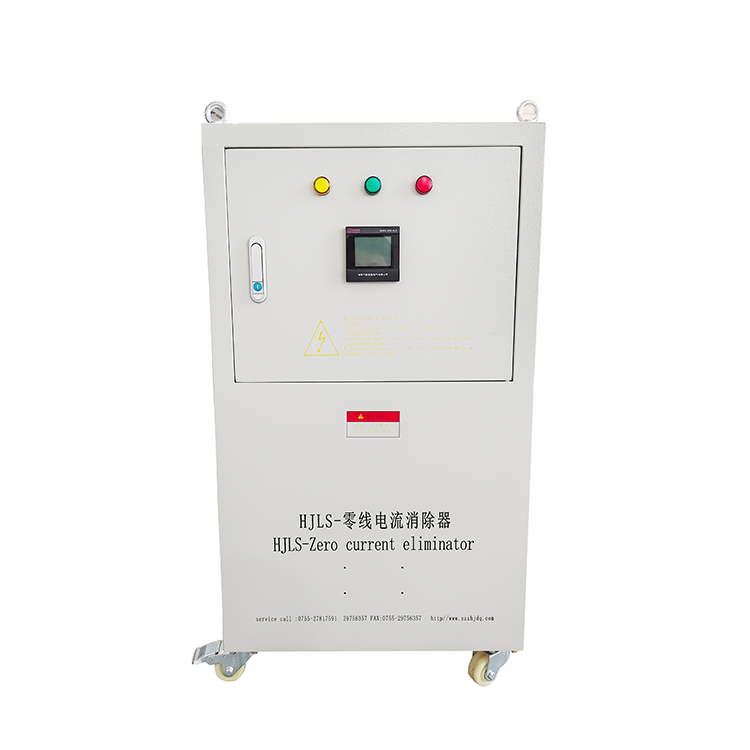
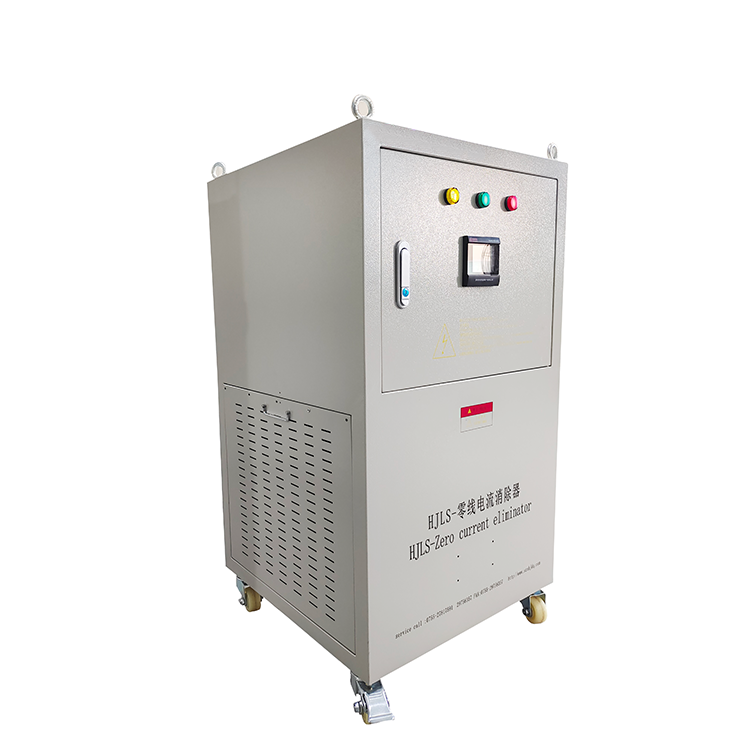
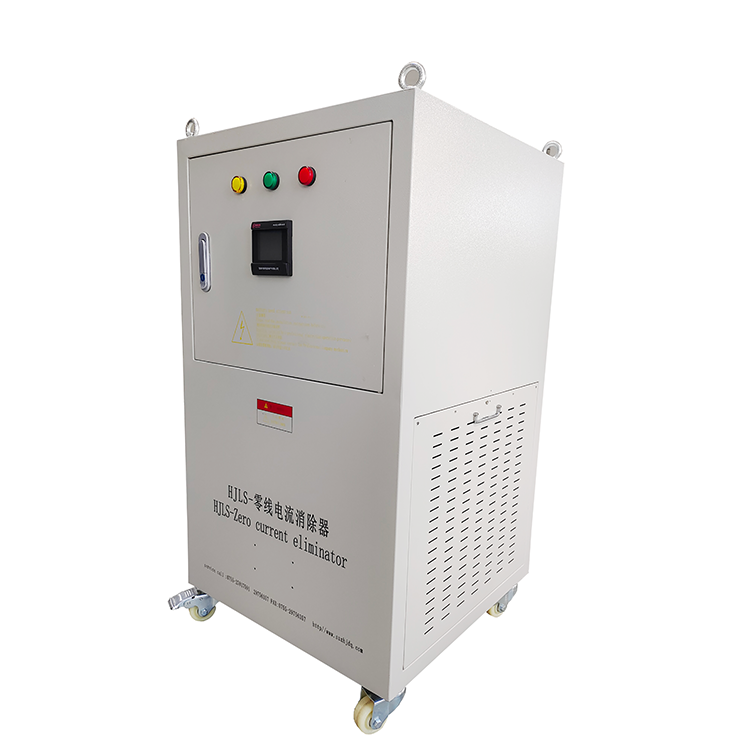
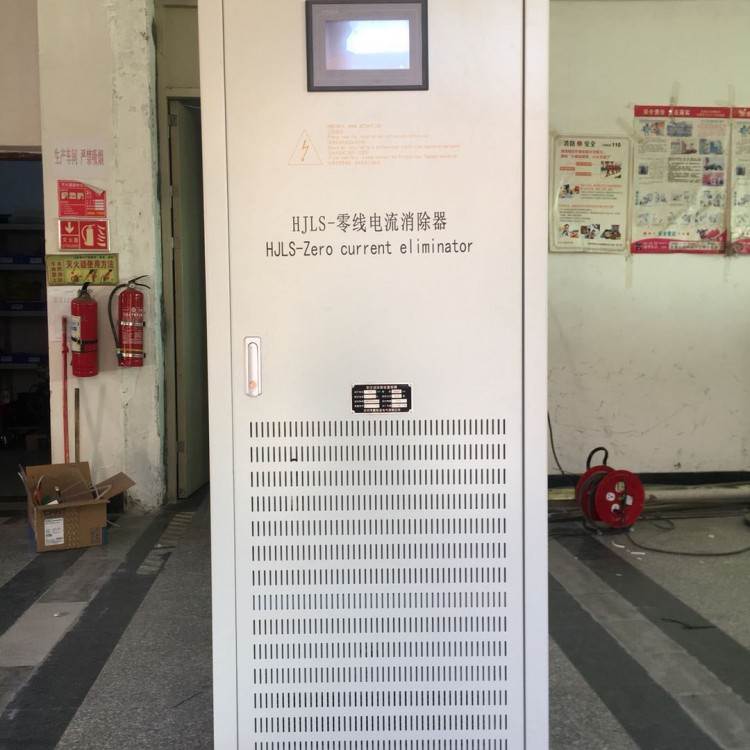
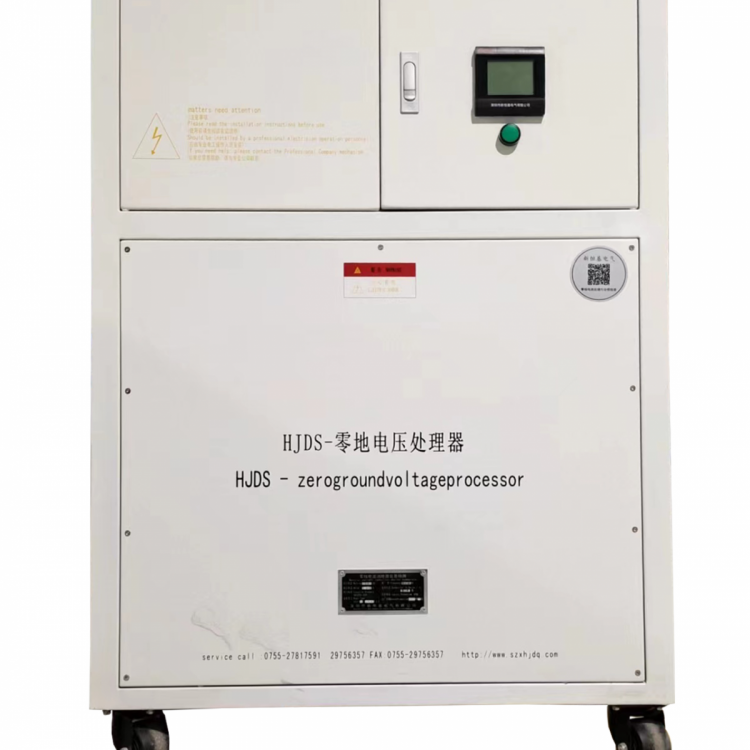
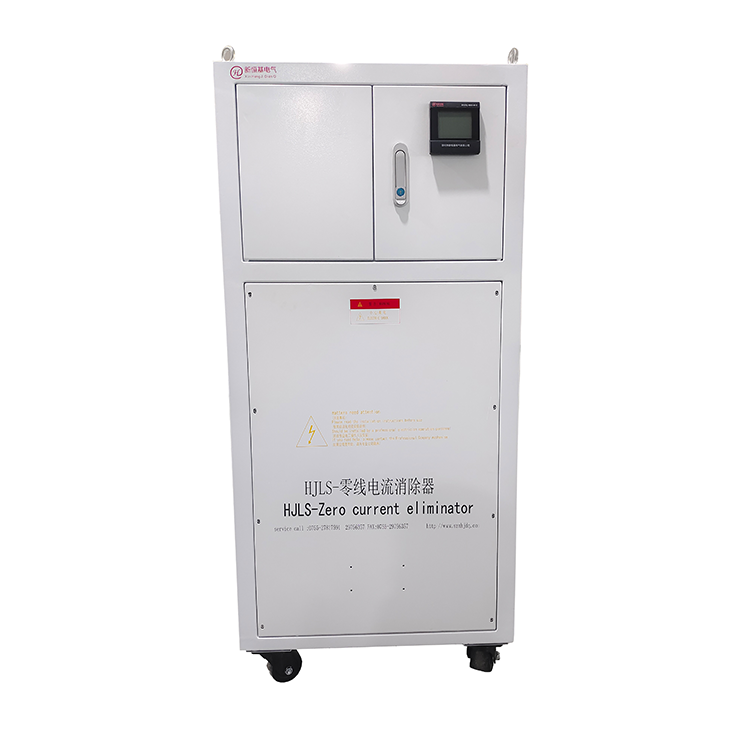
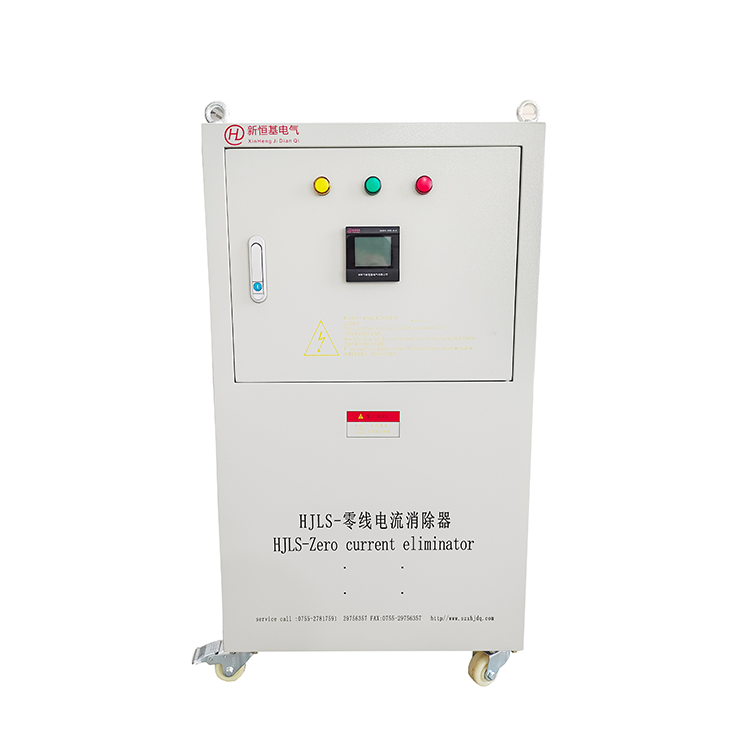
For LEDHigh-intensity neutral wire current characteristics, the company has over a decade of technical and experience achievements in neutral wire current handling, the neutral wire current eliminator is a solutionLED A quality product for excessive neutral current caused by the display screen.
Two,Line Neutral Current Eliminator for Illumination LightingBenefits
Reduce the total neutral line current of LED illumination by over 90%.
2. Prevent cables and wires from overheating, reduce losses, and save overall electricity costs by 3%.~8%;
3. Prevent aging of the neutral grounding wire to avoid short-circuiting and electrical fires.
Three、 Neutral Wire Current Eliminator for Illumination LightingProduct Features
HJLS-LType Zero Line Current Eliminator compared to traditional solutions (Zero Line Current Breaker) has the following features:
Installation Method:
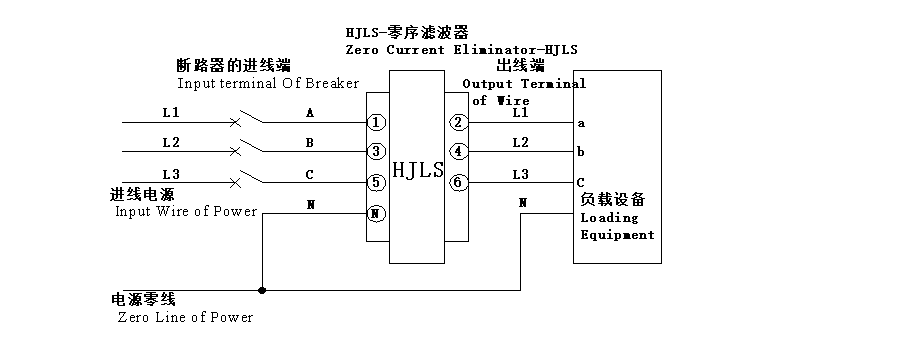
Neutral current interrupter connected in series on the neutral wireInterrupting the neutral wire increases the impedance of the neutral system, preventing the flow of 3rd harmonic currents into the neutral wire (a product phased out by the company in 2006, not meeting power supply requirements).
Neutral Current Eliminator in series with three-phaseABC's live wire does not move to the neutral line, the suppressor directly eliminates the 3rd harmonic current generated by the load (a new product of the company, meeting power supply requirements).
2. National Standards:Violation of National StandardsChapter 9, Article 6 of GBJ65 "Code for Design of Earthing for Industrial and Civil Power Installations" explicitly stipulates:No splicing of switches, fuses, resistors, and other equipment is allowed on the neutral line.
Leeter EnergyHJLS-LType)The neutral current eliminator meets all national standards requirements.
3. Personal Safety: Neutral Wire Current InterrupterAfter installationNeutral wireGround Wire StrapsVoltage, person touches neutral wireOr ground wireElectrical shock hazardPlease provide the Chinese content that you would like to have translated into American English.。
Leit EnergyHJLS-LType)Neutral Wire Current Eliminator; No voltage on the neutral wire, human contact with the neutral wireWith ground wireNon-hazardous;
4. Component Safety:Fault with the stranded neutral wire product, single-phase load operates at a voltage due to the interruption of the neutral wire.Increased voltage from 220V to 380V, resulting in high voltage burnout of most loads。
LitePower EnergyHJLS-LType)Neutral current eliminator damaged.Overcurrent switch with automatic trip protectionSwitch to bypass emergency power supply.
5. Electrical Short Circuit: The neutral current interrupter increases the impedance of the neutral wire significantly.Power supply system ifA short circuit occurred; the short-circuit current decreased, and the leakage time prolonged.May result inFailure of the upper circuit breaker to trip can lead to electrical fires.
Litet PowerHJLS-LType)Neutral Current Eliminator does not alter the neutral impedance,Power supply system ifA short circuit occurred, the master switch operated normally and tripped to protect, no danger.
6. Elimination Effect: Neutral Current BreakerLowerNeutral CurrentPlease provide the Chinese content to be translated.80%Left and right。
Lyt Energy(HJLS-LType)Neutral Current Eliminator Zero-Sequence Current Rejection RateGreater than90% Above;
Guaranteed: No charge for non-compliance, free returns.
IV. Technical Data
The technical data listed in this table is the standard specification. For any special requirements, please contact us.
Working Conditions | High relative humidity: 90%RH High Environmental Temperature:40℃ High Altitude:2000m |
Basic Electrical Parameters | Rated Frequency:50Hz Rated Voltage:400V Overall Equipment Effectiveness: <3W/KVA |
Connection Method | Three-phase four-wire system, cables or copper busbars connected. |
Insulation Grade | H Grade (B Grade under normal operating conditions) |
Protection Class
| IP30 |