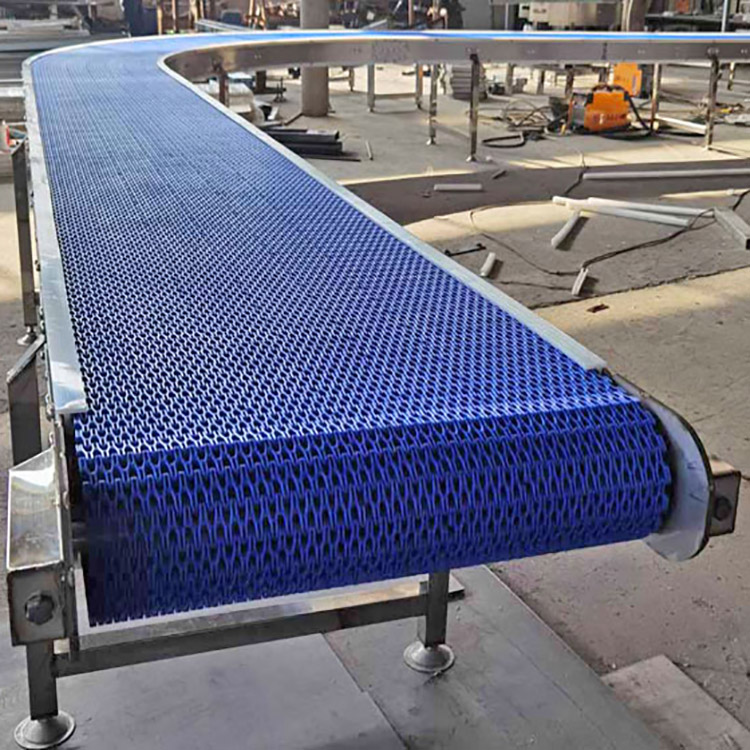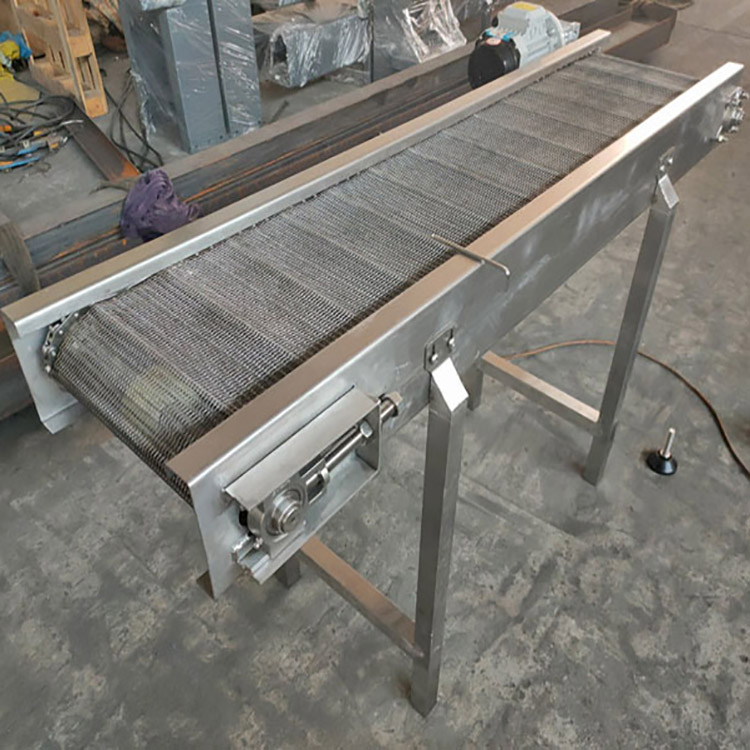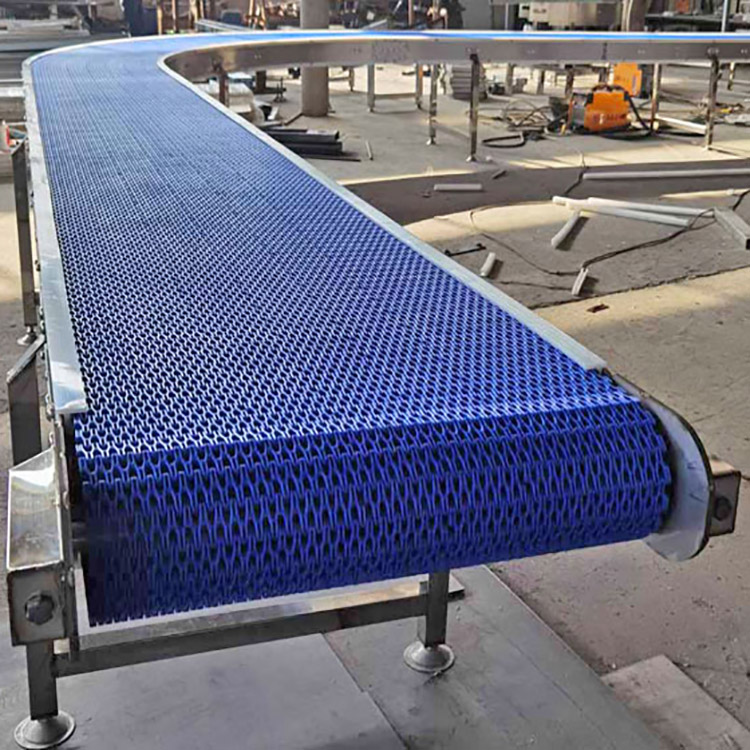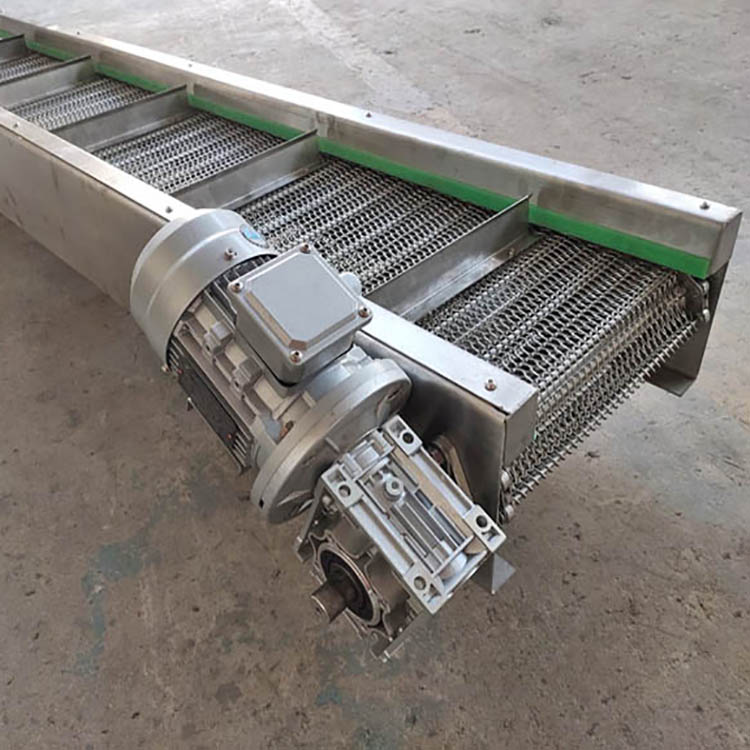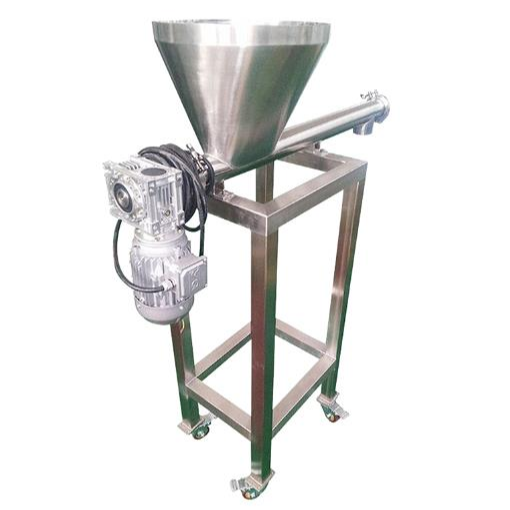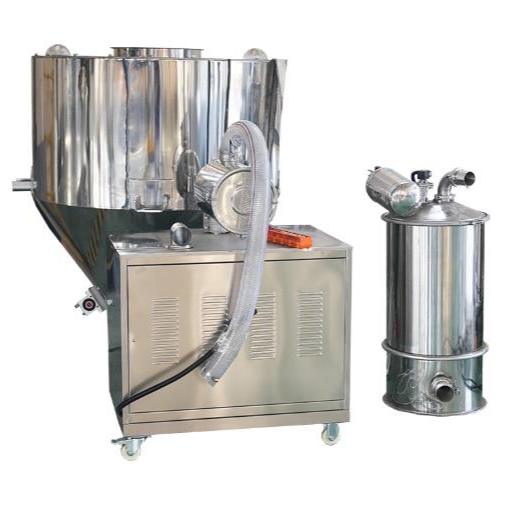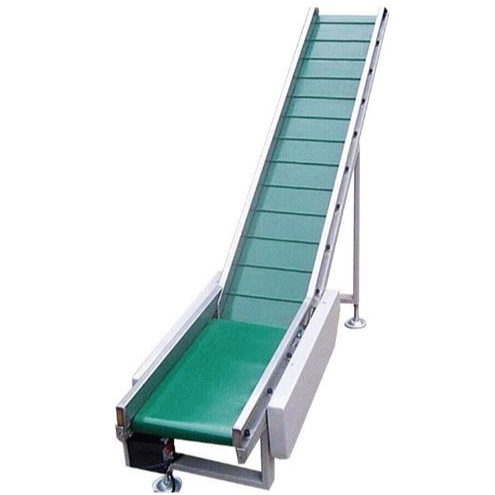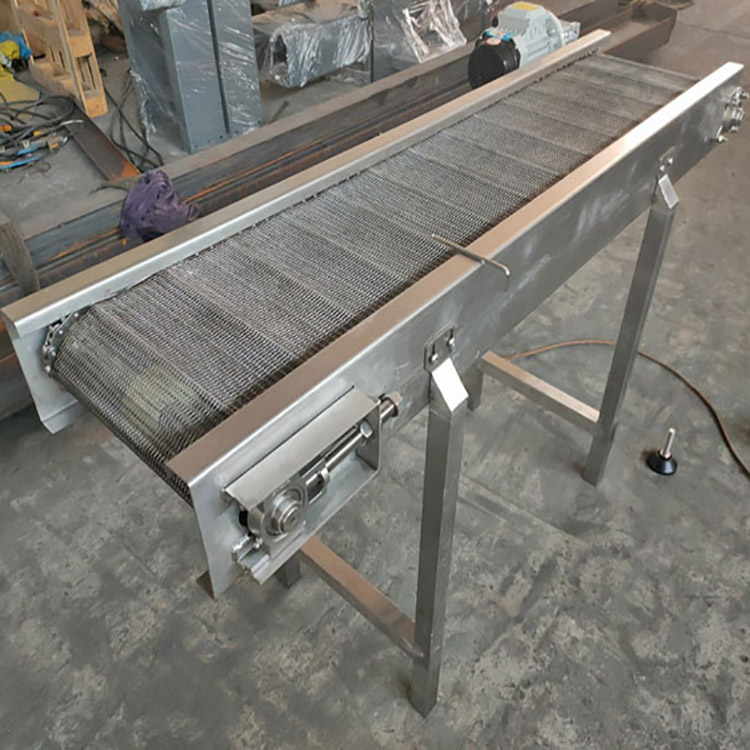
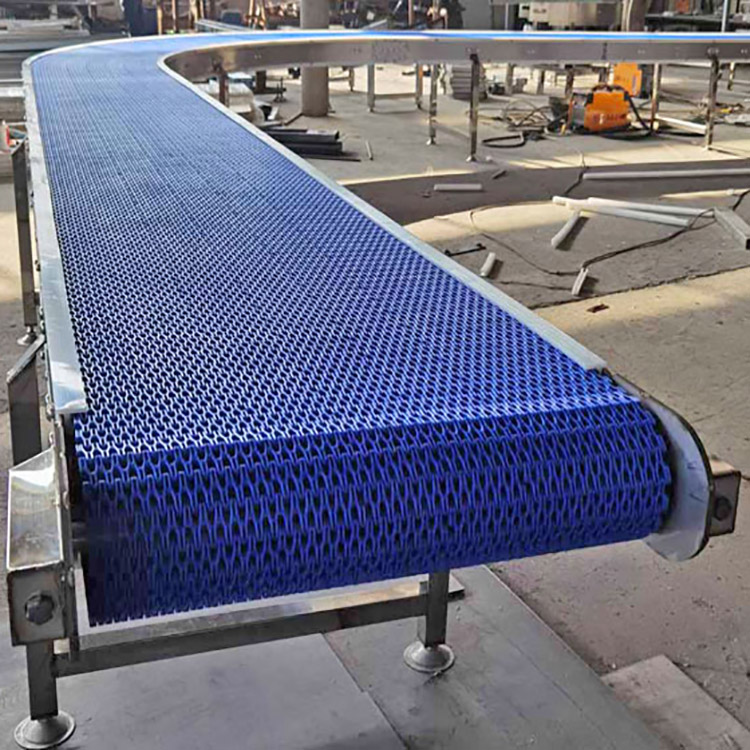
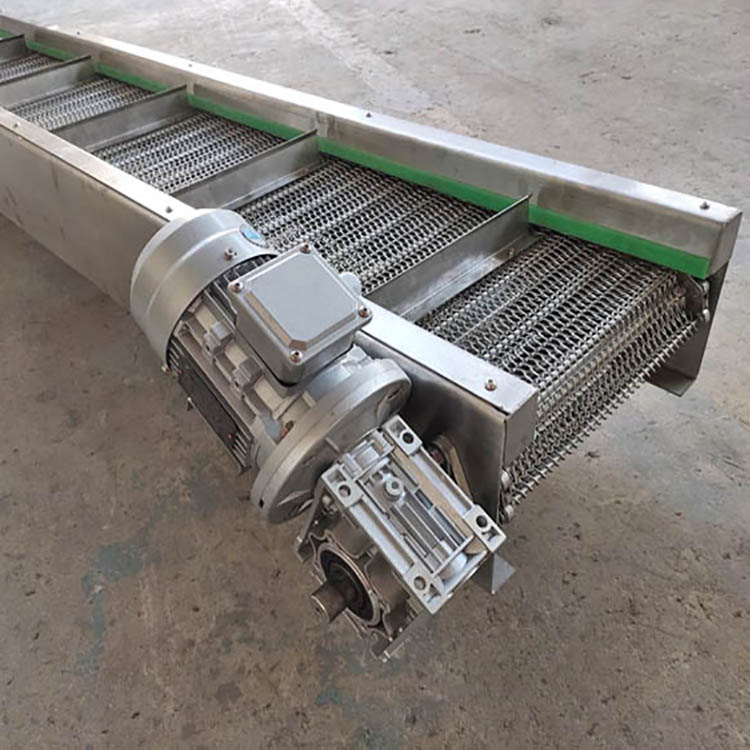



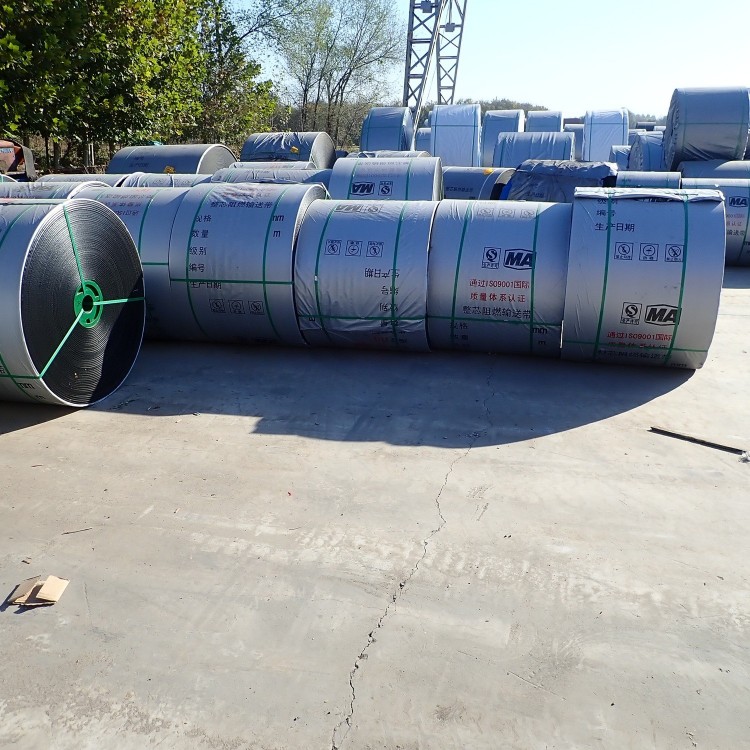

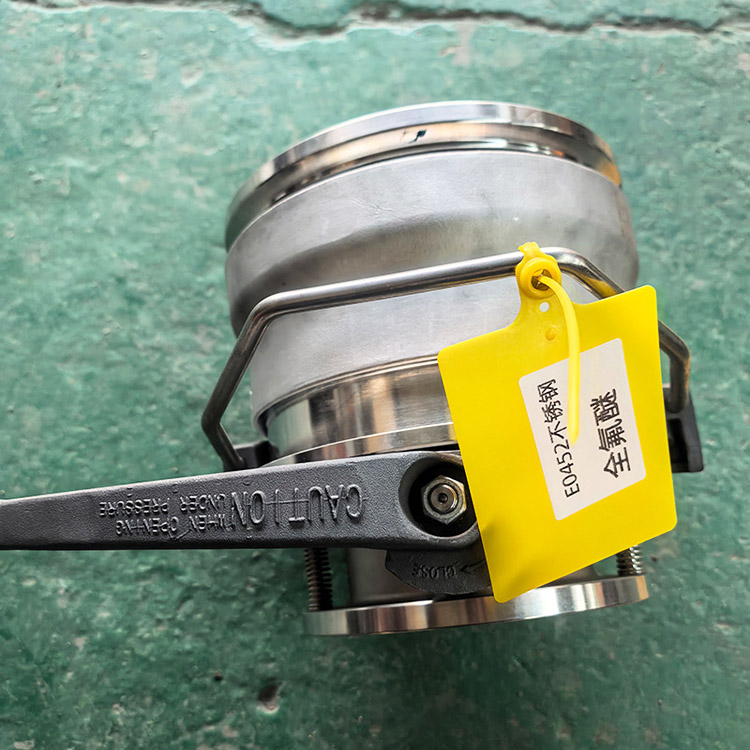





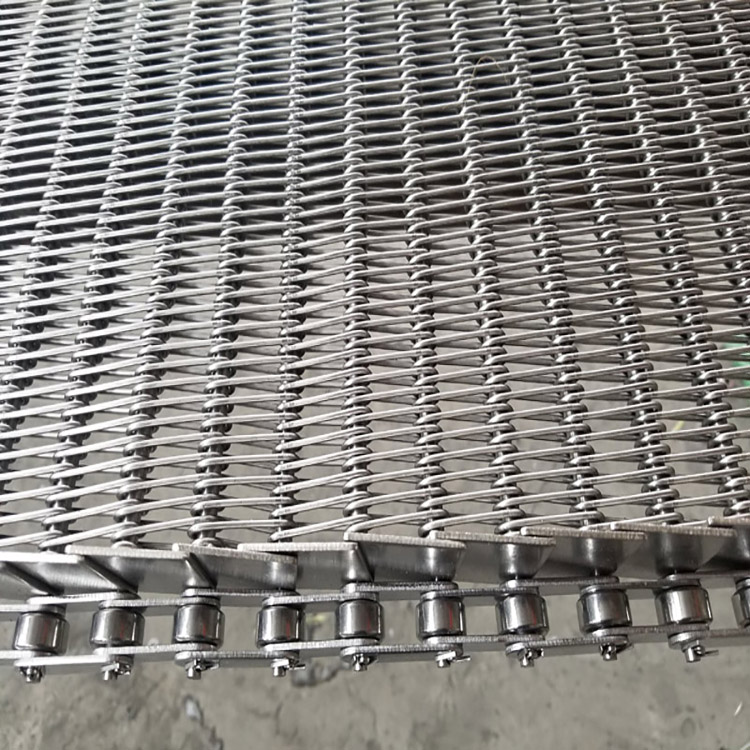
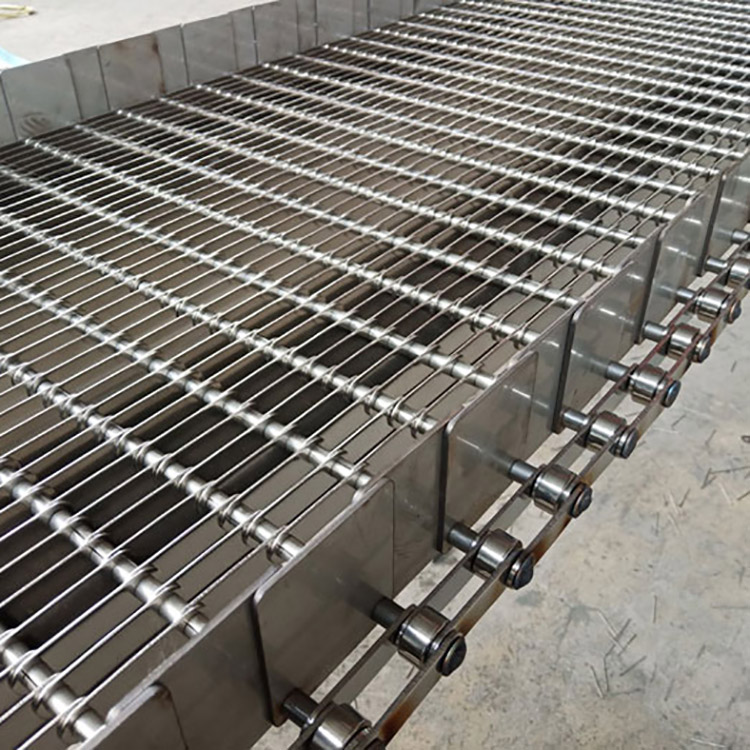
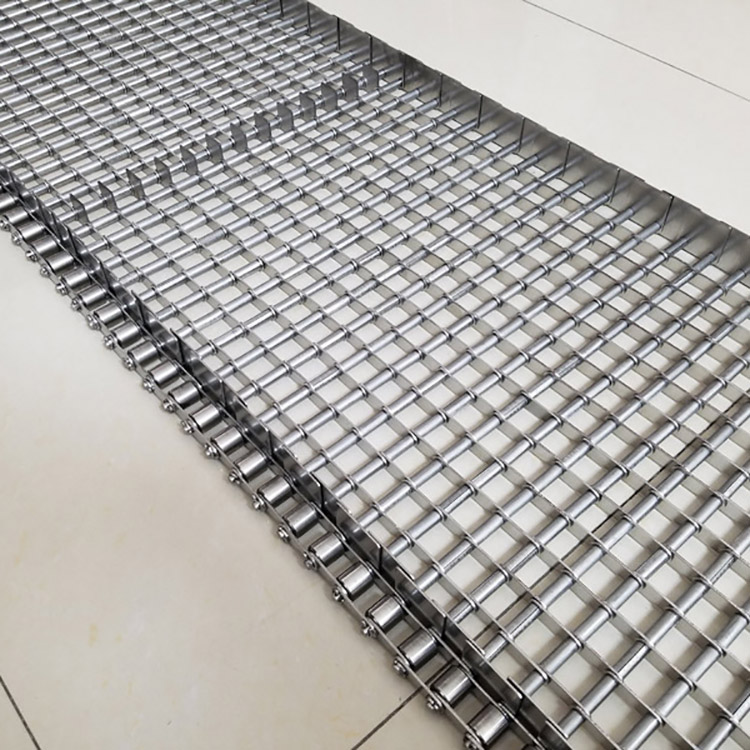
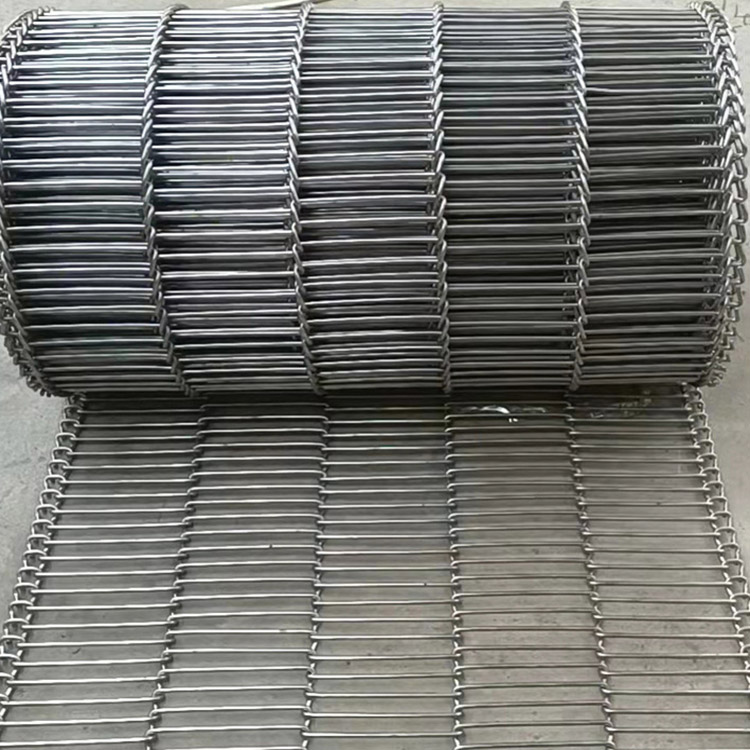
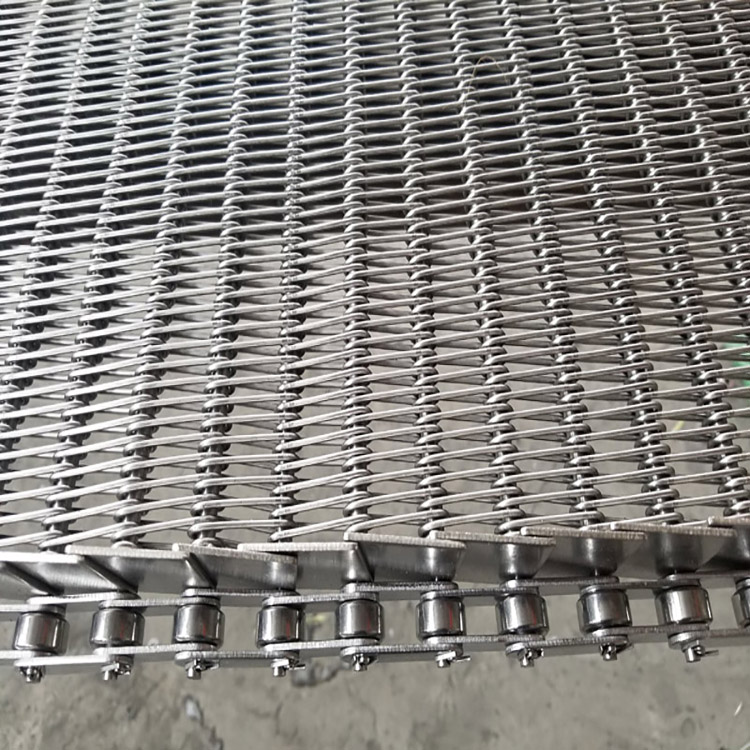
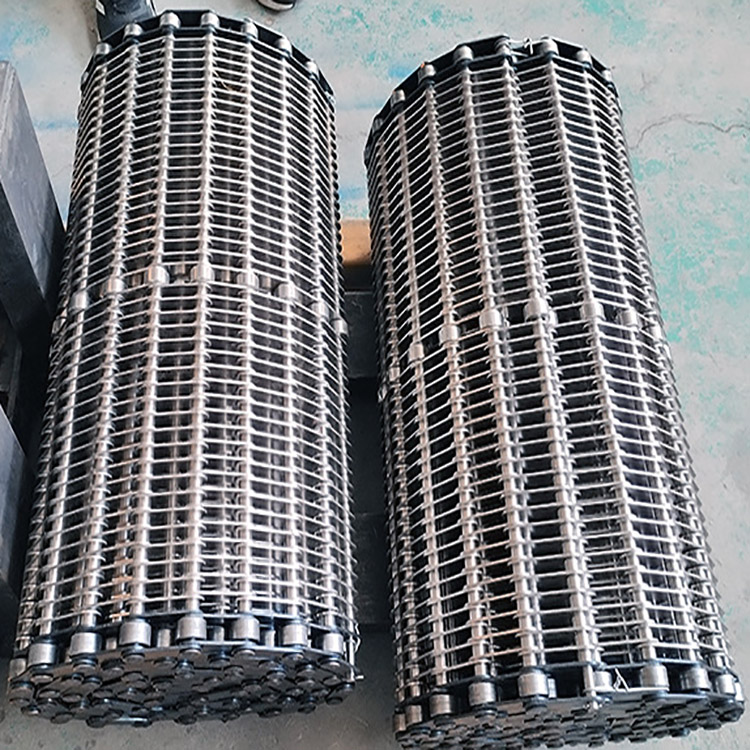
Belt conveyor features: Large load-bearing capacity, strong transparency, and wide adaptability. By changing the belt material, the belt conveyor becomes even more powerful, not only completing normal conveying but also achieving functions such as material dropping, tumbling, heating, and drying. As a manufacturer of type B belt conveyors, we stand out among various conveying equipment. With the continuous development of various industries, including belt conveyors and other types of conveying machinery, have seen further development and application. According to the introduction of relevant technical personnel, it can be known that this belt conveyor has evolved from originally being a matching component for imported equipment to now being independently developed and manufactured, from early food conveying to now drying conveying, cleaning conveying, and high-temperature conveying, and from plastic belts to metal belts, all of which verify the progress and development of the belt conveyor.
1. Belt conveyors should be supervised by a fixed personnel during operation. The supervisors must possess general technical knowledge and have a comparative understanding of the functions of this conveyor.
2. The company should draft "Equipment Protection, Maintenance, and Safe Operation Procedures" for the watchmen to adhere to. Watchmen must have a shift handover guideline.
3. The feeding to the belt conveyor should be even, and the price for the type B belt conveyor conveyor, excessive feeding must be avoided to prevent the feed hopper from being filled with material and overflowing.
4. During the operation of the conveyor, unauthorized personnel must not approach the machine; no one is allowed to touch any rotating parts. In case of a defect, it is necessary to continue the operation immediately and eliminate the defect.