









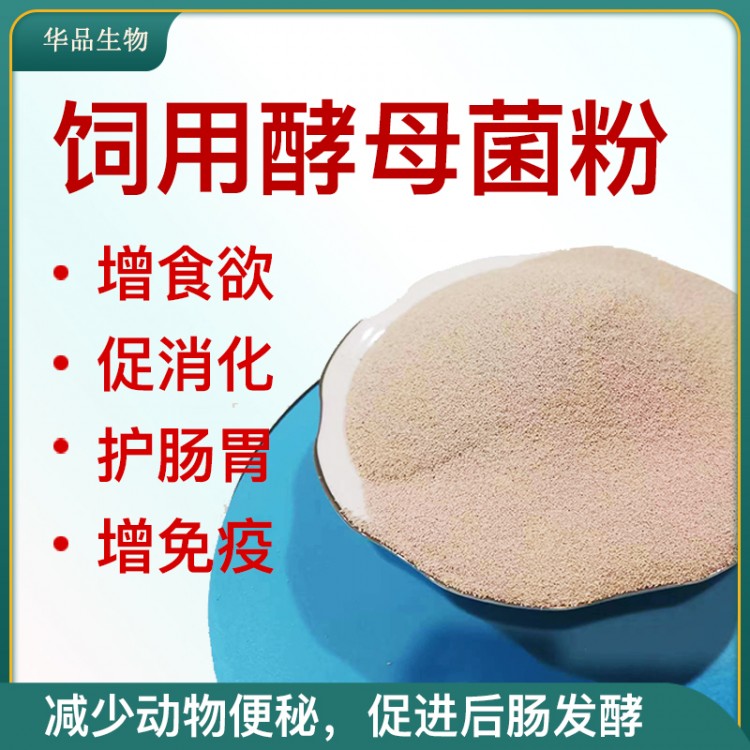
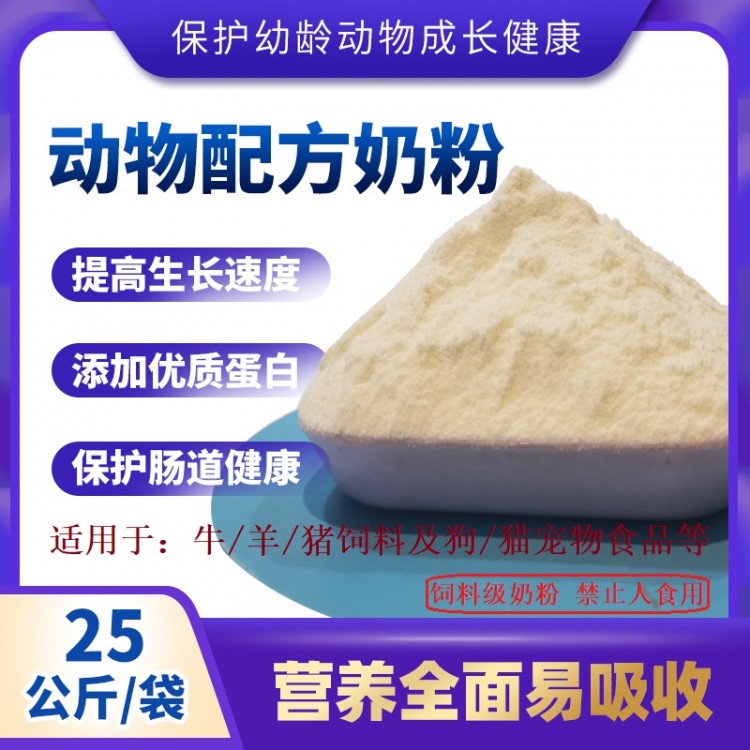
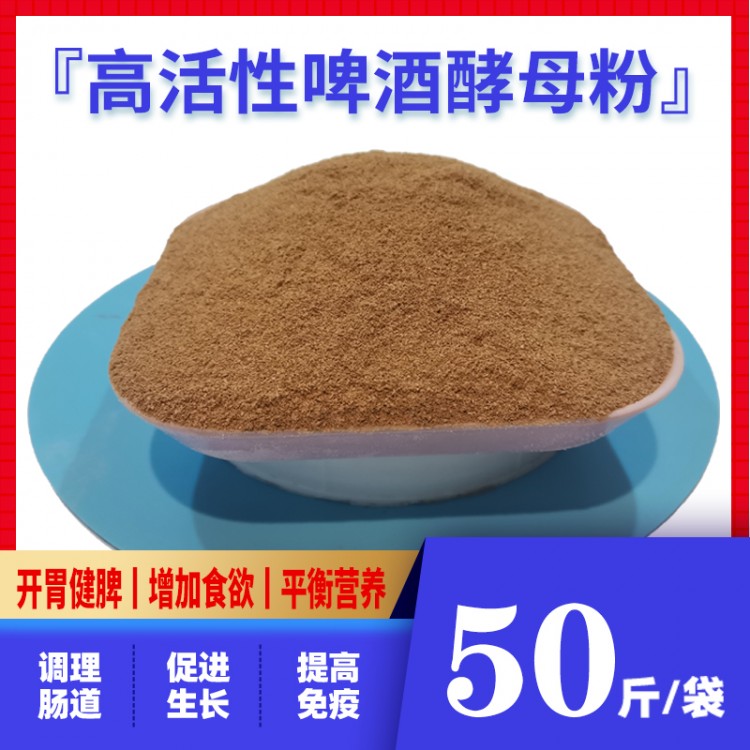

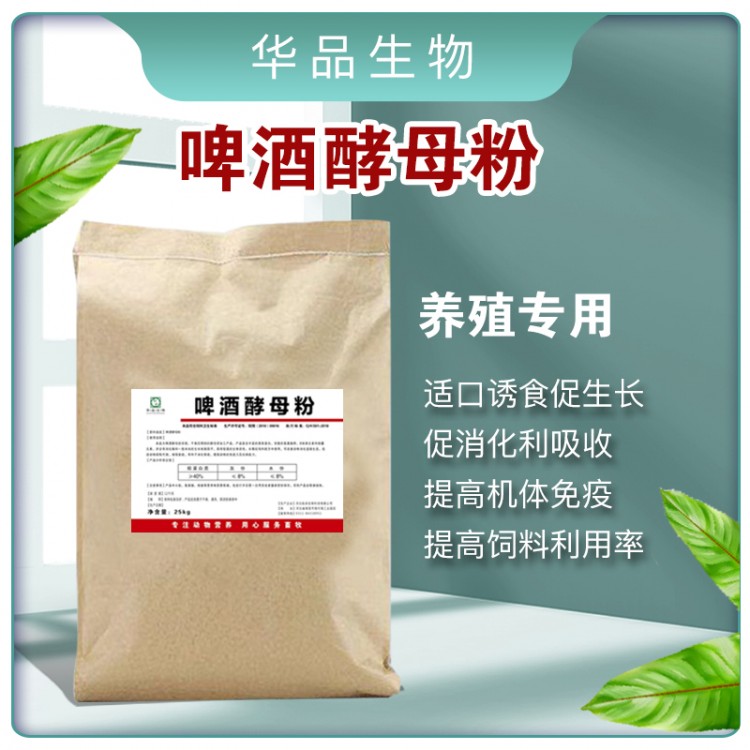
Yeast cell wall is a green additive rich in β-glucans and mannooligosaccharides (MOS), among other bioactive substances. It enhances immunity, prevents and treats diseases, promotes growth, alleviates stress, absorbs mycotoxins, and supplements nutrition, boasting a wide range of physiological functions. It is sourced broadly, with low production costs, and has been applied in animal husbandry for pigs, poultry, ruminants, and aquaculture. In recent years, as the livestock industry shifts towards intensification, large-scale production, and high-density farming, it is prone to various stressors, primarily leading to reduced immunity, high mortality rates, and compromised quality of animal products, significantly diminishing farming profitability. Addressing these issues through feed additives has become a routine approach. Studies show that yeast cell wall is a novel green feed additive with main components that promote growth, enhance immunity, prevent and treat diseases, alleviate stress, absorb mycotoxins, and supplement nutrition in various animals. It has been widely used and demonstrated positive effects in pigs, chickens, cattle, sheep, and aquatic animals.
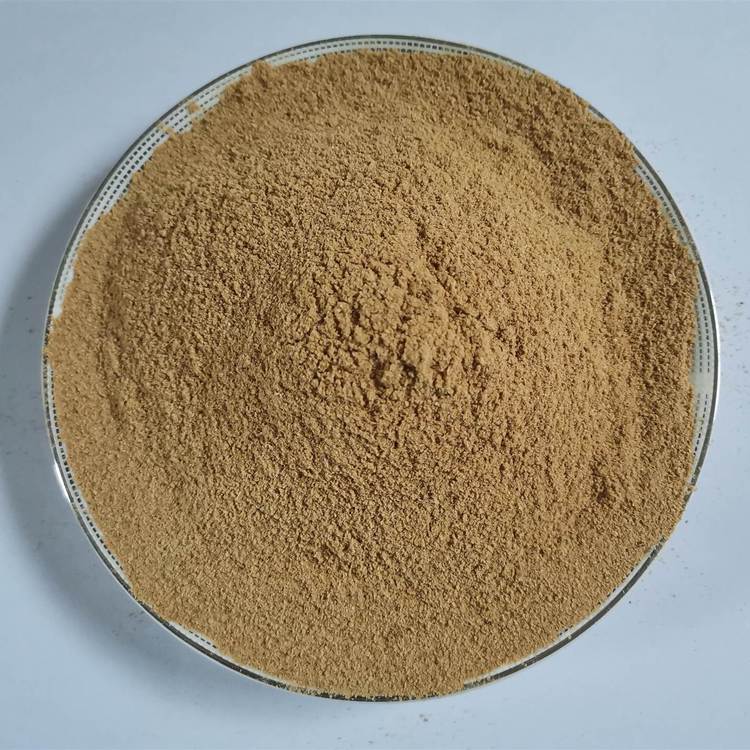
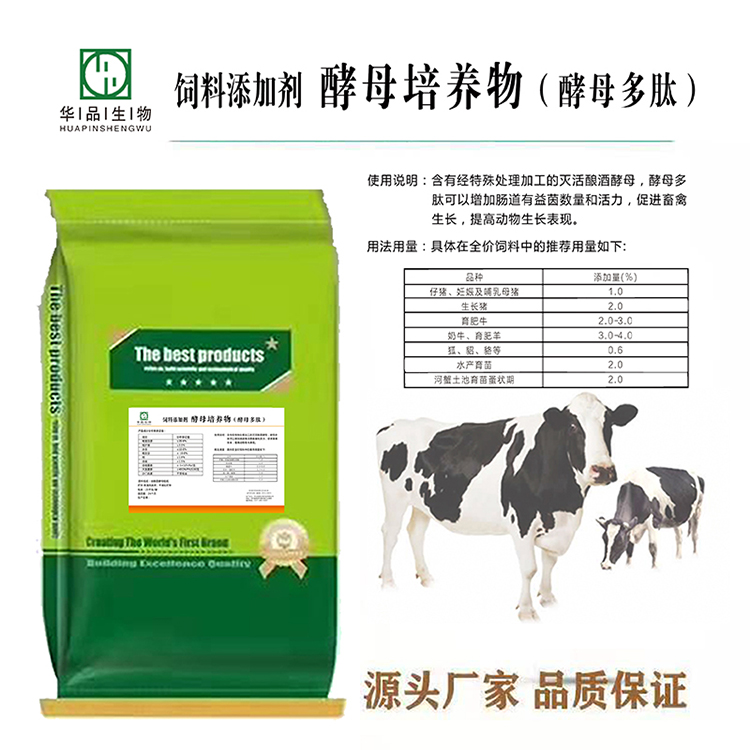
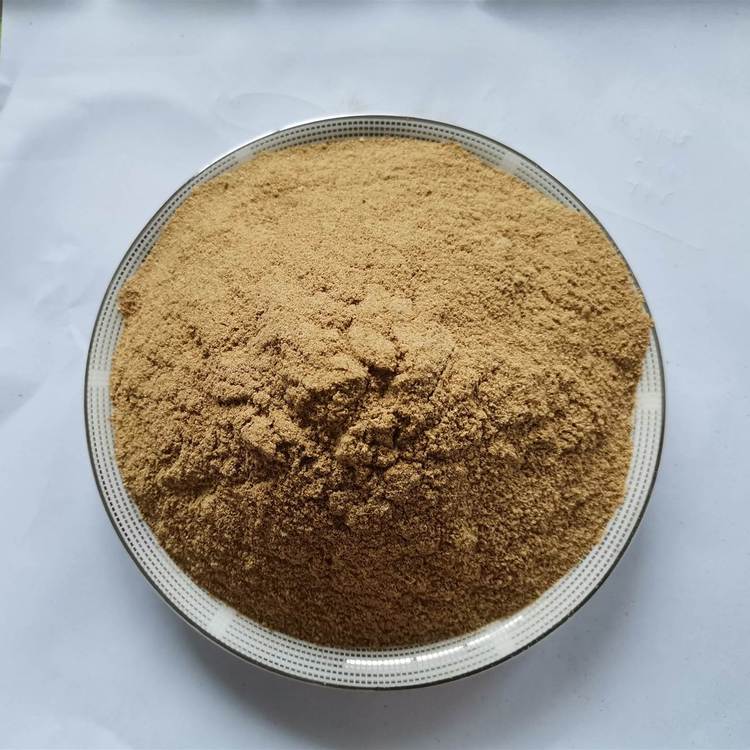
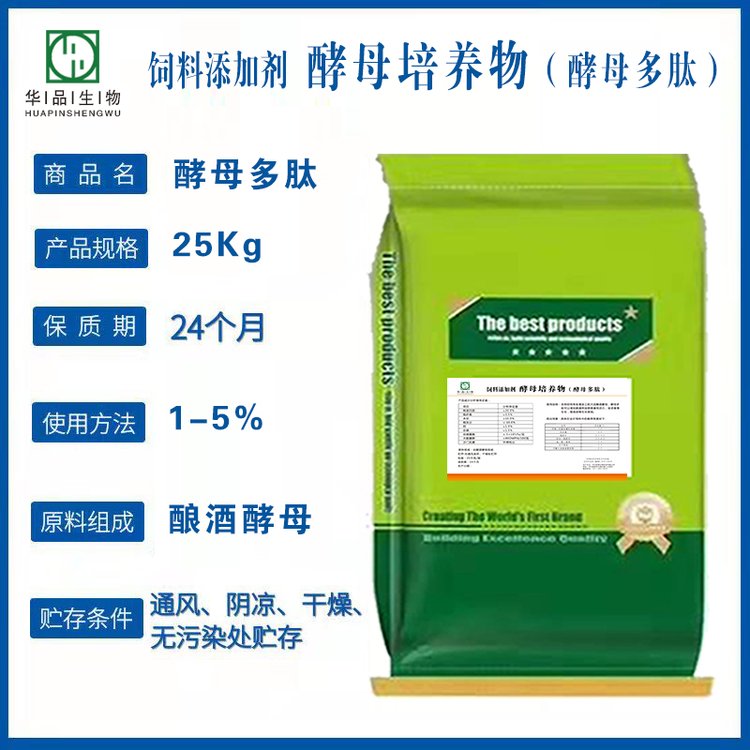
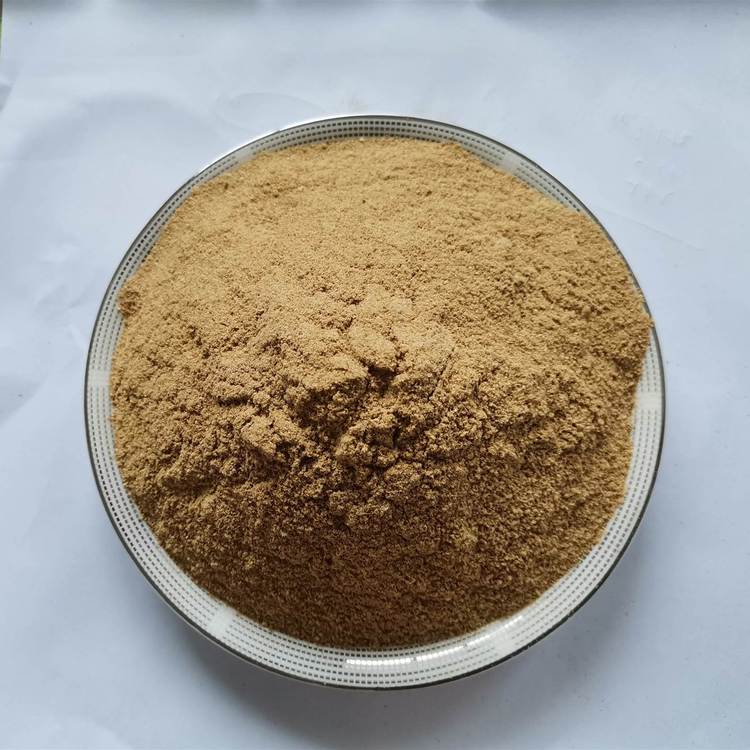
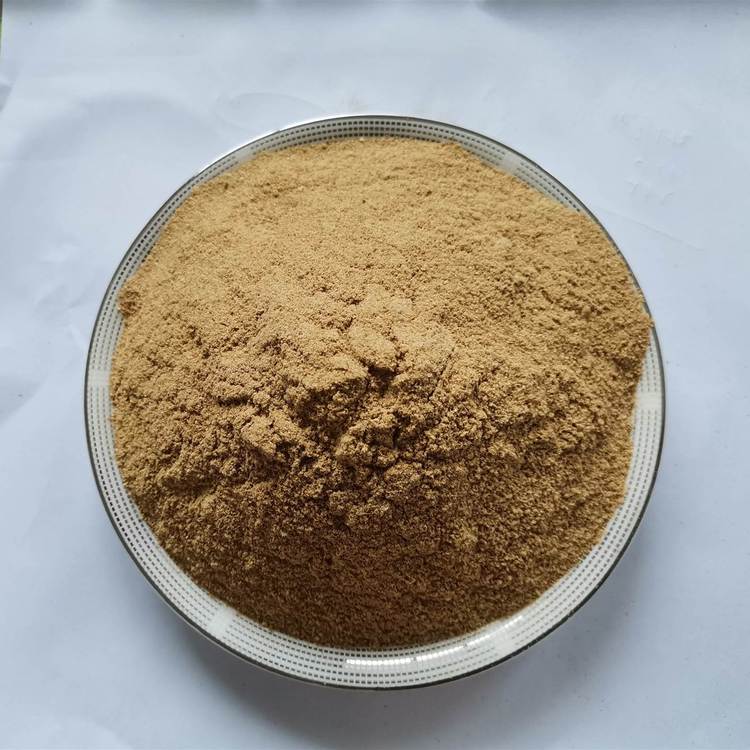
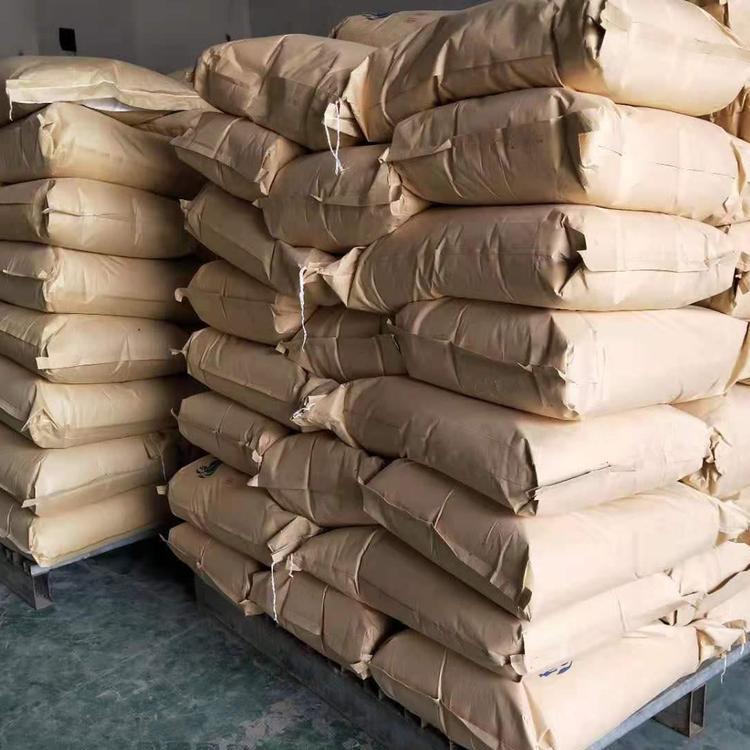
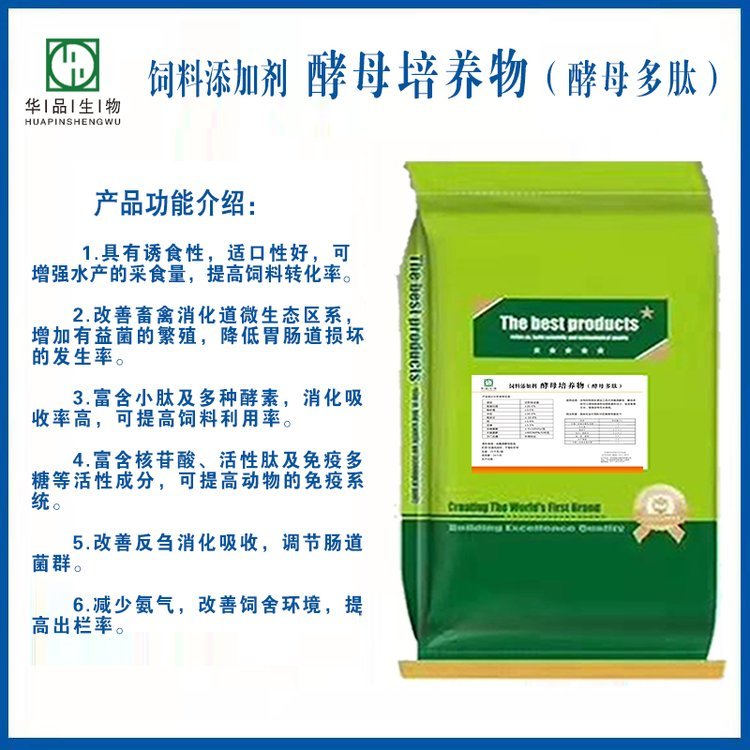
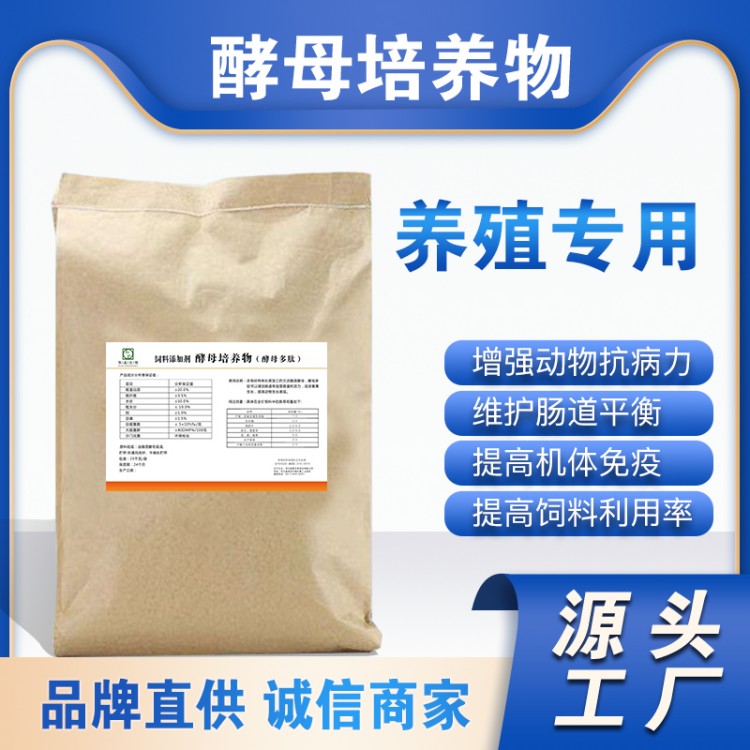
Yeast Culture (Yeast Peptides, Ruminant) [Product Description] This product is a deep-fermented product formed by using bran, corn and its products as the culture medium, and controlled fermentation under specific process conditions with brewer's yeast and other probiotics. Through the metabolic action of the microbial community, the macromolecular nutrients in the raw materials are degraded and converted into easily digestible and absorbable nutrients such as bioactive peptides, amino acids, mannans, organic acids, and growth factors. It also contains a large amount of active probiotics and metabolites.
Product Features: - Increase milk yield of cows; - Promote feed intake and aid digestion in fattening cattle and sheep, enhancing daily feed utilization; - Rich in nutrition, stable in quality, and can replace part of protein ingredients in daily feed; - Improve gastrointestinal microecology, boost immunity, resist stress, and promote healthy growth of animals; - Reduce emissions of feces, gas, and lower the incidence of respiratory diseases, protecting the environment.
Product Component Analysis Guaranteed Value
Project Criteria Project Criteria Crude Protein % ≥20.0 Organic Acids % ≥8.0 Amino Acids % ≥20.0 Crude Fat % ≥3.0 Peptides % ≥6.5 Crude Fiber % ≤10.0 Mannan % ≥0.6 Ash % ≤9.0 Total Yeast Count cfu/g ≥1.0×10⁷ Broth % ≤12.0/≤38.0 Calcium % ≤0.1 Total Phosphorus % ≤1.0 Notes: Crude Protein, Amino Acids, Peptides, Mannan, and Organic Acids are based on a dry matter basis.
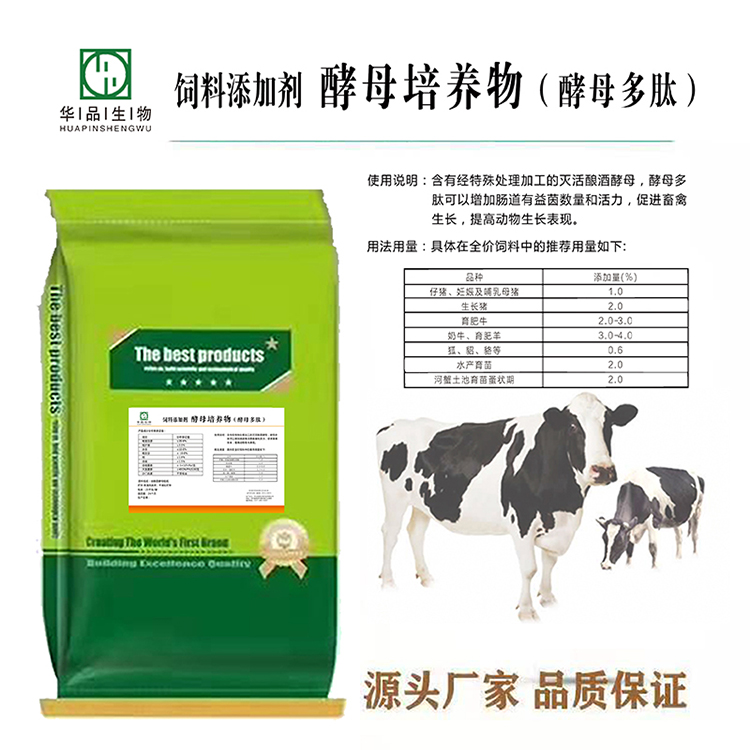
Recommended Usage: 1. Feed lactating cows at a rate of 5%-8% (1.5-2.0 kg) of dietary dry matter; 2. Feed growing and finishing cattle at a rate of 3% of dietary dry matter; 3. Feed growing and finishing sheep at a rate of 3% of dietary dry matter; 4. Concurrently, reduce the use of other protein ingredients in the diet accordingly.
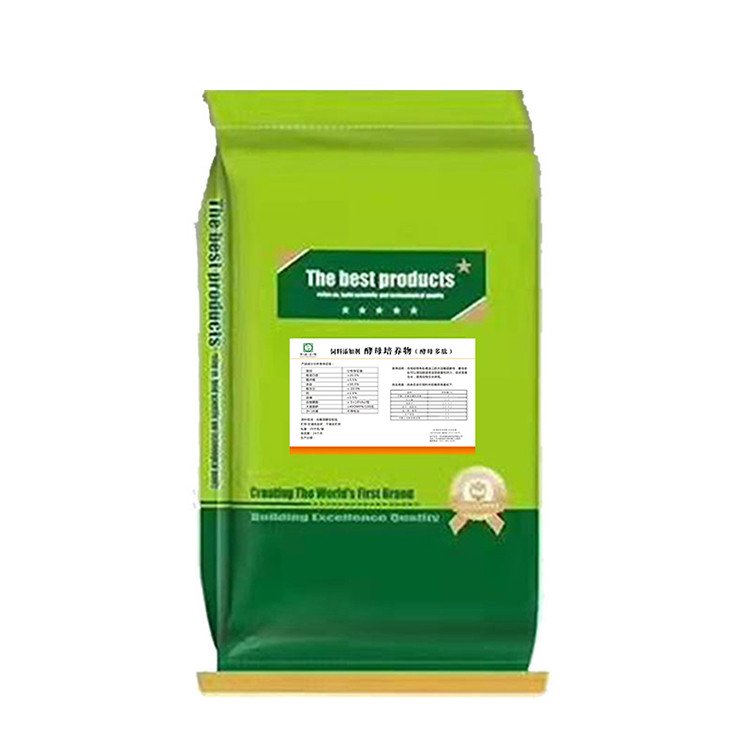
Fermentation Yeast Culture (Yeast Peptides) Product Features: 1. Rich in various antimicrobial peptides, L-lactic acid, digestive enzymes, and other beneficial metabolic products, capable of inhibiting pathogenic microorganisms, degrading metabolic toxins of pathogenic bacteria, adsorbing pathogenic bacteria, and regulating the balance of intestinal flora. 2. Processed with an extended fermentation period (over 5 days), macromolecular nutrients are fully degraded, with macromolecular proteins broken down into small molecular proteins, peptides, and free amino acids. 3. The product has a sweet and sour aromatic flavor, with a significantly reduced pH value, good palatability for animals, and can increase the amount of feed intake and promote growth in livestock and poultry. 4. Reduces animal stress responses, improves breeding environment, reduces the ammonia and odor in feces, and lowers the concentration of harmful gases. Recommended dosage: Add 1-2% to cattle, sheep, pig, and poultry compound feed, and 2-4% to aquatic compound feed and animal feed, to significantly improve the quality of animal products.