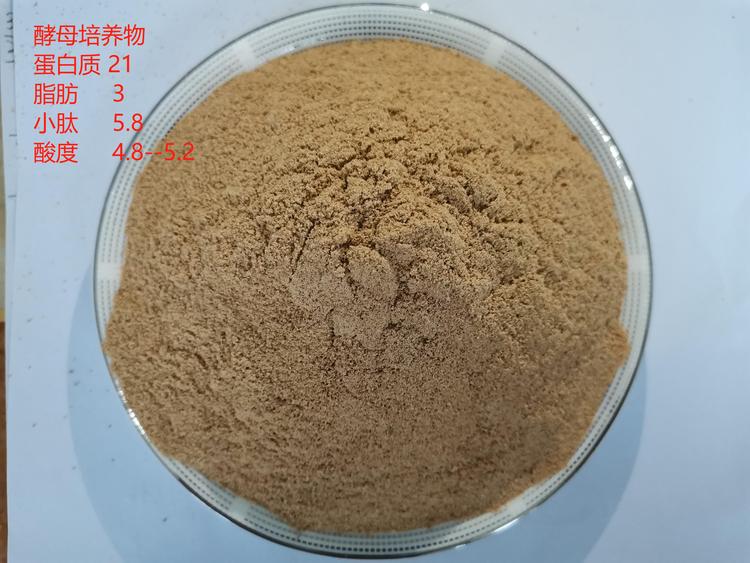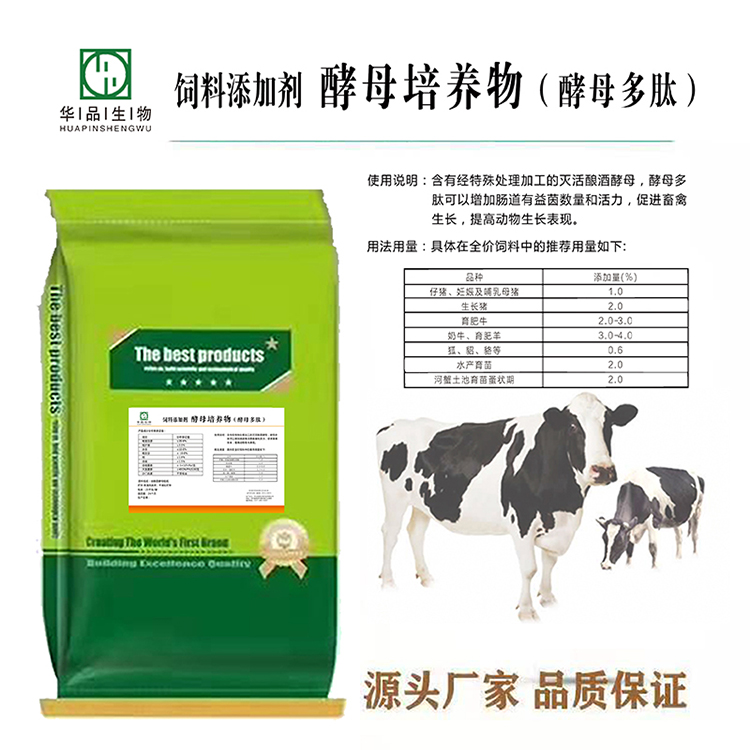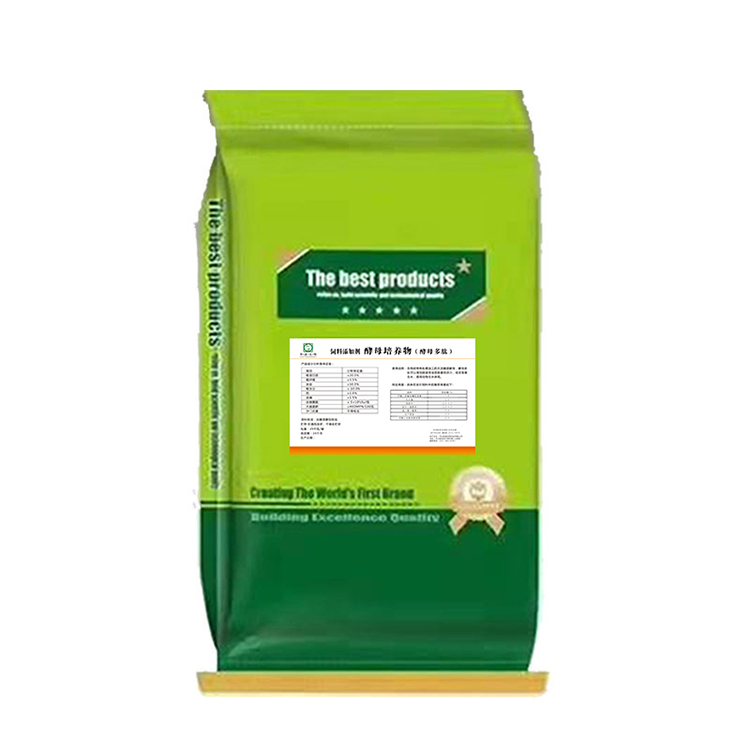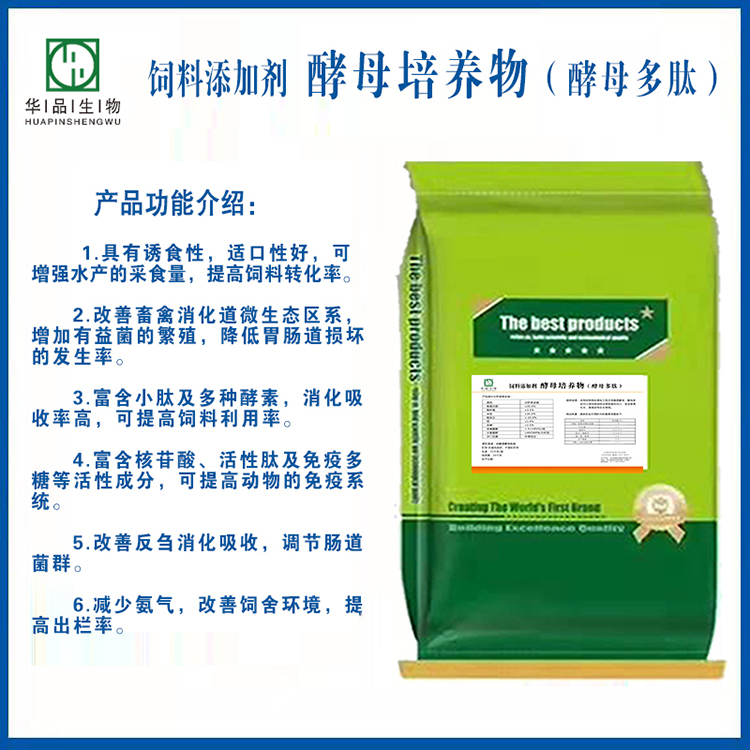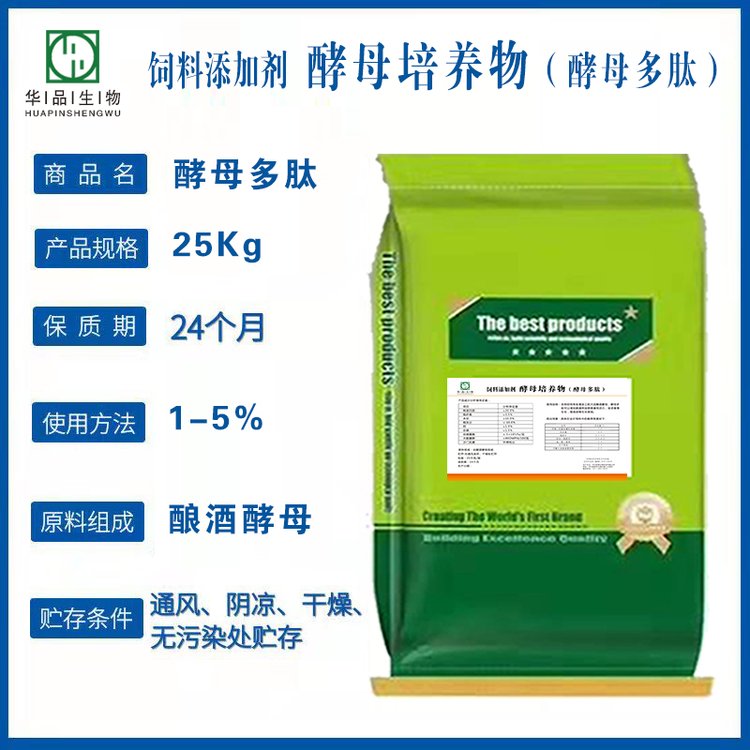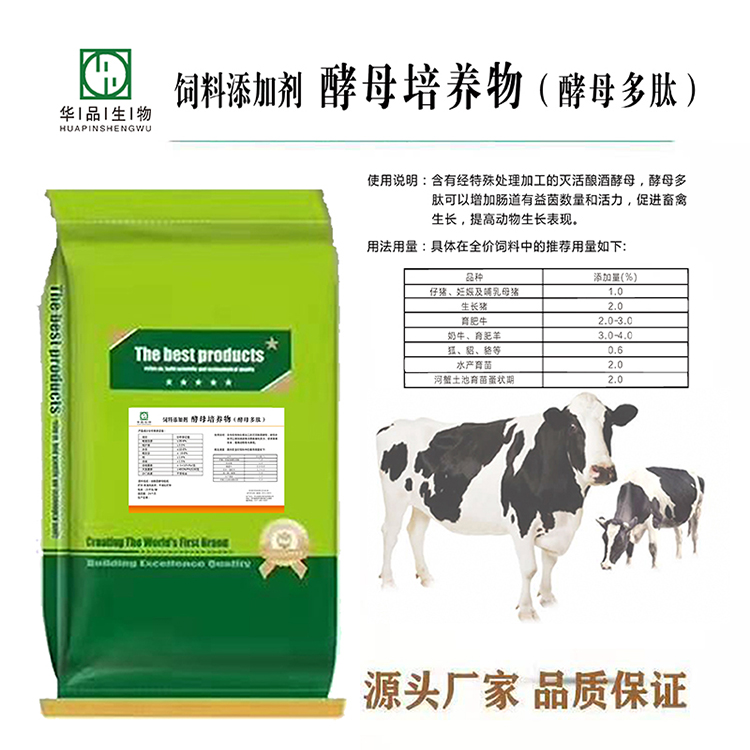

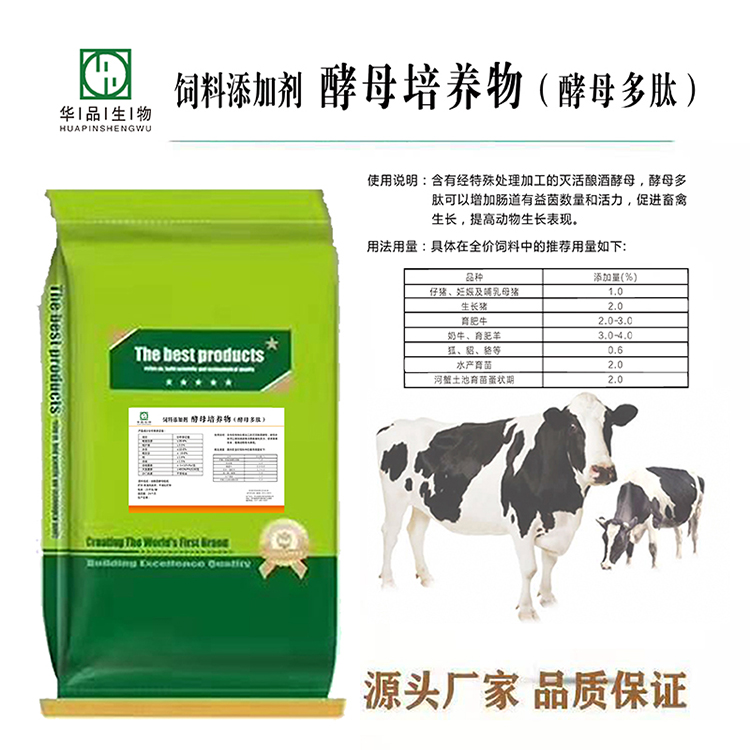









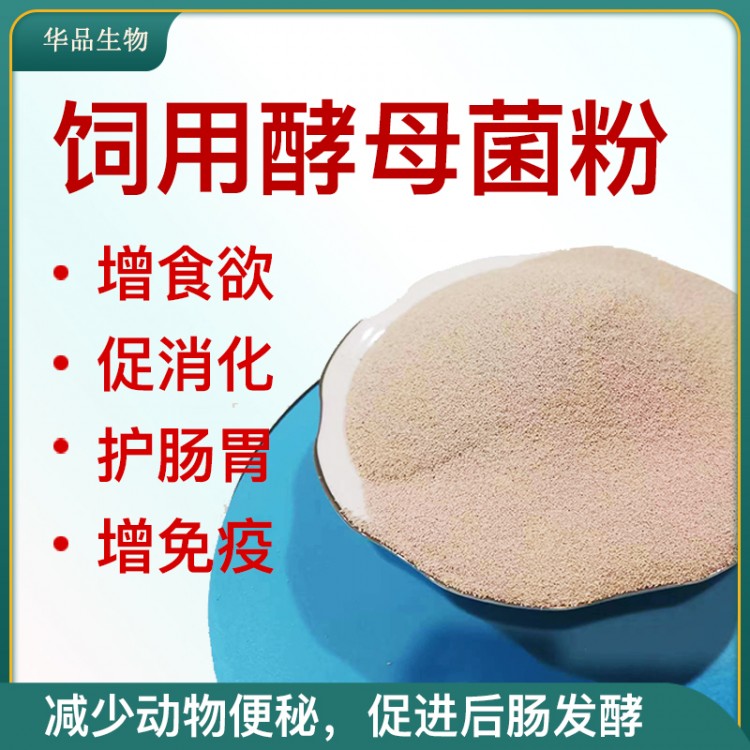
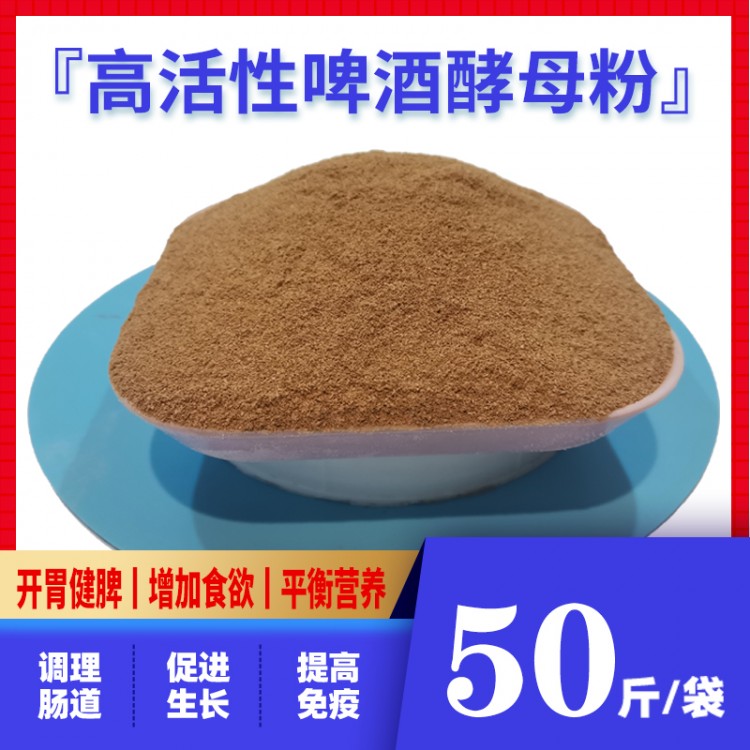

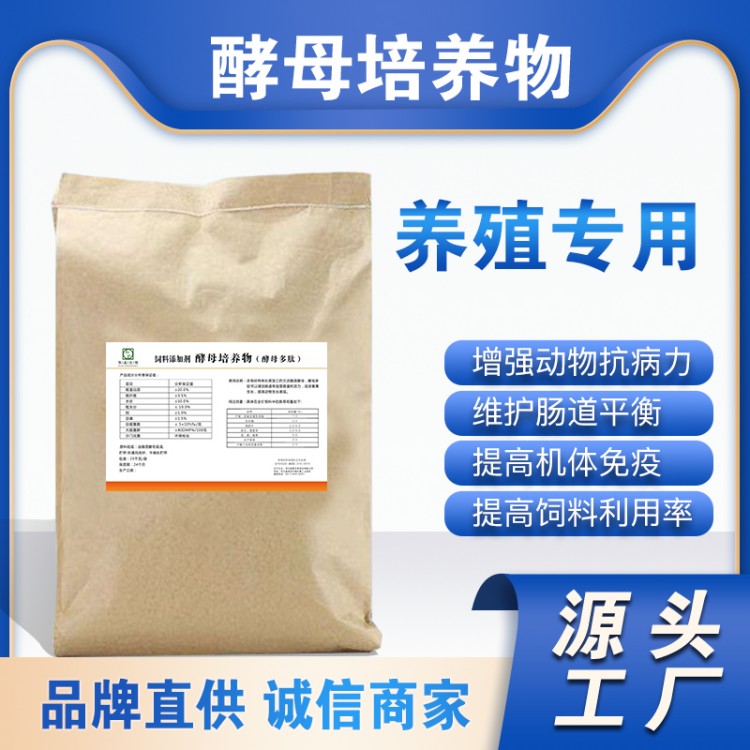
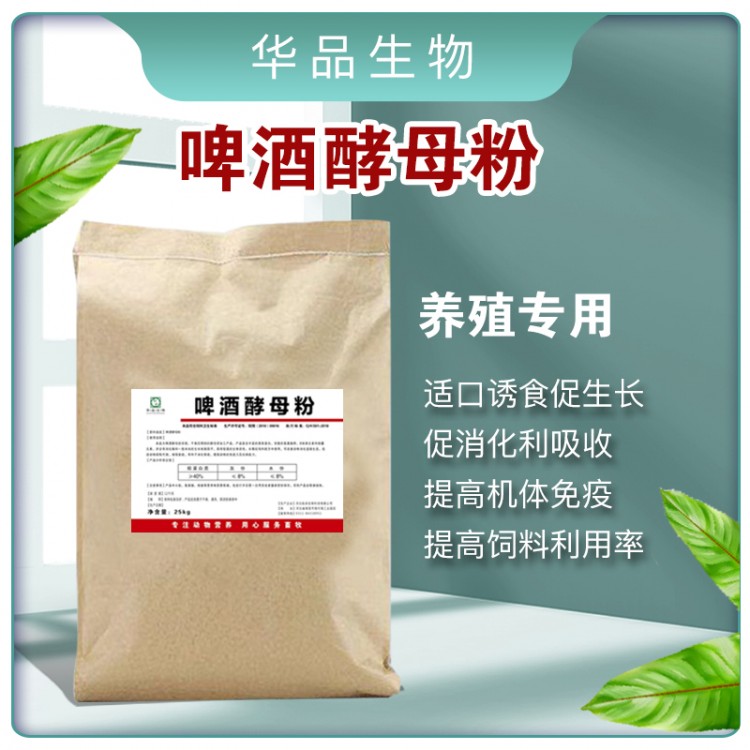
Fermentation Yeast Culture (Yeast Peptides) Product Features: 1. Rich in various antimicrobial peptides, L-lactic acid, digestive enzymes, and other beneficial metabolic products, effectively inhibiting pathogenic microorganisms, degrading metabolic toxins of pathogenic bacteria, adsorbing pathogenic bacteria, and regulating the balance of intestinal flora. 2. Processed through an extended fermentation period (over 5 days), macromolecular nutrients are fully degraded, with macromolecular proteins broken down into smaller proteins, peptides, and free amino acids. 3. The product has a sweet and tart aromatic flavor, with a significantly lower pH, good palatability for animals, and can increase feed intake and promote growth in livestock and poultry. 4. Reduces animal stress response, improves breeding environment, reduces ammonia and odor in feces, and lowers the concentration of harmful gases. Recommended Dosage: Add 1-2% to cattle, sheep, pig, and poultry compound feed; add 2-4% to aquatic compound feed and animal feed, which can significantly improve the quality of breeding animal products.


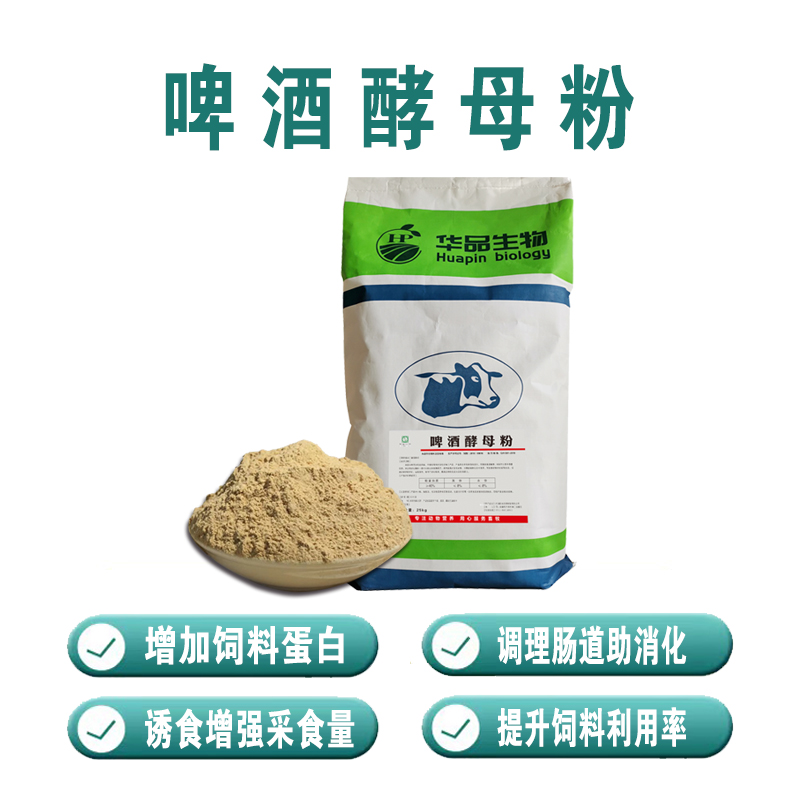
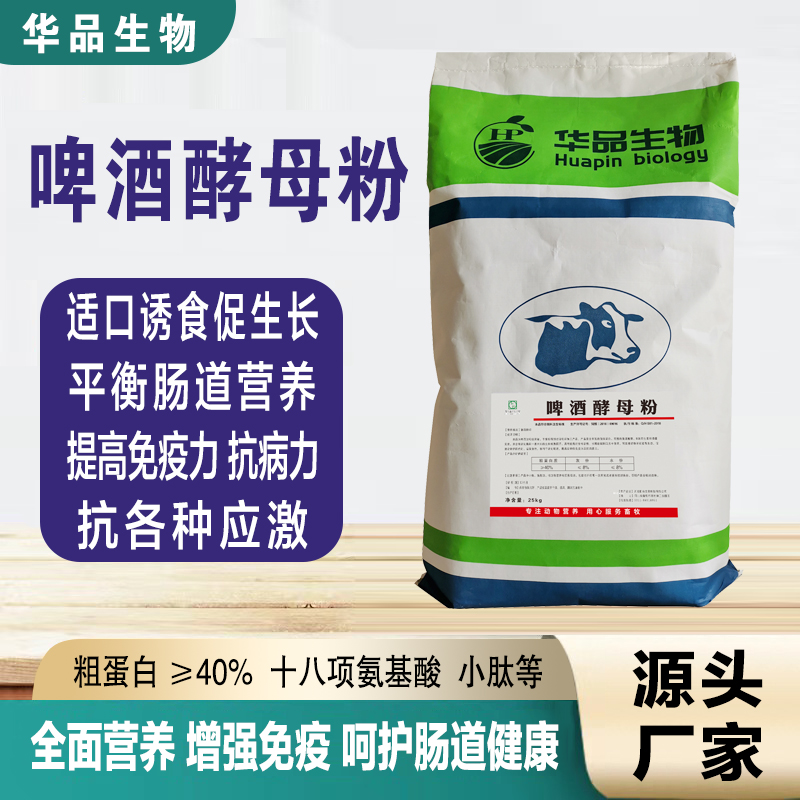
【Product Features】Boosts milk production in cows; promotes feed intake and digestion in fattening sheep and cattle, enhancing feed utilization; rich in nutrition, stable in quality, and can substitute for part of the protein ingredients in feed; improves gastrointestinal microecology, enhances immunity and resistance to stress, promoting healthy growth of animals; reduces the emission of feces, gas, and decreases the incidence of respiratory diseases, protecting the environment.
Product Composition Analysis Guaranteed Value
Project Specifications: Crude Protein % ≥20.0; Organic Acids % ≥8.0; Amino Acids % ≥20.0; Crude Fat % ≥3.0; Peptides % ≥6.5; Crude Fiber % ≤10.0; Mannan % ≥0.6; Crude Ash % ≤9.0; Total Yeast Count cfu/g ≥1.0×10⁷; Broth % ≤12.0/≤38.0; Calcium % ≤0.1; Total Phosphorus % ≤1.0. Notes: Crude Protein, Amino Acids, Peptides, Mannan, and Organic Acids are measured on a dry basis.
Recommended Dosage: 1. Feed lactating cows at a rate of 5%-8% (1.5-2.0 kg) of dietary dry matter per day for optimal results; 2. Feed growing and finishing beef cattle at a rate of 3% of dietary dry matter per day for optimal results; 3. Feed growing and finishing sheep at a rate of 3% of dietary dry matter per day for optimal results; 4. Simultaneously, you can reduce the use of other protein ingredients in the daily ration.