














Calf management and usage of calf milk powder:
1. Newly purchased bull calves feeding and care
1) Newborn calves, inspect their health status upon unloading -- check for umbilical cord inflammation, tail contamination with feces, and breathing rate.
Mental state; promptly isolate sick calves;
2) Calving pens and bedding: individual calf pens, kept dry and clean, with thick bedding for lying, and good ventilation.
3) Two hours after unloading, provide the calves with a quantitative amount of water containing electrolytes, astragalus polysaccharide, vitamin C, etc., or use a stress-relieving product, 0.5-1 liter per calf. Normal calves should be watered again using the same method 4 hours after arrival. Wait another 2 hours before feeding them 1-2 liters of formula milk; then, feed them another 1-2 liters of formula milk 8 hours later.
Day 2: Formula milk 2-3 liters per feeding, 2-3 feedings per day, drink 1-2 liters of water after feeding.
Day 3: Free access to water, 2-3 liters of formula milk per feeding, twice a day. Start feeding starter feed according to the calf's size.
Day 4: Enter Normal Feeding Program
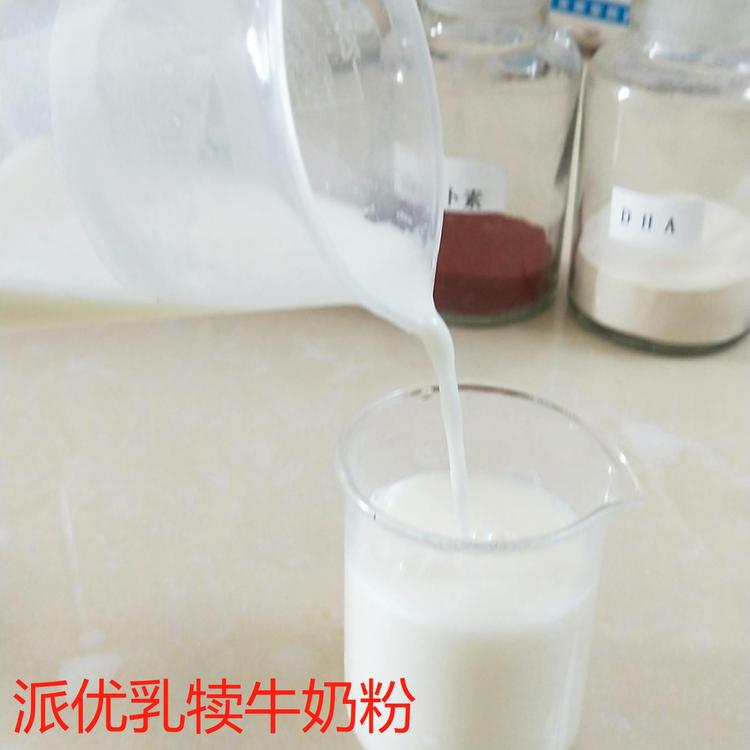
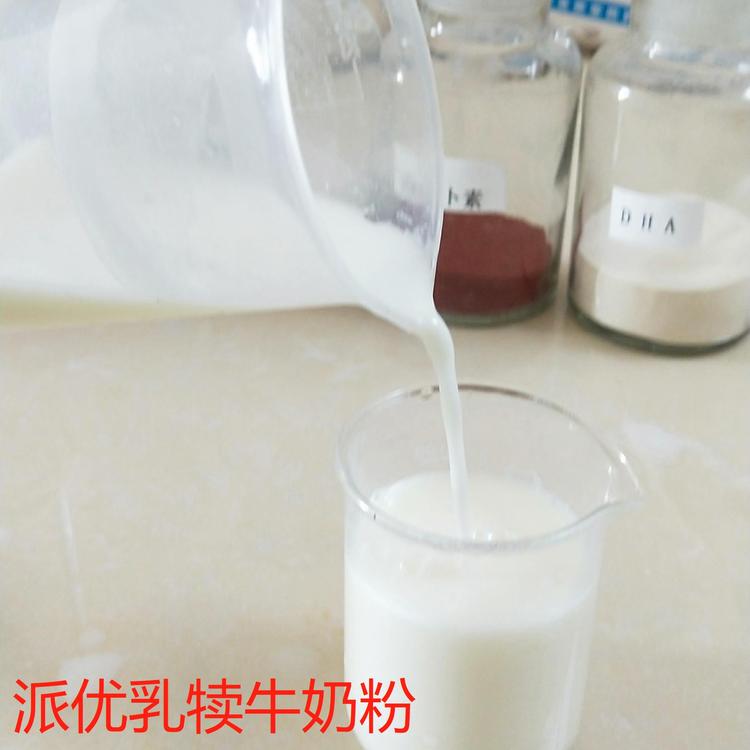
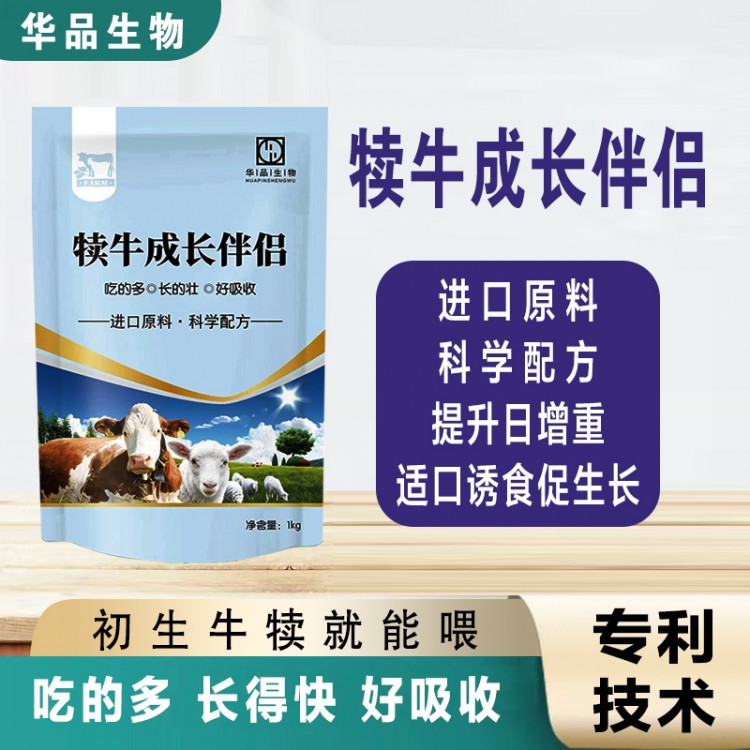
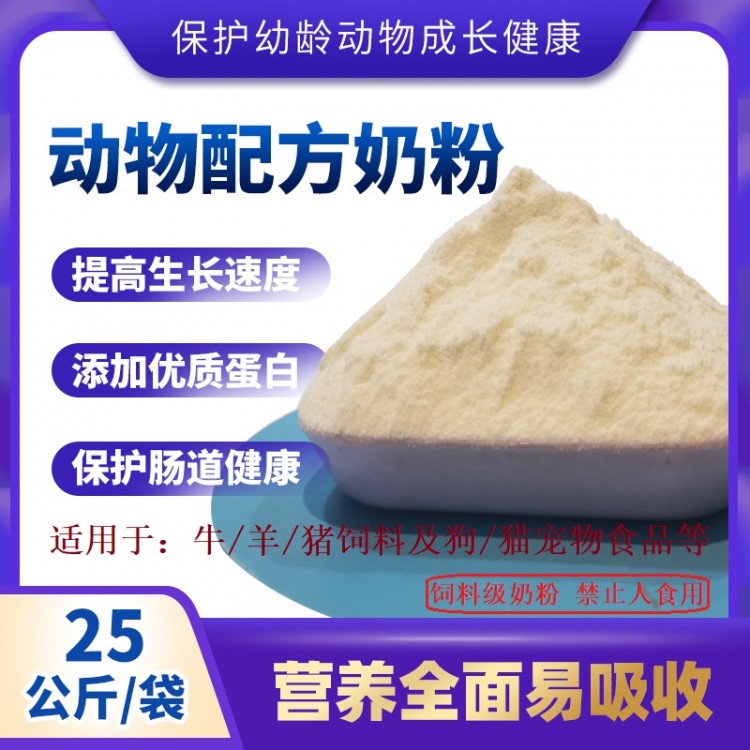
2. Feeding Instructions for Payou Young Calf Milk Powder
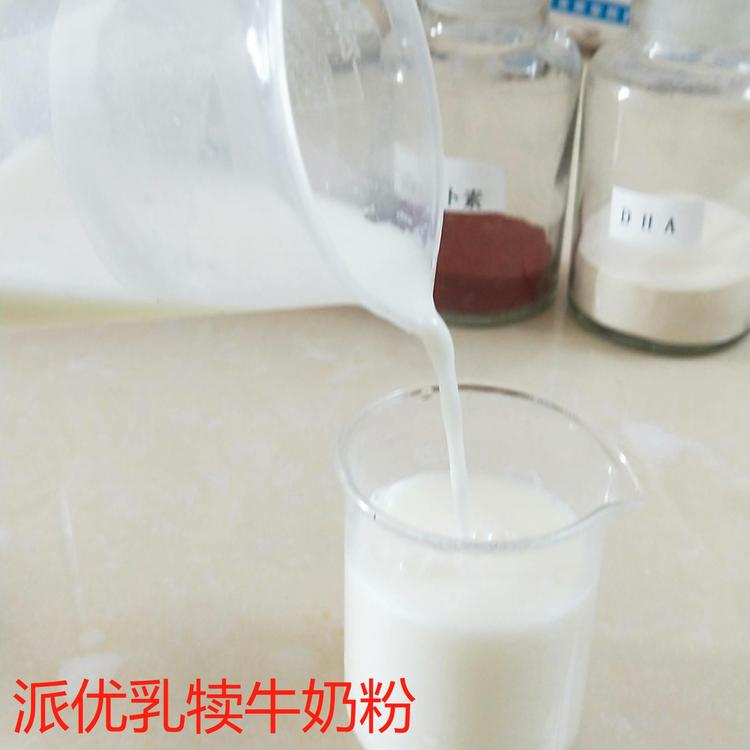
1) Recommended to mix the formula powder at a ratio of 1:6-7 (formula powder 1, water 6-7, by weight) with warm water around 50-60℃.
Note: Water must be brought to a boil and then cooled to 50 degrees. Higher temperatures can cause fat and protein denaturation, making it difficult for calves to digest and potentially leading to diarrhea and reduced growth and development.
2) When preparing, first pour warm water into the mixing tank (large bucket), stir the hot water, then slowly pour the measured formula into the water while stirring until well blended and dissolved.
3) Once the temperature of the prepared calf milk drops to an appropriate level (38-40 degrees, accounting for heat loss during distribution and transportation), it can be transported from the preparation area to the feeding site. In winter, the feeding temperature should be higher, around 40°C. In summer, the temperature can be slightly lower, around 37°C.
C. To enhance cooling efficiency, use purified cool water to adjust the milk temperature.
4) Feed using calibrated weighing equipment to distribute to the calves, or mark the quantity feed in the calf milk bucket for the calves.
Also, an appropriate quantity can be provided based on experience.
5) After feeding, all utensils such as milk pails and milk cans must be thoroughly cleaned and then inverted to dry.