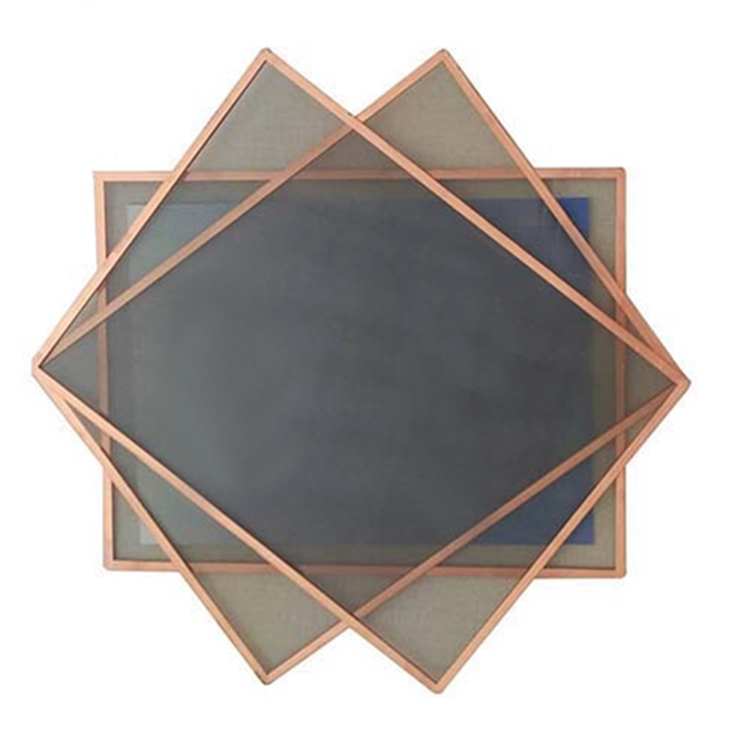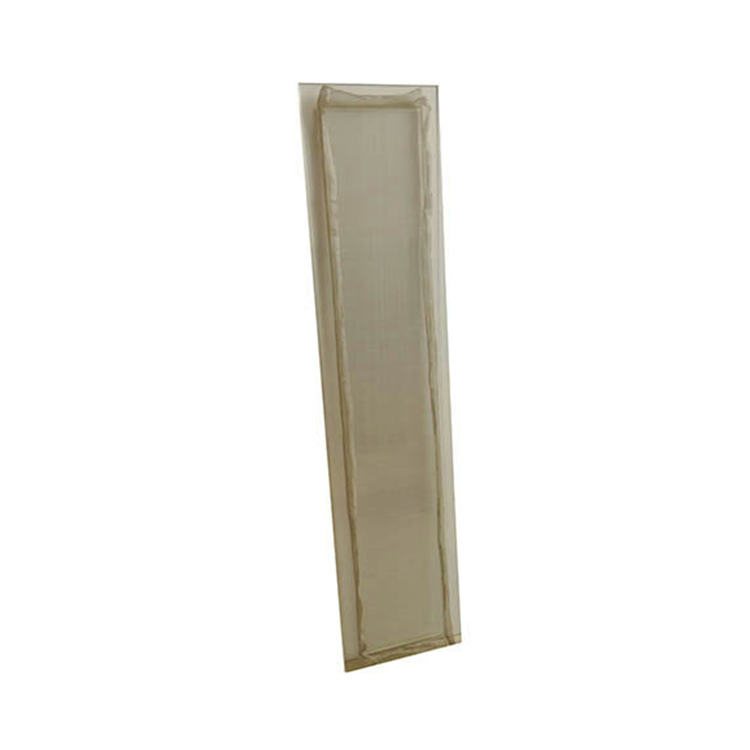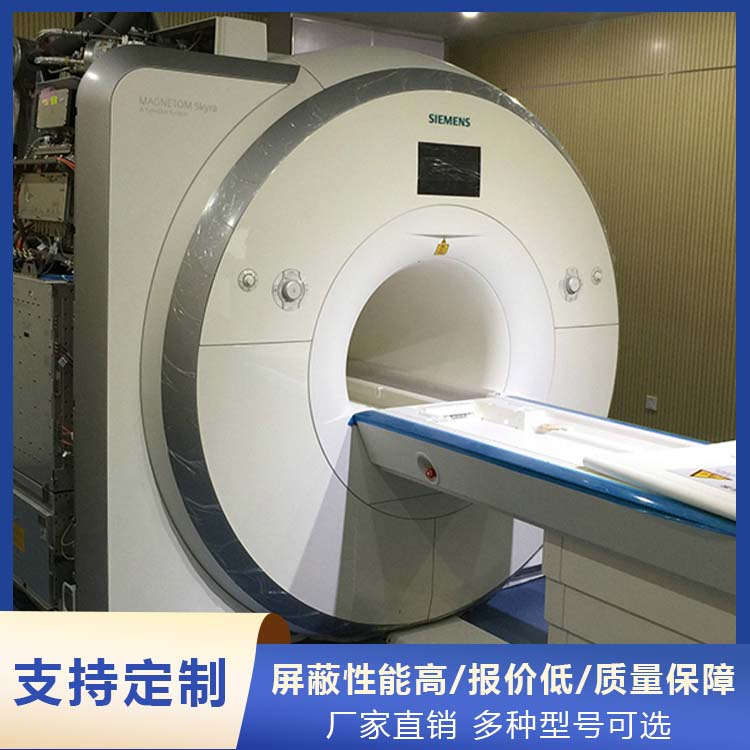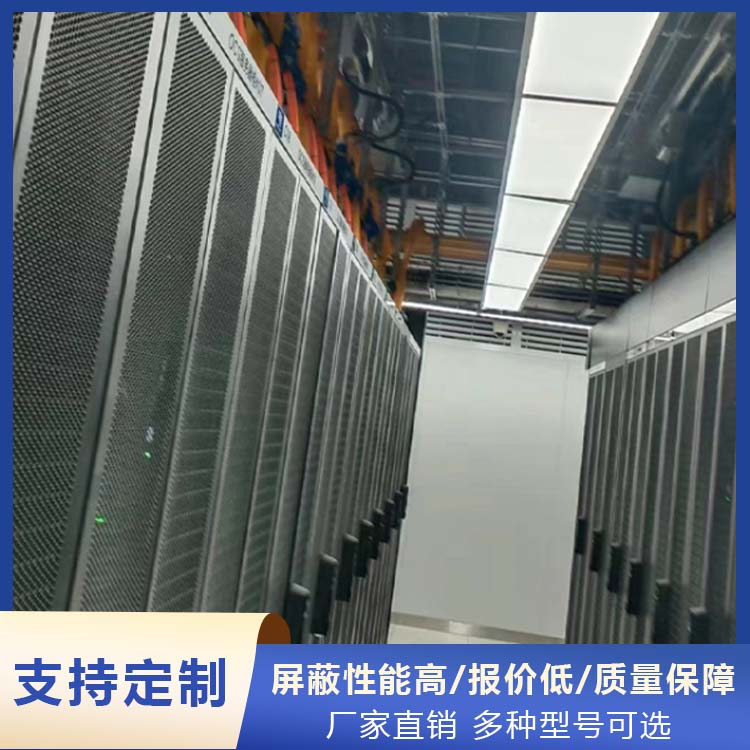

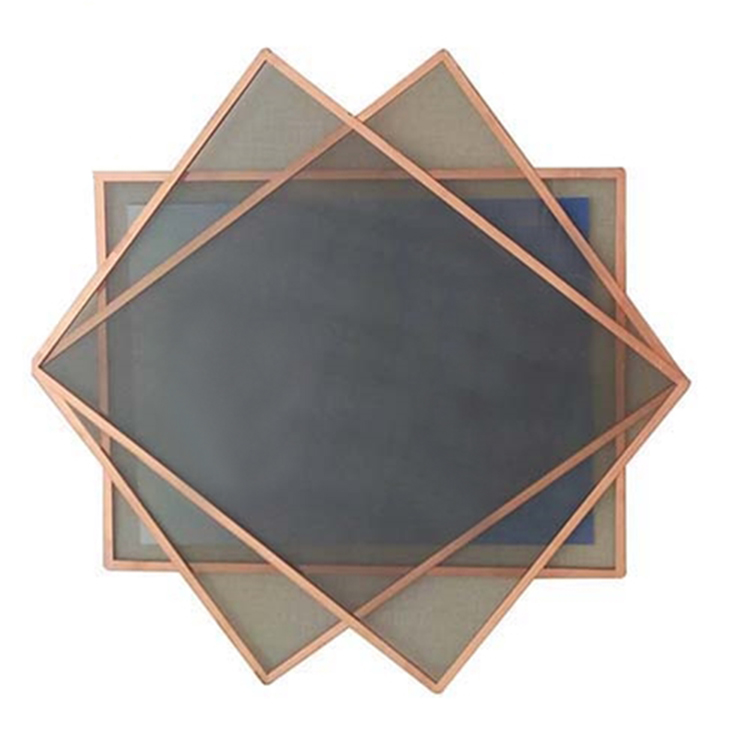
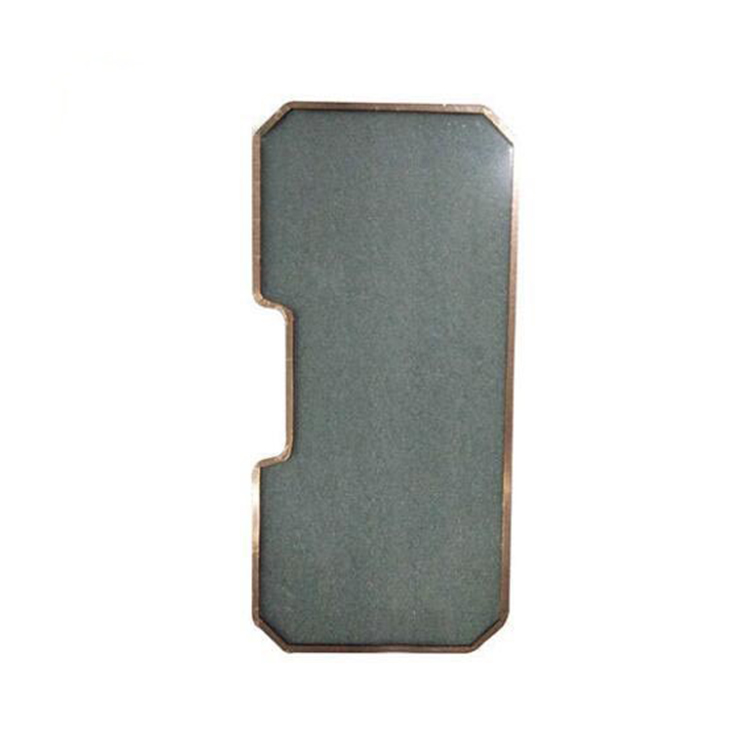
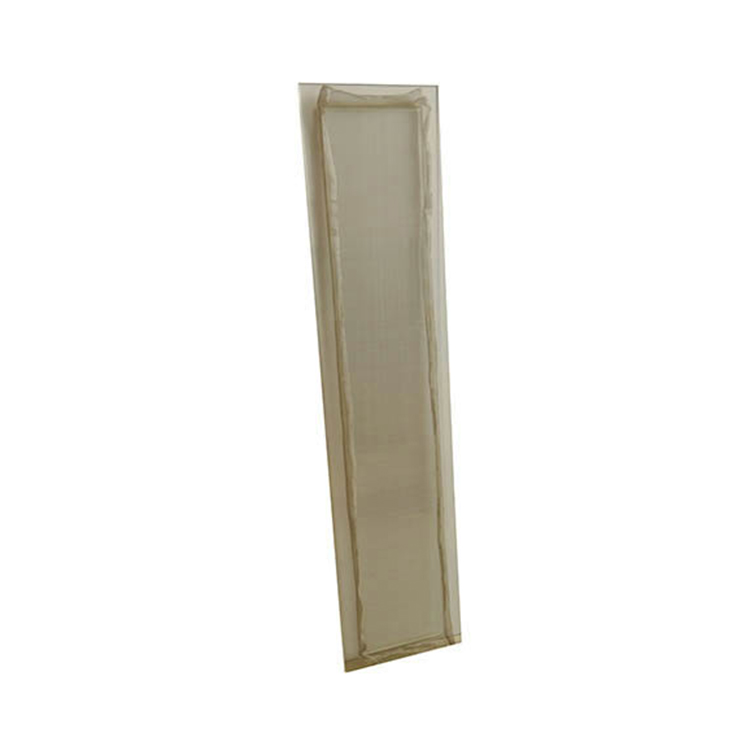


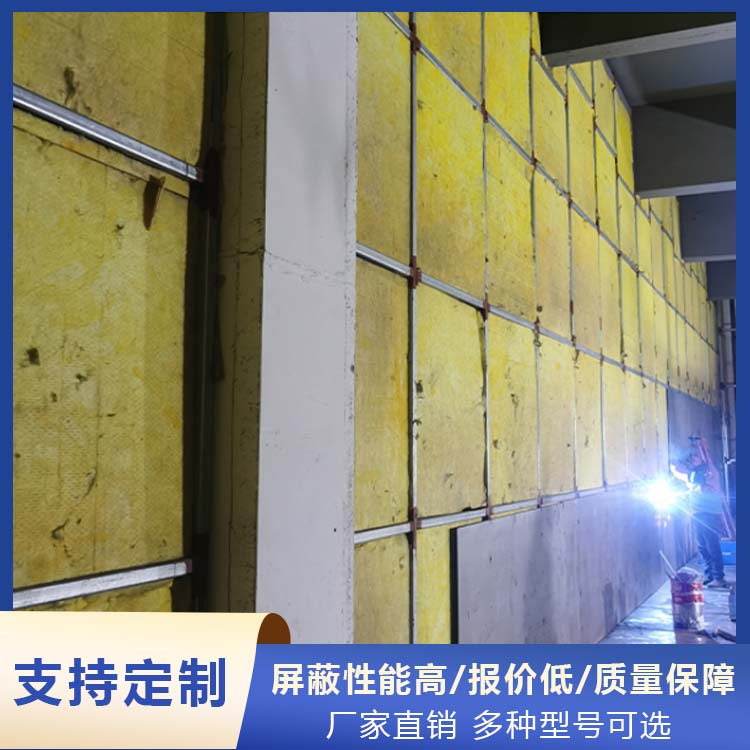






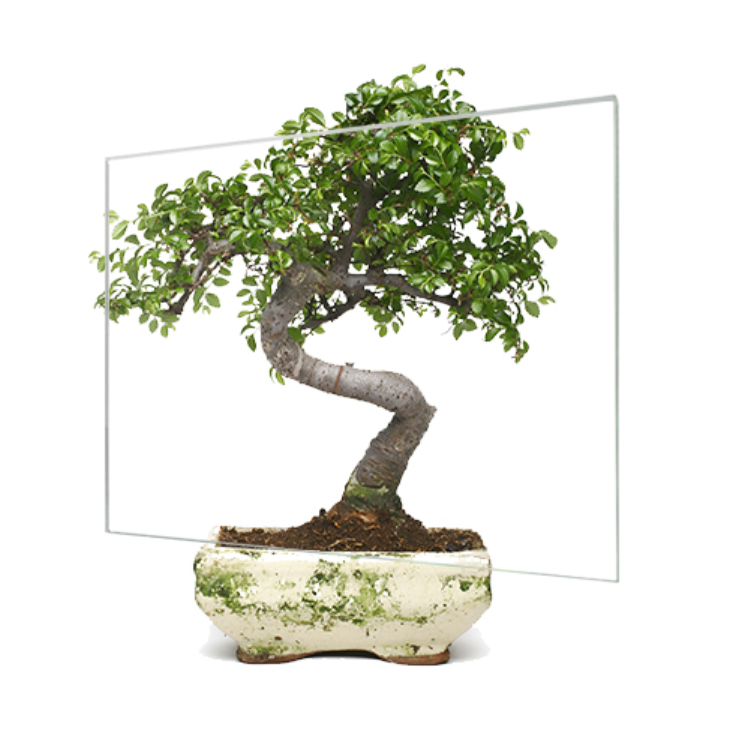

Electromagnetic shielding glass is used for all windows with EMC requirements. It primarily addresses the anti-EMI interference between computer systems and devices, prevents information leakage, inhibits electromagnetic radiation, and ensures information security.
Electromagnetic shielding glass is primarily divided into three main categories: coated shielding glass, mesh shielding glass, and film-mesh shielding glass.
One, Coated Shielding Glass
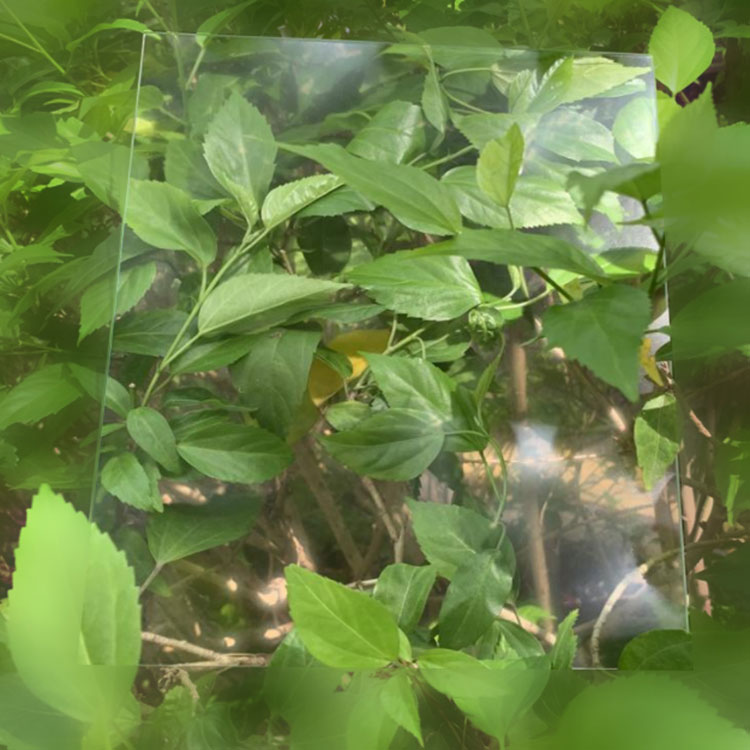
Coated shielded glass, commonly known as ITO conductive glass, is produced by applying a conductive layer to the surface of ordinary glass using a special process. Typically, it is single-sided coated, but double-sided coating can also be achieved for higher requirements. The coated shielded glass has a high light transmittance, reaching over 85%, but its shielding effectiveness is only about 20dB. Double-sided coating can reach 30-40dB. This type of product features high fidelity and clarity and is mainly used in applications where high light transmittance is required but the shielding effectiveness is not critical.
Two, Mesh Shielded Glass
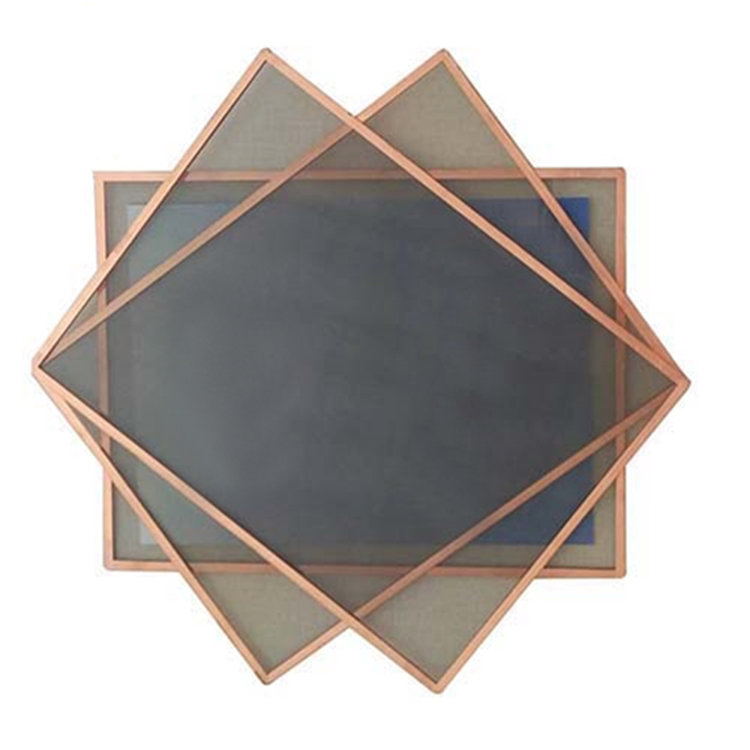
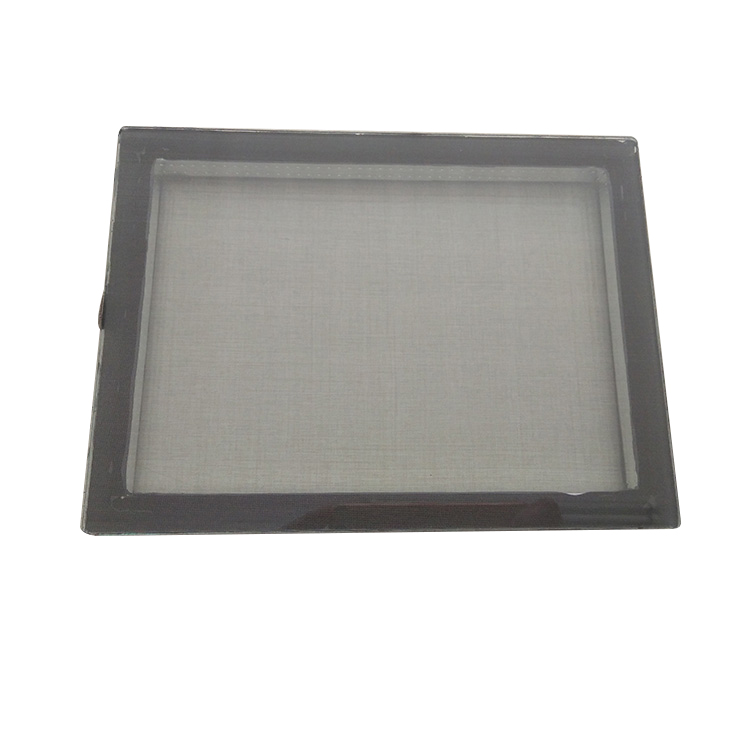
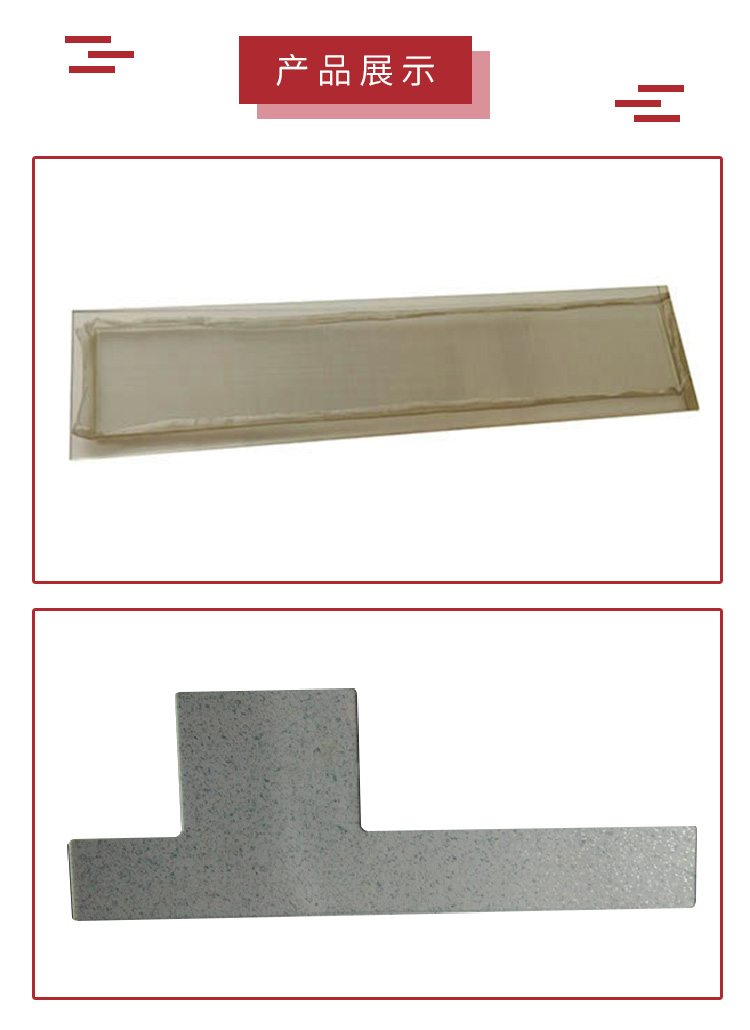
Screened glass is composed of two (or more) sheets of organic/inorganic glass and a special alloy shielding mesh that is bonded under high temperature and pressure, featuring high shielding efficiency. The peripheral structure of the screened glass includes wrapped U-shaped copper foil, mesh edge, mesh edge wrapped with copper foil, and edge brushing with conductive silver paste, with the mesh edge wrapped with copper foil being a patent technology of our company. The specific structure adopted is based on the customer's requirements. The alloy shielding mesh is commonly selected in 100 mesh, 130 mesh, 165 mesh, 250 mesh, etc., with the specific choice depending on the customer's requirements for shielding effectiveness and light transmission rate, which also meets the EMC requirements.
Section 3:屏蔽膜网玻璃
Film mesh is a new type of shielding material, which involves attaching a particularly fine alloy mesh to PET through special processing. It boasts high shielding efficiency, high light transmittance, and high clarity. 90% of LCD screens do not require angle adjustment and are less prone to moiré patterns. The film mesh shielding glass alters the structure of screen printing shielding glass, thereby reducing the product thickness, which can be as thin as 0.65mm.