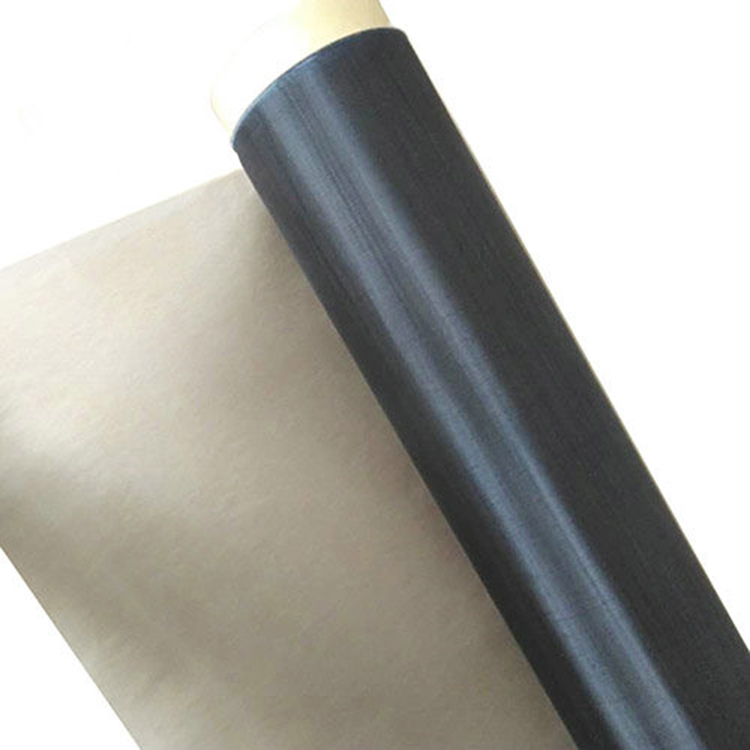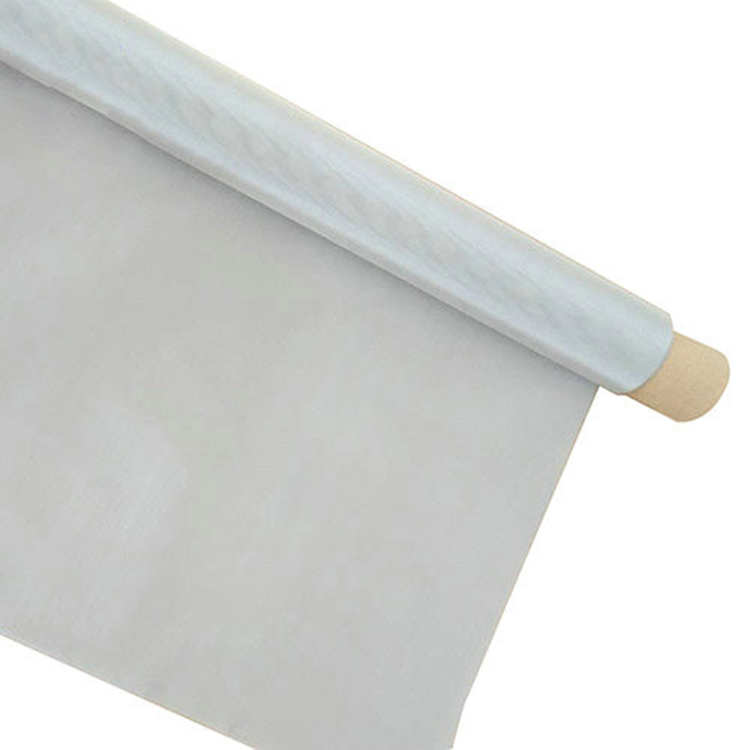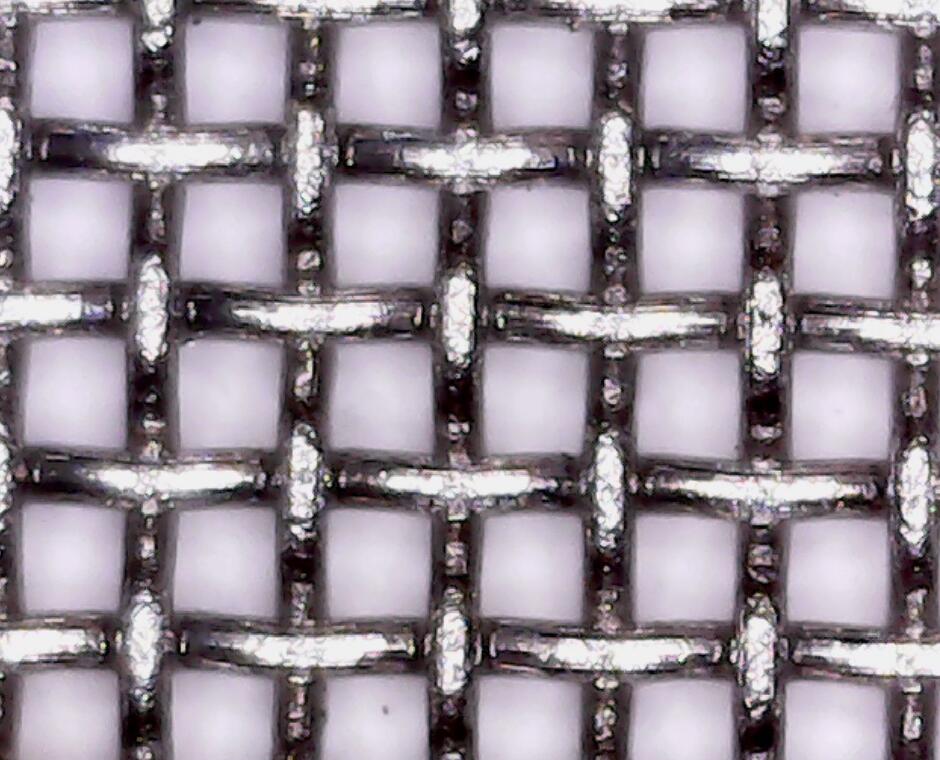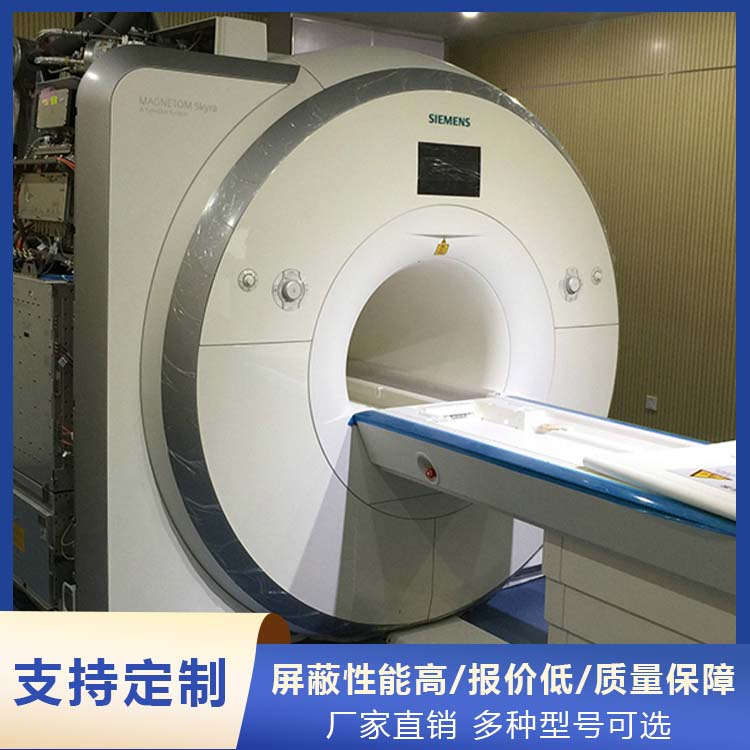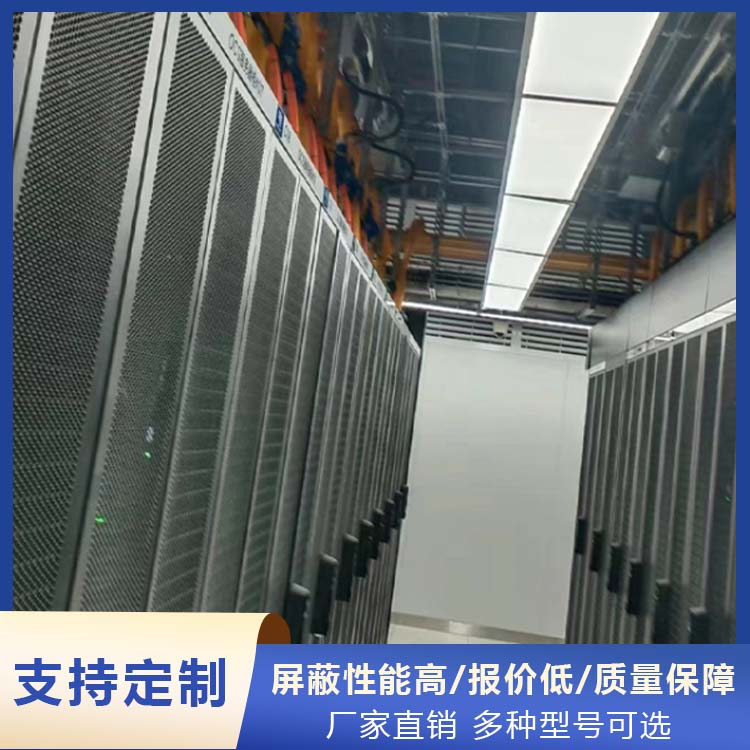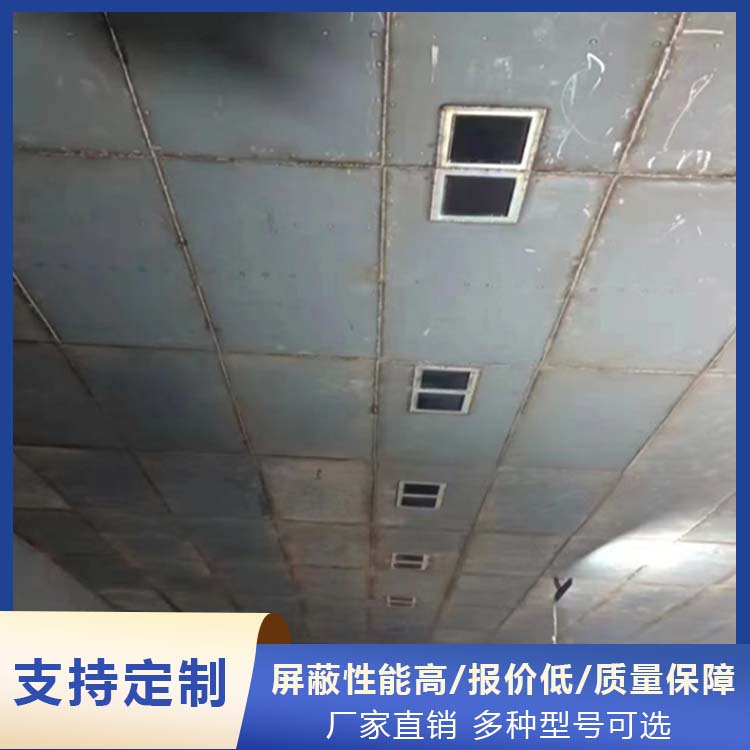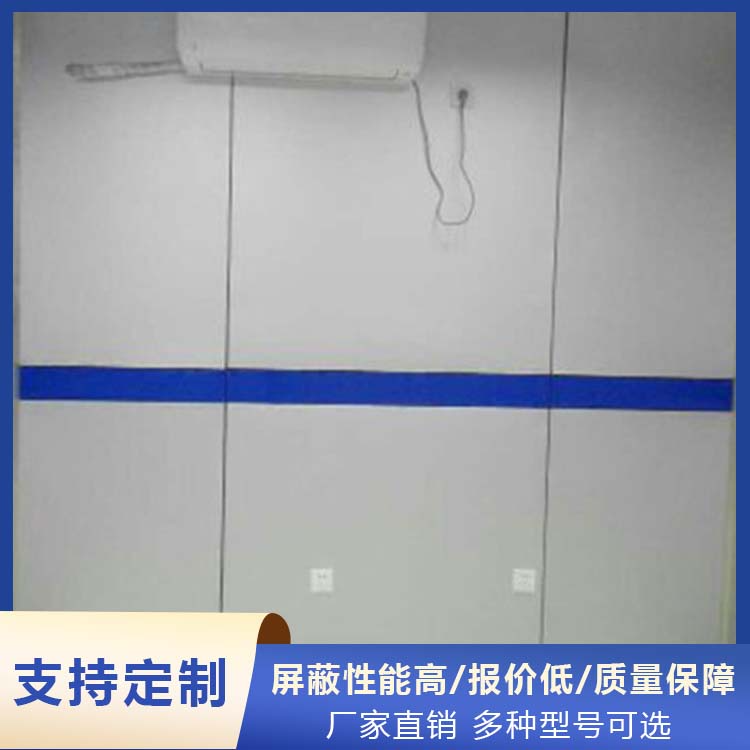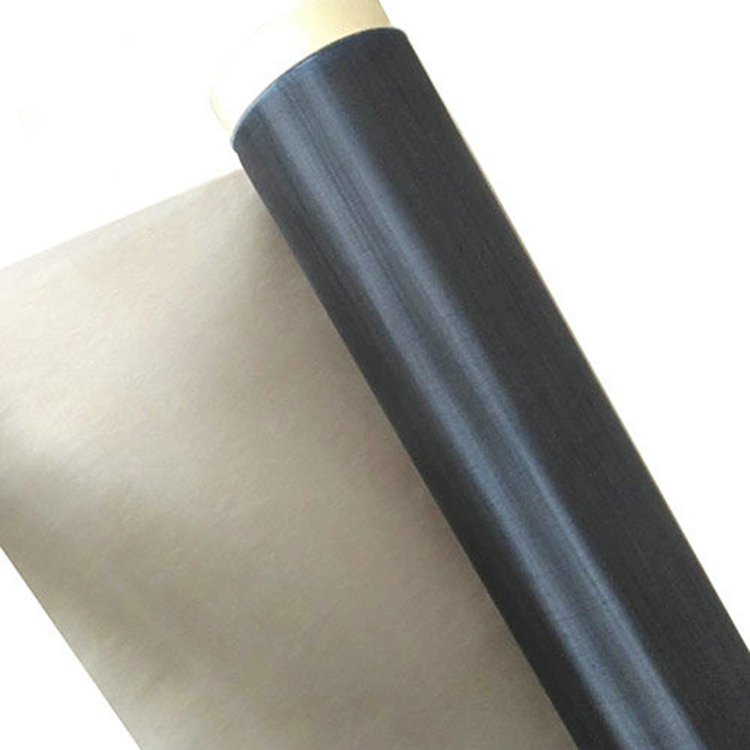

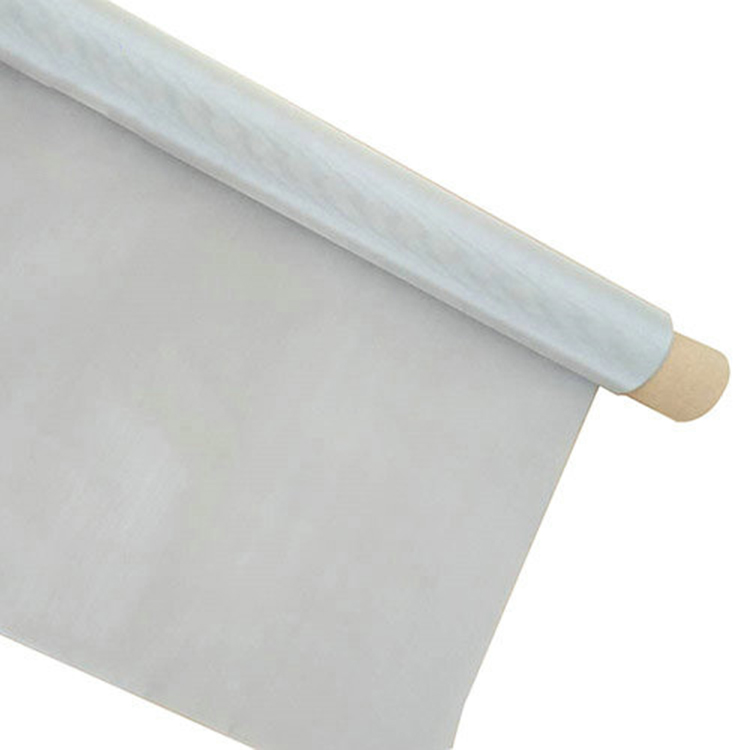
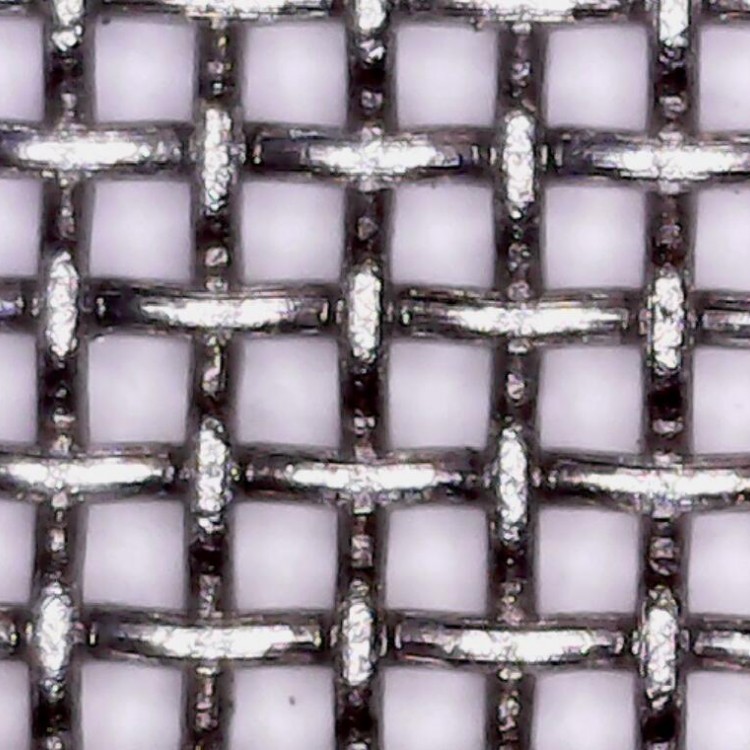













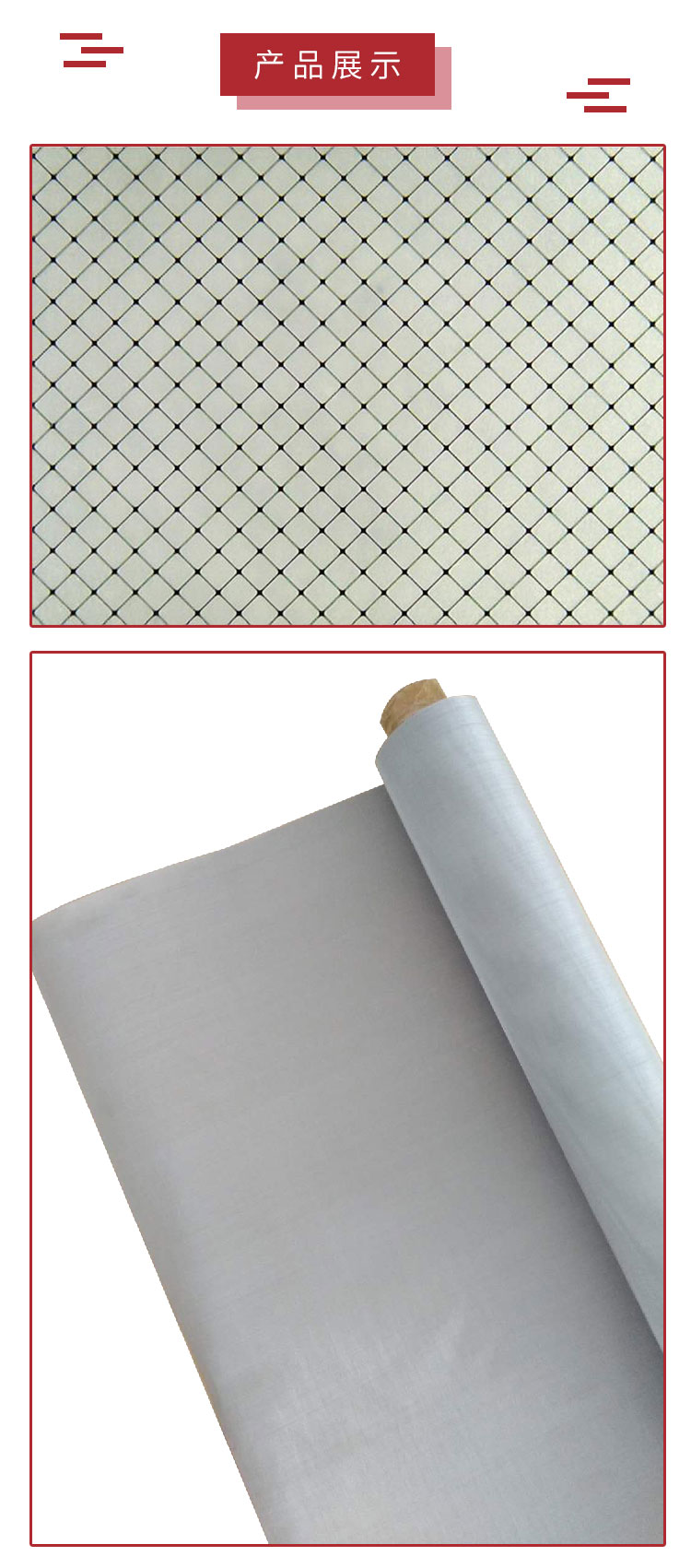
Electromagnetic shielding/anti-radiation mesh is another type of electromagnetic shielding material that achieves both transparency and shielding. It boasts excellent conductivity, transparency, flexibility, and stability, allowing for a good connection with metal frames. Its function is to prevent electromagnetic radiation leakage and interference, ensuring the normal operation of equipment and safeguarding individuals from the harm of electromagnetic radiation.
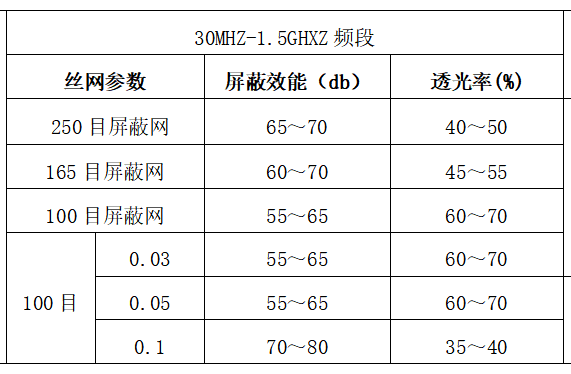
Different grid densities, yarn thickness, shielding screen effectiveness, and light transmission rates vary. Users can select based on environmental requirements, while also considering contrast in the presence of background lighting.
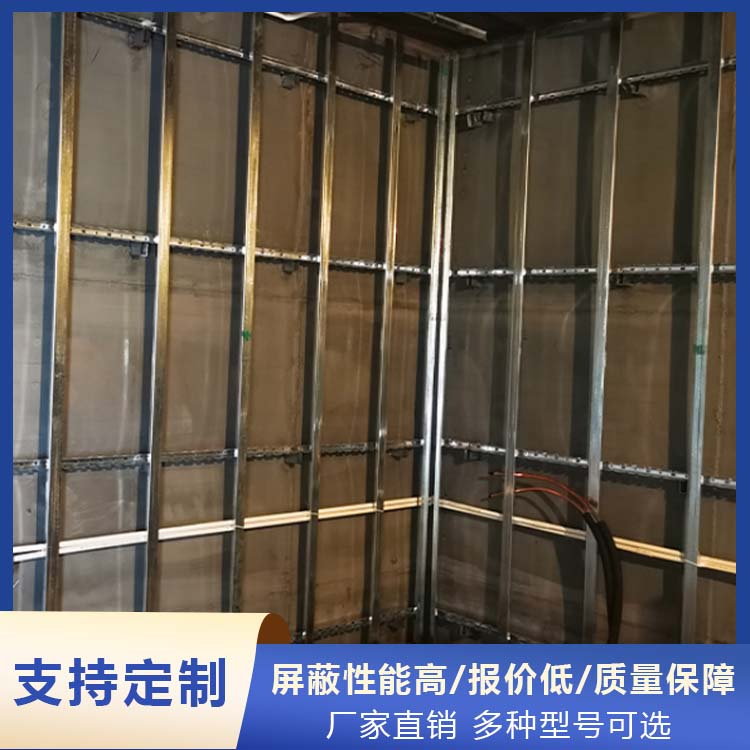
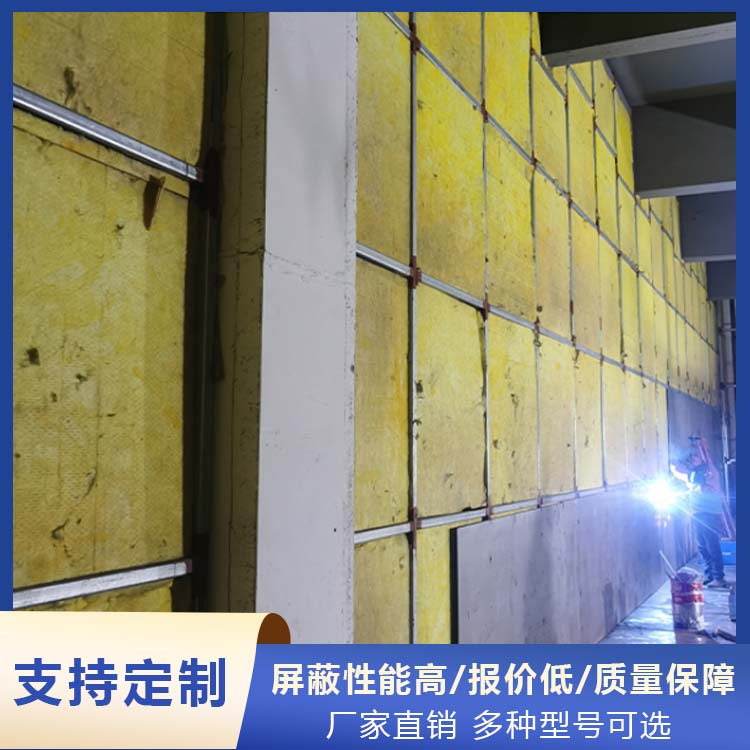
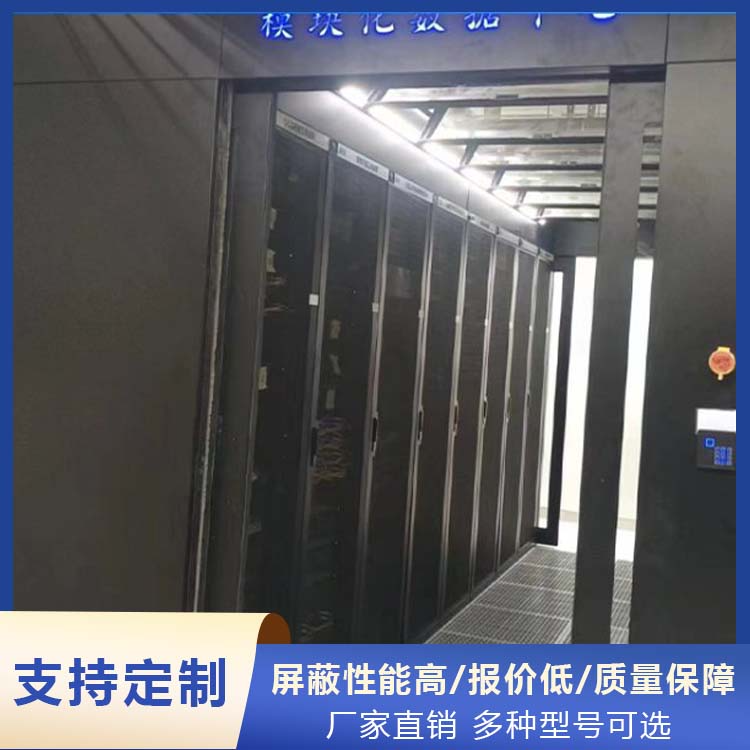
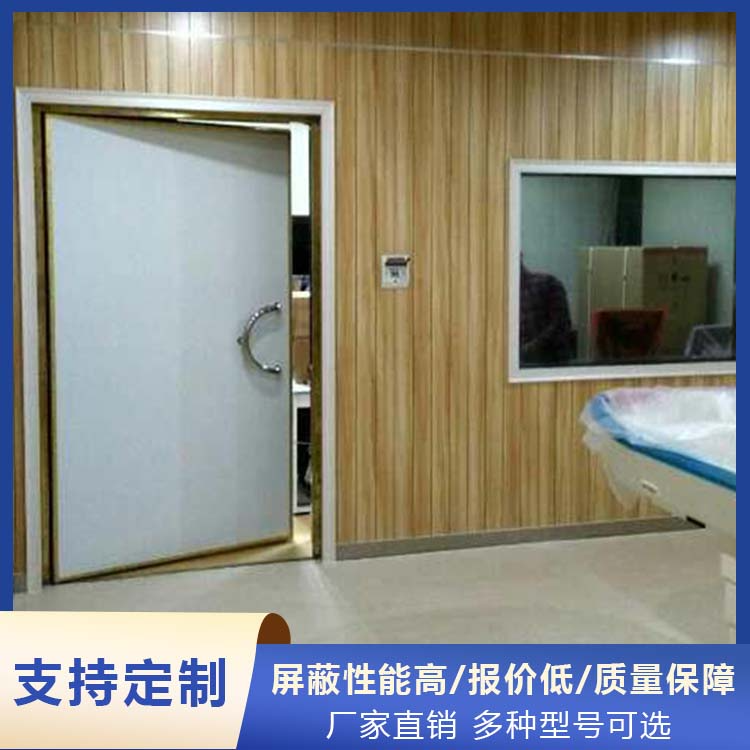
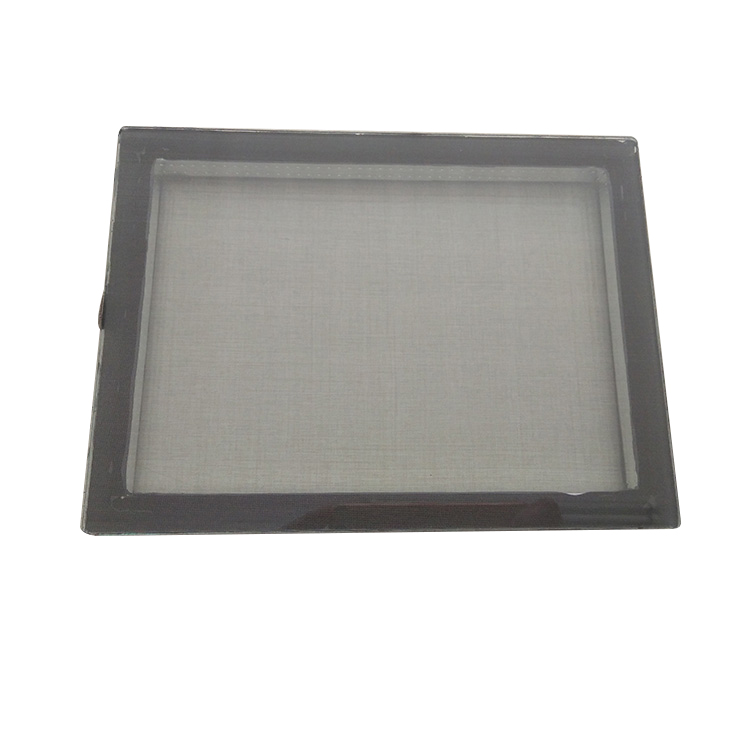
Primarily used in shielding rooms, server rooms, and laboratories. When installing on the wall surfaces of these rooms, use nails to secure the electromagnetic shielding mesh to the wall surface. Ensure the connections of the shielding mesh are well-sealed, overlapping at least 10 centimeters, and tightly pressed together with metal or non-metal strips and rubber strips to prevent any gaps, as this will significantly reduce the shielding effect. After the electromagnetic shielding mesh is securely fastened, decorative materials like gypsum boards can be applied on top. The shielding mesh installed on window screens must be firmly pressed against the window frame, which should be made of metal.
Screening mesh grounding can achieve anti-static and lightning protection effects.
The black mesh is primarily used for reinforcing display screens, instrument windows, plasma TV display windows, etc.; however, due to varying counts and wire diameters, the shielding effectiveness and light transmittance of the corresponding shielding wire meshes differ. Please refer to the following table for details: