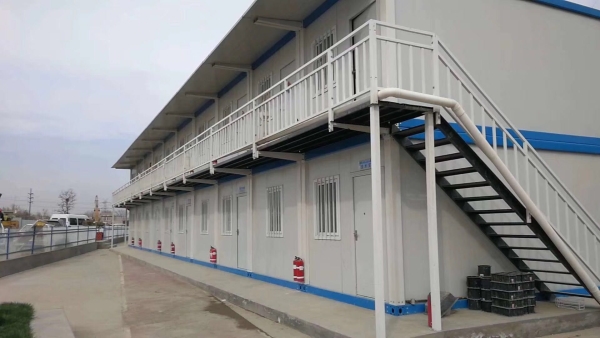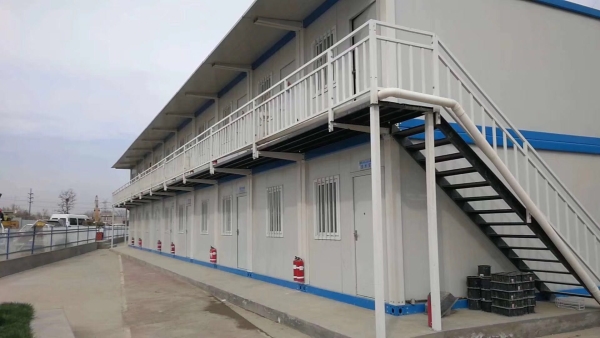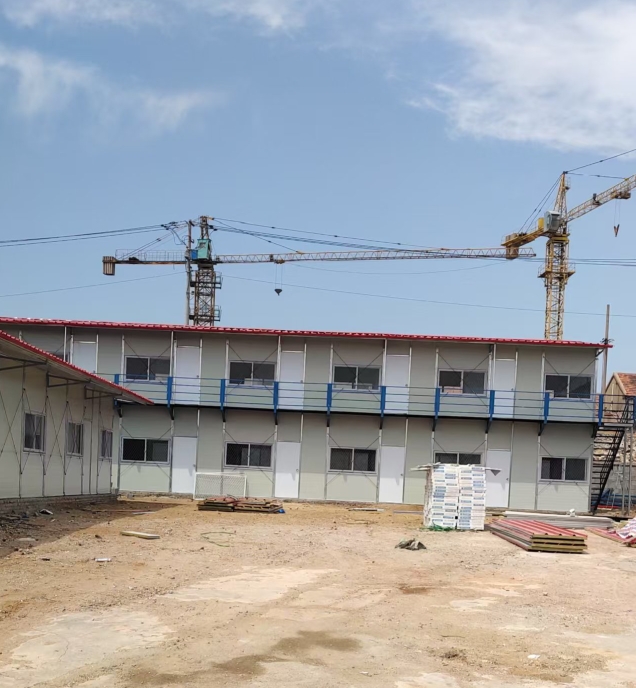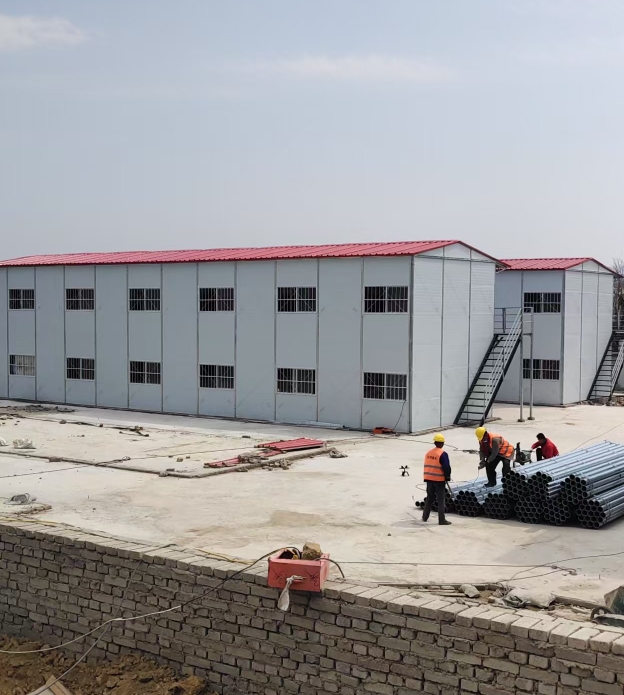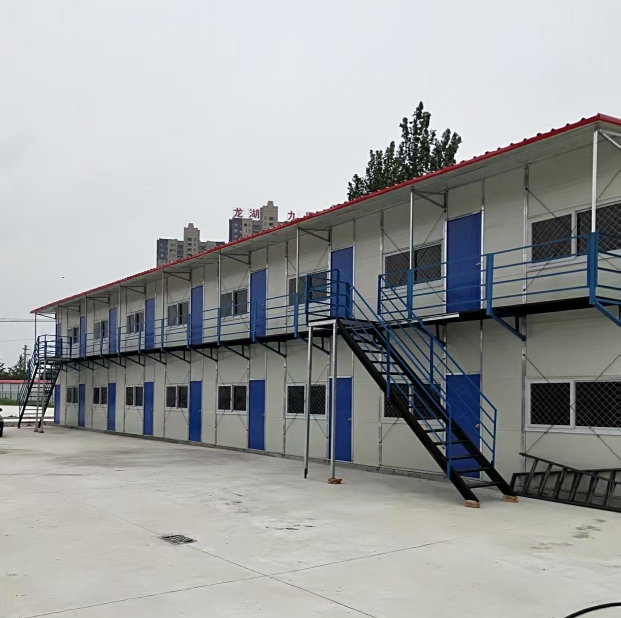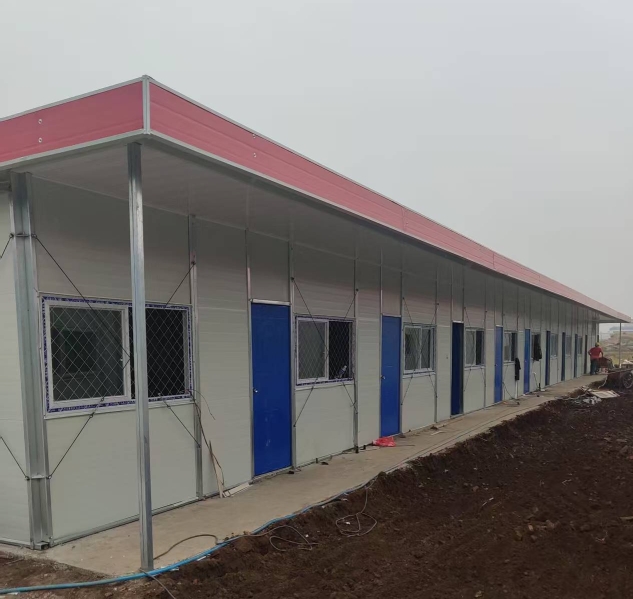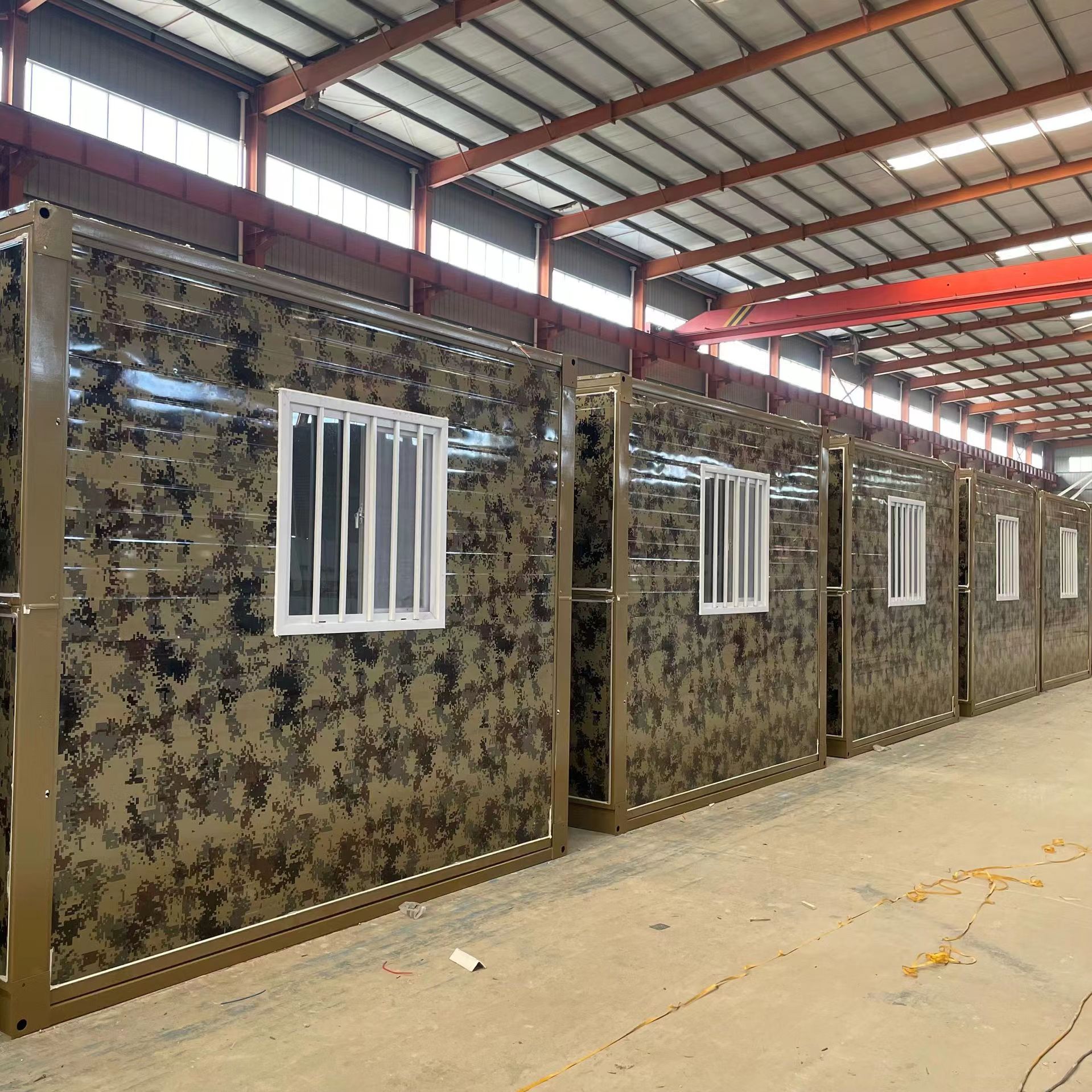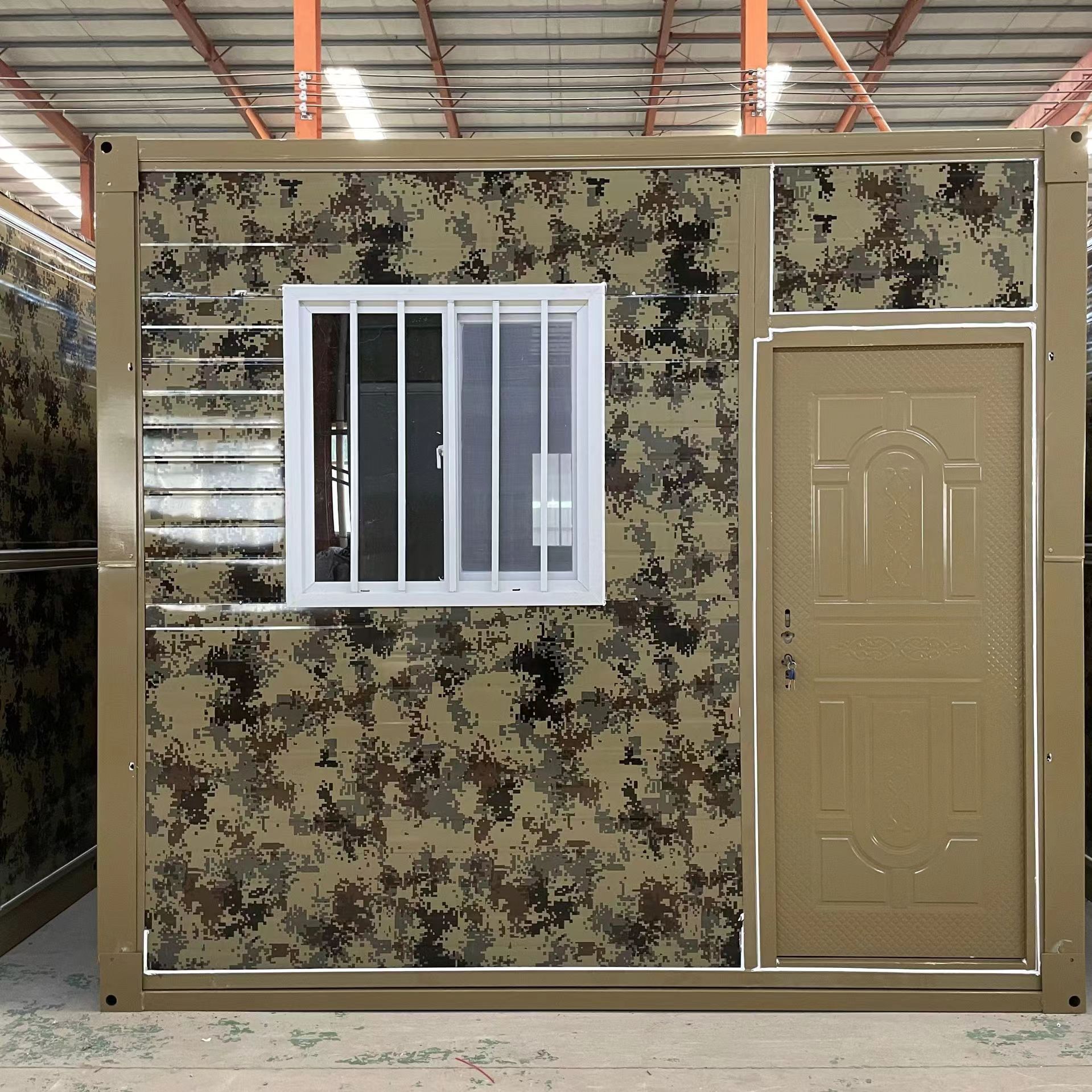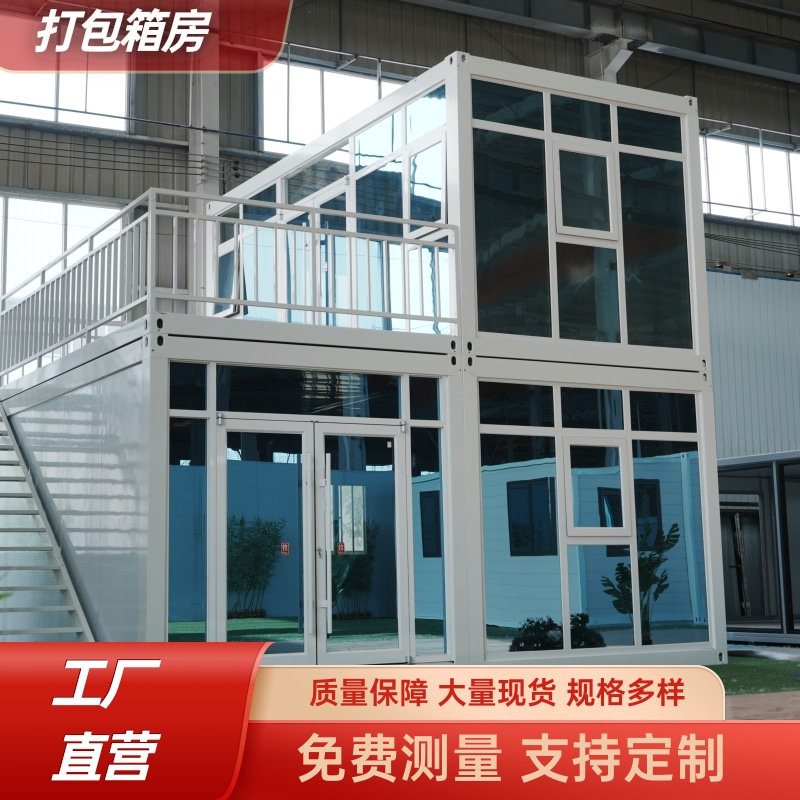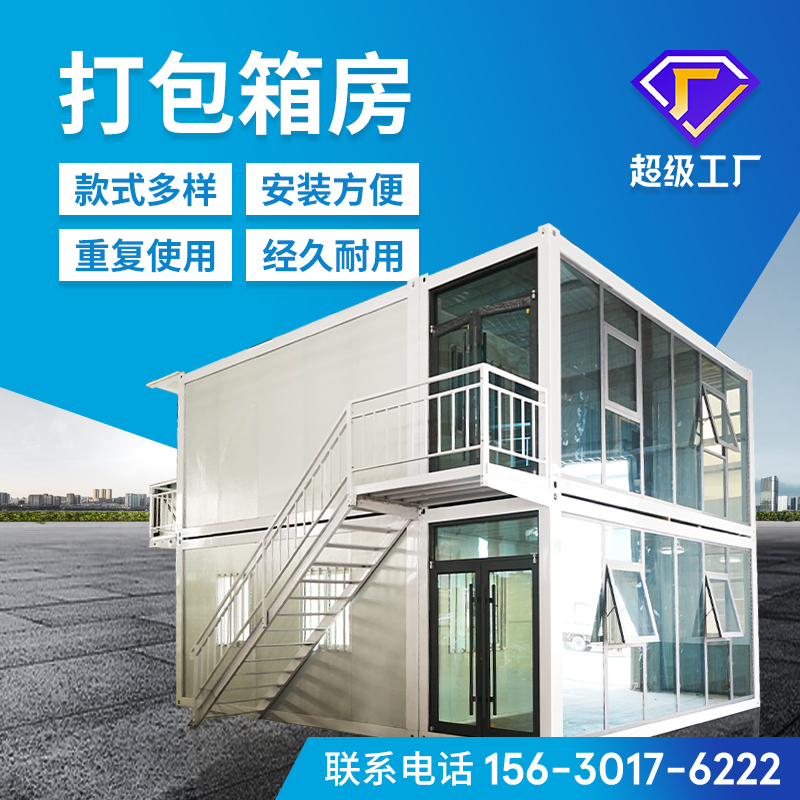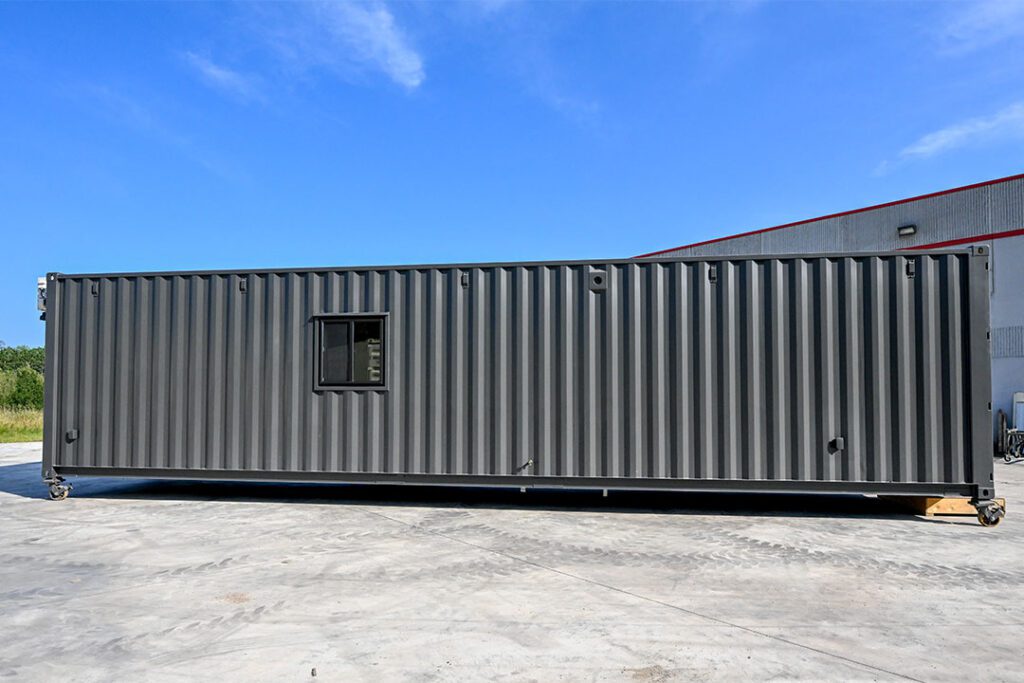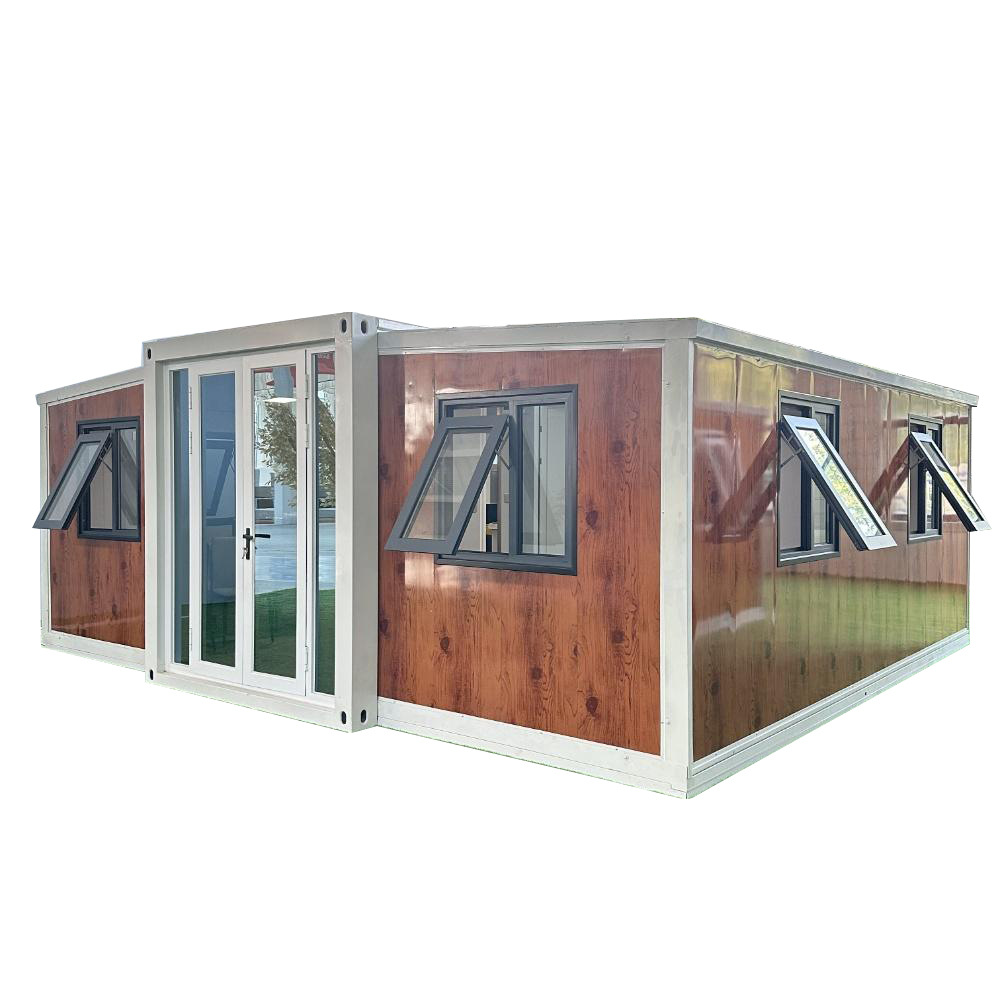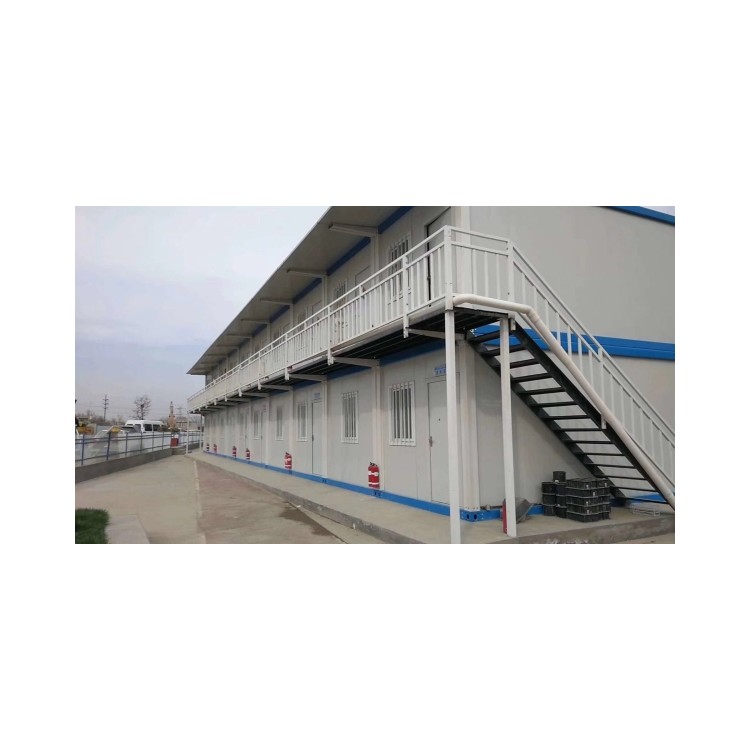

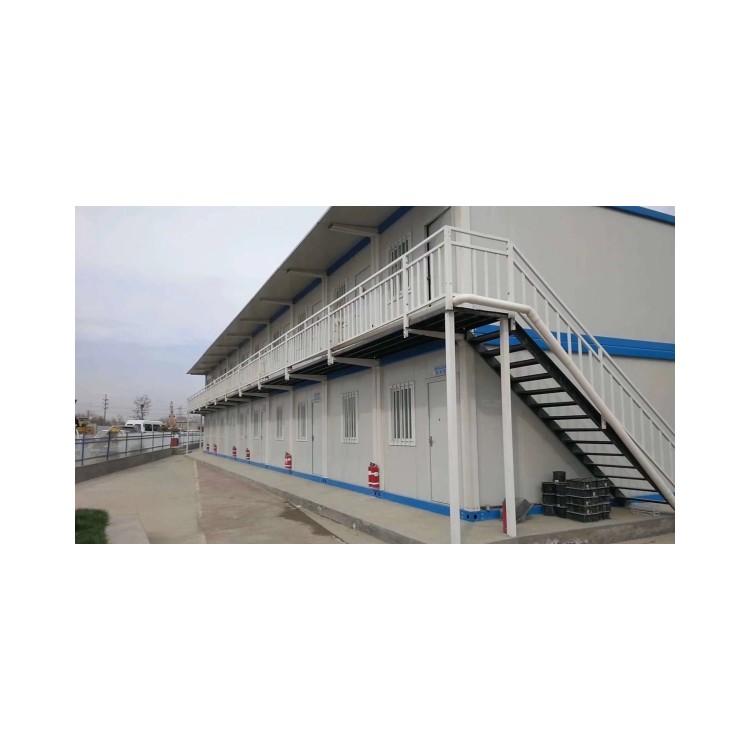

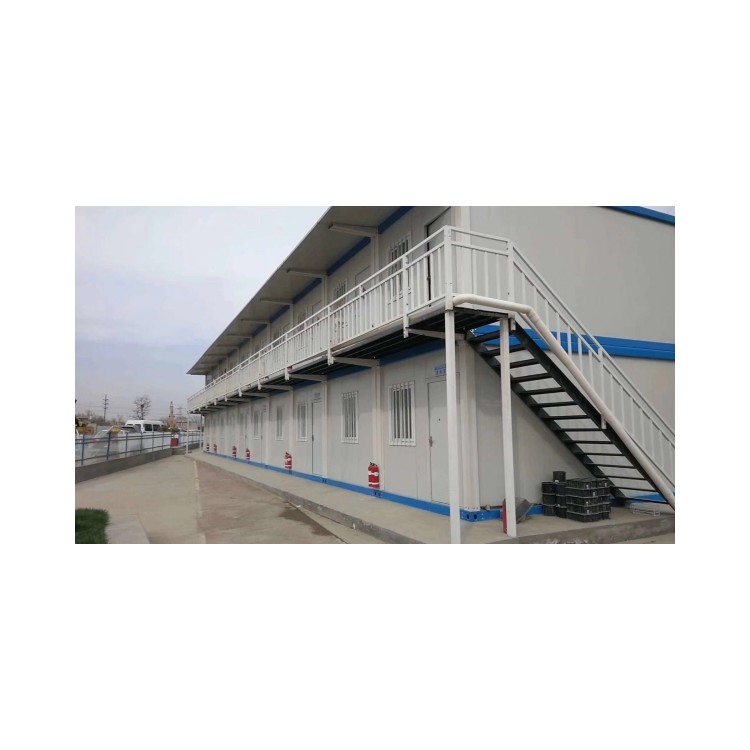


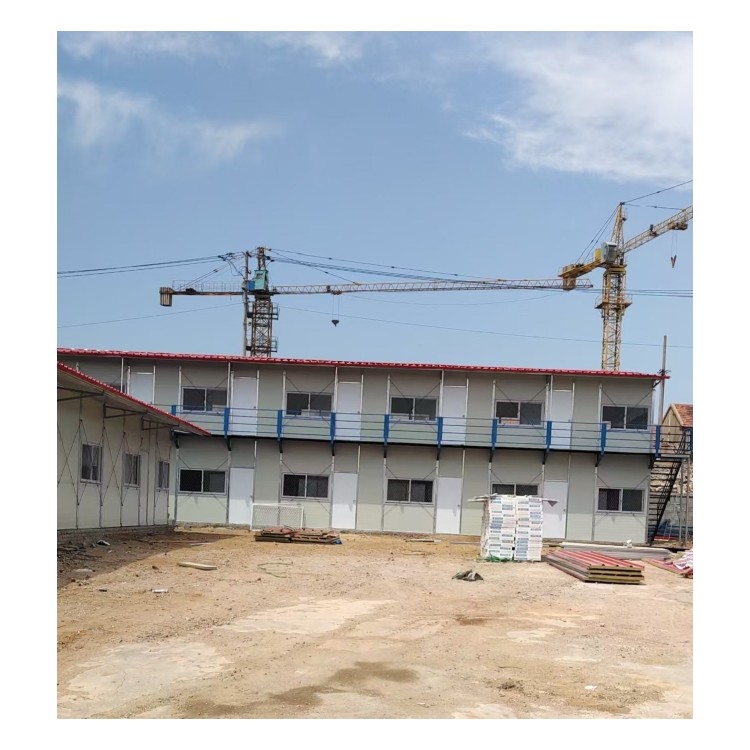
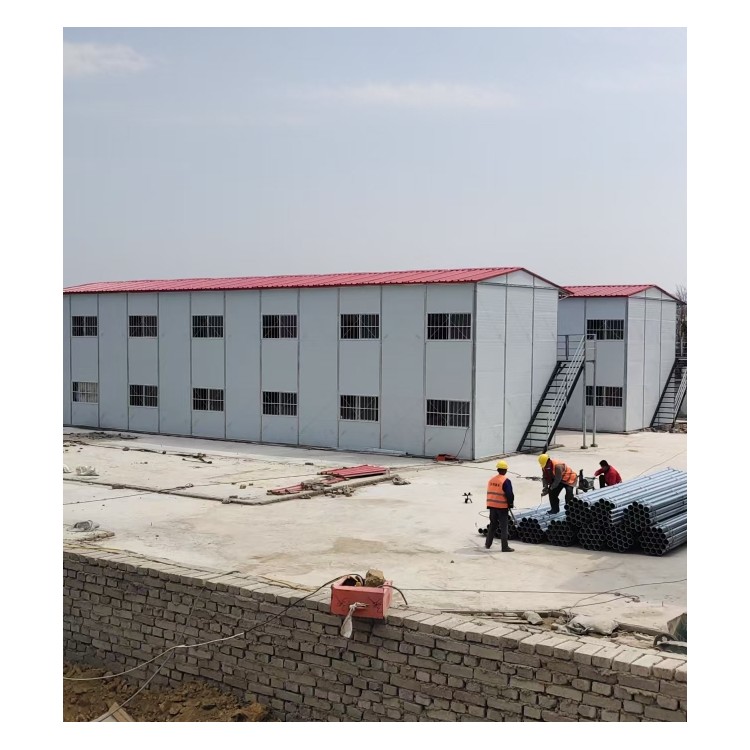
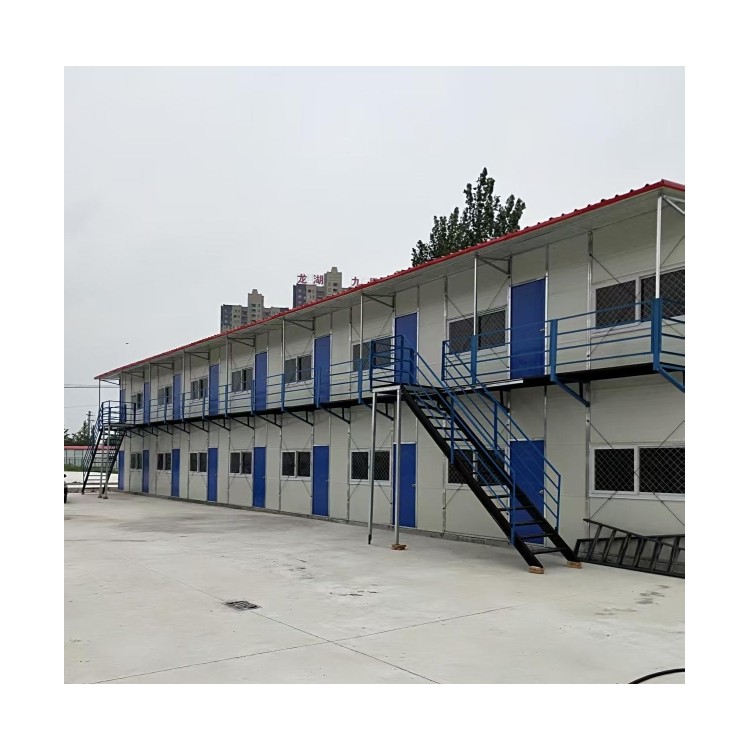
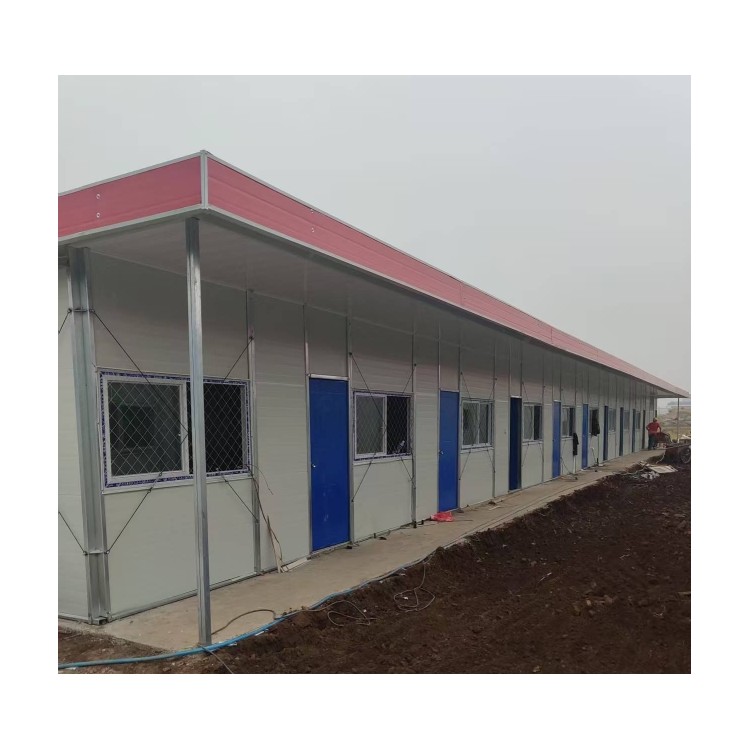
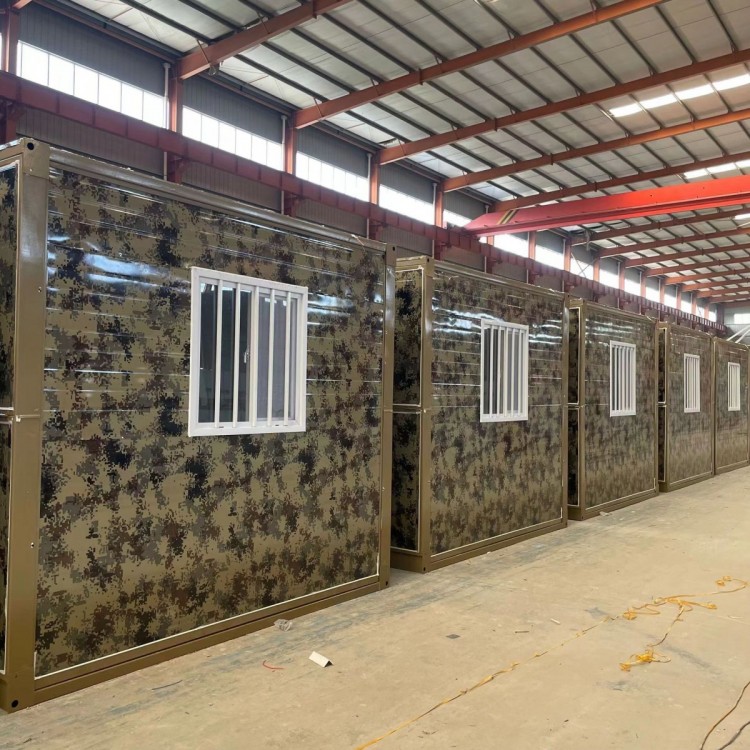





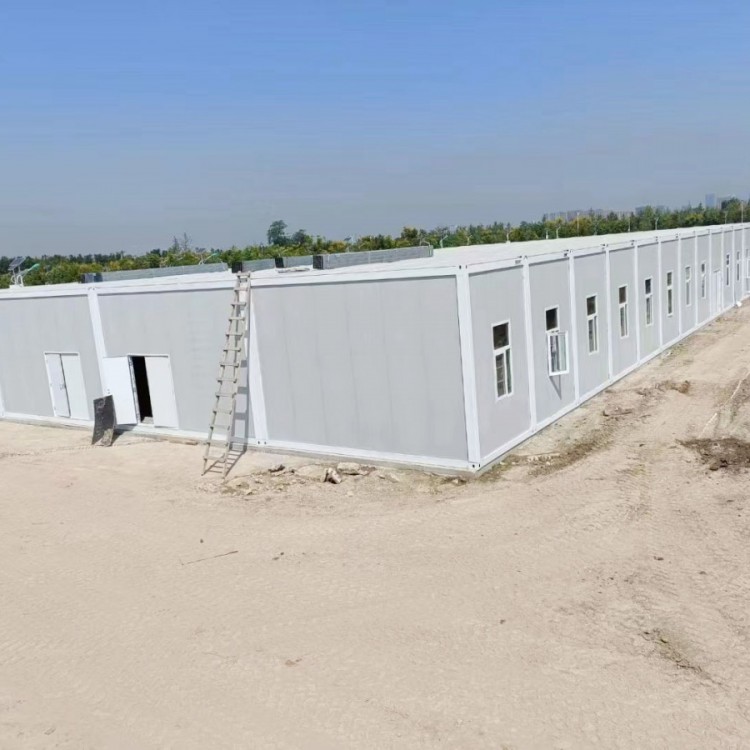
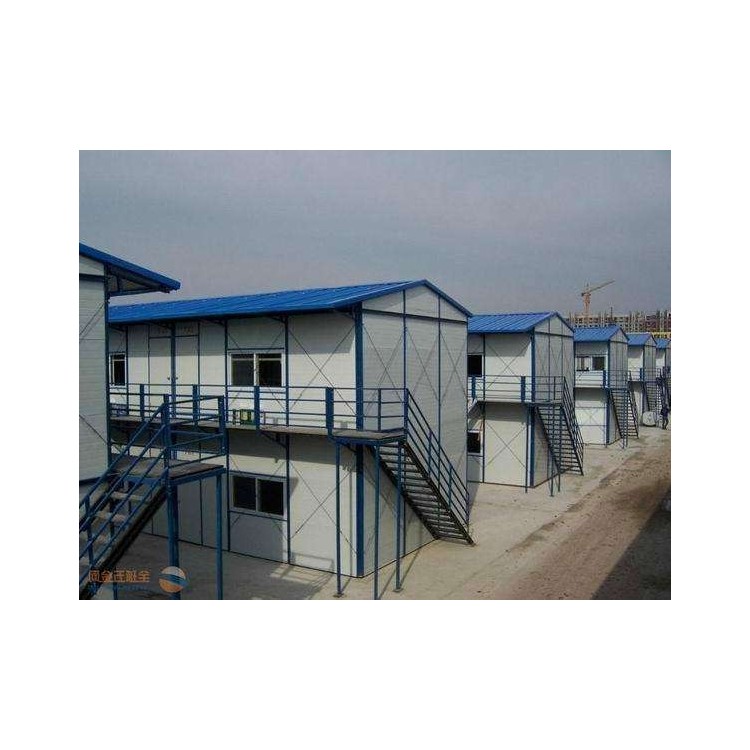
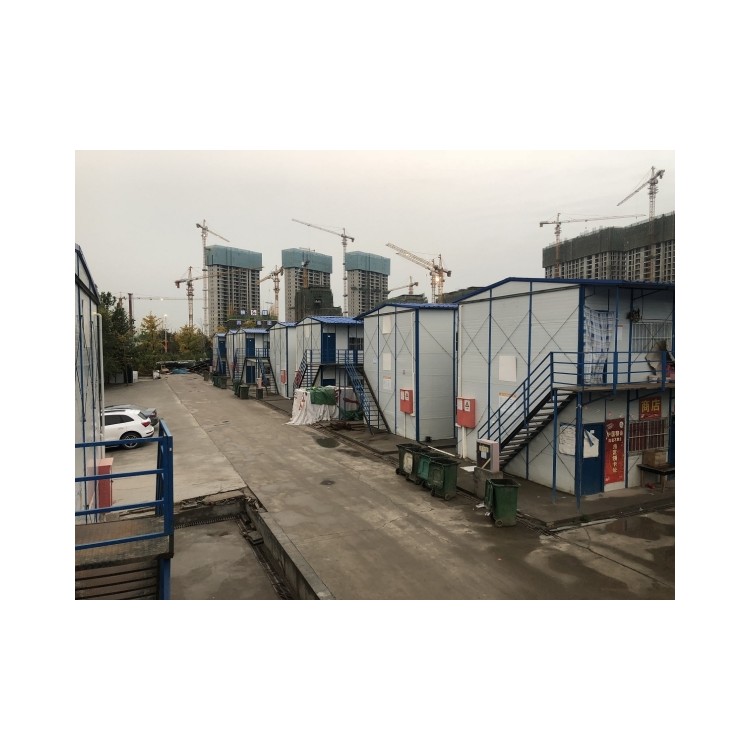
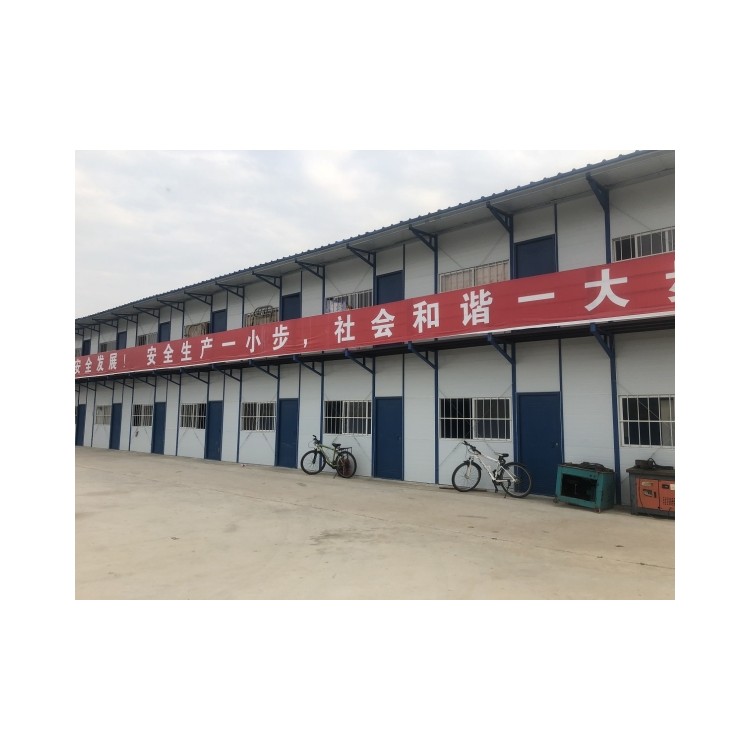

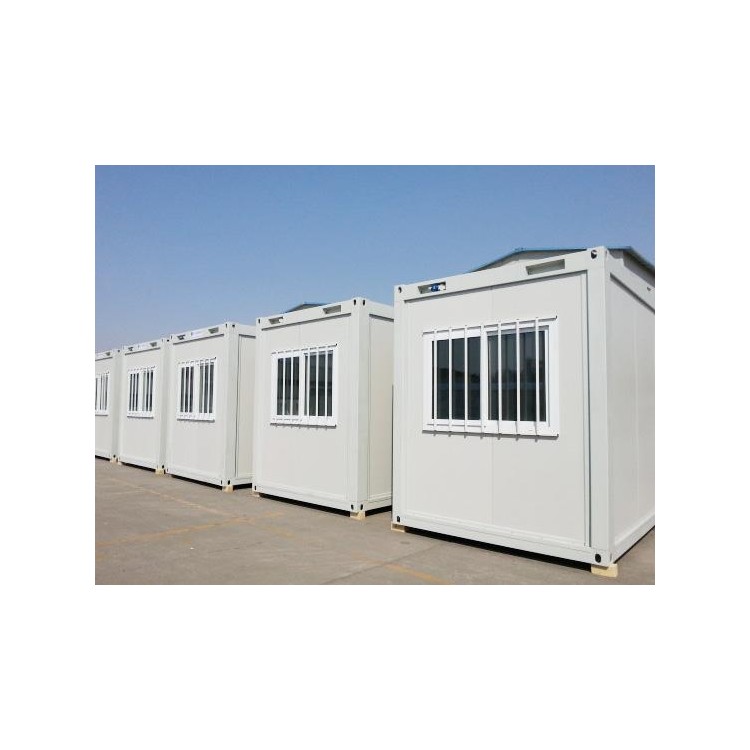
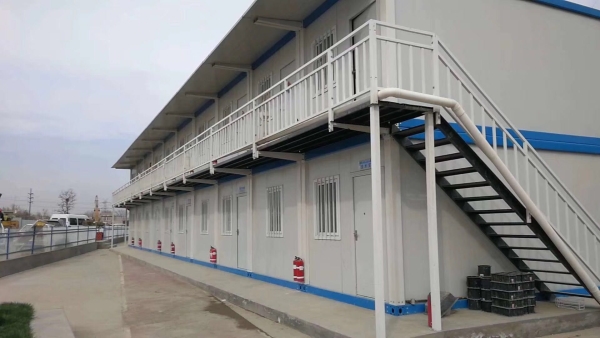
The activity container house is lightweight, with minimal wetland operations, short construction period, and excellent thermal performance. The wall panels are made of poly苯 particle boards with good insulation and soundproofing properties, offering low cost. With these advantages, it is gaining more and more recognition and is bound to become widely used in the market.
In the European, American, and Japanese markets, the scale of development and industry concentration have reached a considerable level. Currently, container housing in China is gaining recognition due to its strengths such as durability, energy efficiency, rapid construction, and quick installation. Many districts, real estate developers, tourist attractions, new rural construction projects, and individuals are now placing value on this highly advantageous product. Promoting container housing has become a major highlight of new materials and construction in this century.
Activity container houses are a construction method that involves prefabricating walls, roofs, and other components in a factory, then assembling them into complete structures according to design specifications. Represented by steel structures, the load-bearing framework allows for quick assembly. They feature a standardized, modular, and generalized production design, making them easy to dismantle, store, and reuse multiple times, suitable for both temporary and long-term housing needs.
Activity container houses, as one of the more common temporary construction site buildings for living and working, not only cater to the employees' needs but also save energy and reduce project investment costs. What I want to discuss with you is what to pay attention to when installing activity container houses on-site. Let's take a look together.
Prior to the hoisting operations for the container housing in the event, the natural environment surrounding the work area must be cleaned up and kept tidy, and the construction site must have its raw materials neatly stacked and organized.
2. Workers conducting crane operations in container housing must properly wear protective gear to prevent injuries caused by unexpected incidents.
3. Prior to lifting, early acquisition of the net weight of the living container to be lifted is required. Additionally, plan and design for various potential lifting scenarios and take preventive measures.
4. Cranes must be parked on a solid, level surface and surrounded by a fence and warning signs to prevent accidents.
5. During the hoisting operations for activity container housing, it is necessary to secure牵引带 (ropes) with appropriate size and length above it. In the hoisting process, first gently lift it off the ground, then slowly hoist it up. Throughout this process, pay attention to checking the braking performance of the lifting equipment.
6. After hoisting the activity container house, immediately remove and inspect the lifting equipment and staff on-site. Quickly dismantle the fences and warning signs, and prepare for the withdrawal process.