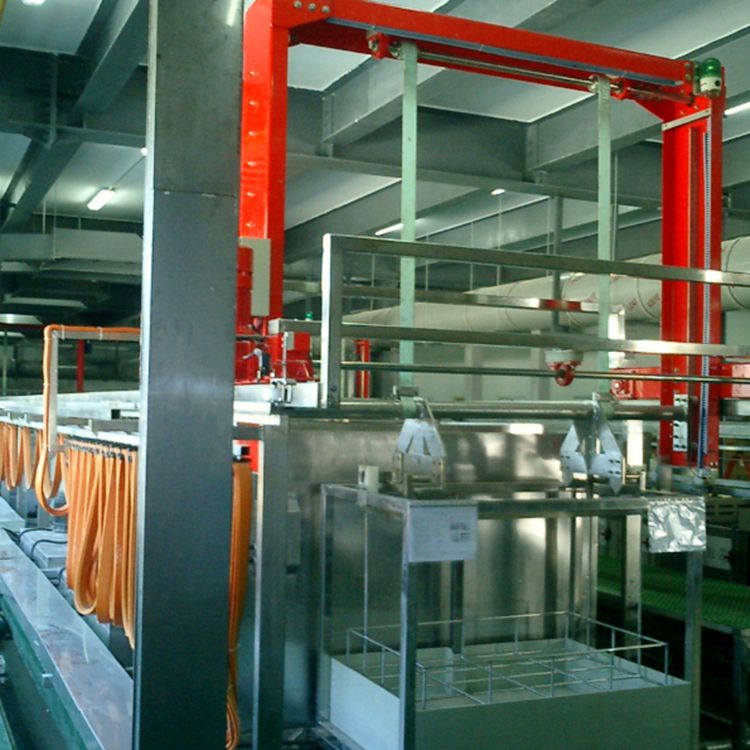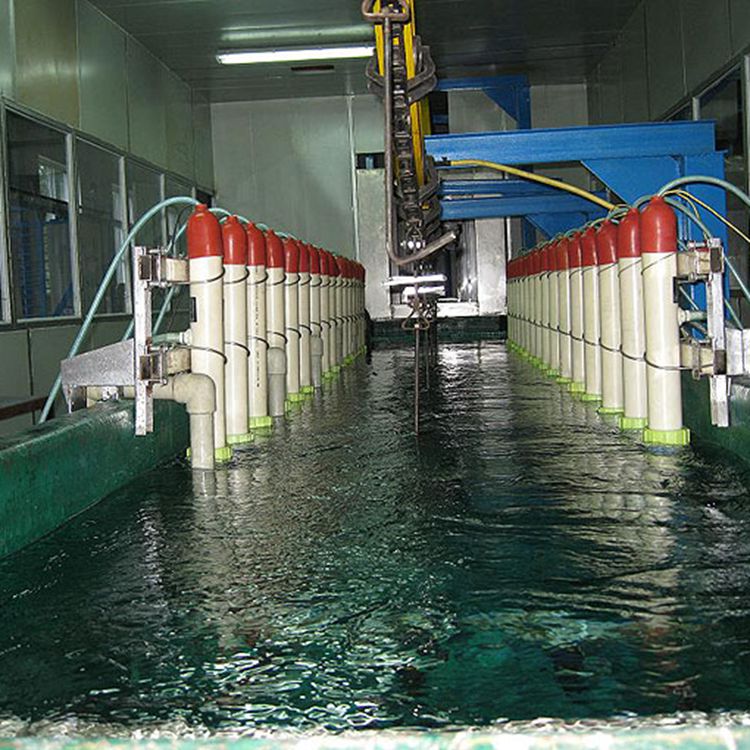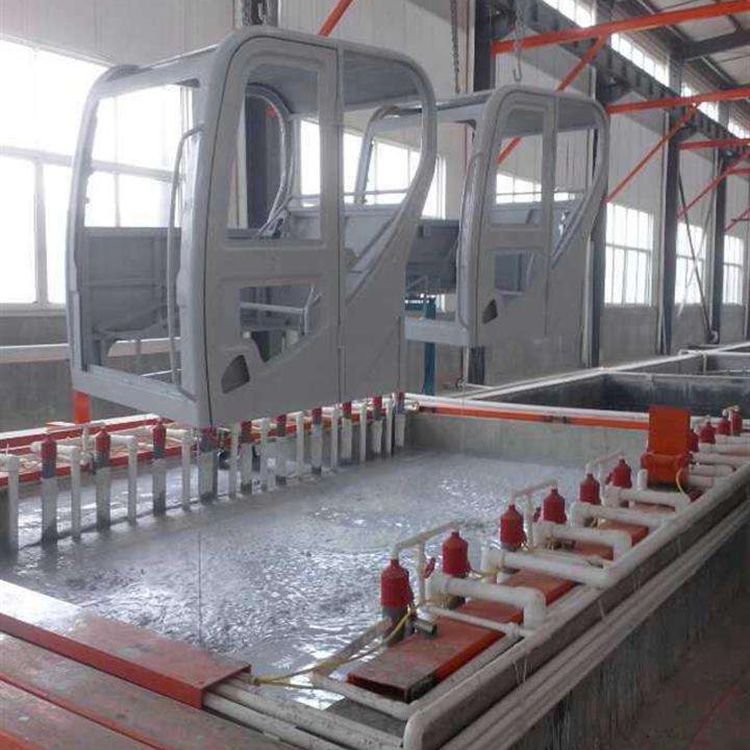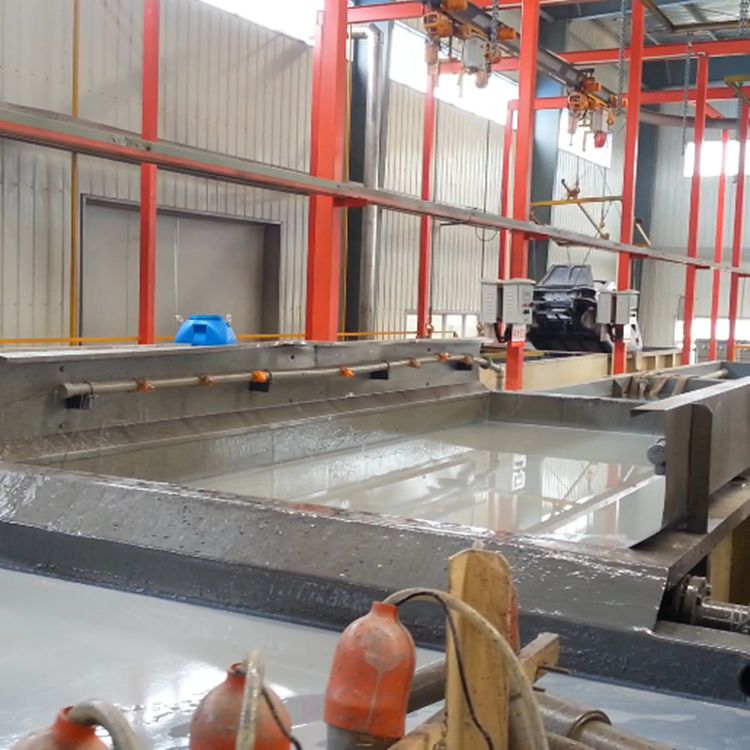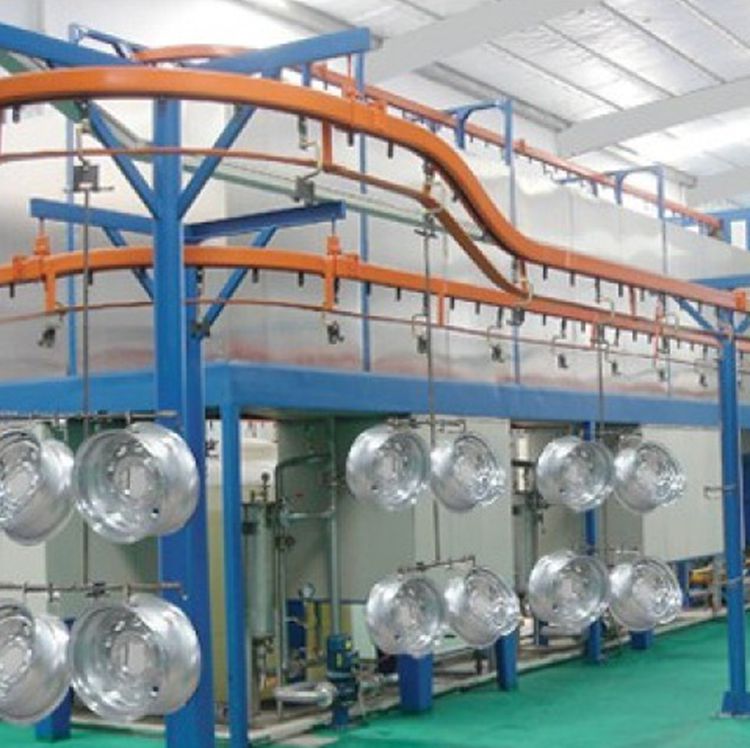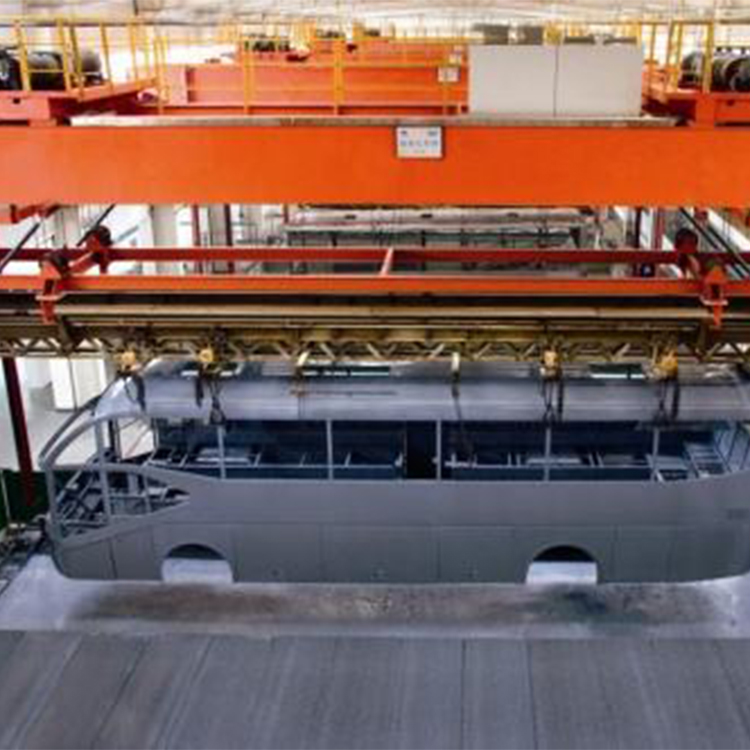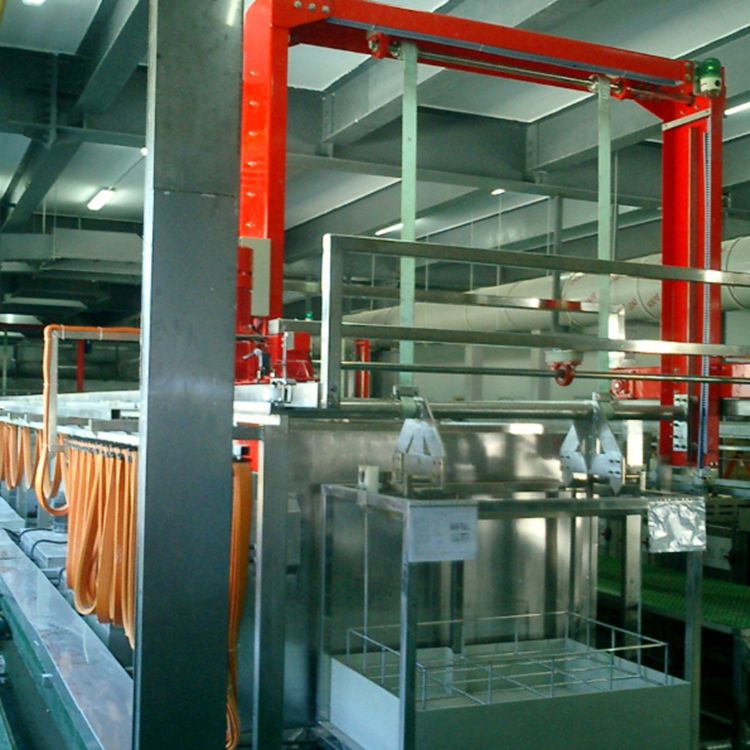


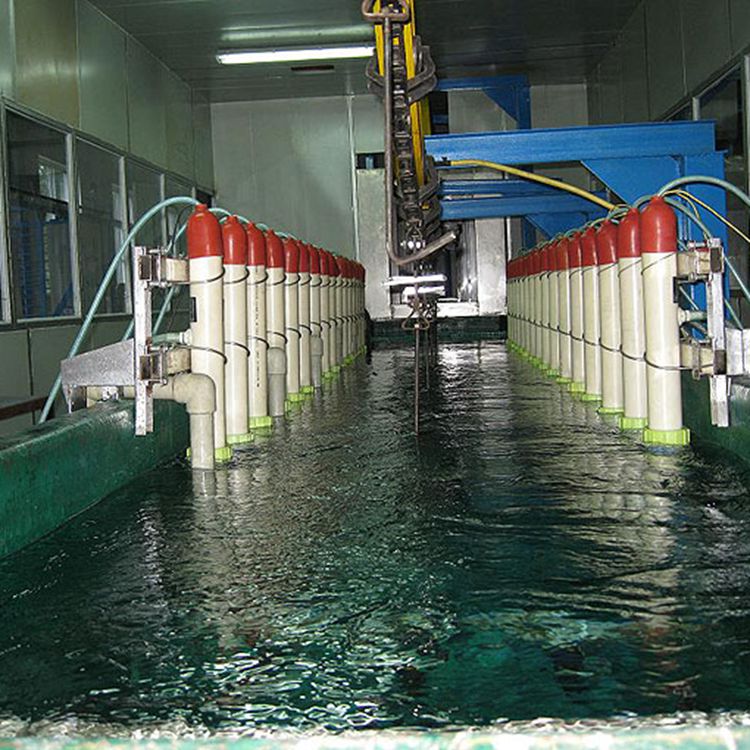


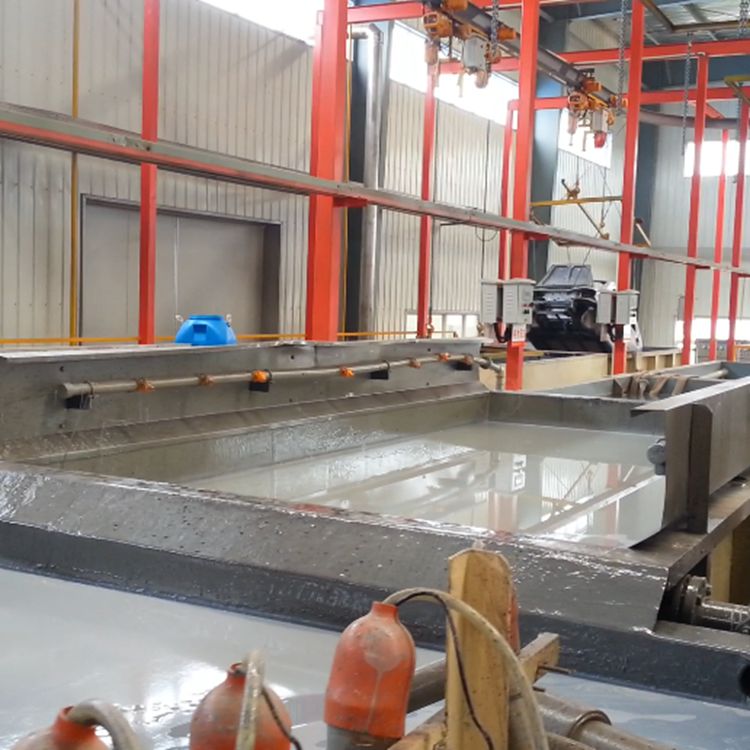
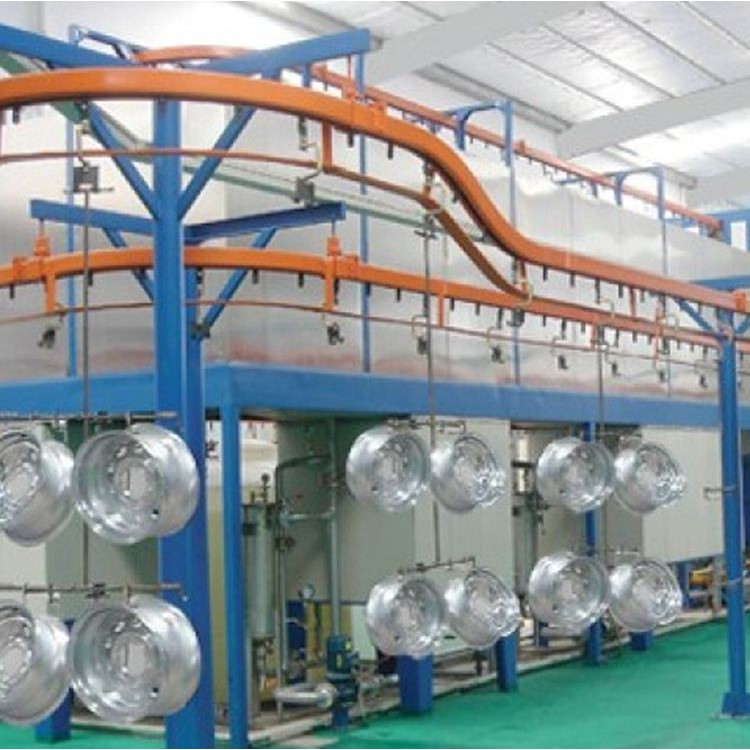
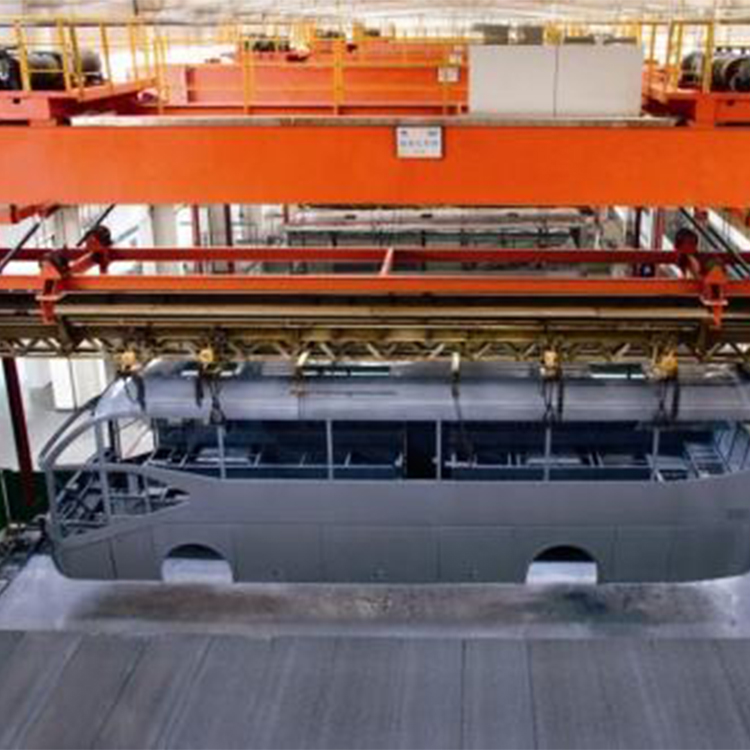





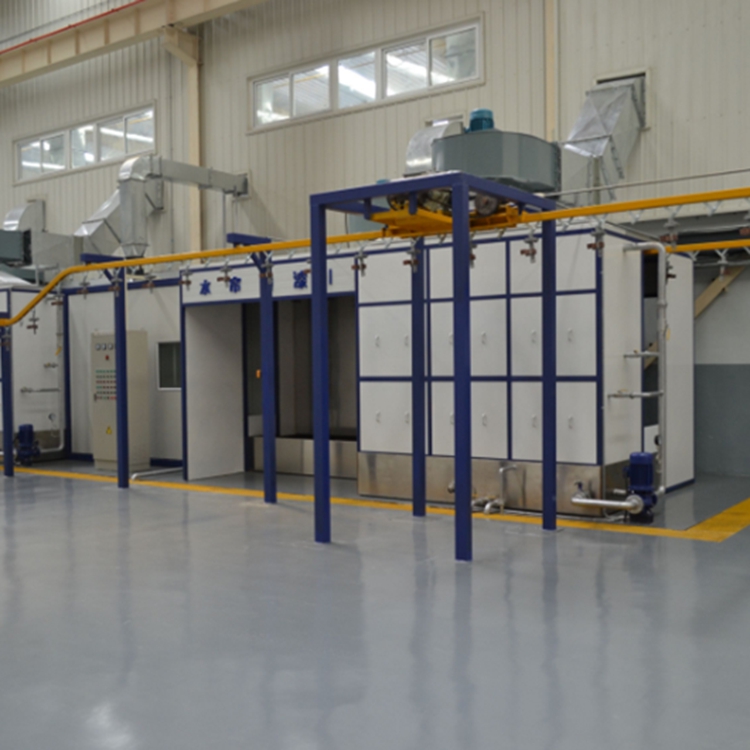
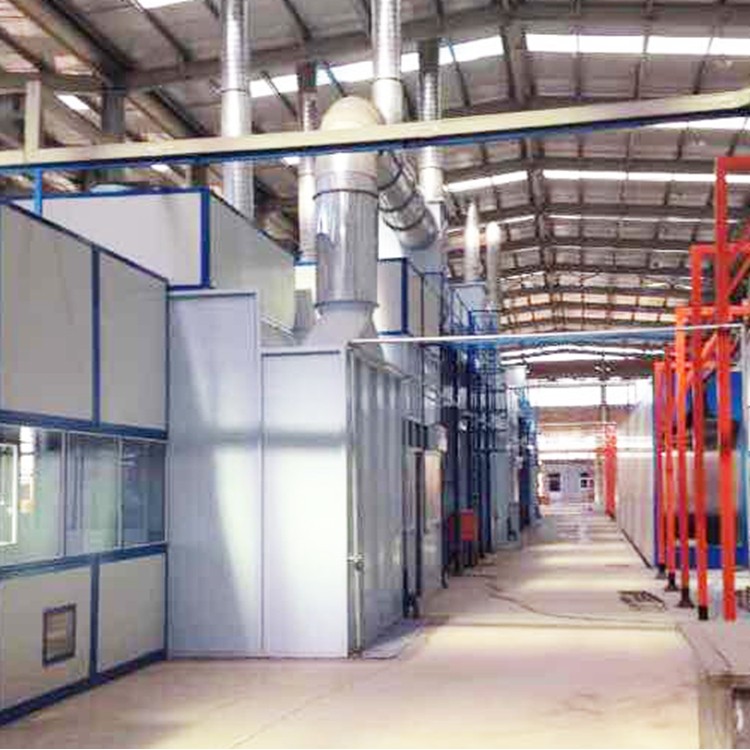
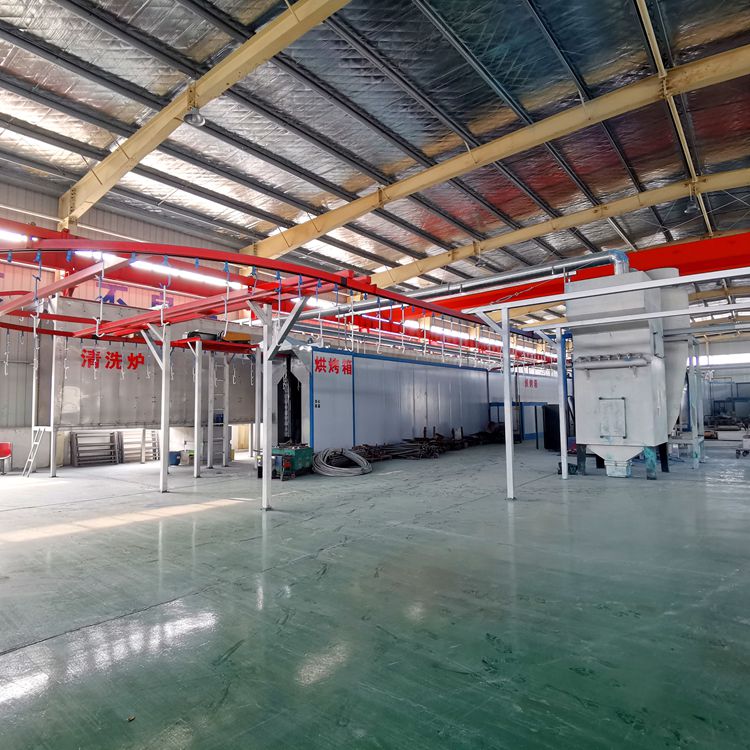

Electrophoretic coating is a method of applying paint by using an external electric field to direct the migration and deposition of pigments, resins, and other particles suspended in the electrophoretic liquid onto the surface of one of the substrates.
The principle of electrophoresis painting was invented at the end of the 1930s, but the development and industrial application of this technology did not occur until after 1963. Electrophoresis painting is a special film-forming method that has developed in the past 30 years and holds practical significance in the application of water-based paints.
Water-soluble, non-toxic, and easily automated, it has quickly gained widespread application in industries such as automotive, construction materials, hardware, and home appliances.