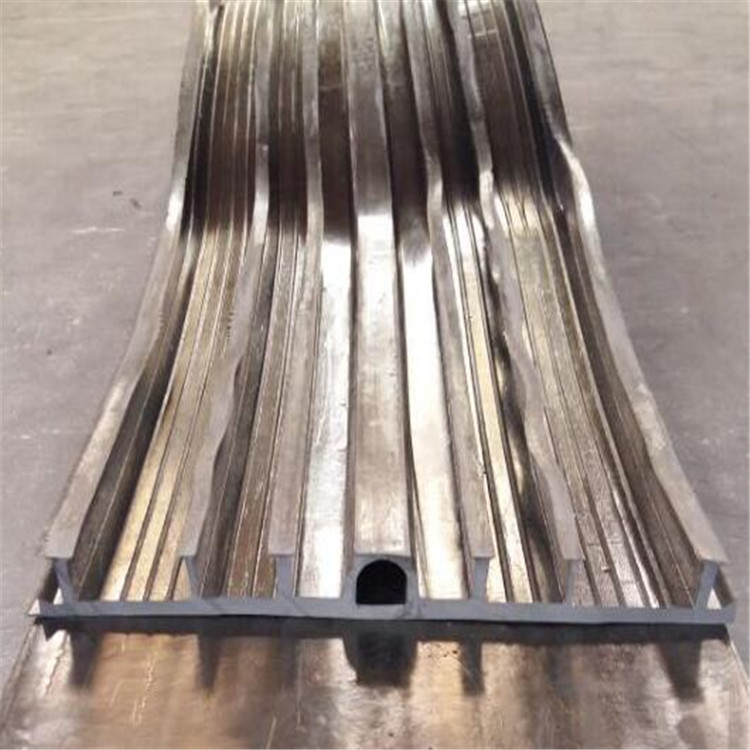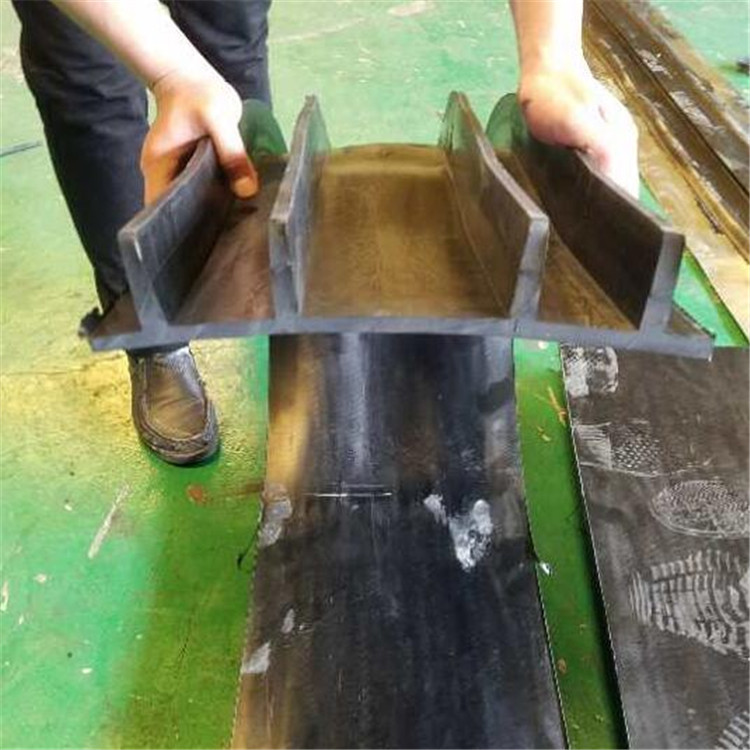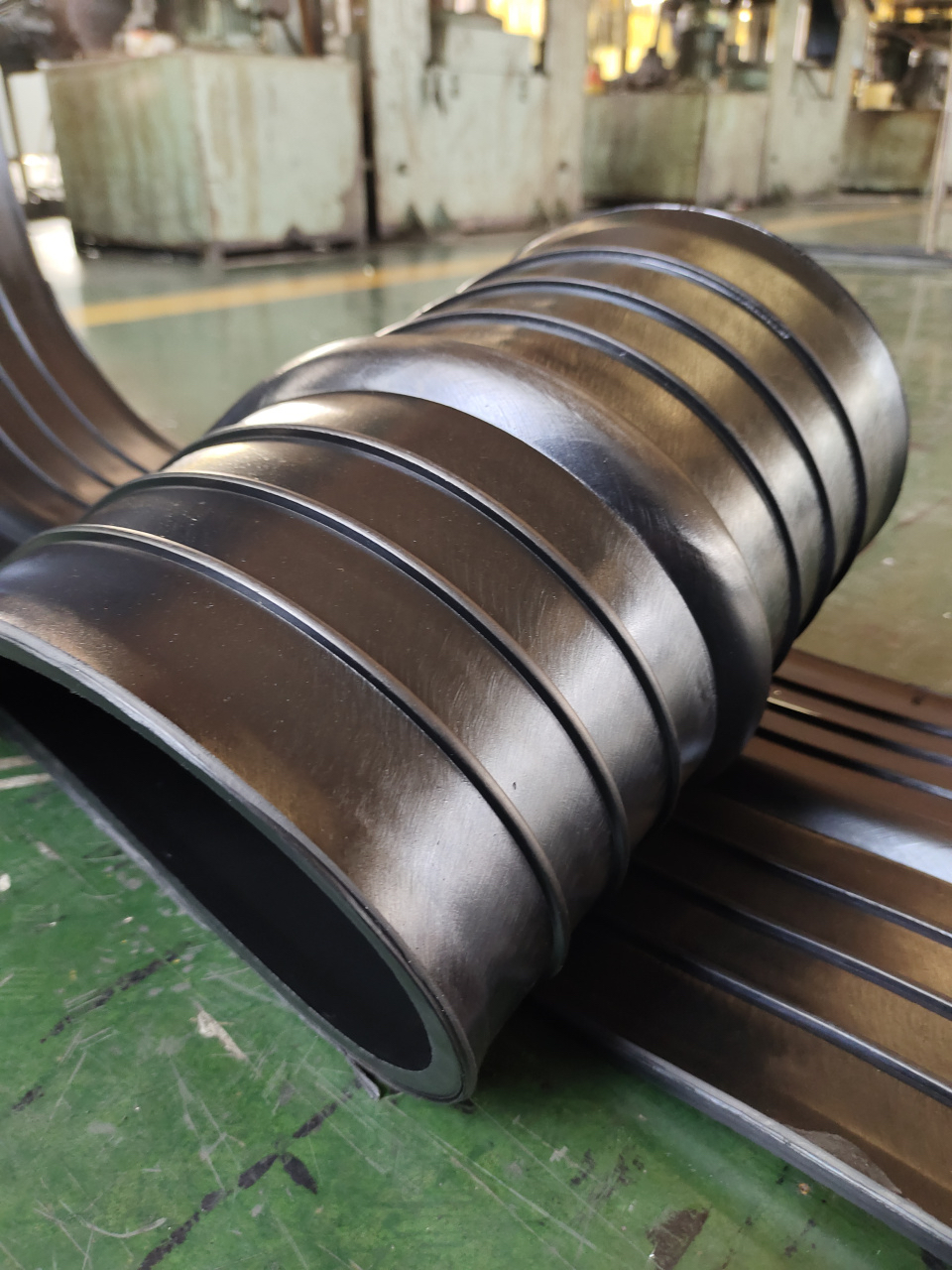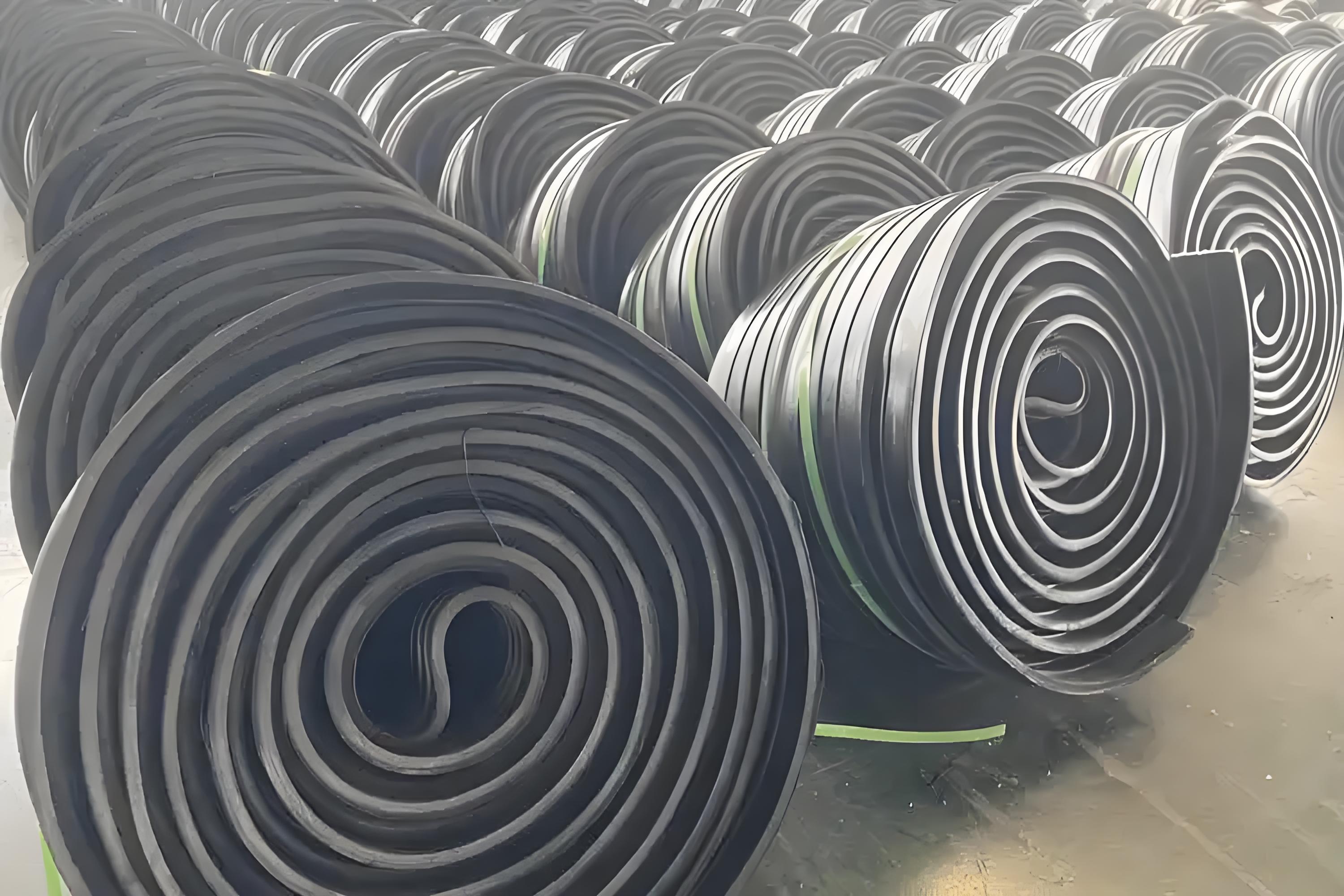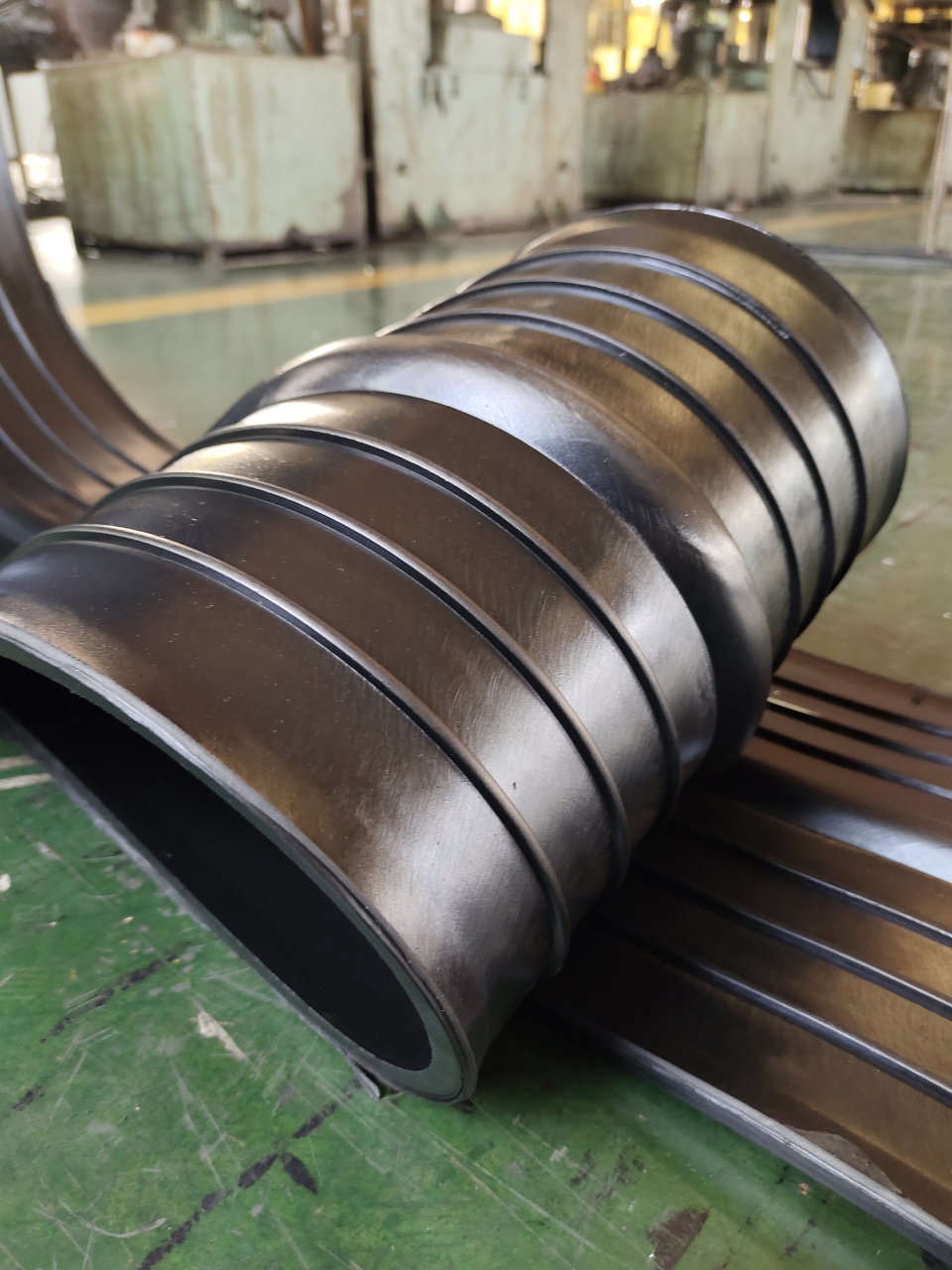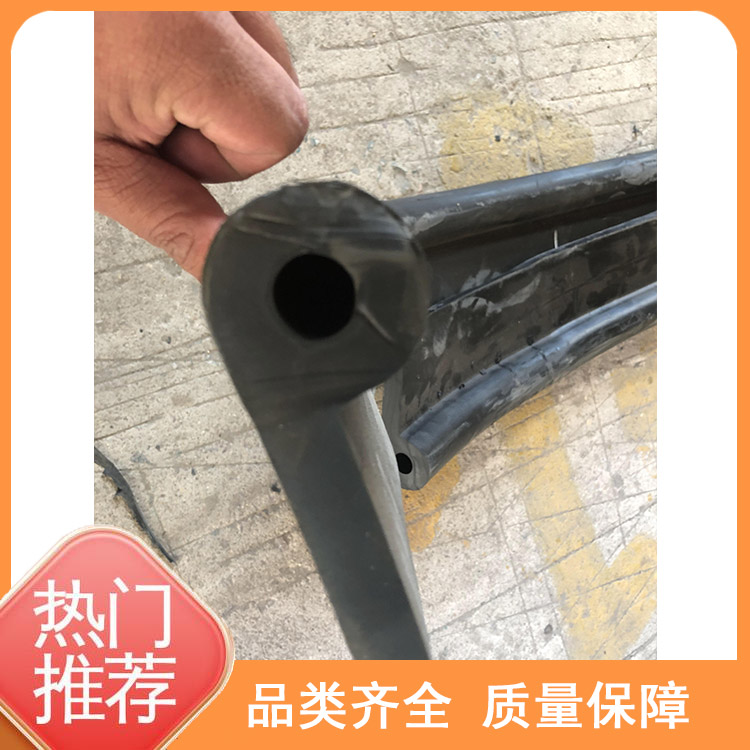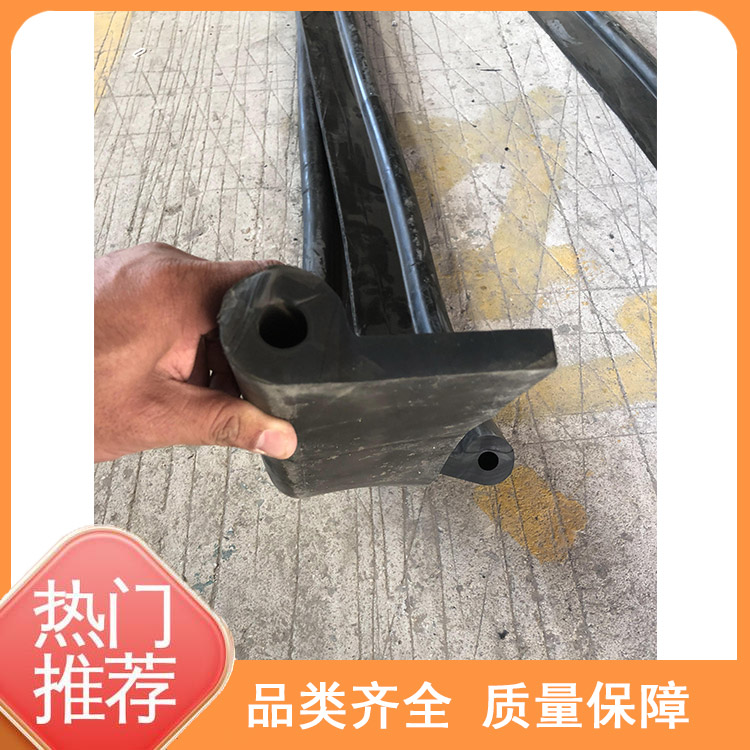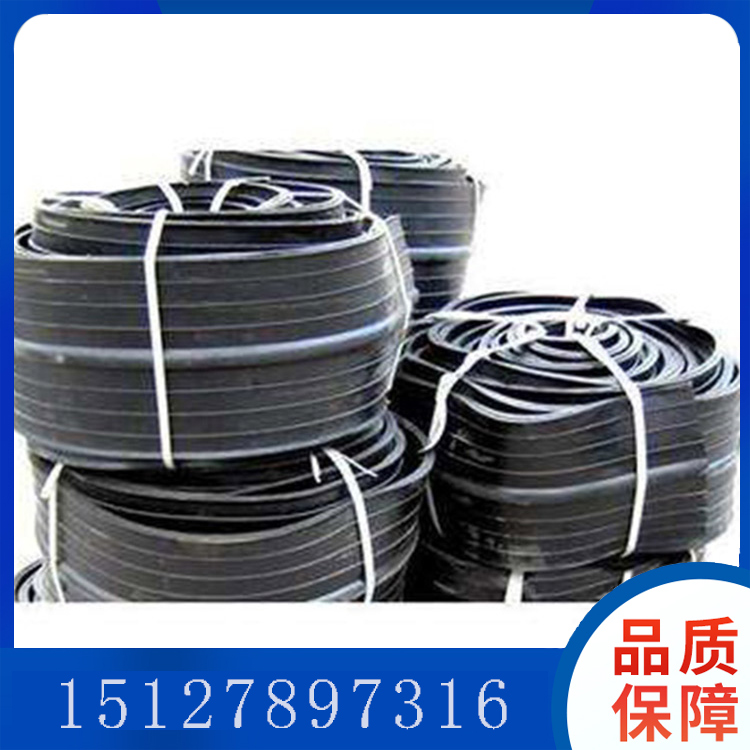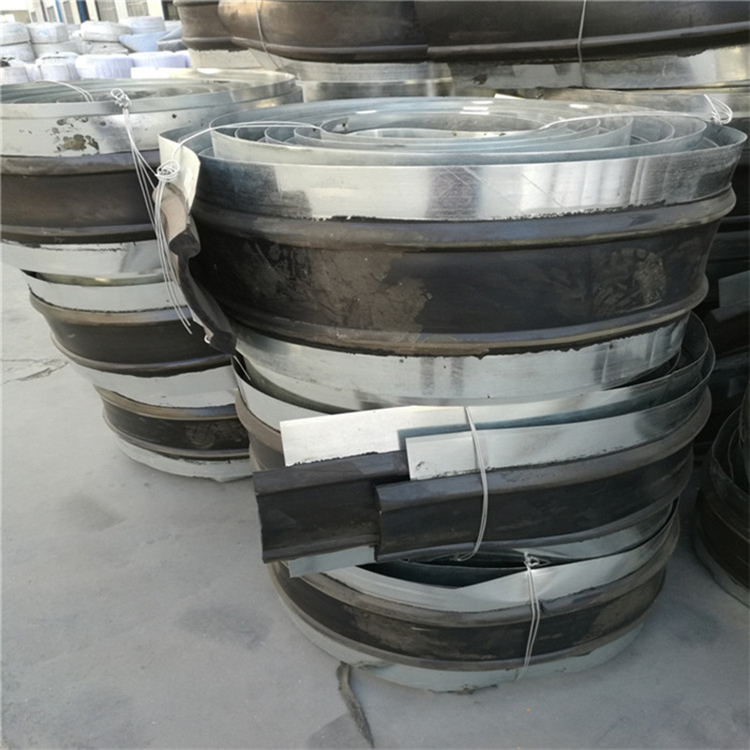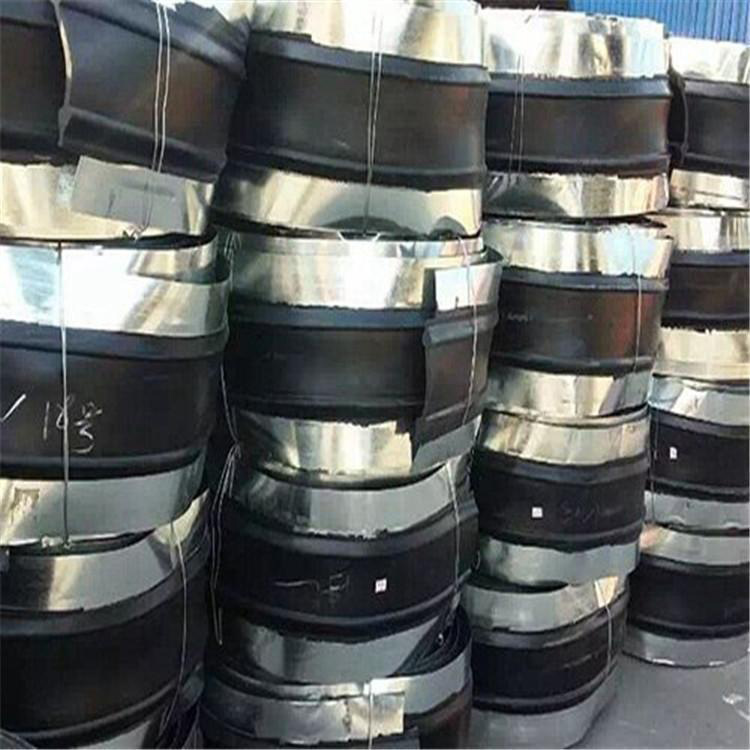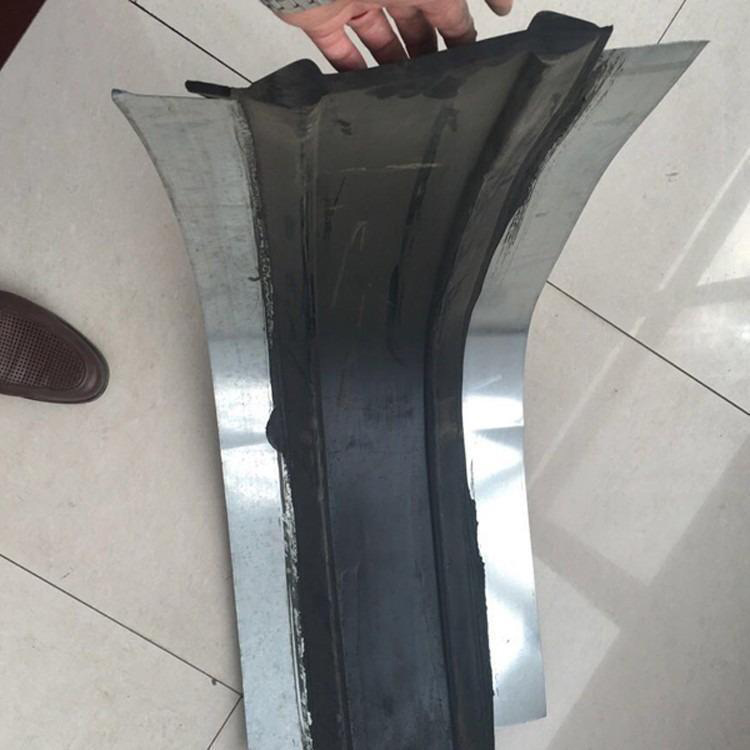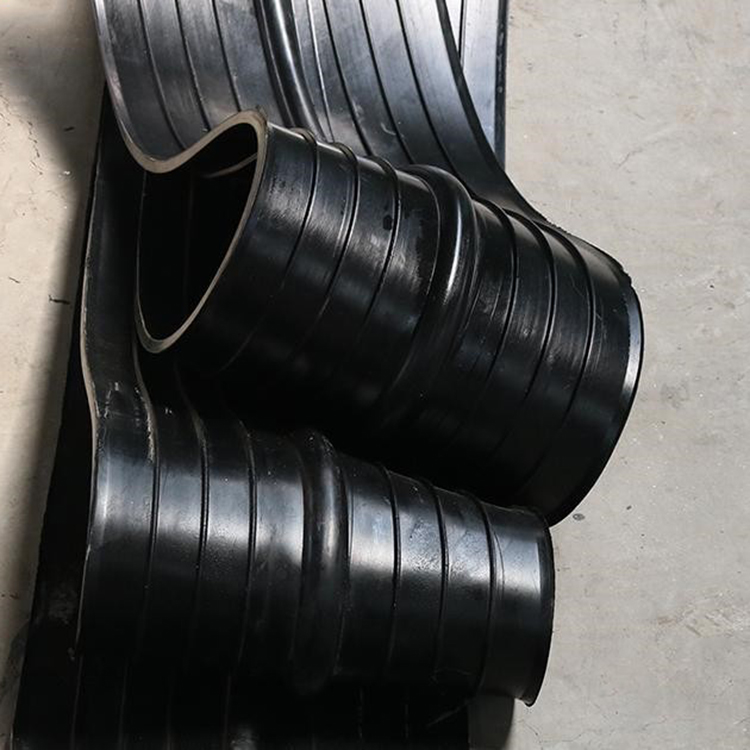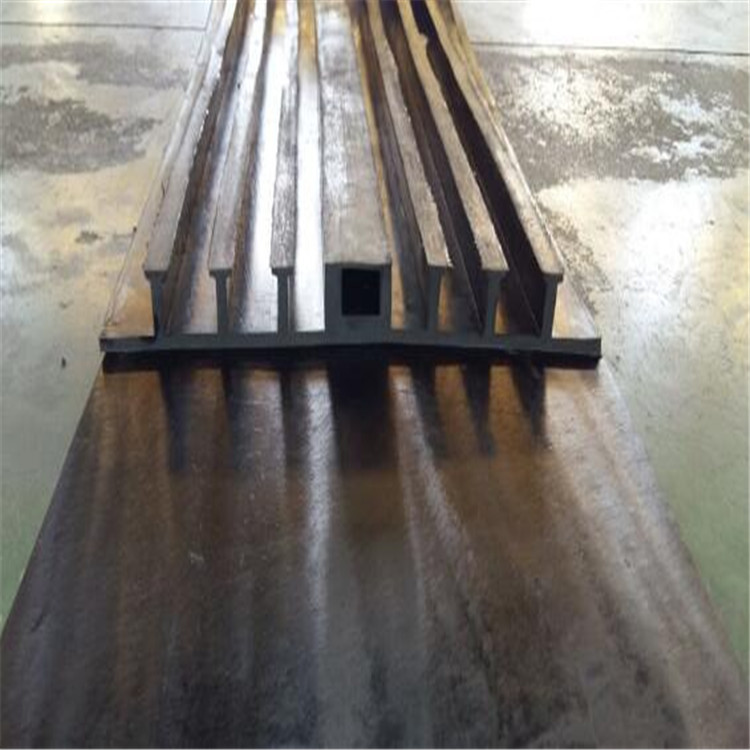

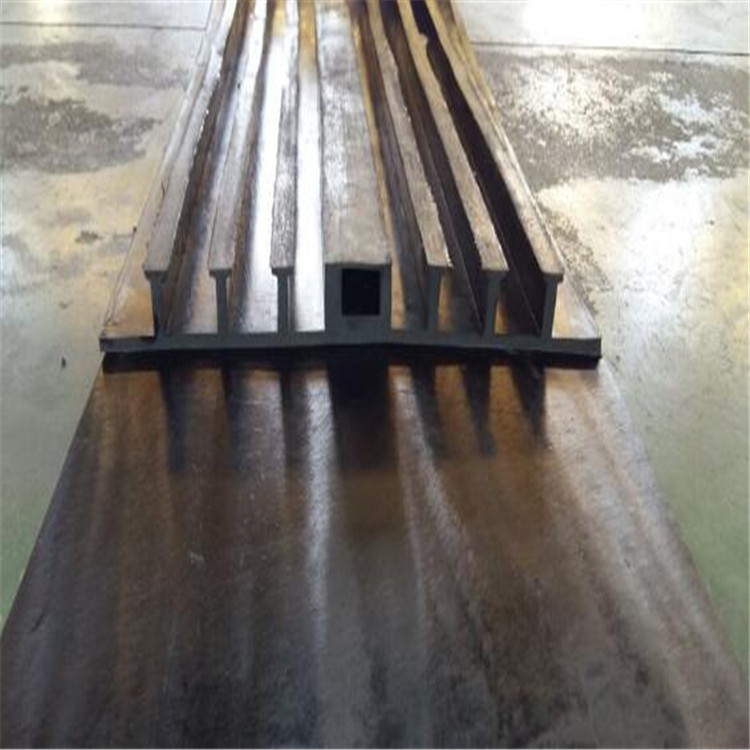
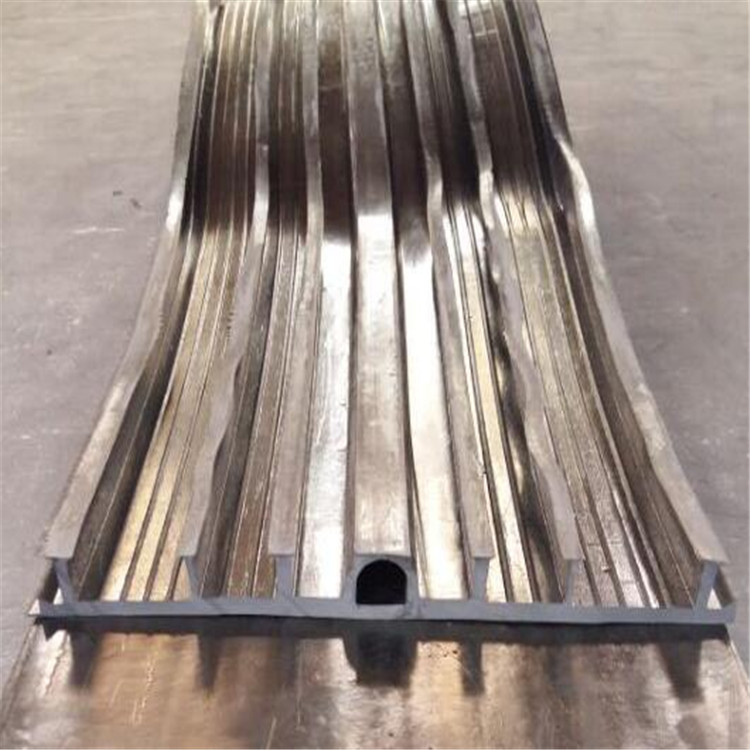
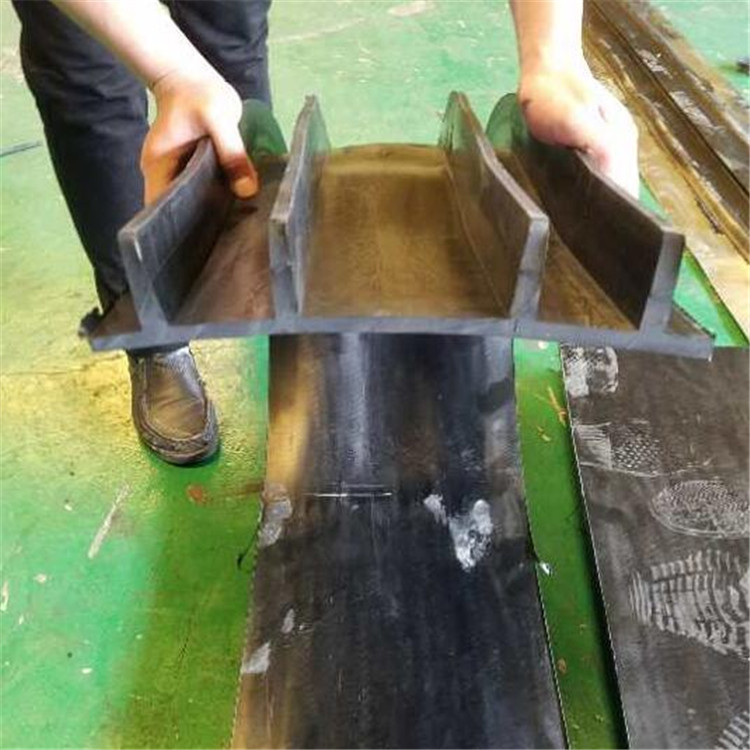


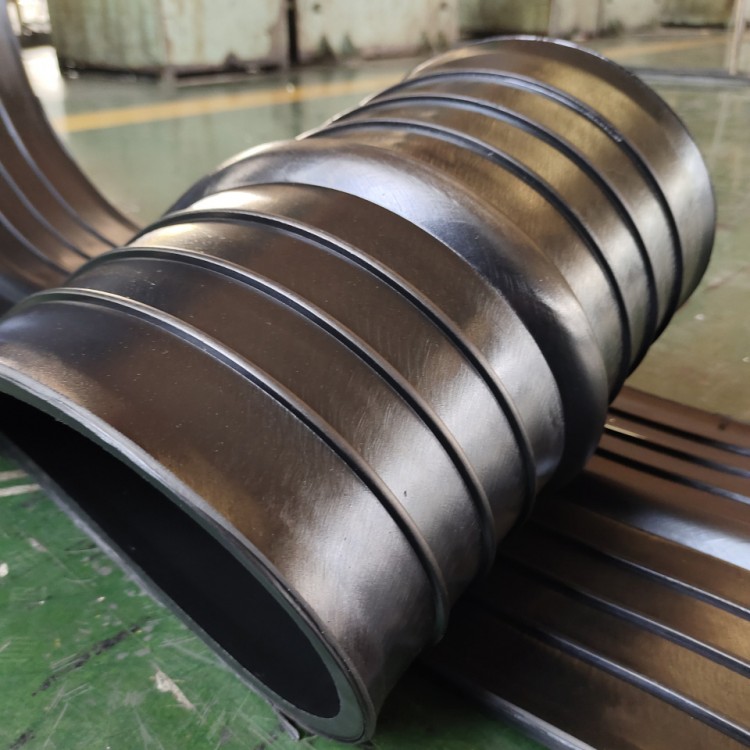
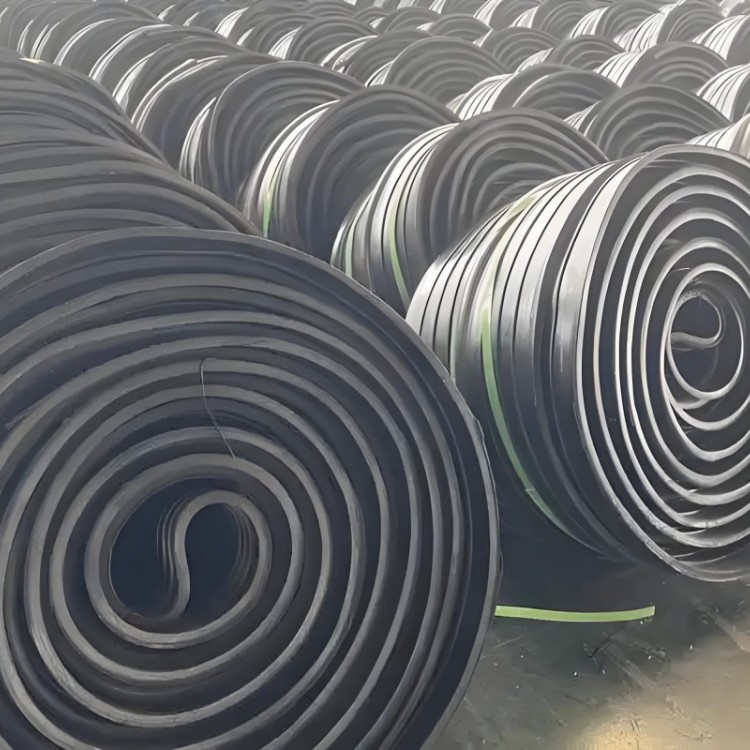
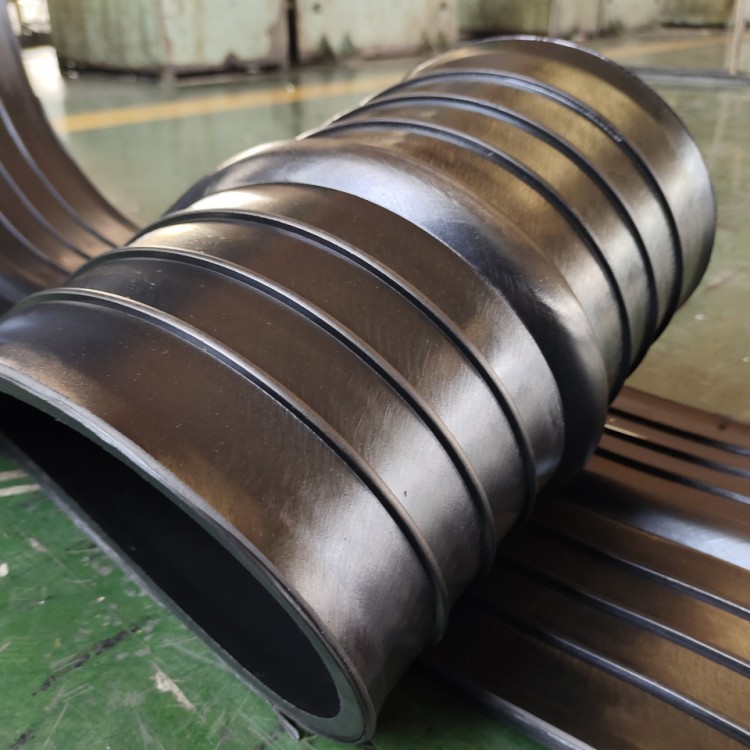
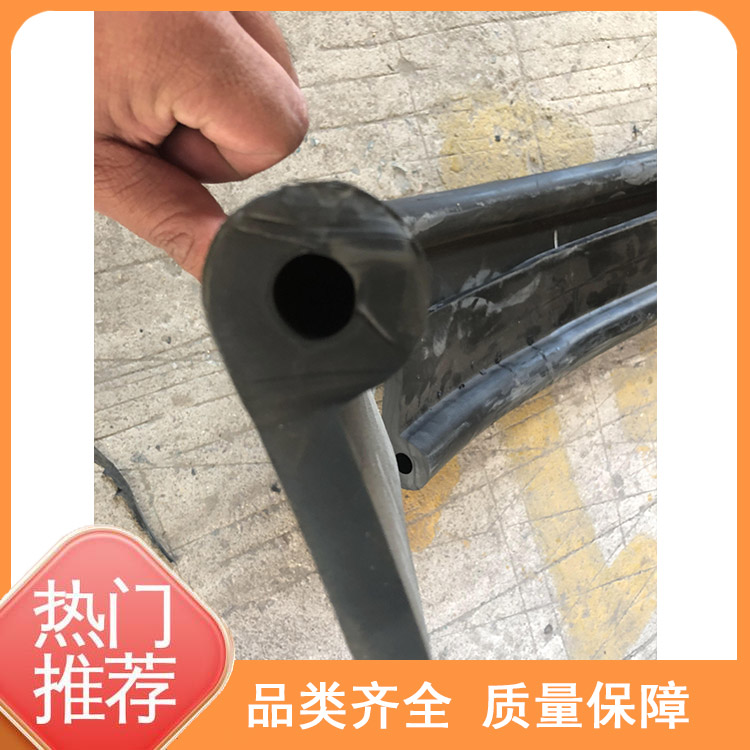
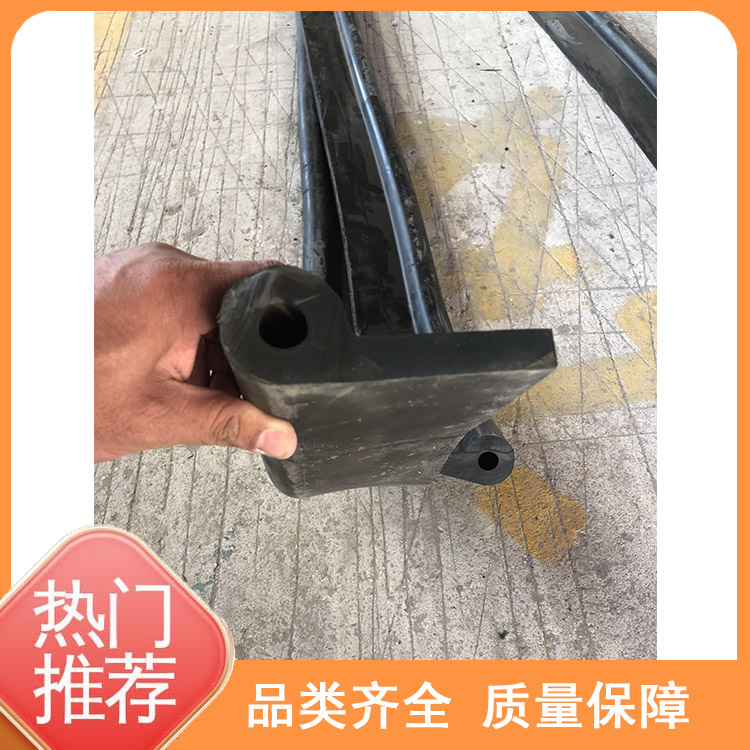





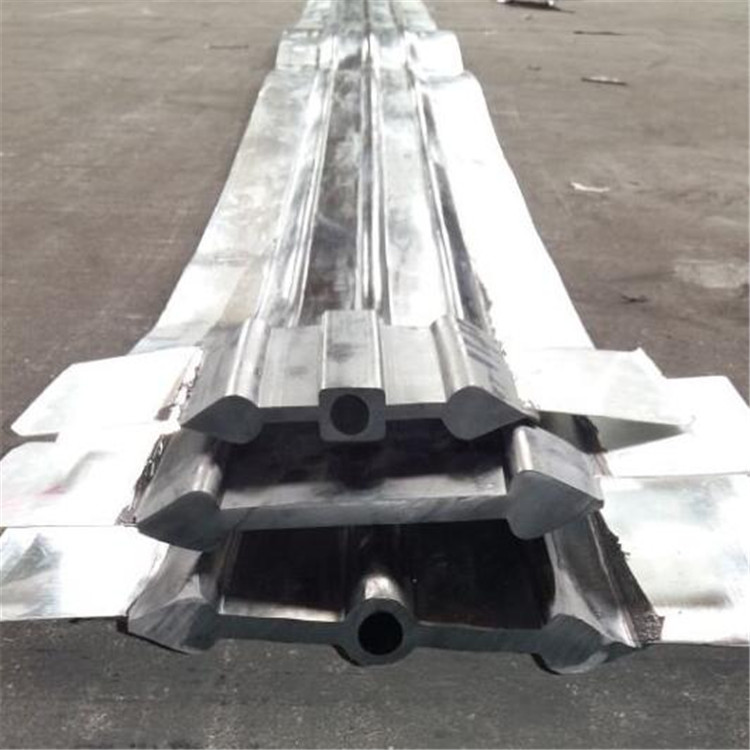
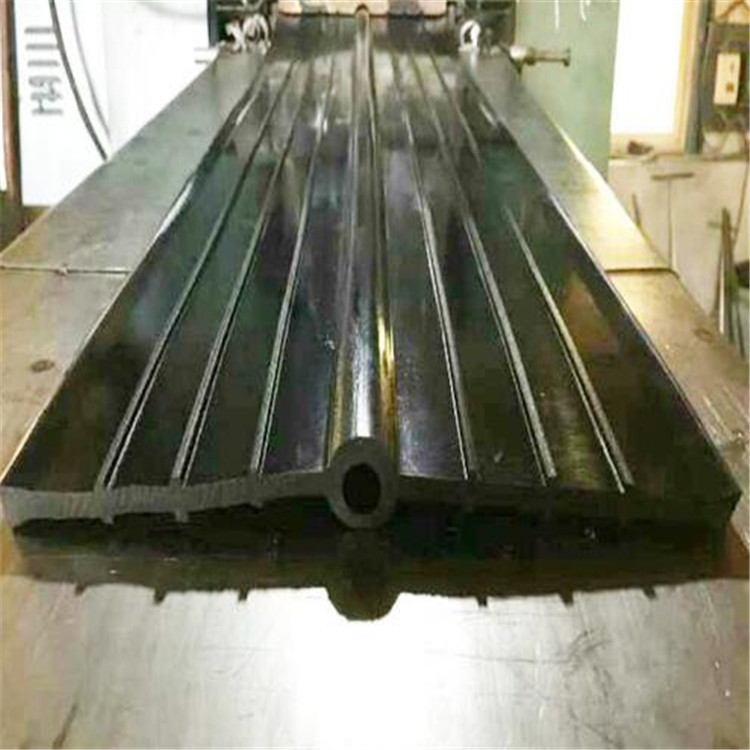
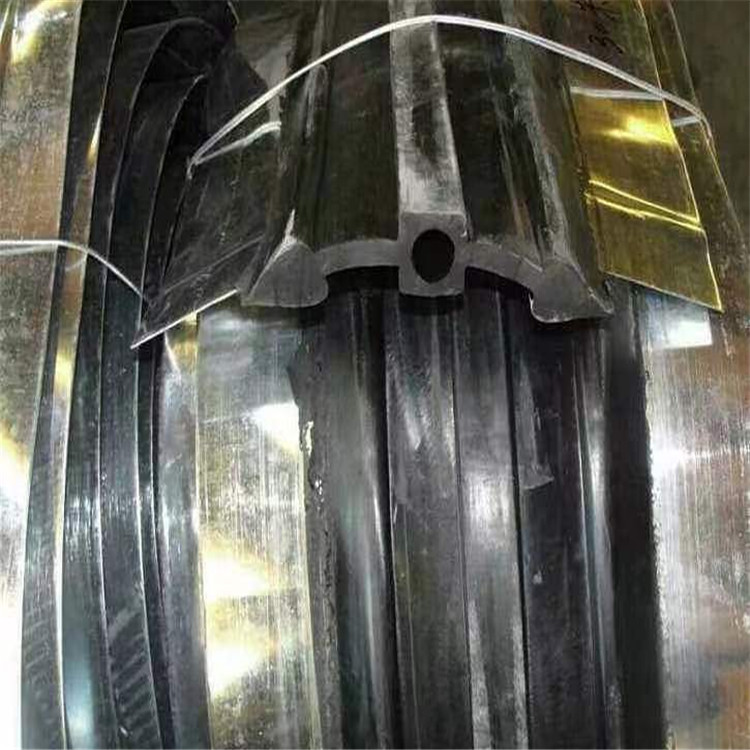
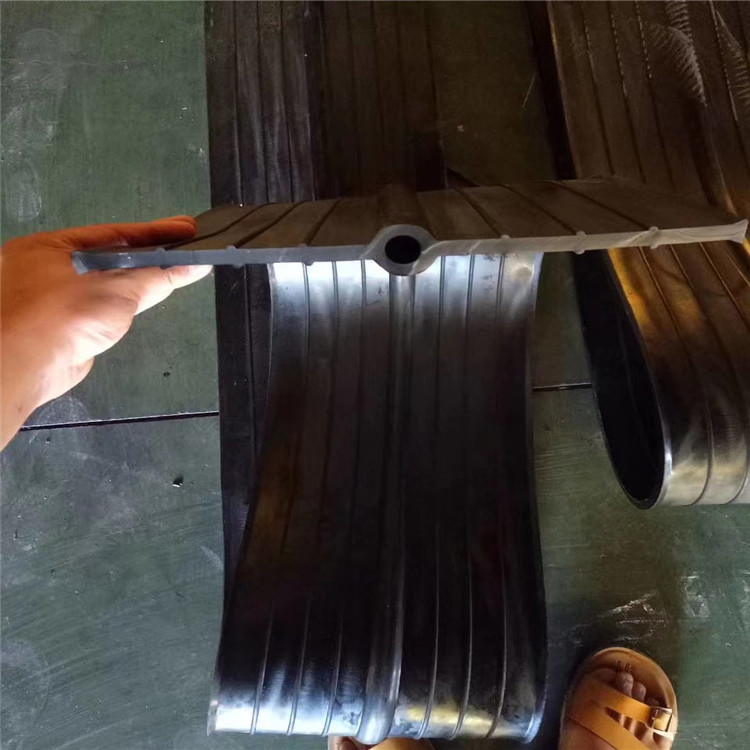
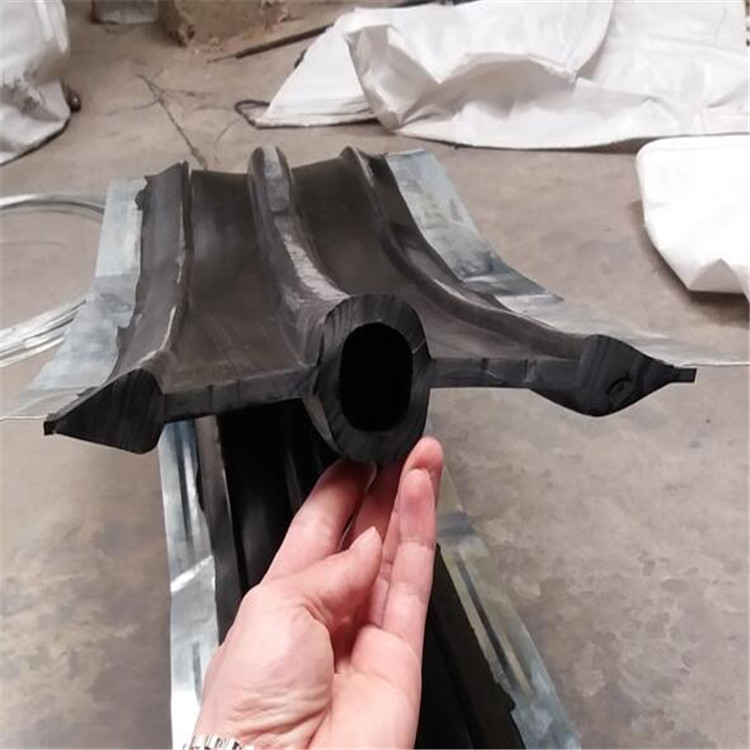
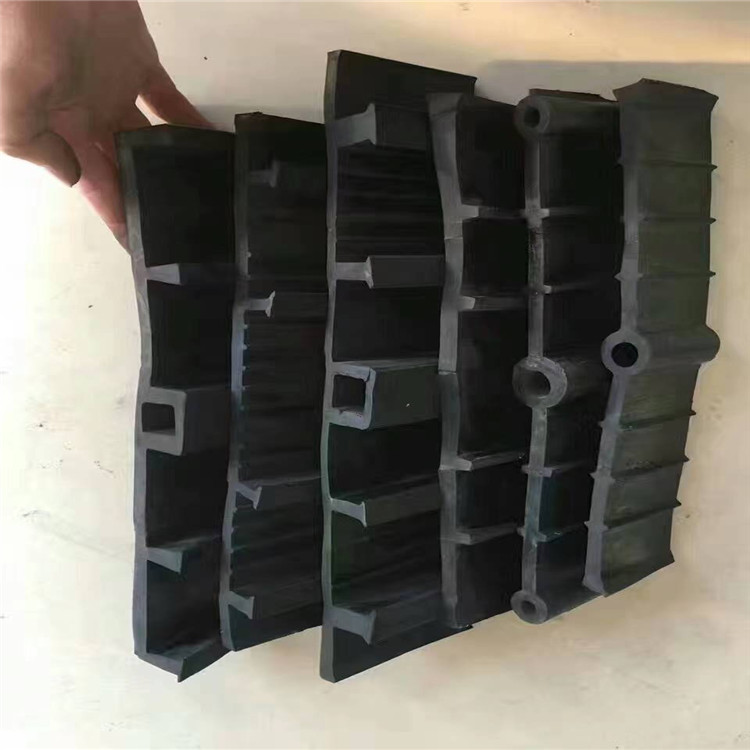
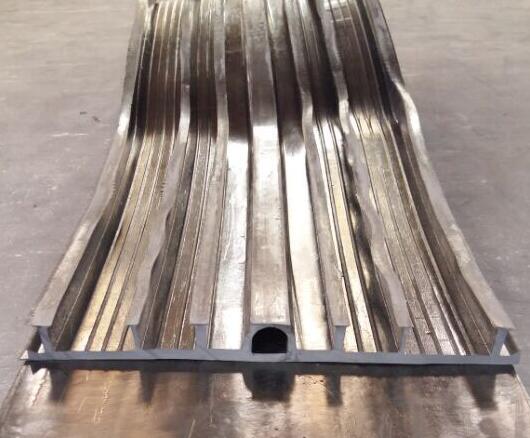
Exterior rubber waterstop functions and principles: The back-adhesive rubber waterstop utilizes the high elasticity of rubber, which undergoes elastic deformation under various loads, thereby providing a firm seal and effectively preventing leakage and seepage in building structures, as well as serving as a shock-absorbing buffer. In many engineering and architectural designs, there are certain expansion requirements between civil engineering and hydraulic structures, and issues such as waterproofing and shock resistance exist. Therefore, the use and installation of rubber waterstops are effective means to address these problems. This product is primarily used in concrete casting, installed in construction joints and deformation joints, becoming an integral part of foundation engineering, underground facilities, tunnels, culverts, water conveyance channels, and dam structures, ensuring the service life of the construction project. The exterior rubber waterstop is produced in accordance with the national standard GB18173.2-2000 "High Molecular Weight Waterproofing Material Waterstop." Therefore, we can produce various shapes and sizes of rubber waterstops according to customer requirements. Additionally, we have cross-shaped, T-shaped, bevel-shaped, and internal/external corner-shaped products available to meet different engineering and location needs, suitable for any design requirements. When transporting waterstop products, avoid direct sunlight and do not expose them to heat sources, oils, or harmful solvents. The finished products should be placed flat and not subjected to excessive pressure. Storage areas should maintain temperatures between -10℃ and +30℃ with relative humidity between 40% and 80%. The application range of the back-adhesive rubber waterstop includes underground structures, dams, reservoirs, swimming pools, rooftops, and other building materials and structures with deformation joints for waterproofing. The selection of the back-adhesive rubber waterstop should consider the corrosive effects of the medium to be contacted (such as acids, bases, salts, oils, solvents, and various corrosive gases). When encountering weak acid or alkaline corrosive media, it is advisable to choose chloroprene rubber waterstops. When encountering oil corrosive media, it is advisable to choose nitrile rubber waterstops. If there is a possibility of mold侵蚀, consider the antifungal properties of the rubber waterstop, which should reach level 2 or above. The choice of waterstop material should consider the usage conditions, such as the effects of temperature, ultraviolet and ozone aging, and repeated deformation factors. In low-temperature conditions, it is advisable to choose EPDM rubber waterstops.