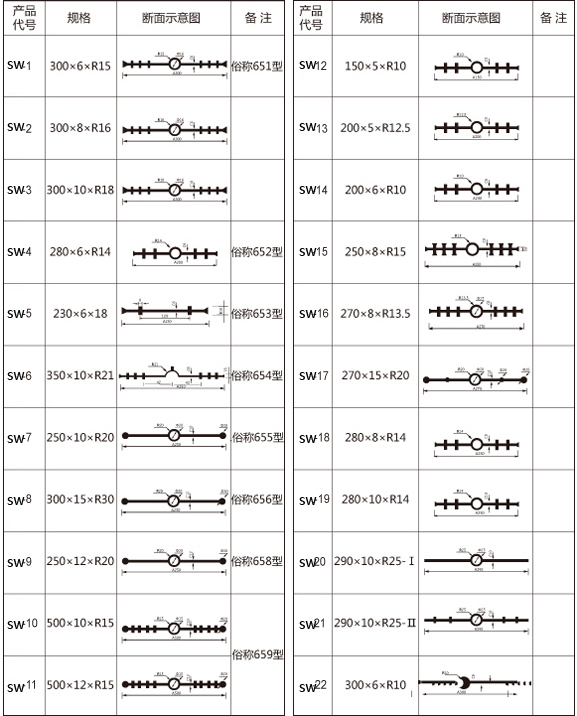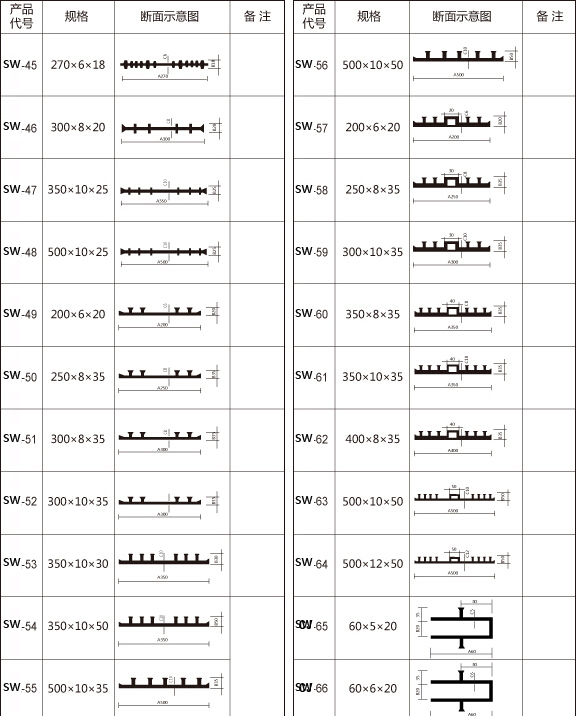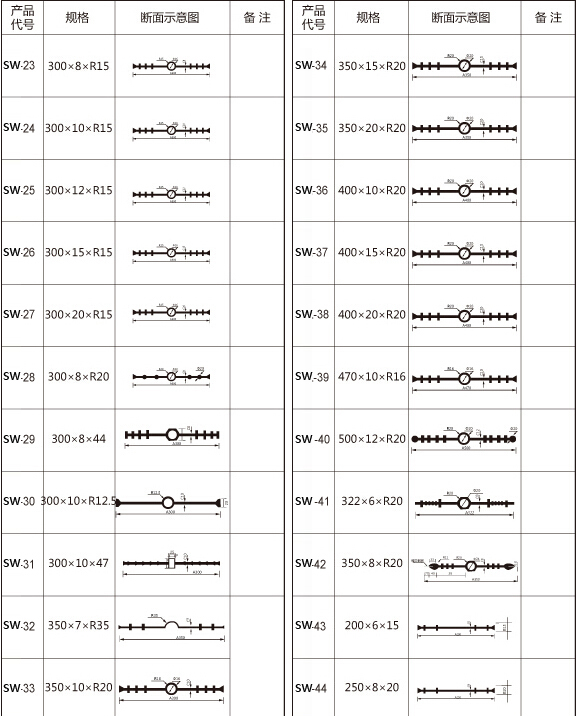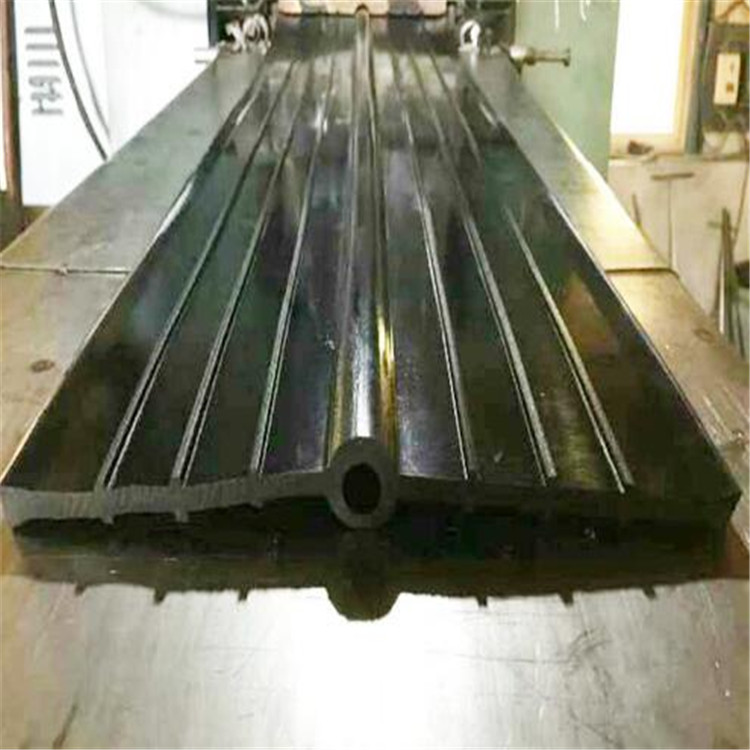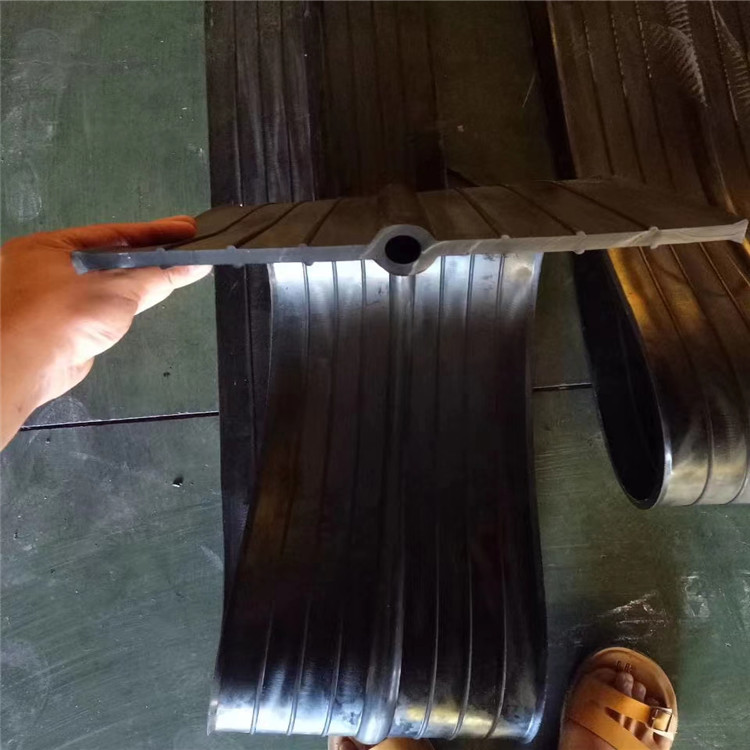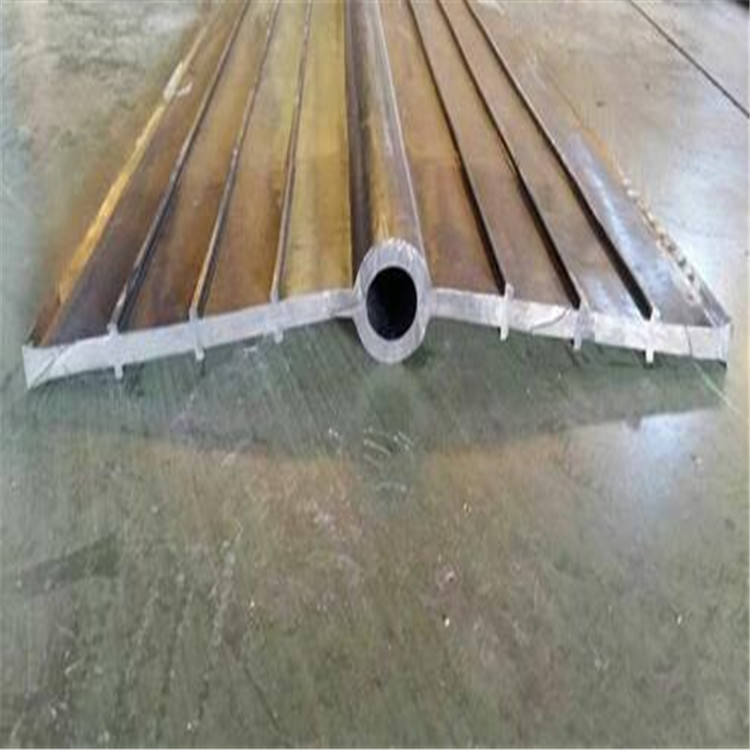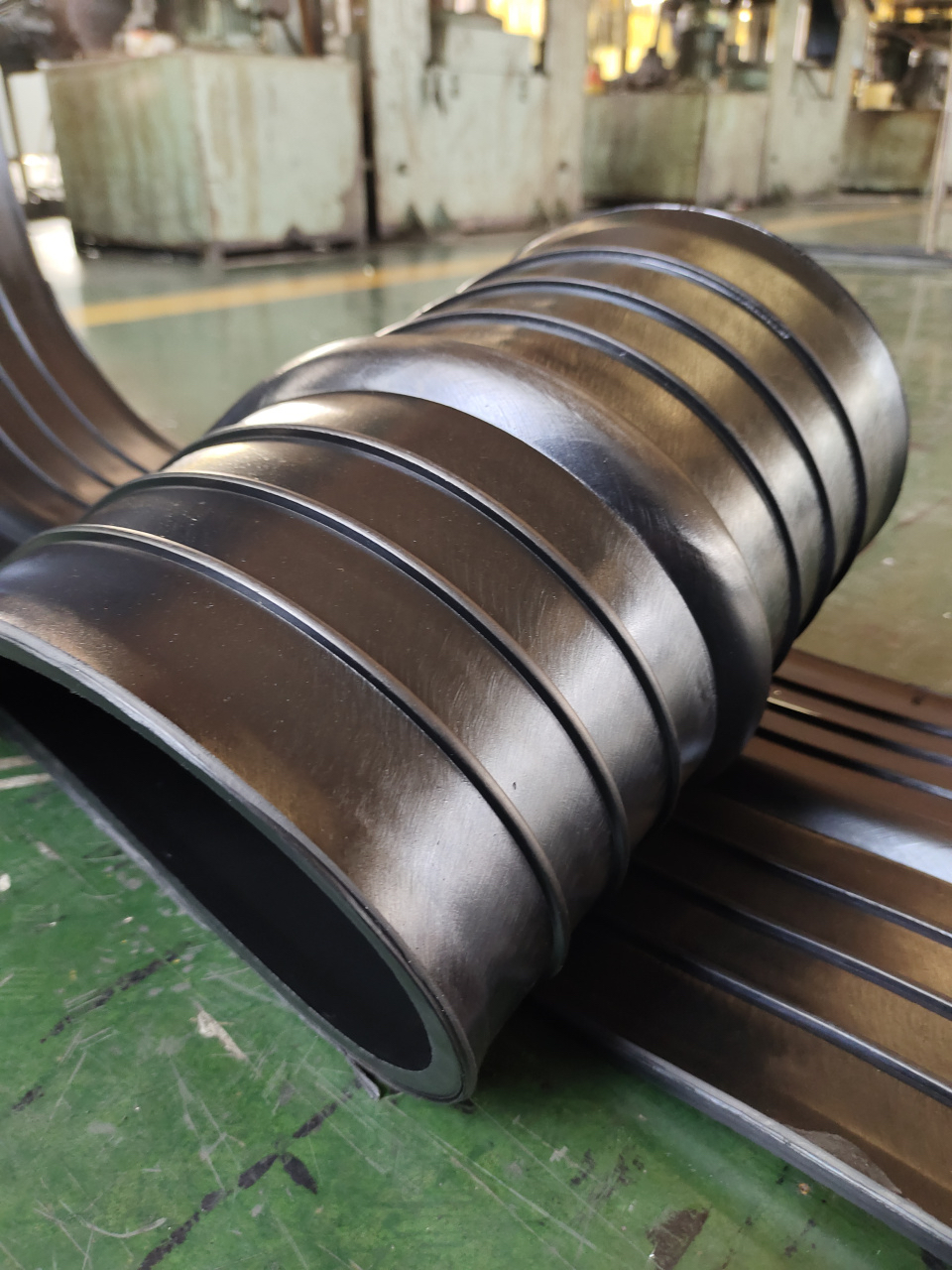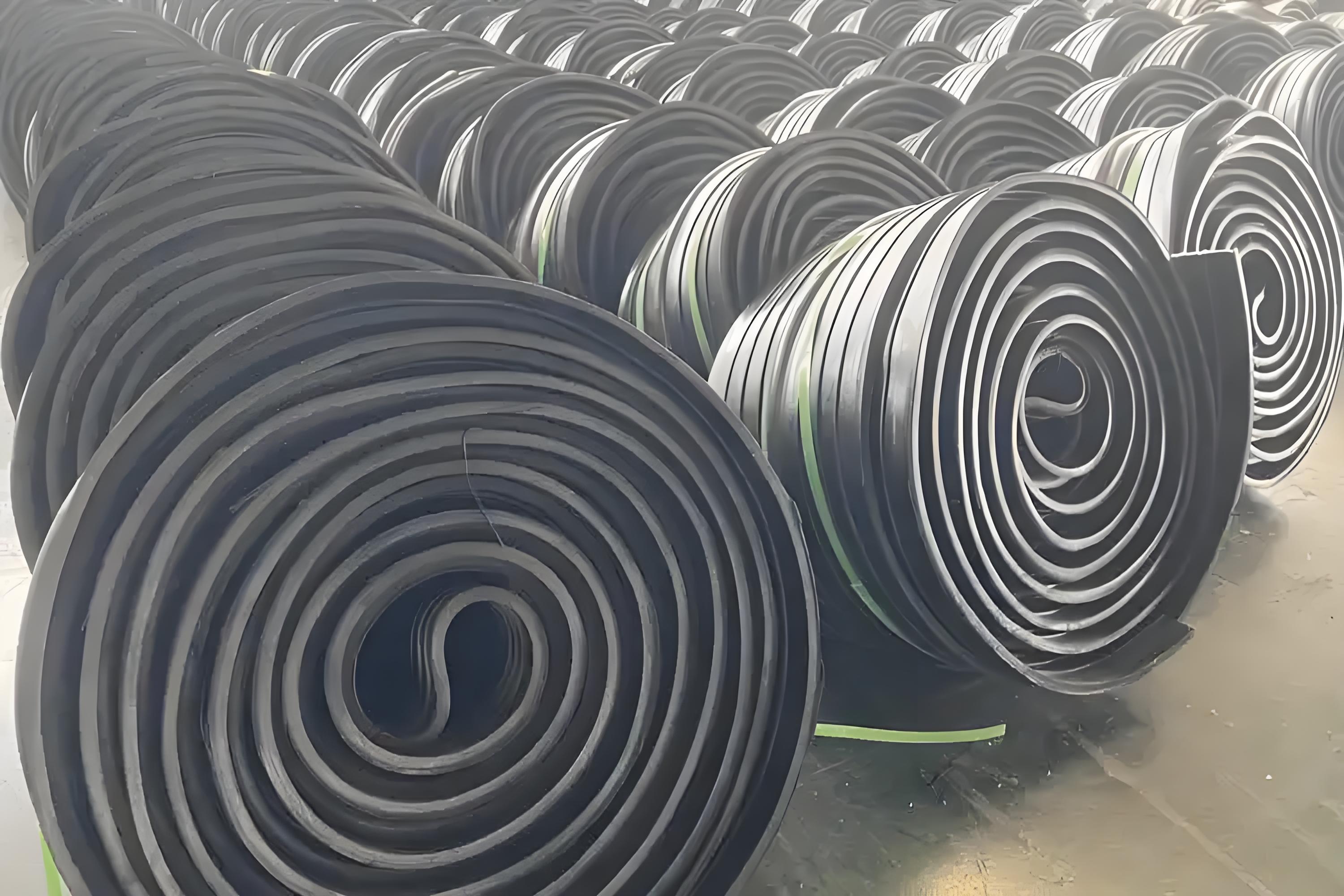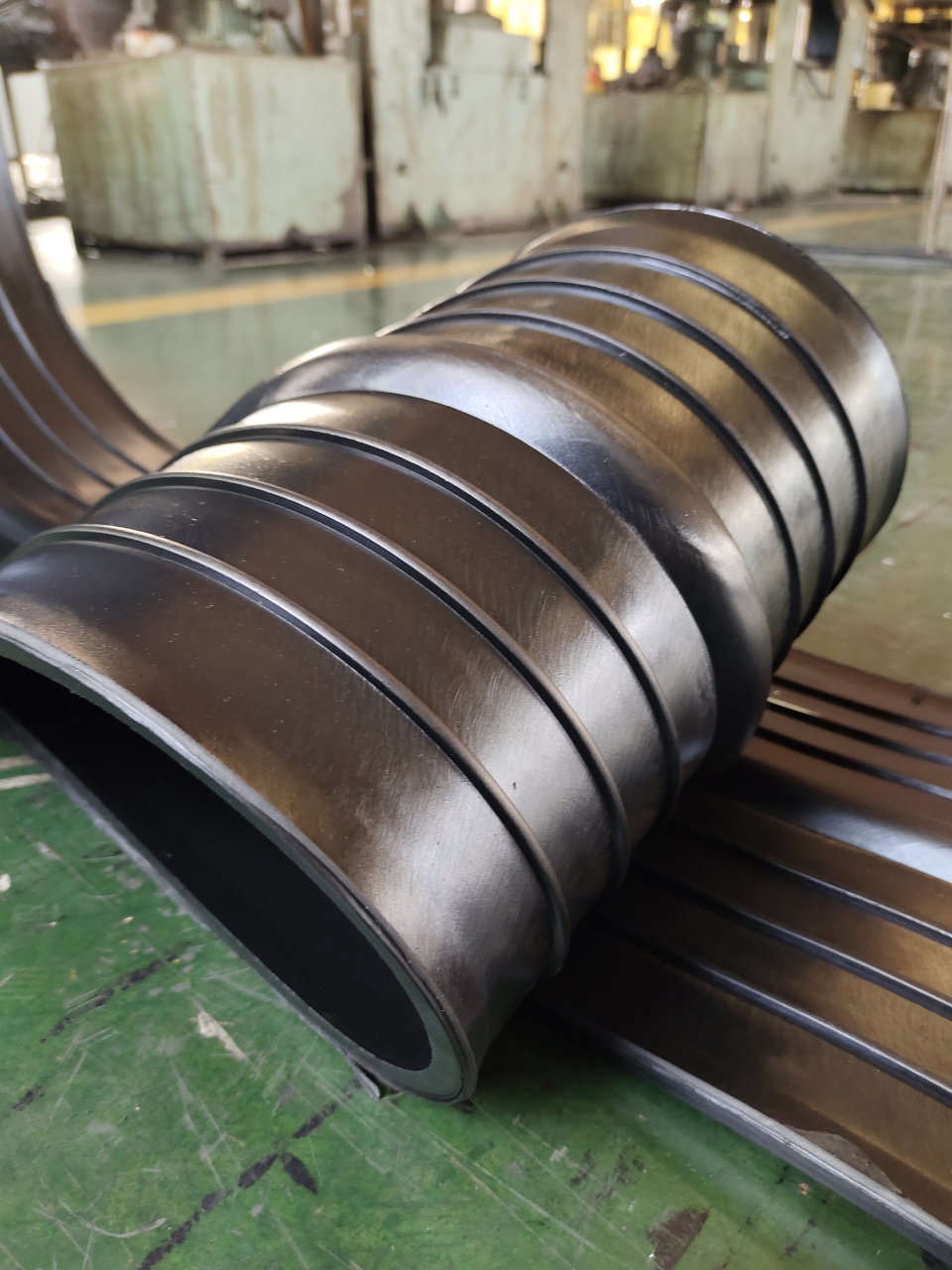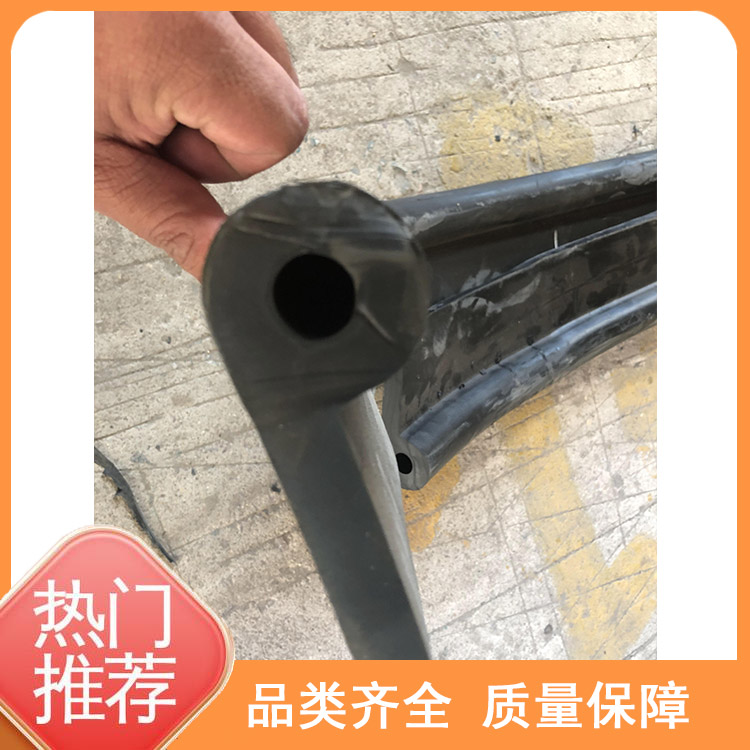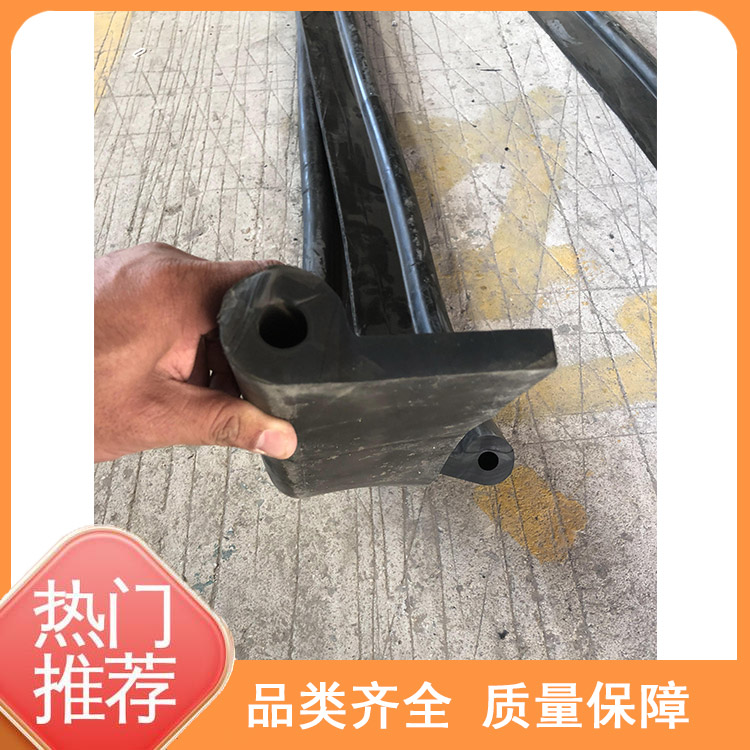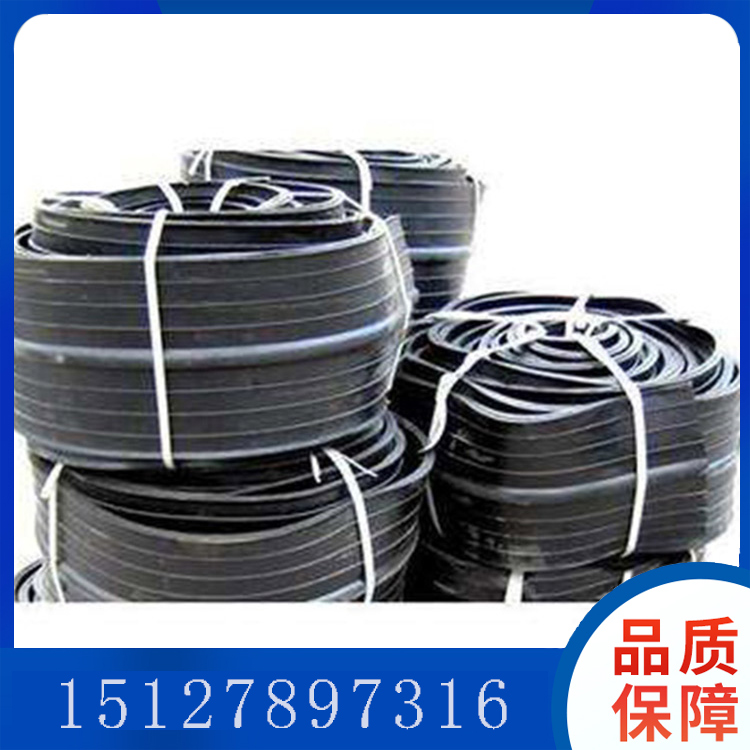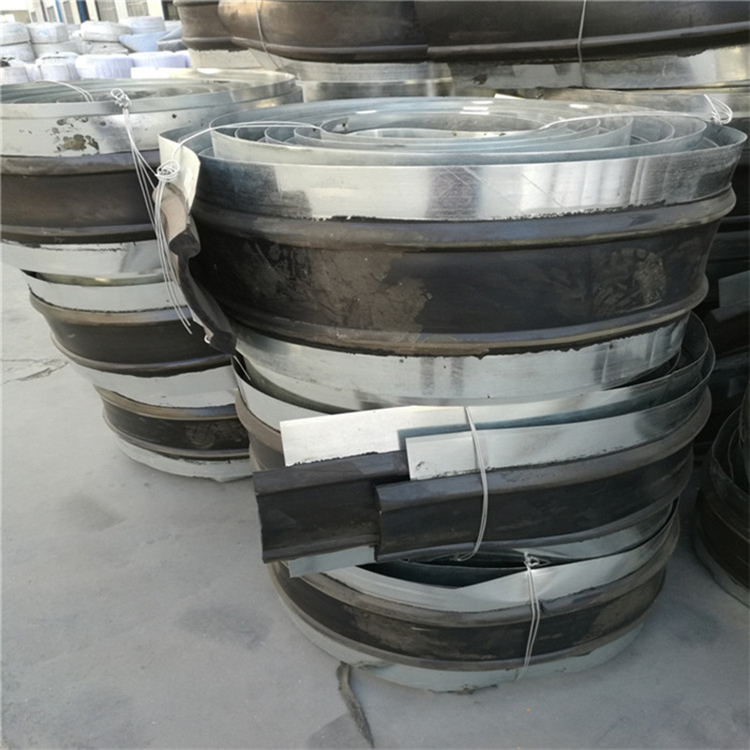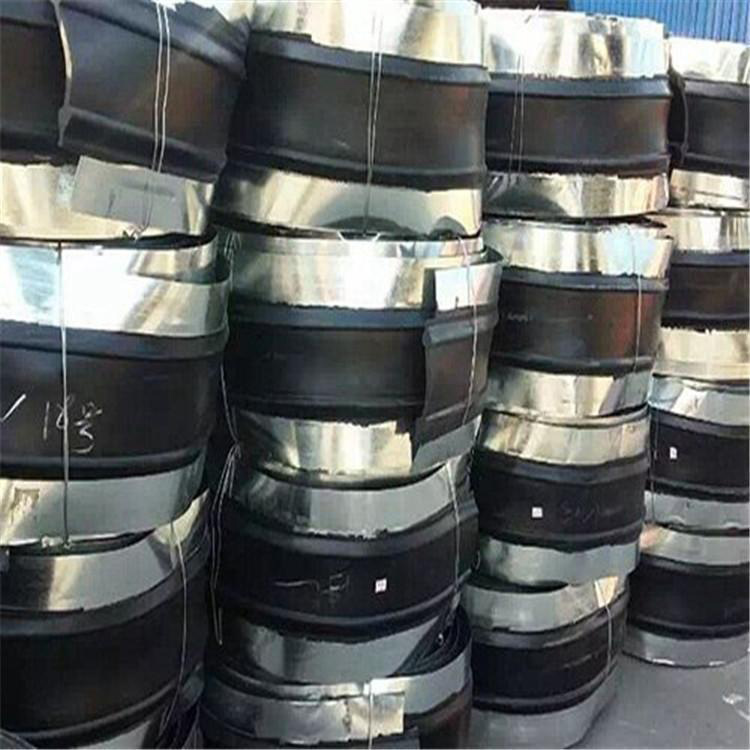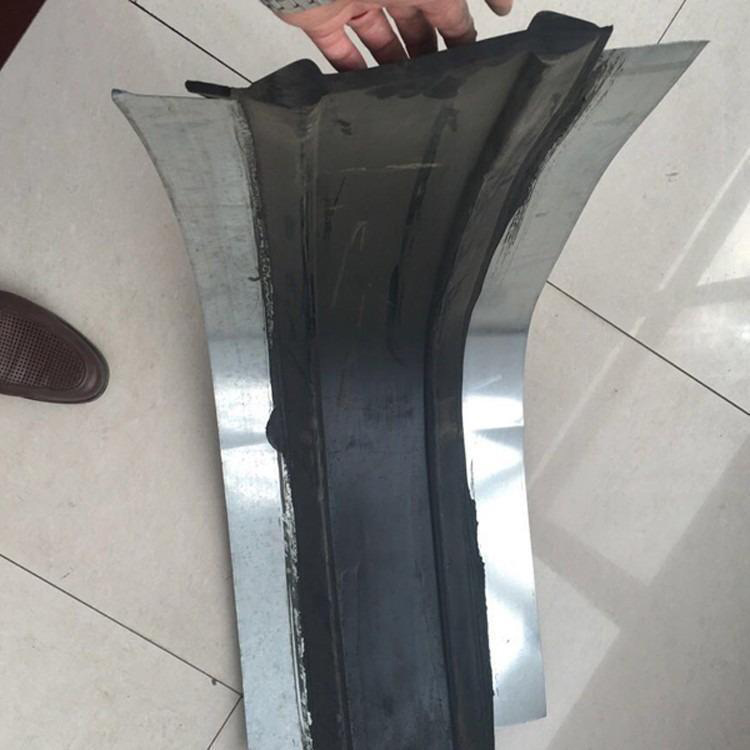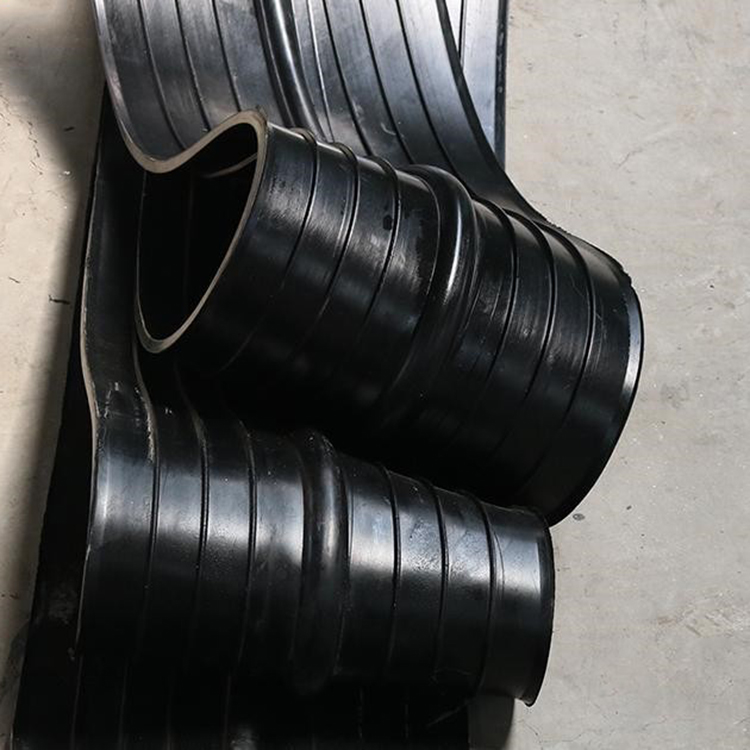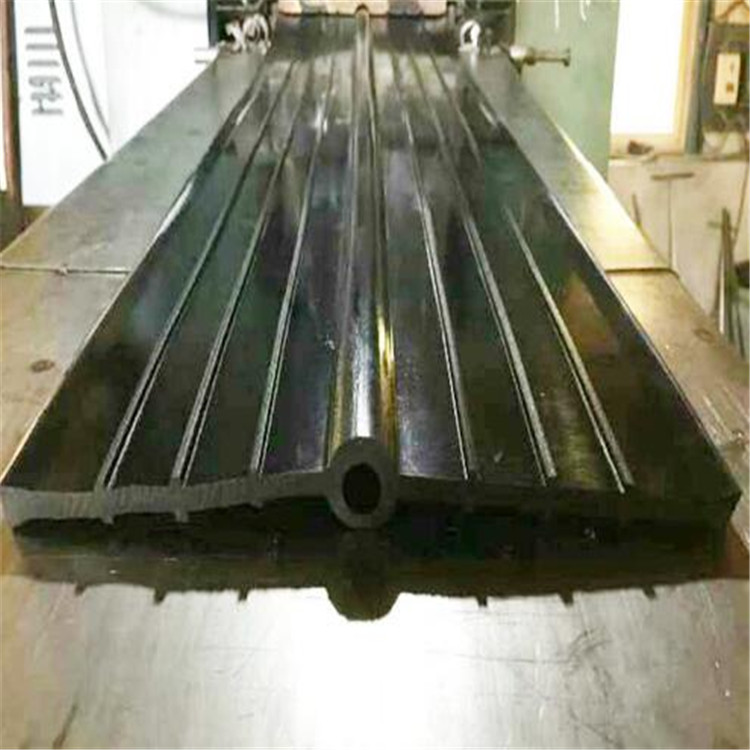

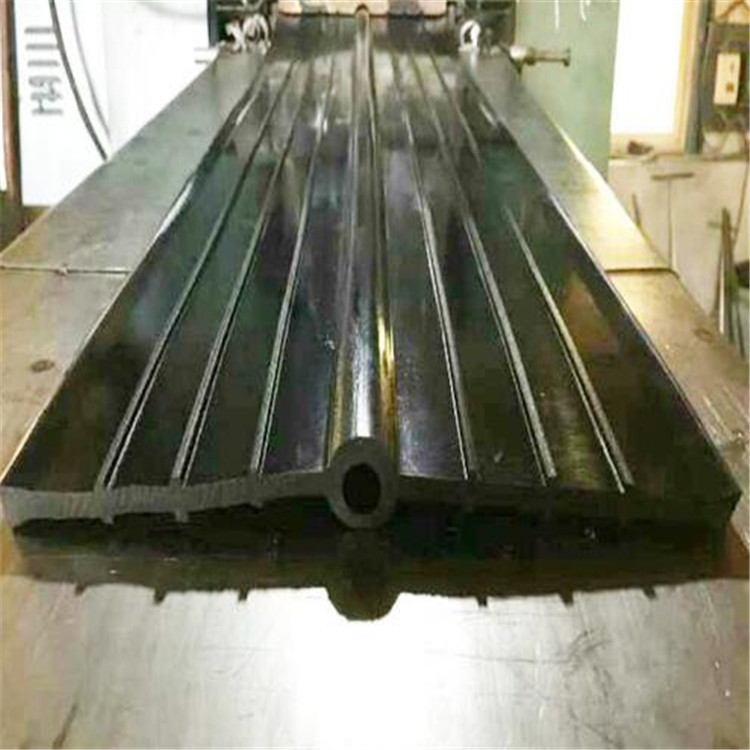
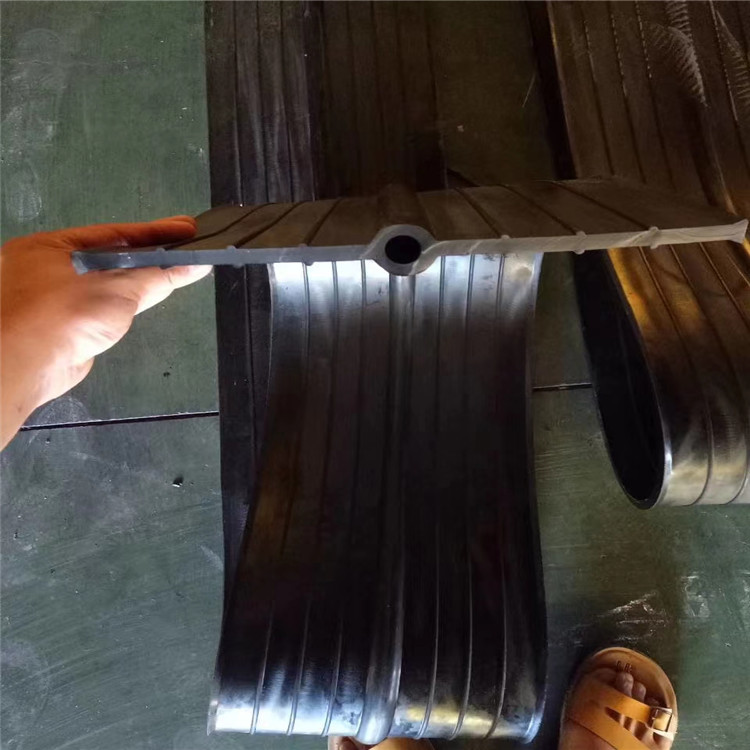
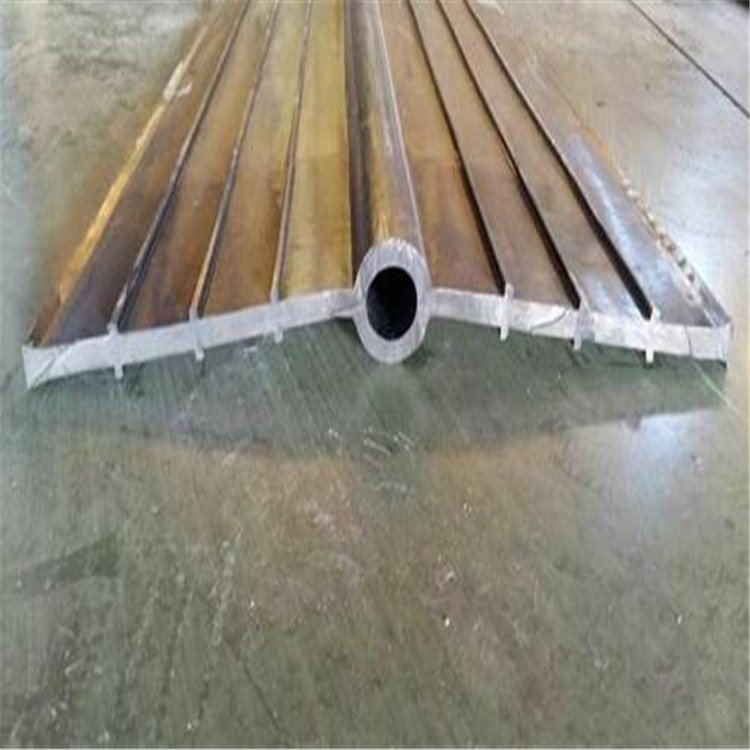


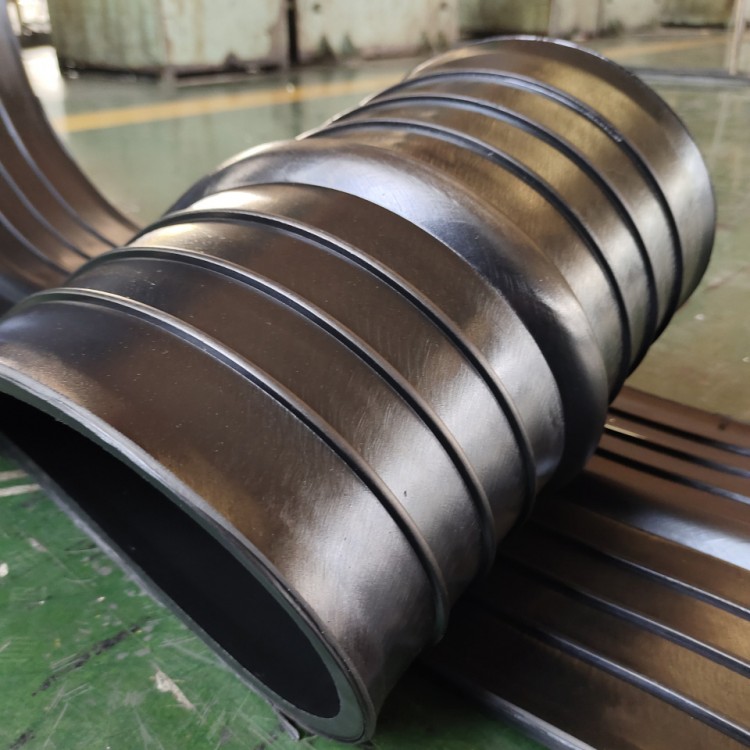
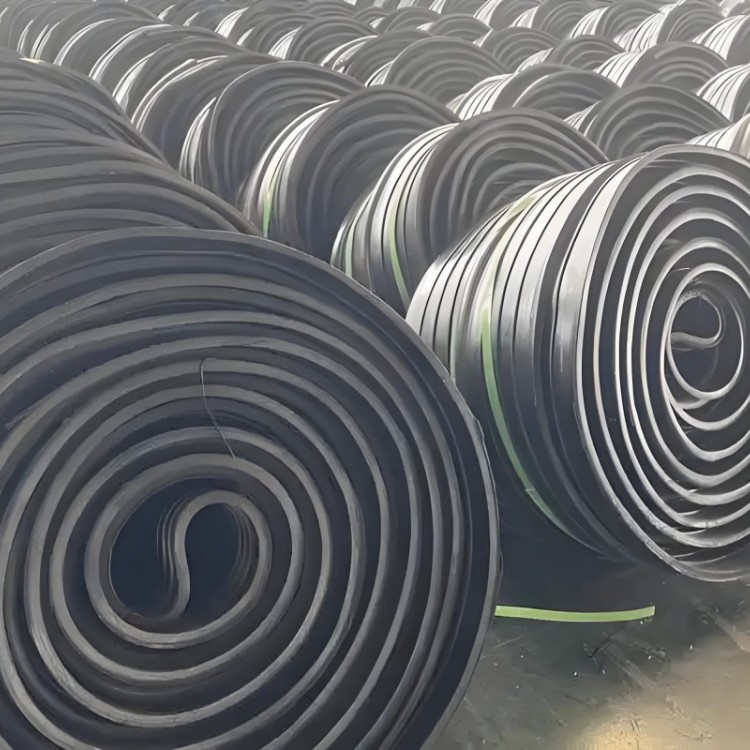
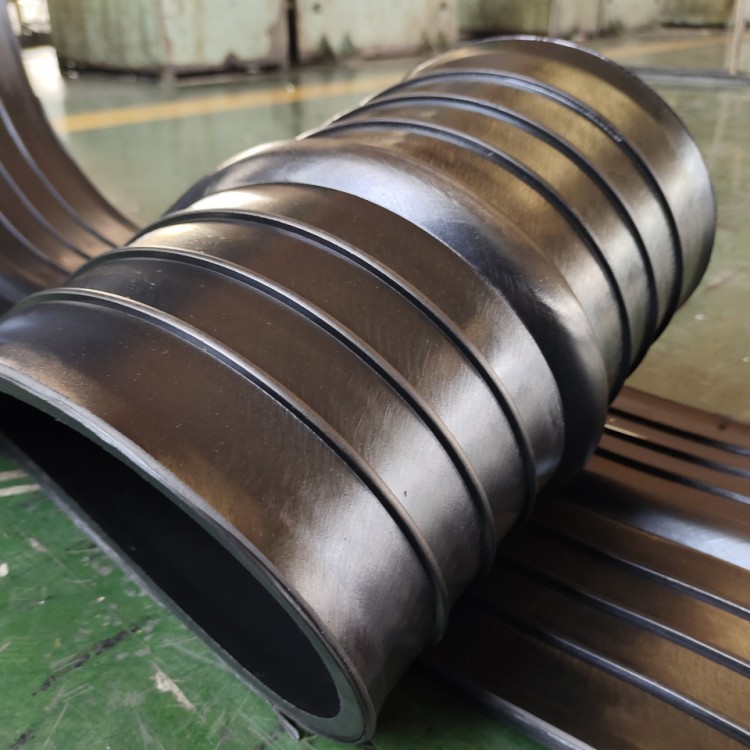
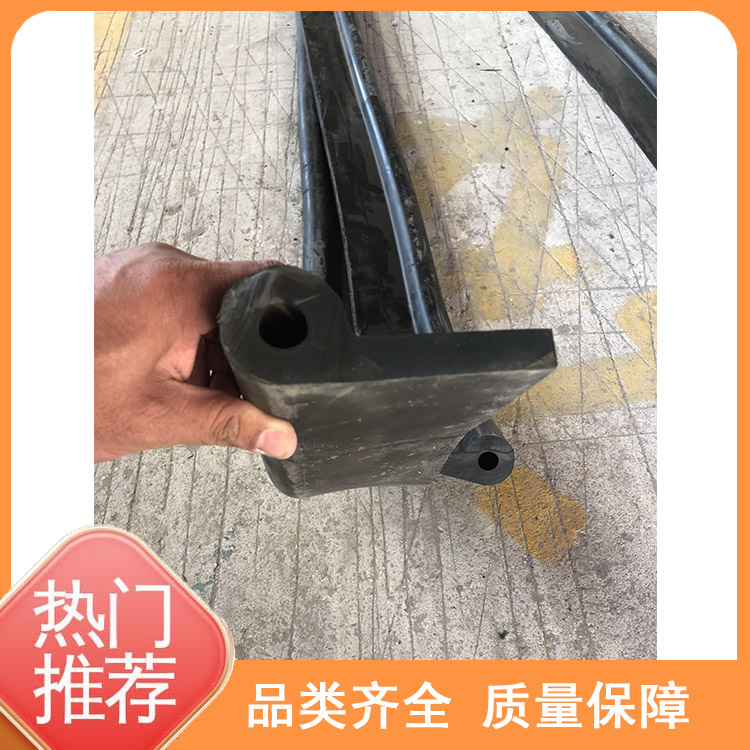





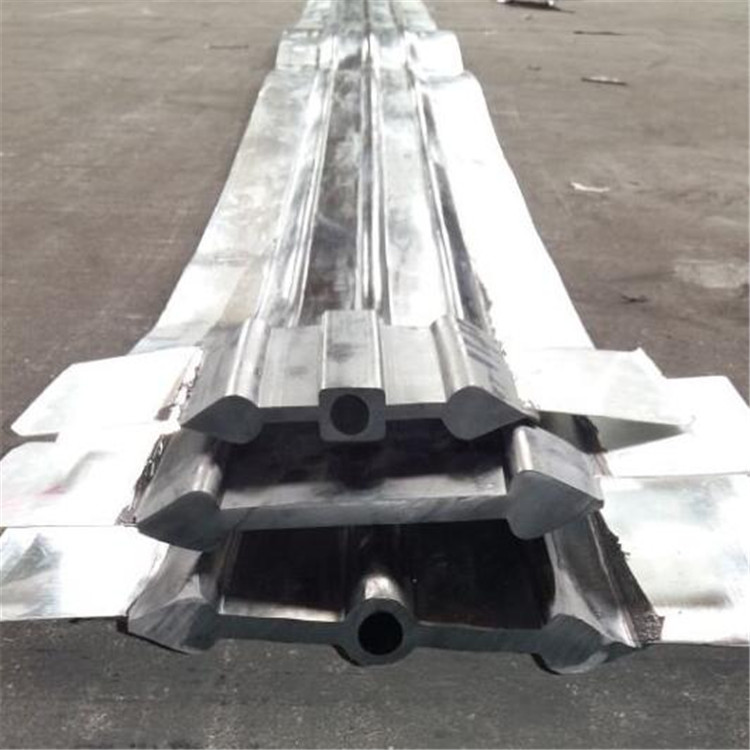
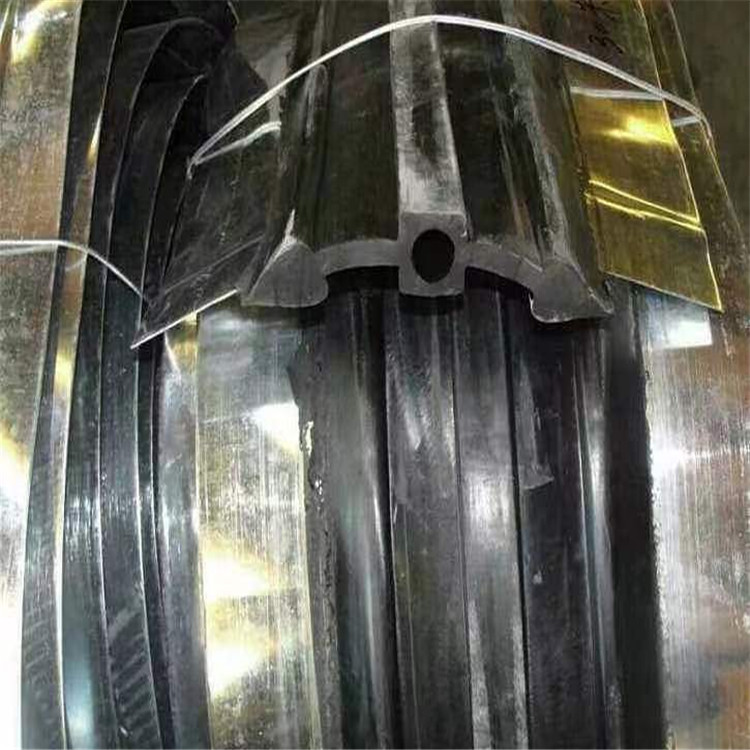
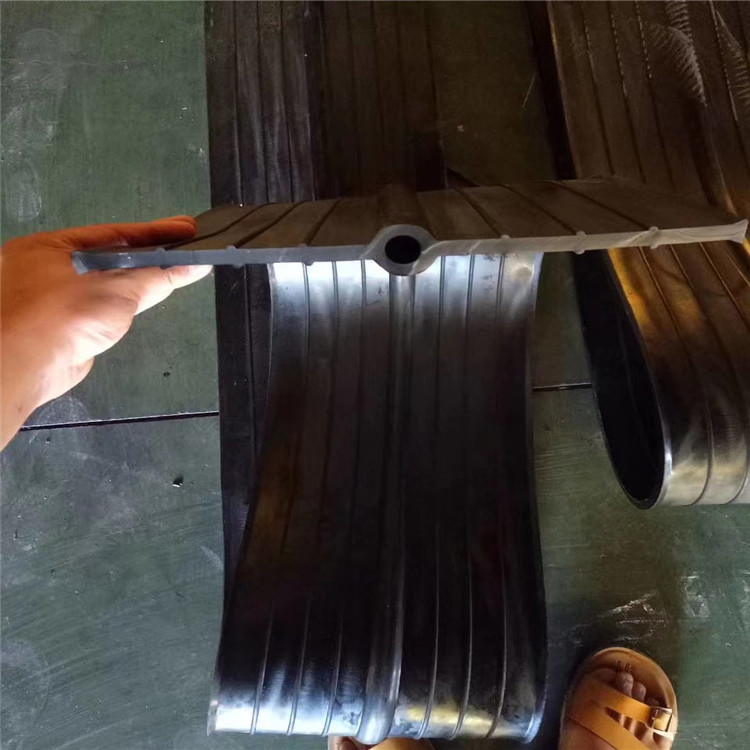
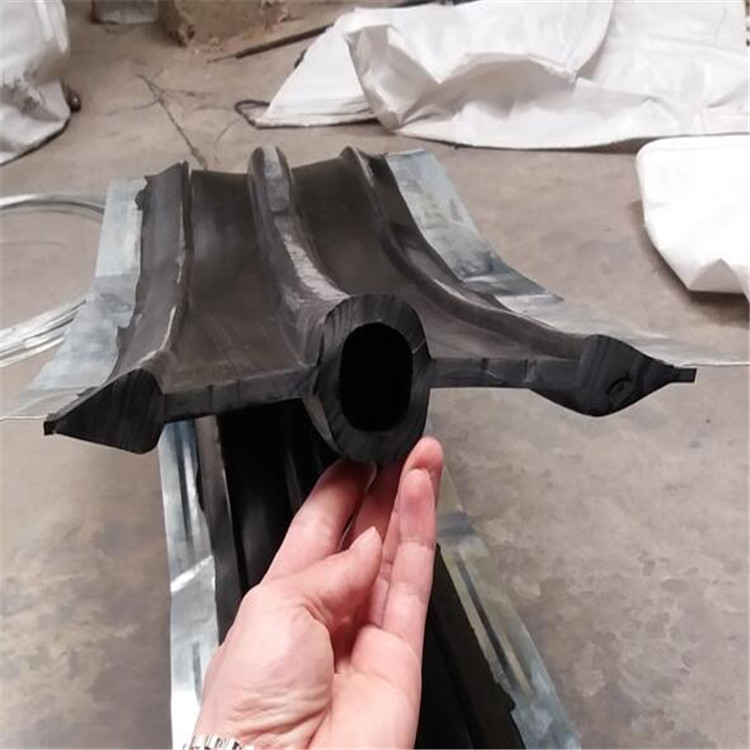
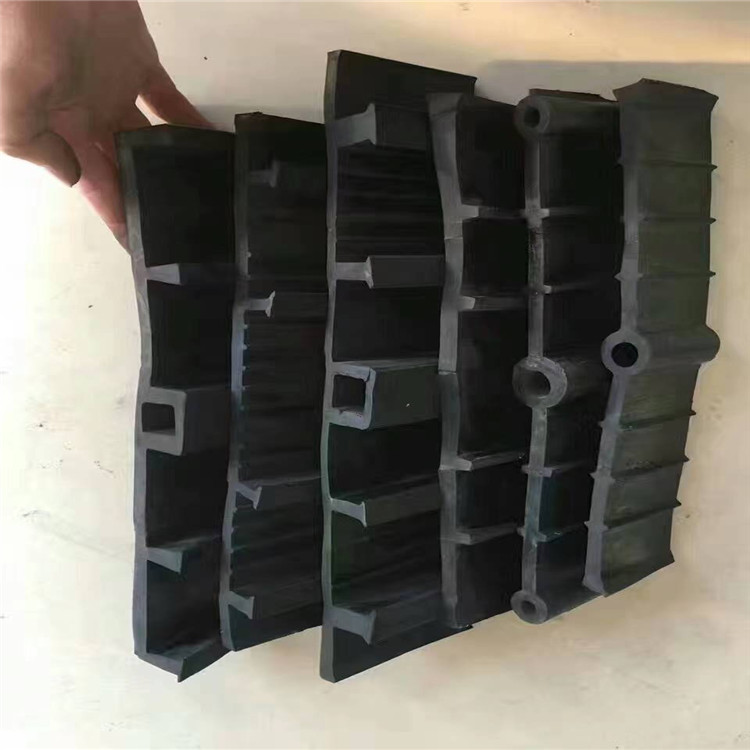
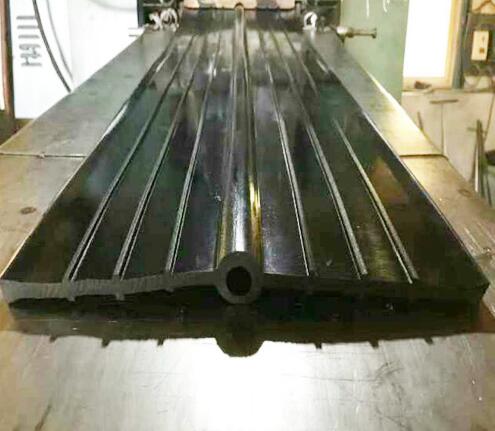
In-situ rubber waterstop, a product mainly used for internal concrete deformation joints, expansion joints, etc., featuring the ability to adapt to concrete expansion and deformation through the elasticity of rubber material and its structural form. This product utilizes the high elasticity and compressive deformation properties of rubber to produce elastic deformation under various loads, thereby achieving tight sealing and effectively preventing leakage and seepage in building components. It also serves as a shock-absorbing and buffering function, ensuring the service life of the engineering building.
Application and Suitable Temperature:
Standard Type: -25℃ to +60℃
Cold-resistant: -40℃ to +60℃
There are two methods for joining pre-buried rubber waterstop joints: one is to use an adhesive for a cold joint, and the other is to use a hot vulcanization mold for a hot joint.
Below, we introduce two methods of joints: Cold jointing with adhesive uses a rubber waterstop and cold jointing adhesive. The waterstop section requiring a joint is flattened using a grinder for 5~10 cm, then coated with adhesive and compacted. It boasts high strength, rapid curing, ease of construction, time and labor savings, and can meet general engineering quality requirements.
On-site hot-molding vulcanization joint involves using a vulcanization mold that matches the waterstop and vulcanizing the rubber sheet on-site. It is challenging to construct but yields ideal joint results, suitable for projects with stringent quality requirements for engineering work.
Structurally, they can be divided into two types: CB-type waterstop and CP-type waterstop.
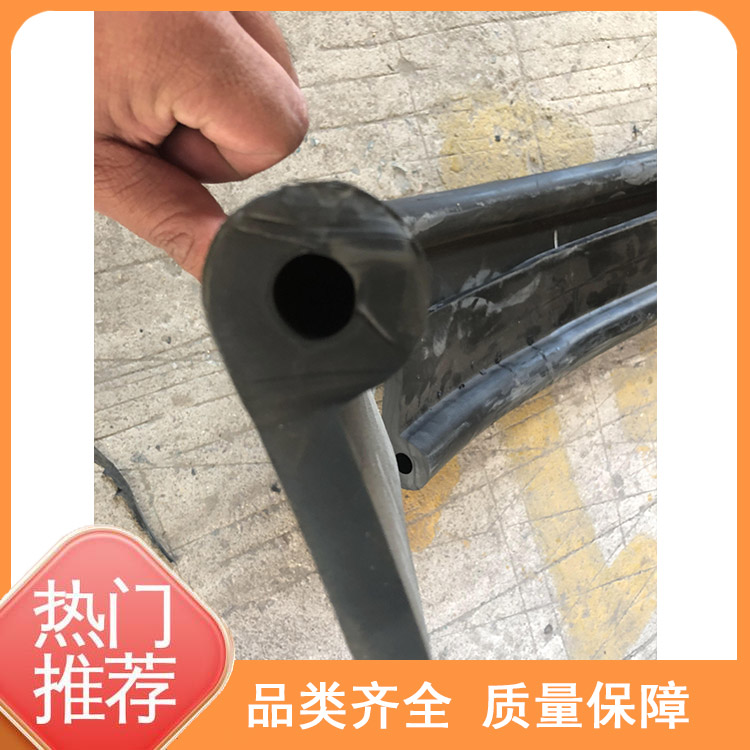
The CB-type waterstop refers to a centrally-pored embedded waterstop, which is divided into two types: CB-type rubber waterstop and CB-type plastic waterstop. It is primarily used for expansion joints, settlement joints, and seismic joints in various concrete structures. It features tight anchoring with concrete, water-sealing, and the ability to adapt to the expansion and contraction of deformation joints.
The CP type waterstop refers to an embedded waterstop without holes in the middle, which can be divided into two types: CP type rubber waterstop and CP type plastic waterstop. It is mainly used for construction joints, complete shrinkage joints, incomplete shrinkage joints, expansion joints, etc., in various concrete structures with small deformation, featuring tight anchoring with concrete, water-sealing, and elastic tensile deformation.
Our design and selection criteria for this rubber waterstop: During the engineering design and construction selection process, the width and thickness of the CB type embedded rubber waterstop should be determined according to the following conditions:
When the water pressure is less than 4m and the horizontal and vertical deformation does not exceed 10mm, the width of the CB-type embedded rubber waterstop should not be less than 200mm, and the thickness should not be less than 5mm.
2. When the water pressure is 4-8m and the horizontal and vertical deformation does not exceed 30mm, the width of the CB-type embedded rubber waterstop should not be less than 300mm, and the thickness should not be less than 6mm.
3. When the water pressure exceeds 8m and the horizontal and vertical deformation exceeds 30mm, the width of the CB-type embedded rubber waterstop should not be less than 350mm, and the thickness should not be less than 8mm.
4. Water pressure not exceeding 8m, horizontal deformation not to exceed 20mm. When there is no vertical deformation, the width of the CB-type embedded rubber waterstop should not be less than 200mm, and the thickness should not be less than 5mm.
In addition, when the structural cross-sectional dimensions exceed 500mm, the width of the CB-type embedded rubber waterstop should not be less than 300mm. When the CB-type waterstop is bent for placement, the turning radius must be no less than 300mm. The product standard for the embedded rubber waterstop, as per GB 18173.2-2000, utilizes the high elasticity and compressive deformation properties of rubber to produce elastic deformation under various loads. This results in an economically efficient embedded rubber waterstop that securely seals and prevents leakage and seepage in building components, while also serving as a shock-absorbing buffer, ensuring the service life of the construction. This product is primarily used in the deformation joints that must be installed during the casting of concrete, such as water channels, tunnel outlets, retaining dams, and water conveyance aqueducts.
The middle-buried rubber waterstop is partially or fully buried in the concrete during the concrete pouring process. After the concrete pouring of the previous section is completed, the construction joint interface hardens and dries, the surface debris is cleared, and before the concrete is buried, it must be kept flat at the interface, with the joint parts bonded and securely fastened. The waterstop joints must be bonded well. Under the conditions of the construction site, the hot vulcanization connection method can be used; so-called "lap" connections without any treatment are not permitted. Then, with adequate force, thoroughly compact and vibrate the concrete to position the waterstop, ensuring a good bond with the concrete to avoid affecting the waterstop's effectiveness.
During construction, due to the presence of many sharp-edged stones and pointed steel bars in the concrete, attention should be given to the impact force during pouring and positioning the water stop. Otherwise, the rubber water stop may be pierced due to excessive force. If cracks are found, they should be repaired promptly; otherwise, the rubber water stop's ability to resist external forces will significantly decrease during joint deformation and water pressure.
When positioning rubber waterstop strips, the product must be securely installed to prevent displacement during concrete pouring and ensure the correct placement of the waterstop within the concrete. It must be kept flat at the interface and should not be allowed to roll or tangle. If tangles are found, they should be adjusted promptly. Common methods for securing waterstop strips include using additional rebar, clamps, wire, and formwork. If piercing is necessary, it should only be done in the edge installation area of the waterstop, and care must be taken not to damage other parts.