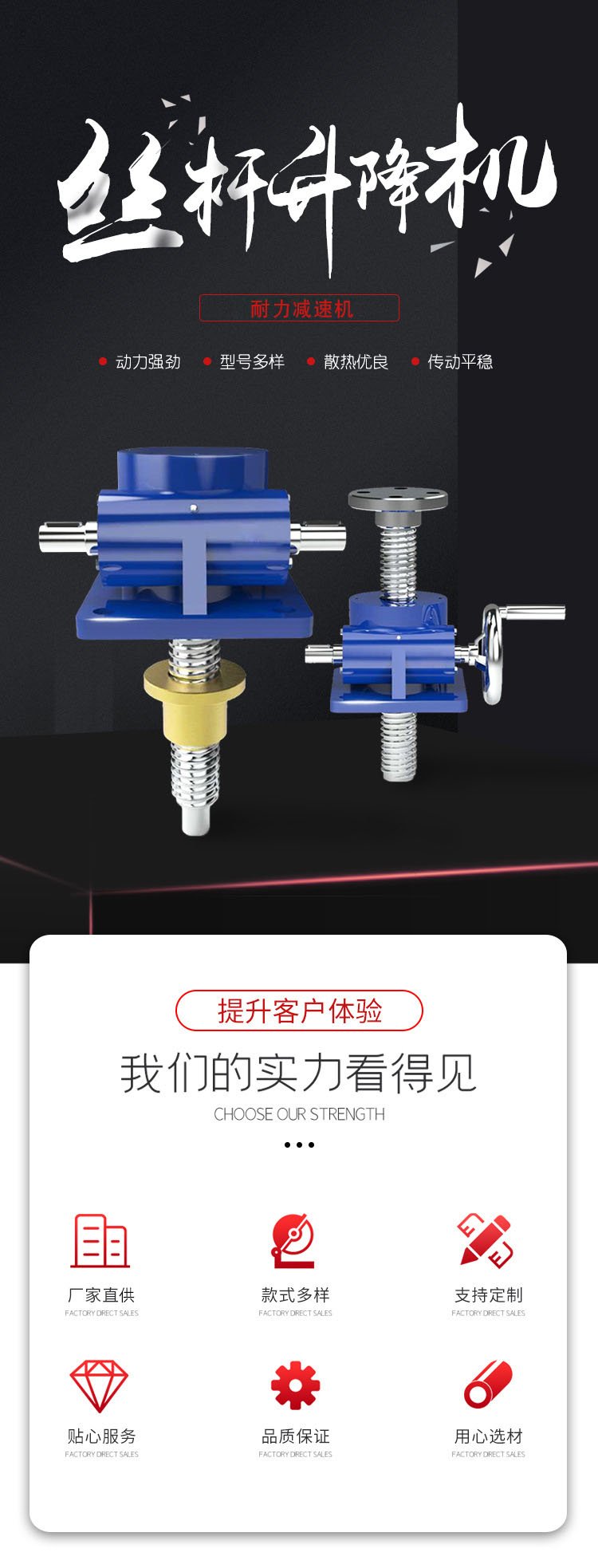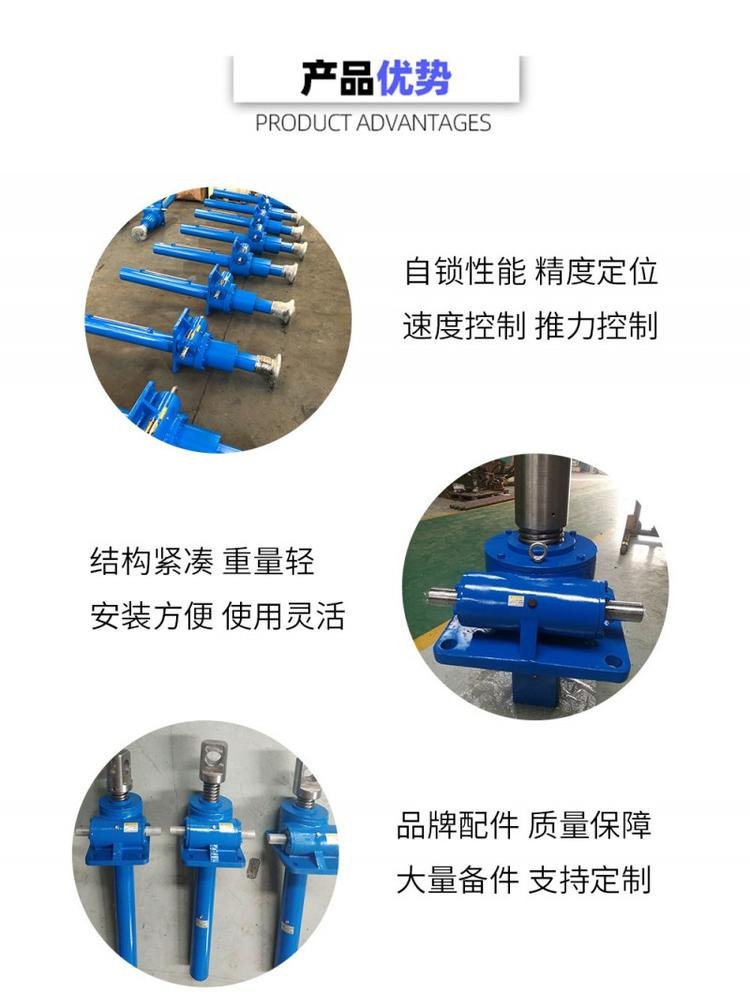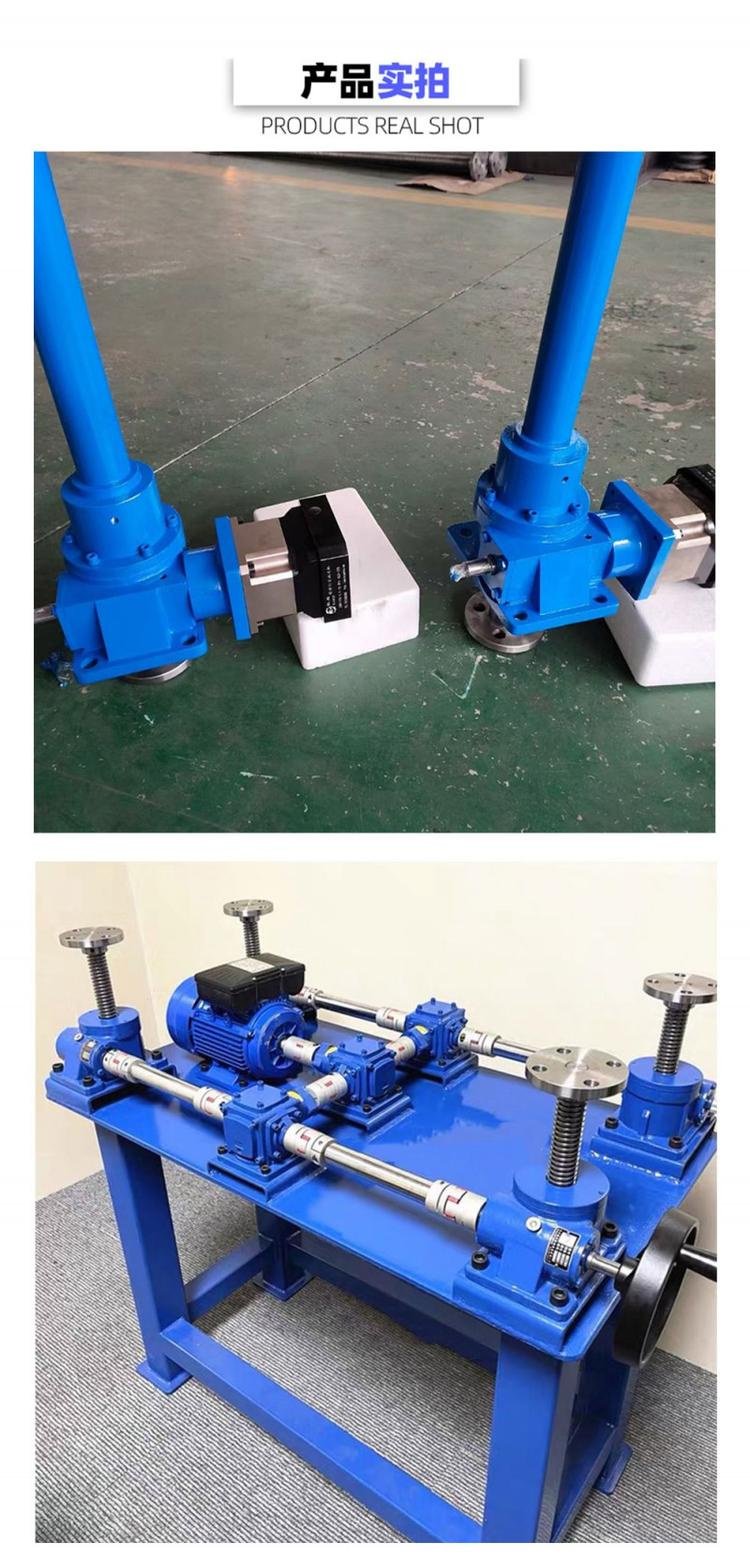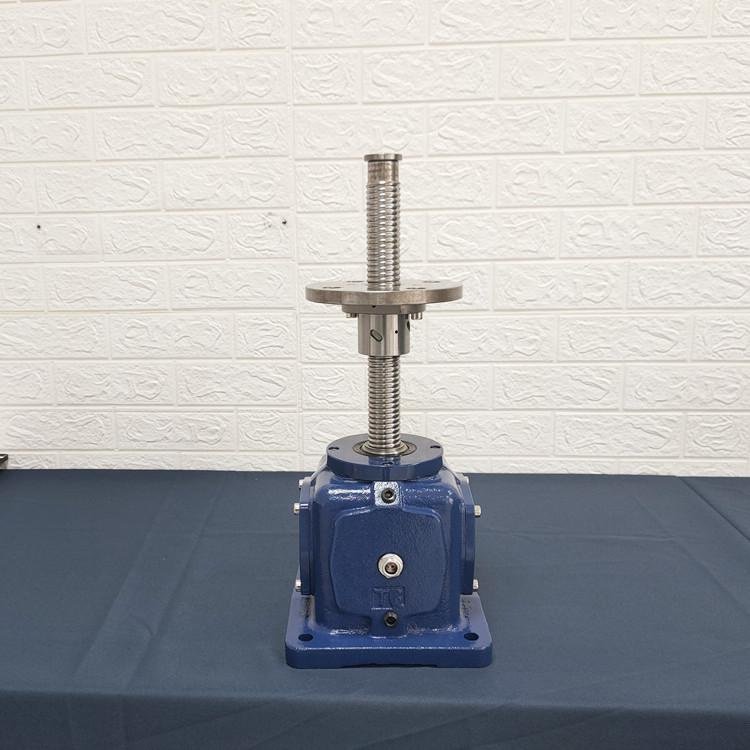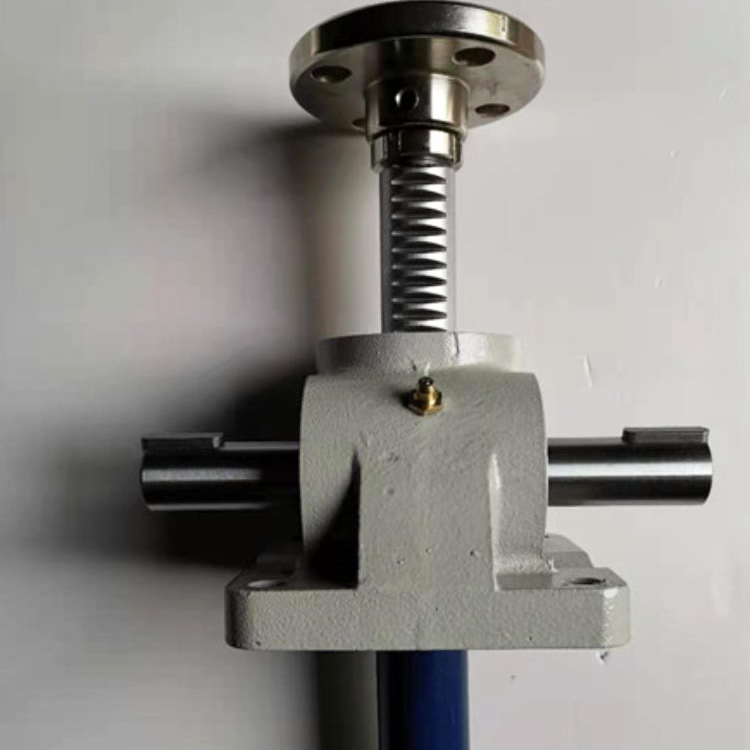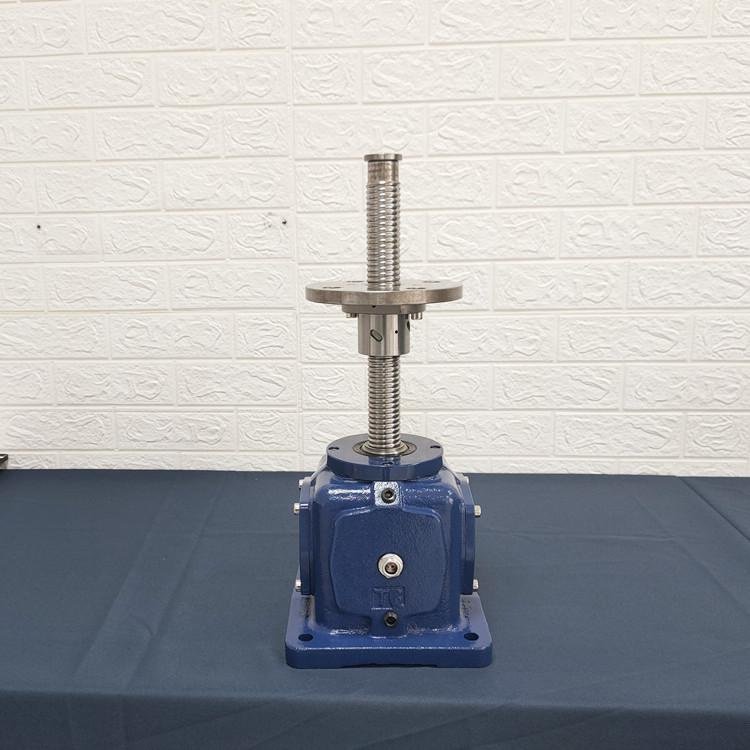

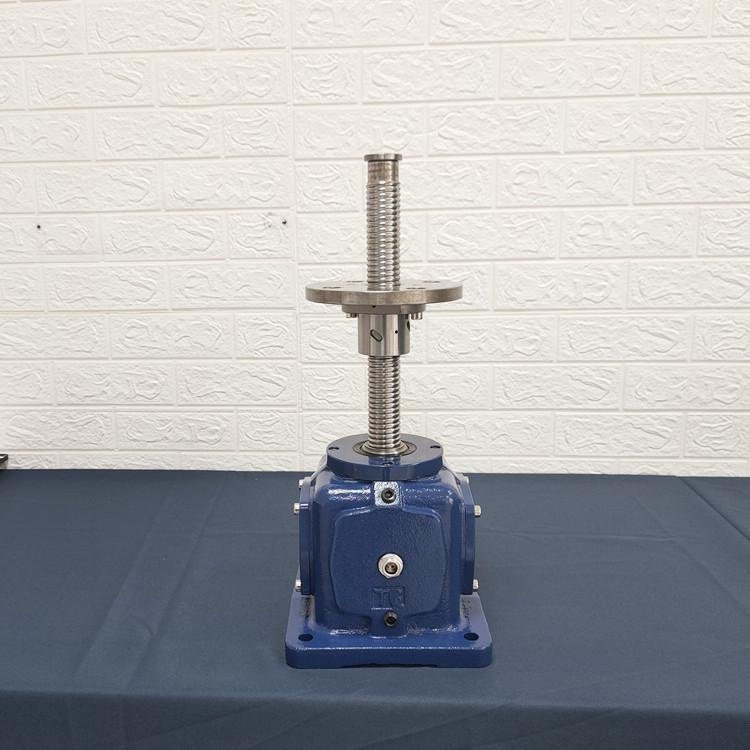

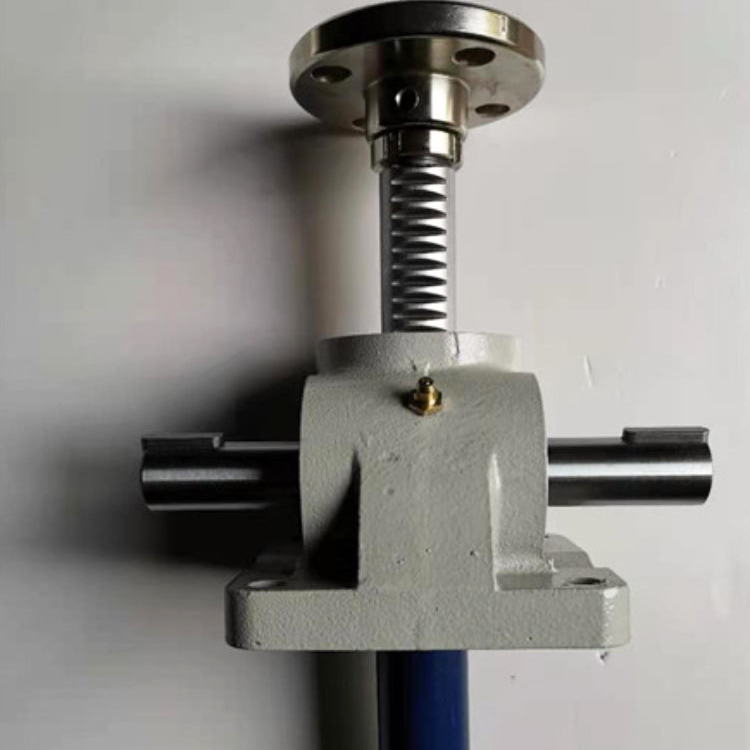


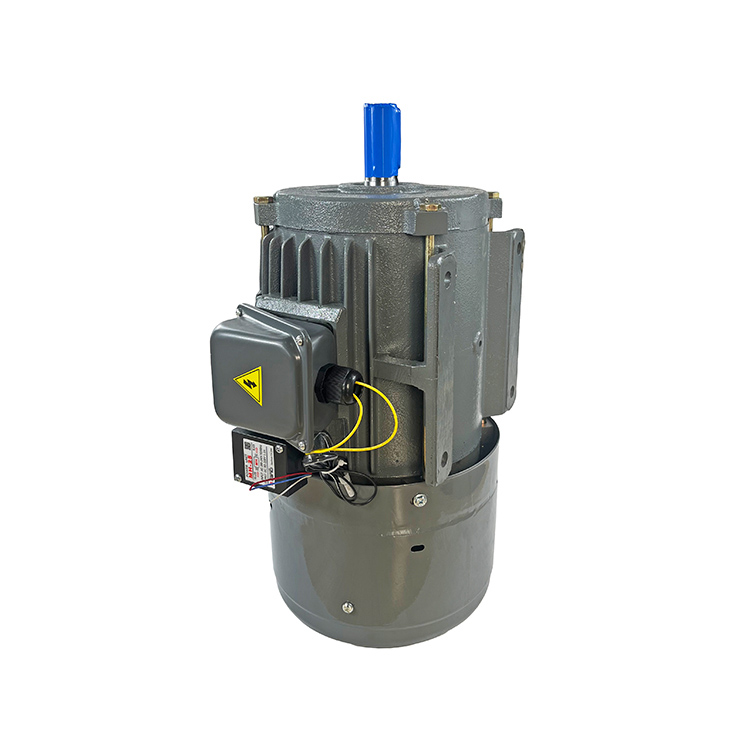
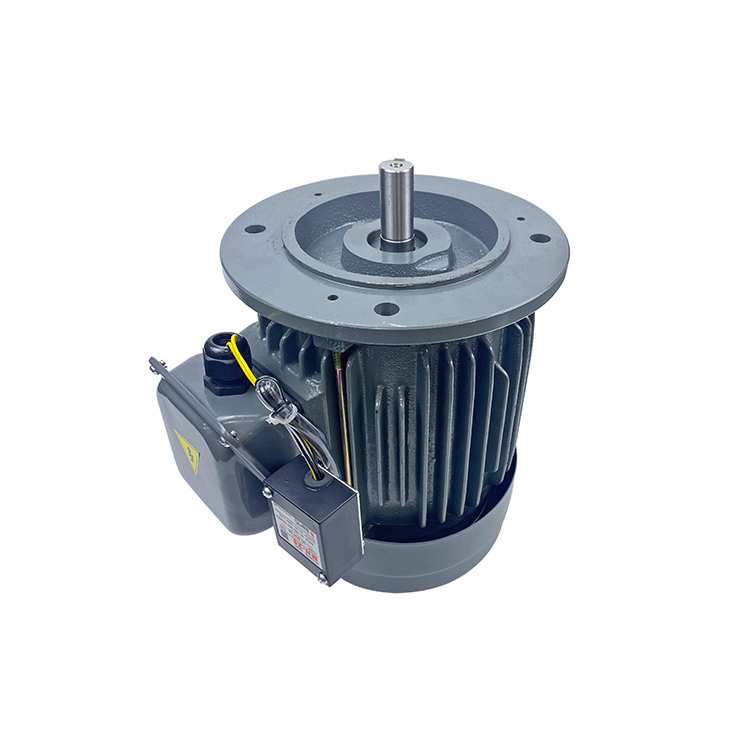
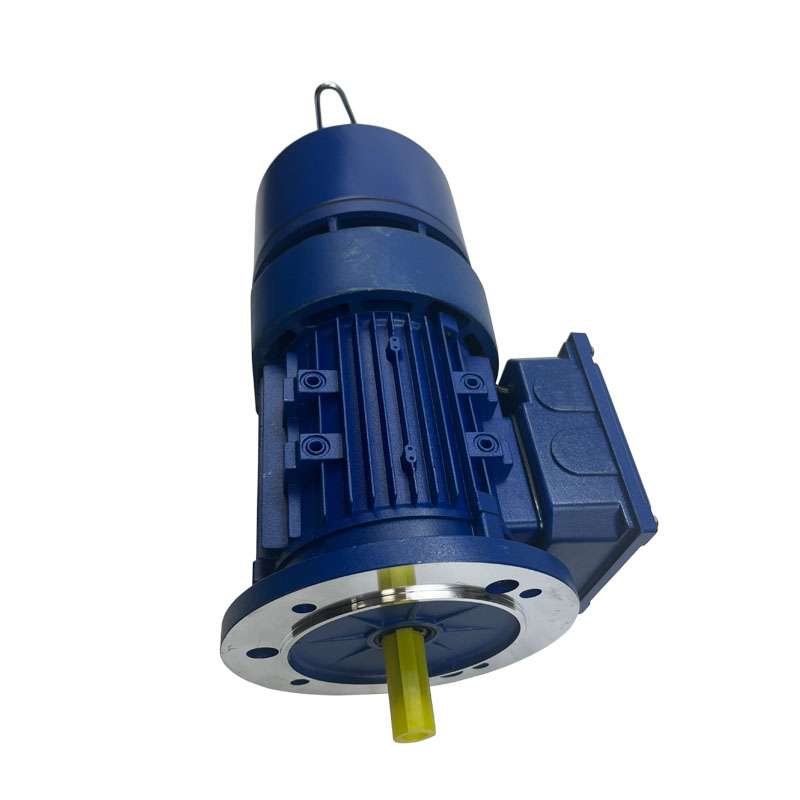






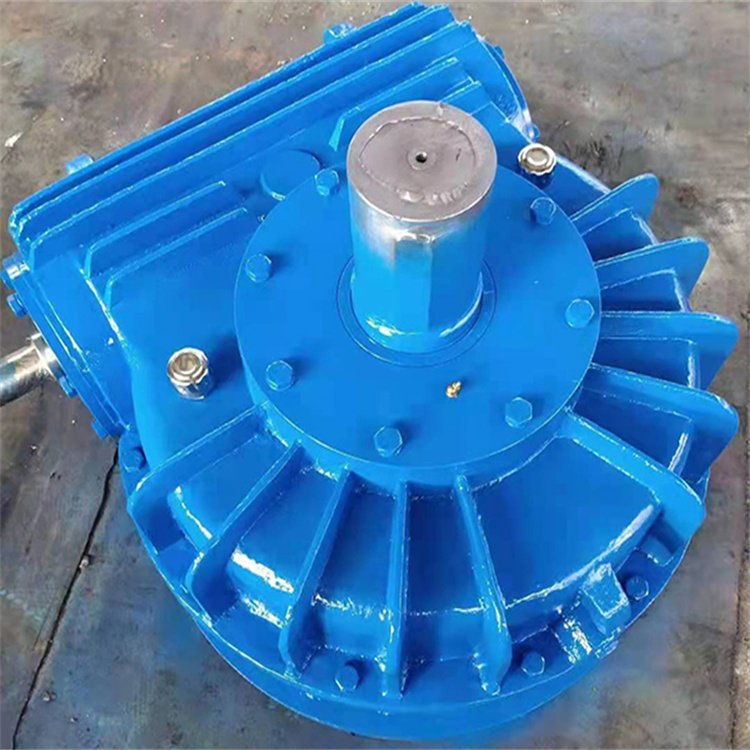

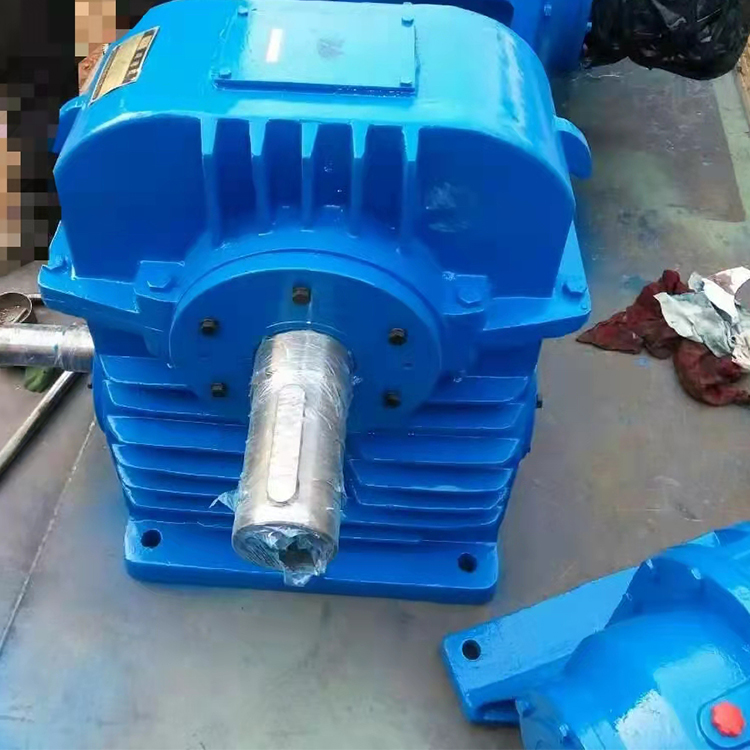
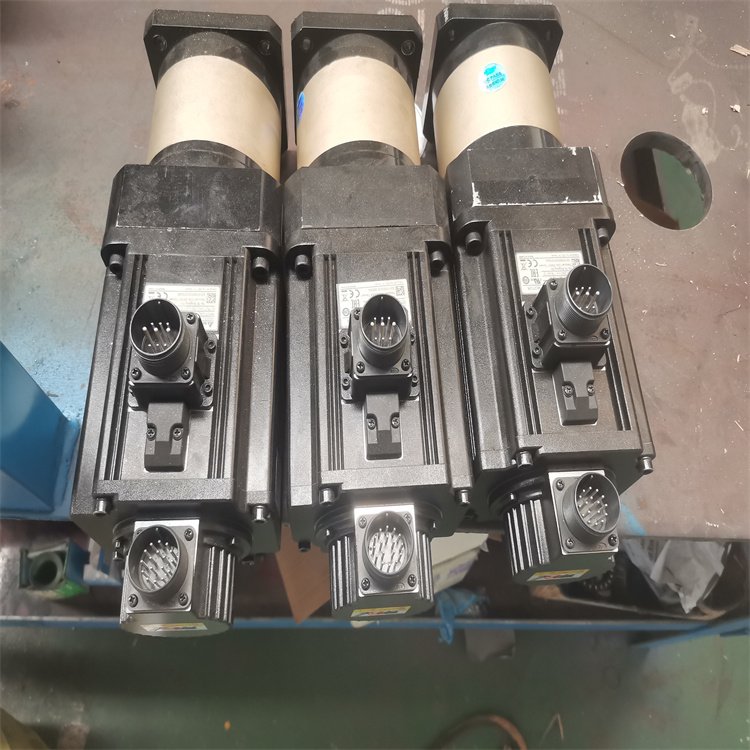
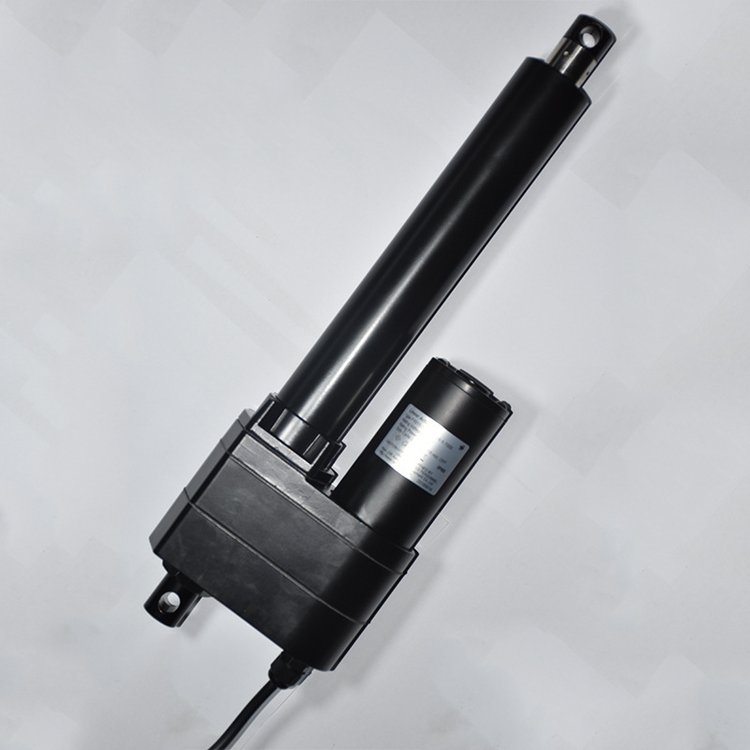
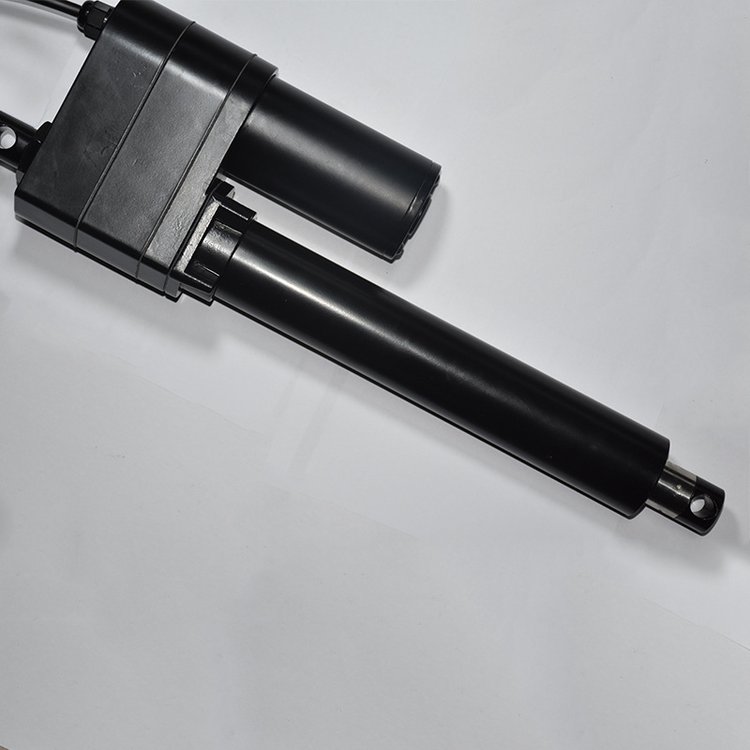
The cone gear screw jack is divided into cone gear trapezoidal screw jack and cone gear ball screw jack, featuring high efficiency, easy adjustment of reduction ratio, ease of installation and use, compact size, light weight, wide power source, noiseless operation, multiple functions, and high reliability. The cone gear screw jack has an automatic locking function, enabling precise control and adjustment of lifting or advancing height according to a program. The structural styles are diverse, and the lifting height can be customized according to customer requirements.
Table of Technical Parameters for Trapezoidal Screw Lift with Cone Gear
The LDSL bevel gear screw worm lifting mechanism is characterized by high efficiency, easy adjustment of the reduction ratio, and convenient installation and use. It is compact, lightweight, has a wide range of power sources, is noiseless, offers multiple functions, and boasts high reliability. This series features an automatic locking function and can accurately control and adjust the lifting or advancing height according to a programmed sequence. The structural designs are varied, and the lifting height can be customized to meet user requirements.
Ball screw lifting unit with bevel gears
High-precision helical bevel gear ball screw lifting machine, featuring ball nuts housed within the casing, utilizing ball screws and nuts made of hardened alloy steel, bearing the load between the nut and screw. This rolling action reduces friction between the nut and screw, resulting in smooth and efficient movement of the load. Due to enhanced work efficiency and rolling performance, ball screws can operate at higher speeds or over longer working cycles compared to standard trapezoidal screw lifting machines.
High precision helical bevel gear ball screw lifters, suitable for industries such as stainless steel precision plate and wafer panel factories. They save space and enhance high precision and speed, significantly increasing production output.
This elevator synchronizes the lifting and lowering of the base plate through corner movement, connecting with a four-point motion sequence to reduce height and minimize movement errors. Additionally, the flat lifting and lowering achieves efficiency more directly and quickly, saving space, increasing output, and ensuring higher quality stability.