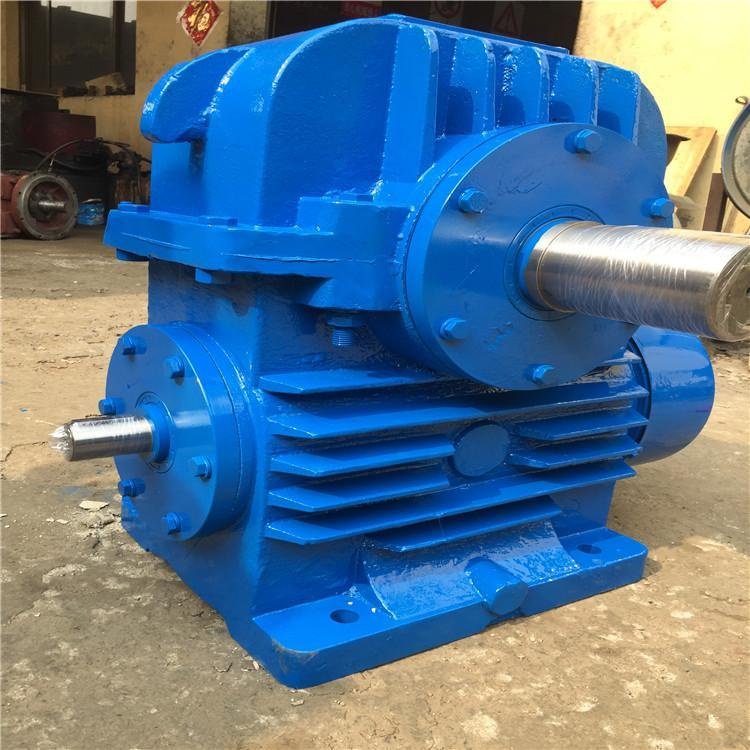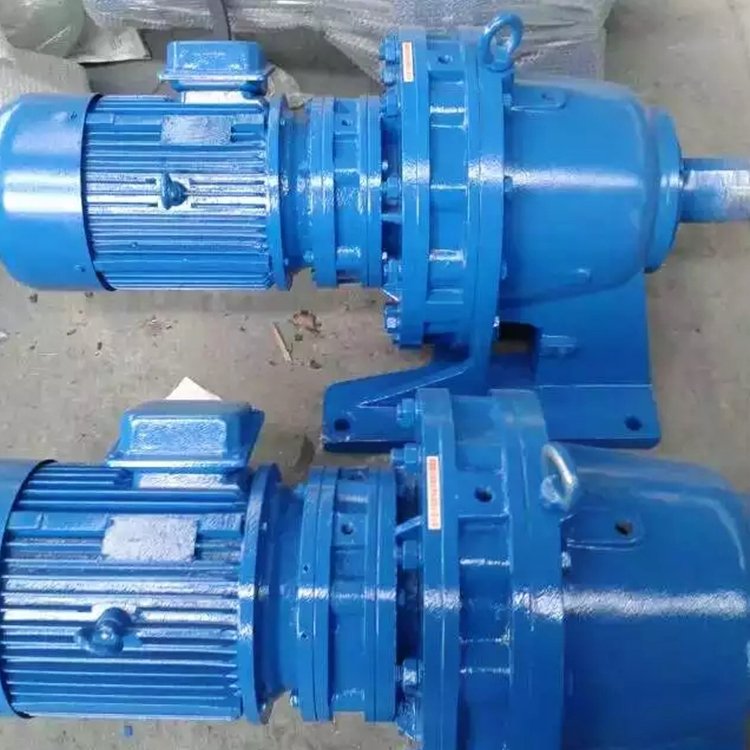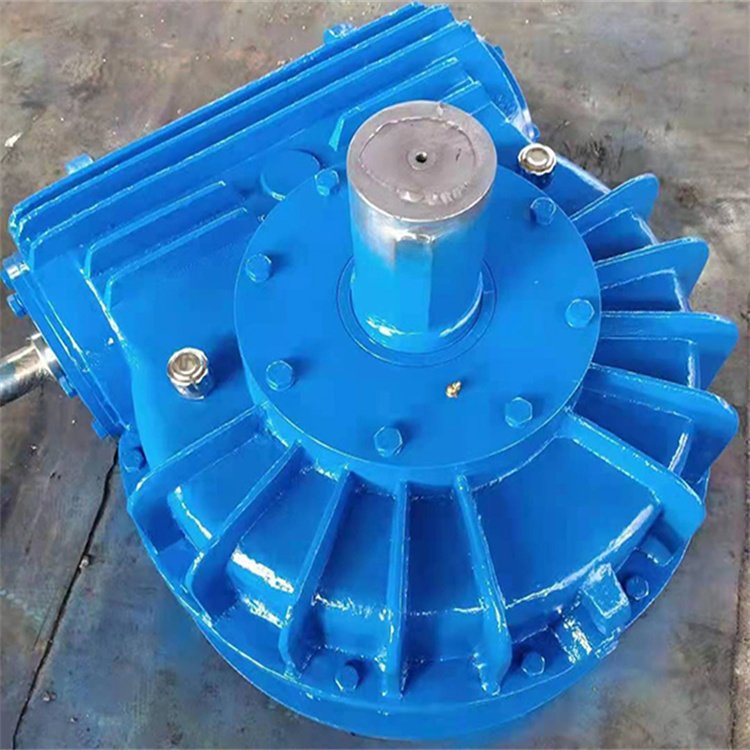

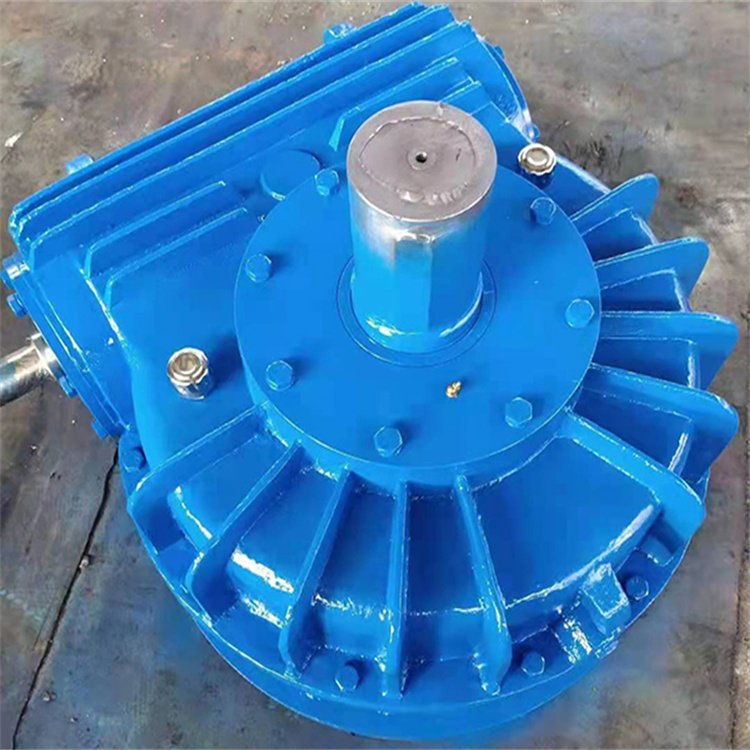
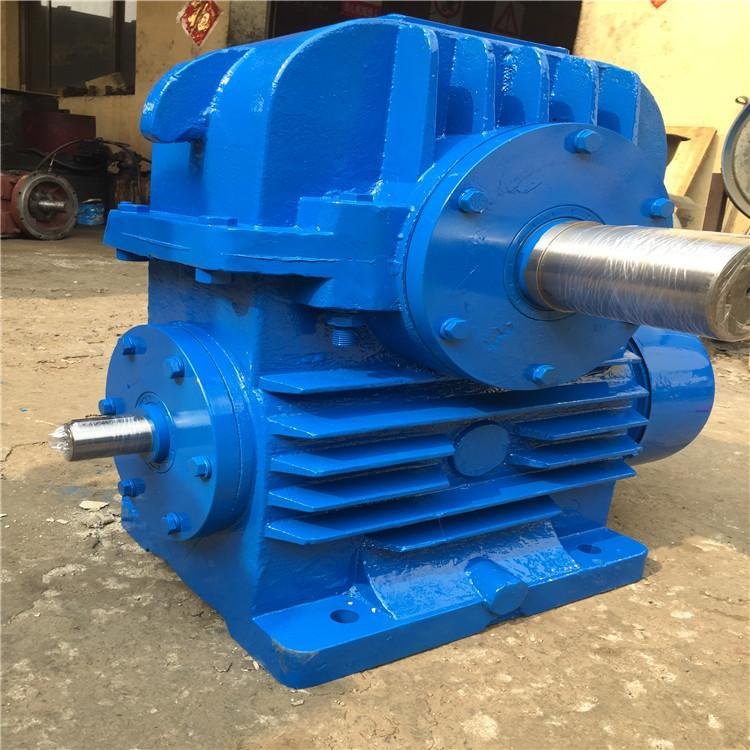
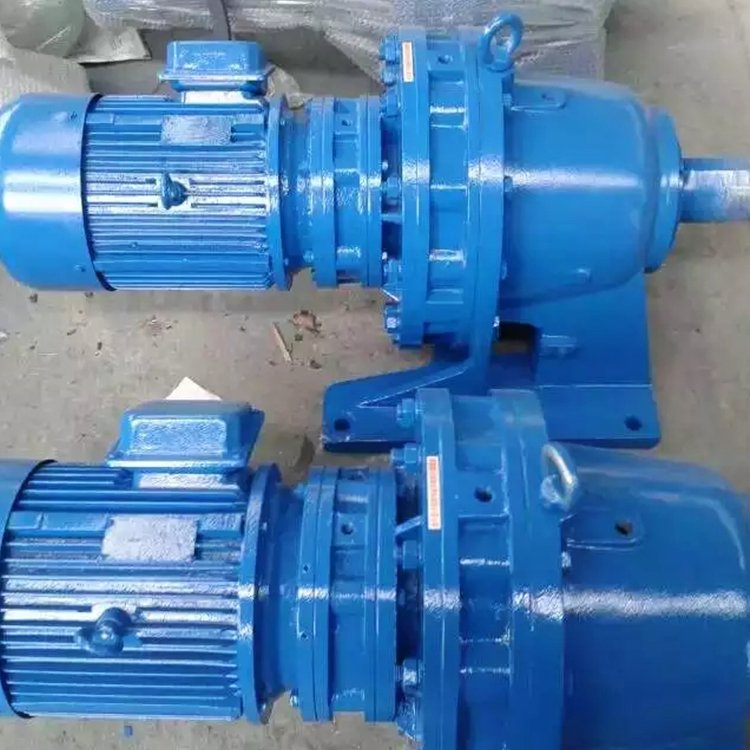


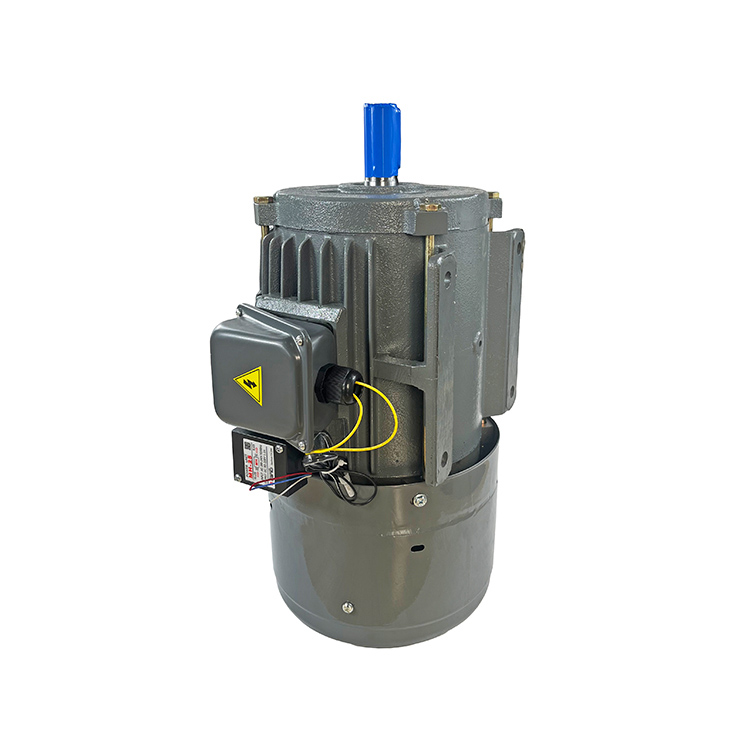
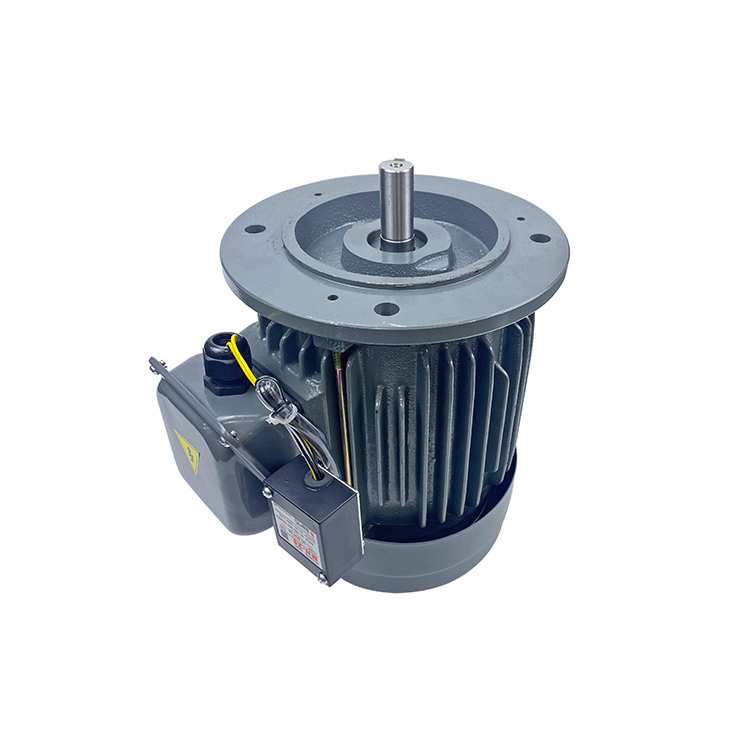
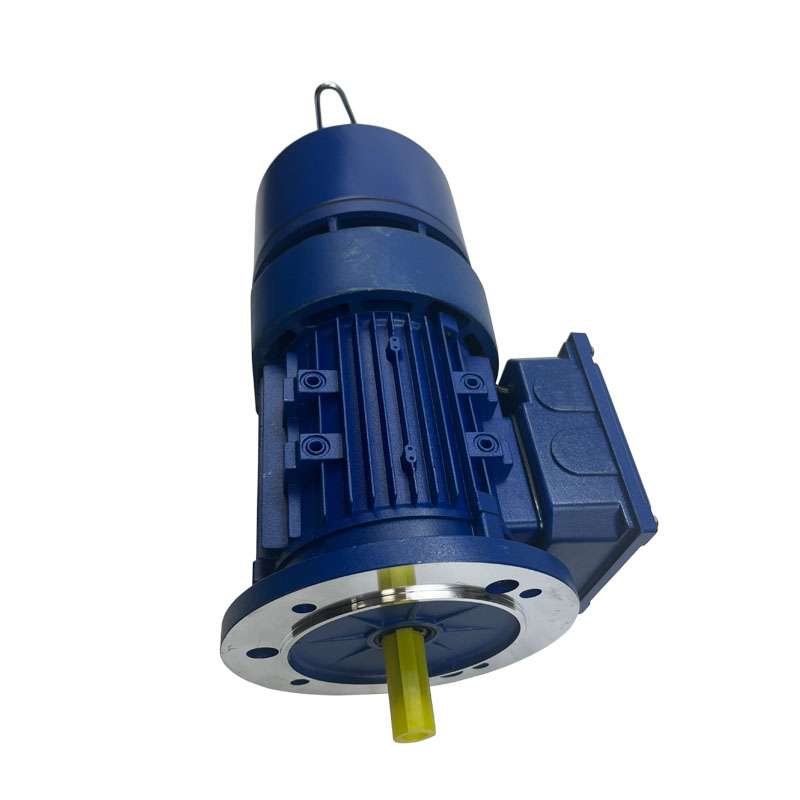







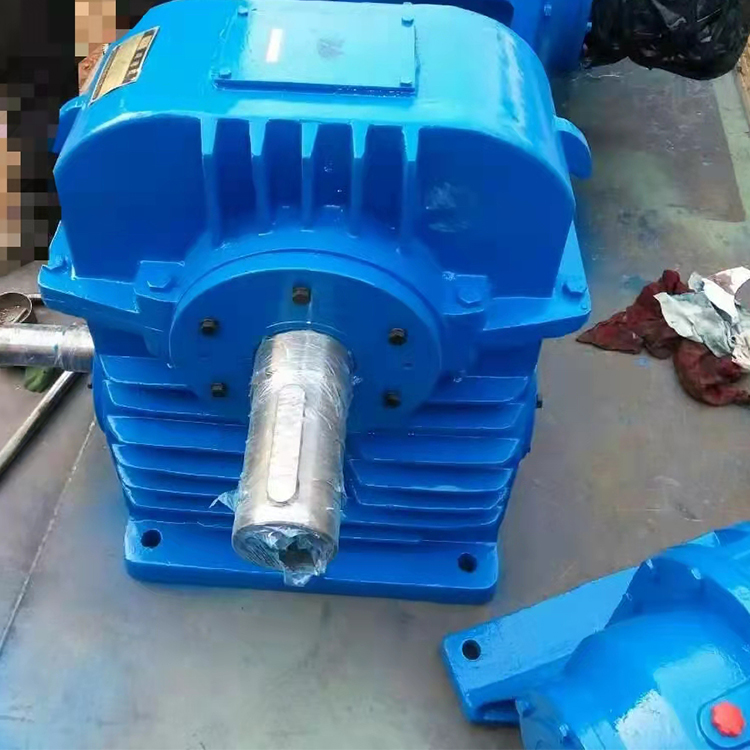
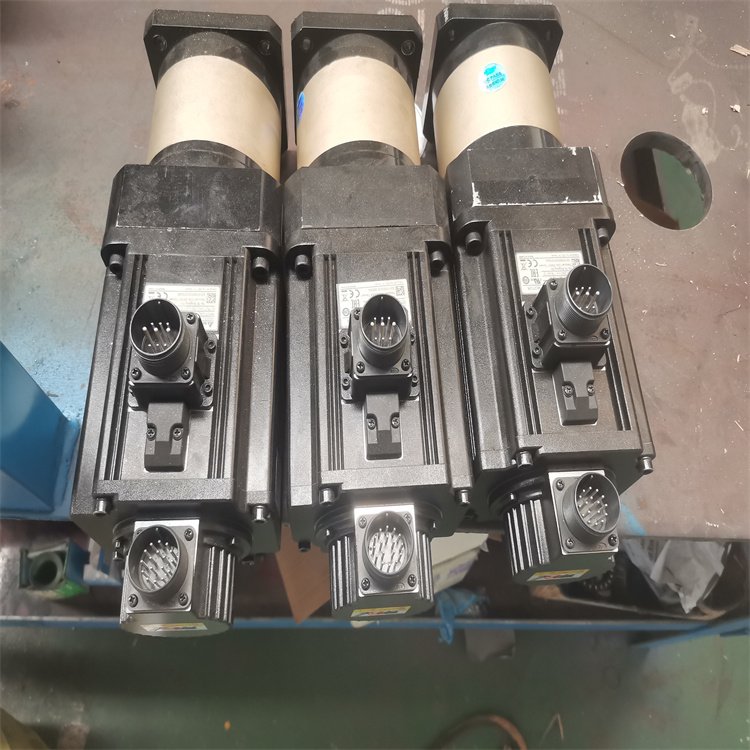
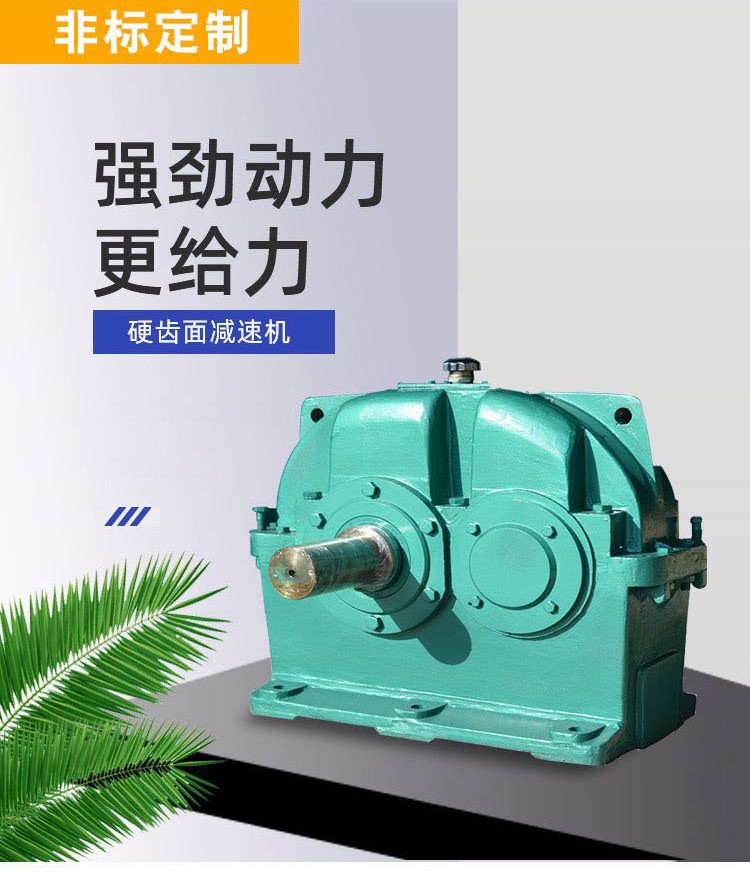
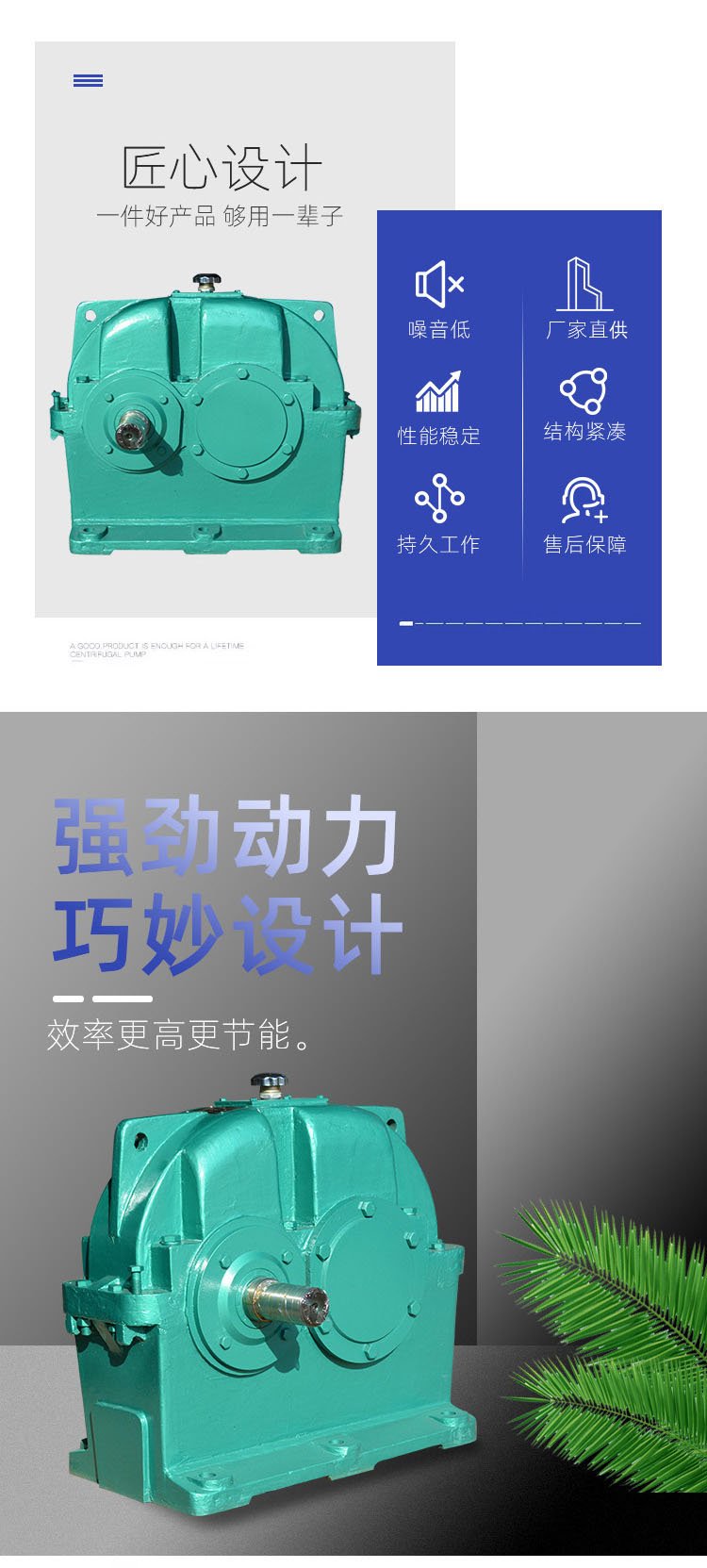
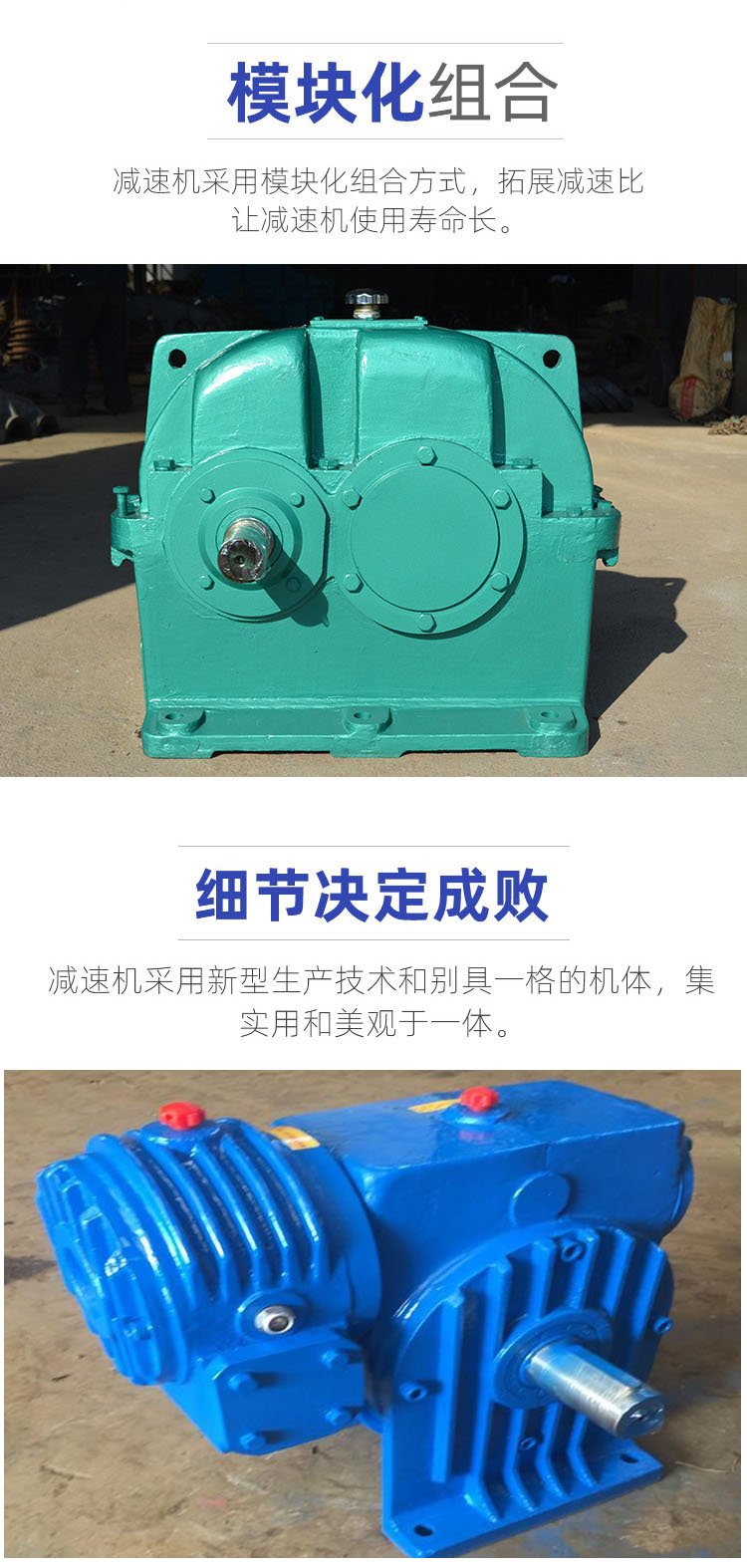



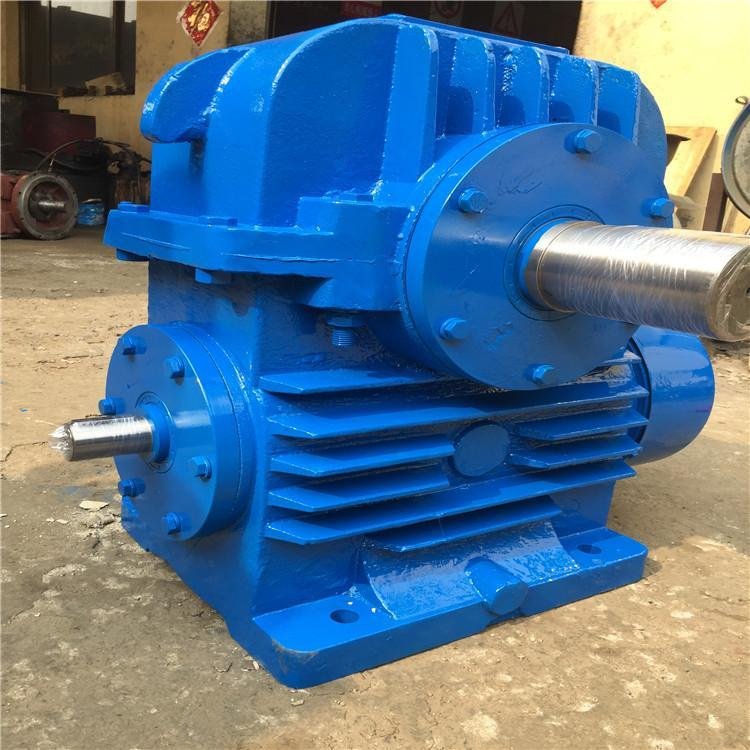
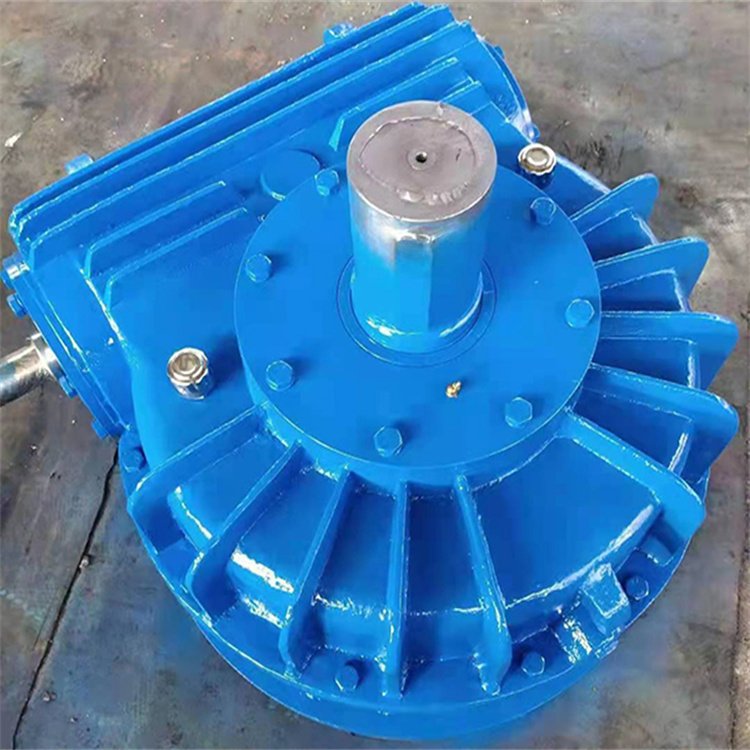
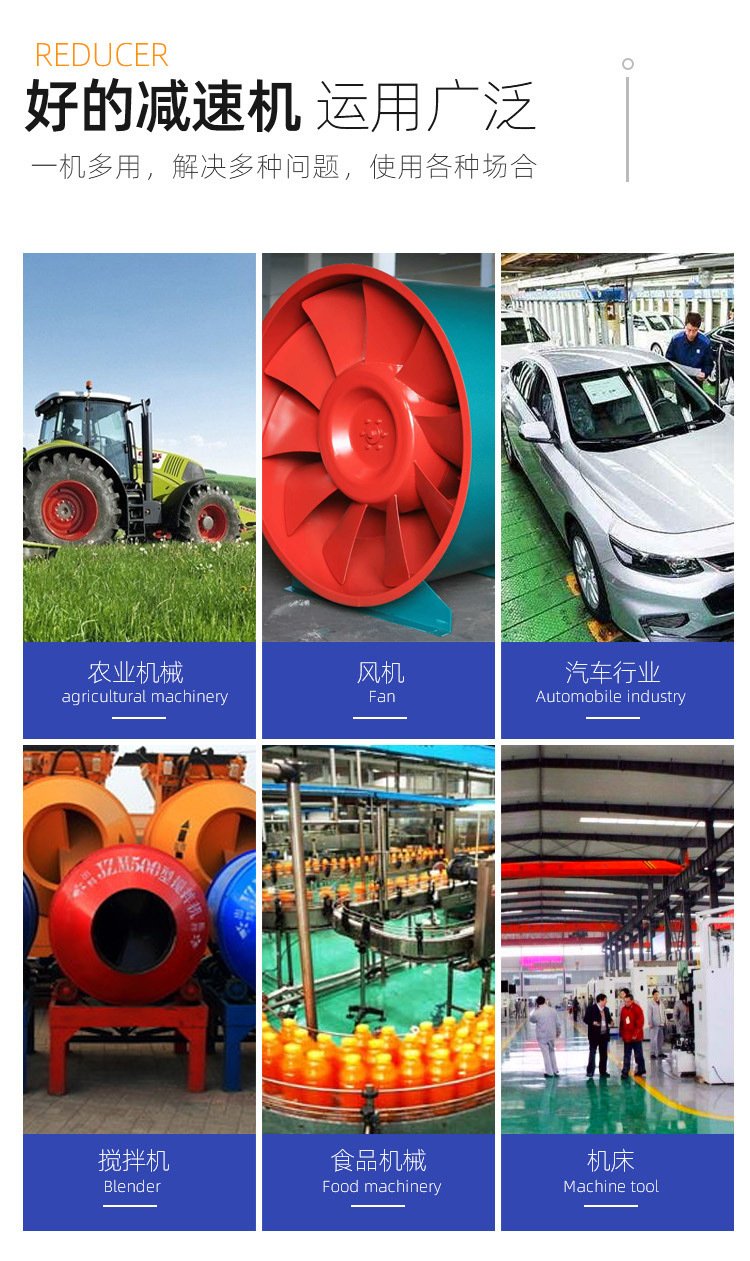
Reducers are mechanical transmission devices in many fields of the national economy. The product categories involved in the industry include various types of gear reducers, planetary gear reducers, and worm gear reducers, as well as various transmission devices such as speed-increasing devices, speed-regulating devices, and all kinds of compound transmission devices including flexible transmission devices. The fields of product services cover metallurgy, non-ferrous metals, coal, building materials, shipping, water conservancy, electricity, construction machinery, and petrochemical industries.
Reducers are generally used in transmission equipment requiring low-speed and high-torque, achieving the purpose of speed reduction by meshing a gear with fewer teeth on the input shaft of the reducer with a larger gear on the output shaft. Standard reducers also utilize several pairs of gears with the same principle to achieve ideal speed reduction. The ratio of the number of teeth on the large and small gears is known as the transmission ratio.
A reducer plays a role in matching the speed and transmitting torque between the prime mover and the driven machine or actuator, and is a relatively precise mechanical device. Its purpose is to reduce speed and increase torque. There are many types and models, each with different applications. The types of reducers are diverse, and can be classified as follows: gear reducers, worm gear reducers, and planetary gear reducers according to the type of transmission; single-stage and multi-stage reducers according to the number of transmission stages; cylindrical gear reducers, bevel gear reducers, and bevel-cylindrical gear reducers according to the shape of the gears; and expanded, split, and coaxial reducers according to the layout of the transmission.