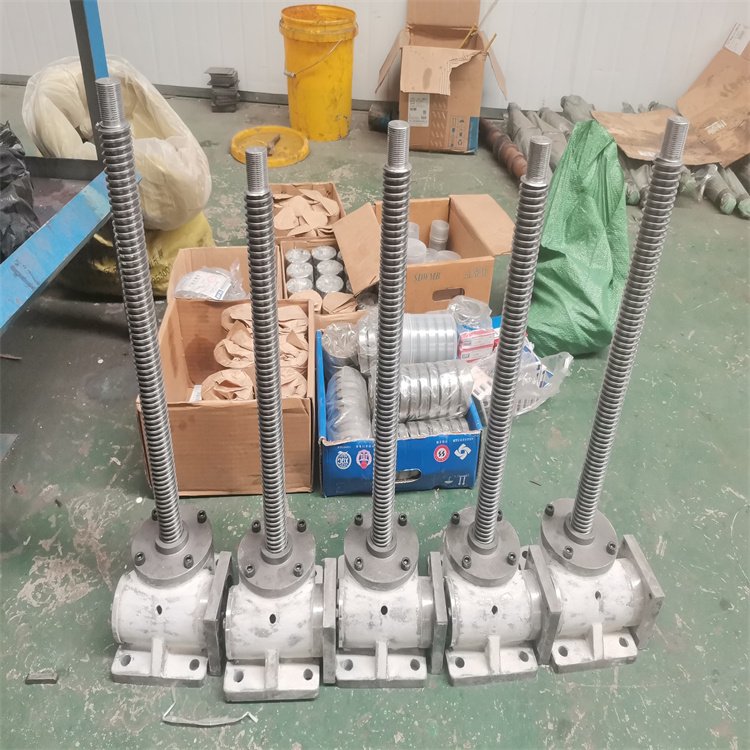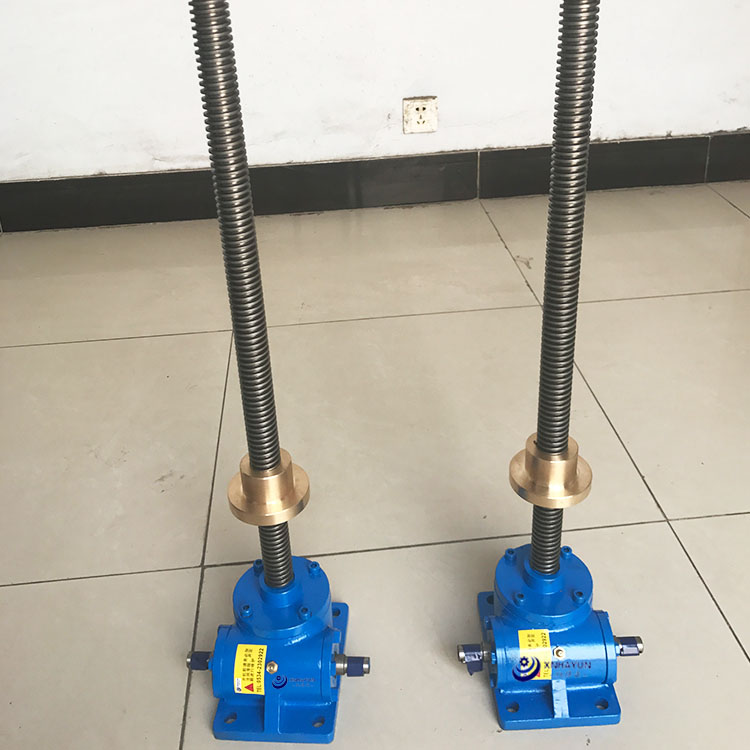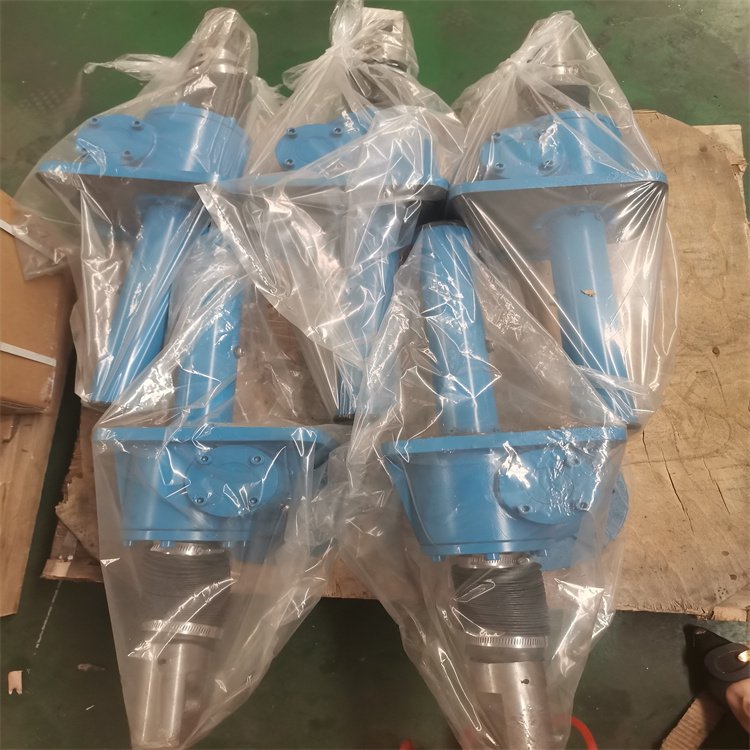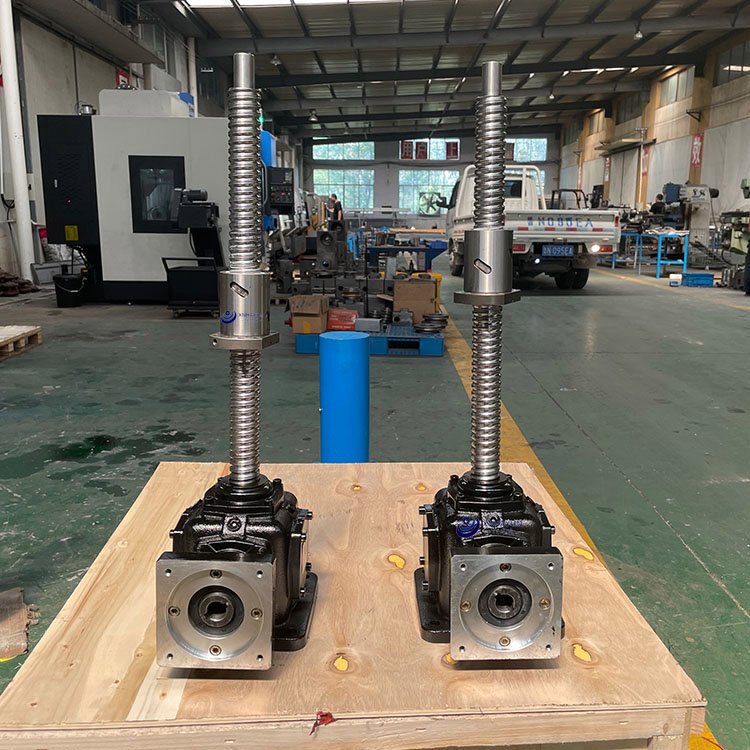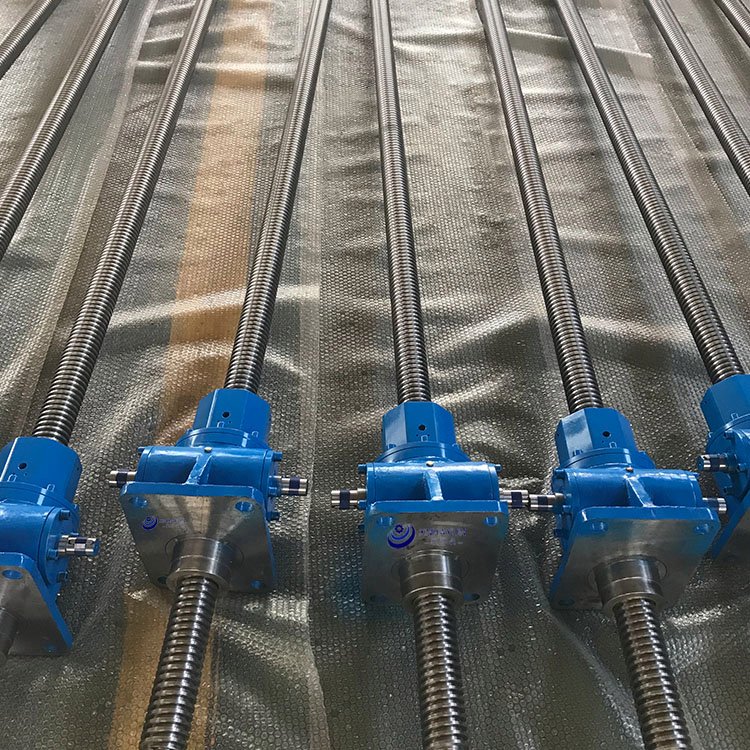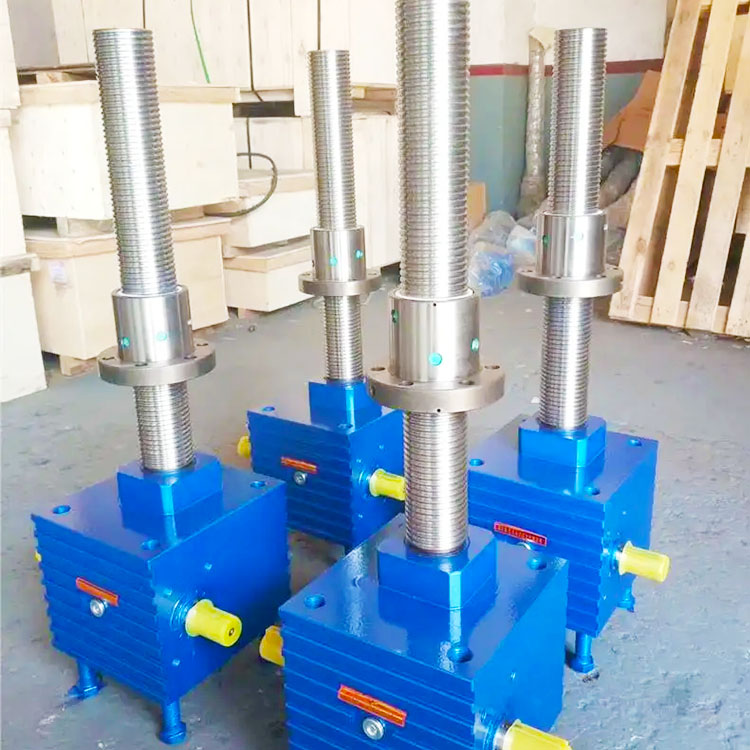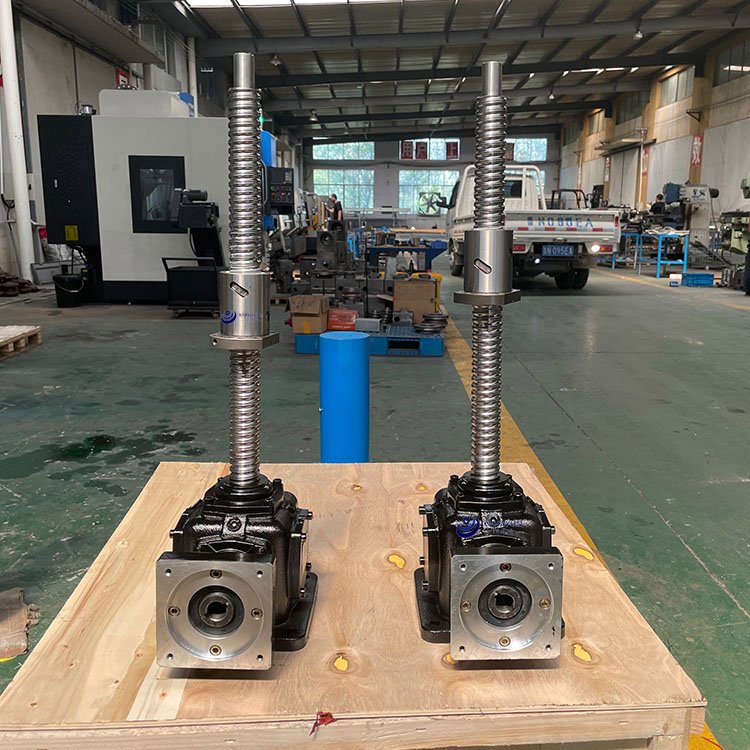

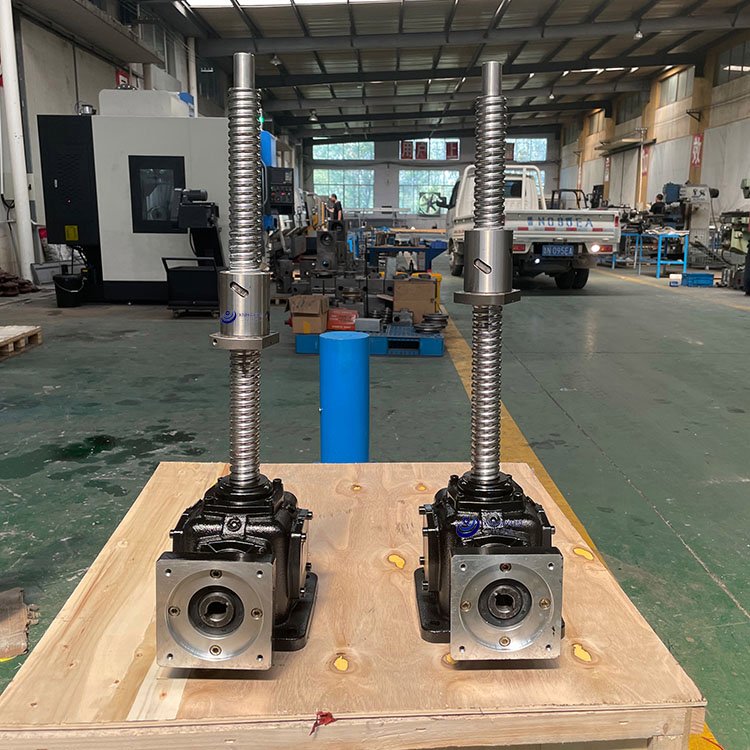

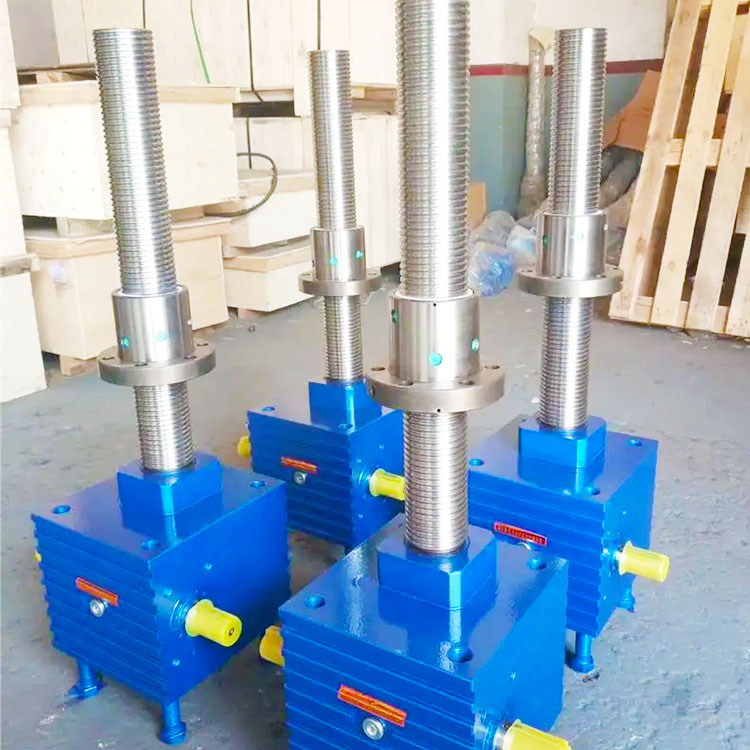


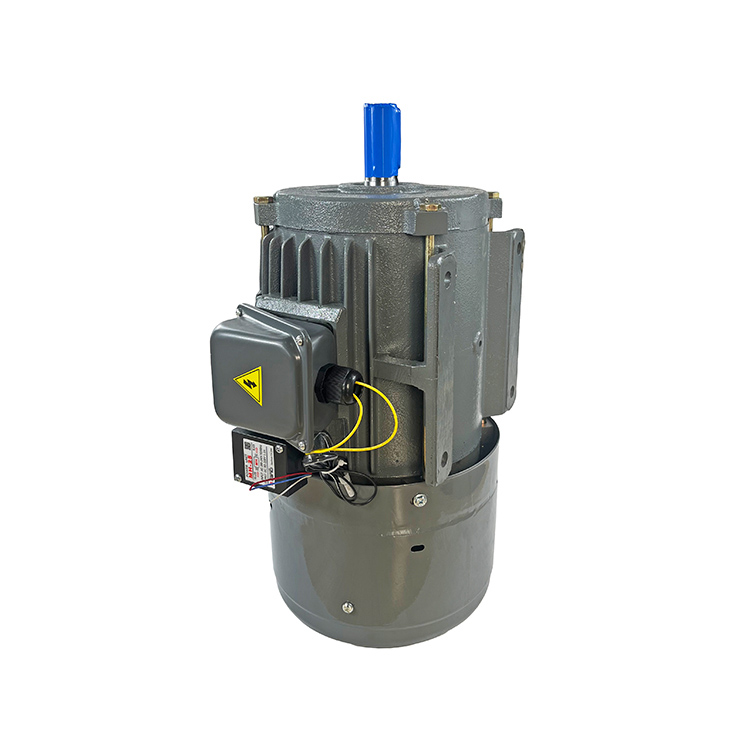
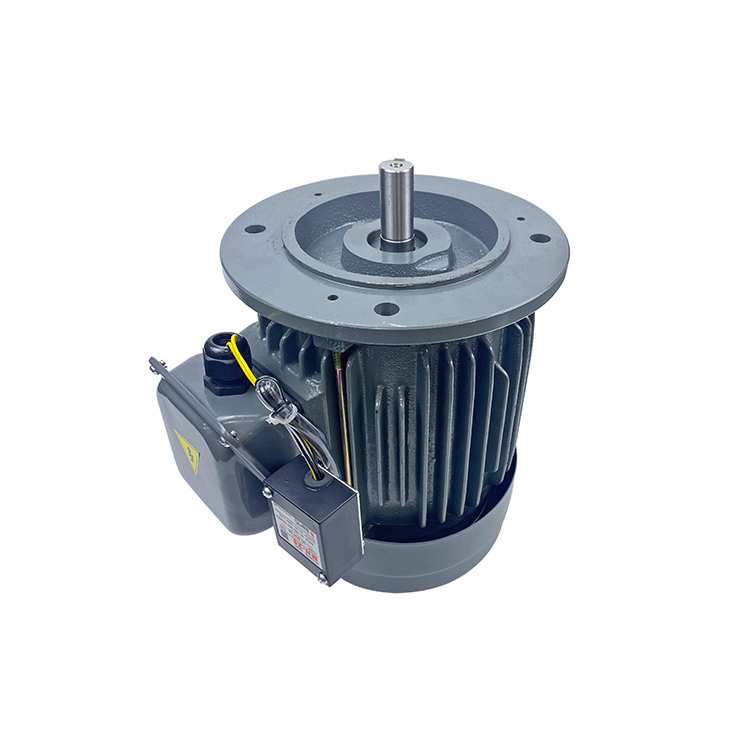
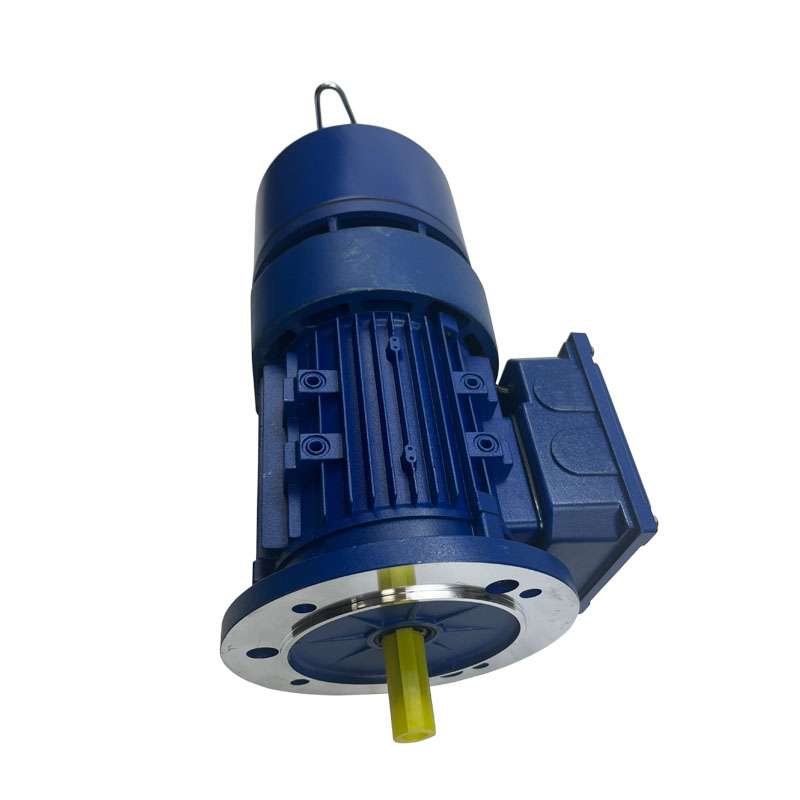






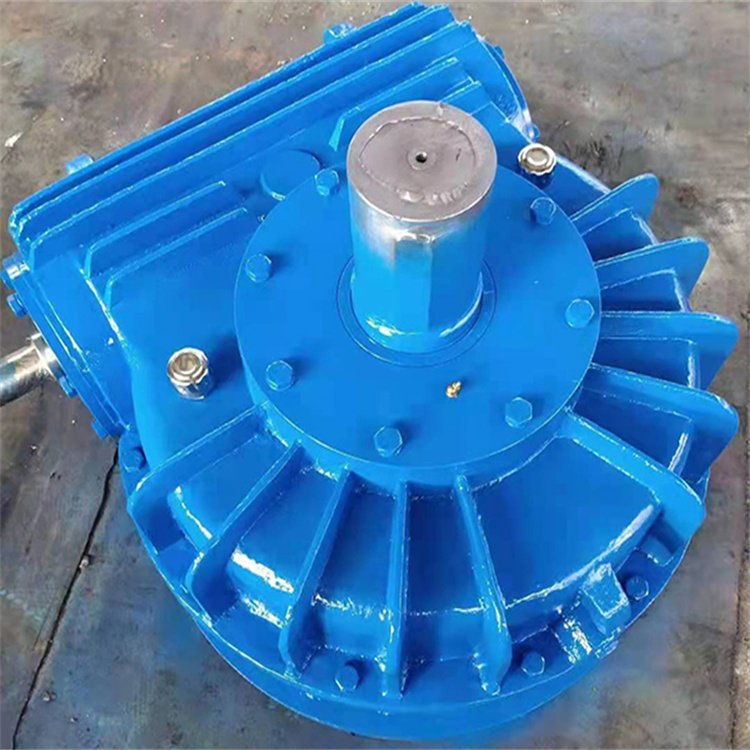

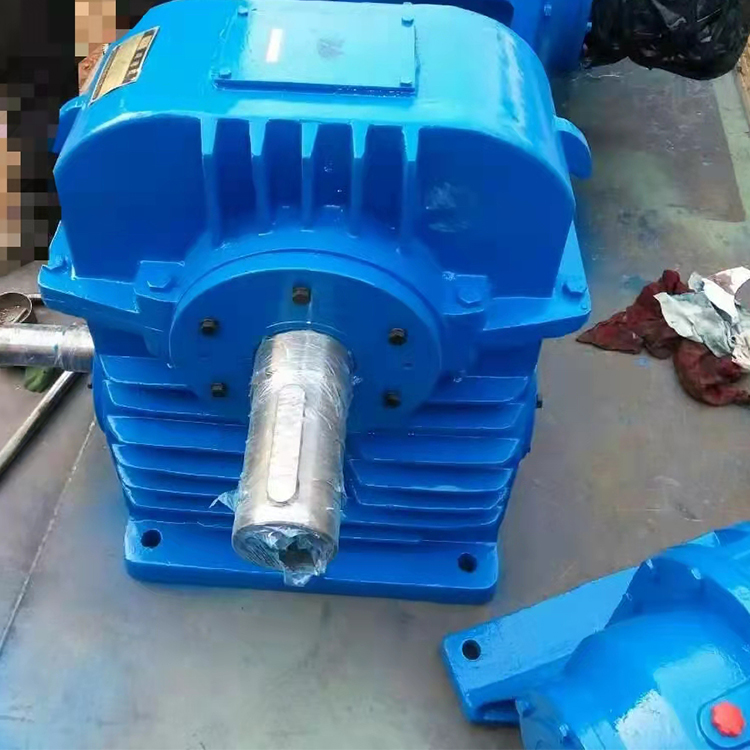
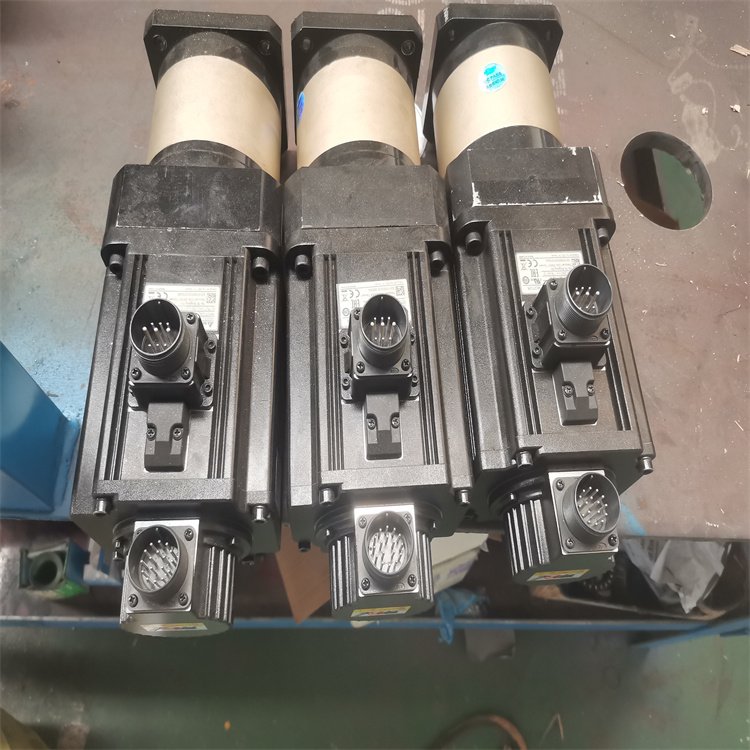
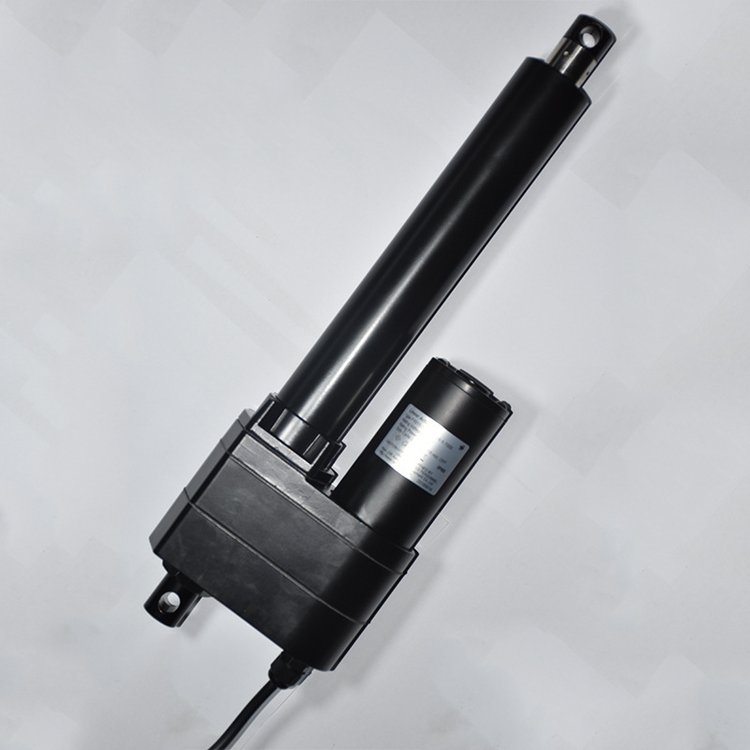
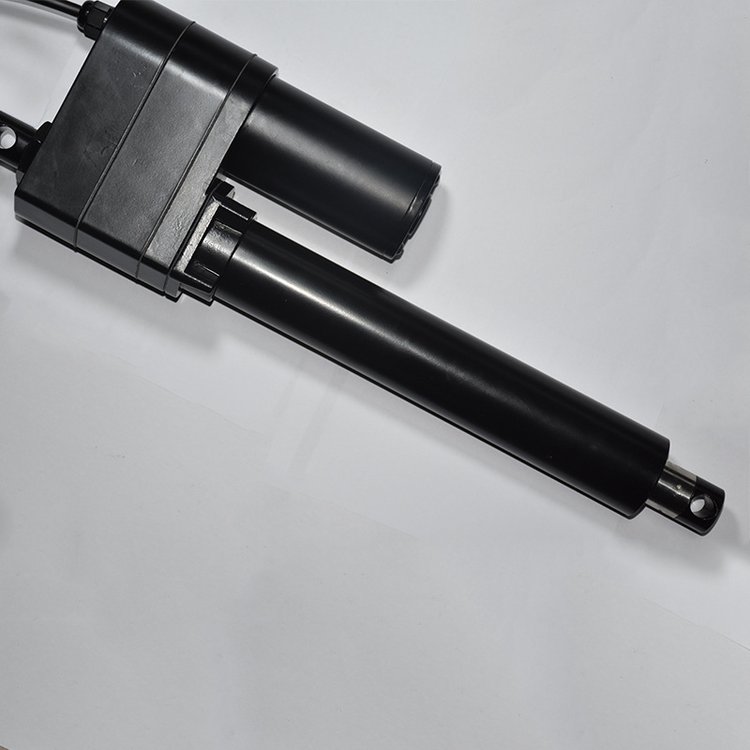
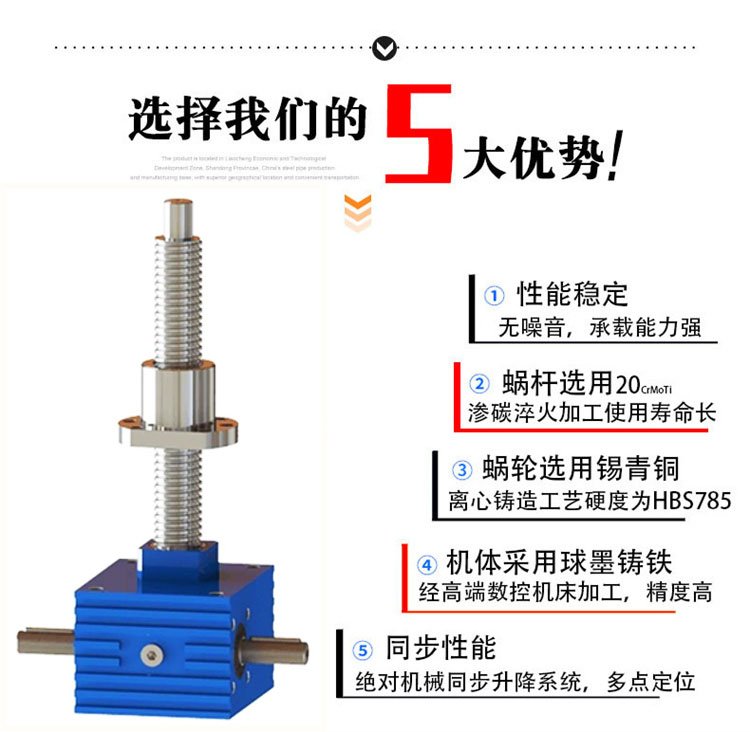
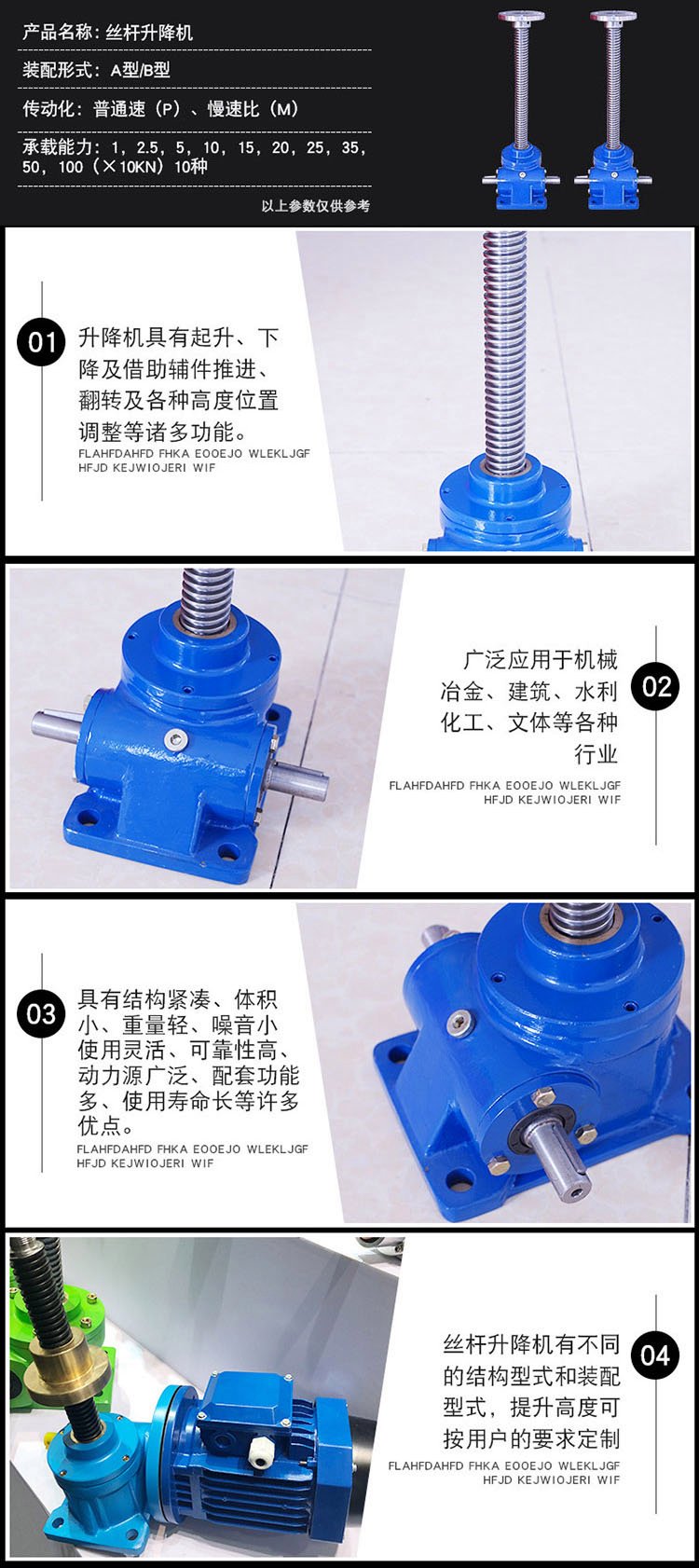
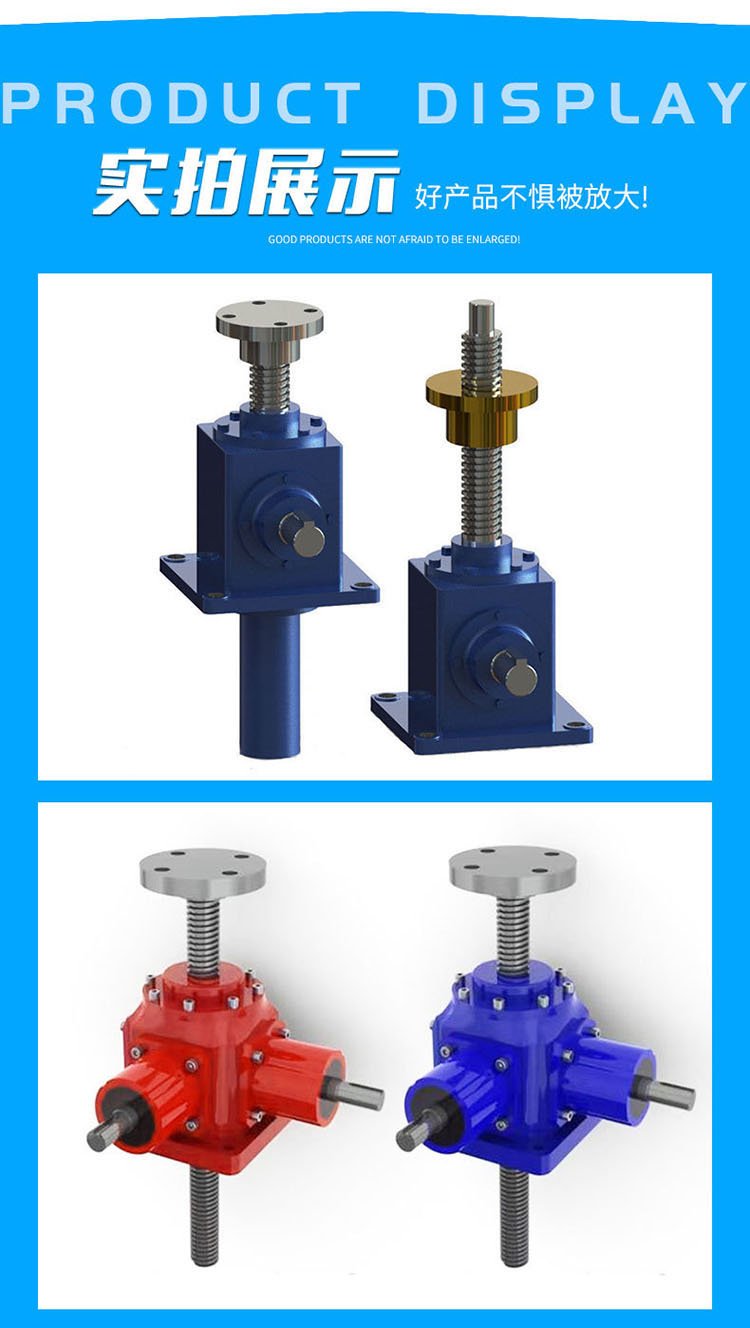
The screw jack is composed of components such as worm gears, housing, bearings, and screw shafts. Its working principle is as follows: the motor or manual drive rotates the worm, which in turn drives the worm gear to reduce speed and rotate. The internal cavity of the worm gear is machined into an internal thread, driving the screw shaft to move up and down. Due to the presence of the worm and gear within, the screw shaft's reduction effect amplifies the thrust.
By rotating the worm gear, the screw is moved up and down, achieving the function of pushing, pulling, or lifting. 1. Self-locking performance: Standard tooth screw jack electric push rod and screw lifters have most with dynamic self-locking functions due to low comprehensive transmission efficiency, enhancing the safety of equipment operation; ball screw electric push rods and screw lifters do not self-lock; 2. Precision positioning: The overall positioning accuracy can reach 0.1mm; servo electric cylinder position accuracy can reach 6um; 3. Control configuration: Encoder, controlled by a variable frequency drive or controller for closed-loop positioning; for less stringent precision requirements, potentiometers can be equipped for on-line control. 4. Synchronization: Single-speed motor drives multiple push rods simultaneously through mechanical connection, achieving synchronized lifting and lowering; 5. Drive system: DC motor 12/24V, single-phase AC motor, three-phase AC motor, no need for air or hydraulic source; 6. Overload protection: Safety clutch for overload prevention; overload pressure sensor can also be equipped for overload protection; 7. High load push/pull force up to 300 tons.
8. Other maintenance is simple, with low noise, and can operate normally in high/low temperature, anti-corrosion/explosion-proof harsh environments. Key features include: self-locking performance, synchronization, precision positioning, speed control, and thrust control.


.jpg)