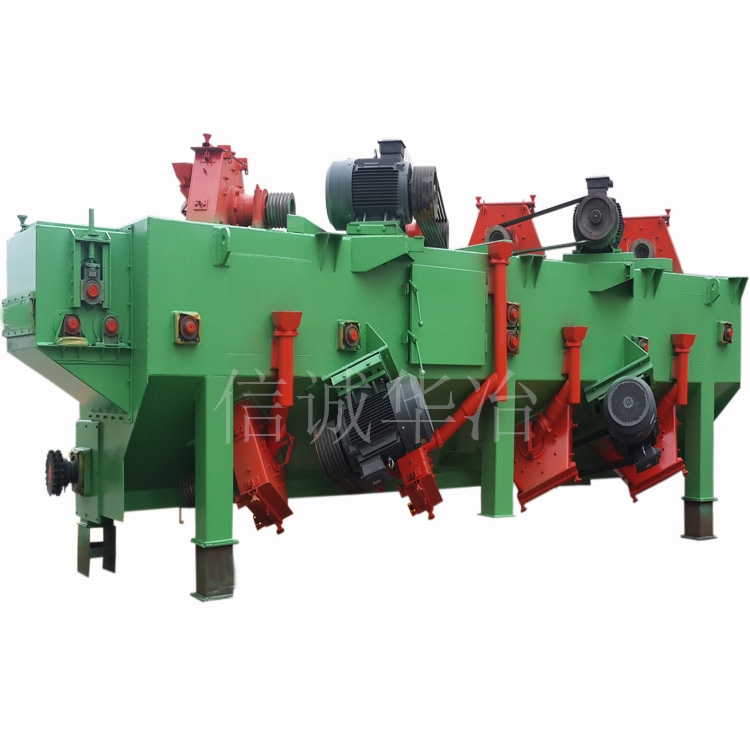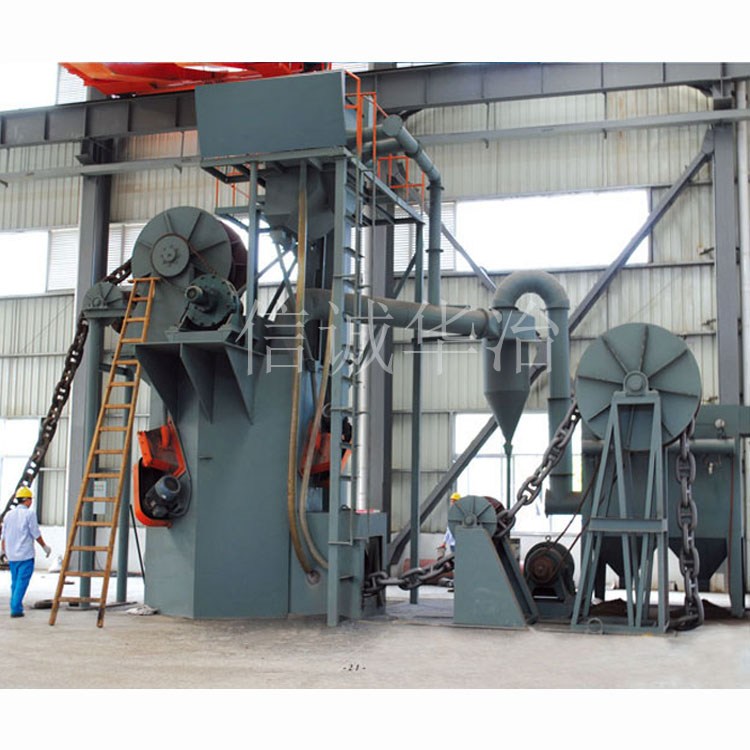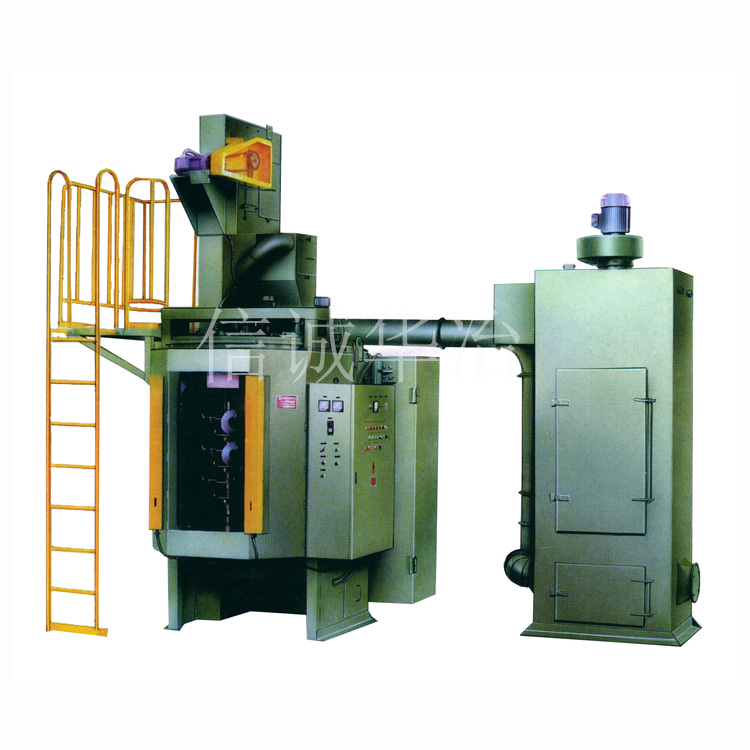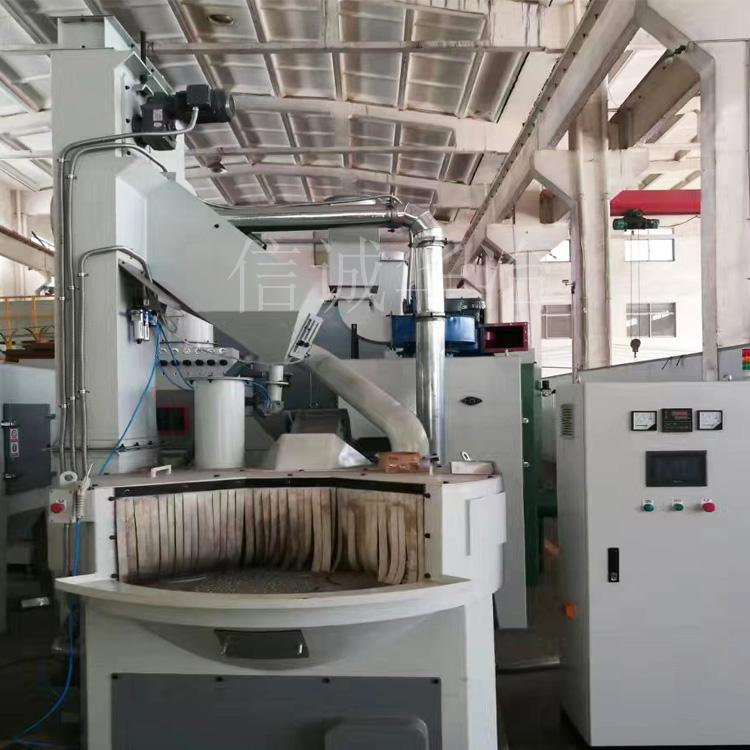







Three-ton belt-driven pump initially used as a self-priming pump, later gradually employed in many industrial sectors such as oil, chemical, machinery, mining, light industry, and food. Water ring pumps are widely used in various industrial production processes, including vacuum filtration, vacuum water intake, vacuum feeding, vacuum evaporation, vacuum concentration, vacuum moisture recovery, and vacuum degassing. Due to the rapid development of vacuum application technology, water ring pumps have been highly valued for achieving rough vacuum. Since the gas compression in water ring pumps is isothermal, they can remove flammable and explosive gases, as well as dusty and humid gases, thus their applications are increasingly prevalent.
A sufficient amount of water is filled in the pump casing as the working fluid. As the impeller rotates clockwise in the direction indicated in the diagram, the water is thrown outward by the impeller, forming a closed annular ring of approximately uniform thickness, depending on the shape of the pump chamber. The upper inner surface of the water ring just touches the impeller hub, while the lower inner surface of the water ring contacts the blades (the blades are partially inserted into the water ring). At this point, a crescent-shaped space is formed between the impeller hub and the water ring, which is then divided into several small cavities equal in number to the blades. If the top of the impeller at 0° is taken as the starting point, the volume of the small cavities increases from small to large as the impeller rotates 180°, and they are相通with the suction ports on the end face, at which point gas is吸入. When the suction is complete, the small cavities are isolated from the suction ports; as the impeller continues to rotate, the small cavities decrease in size, compressing the gas; and when the small cavities are相通with the exhaust port, the gas is expelled out of the pump.
Three-ton belt pulley pump application range:
Primarily used in coal mines (gas extraction), chemical industry, mining, papermaking, food, beer, construction materials, plastics, metallurgy, and electrical industries.