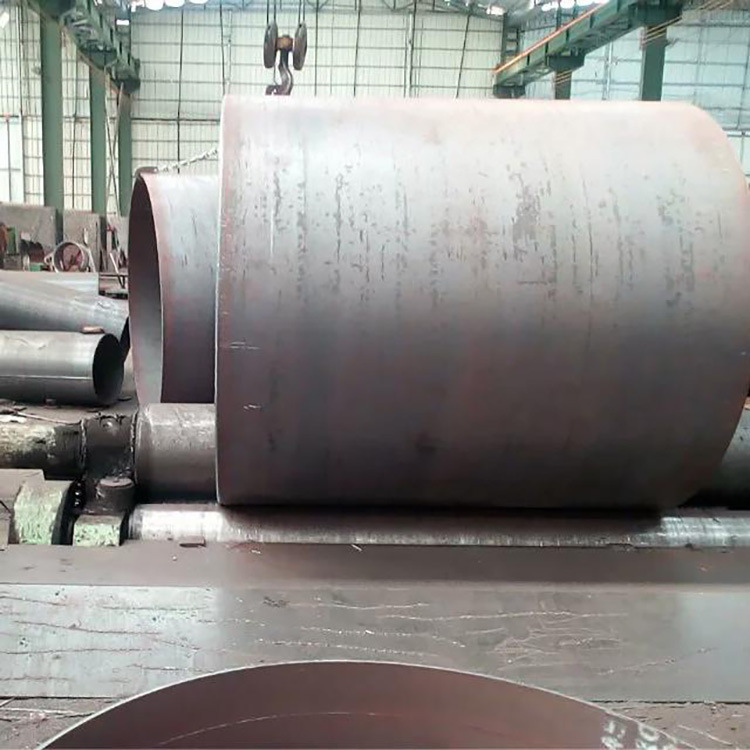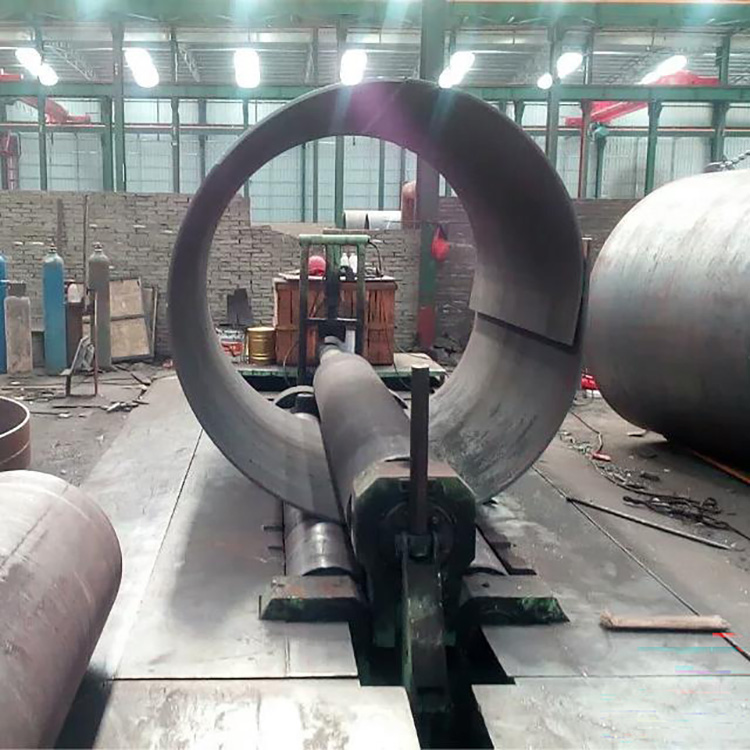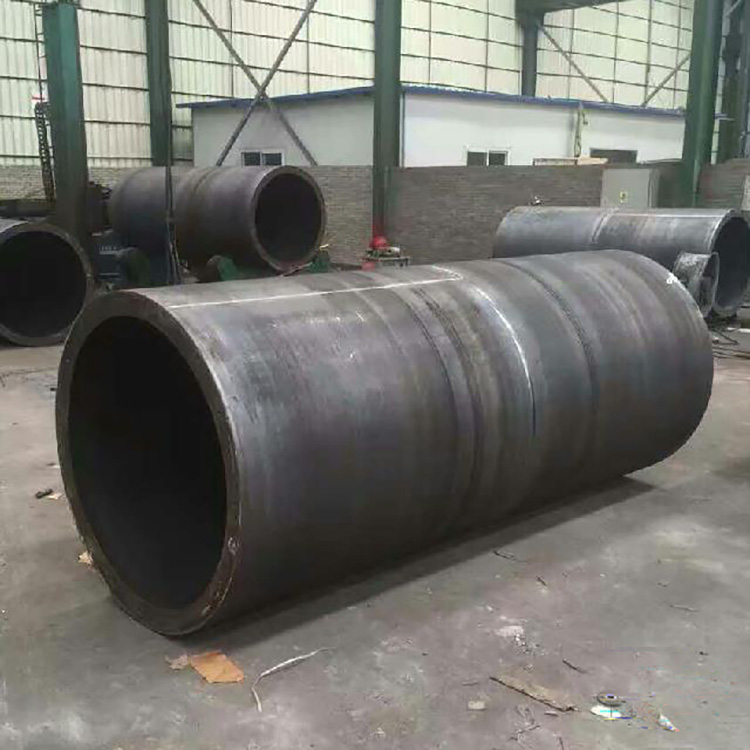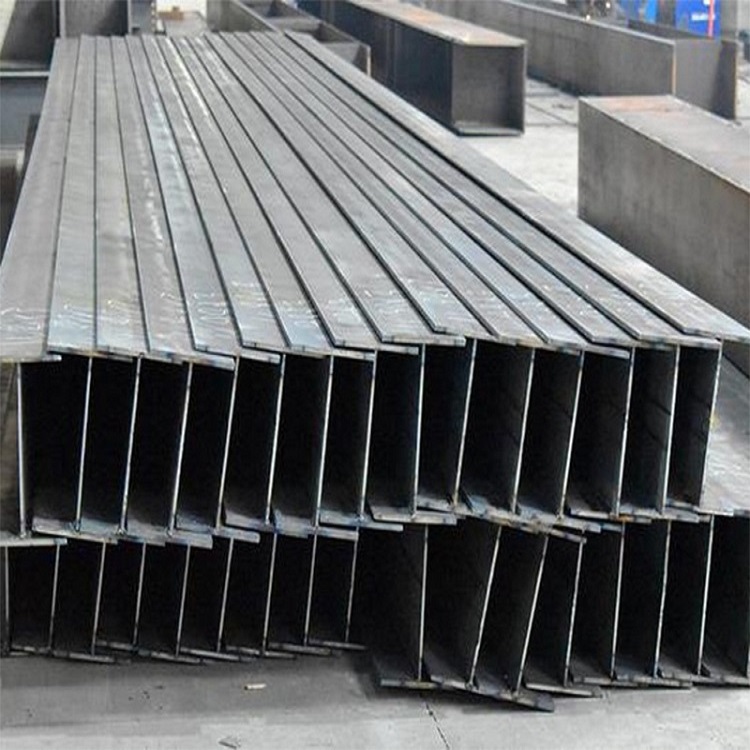













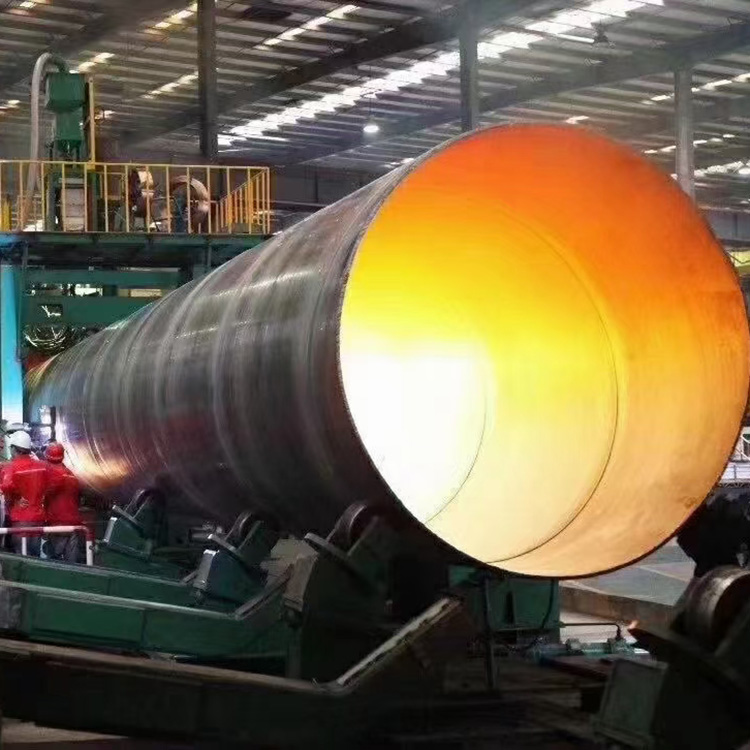
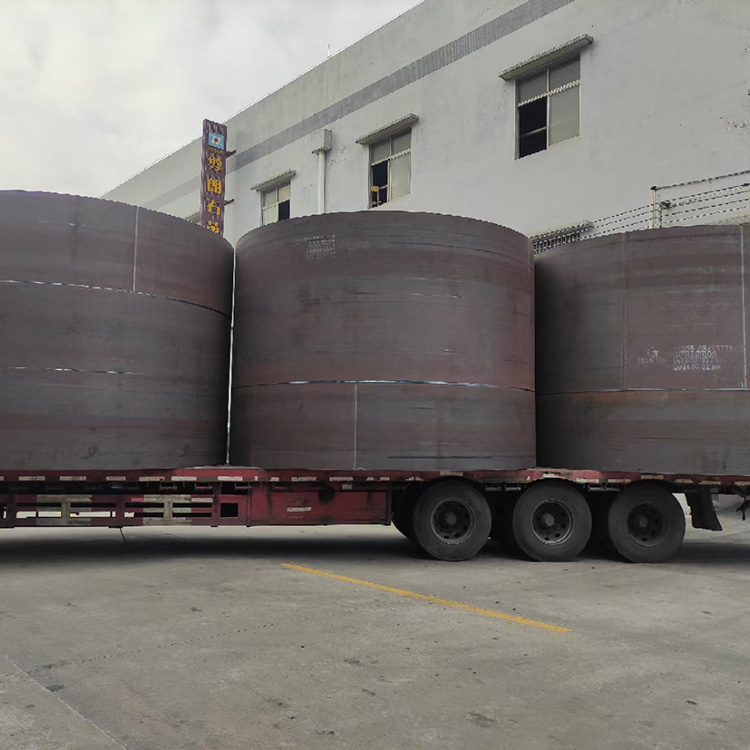

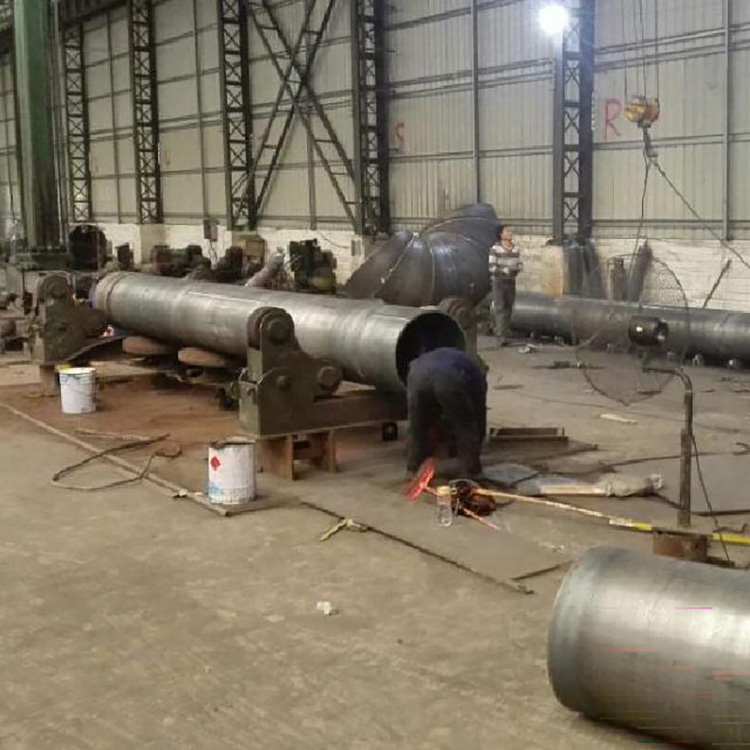


The manufacturing and installation of steel casing is a crucial step in the construction of bored pile foundations, directly affecting the quality of the piles.
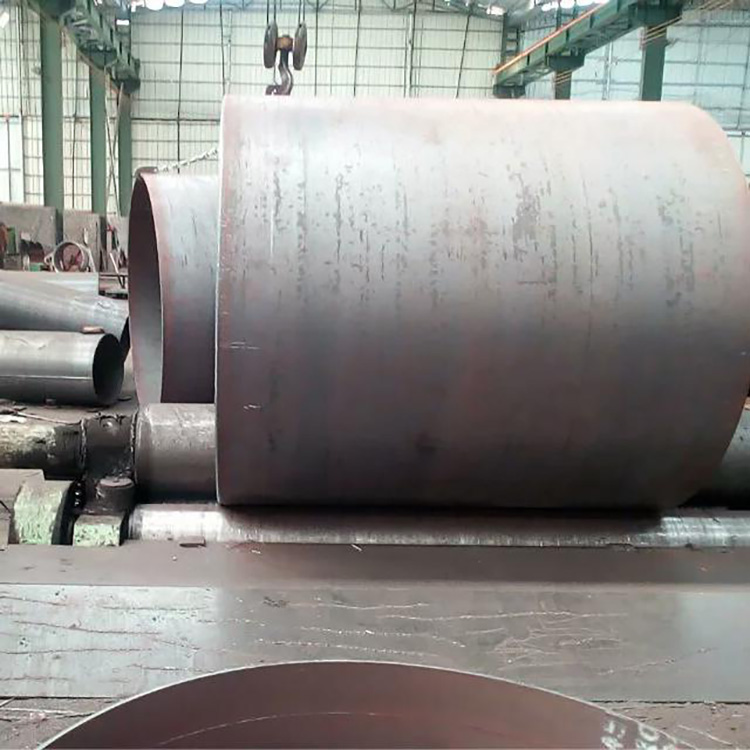
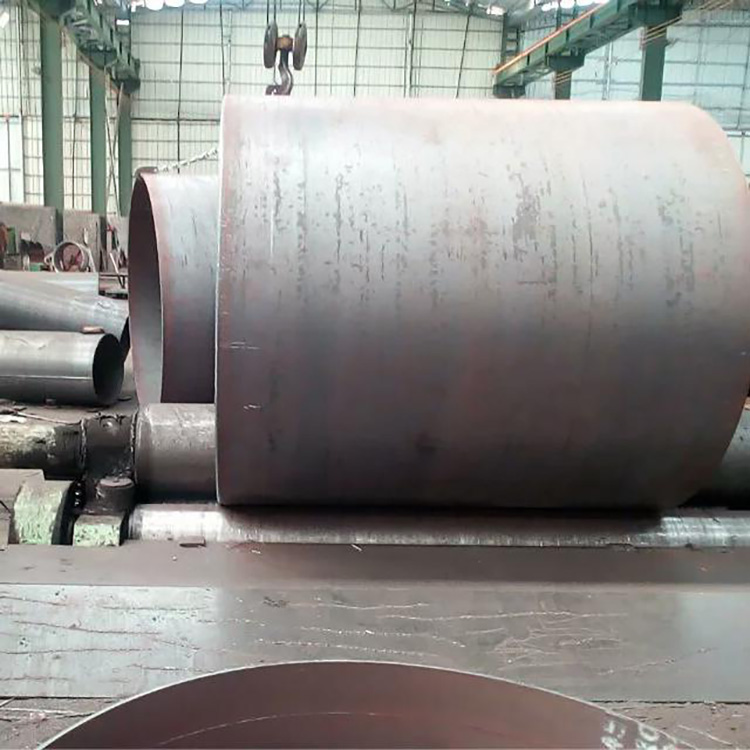
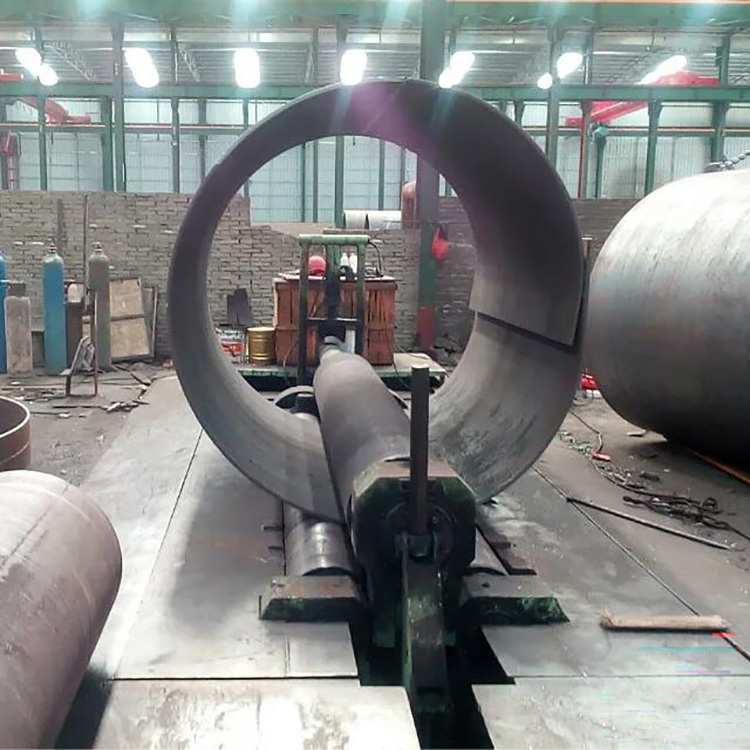
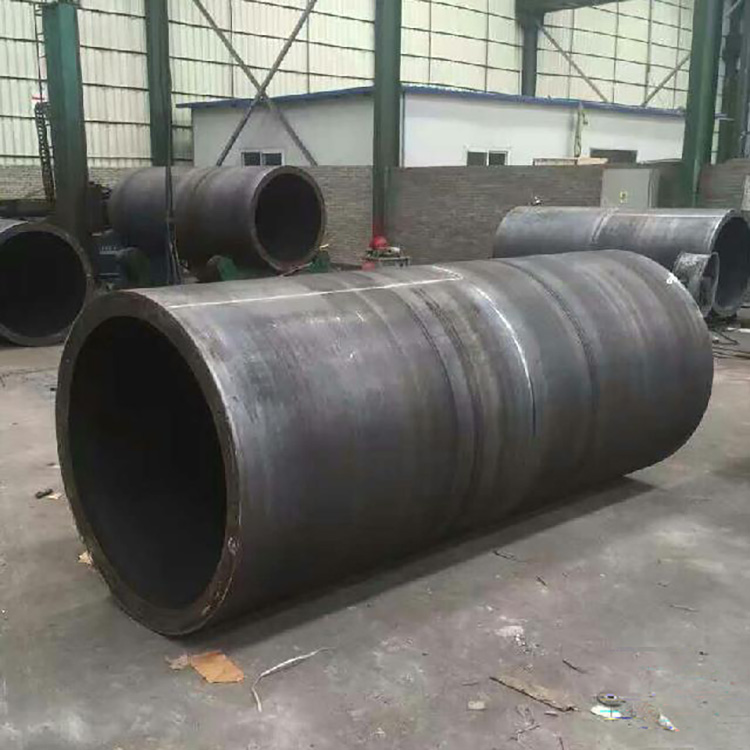
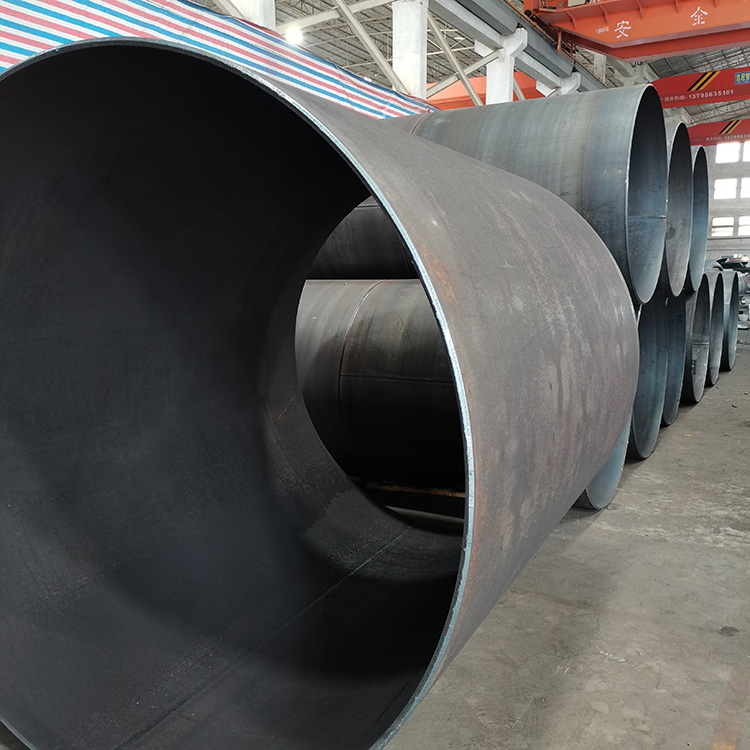
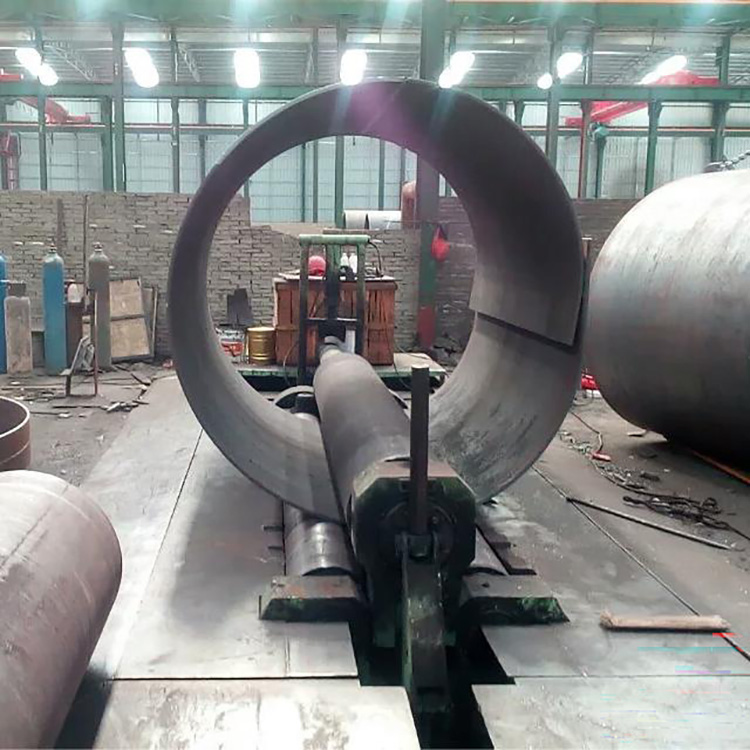
The casing is constructed using a circular column formwork structure, predominantly made from steel plates of 8mm and 10mm thickness, rolled into steel casings with diameters of 1.3m and 1.1m. Each section of the steel casing is generally about 1.25m high, with the actual height determined by the specific application. The casings are formed through rolling sheet processing to ensure the roundness, thereby guaranteeing the quality of the桩. The welding of the steel casings must meet the required standards, with tight welds that do not allow water penetration. Single-sided welding can be used, but it must be securely welded. The length of the steel casing is determined based on the water depth at the site and the elevation of the pile top.
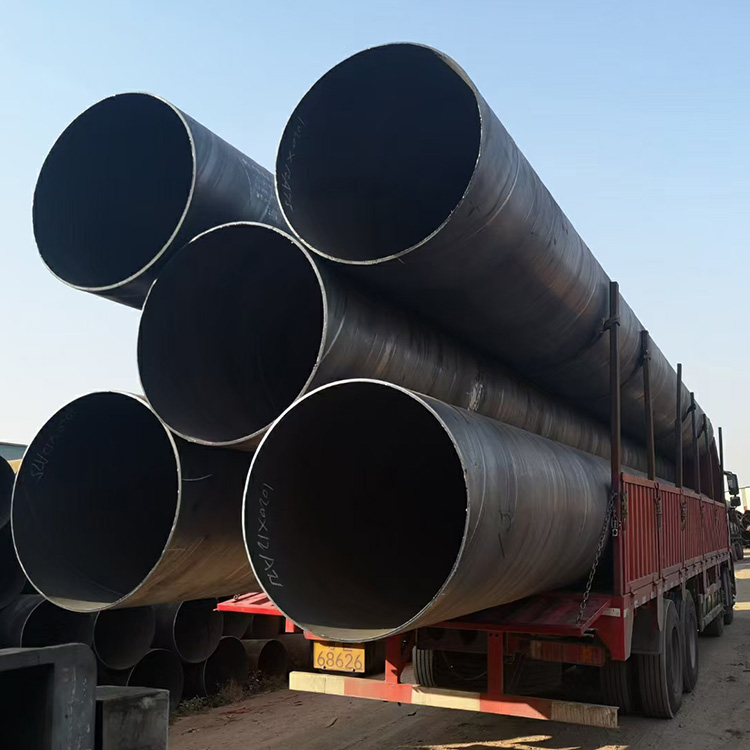
Steel casing is used during the process of artificial hole pile excavation, as the soil quality is unstable, it presents a significant challenge to construct reinforced concrete walls. Therefore, steel casing is adopted to protect the hole piles, preventing collapse and ensuring the progress and safety of construction. A steel casing is essentially a cylindrical barrel made from sheet metal, with both ends open, tailored to the size of the hole pile.
Nature:
Generally, it is 20-40cm larger than the pile diameter, the burial depth depends on the soil characteristics, the deviation in plane position should not exceed 5cm, and the slope should be less than 1%.
Cautionary Notes:
The inner diameter of the sleeve should be 200 to 400 mm larger than the pile diameter.
The central vertical line of the sleeve should align with the centerline of the pile, unless otherwise specified in the design. The allowable flatness error is 50MM, and the vertical line should not be inclined more than 1%. The actual positioning can be measured in dry areas, while in water areas, positioning can rely on the guide frame.
For land reclamation and island construction, protective sleeves can be installed by digging a pit and burying method. The clay soil filled at the bottom and around the protective sleeves must be compacted in layers.
4. Waterway protection tube installation requires strict attention to the plane position, vertical inclination, and the quality of connection between the two sections of the tubes, all of which must meet the aforementioned requirements. When sinking, methods such as weighting, vibration, hammering, and assisted by soil removal inside the tube can be employed.
5. The protective sleeve should be 0.3M above ground level or 1.0 to 2.0M above water level. When there is pressurized water in the borehole, it should be higher than the stable pressurized water level by more than 2.0M. If the pressurized water level is unstable or significantly higher than the groundwater level after stabilization, a trial pile should be conducted to assess the feasibility of using bored pile foundations in such areas. In areas affected by tidal currents, it should be elevated 1.5 to 2.0M above the highest construction water level, and measures to stabilize the water head inside the protective sleeve should be adopted.
The embedment depth of the casing should be determined based on design requirements or the hydrogeological conditions of the pile location. In clay, it should not be less than 1.0m, and in sandy soil, it should not be less than 1.5m. Generally, the embedment depth should be between 2 to 4 meters. In special cases, it should be increased to ensure the smooth progress of drilling and concrete pouring. For riverbeds affected by erosion, the casing should be sunk below the local erosion line by at least 1.0 to 1.5 meters. For bored piles affected by water level fluctuations or underwater construction, the height and depth of the casing should be increased, and if necessary, it should be driven into the impermeable layer.
7 The joint of the sleeve should have no protrusions inside, be resistant to tension and pressure, and not leak.
Function:
1. Positioning 2. Protecting the orifice and preventing ground stones from falling into the hole 3. Maintaining mud level (pressure) to prevent cave-in 4. One of the references for controlling pile top elevation 5. Preventing the backflow of sediment during drilling
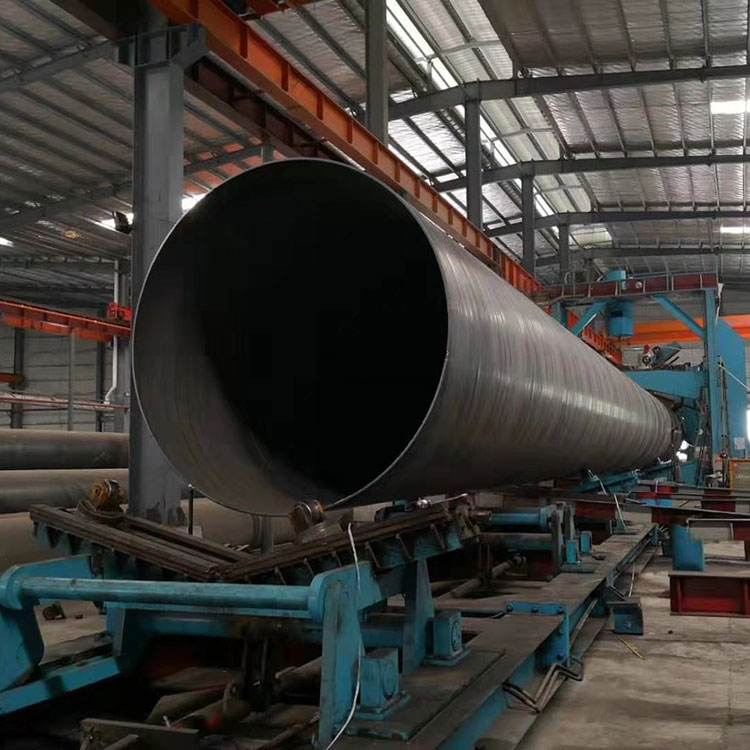
Our products are widely used in water and oil pipeline systems for industries such as food and chemical processing. In the markets of municipal networks, water supply companies, urban construction, real estate development, domestic structural steel, machinery processing and manufacturing, coal mining, oil, chemicals, and electricity, we have a significant resource and service advantage, establishing a leading position in both resources and services. Our products boast high strength, high pressure resistance, easy installation, low cost, and long service life, earning high praise from customers.