
















Welded Pipe Categories: General Welded Pipe, Straight Seam Welded Pipe, Spiral Welded Pipe
Welded steel pipes refer to seamless steel pipes that are formed by bending and deforming steel strips or plates into circular, square, or other shapes and then welded together. The raw material used for welded steel pipes is steel plates or strips.
General Welded Pipe
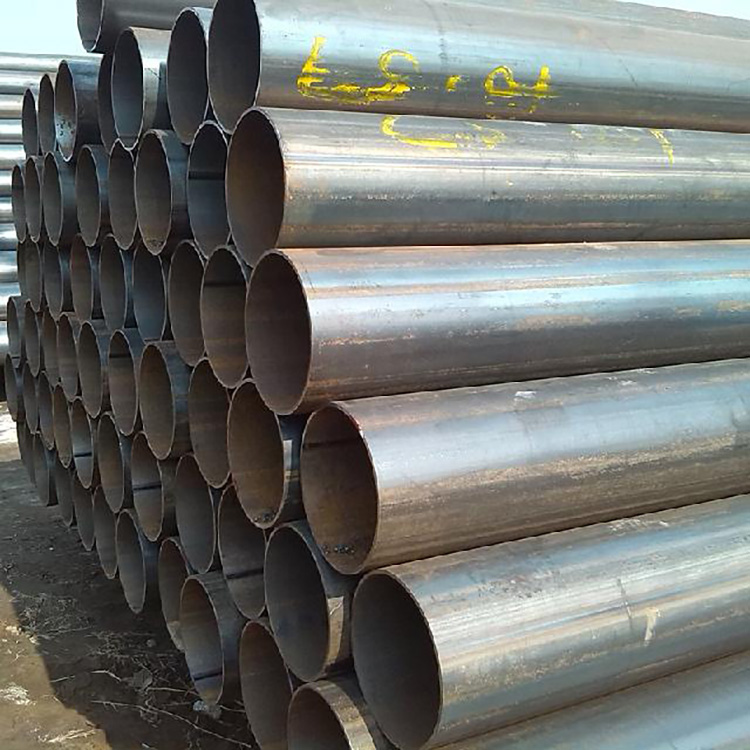
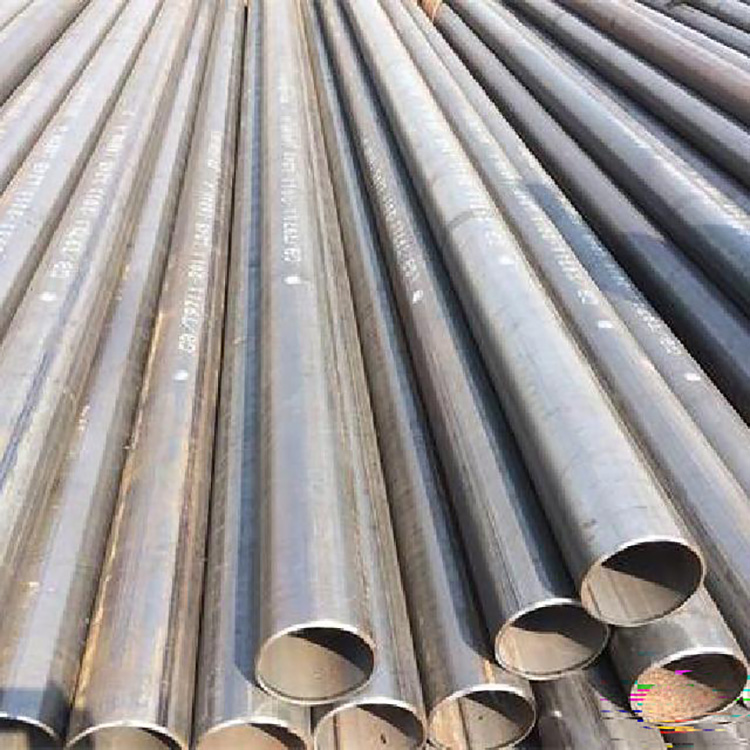
General welding pipes are used for conveying low-pressure fluids. They are manufactured from steel grades such as Q195A, Q215A, and Q235A. Other easily weldable soft steels can also be used. The pipes must undergo hydrostatic, bending, and flattening tests, with certain surface quality requirements. The standard delivery length is typically 4-10 meters, and it is often required to deliver pipes to a specified length (or multiples thereof). Welding pipe specifications are indicated by nominal diameter (in millimeters or inches). The nominal diameter differs from the actual diameter, and welding pipes are available in two types: standard wall thickness and thickened wall thickness. They are also available with either threaded or unthreaded ends.
Seamless Welded Pipe
Simple production process, high efficiency, low cost, and rapid development.
Spec: Φ21.3-457.2*1.8-14
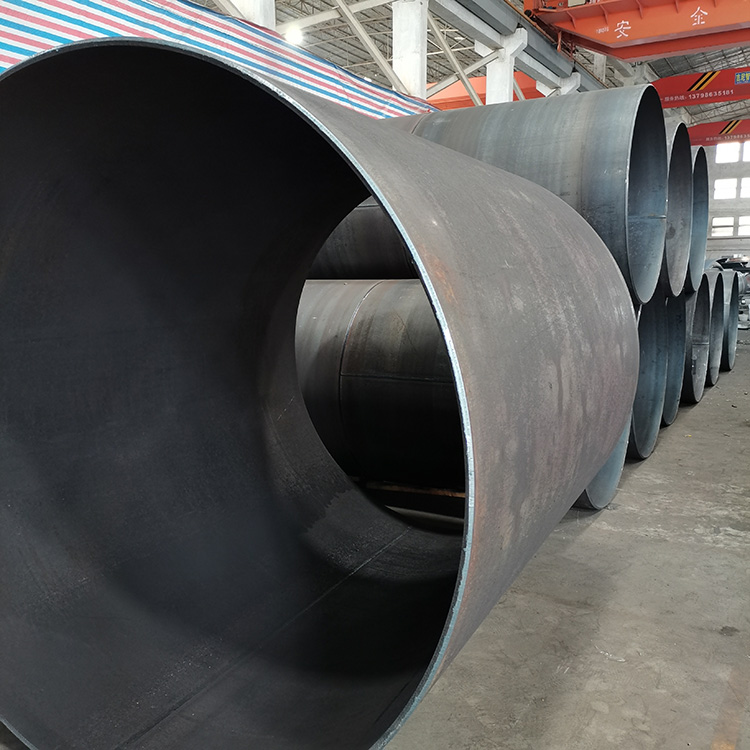
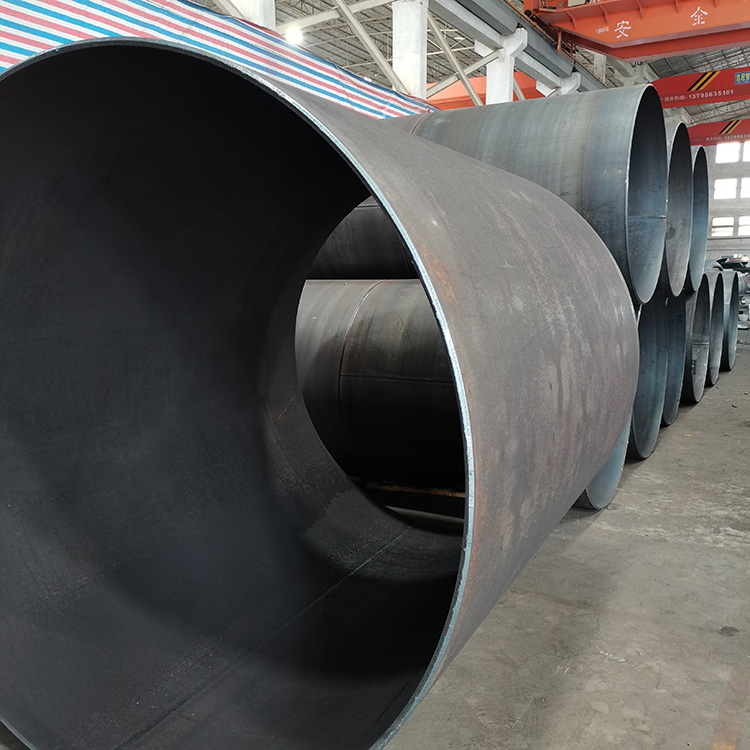
Spiral Welded Pipe
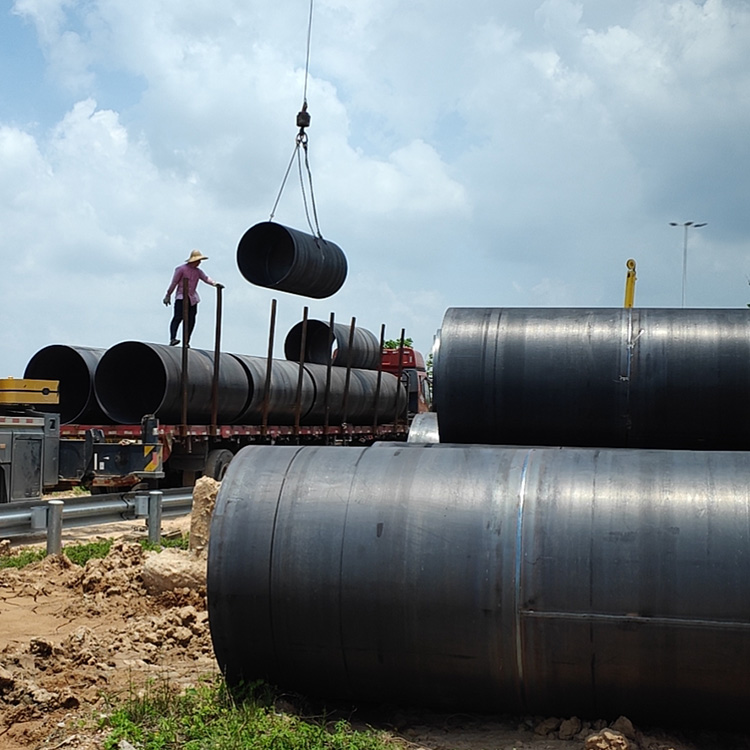
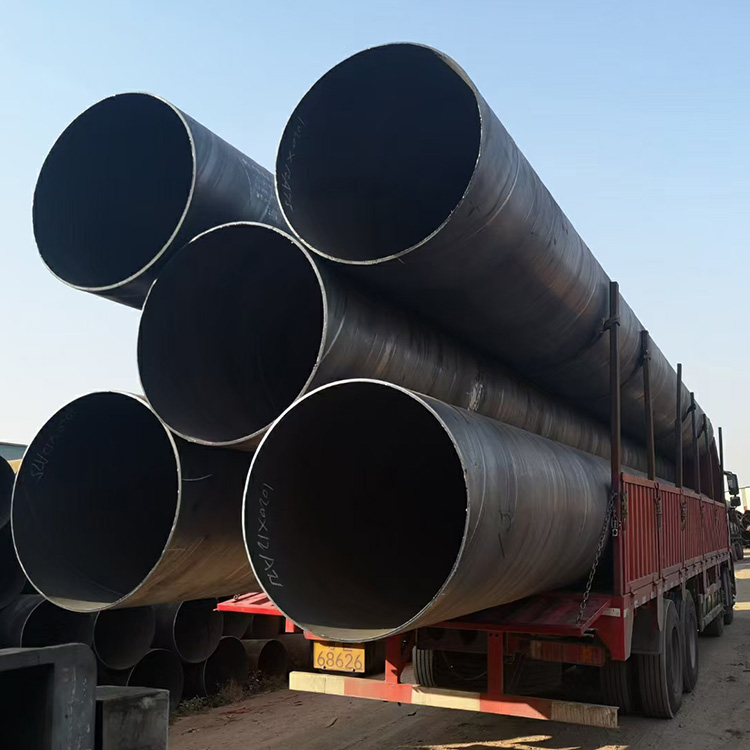
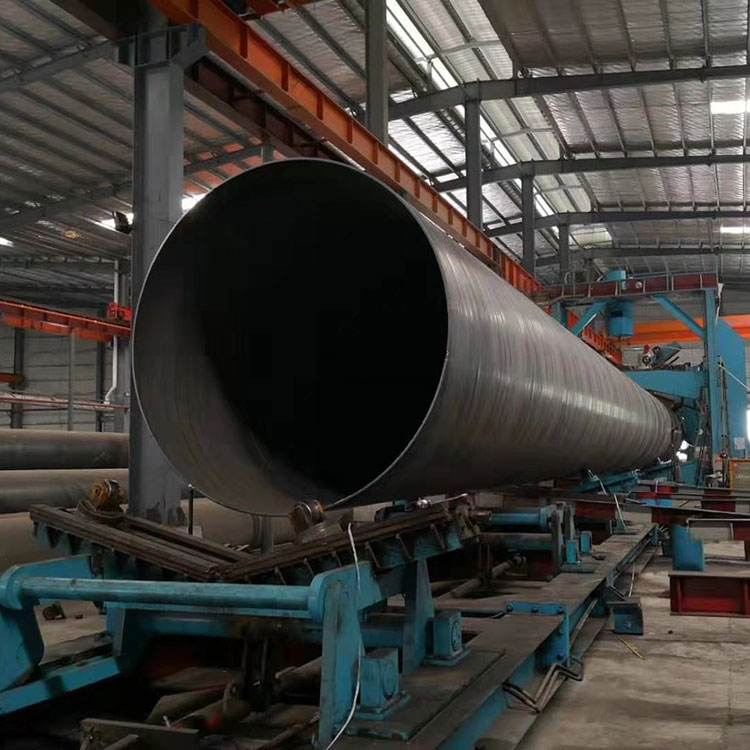
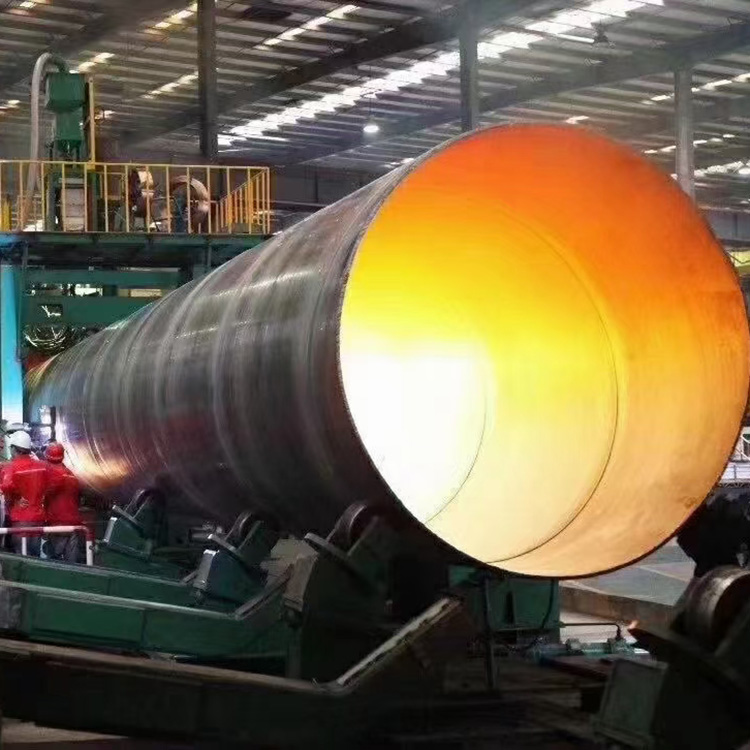
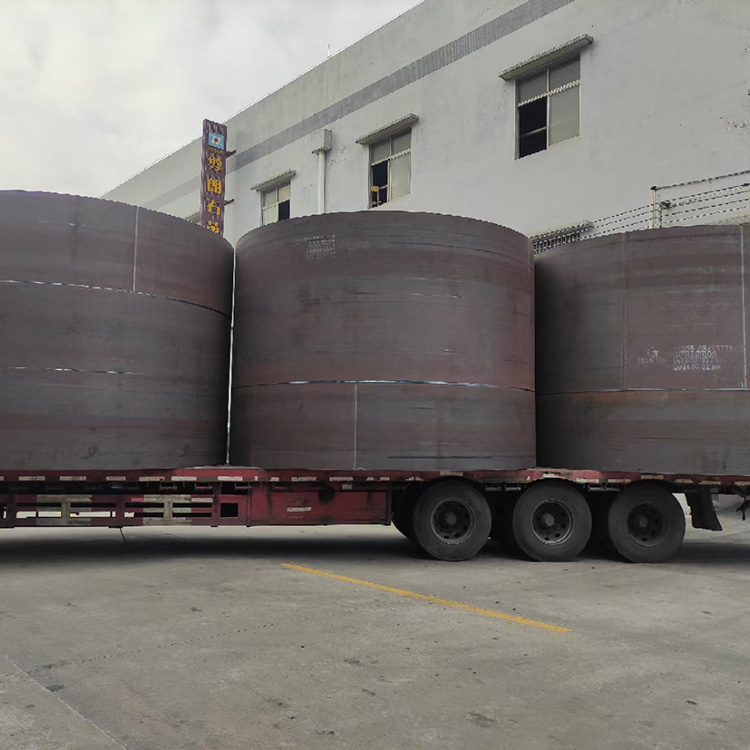
Strength is generally higher than that of straight seam welded pipes, allowing for larger diameter pipes to be produced from narrower billets, and different diameter pipes can also be produced from the same width billets. However, compared to straight seam pipes of the same length, the weld length increases by 30~100%, and the production speed is slower. Therefore, smaller diameter welded pipes are mostly produced using straight seam welding, while larger diameter pipes are predominantly produced using spiral welding.
Spiral-welded steel pipes are categorized into two types: automatic submerged arc welding pipes and high-frequency welding pipes.
Spiral seam automatic submerged arc welded steel pipes are divided into two categories: Class A pipes and Class B pipes, based on the pressure levels of the conveyed medium. Class A pipes are generally made of ordinary carbon steel Q235, Q235F, and ordinary low-alloy structural steel 16Mn, while Class B pipes are made from steel grades such as Q235, Q235F, and Q195, used as materials for fluid conveyance at low pressure.
b. Spiral Seam High-Frequency Welded Steel Pipe - There is no unified product standard for spiral seam high-frequency welded steel pipes. They are generally manufactured using common carbon steel grades such as Q235, Q235F, and others.
Spec: Φ219-2320*6-22
Standard
GB/T3091-1993 (Galvanized Welded Steel Pipe for Low Pressure Fluid Transmission). Primarily used for transporting water, gas, air, oil, heating hot water, or steam, and other low-pressure fluids, as well as for other pipe applications. It represents the Q235A steel grade.
GB/T3092-1993 (Galvanized Welded Steel Pipe for Low-Pressure Fluid Transmission). Primarily used for conveying water, gas, air, oil, heating hot water, or steam, and other general low-pressure fluids and for other pipeline applications. The representative material is Q235A steel.
GB/T14291-1992 (Fluid Conveyance Welded Steel Pipe for Mining). Primarily used for straight seam welded steel pipes in mine ventilation, drainage, and shaft gas venting. The representative material is Q235A, B-grade steel. GB/T14980-1994 (Large Diameter Electric Welded Steel Pipe for Low-Pressure Fluid Conveyance). Mainly used for conveying low-pressure fluids such as water, sewage, gas, air, and heating steam, as well as for other applications. The representative material is Q235A-grade steel.
GB/T12770-1991 (Welded Stainless Steel Pipes for Mechanical Structures). Primarily used in machinery, automobiles, bicycles, furniture, hotel and restaurant decoration, and other mechanical components and structures. The representative materials include 0Cr13, 1Cr17, 00Cr19Ni11, 1Cr18Ni9, 0Cr18Ni11Nb, and so on.
GB/T12771-1991 (Welded Steel Pipe for Fluid Transmission). Primarily used for transmitting low-pressure corrosive media. Representative materials include 0Cr13, 0Cr19Ni9, 00Cr19Ni11, 00Cr17, 0Cr18Ni11Nb, 0017Cr17Ni14Mo2, etc.