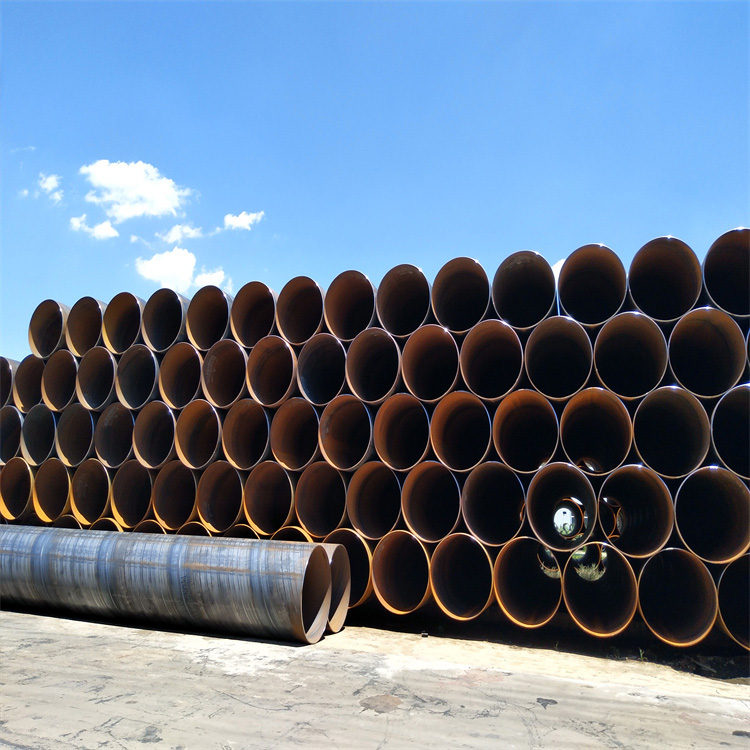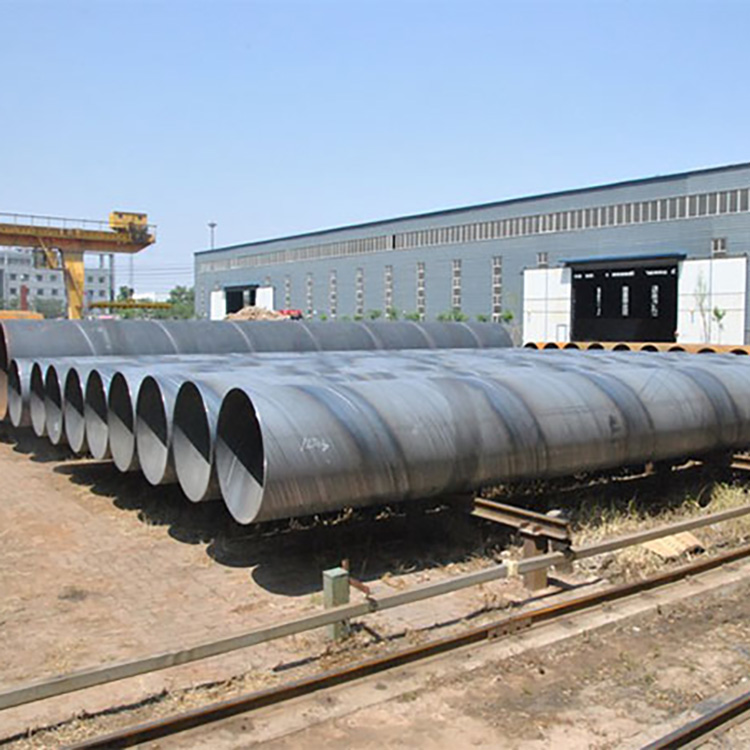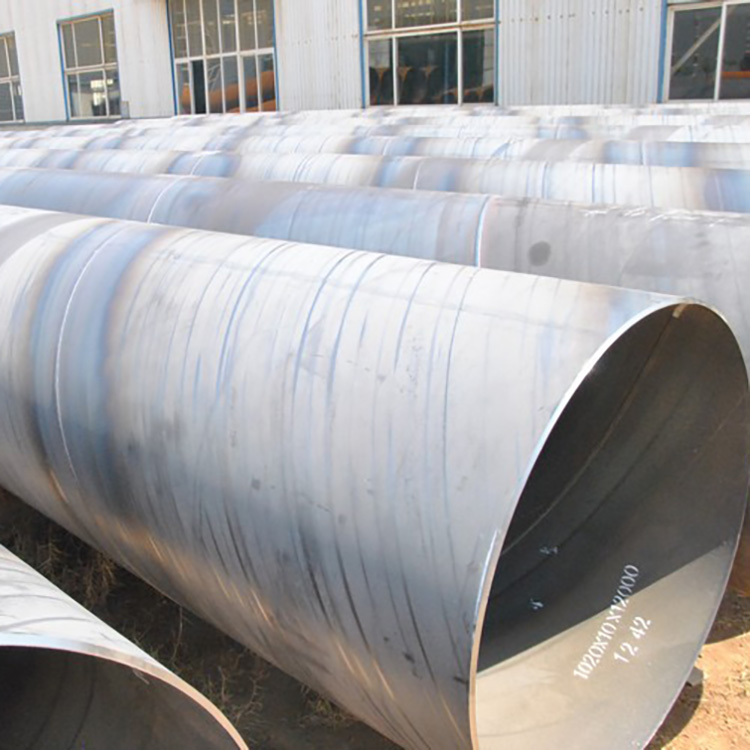

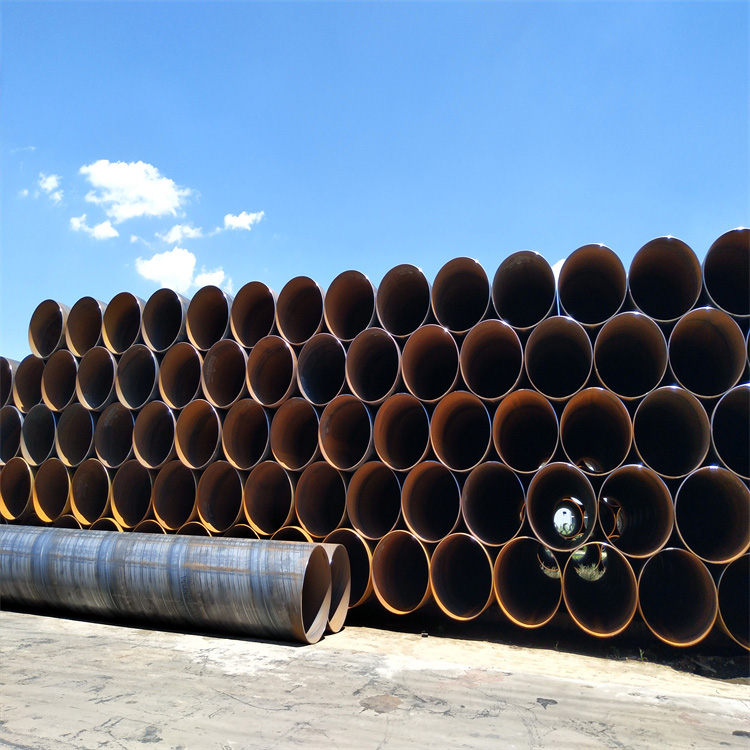

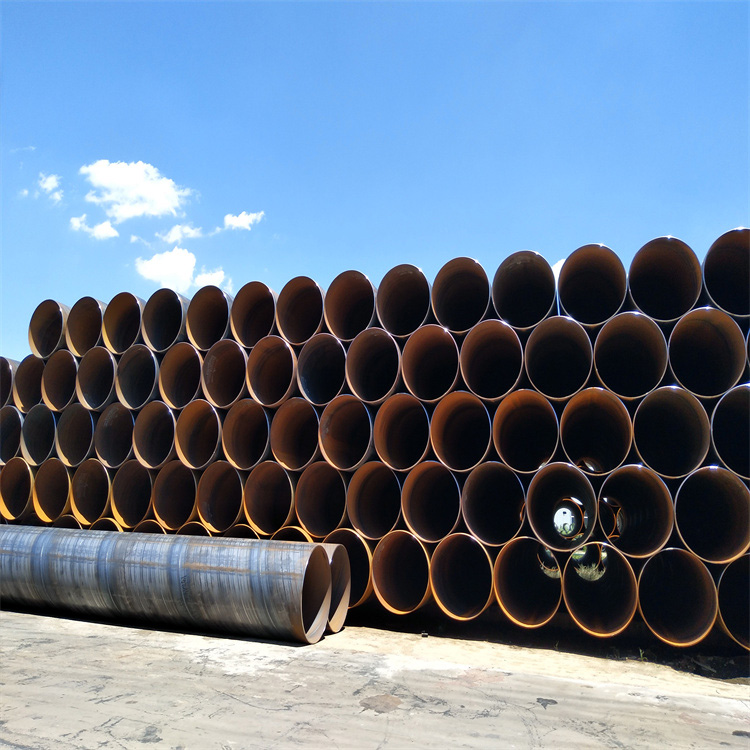
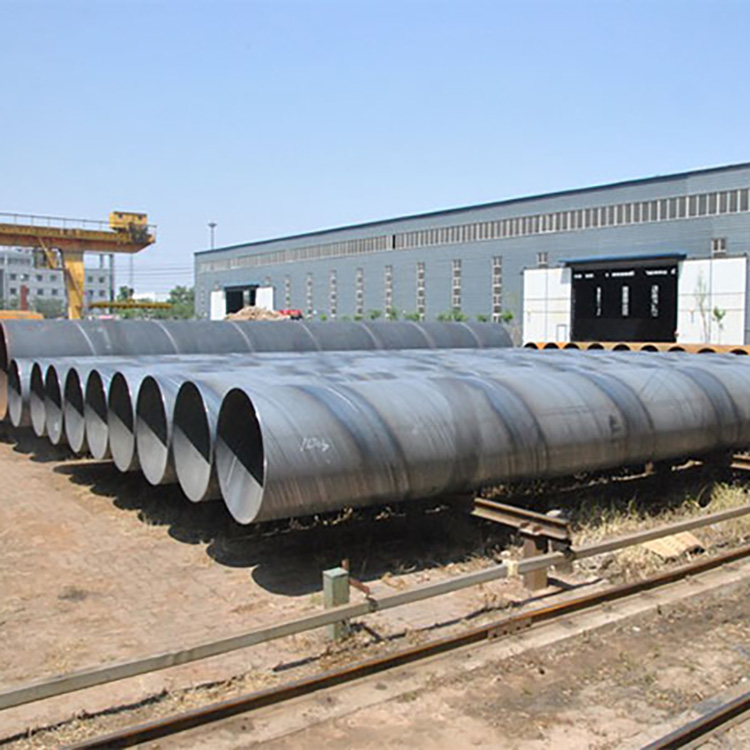
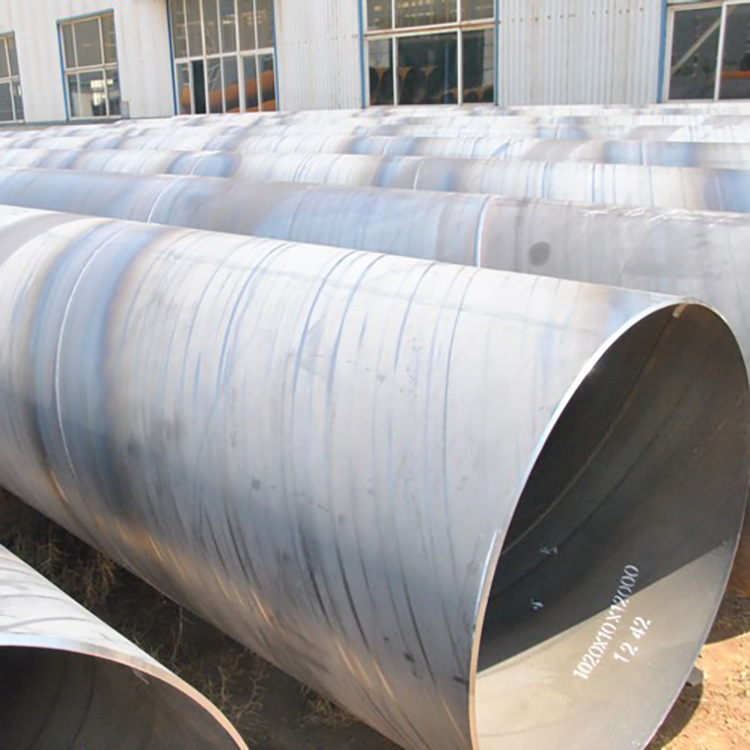












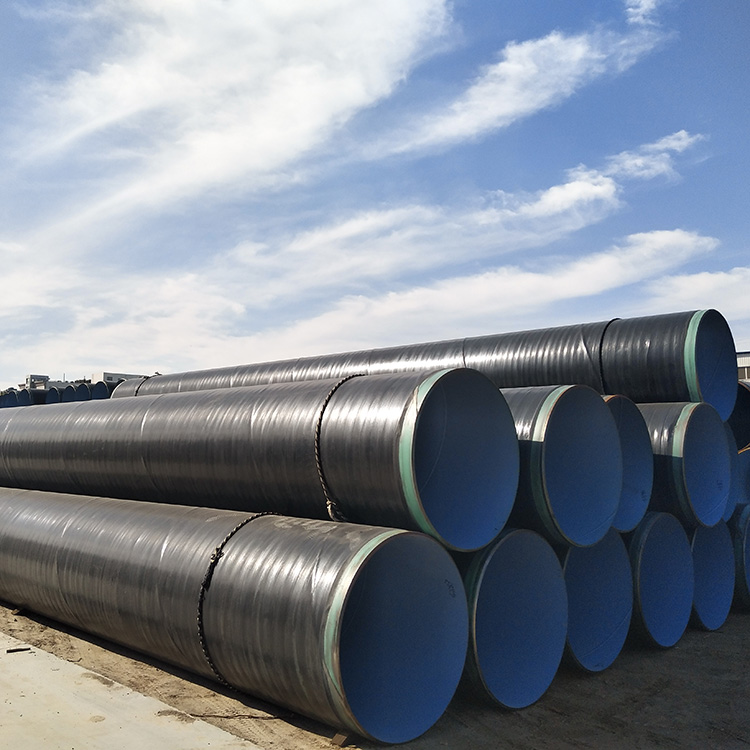
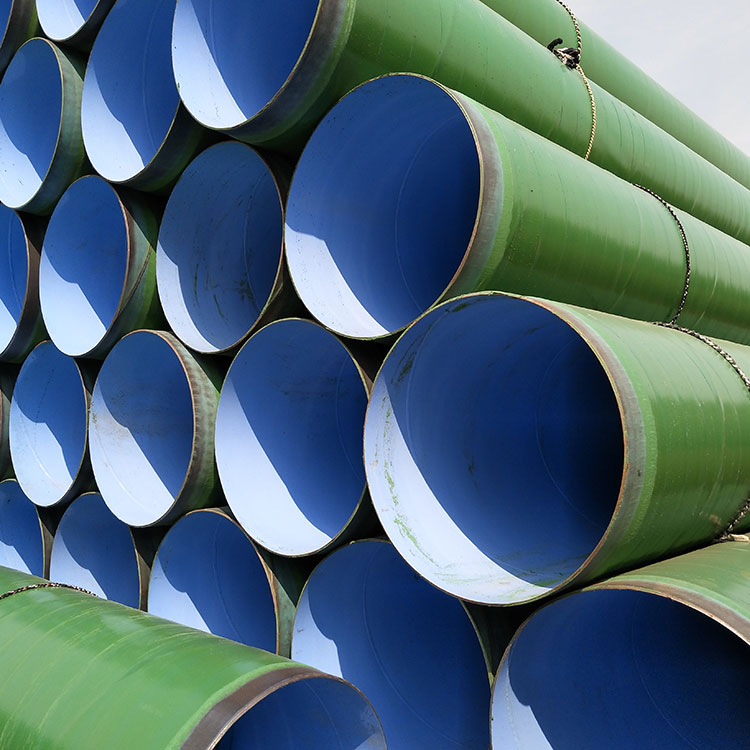
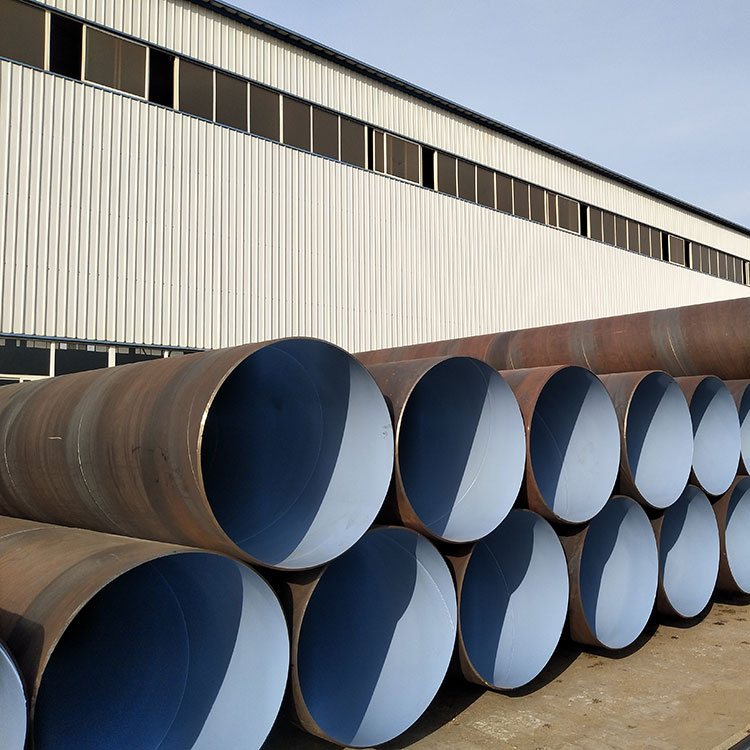
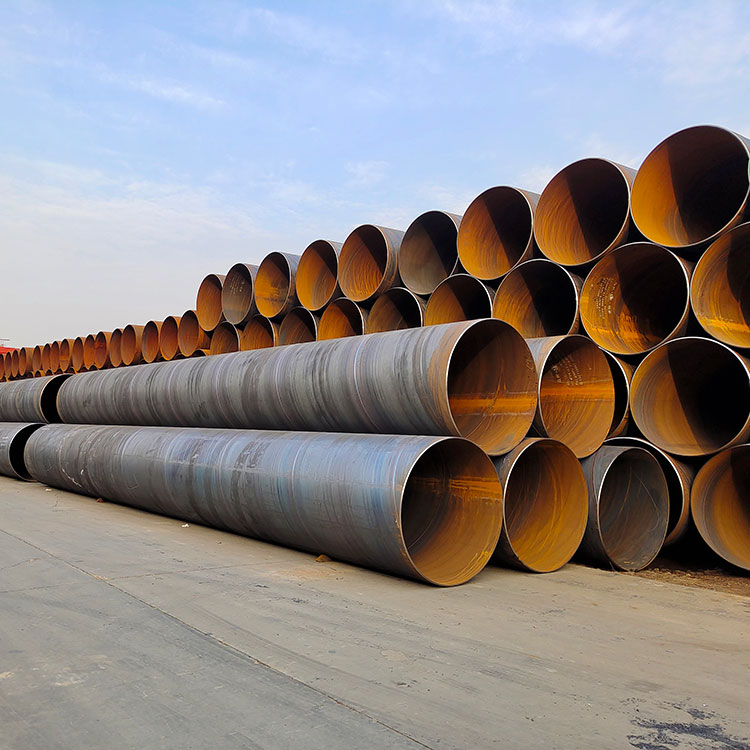
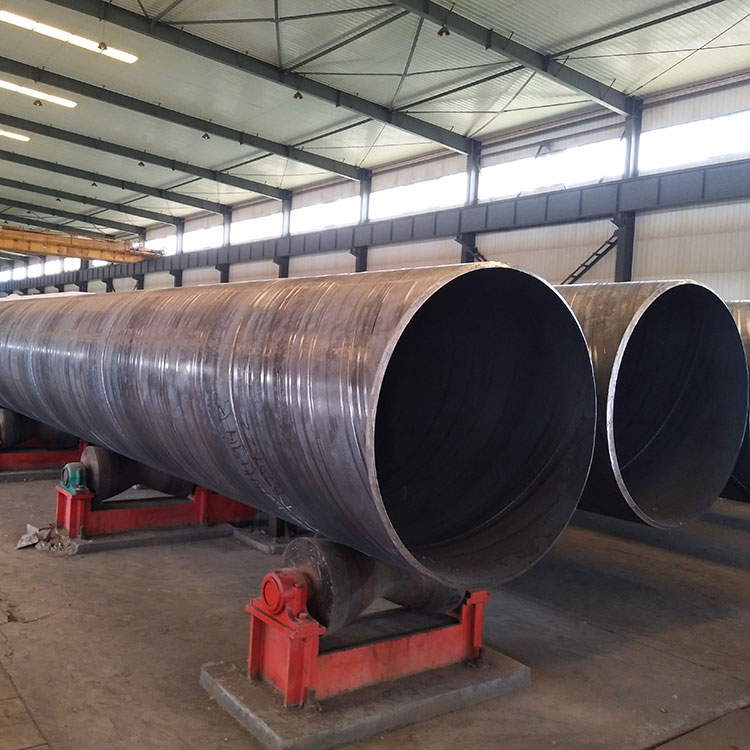
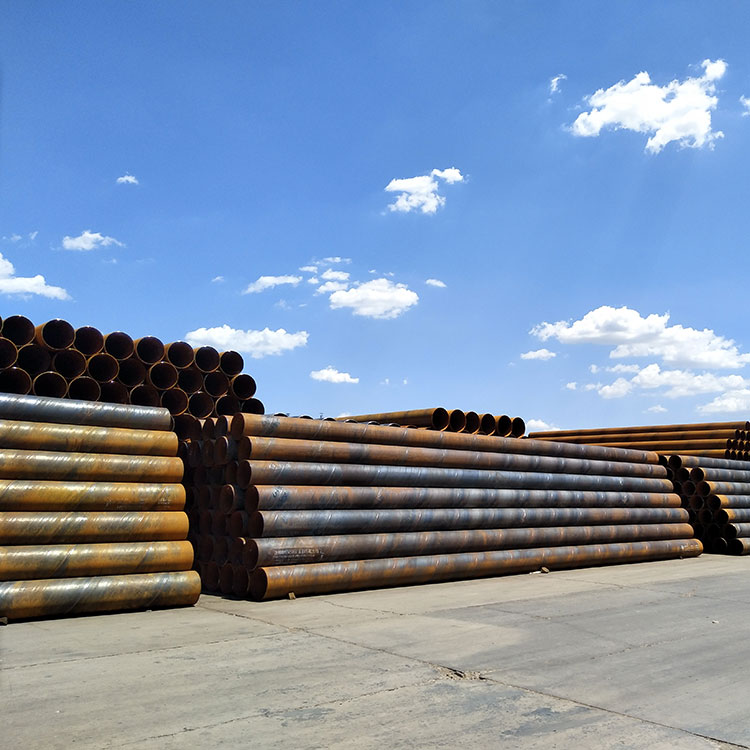
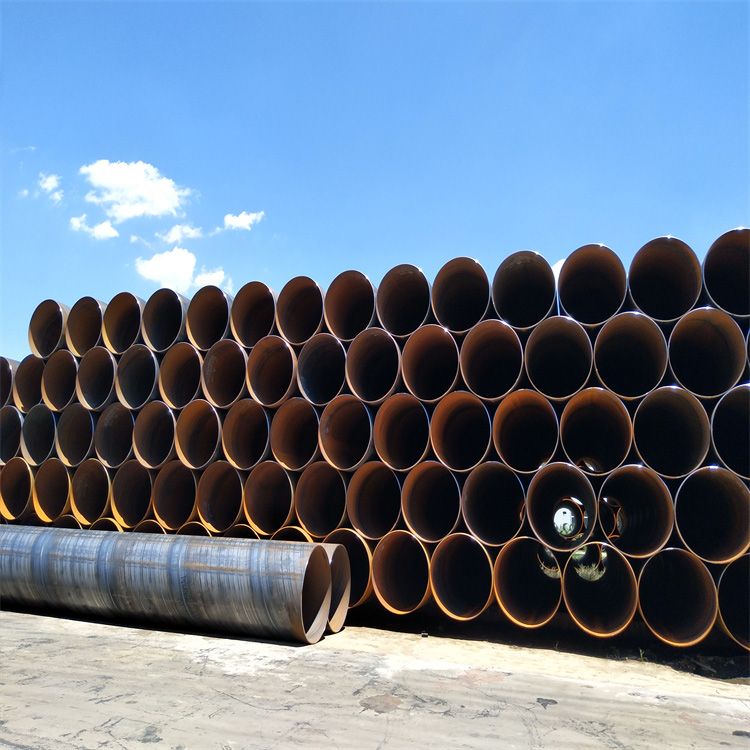
Hebei Standard Spiral Steel Pipe is manufactured from steel coil sheets, formed through cold extrusion, and then焊接 using the automatic double-spool double-sided submerged arc welding process to create spiral seam steel pipes. The spiral steel pipe process involves feeding the steel coil into the pipe welding unit, where it is gradually rolled into a circular billet with an open gap through multiple roller rolls. The amount of pressure on the extrusion rolls is adjusted to control the welding seam gap between 1~3mm, ensuring both ends of the weld are flush. Despite the impact of the economic crisis, spiral steel pipe companies are gradually recovering and looking forward to a brighter future. Spiral steel pipes play a significant role in gas transmission and transportation.
With the planning and construction of major pipeline projects at home and abroad, high-value-added products such as large deformation pipeline steel, high-strength level hot-rolled bending pipes, and thick specification low-temperature pipe fittings have shown good market competitiveness and substantial demand. However, domestic enterprises are progressing relatively slowly in developing this series of products. To quickly develop high-value-added large deformation pipeline steel, steel for hot-rolled bending pipes, and steel for low-temperature pipe fittings in pipeline stations, X100 straight seam submerged arc welded pipes, spiral seam submerged arc welded pipes, and hot-rolled bending pipes, spiral steel pipes.
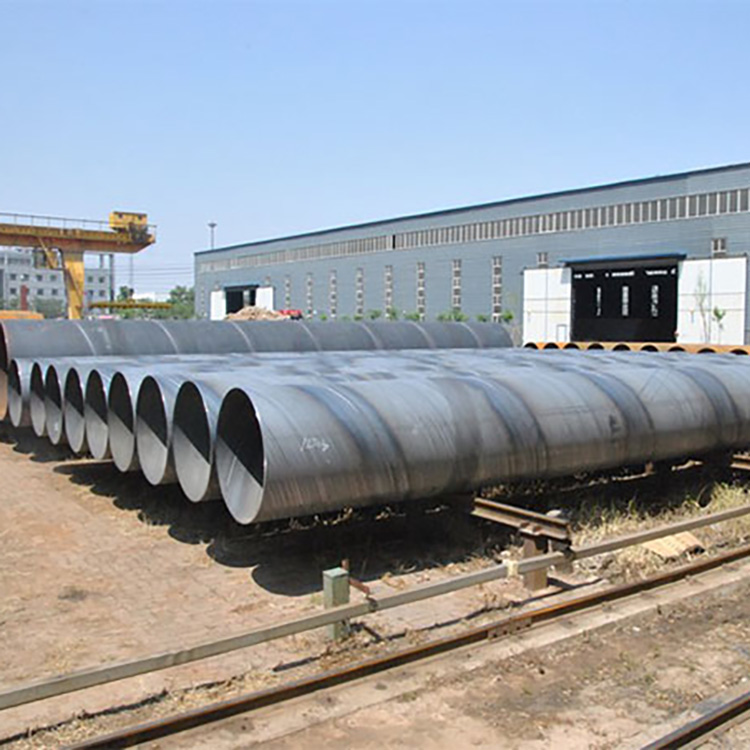
The main execution standard for national standard spiral steel pipes is 9711, GB/T9711.1-2008 (national standard, also known as the Technical Conditions for Delivery of Steel Pipes for the Petroleum and Natural Gas Industry, Part 1: Grade A pipes (Grade B pipes with stricter requirements, as per GB/T9711.2)).
Standard national specification spiral steel pipes are made of materials such as Q235A, Q235B, 10#, 20#, Q345 (16Mn), L245(B), L290(X42), L320(X46), L360(X52), L390(X56), L415(X60), L450(X65), L485(X70), L555(X80), L290NB/MB(X42N/M), L360NB/MB(X52N/M), L390NB/MB(X56N/M), L415NB/MB(X60N/M), L450MB(X65), L485MB(X70), L555MB(X80).
The most common specifications for national standard spiral steel pipes are currently 219mm to 3020mm, with wall thickness ranging from 6mm to 18mm.
National standard spiral steel pipes are used in water supply projects, petrochemical industry, chemical industry, power industry, agricultural irrigation, and urban construction, and are among the 20 key products developed in China. Used for liquid transportation: water supply, drainage. Used for gas transportation: coal gas, steam, liquefied petroleum gas. Used for structural purposes: pile driving pipes, bridges; wharfs, roads, and pipes for building structures, etc.
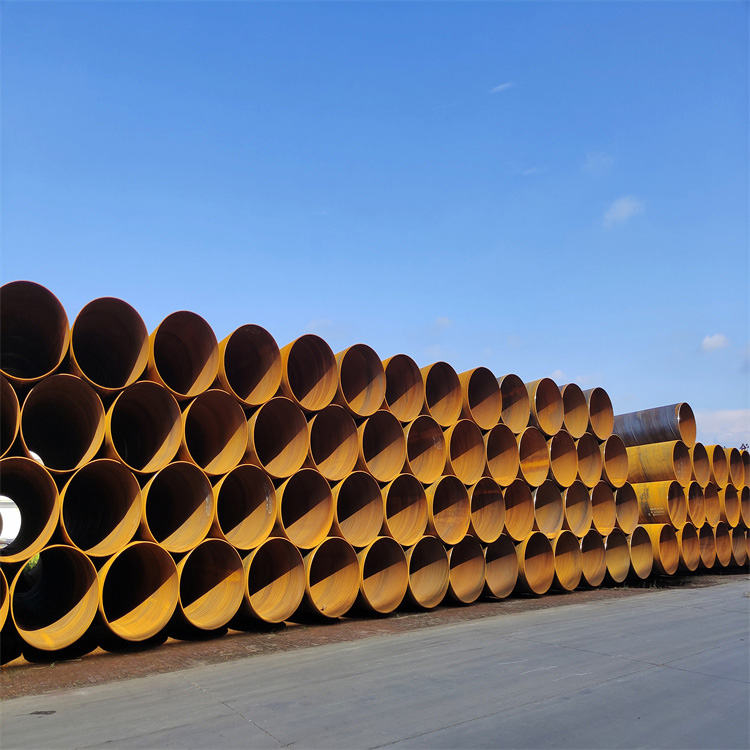
GB/T 3091-2015 Welded Steel Pipe for Low-Pressure Fluid Transportation
This standard applies to straight seam electric-welded steel pipes used for the transportation of low-pressure fluids such as water, air, heating steam, and gas. It specifies different requirements for straight seam submerged arc welded (SAWL) pipes and spiral seam submerged arc welded (SAWH) pipes, and pipes without specified markings are applicable to straight seam high-frequency electric-welded pipes, straight seam submerged arc welded pipes, and spiral seam submerged arc welded pipes.
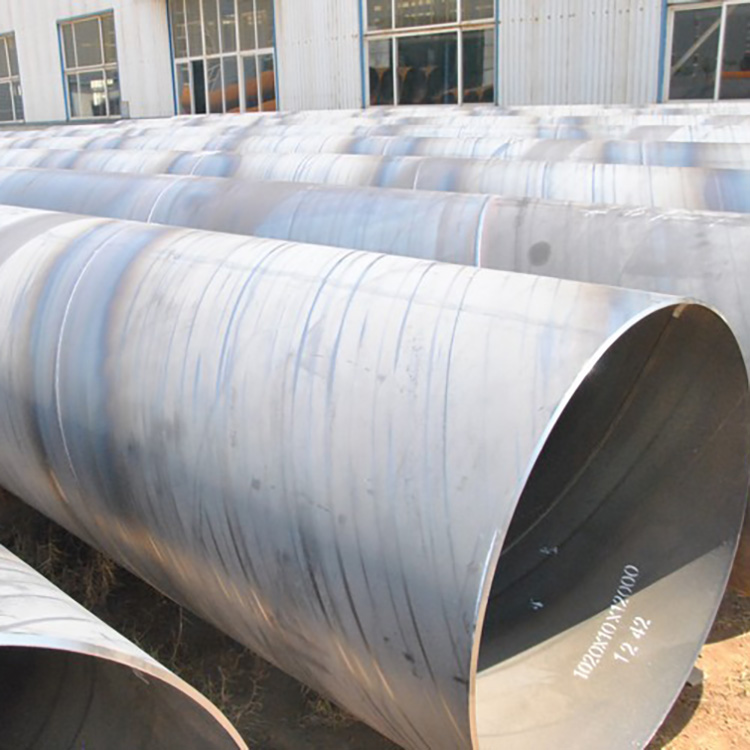
GB/T9711 Spiral Steel Pipe is primarily governed by Standard 9711, including GB/T9711.1-2008 (National Standard, also known as the Technical Conditions for Delivery of Steel Pipes for the Petroleum and Natural Gas Industry - Part 1: Grade A Pipes (Grade B Pipes with stricter requirements, as per GB/T9711.2)).
GB/T9711 Spiral Steel Pipes are available in materials such as Q235A, Q235B, 10#, 20#, Q345(16Mn), L245(B), L290(X42), L320(X46), L360(X52), L390(X56), L415(X60), L450(X65), L485(X70), L555(X80), L290NB/MB(X42N/M), L360NB/MB(X52N/M), L390NB/MB(X56N/M), L415NB/MB(X60N/M), L450MB(X65), L485MB(X70), L555MB(X80).
GB/T9711 Spiral Steel Pipe is currently available in the most common sizes ranging from 219mm to 3020mm, with wall thicknesses between 6mm and 18mm.
GB/T9711 Spiral Steel Pipes are used in potable water projects, petrochemical, chemical, electric power industries, agricultural irrigation, and urban construction, being one of the 20 key products developed in China. They are used for liquid transportation: water supply and drainage. For gas transportation: coal gas, steam, liquefied petroleum gas. As structural materials:桩管, for bridges, wharfs, roads, and building structures.
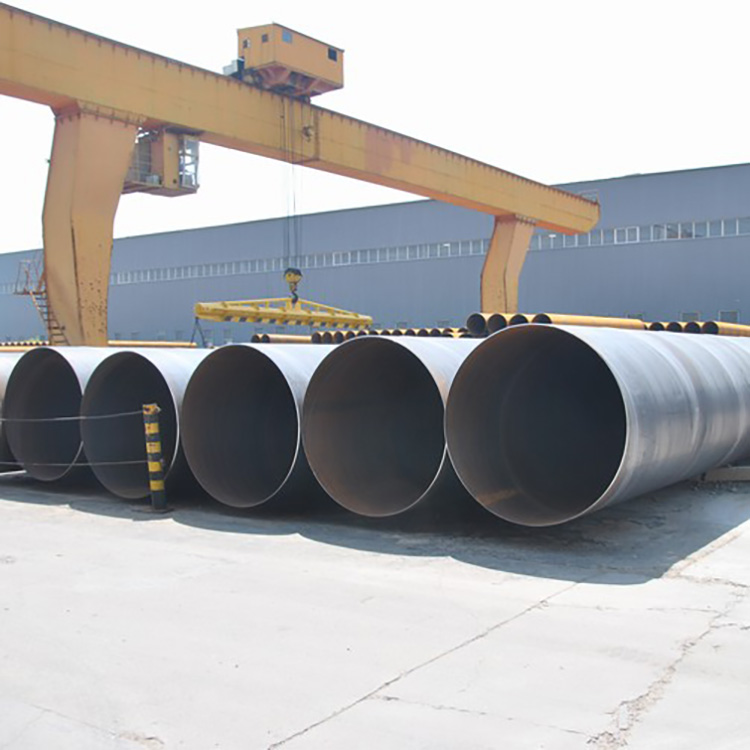
National Standard Spiral Welded Pipe Storage Principles
1. The principle for stacking spiral steel pipes requires stability and safety, with sorting by type and specification. Different types of materials should be stacked separately to prevent mixing and mutual erosion.
2. Prohibit storing items that erode steel around the piles of spiral steel pipes.
3. The bottom of the spiral steel pipe stacks should be elevated, sturdy, and flat to prevent material from getting damp or deformed.
4. Materials of the same type are stacked separately according to the order of entry.
5. Spiral steel pipes and sections must be stacked with wooden blocks or flagstones underneath to ensure proper drainage. The stack should have a slight slope. Pay attention to the straight placement of materials to prevent bending or deformation.
6. Spiral steel pipe stacking height: manual handling not exceeding 1.2m, mechanical handling not exceeding 1.5m, stack width not exceeding 2.5m.
7. Adequate aisles should be left between stacks, with a typical check aisle width of 0.5m. The entrance and exit aisles depend on the size of the materials and the transport equipment, usually ranging from 1.5 to 2.0m.
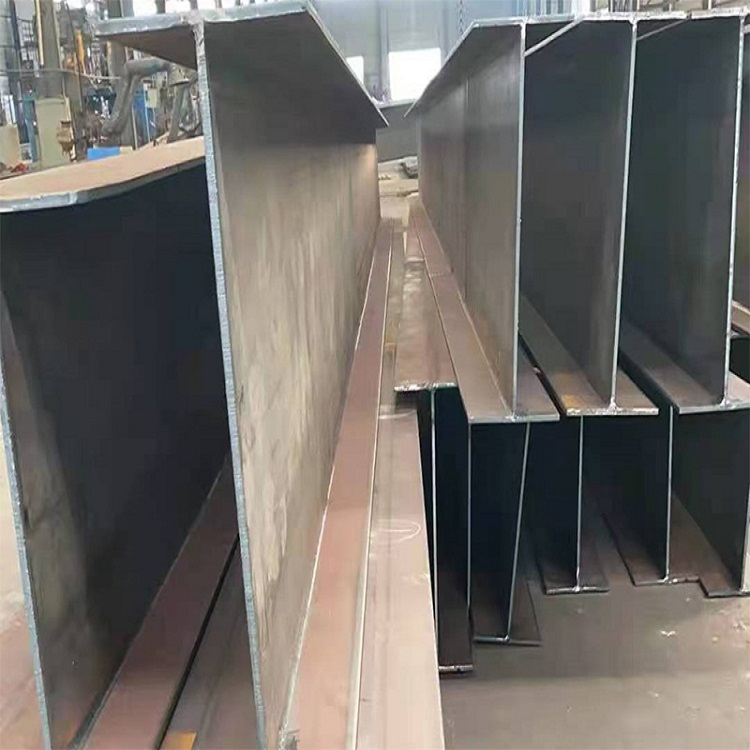
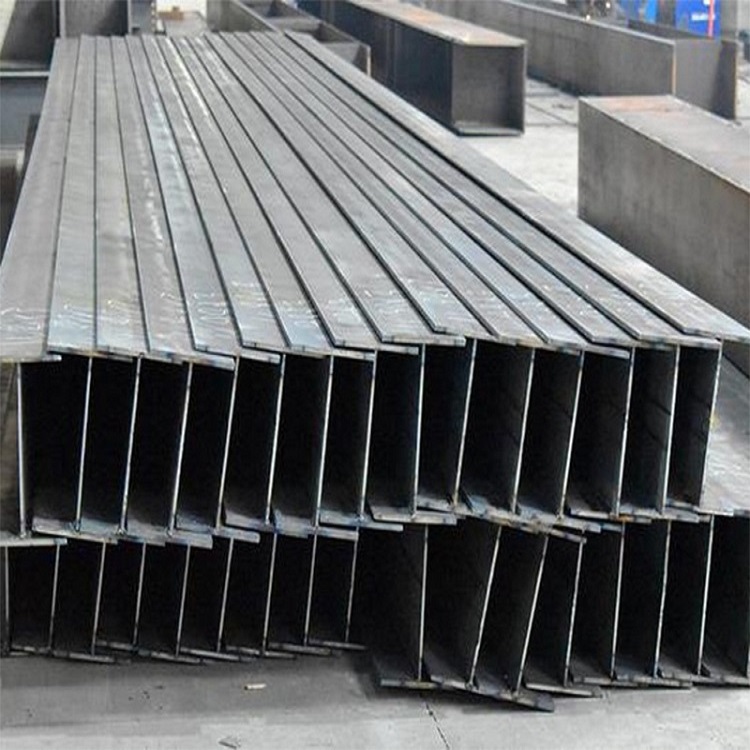
8. Angle and channel steel should be placed flat, with the opening facing down, while I-beams should be stood upright. The I-groove side of the steel should not be facing up to prevent water accumulation and rust.
9. Pile base elevation: For a warehouse with sunny concrete floors, an elevation of 0.1m is sufficient; for muddy ground, elevate between 0.2m to 0.5m. For outdoor areas, concrete floors should be elevated between 0.3m to 0.5m, and sandy-muddy surfaces between 0.5m to 0.7m.
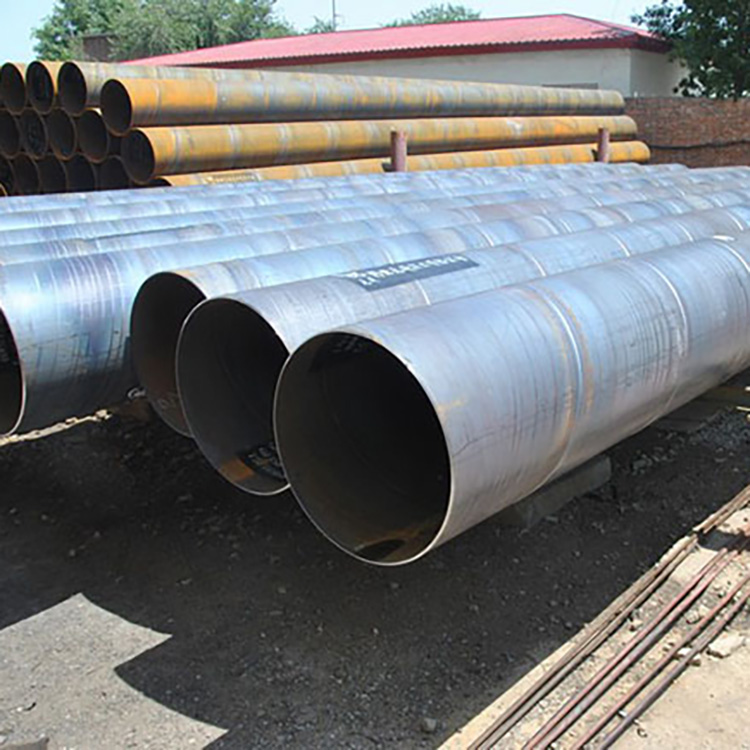
National Standard Spiral Steel Pipe Manufacturer
Weld Seam Treatment
If the gap is too large, it results in reduced邻近effect, insufficient eddy current heat, and poor inter-grain bonding in the weld seam, leading to incomplete fusion or cracking.
2. If the gap is too small, it can cause an increase in the邻近effect, excessive welding heat, leading to burn damage of the weld seam; or the weld seam may form deep pits after being extruded or rolled, affecting the surface quality of the weld.
After heating the two edges of the billet to the welding temperature, under the compression of the extrusion rolls, the metal grains interpenetrate and crystallize, ultimately forming a strong weld. If the extrusion force for spiral steel pipes is too low, the number of intercrystalline structures formed is small, the strength of the weld metal decreases, and cracking may occur after stress. If the extrusion force is too high, it will cause molten metal to be extruded from the weld, not only reducing the strength of the weld but also producing a large amount of burrs on both sides, and even causing defects such as gaps in the weld.
Process Features
Key Process Features of Spiral Steel Pipe:
During the molding process, the steel plate deforms uniformly with minimal residual stress and no surface scratches are produced. The spiral steel pipes processed offer greater flexibility in diameter and wall thickness specifications, particularly in producing high steel grade thick-walled pipes, especially medium and small diameter thick-walled pipes, where they have advantages that other processes cannot match, meeting users' more varied requirements for spiral steel pipe specifications.
b. Utilizes advanced double-sided submerged arc welding technology, enabling welding at optimal positions, reducing defects such as misalignment, welding offset, and incomplete fusion, and ensuring easy control over welding quality.
c. Conduct 100% quality inspections on steel pipes to ensure the entire production process is under effective testing and monitoring, thereby effectively guaranteeing product quality.
d. All equipment on the entire production line is capable of connecting to the computer data collection system, enabling real-time data transmission and centralized control room monitoring of technical parameters during the production process.
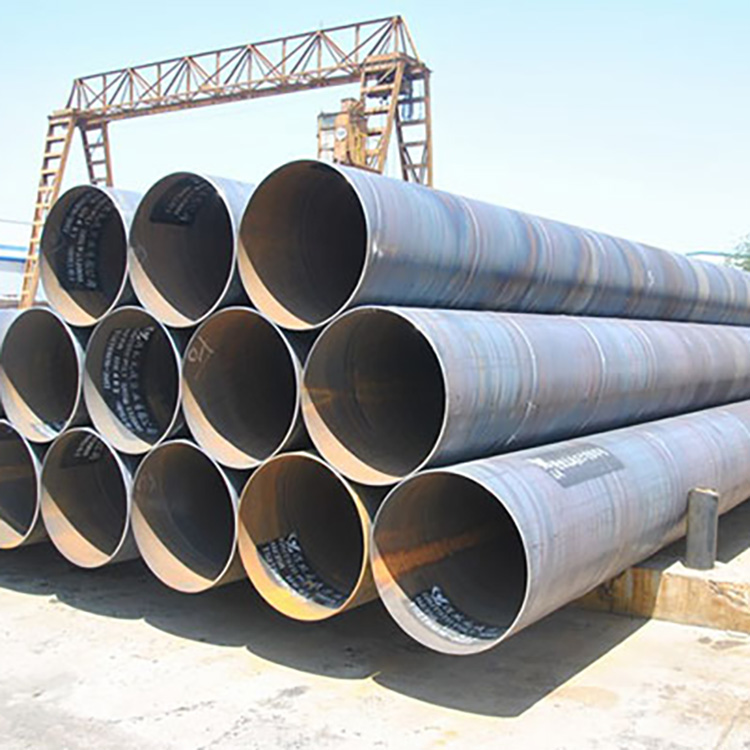
Cangzhou Standard Spiral Steel Pipe
The main execution standard for national standard spiral steel pipes is 9711, GB/T9711.1-2008 (national standard, also known as the Technical Conditions for Delivery of Steel Pipes for Oil and Gas Industry Transmission Part 1: Grade A pipes (Grade B pipes with stricter requirements, i.e., GB/T9711.2)).
Standard GB Spiral Steel Pipes are made of materials including Q235A, Q235B, 10#, 20#, Q345(16Mn), L245(B), L290(X42), L320(X46), L360(X52), L390(X56), L415(X60), L450(X65), L485(X70), L555(X80), L290NB/MB(X42N/M), L360NB/MB(X52N/M), L390NB/MB(X56N/M), L415NB/MB(X60N/M), L450MB(X65), L485MB(X70), L555MB(X80).
The most common specifications for national standard spiral steel pipes are currently 219mm to 3020mm in diameter, with wall thickness ranging from 6mm to 18mm.
National standard spiral steel pipes are used in water supply projects, petrochemical industry, chemical industry, power industry, agricultural irrigation, urban construction, and are one of the 20 key products developed in our country. For liquid transportation: water supply, drainage. For gas transportation: coal gas, steam, liquefied petroleum gas. For structural use: pile driving pipes, bridge construction; wharf, road, and building structural pipes, etc.