















.jpg)
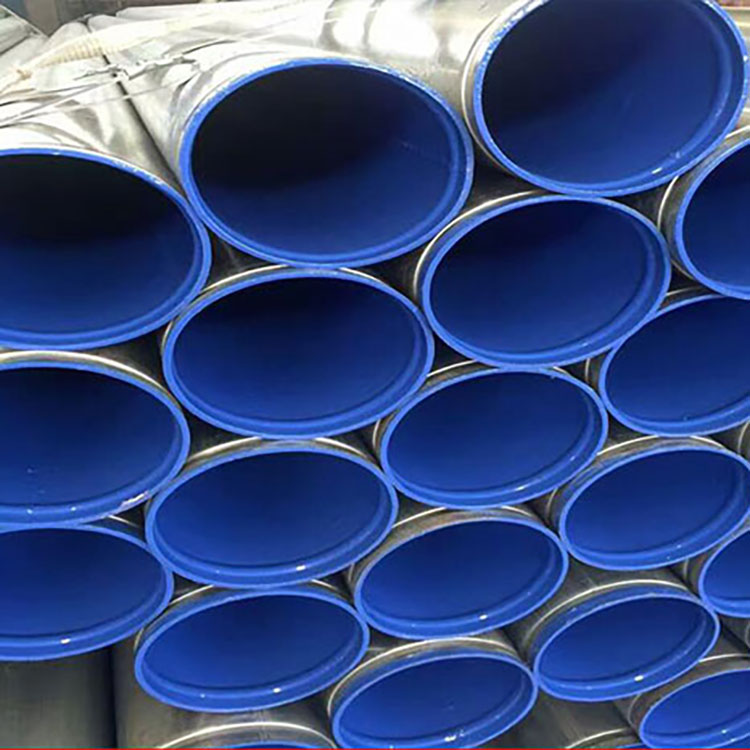
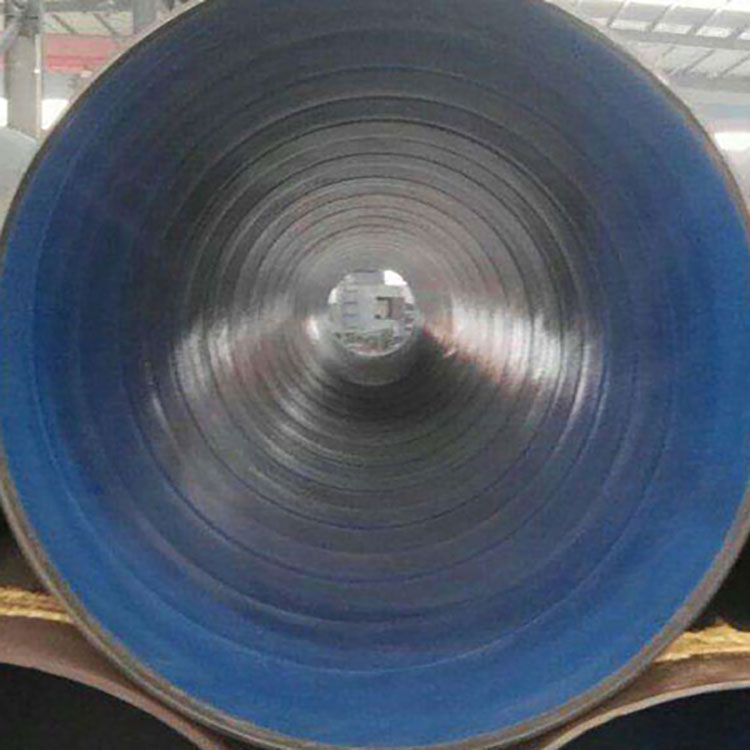
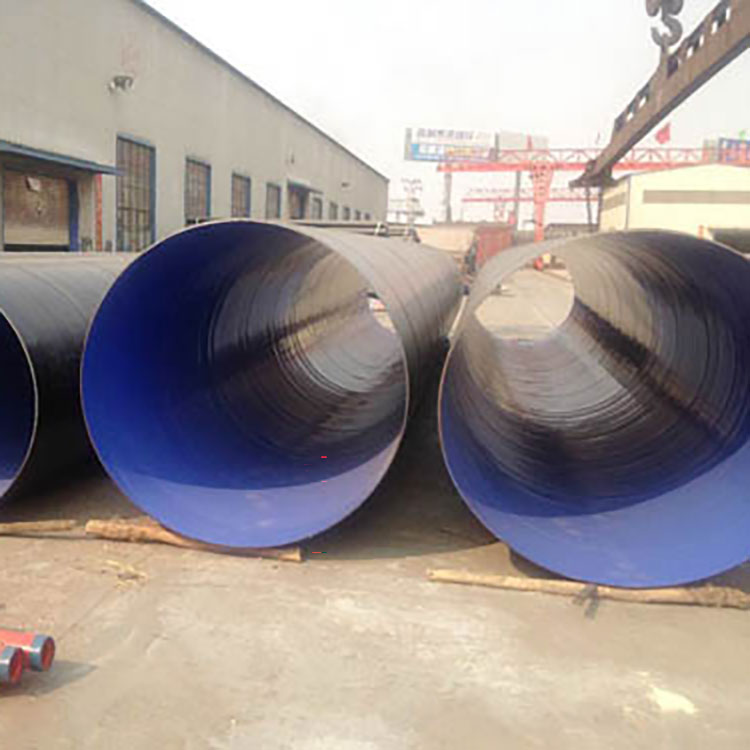
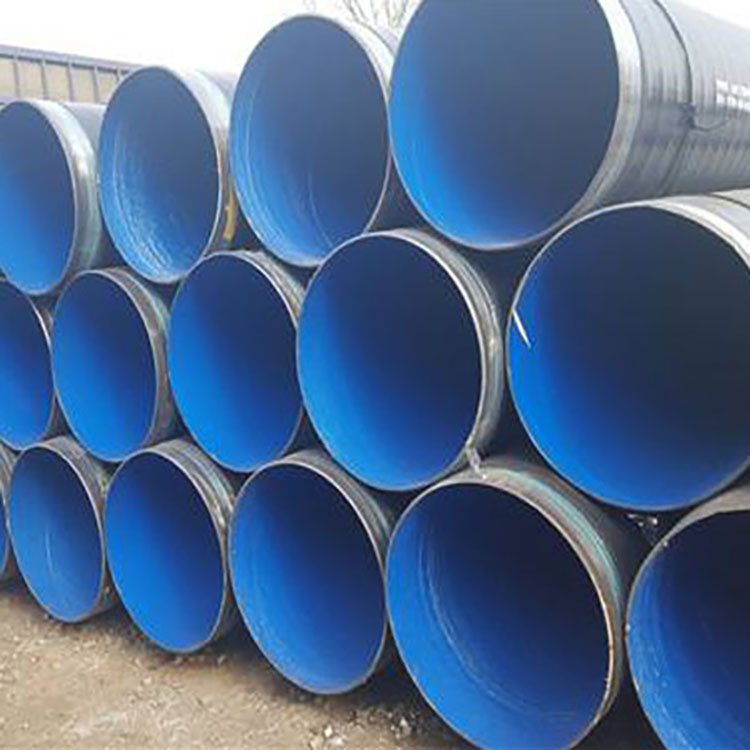
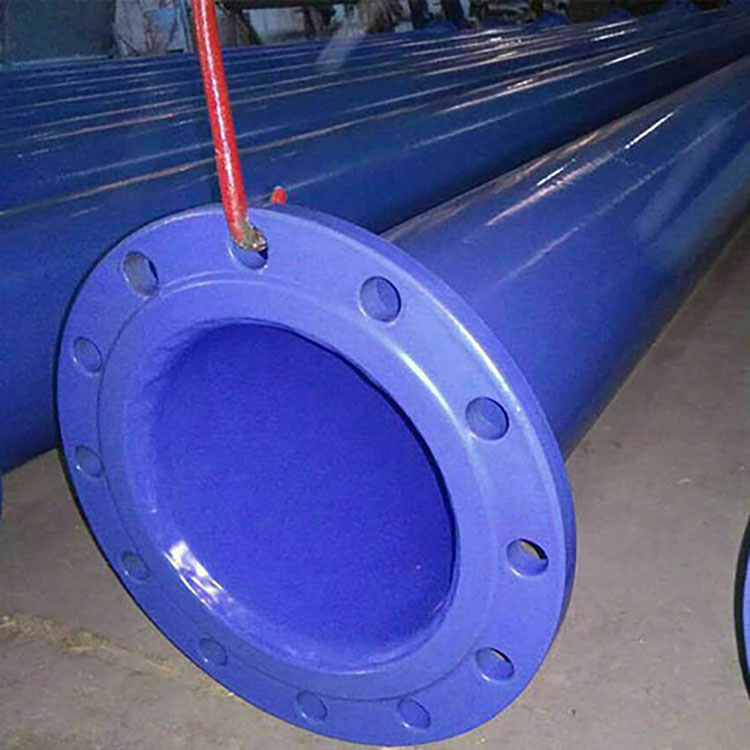
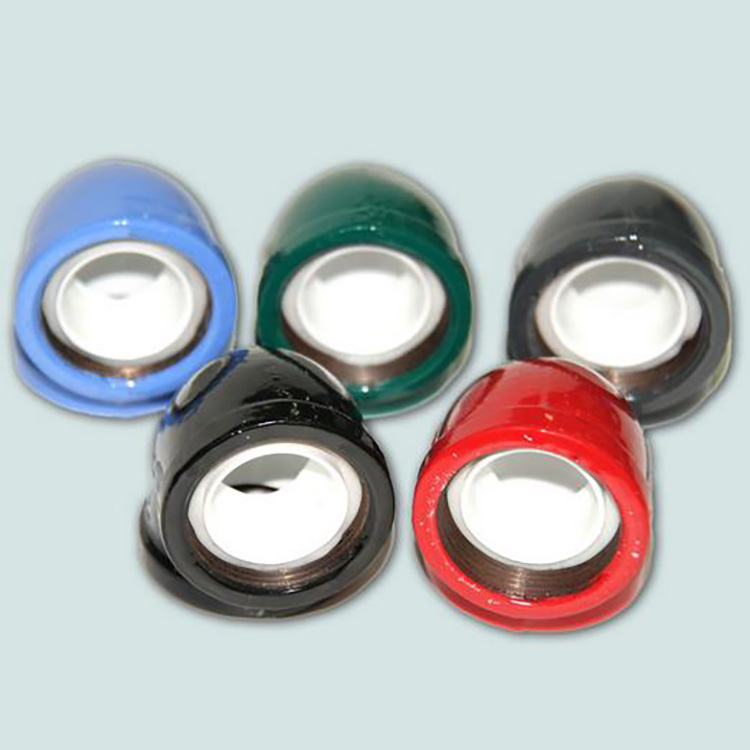
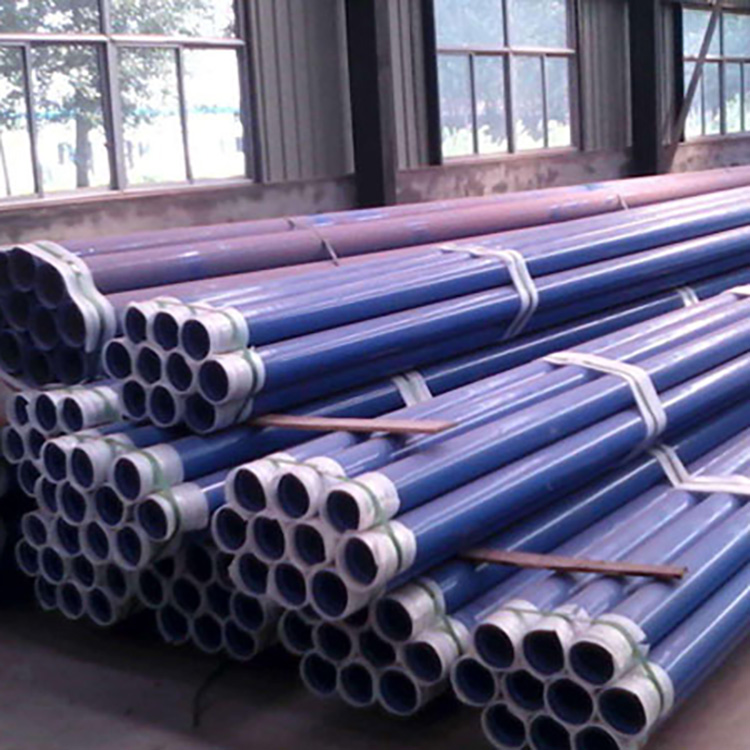
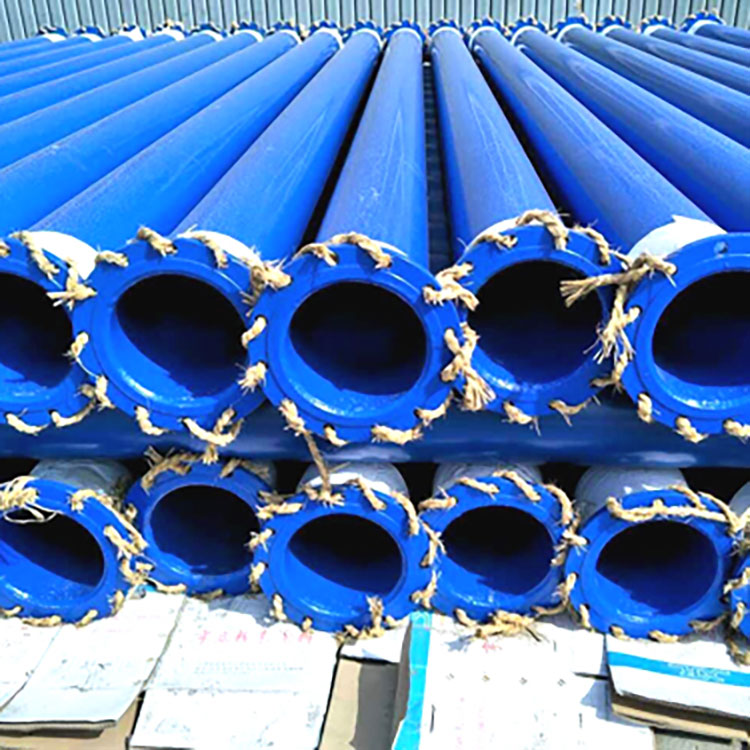
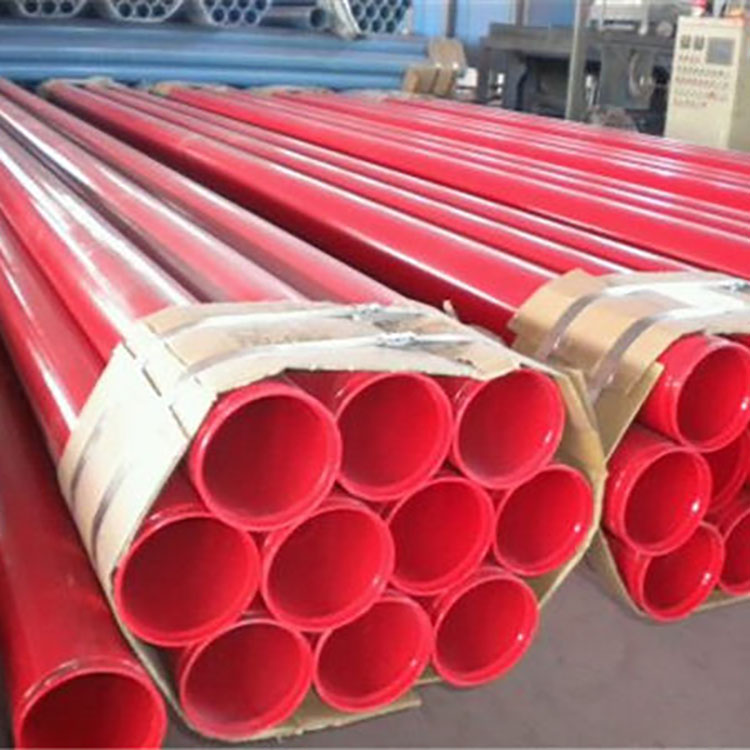
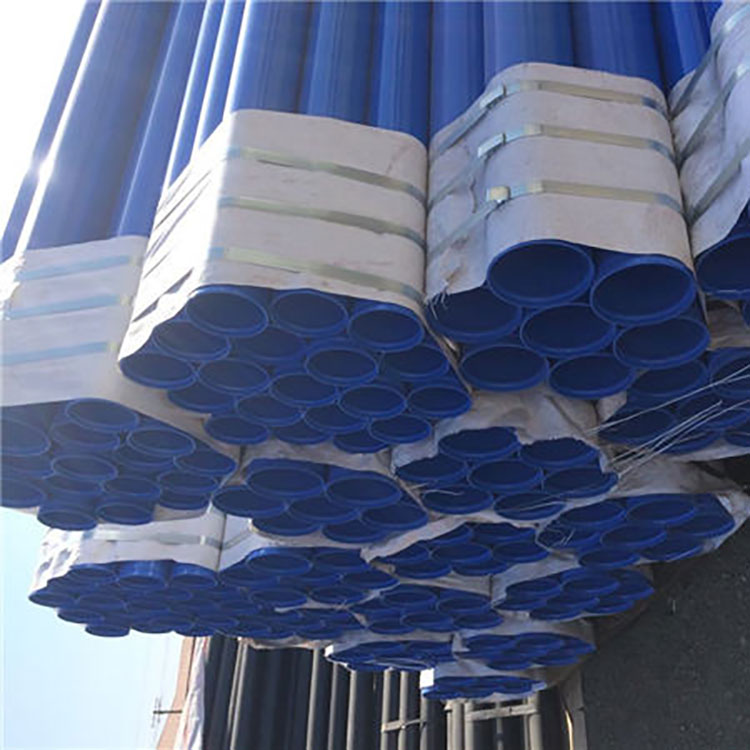
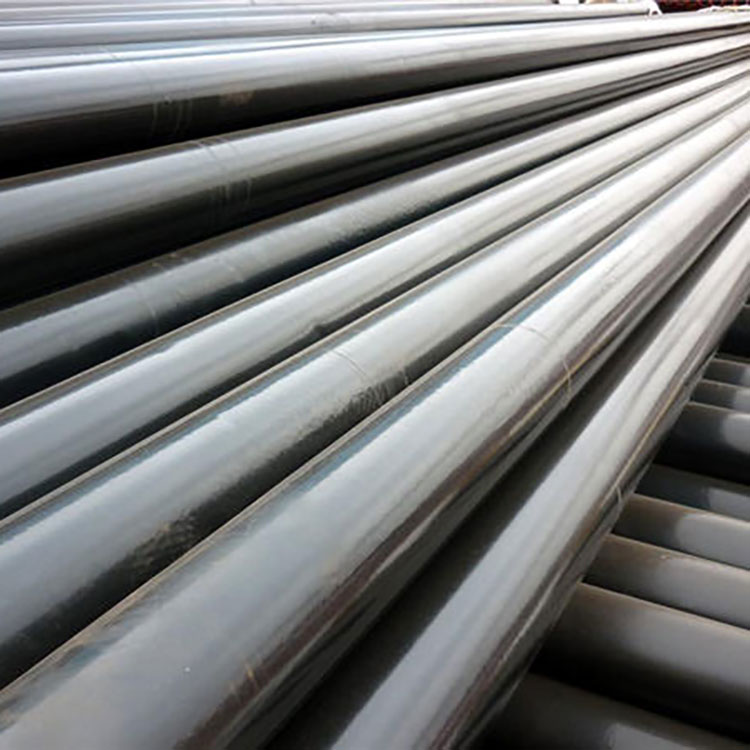
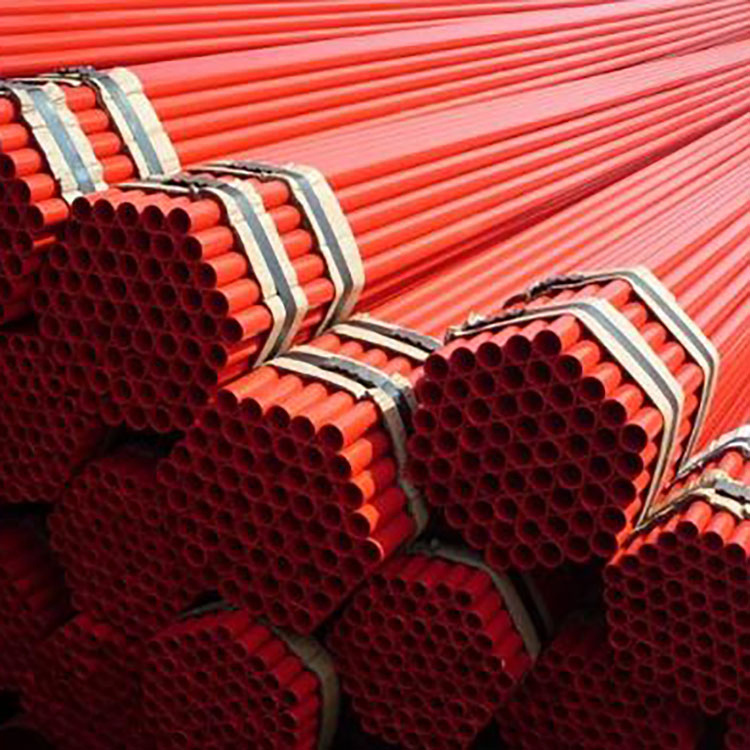
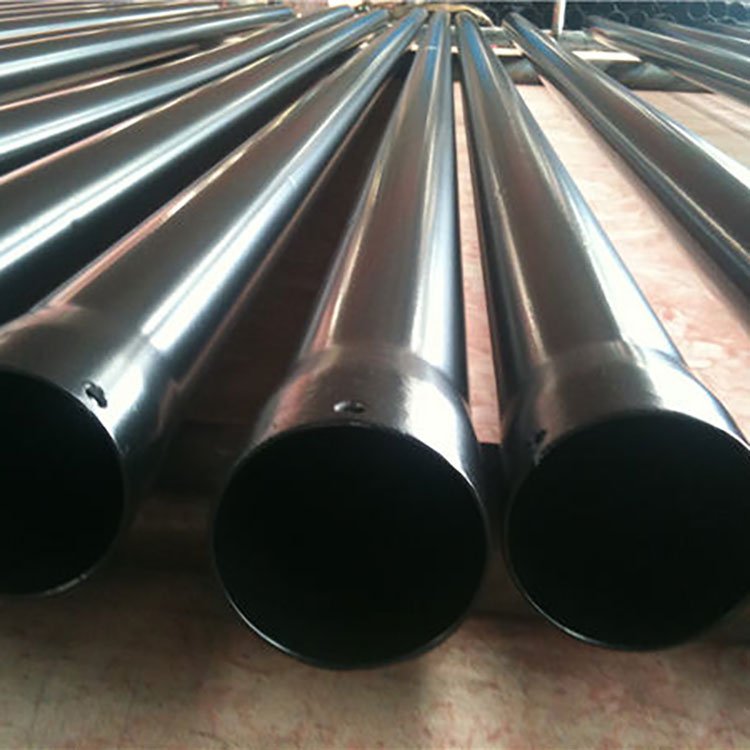
Internal and External Coated Steel Pipe
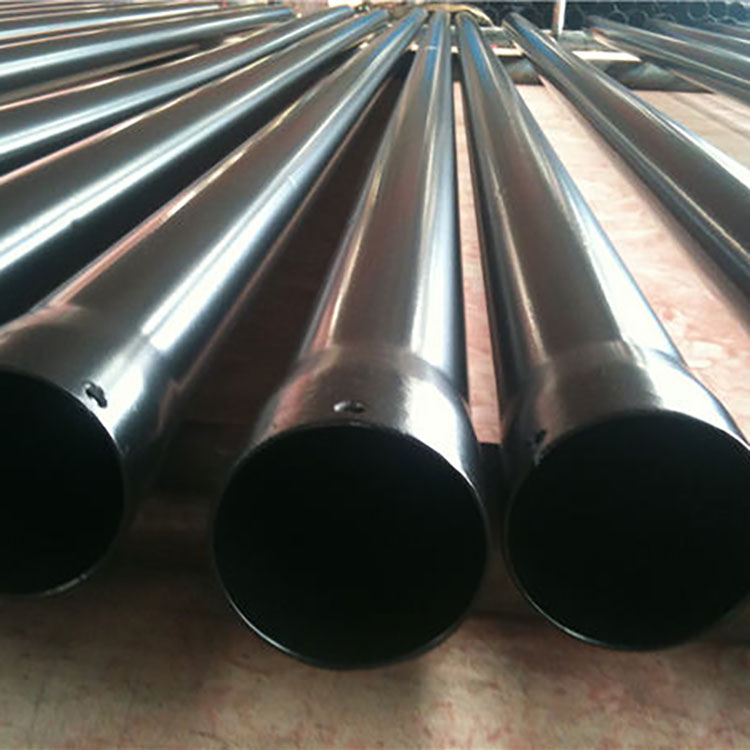
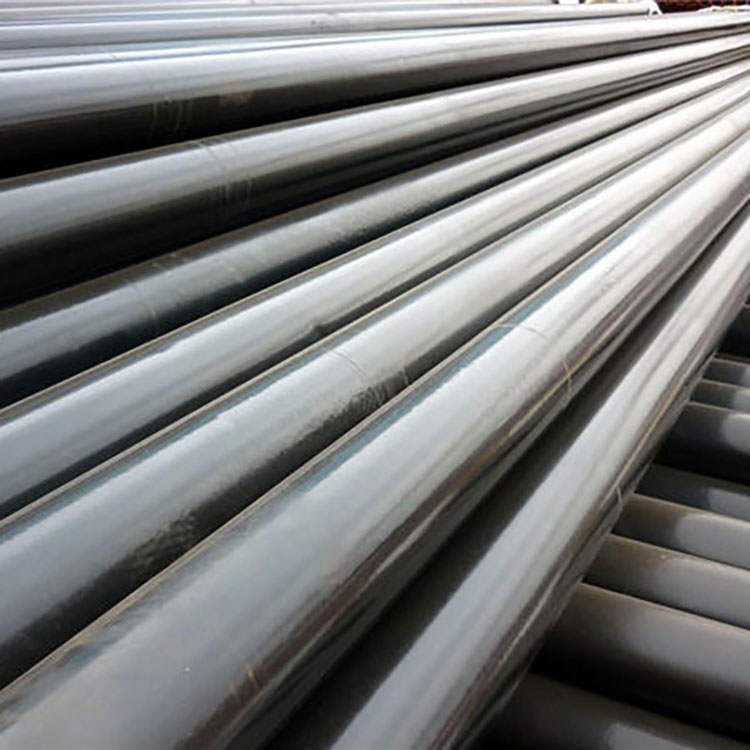
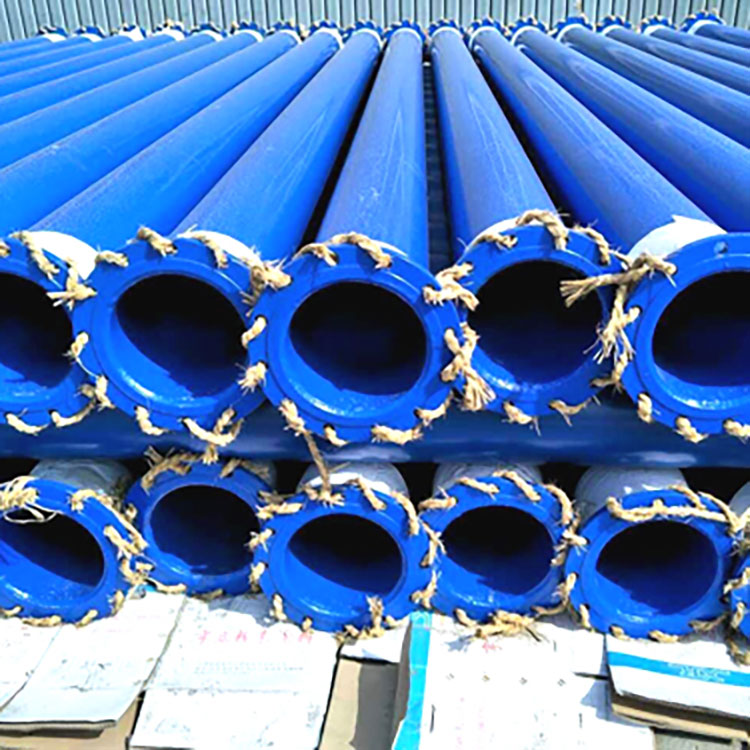
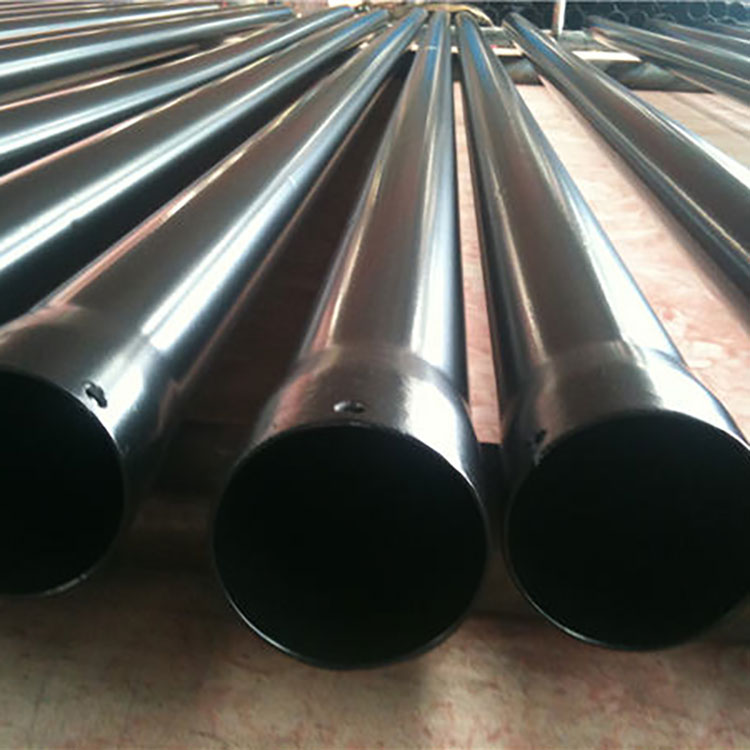
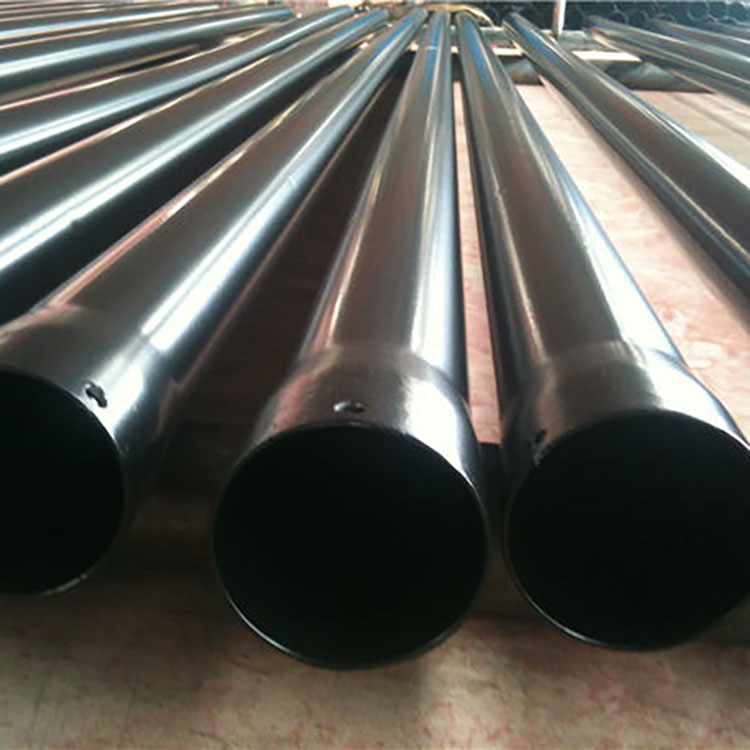
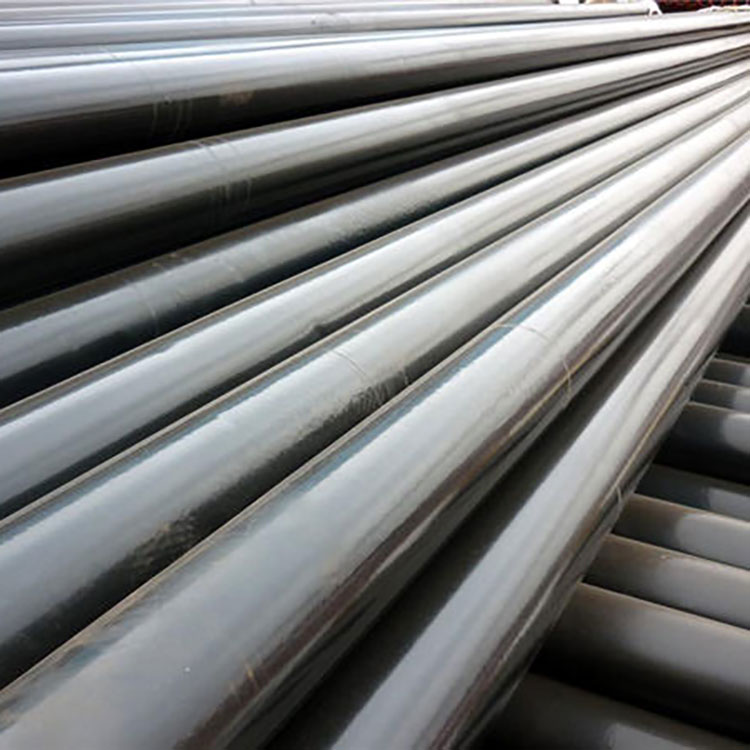
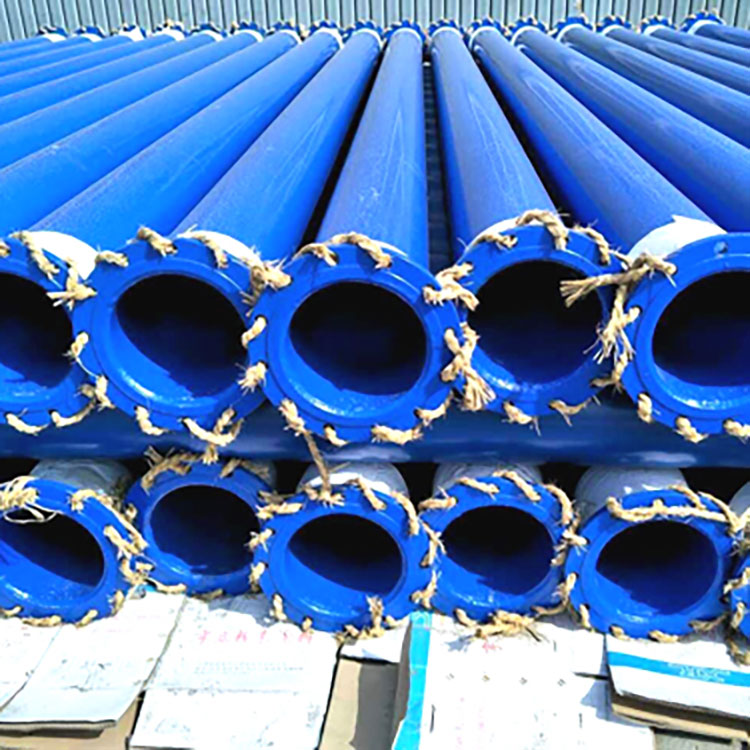
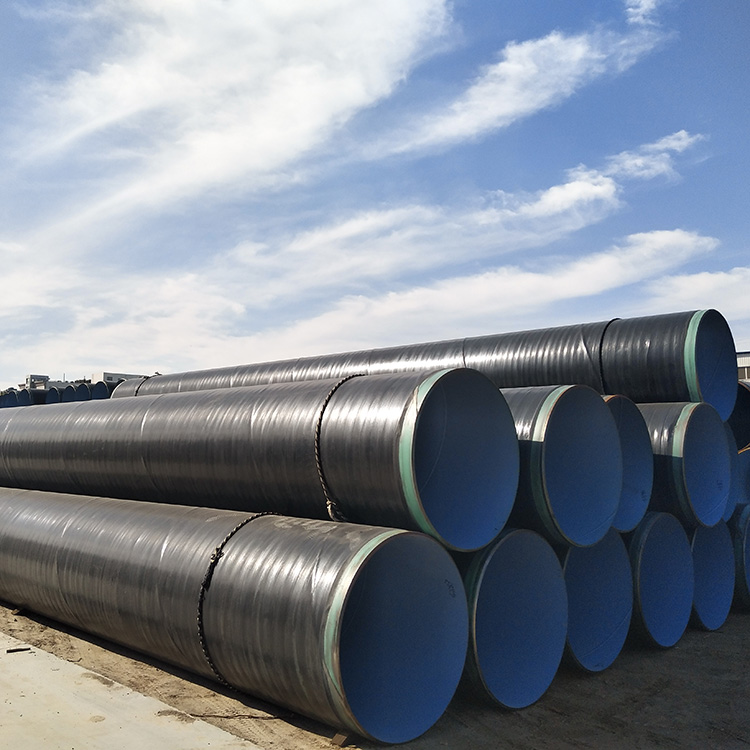
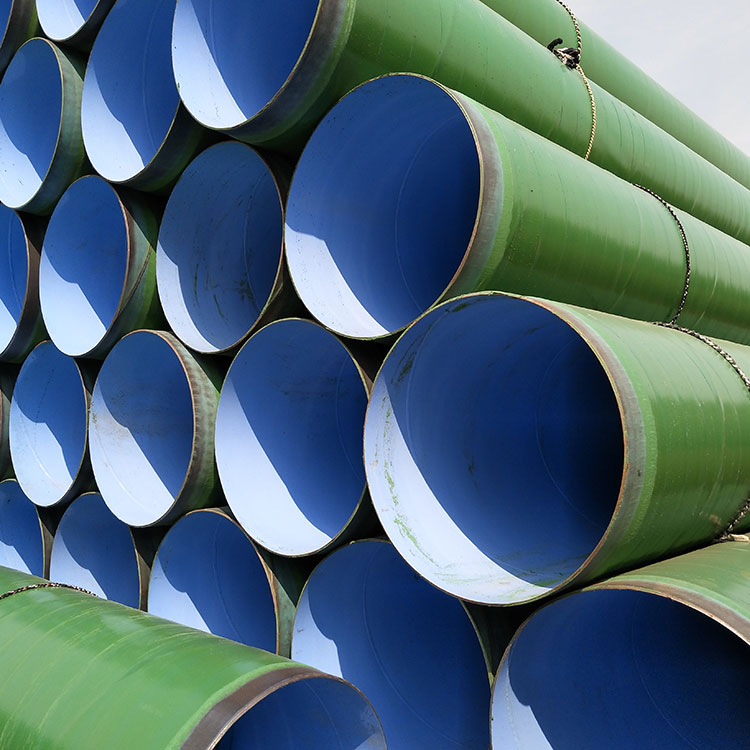
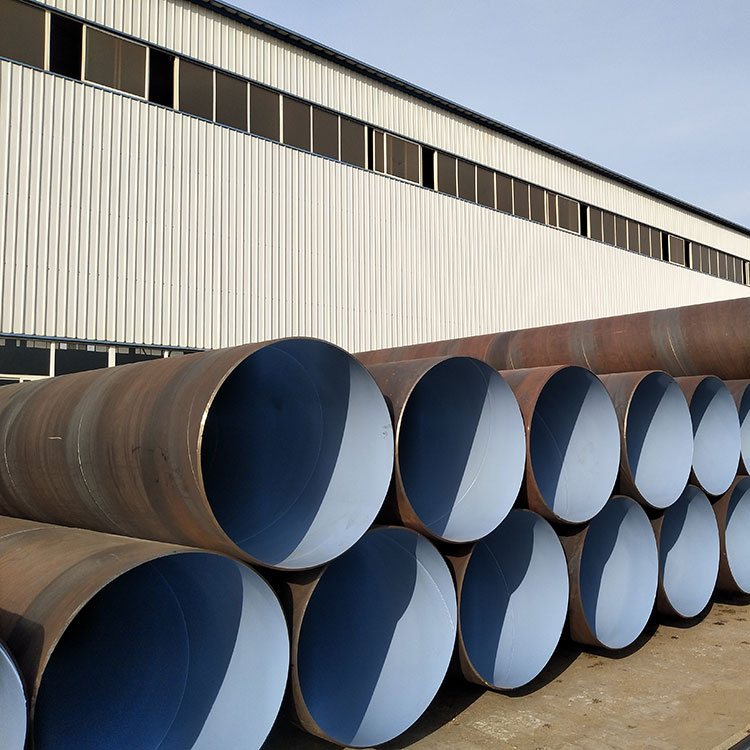
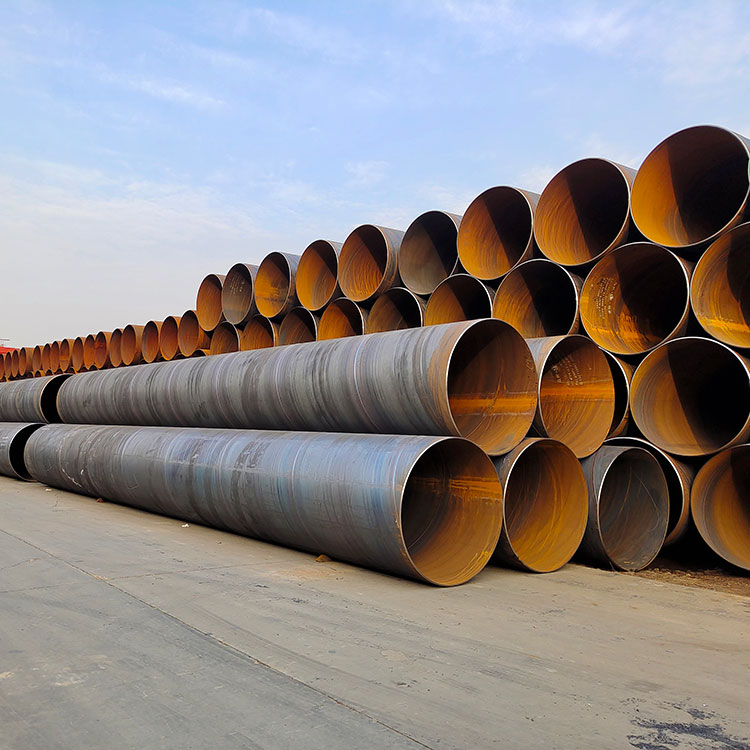
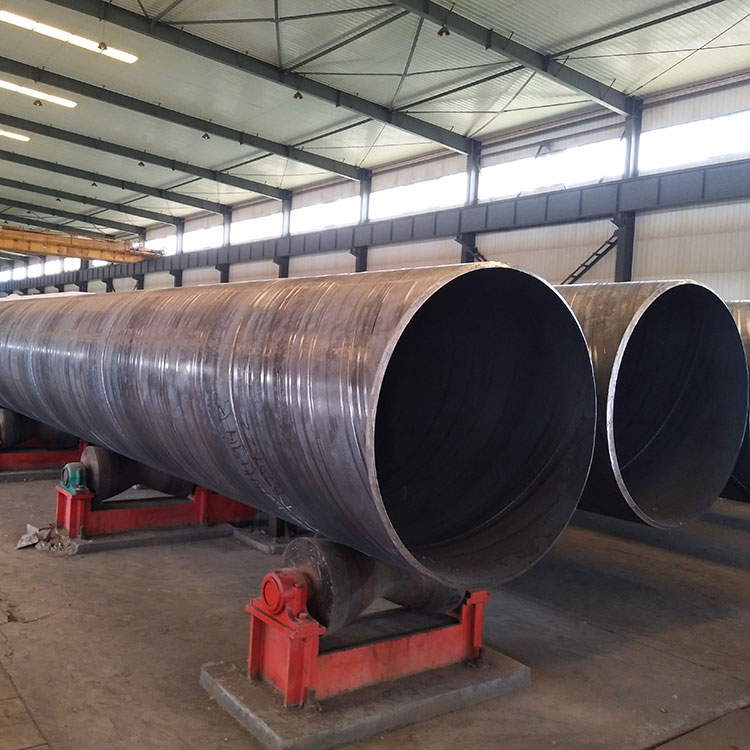
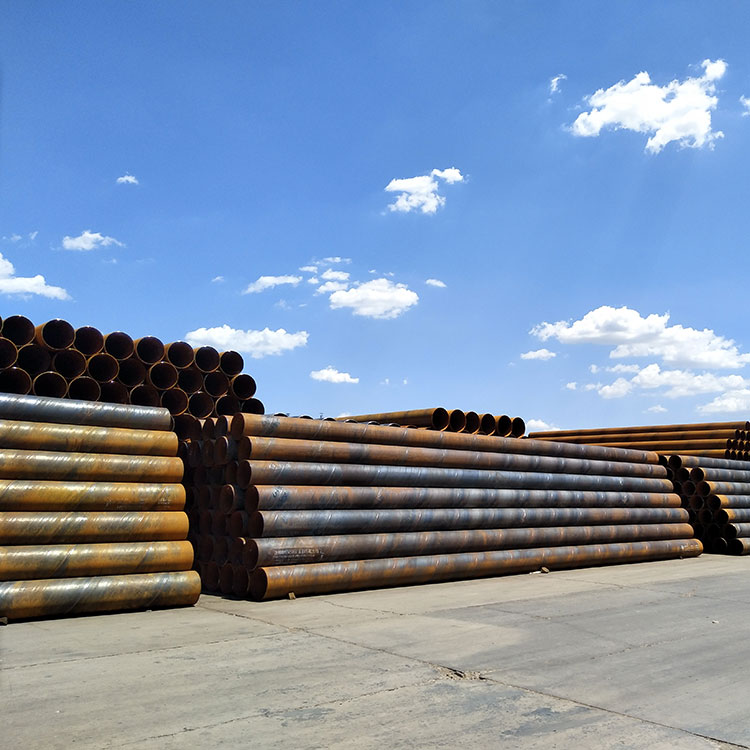
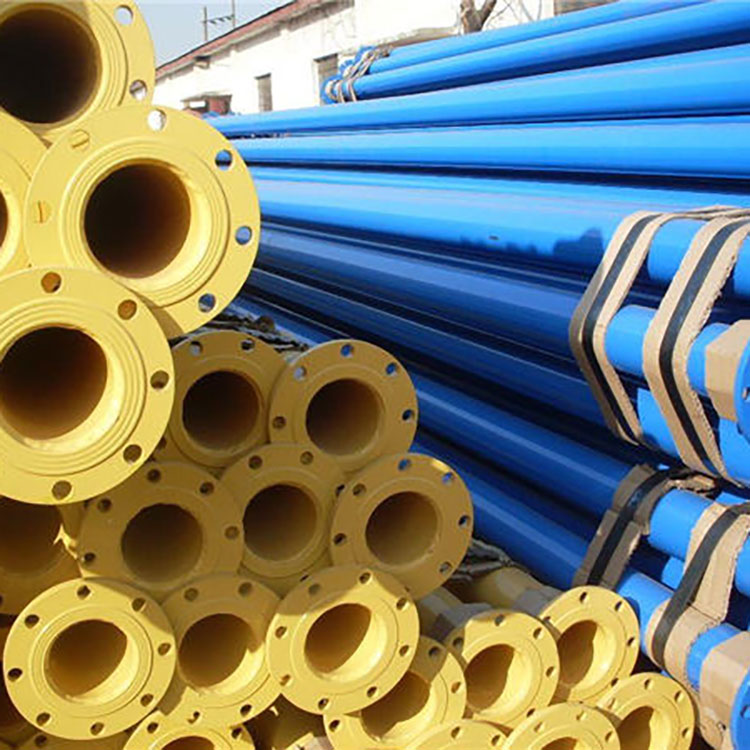
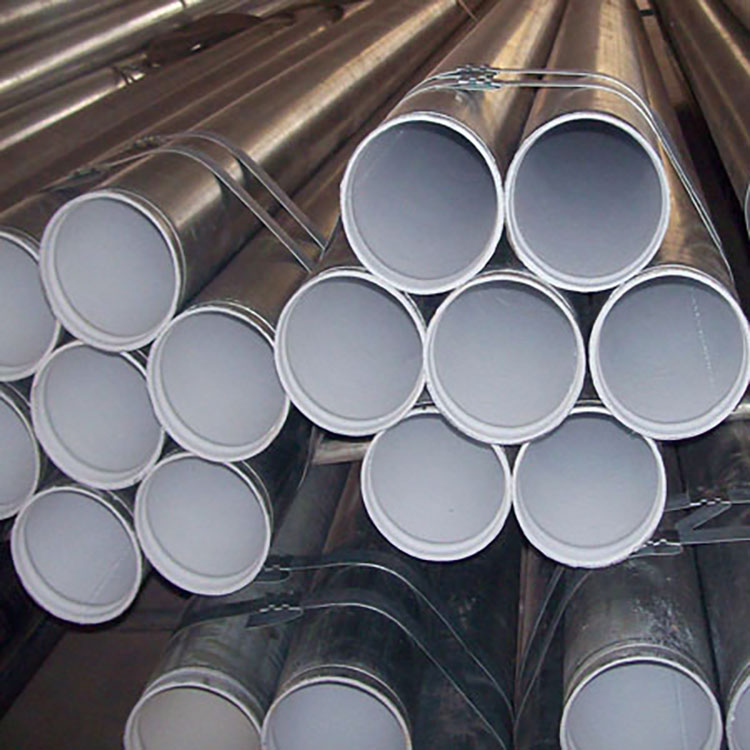
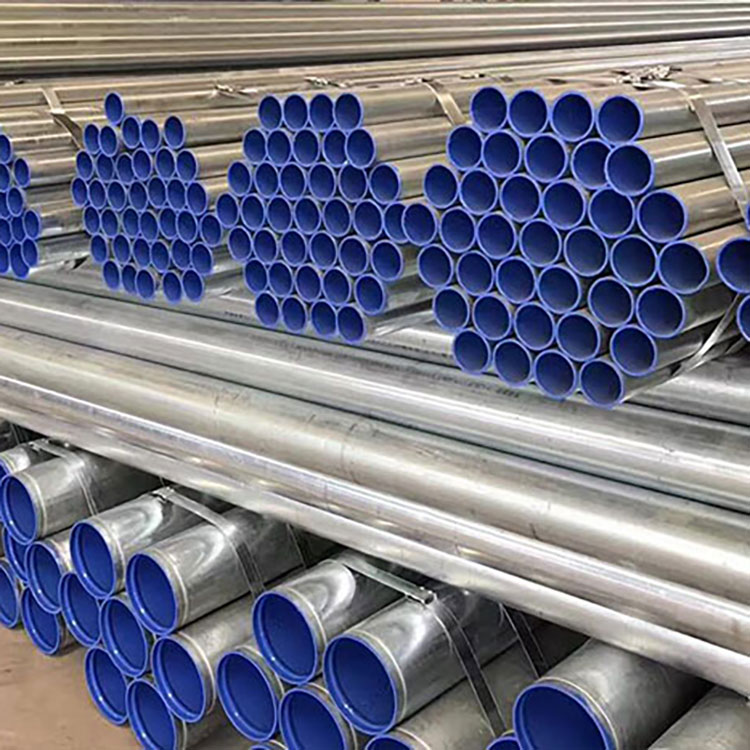
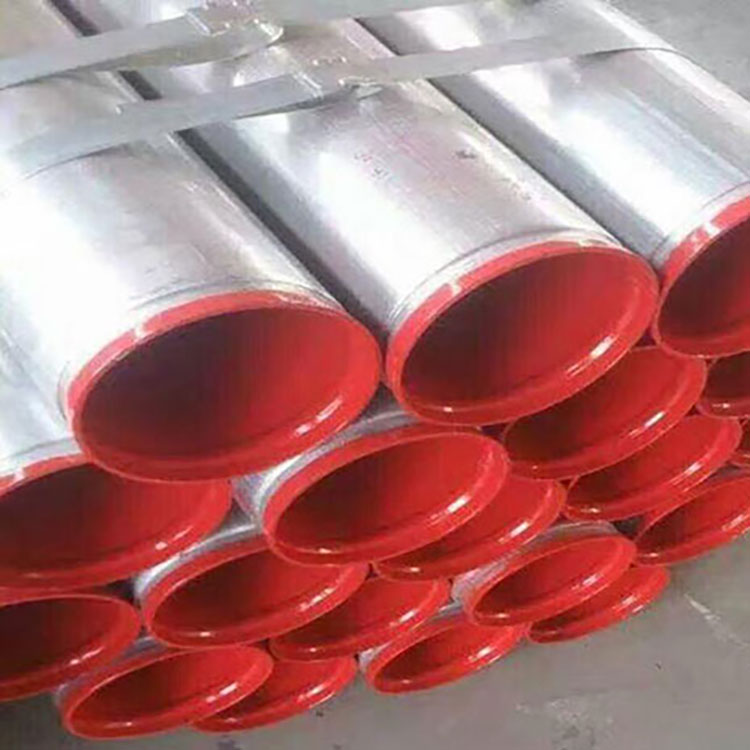
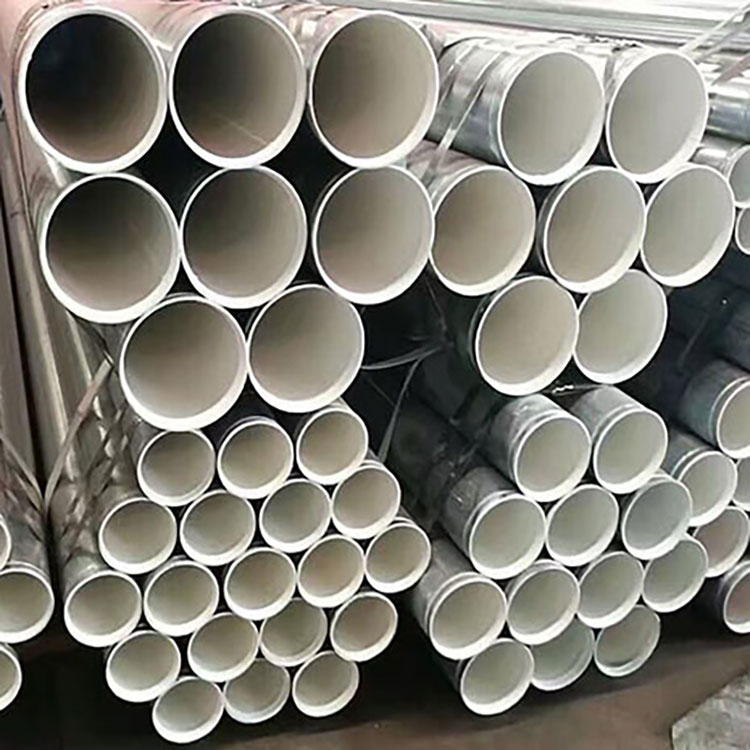
Fusion bonded epoxy (FBE) coated steel pipes are a type of steel pipe produced using a coating process on both the inside and outside. Both surfaces are coated, enhancing the pipe's corrosion resistance and extending its service life.
Early market tube materials were mainly steel tubes and plastic tubes. While steel tubes are strong, they are prone to rust and contamination, leading to a shorter lifespan. On the other hand, plastic tubes, with their good corrosion resistance and glossy finish, are susceptible to deformation with temperature changes and are relatively fragile, prone to cracking.
The emergence of electrostatic powder-coated steel pipes effectively combines the advantages of both, while also addressing the usage shortcomings of each. These coated pipes, developed on the basis of traditional metal piping, offer superior stiffness and strength compared to the original materials, and are more reasonably priced. Overall, they are more cost-effective than previous piping materials.
Advantages of electrostatically coated steel pipes:
The materials used offer enhanced stability in both physical properties and chemical reactions, resulting in superior corrosion and weather resistance compared to standard steel pipes, making them suitable for use in various harsh environments.
2. The use of paint gives the inner surface of the coated steel pipe a high level of smoothness, resulting in less resistance and higher efficiency when transporting the same liquid under the same conditions, significantly reducing energy consumption. Moreover, the high smoothness minimizes the chance of internal scaling, thereby preventing blockages.
3. Rigorous control over the production process and quality ensures that the plastic-coated steel pipes meet the national Ministry of Health's standards for drinking water equipment safety. They guarantee health and hygiene, allowing for worry-free use.
Product Characteristics of Inner and Outer Electrostatic Powder Coated Steel Pipe
Fittings and connectors are all plastic coated and can be connected using various methods such as flanges, grooves, and welding.
2. Our internally and externally plastic-coated steel pipes offer high mechanical strength and can withstand high pressure.
3. Interior and exterior plastic-coated steel pipes offer good sanitation conditions and prevent water quality contamination.
4. The inner and outer coatings offer excellent resistance to chemical corrosion, significantly extending the lifespan of PE pipes.
5. Coatings on both inner and outer layers can be applied with different materials based on varying usage conditions, truly achieving customized production.
Coating-both-internal-and-external plastic-coated steel pipes are composite pipes made by fusing a layer of 0.2~0.4mm thick epoxy powder or other organic substances on the inner and outer walls of steel pipes. They not only possess the advantages of high strength, resistance to water flow impact, and easy connection as steel pipes, but also overcome the shortcomings of steel pipes, such as easy corrosion, contamination, and poor fire performance when exposed to water, with a design life of up to 50 years. The main drawback is that they cannot be bent during installation, and processes like hot working and electric welding cutting require the use of a non-toxic, ambient-temperature curing adhesive provided by the manufacturer to coat the cutting surface.