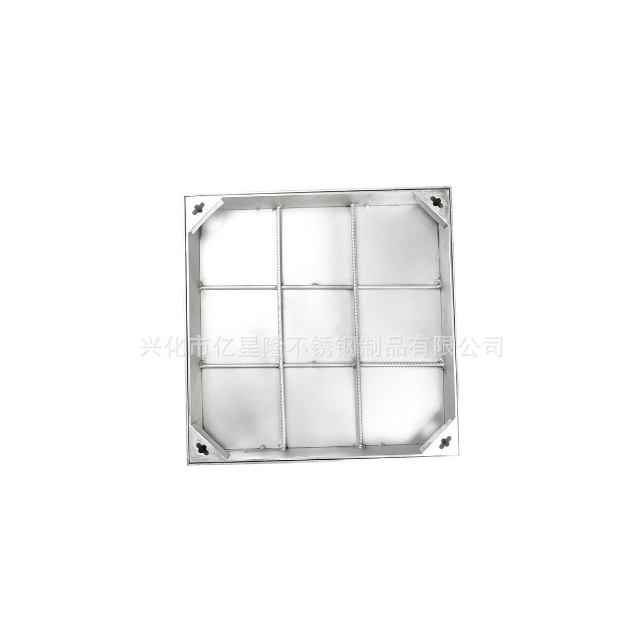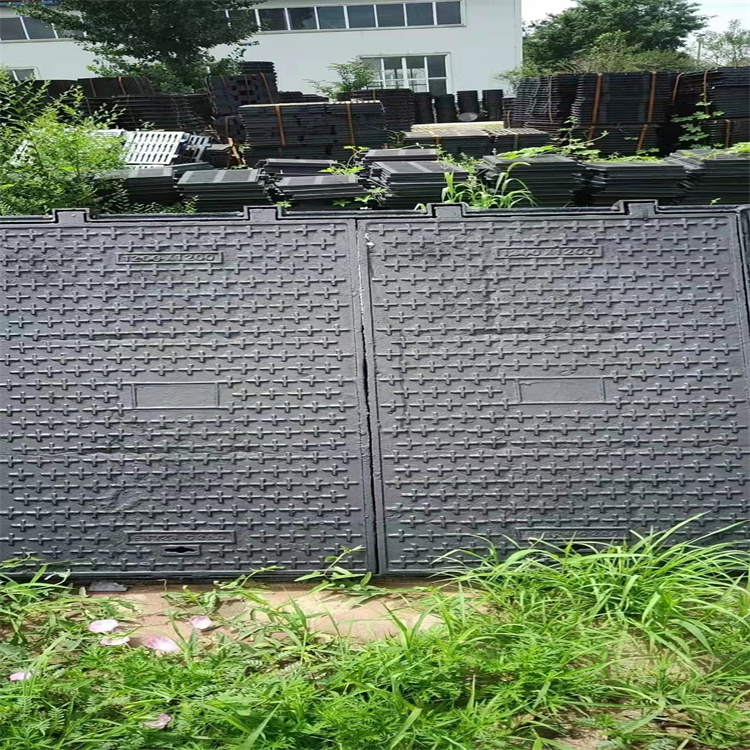


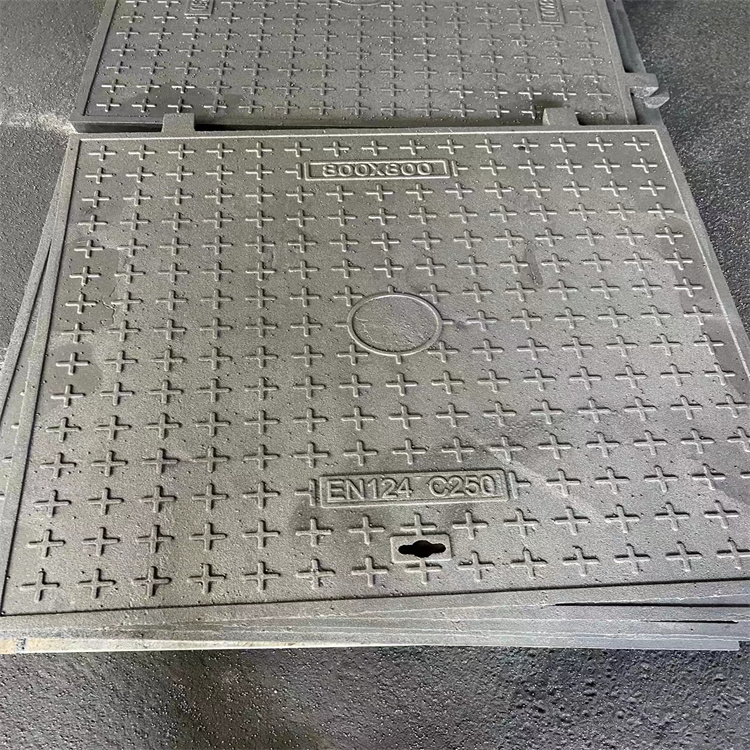
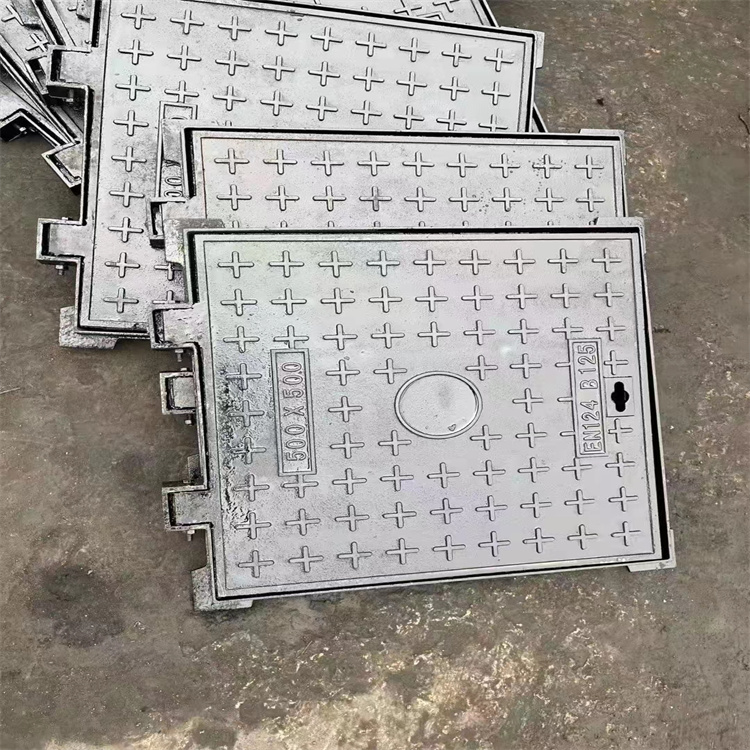


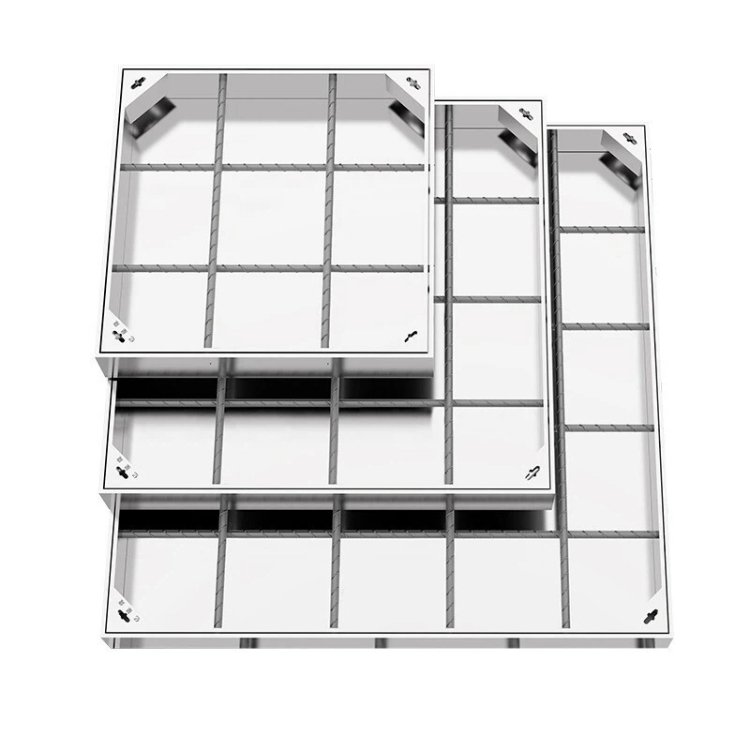
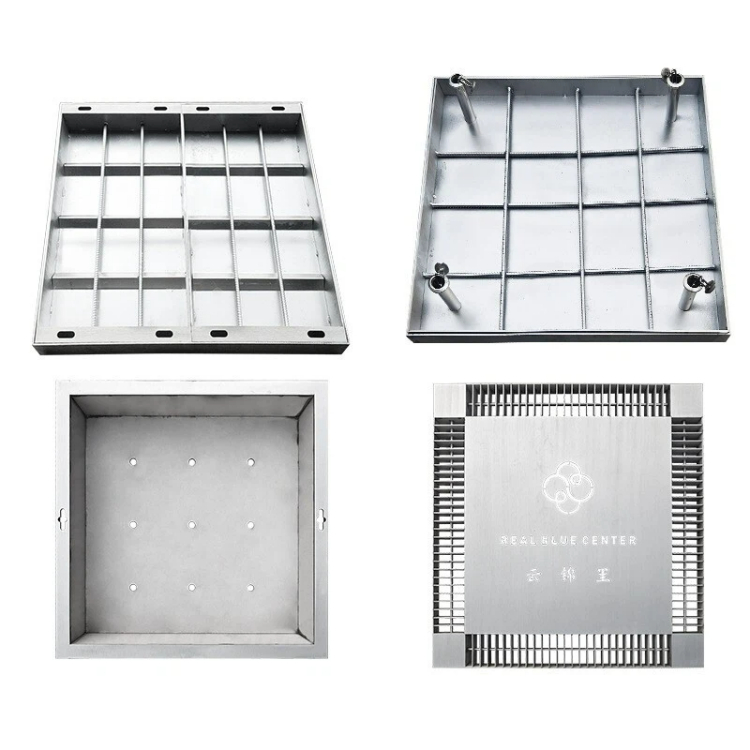
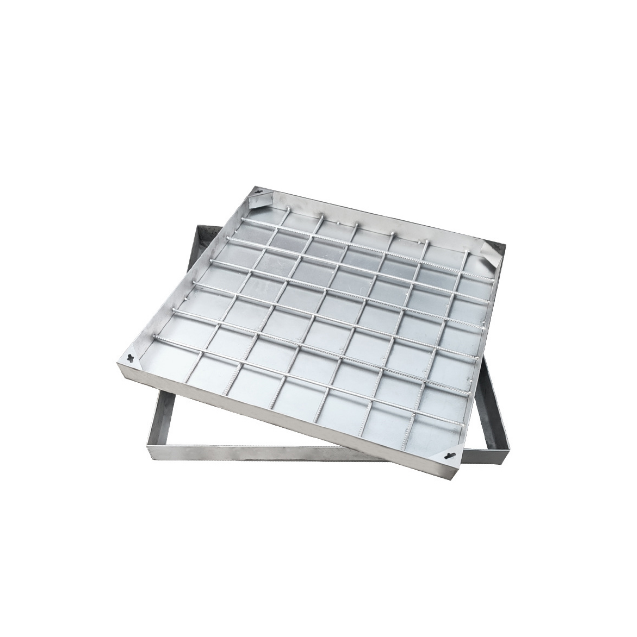
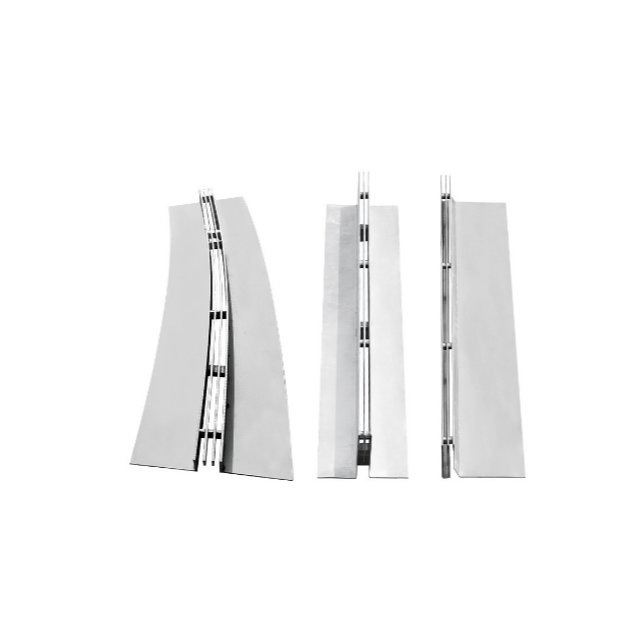






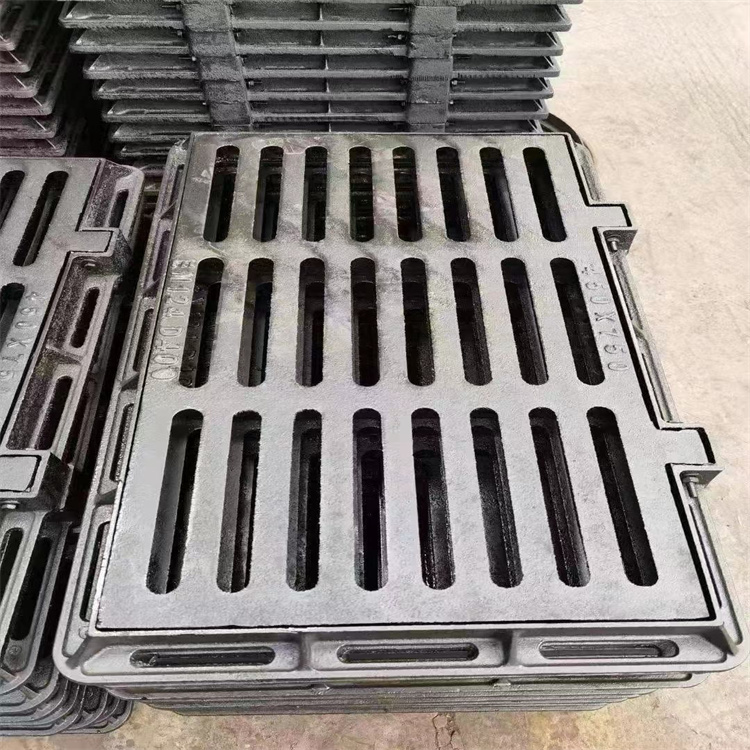


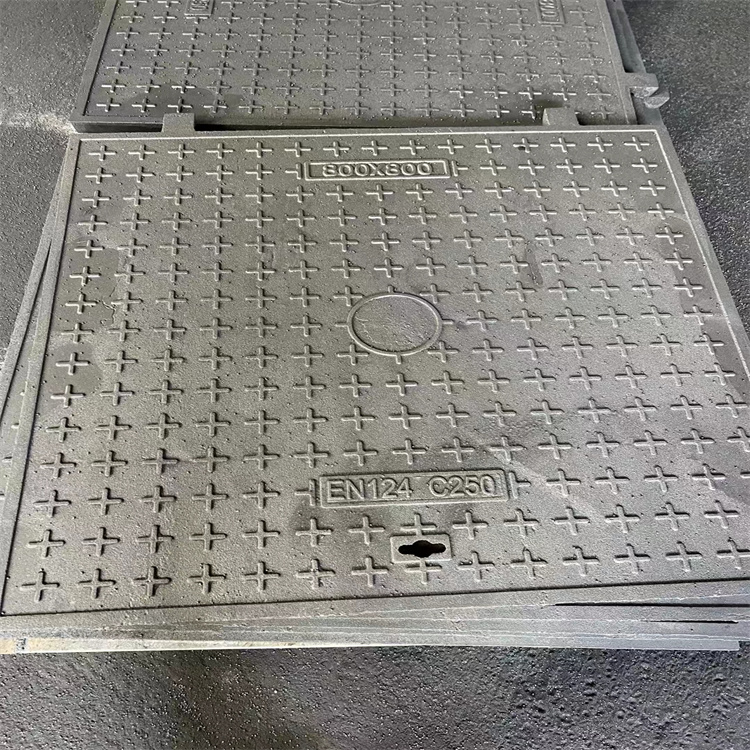
What are the technical requirements for welding ductile iron manhole covers? Below, we will explain each one.
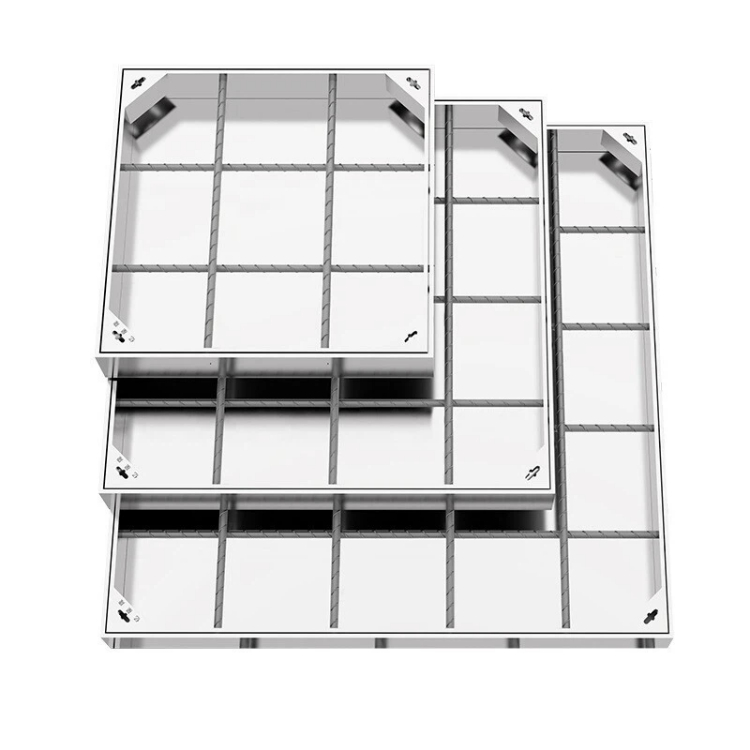
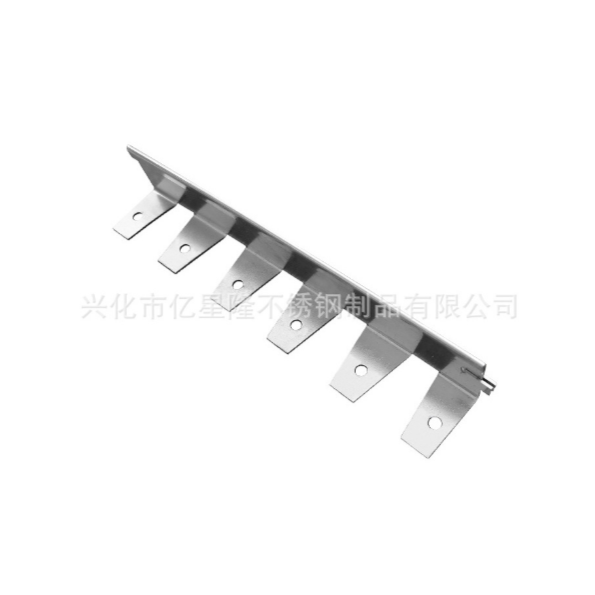
To weld ductile iron manhole covers, place the cut angle iron into the welding fixture, tighten the nuts and the welding angle iron with a steel rod end, ensuring that the angle iron frame does not deform, loosen, or have inaccurate dimensions prior to welding.
2. Spot welding should be used in the welding of reinforced steel and angle steel frames. To prevent excessive weld points on both sides, the angle steel should be overheated to bend it. The welding must have good fusion and should not exhibit weld pits, gas pockets, or undercutting. If any of these are found, supplementary welding is required.
3. Weld slag removal and sanding: Weld slag on the welding groove cover should be promptly removed, wiped with钢丝 wire, polished, cleaned, and then zinc sprayed.
4. Wire Mesh Binding: Tie the cut mesh to the reinforcing bars within the angle steel frame.
5. Mold Cleaning: Clean the bottom mold, place it flat, and apply the release agent evenly. Absolutely do not use waste engine oil as the release agent.
The welding quality of ductile iron manhole covers directly affects the safety of use. If the welding does not meet the standards, it is likely to cause installation instability, resulting in movement and other phenomena, leading to hazardous road incidents. Therefore, welding must be carried out in accordance with the standards.
When installing cast iron manhole covers, first, a foundation pit must be dug. It is strictly prohibited to interfere with the road structure around the wellhead while removing the road structure within the reinforcement range of the wellhead. The excavated materials should be isolated from the road surface and cleaned up promptly. Then, the wellhead should be constructed using masonry methods, followed by the immediate installation of a temporary cast iron manhole cover to cover and protect the wellhead, preventing construction materials or debris from falling into the well and avoiding safety accidents.
When casting the ballistic cast iron manhole cover, concrete pouring is generally used. Before pouring, protective materials should be laid around the manhole opening to prevent the concrete from contaminating the road surface and affecting its appearance. After completion of the construction, spray maintenance should be carried out on the manhole cover, and protective measures should be set up to prevent deliberate damage to the concrete structure or loosening of the cast iron manhole cover installation.
Upon completion of the cast iron manhole cover installation, use fine stone concrete or asphalt on the sloping area surrounding the cover, elevated above the road surface, to ensure driving safety.