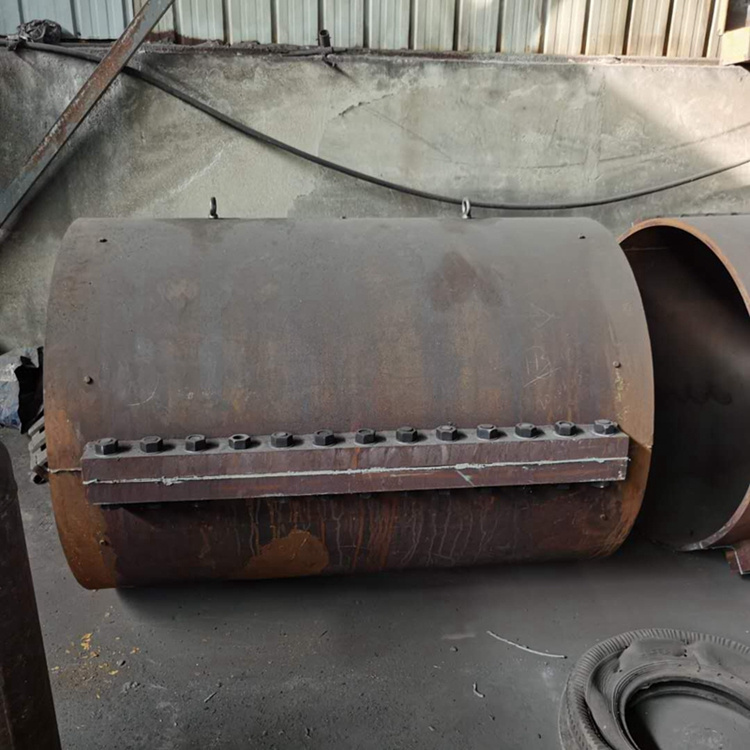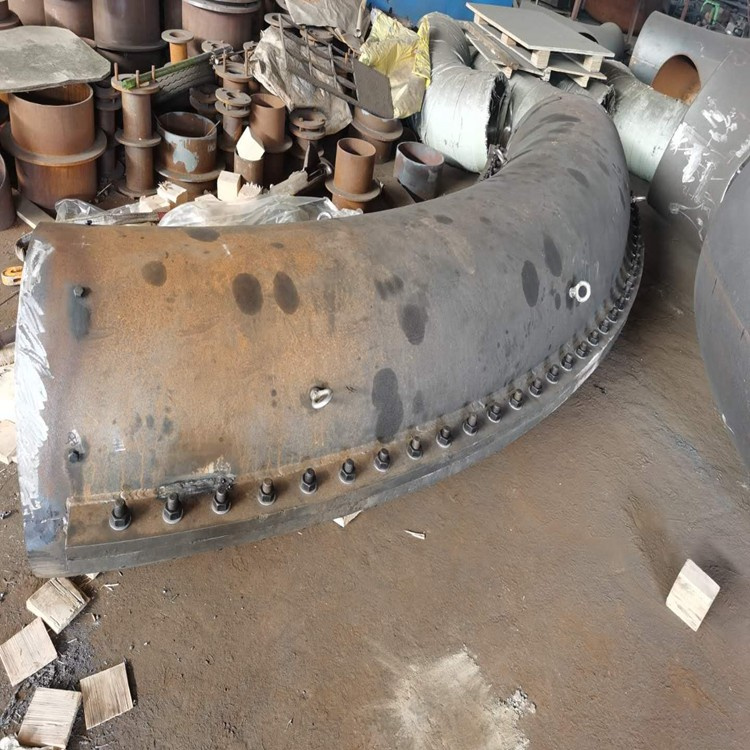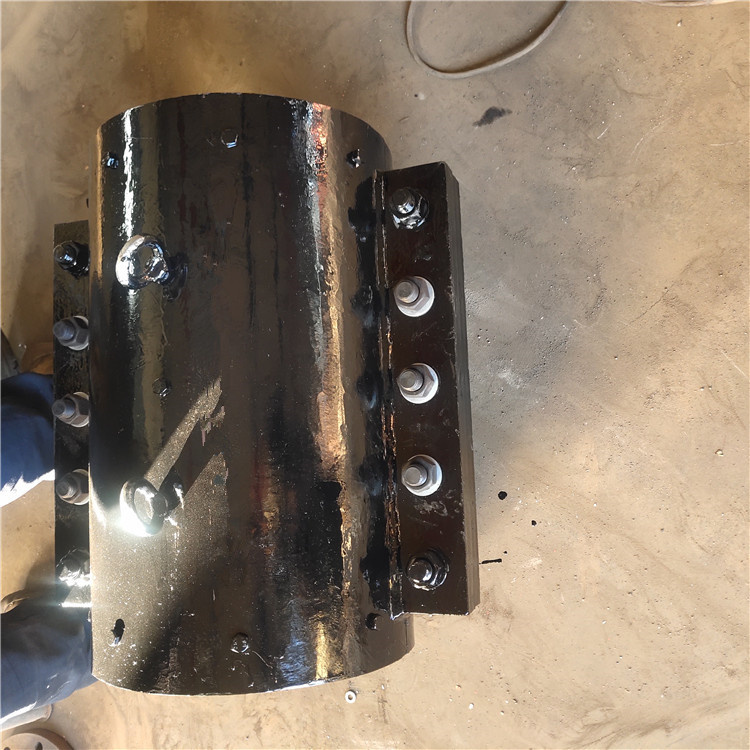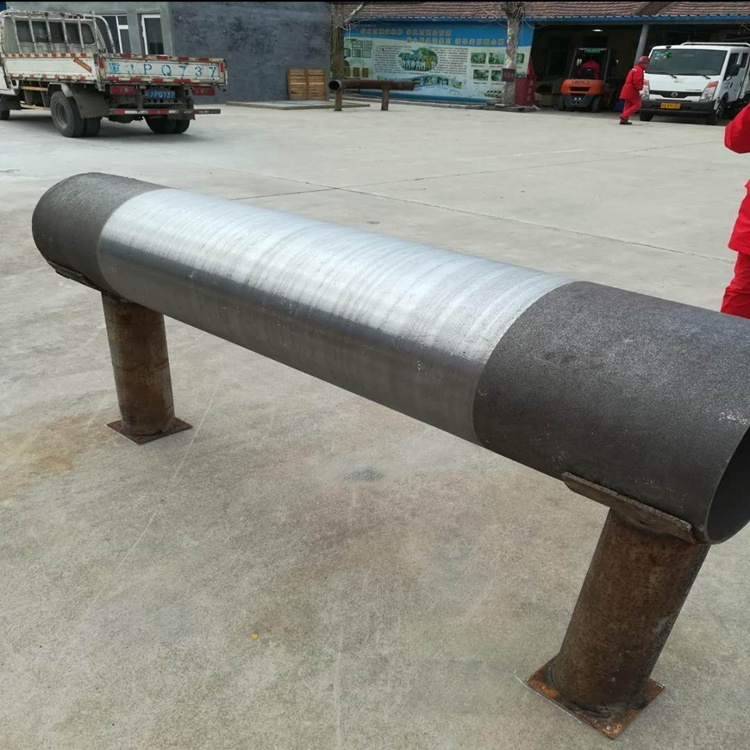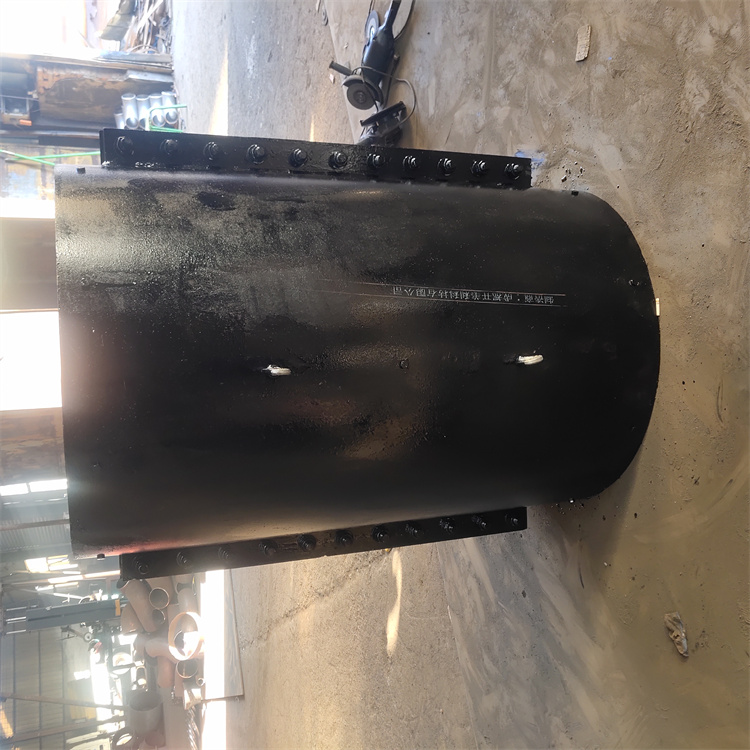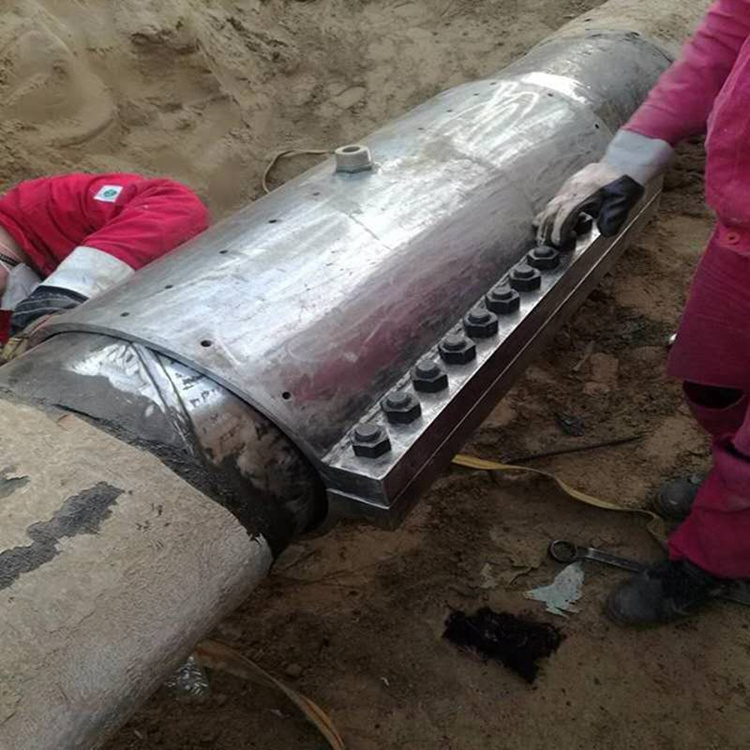

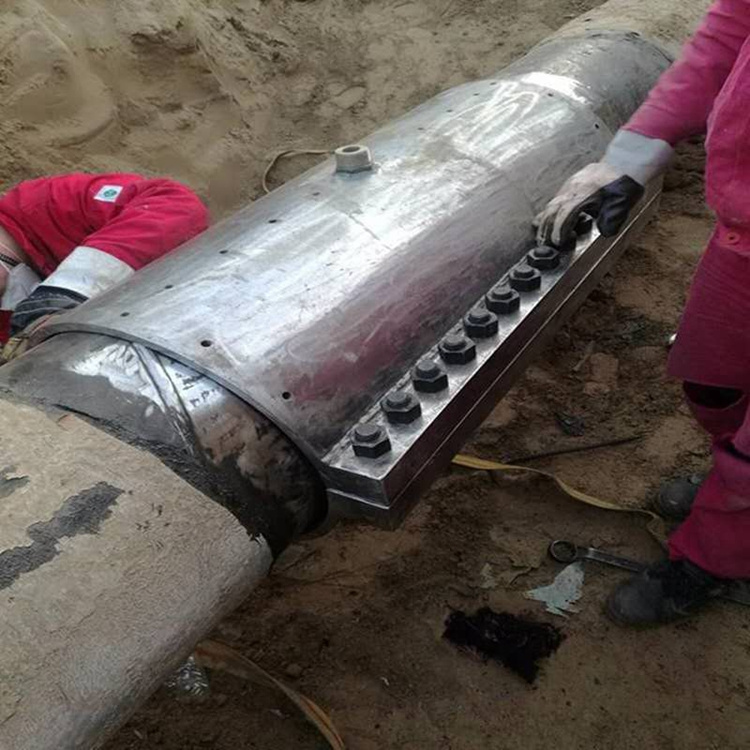
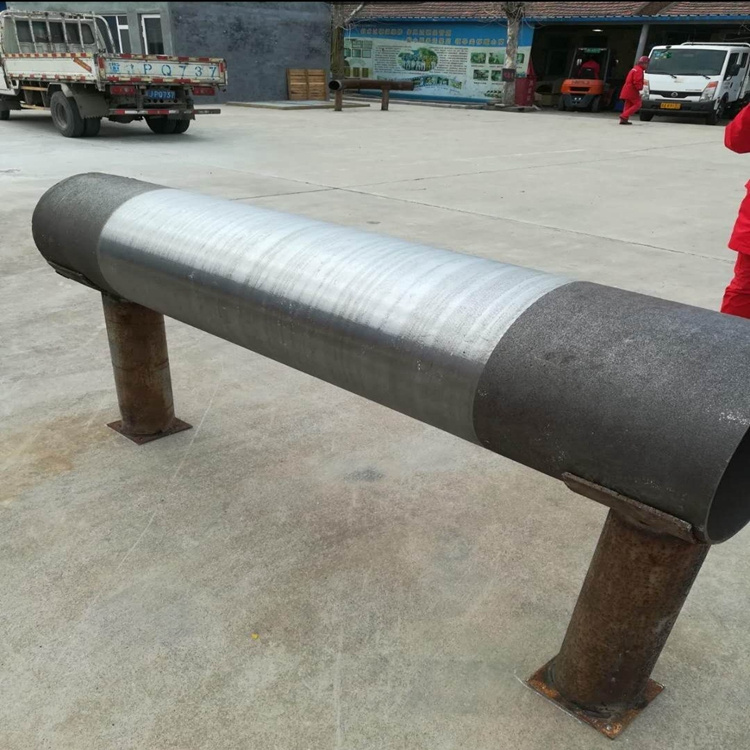
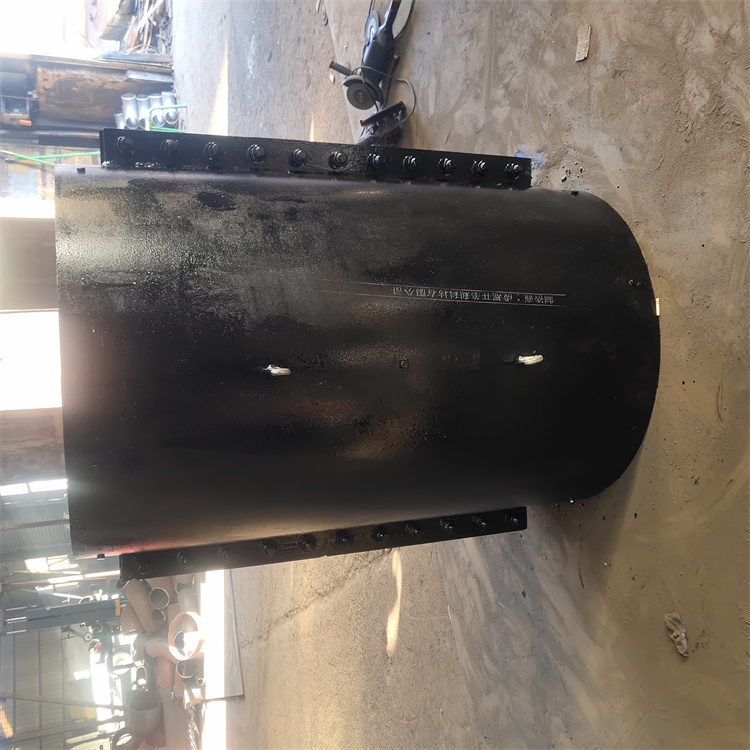







Steel epoxy sleeve reinforcement and repair technology is widely used in the repair of defects in oil and gas pipeline systems. For corrosion defects, cracks, weld defects, and mechanical damage such as scratches, dents, and grooves caused by third-party impacts on buried oil and gas pipelines, which have not yet caused leaks, traditional methods involve directly welding standard steel sleeve (commonly referred to as a sleeve) or steel plate patches to reinforce the pipeline. Due to the need for welding during the process, there is a certain level of operational risk. The steel epoxy sleeve pipeline reinforcement and repair technology is a non-ignition treatment technique developed for the aforementioned pipeline defects, which has been in use since the 1970s and has withstood years of practical application tests. In recent years, it has also been widely applied in China's West-to-East Gas Pipeline, Shaanxi-Jingjing Pipeline, and Xin'an Oil and Gas Field, among others. [0003] With respect to the complete steel epoxy sleeve, which includes a cylindrical body with vent holes, this body is formed by two annular rings, and the bolted connection between the annular rings is achieved through connecting bolts. During the specific application of the steel epoxy sleeve, as the outer layer is also needed to encase the steel epoxy sleeve, the said outer layer typically includes an inner layer of elastic tape and an outer layer of polypropylene tape, serving as the anti-corrosion layer for the side of the steel epoxy sleeve. [0004] Before sealing the gap between the steel epoxy sleeve and the pipeline, sealing material must be set at the ends of the steel epoxy sleeve, which serves as the end plate or boundary for the steel epoxy sleeve.