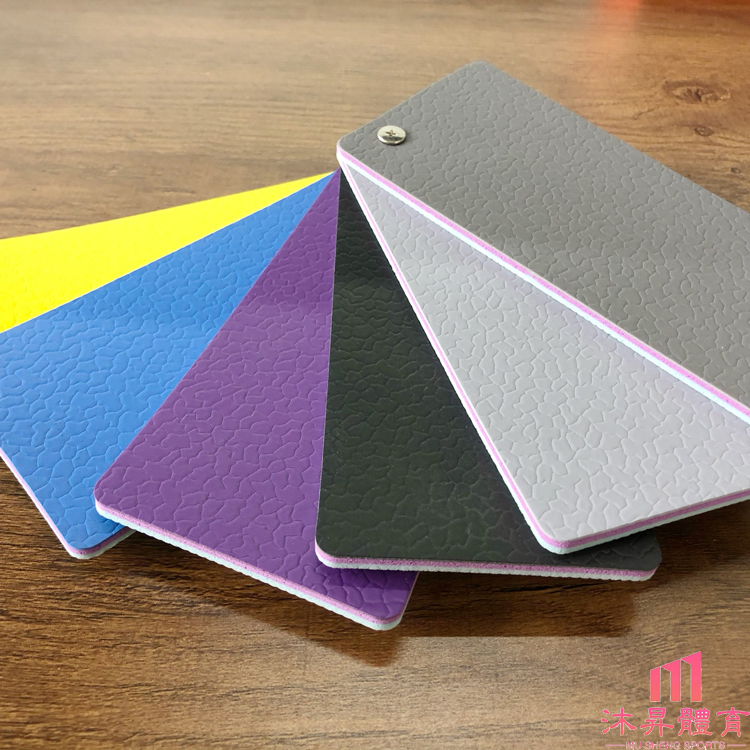
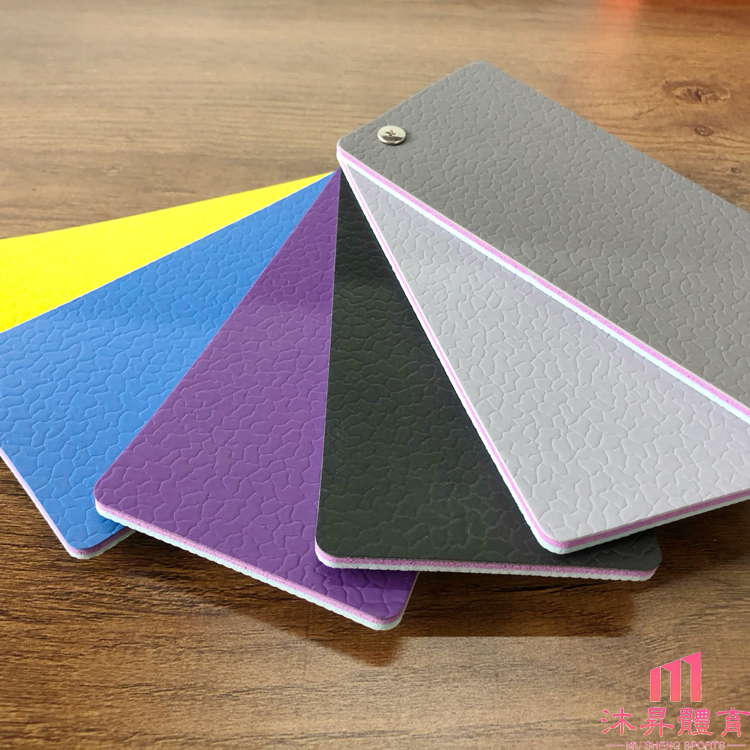









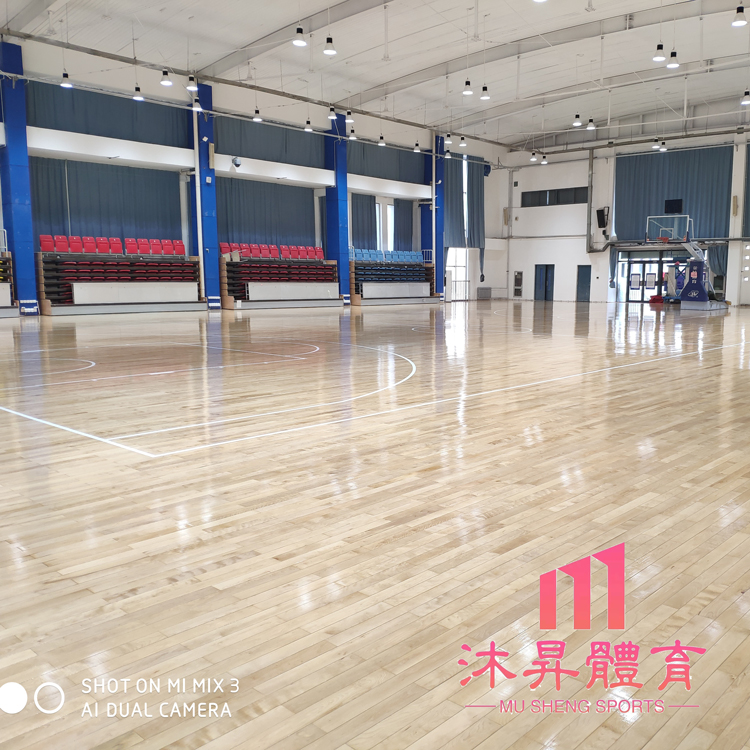

Dance floor mats, also known as dancer floor or stage dance mats, are a soft PVC material, essentially a type of plastic extruded product similar to rubber. Additionally, these dance floor mats offer certain shock-absorbing properties due to the nature of dance, being soft yet firm, neither too soft nor too hard. Their product has a moderate softness, smooth yet not sticky, glossy yet not slippery, and features such as anti-shrinkage, anti-deformation, no waves, no fan shape, no frills, no bubbles, fire resistance, water resistance, high pressure resistance, scratch resistance, and good flexibility.
Dance floor tiles are solid and free of scratches. If you rub a coin back and forth on a solid dance floor tile, it leaves no white marks, which confirms it as a dance floor tile. Standard PVC, commonly used for industrial insulation, is harder and rougher. Another type is the foam sports floor, which is not pressure-resistant and has high friction, suitable for sports events. Moreover, the foam layer of sports floors cannot perform two standard dance movements: the glide step and the spot turn. There is a qualitative difference between these and dance floor tiles.
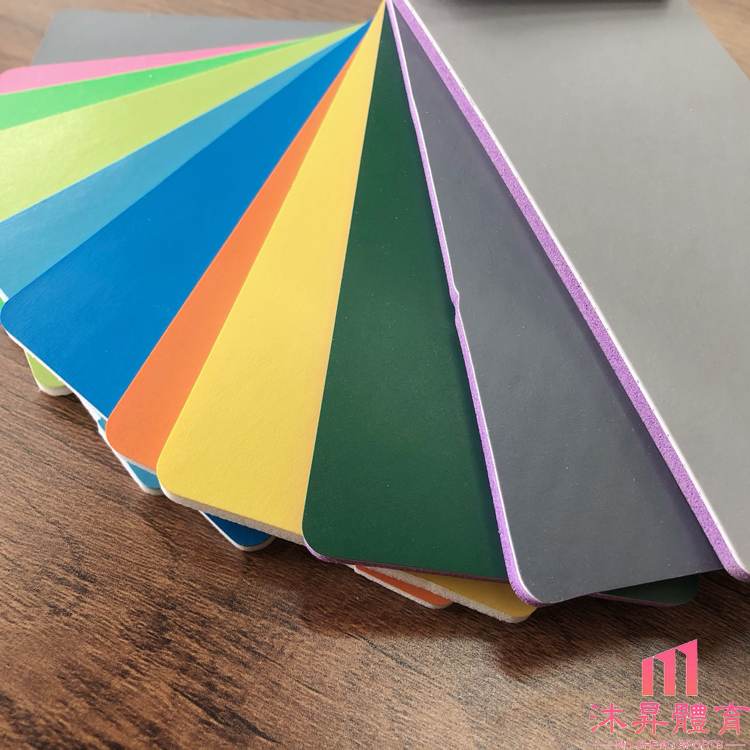
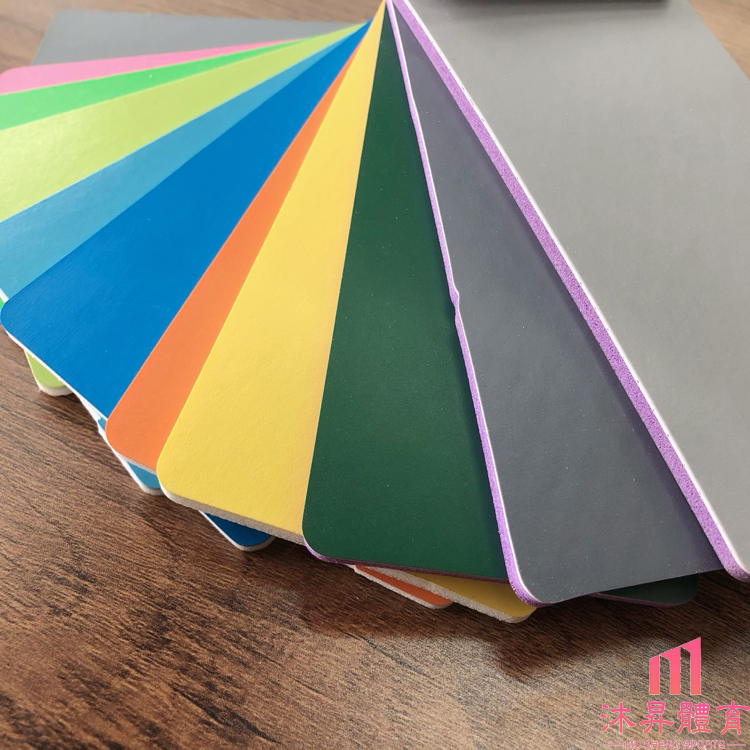
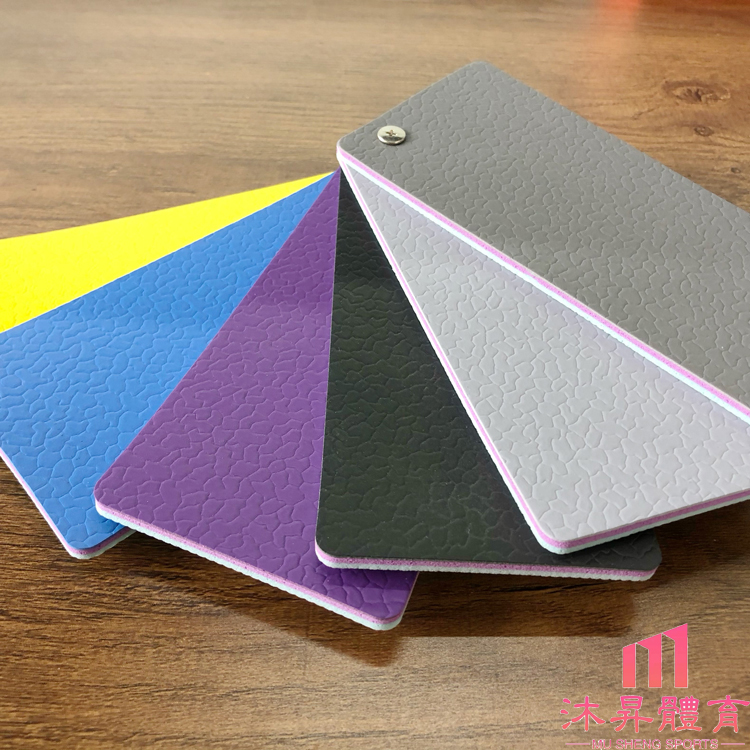
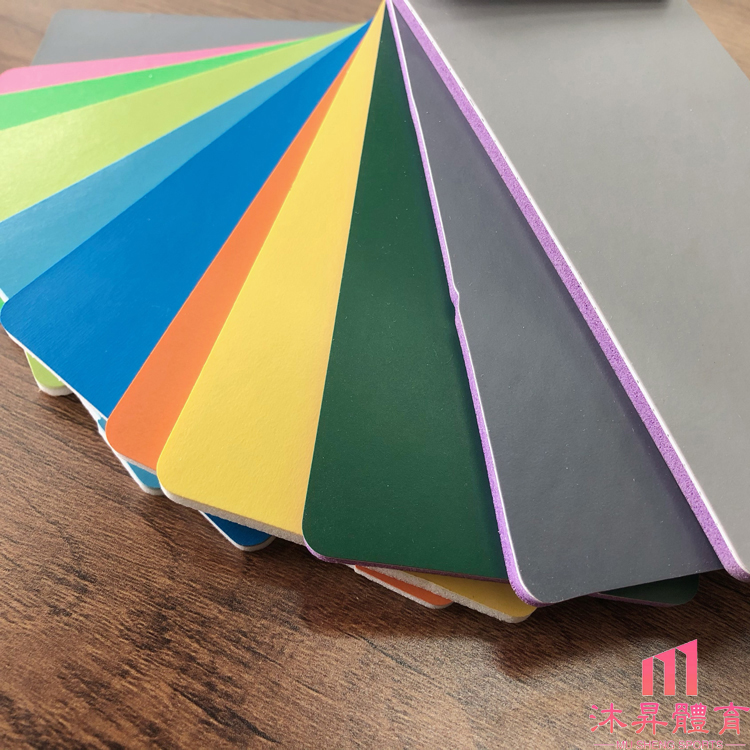
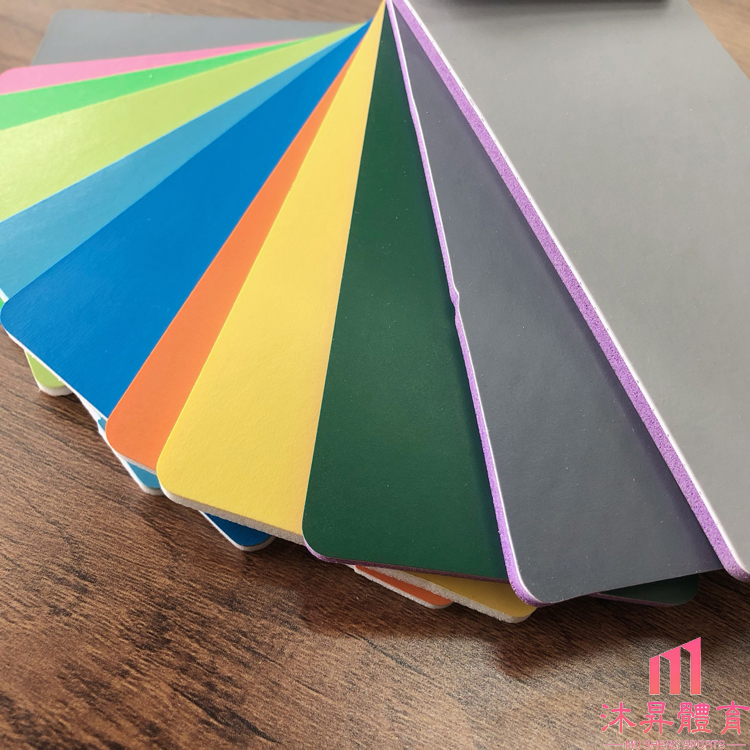
The dance floor mat comes in a variety of colors and can be custom made according to the customer's provided color card. Sizes can also be produced according to the customer's specified length and width, with no waste materials.
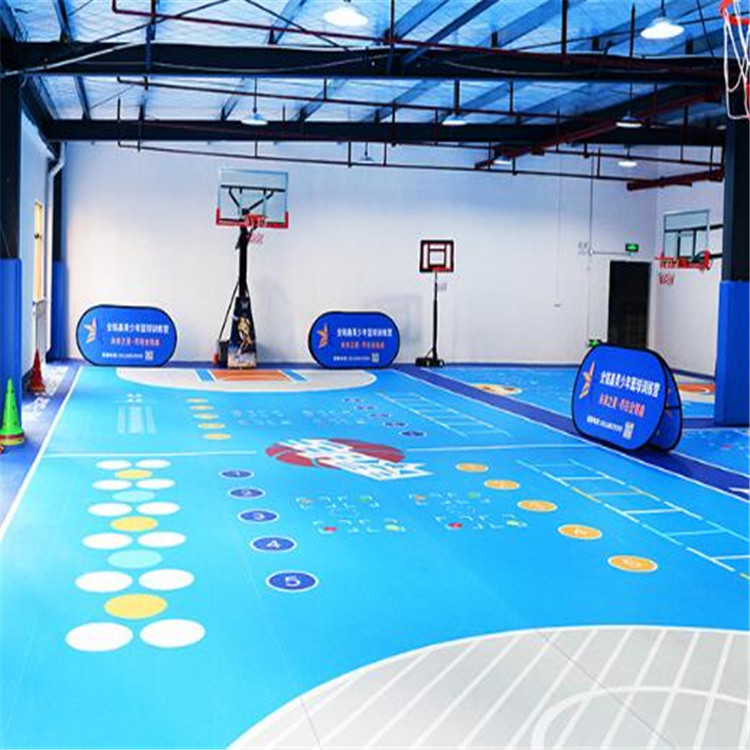
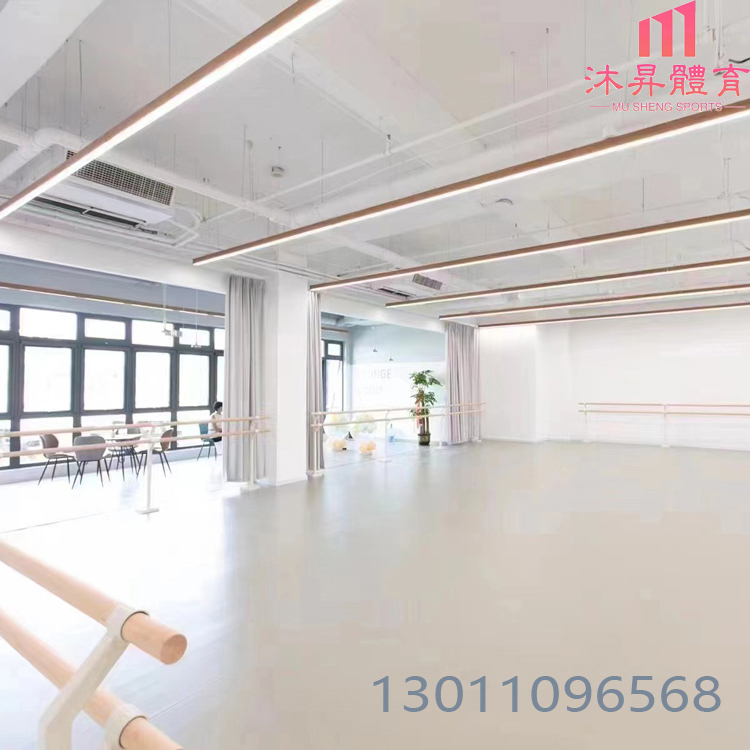
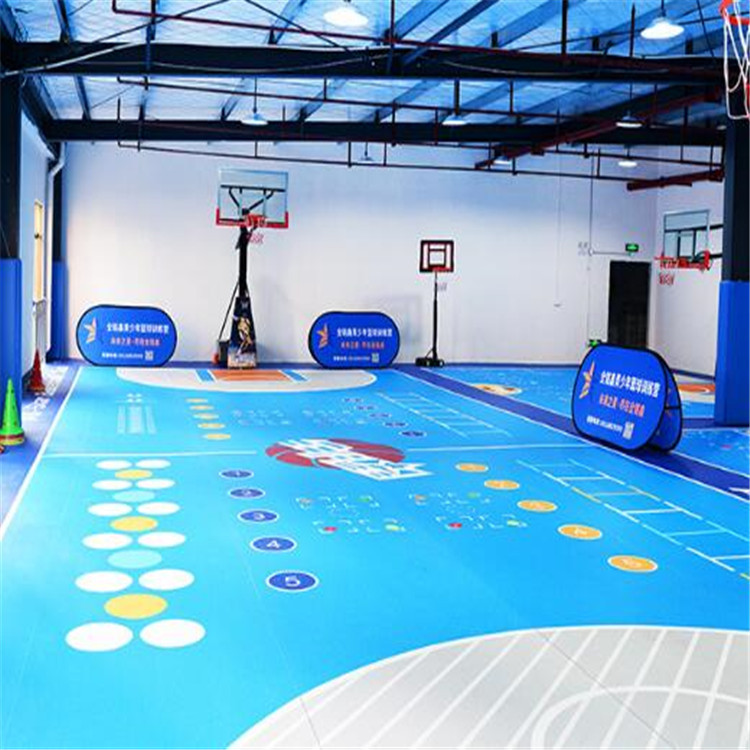
Most kindergartens, primary schools, middle schools, high schools, universities, youth camps, and dance academies typically have their own dance studios with dance floor mats.
Teaching-oriented dance troupes primarily use colors such as dark green, slate gray, light gray, and towel blue.
Dancers often prefer dark-colored dance floor mats for their stages: deep gray, light gray, and black.
Children dancers prefer dancewear in sky blue, towel blue, pink, etc.