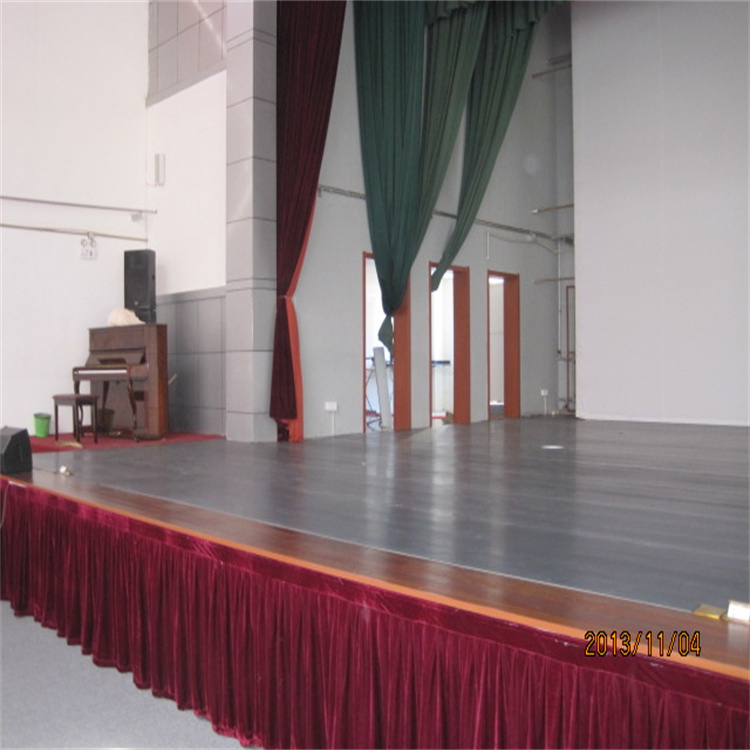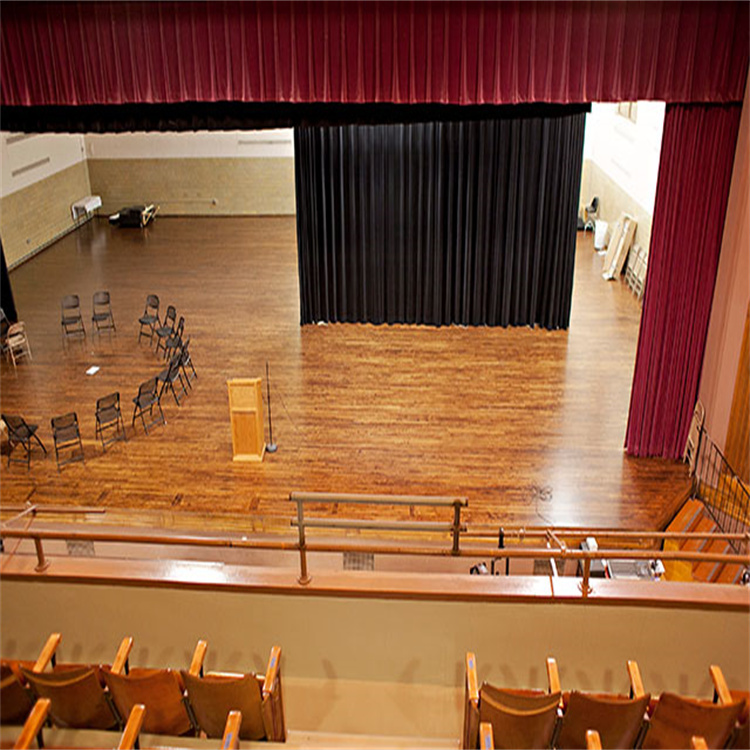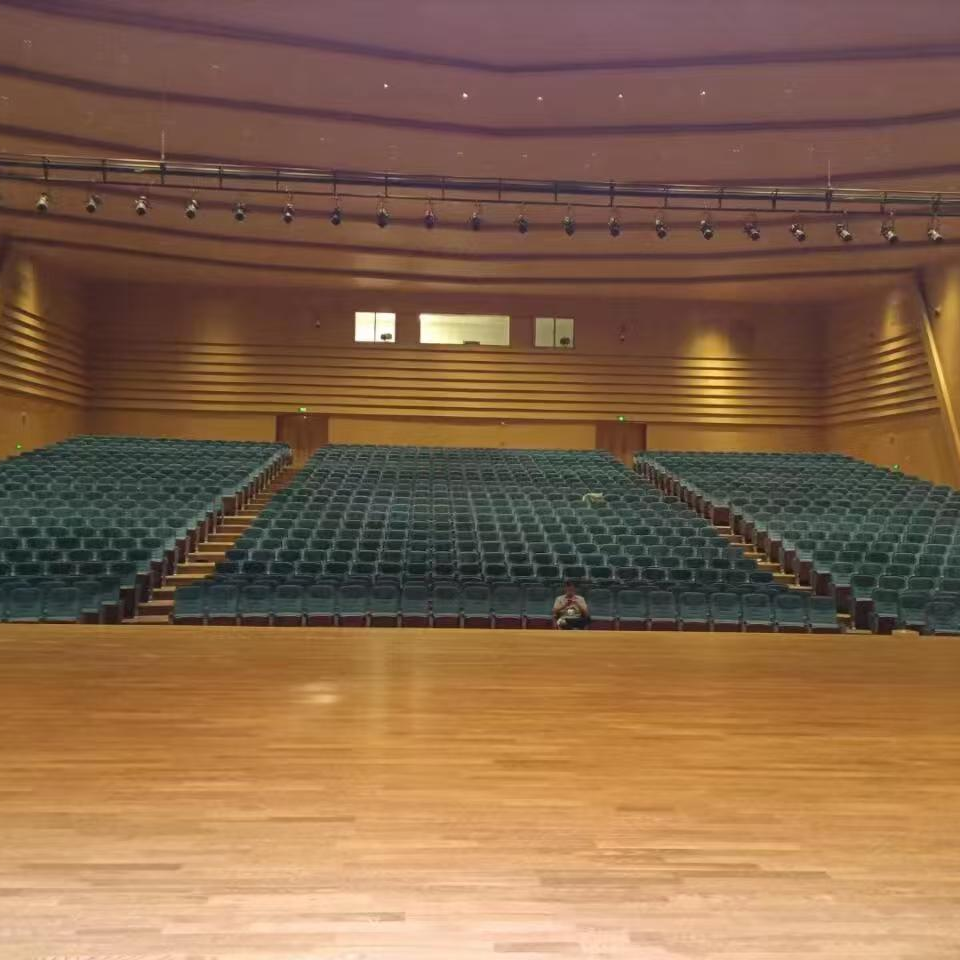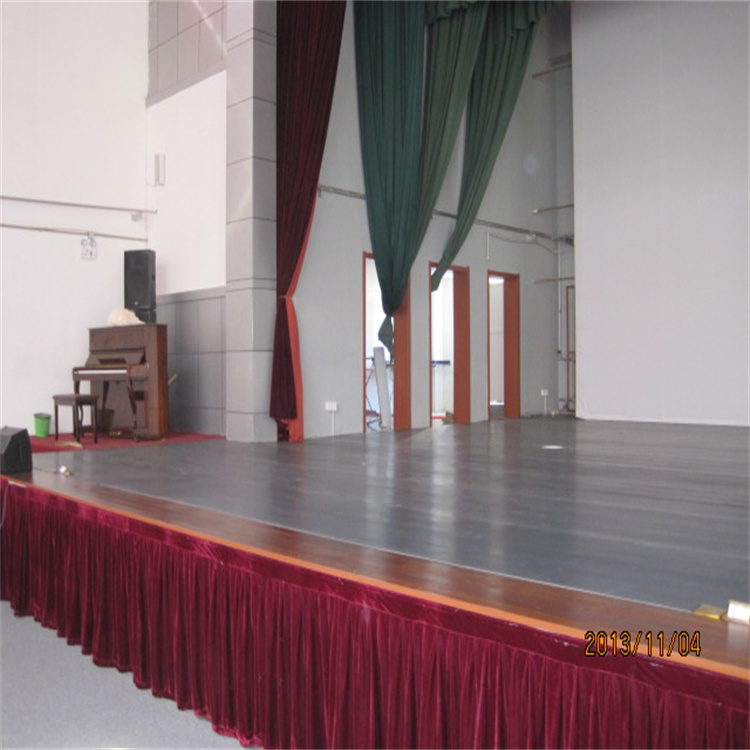

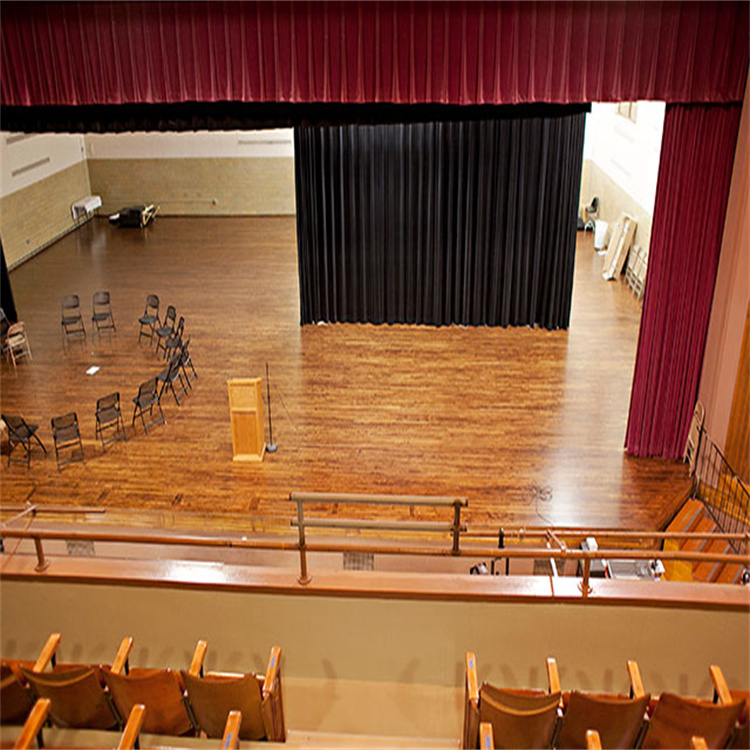
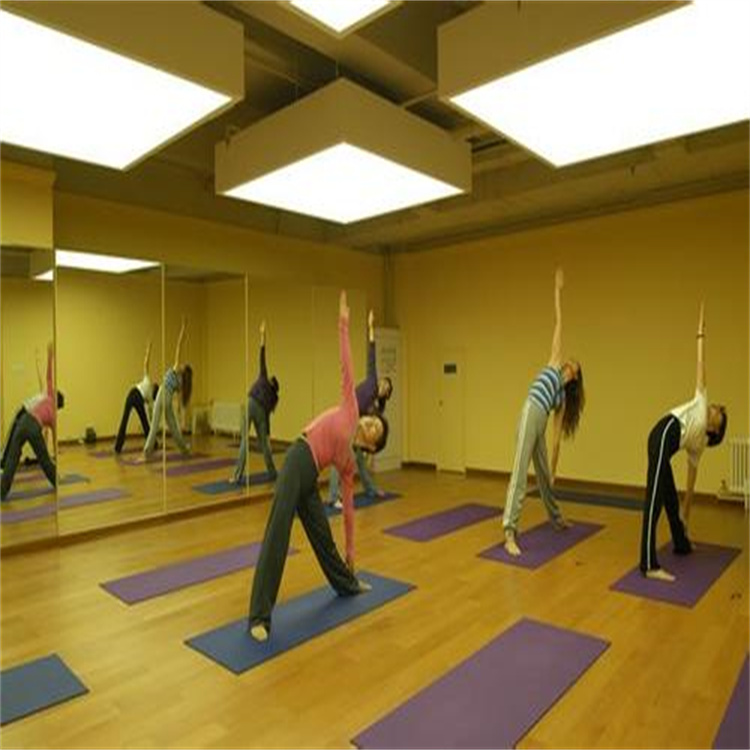


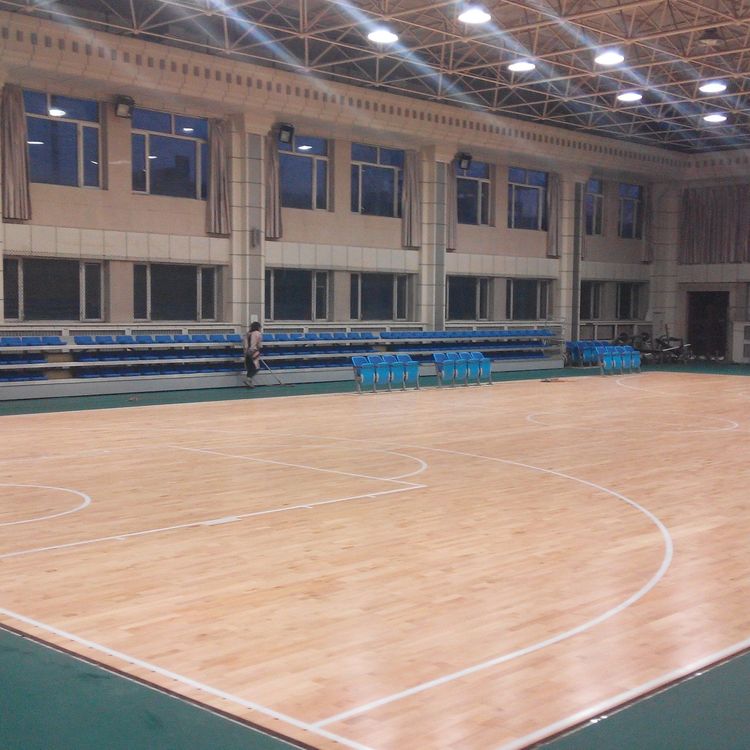





Stage wooden flooring must meet the following three functional requirements:
(1) The performance (sport) function should meet the requirements of various performances, especially those with high physical demands like dance and acrobatics. It should minimize the energy expenditure of performers and maximize their acting skills. Therefore, the floor should have adequate elasticity, with vibration deformation and movement deformation as two indicators that collectively explain this sports performance. Of course, wooden floors inherently possess excellent elasticity.
(2) Safety Features
To prevent injuries to actors during performance, the floor must have a certain vibration absorption rate, effectively absorbing the impact forces during jumps and landings to minimize bodily fatigue and protect the joints and ligaments in the legs and feet. This helps to avoid common ankle injuries seen in stage performances. Additionally, the floor surface must have an appropriate coefficient of friction; both too slippery and too rough can lead to falls, increasing the load on the legs and causing fatigue and injury.
Technical Functions
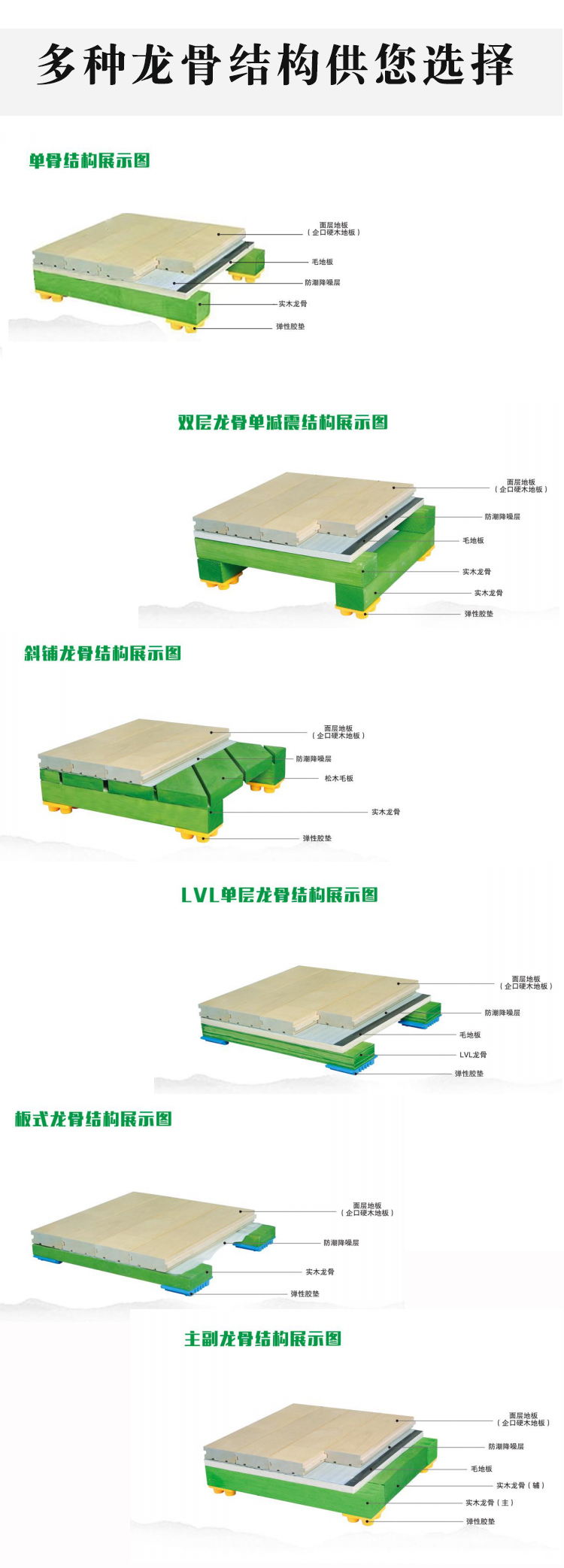
The load-bearing capacity and stability of stage wooden flooring must meet the requirements of various performances. With a large amount of scenery, props, and equipment being moved on stage, the load-bearing capacity of the wooden flooring is a critical factor. Rolling load is a specific indicator of this performance. The requirements for the stage flooring during actor performances (mainly referring to high-intensity movements) are similar to those for basketball court flooring during games. We can refer to the relevant standards for sports wooden flooring. Currently, the International Sports Flooring Technical Committee (OZST) has quantified technical indicators, adopting provisions from the German DIN 18032 standard to make detailed technical requirements for sports wooden flooring. China's sports wooden flooring also follows this standard. It is divided into 5 sections. It is worth noting that although they are similar, the specific indicators are undoubtedly still distinct. As to how much is suitable for the stage, it remains to be experimentally and exploratively determined by relevant experts.