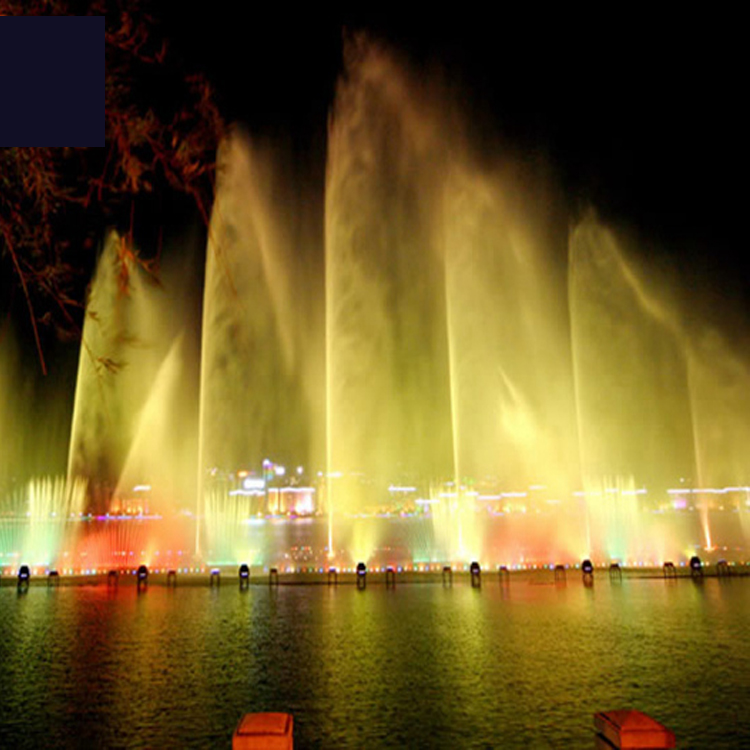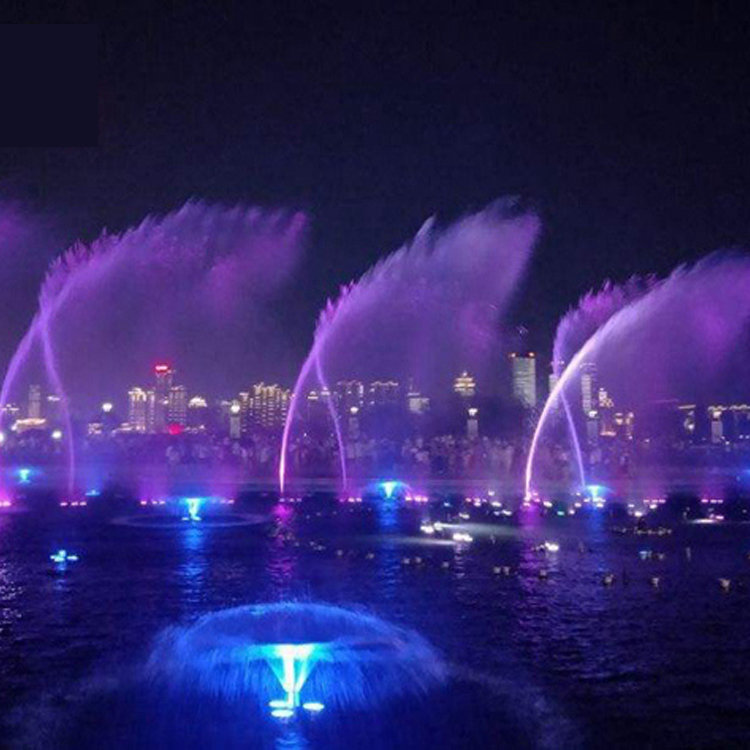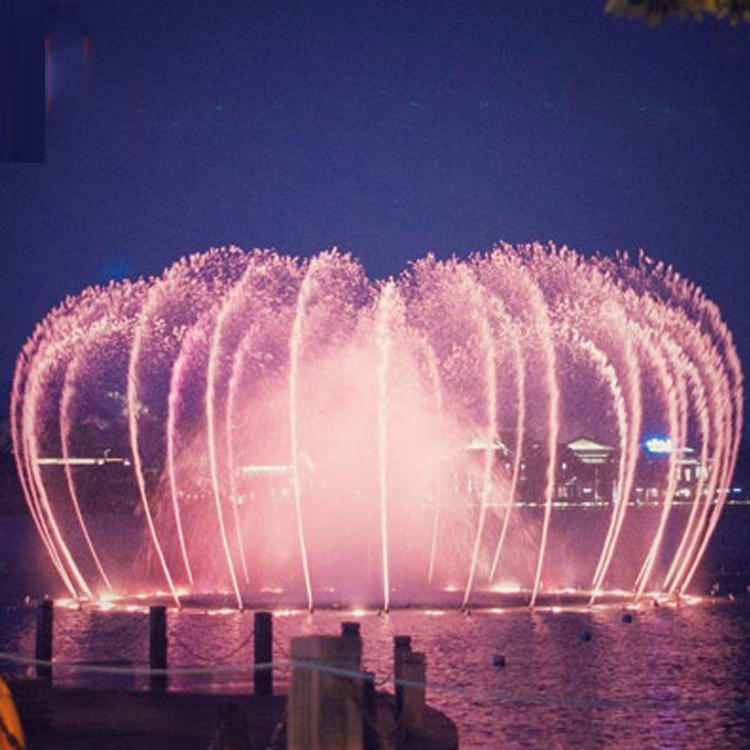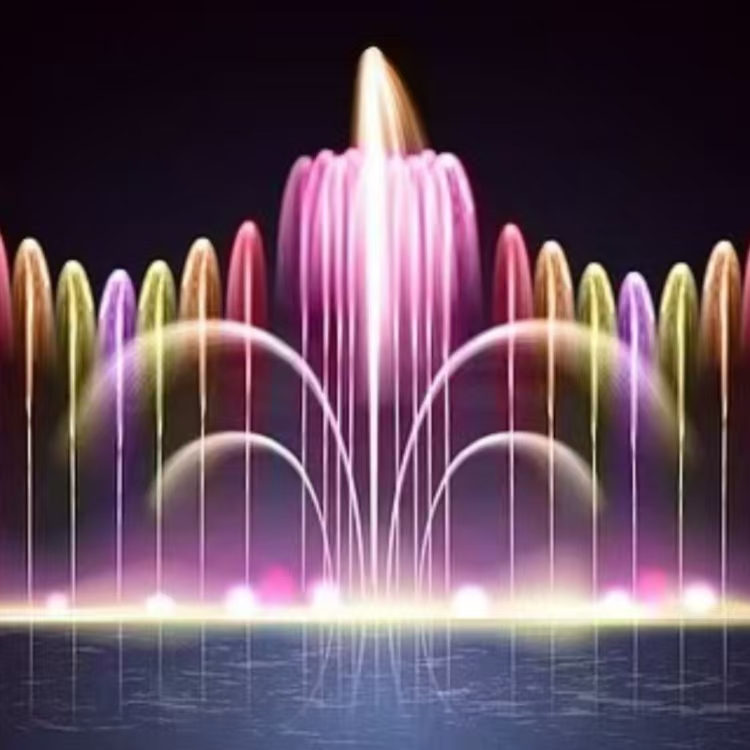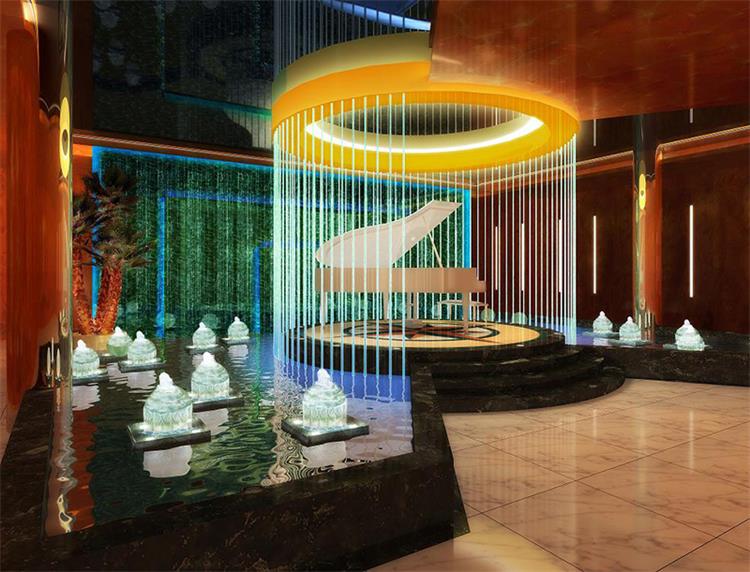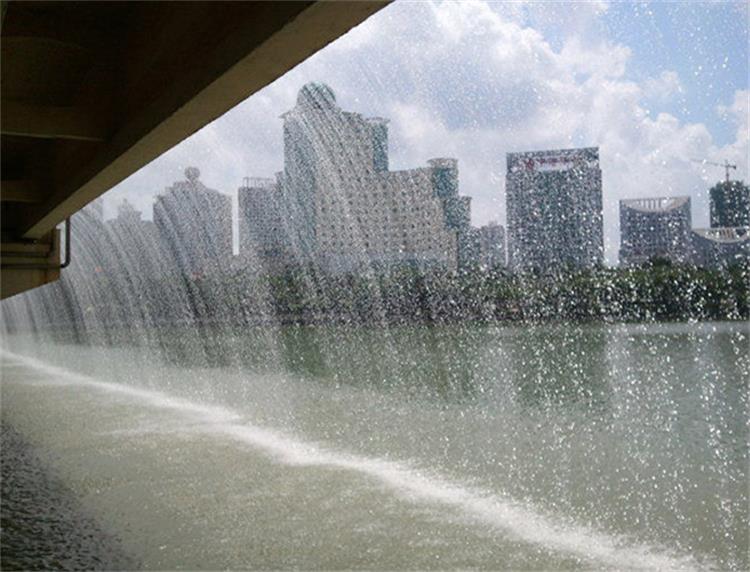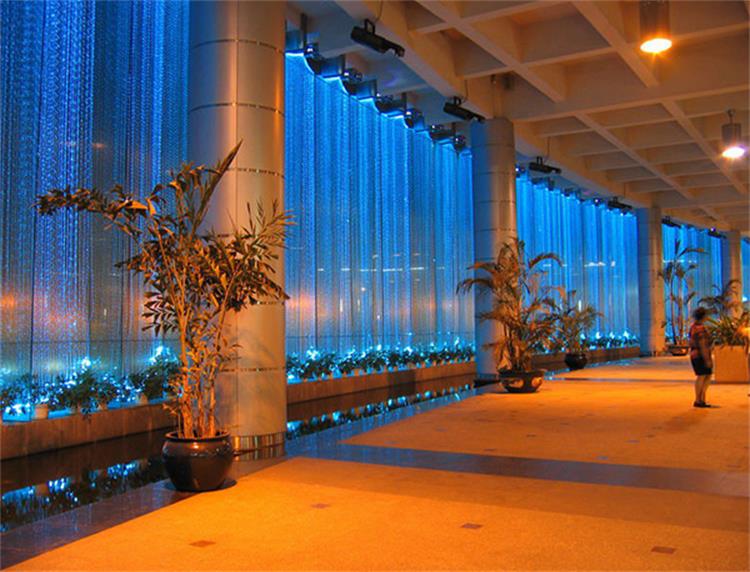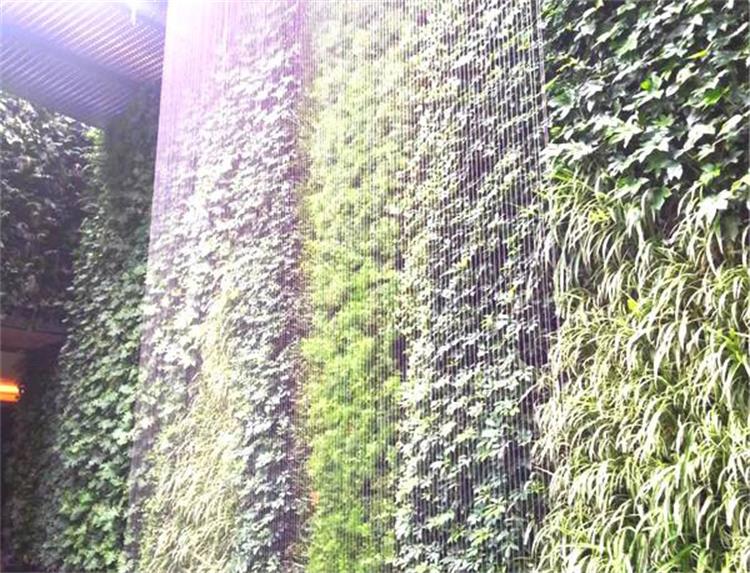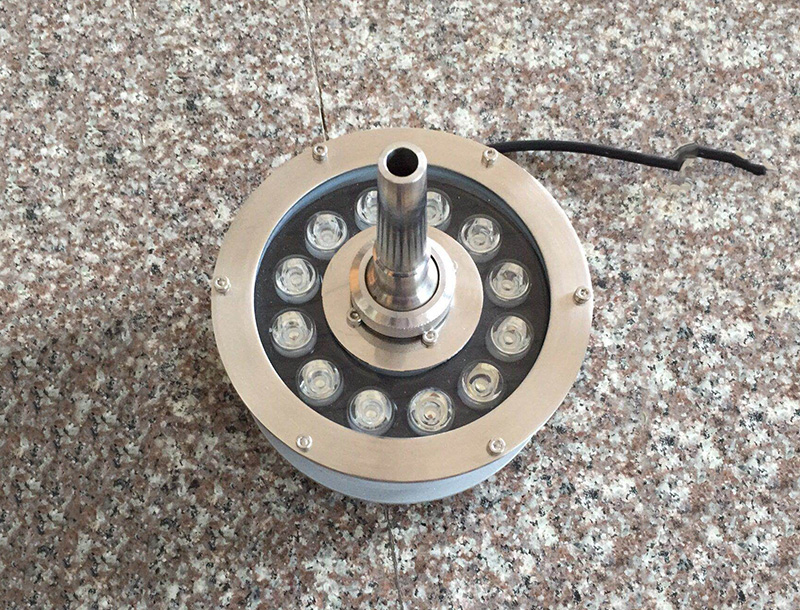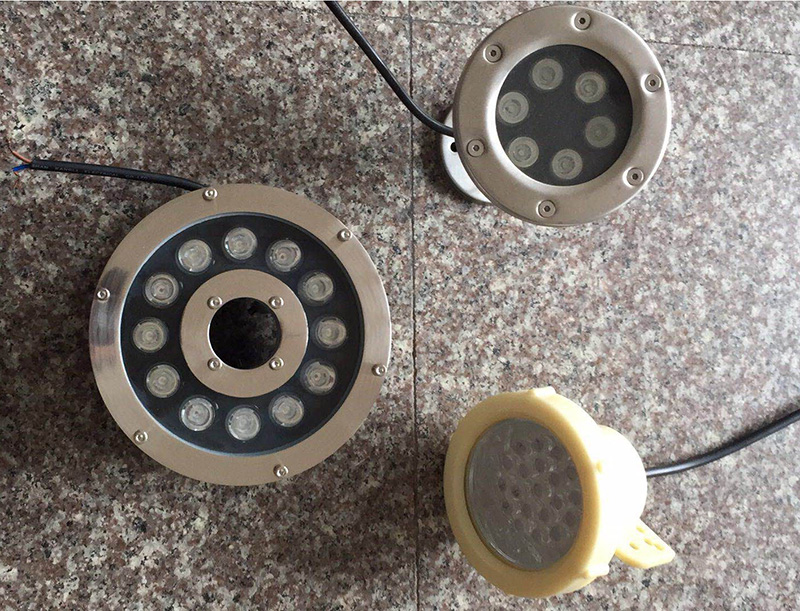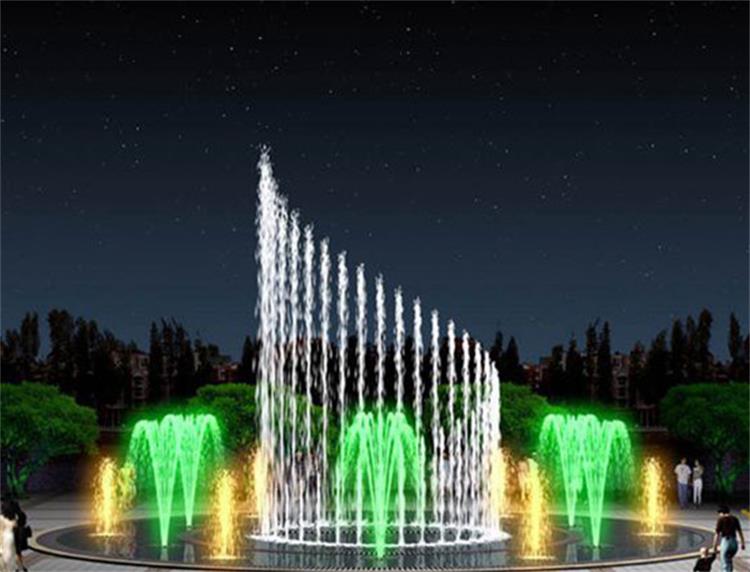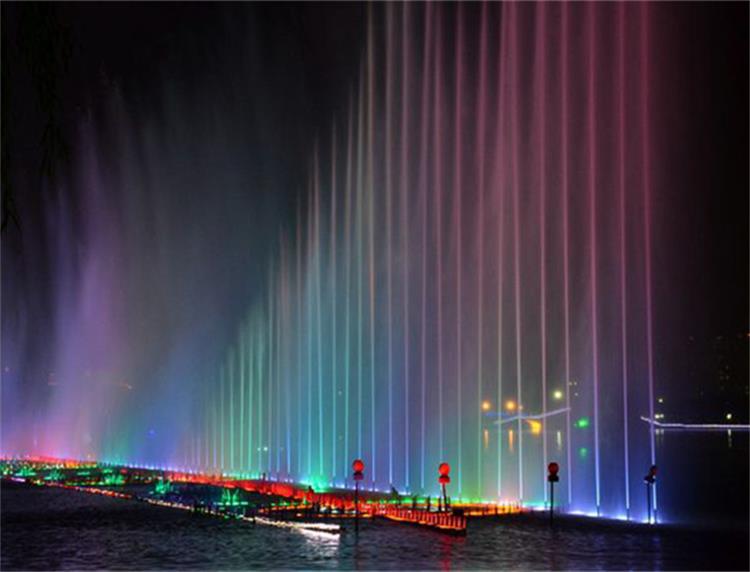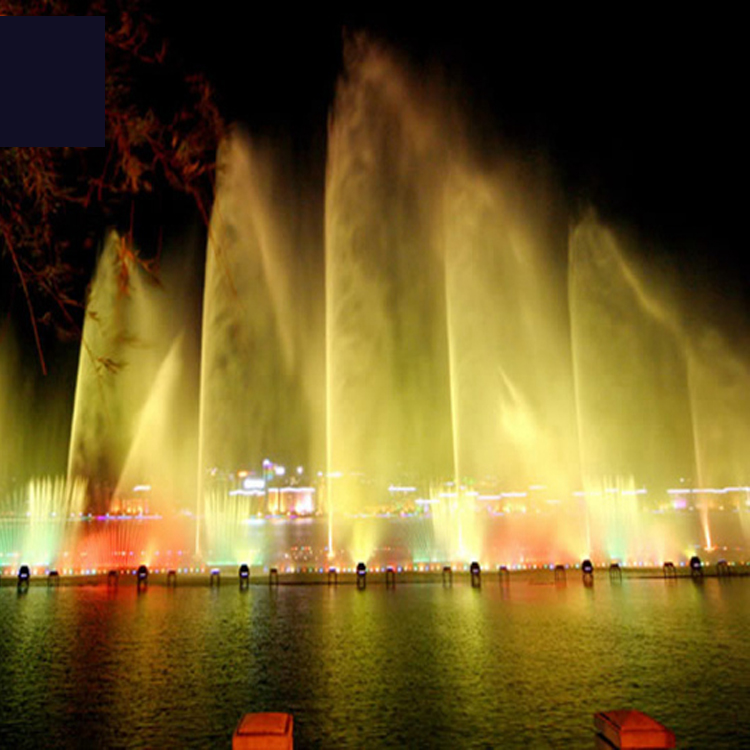


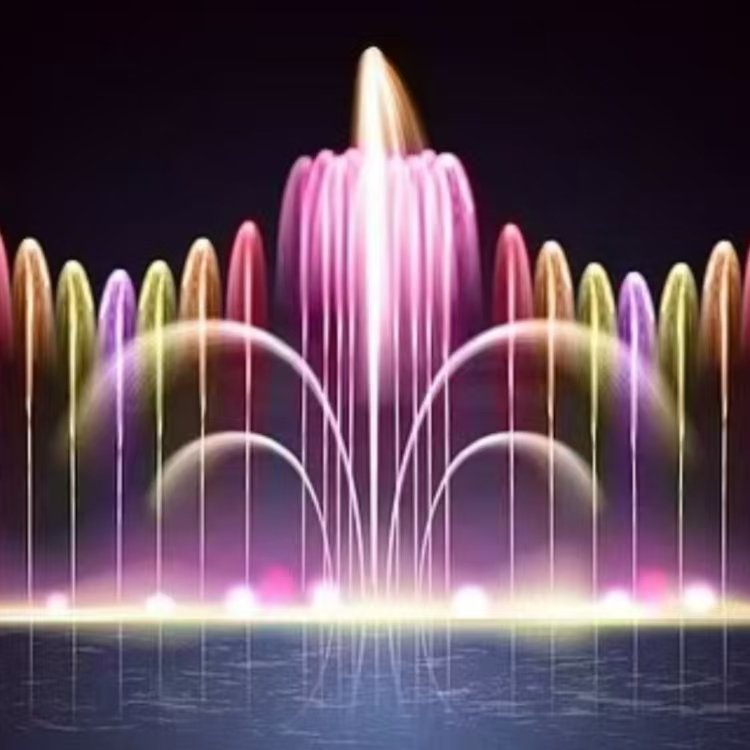
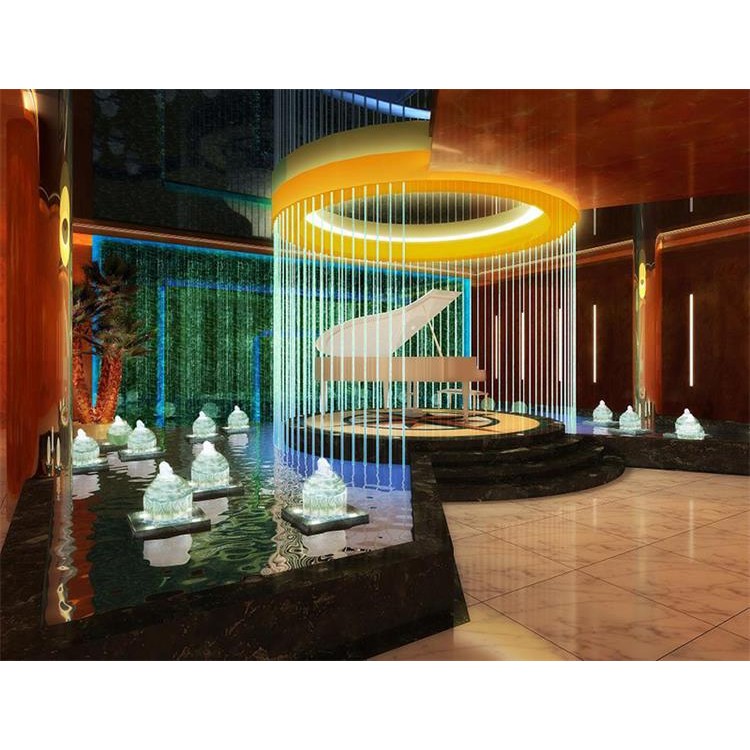
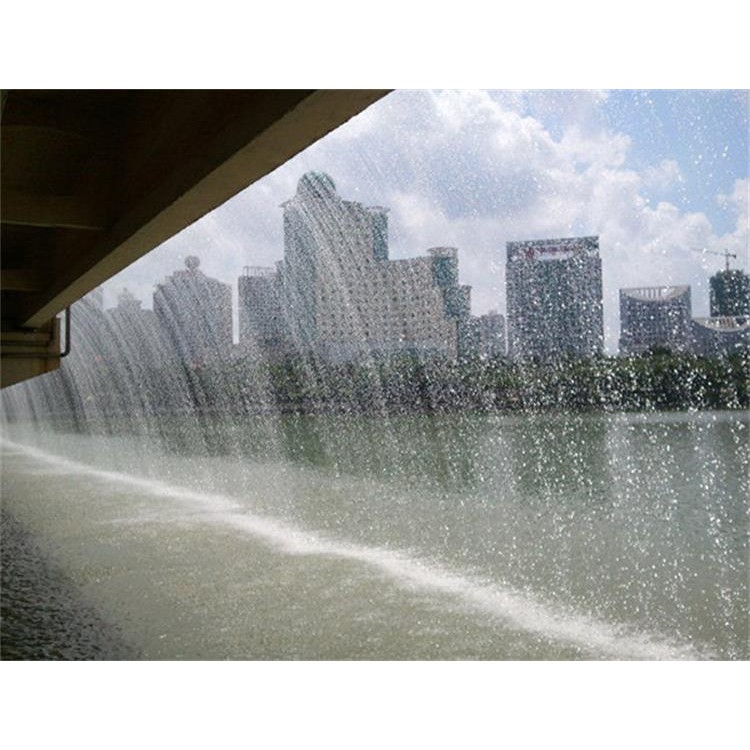
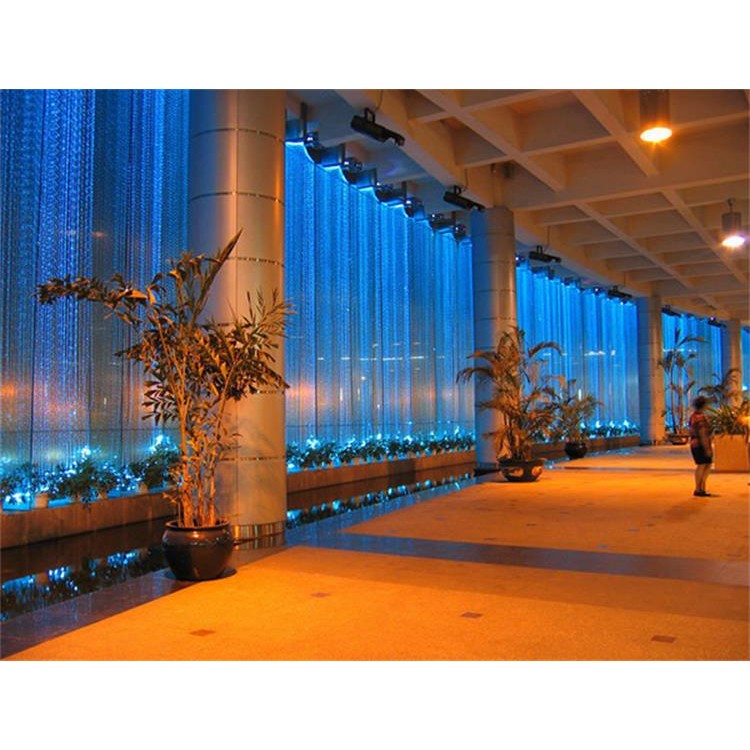
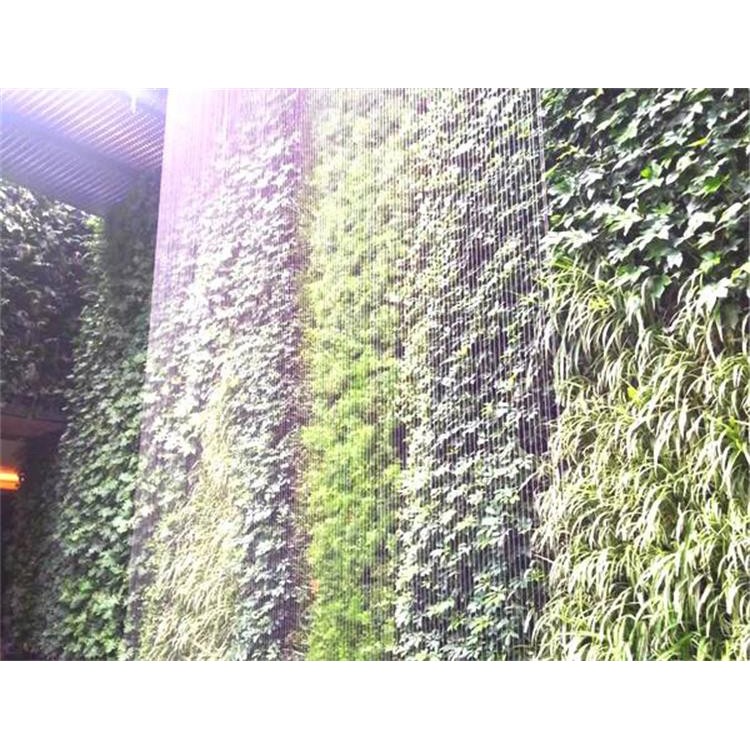





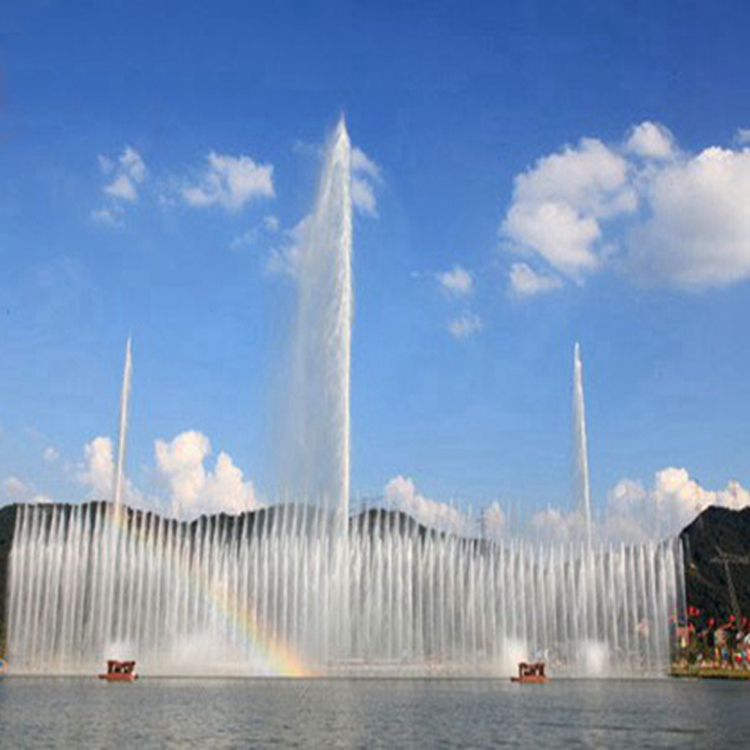
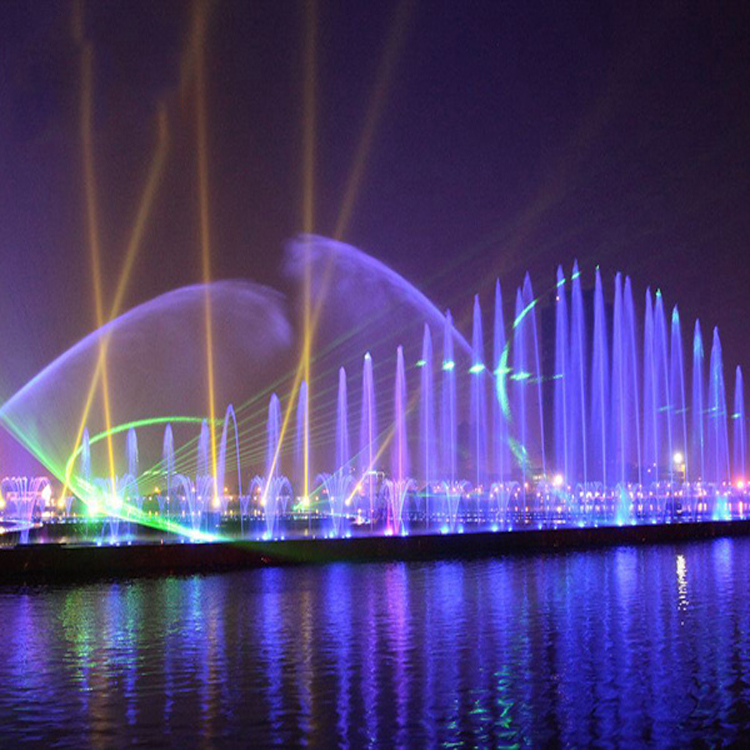
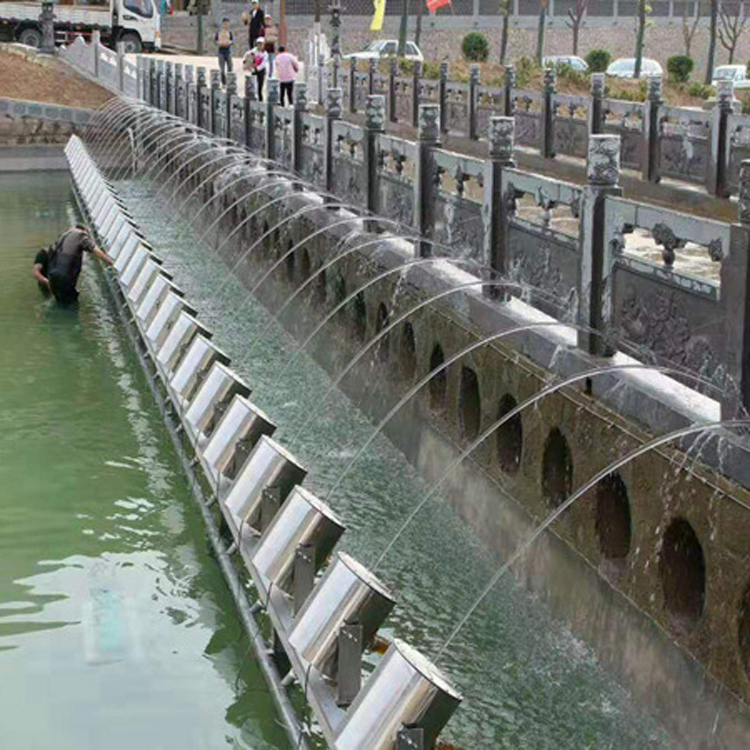

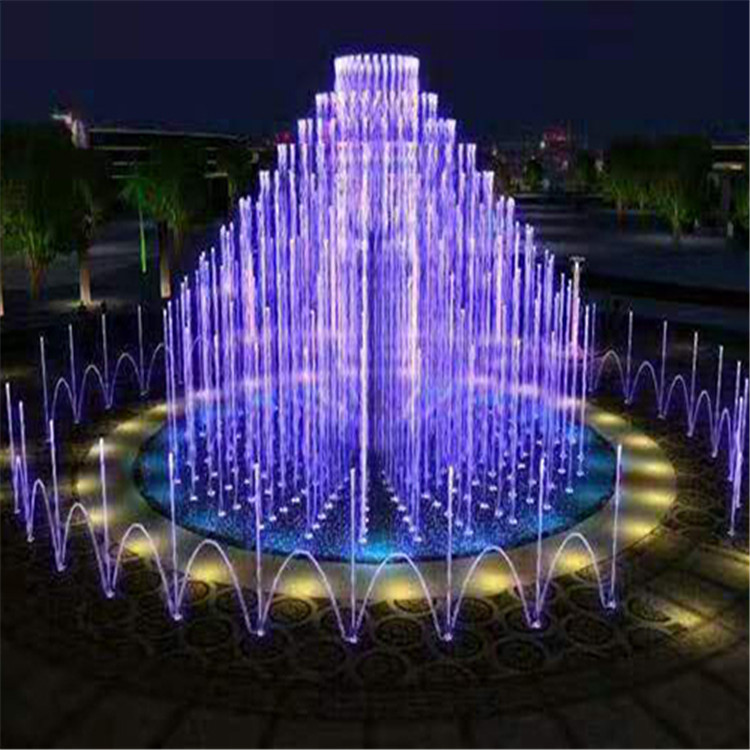
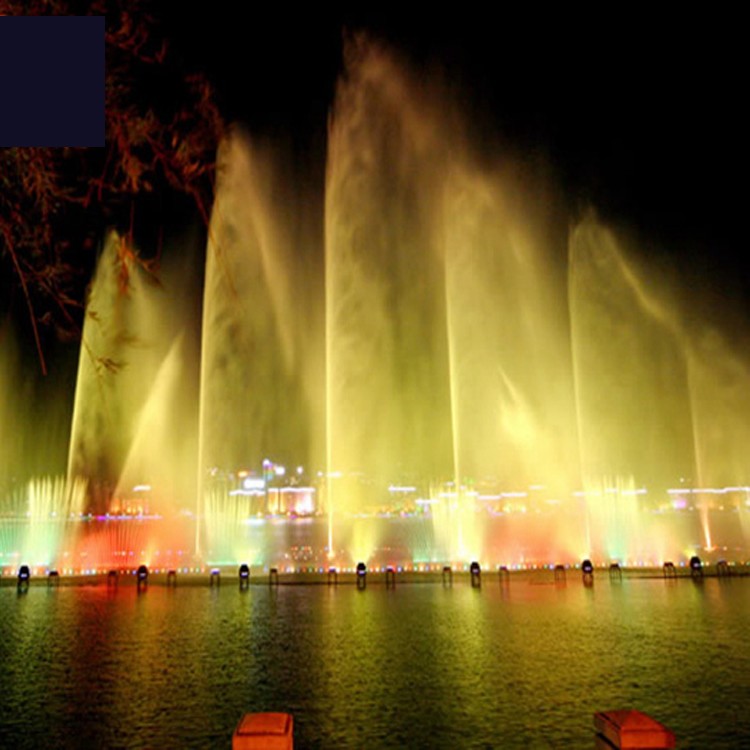
Fountain, referring to water that gushes up from the ground, specifically artificial water-spraying equipment. A fountain is a combination of water or other liquids, shaped by pressure through a nozzle. The water pressure is typically provided by a pump. Fountain landscapes can be broadly categorized into two types: those that are designed to fit the local terrain and structure, mimicking natural water scenes, and those that rely entirely on artificial fountain equipment for the scenery. Fountains are constructed by humans, either in shaped or natural pools, featuring beautiful water sprays for public viewing. They are significant landscape features, a form of water art that combines motion and stillness to create a bright and lively atmosphere, offering a sensory pleasure.
Principle
The principle of the fountain is based on the conservation of momentum. As water flows from a large-radius pipe to a smaller-radius pipe, a change in velocity occurs, propelling it upwards against the ground. The velocity in the large radius is driven by the pump, while in the smaller radius, it is the original velocity, along with the conversion velocity of momentum. One must select a differential element to calculate the conservation of momentum, which allows for determining a velocity that is the exit velocity. Following this, it becomes an upward抛 motion; this is an ideal scenario with no friction or wind.