















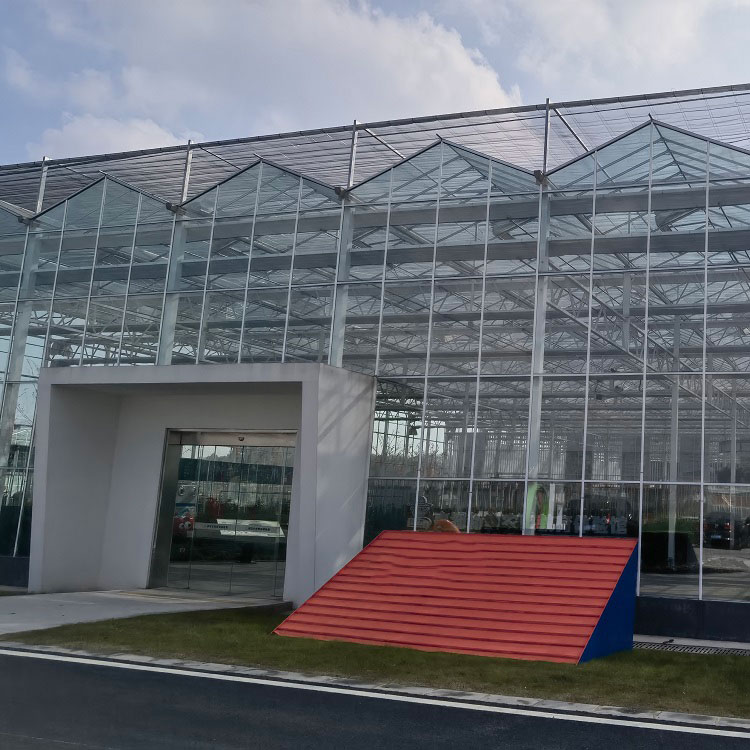
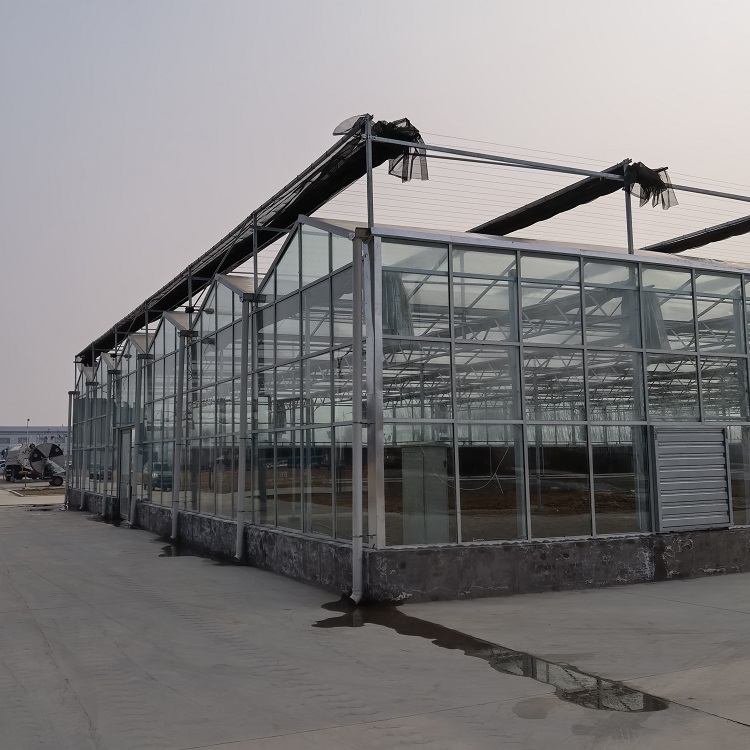
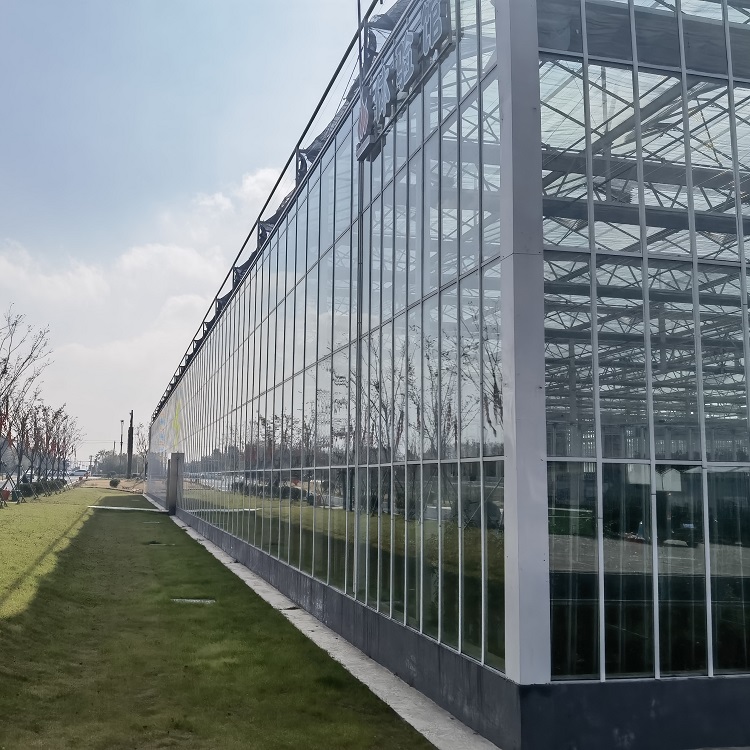
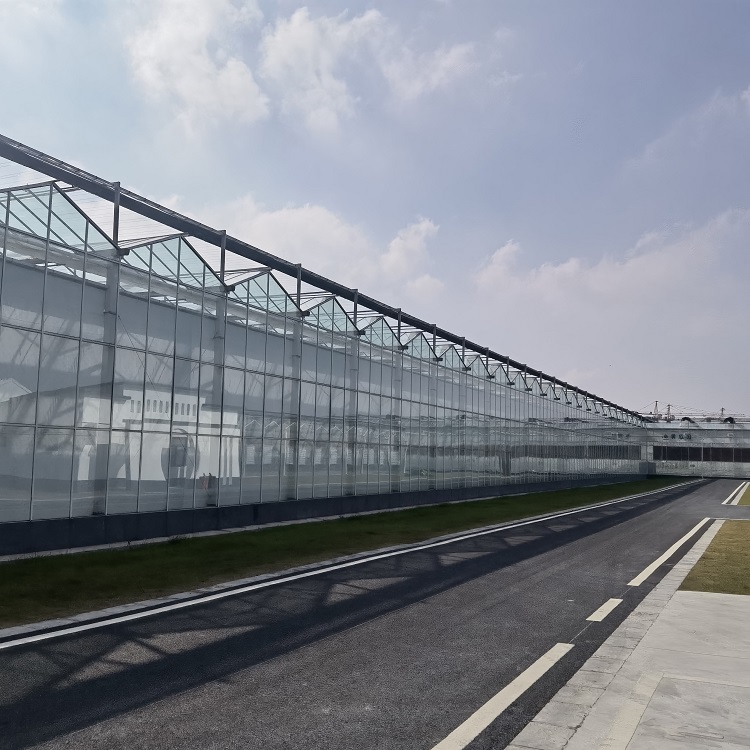
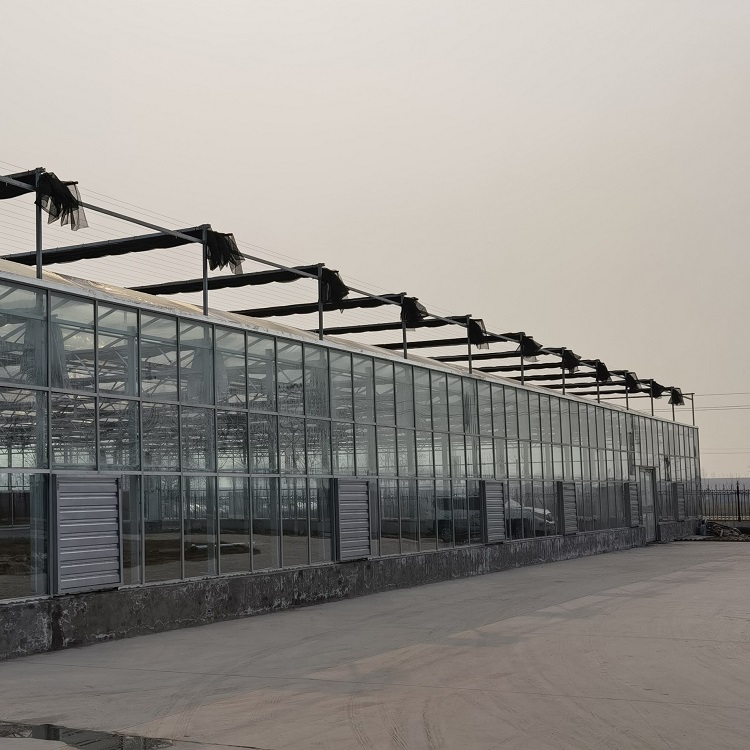
Glass greenhouses are actually light-transmitting structures, so this is a factor that needs to be considered. Ensuring that glass greenhouses have good light transmission is an important criterion for evaluating them. Greenhouses must also pay attention to their thermal insulation performance. How can we enhance the thermal insulation of the greenhouse and reduce its energy consumption? This is where the thermal insulation performance of the greenhouse comes into play. The thermal insulation ratio is a basic indicator that is quite important in assessing the greenhouse's thermal insulation performance.
The construction of glass greenhouses must also consider their durability. The durability of greenhouses mainly refers to their resistance to aging in later stages and the load-bearing capacity of the main structure. The quality of the light-transmitting material is not only reflected in its strength but also in the degradation of its light transmission rate over time. The degree of attenuation of the light transmission rate directly affects the service life of the material. Moreover, as greenhouses are often exposed to high temperatures and humidity for extended periods, anti-corrosion measures are also necessary.
Advantages of Glass Greenhouses:
Large glazed area, even lighting
Long-lasting and high-intensity use
③ Strong corrosion and flame-retardant properties
④ Over 90% light transmission, without degradation over time

















