






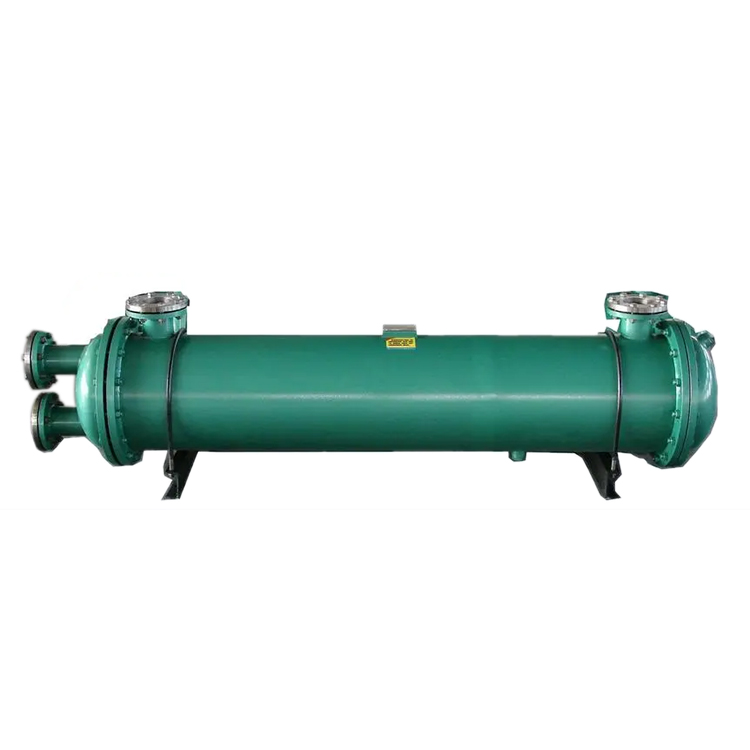
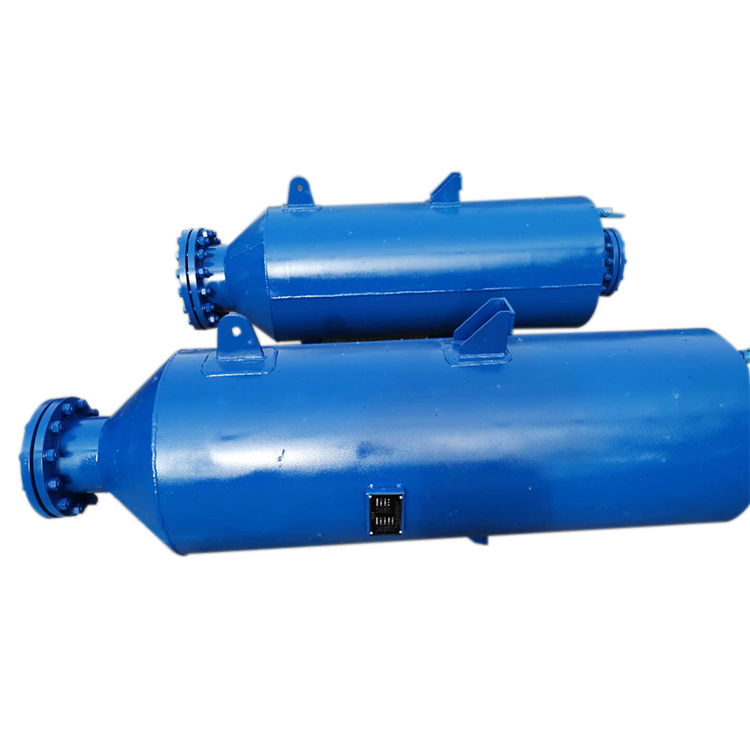
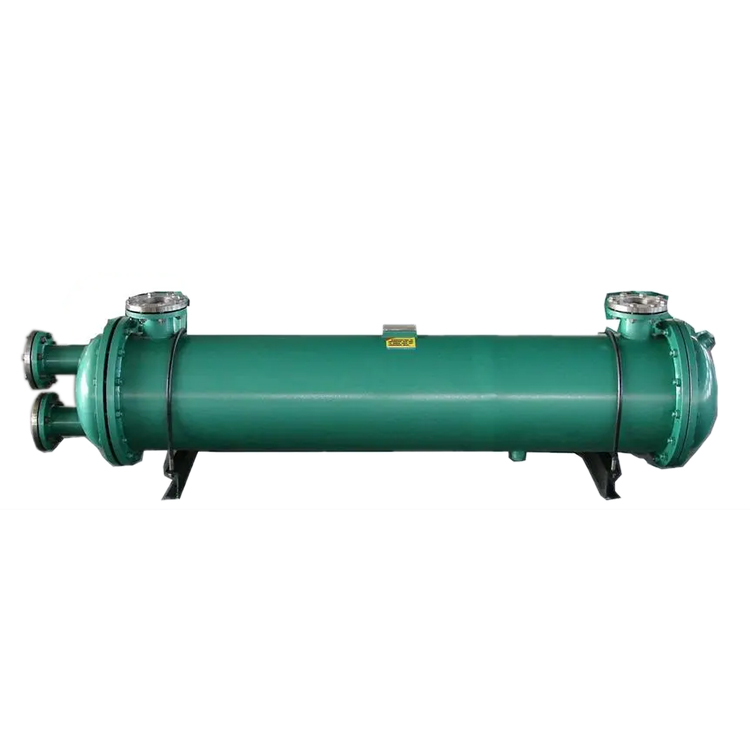
Product Details
I. Definition
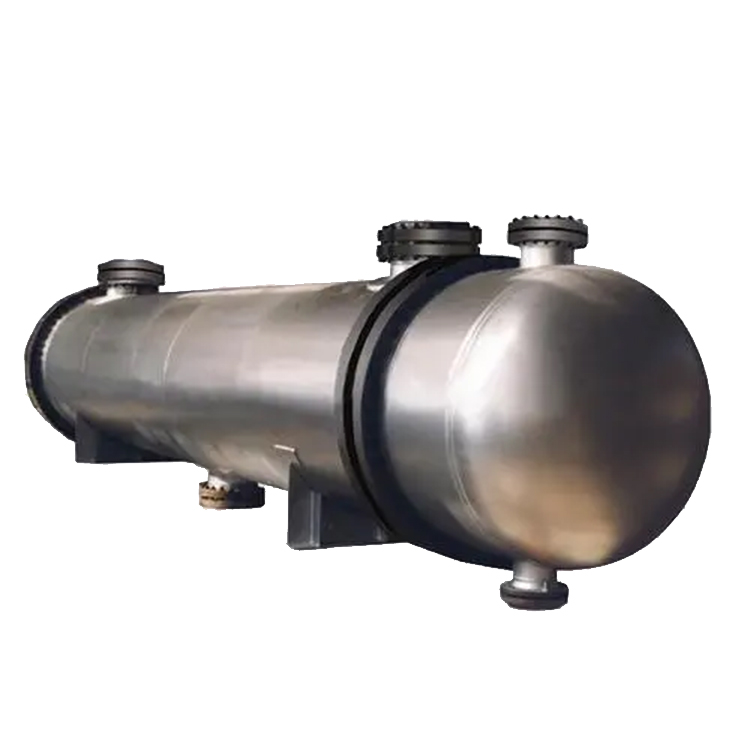
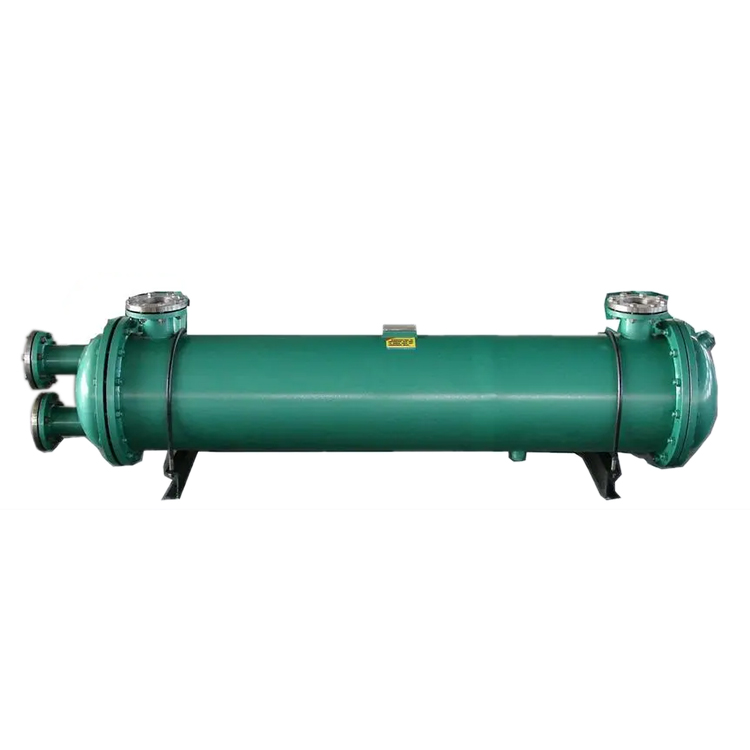
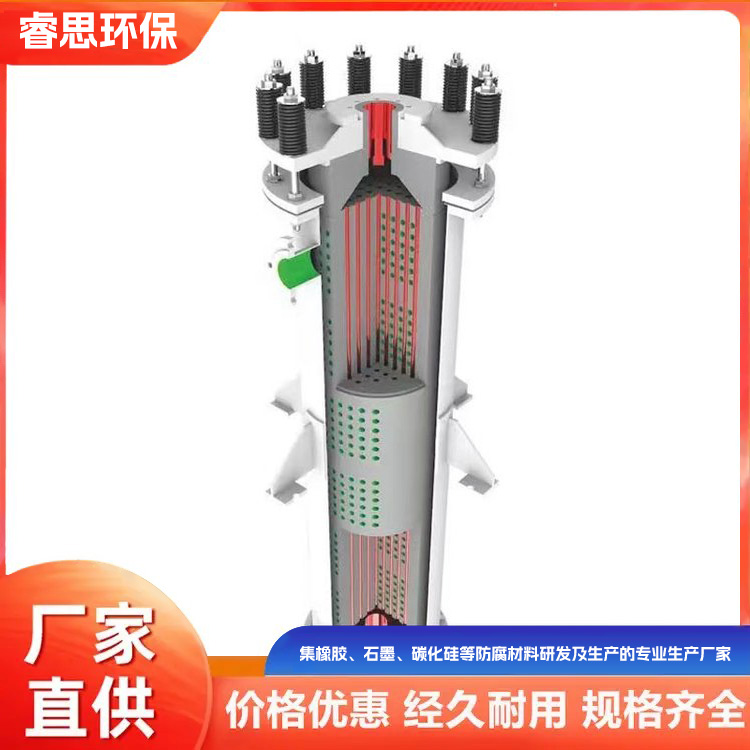
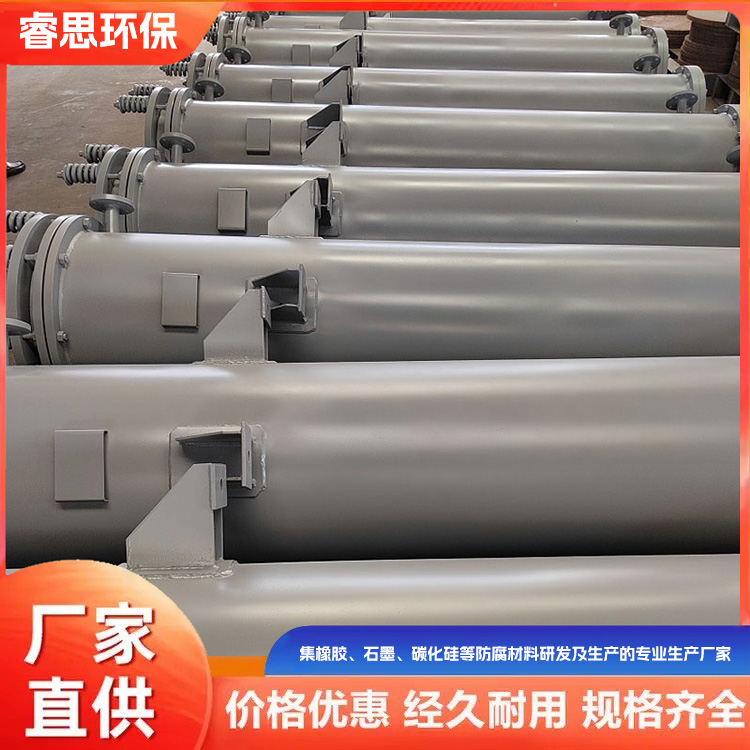
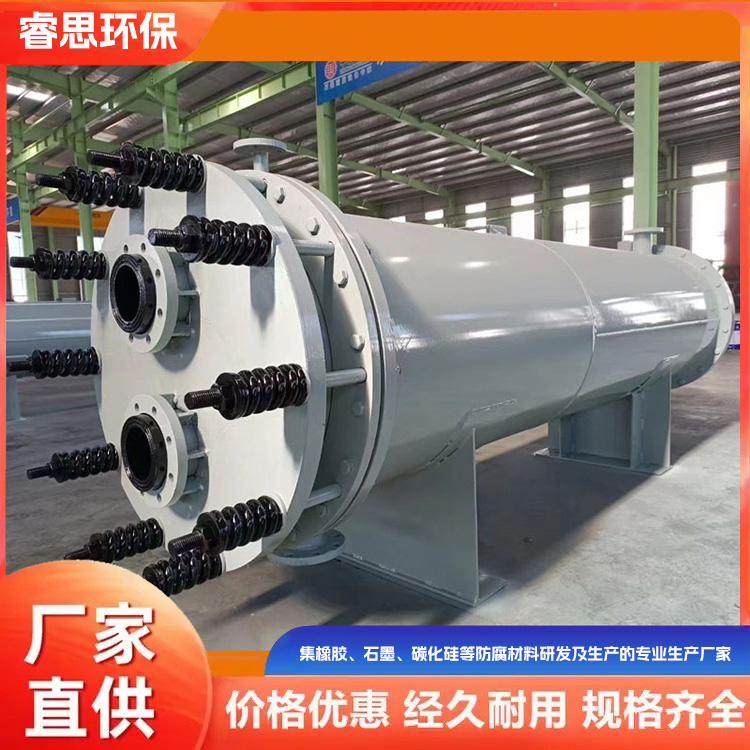
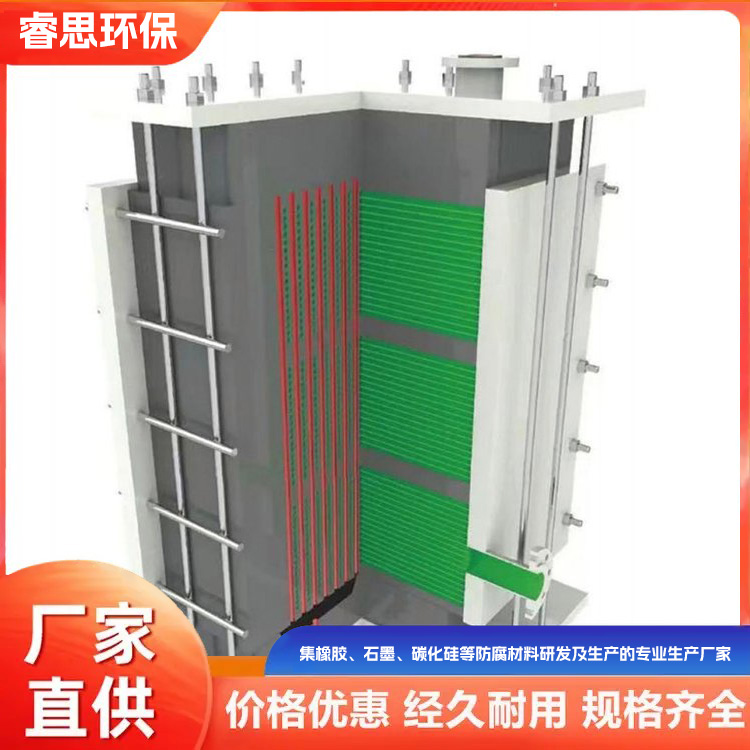
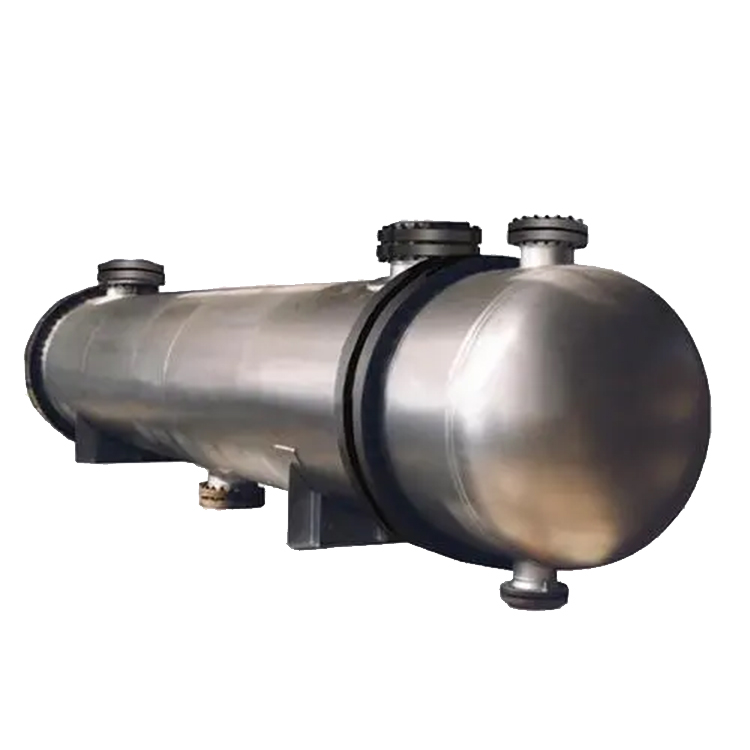
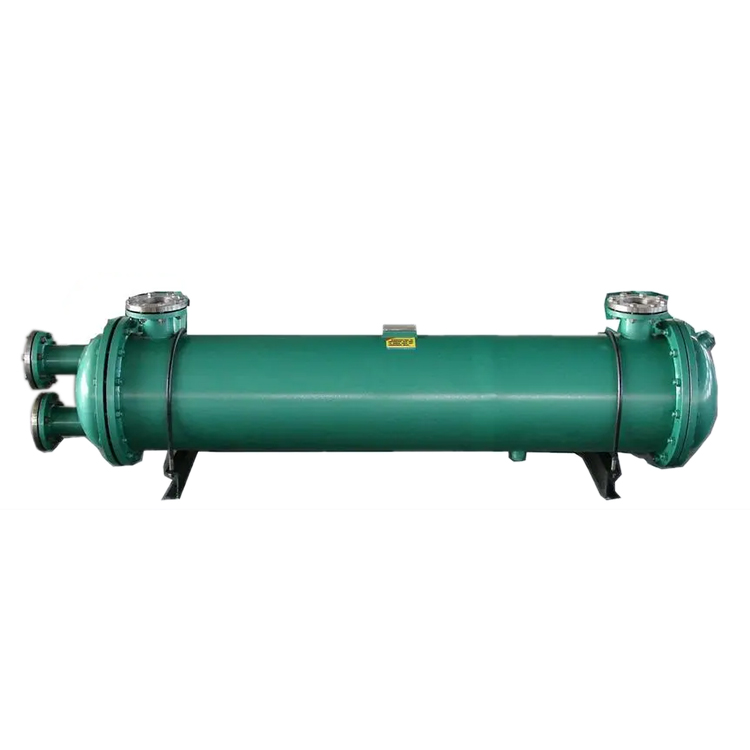
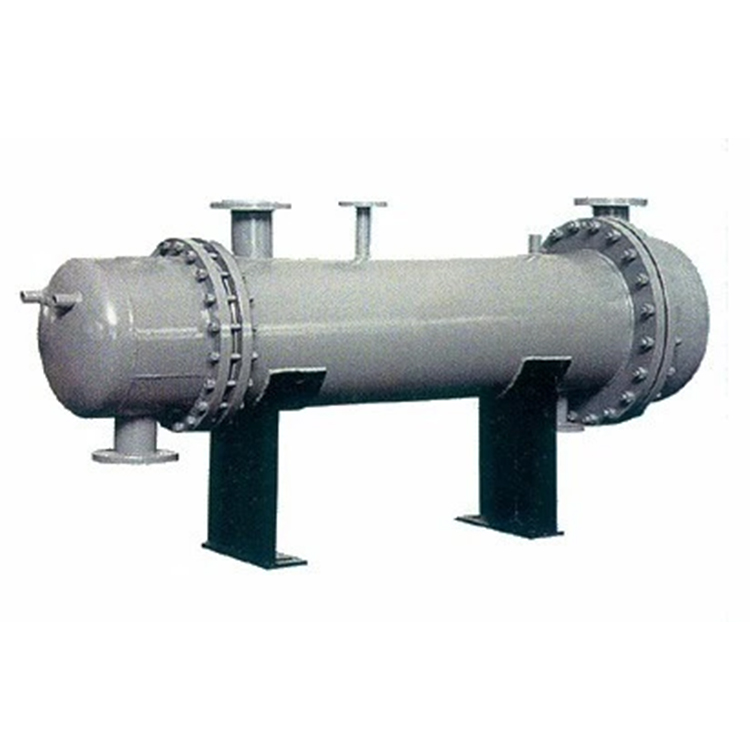
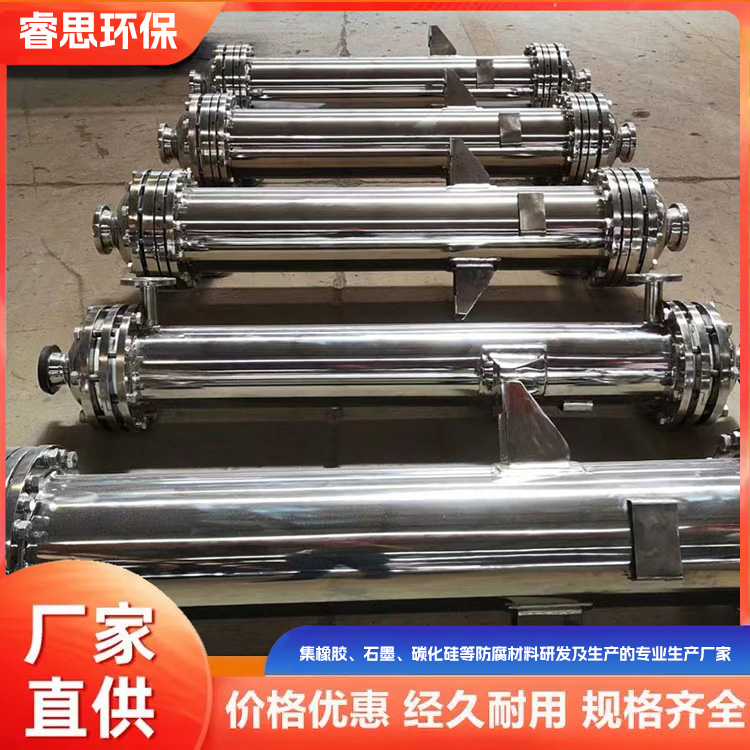
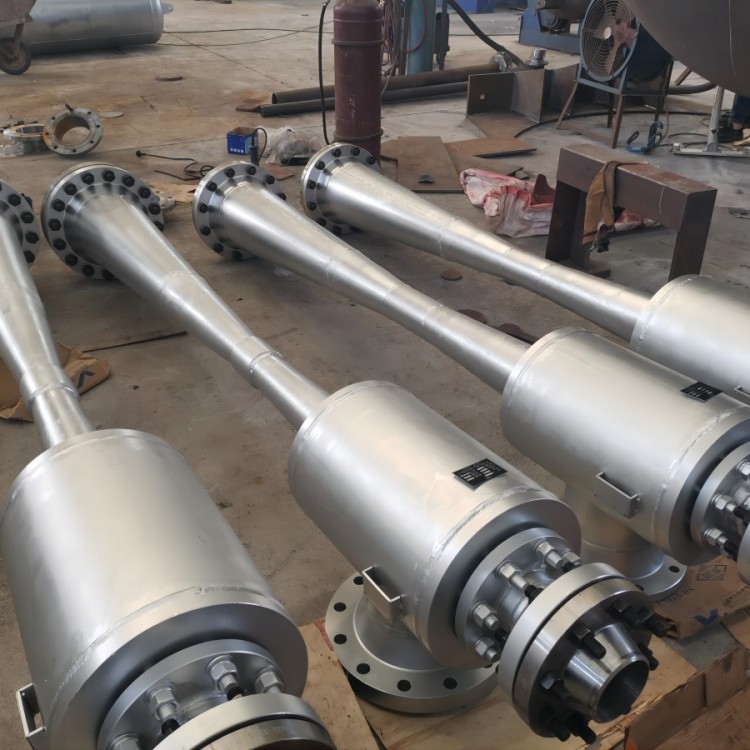
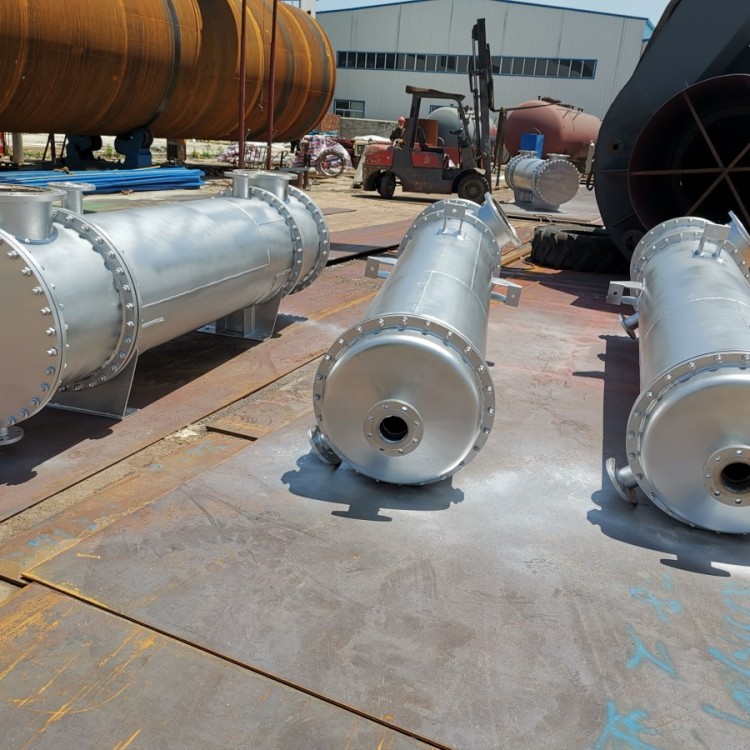
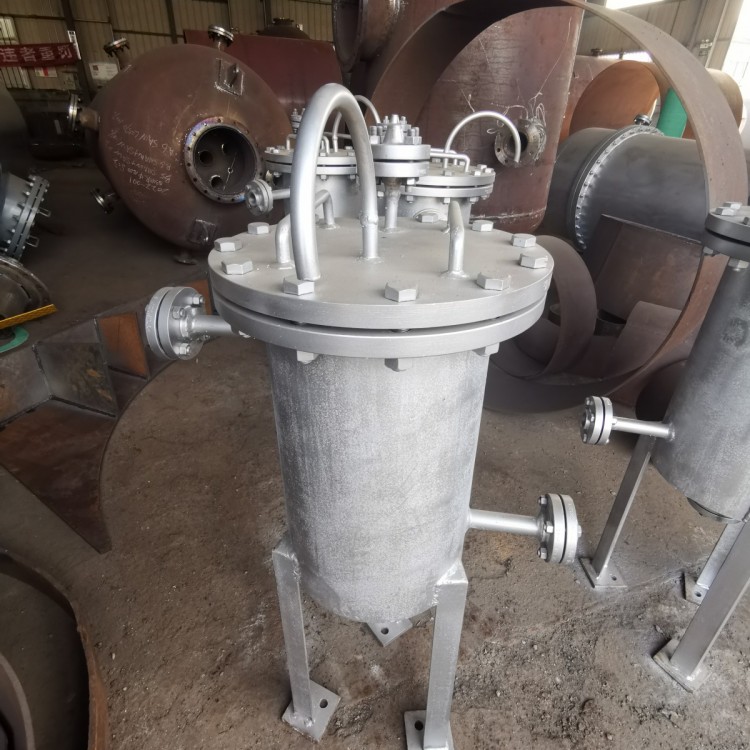
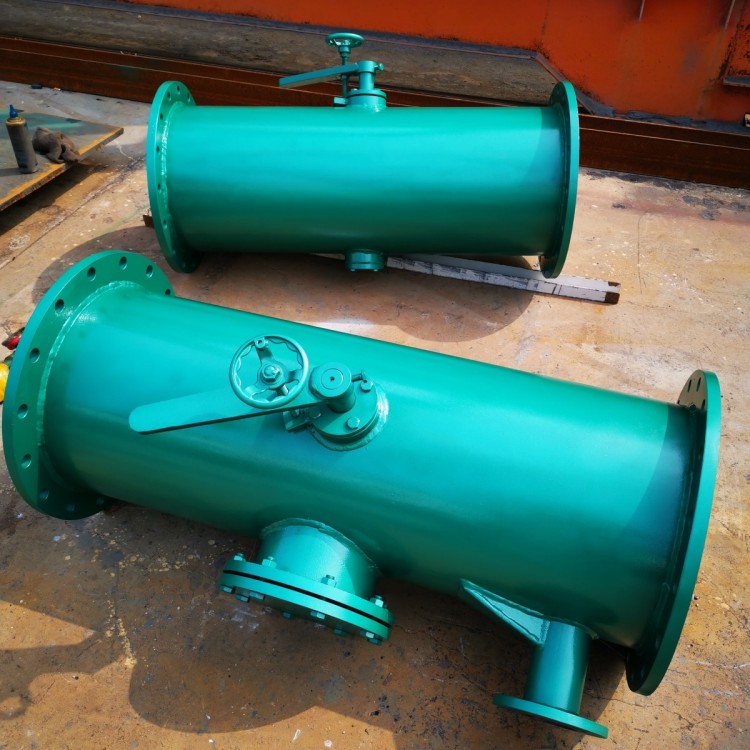
Heat exchangers, also known as heat exchange devices, transfer a portion of the heat from a hot fluid to a cold fluid. They play a crucial role in chemical, oil, power, food, and many other industrial production processes. In chemical production, heat exchangers can function as heaters, coolers, condensers, evaporators, and reboilers, with a wide range of applications.
II. Classified by Heat Transfer Principle
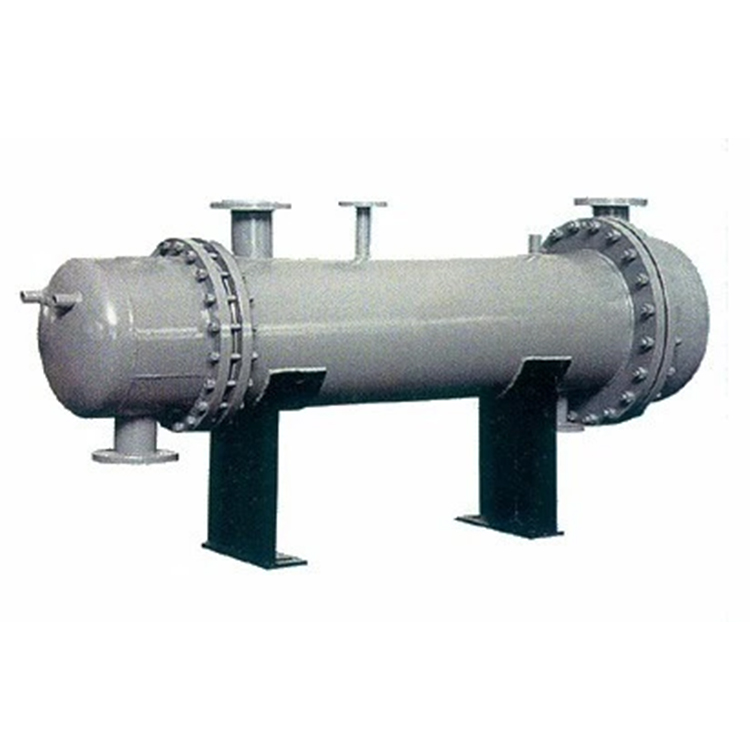
1. Shell-and-tube Heat Exchangers - Shell-and-tube heat exchangers involve two fluids of different temperatures flowing in separated spaces on either side of a wall. Heat exchange occurs between the fluids through the wall's thermal conduction and convection on the wall surface.
2. Regenerative Heat Exchangers - These utilize a solid storage medium to transfer heat from a high-temperature fluid to a low-temperature fluid. The heat medium first heats the solid material to a certain temperature, and then the cold medium is heated through the solid material, achieving the goal of heat transfer.
3. Indirect Fluid-to-Fluid Heat Exchanger - This is a heat exchanger that connects two surface heat exchangers through a circulating heat carrier. The heat carrier circulates between the high-temperature fluid heat exchanger and the low-temperature fluid, absorbing heat from the high-temperature fluid and releasing it to the low-temperature fluid in the heat exchanger.
4. Direct-contact heat exchangers, also known as mixed-flow heat exchangers, are devices where two fluids come into direct contact and mix for heat exchange. Examples include cooling towers and gas condensers.
5. A double-effect heat exchanger that combines both surface-to-surface indirect heat exchange and direct water-to-water mixing heat exchange. Compared to surface-to-surface indirect heat exchange, it offers higher heat exchange efficiency; compared to direct water-to-water mixing heat exchange, it has greater stability and lower equipment noise.
Section 3: Categorized by Usage
1. Heater: A heater raises the temperature of a fluid to the necessary level without causing any phase change in the fluid.
2. The preheater preheats the fluid, providing standard process parameters for the operation.
3. Superheater - Used to superheat fluids (process gas or steam) to a superheated state.
4. Evaporators are used to heat fluids to temperatures above their boiling points, causing them to evaporate. They generally involve a phase change.
IV. By Structure Classification
They can be categorized into: floating head heat exchangers, fixed tube sheet heat exchangers, U-tube plate heat exchangers, plate heat exchangers, and so on.