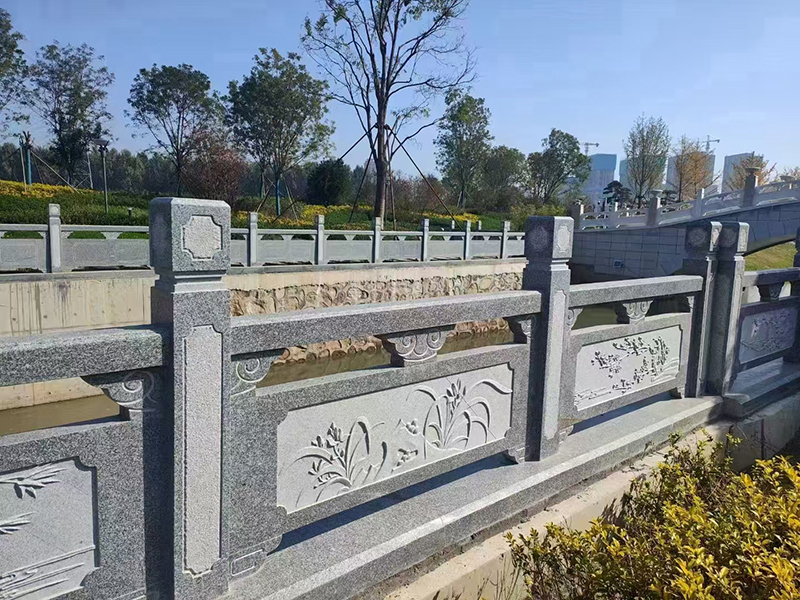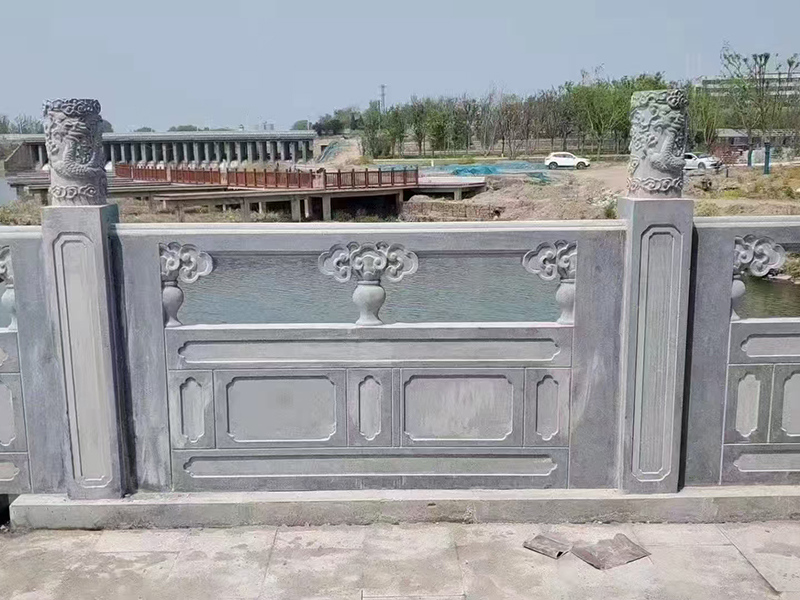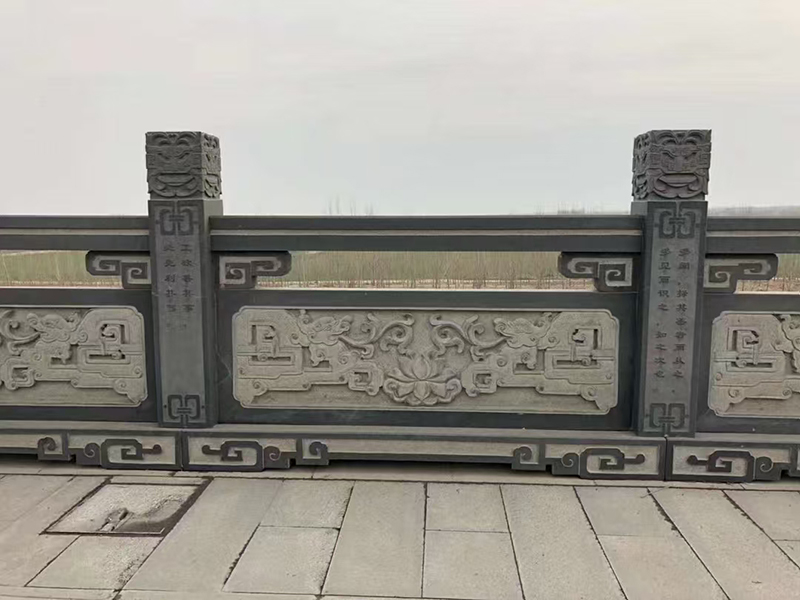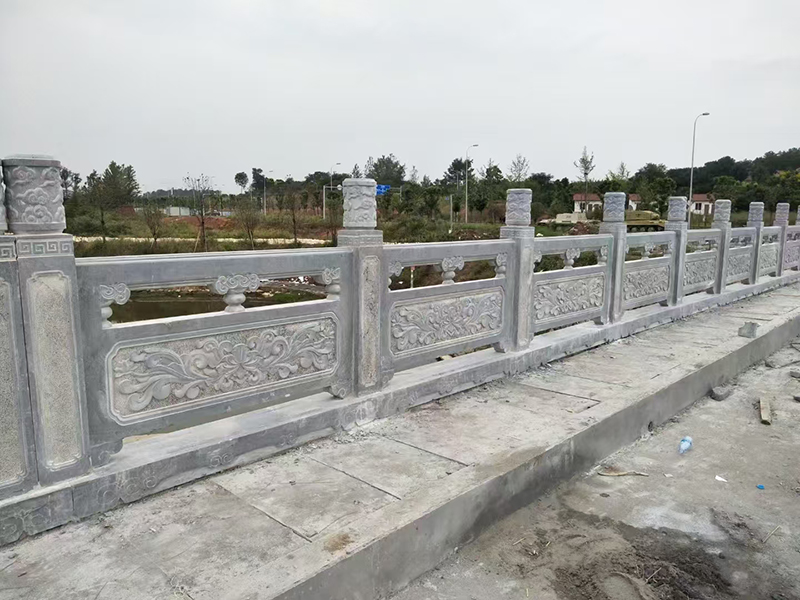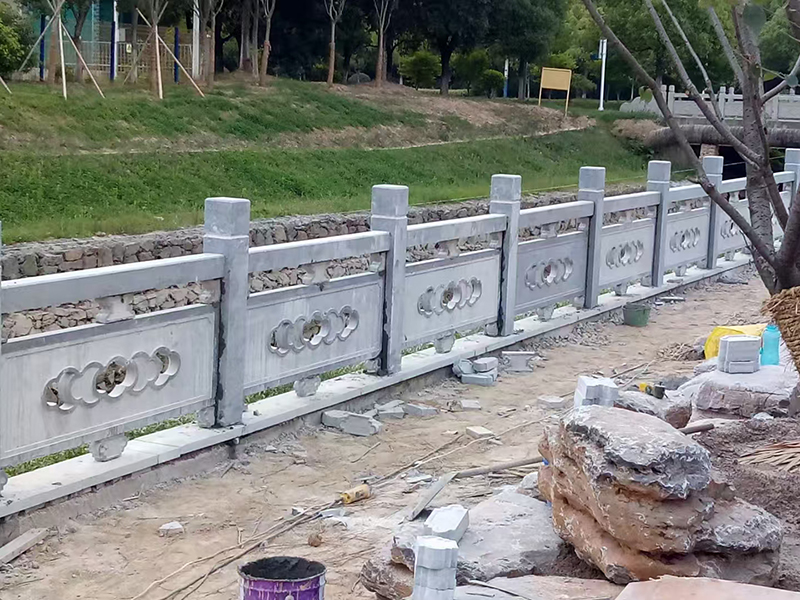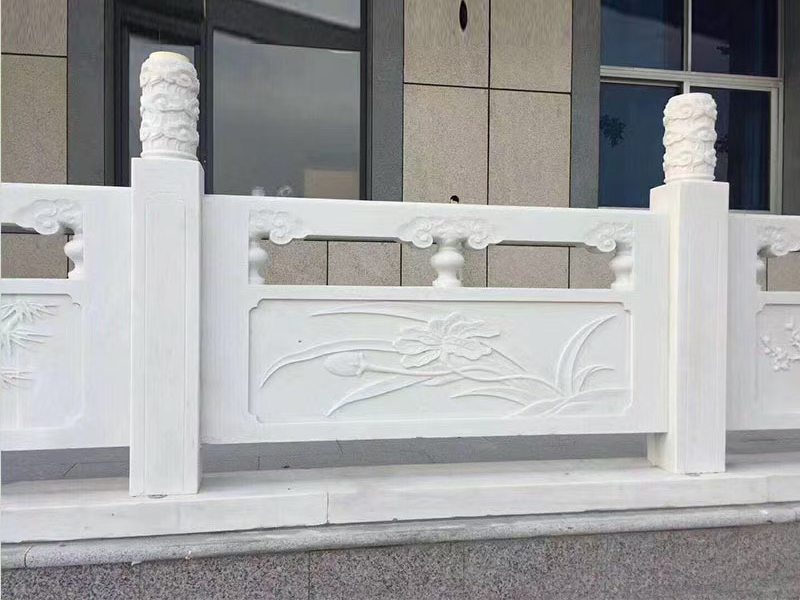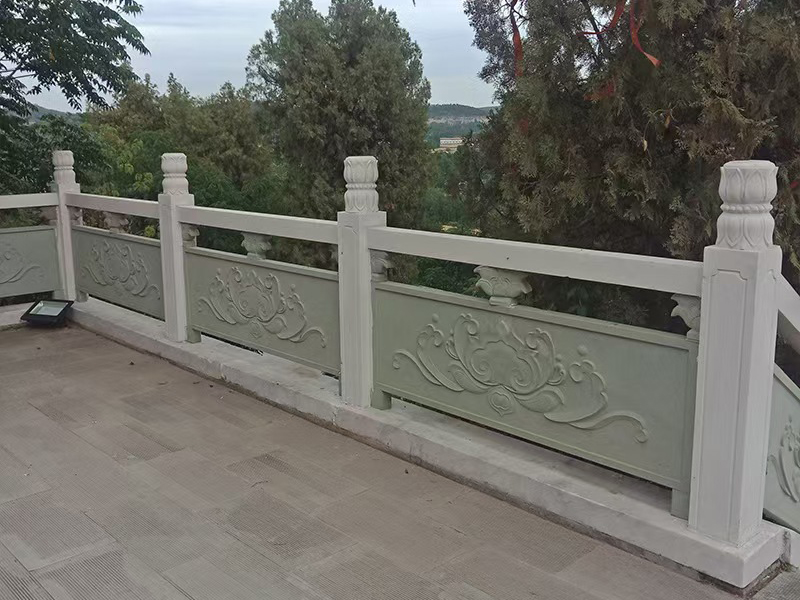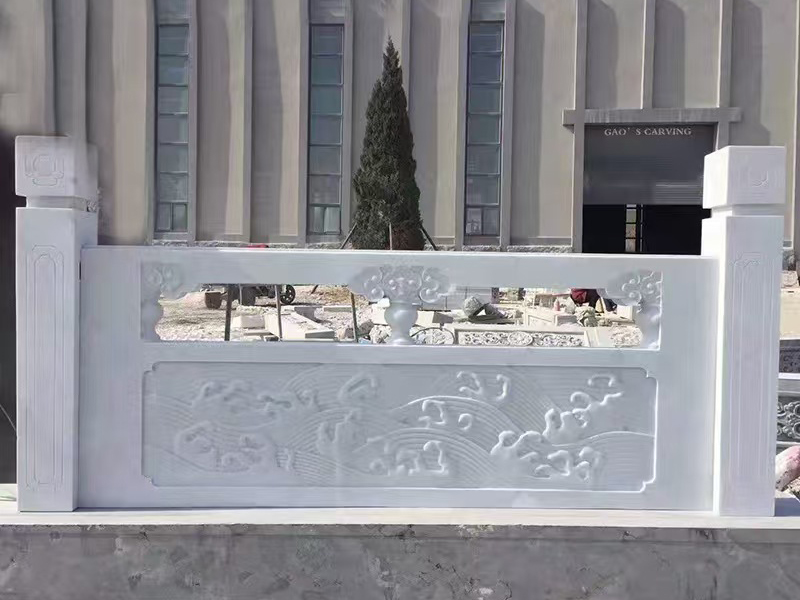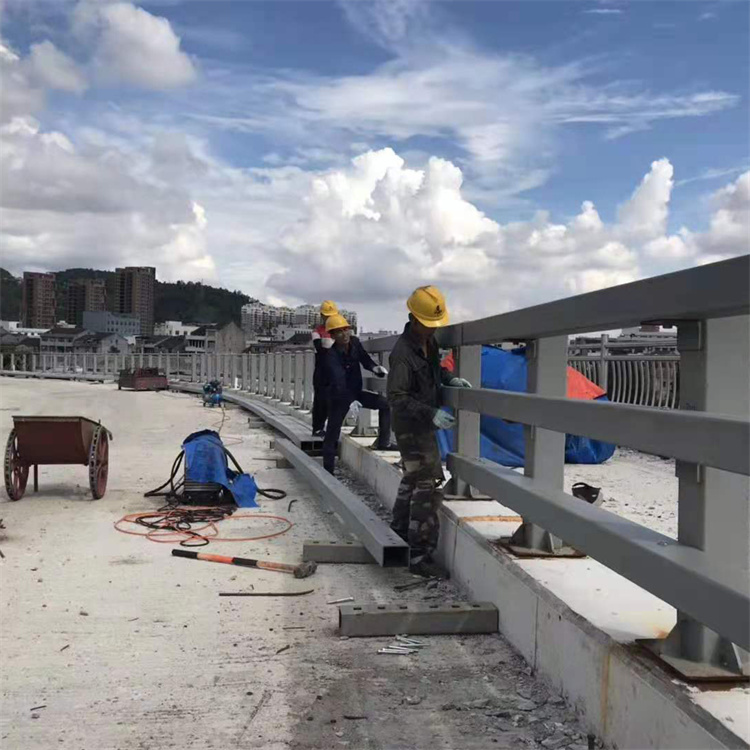

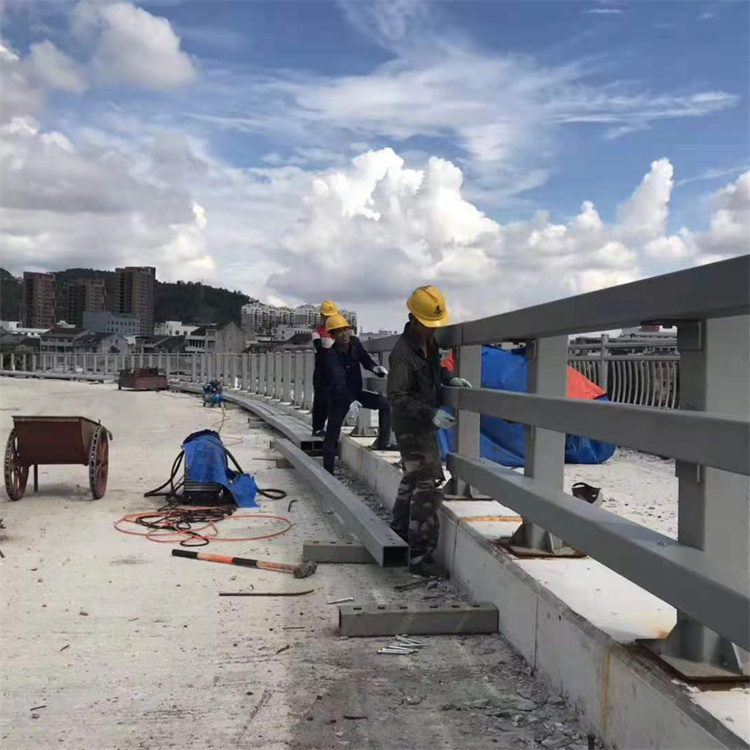
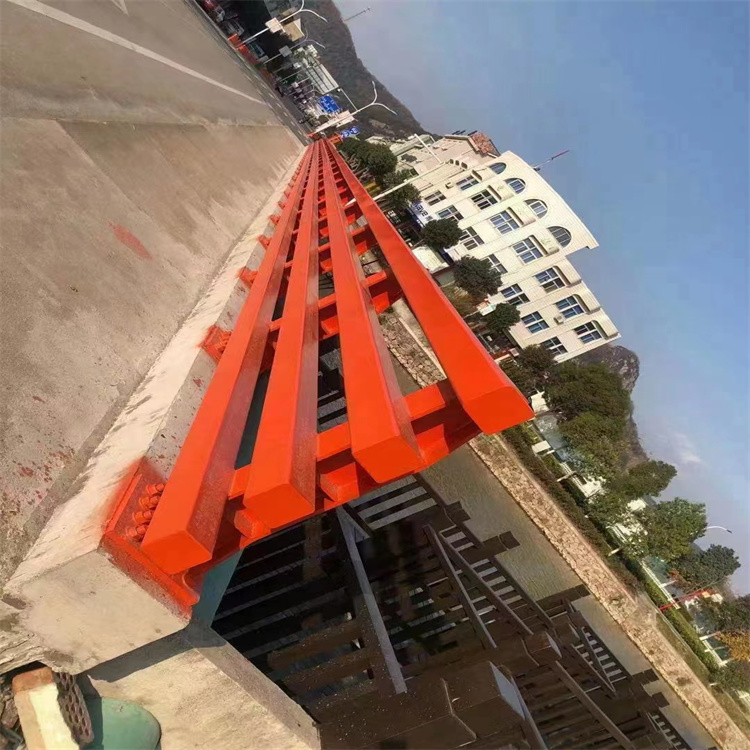
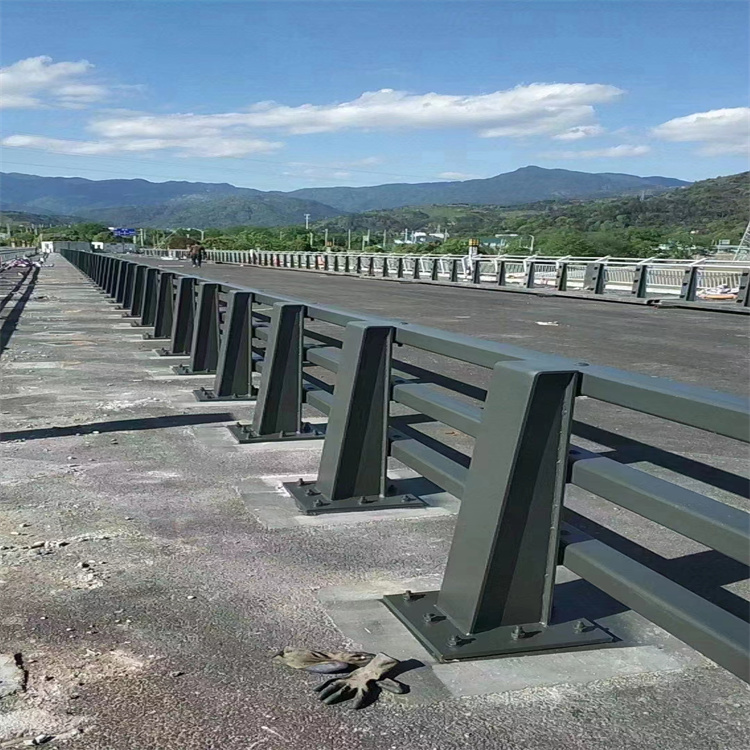


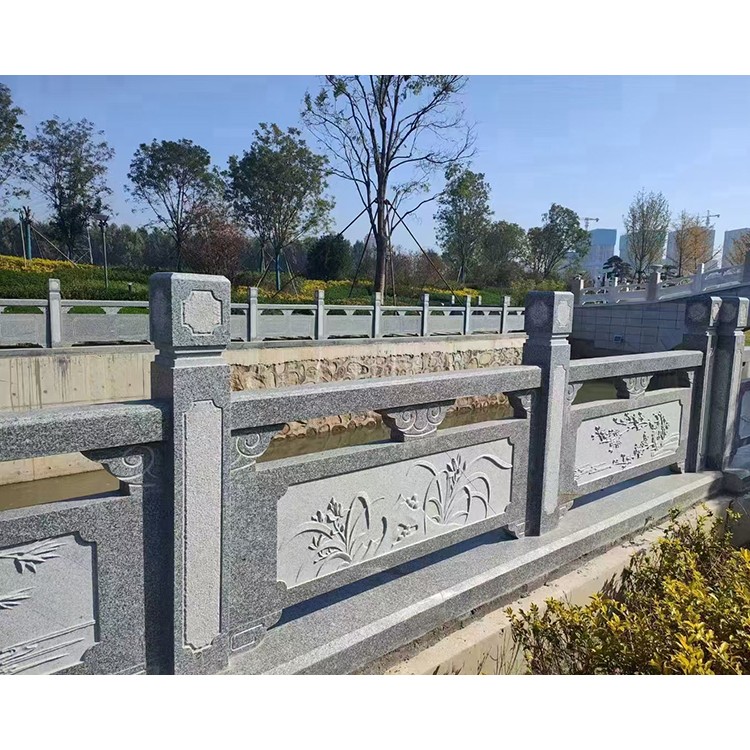

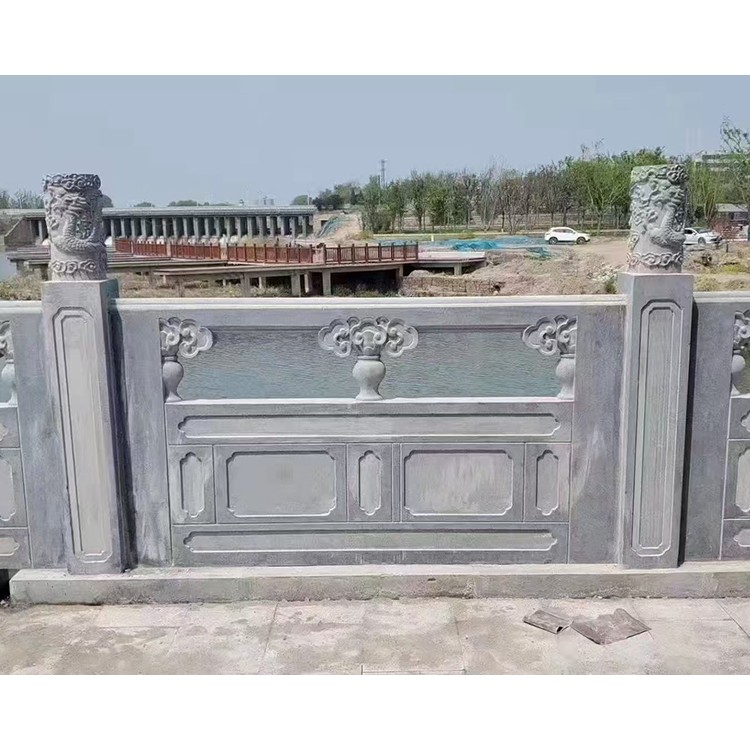
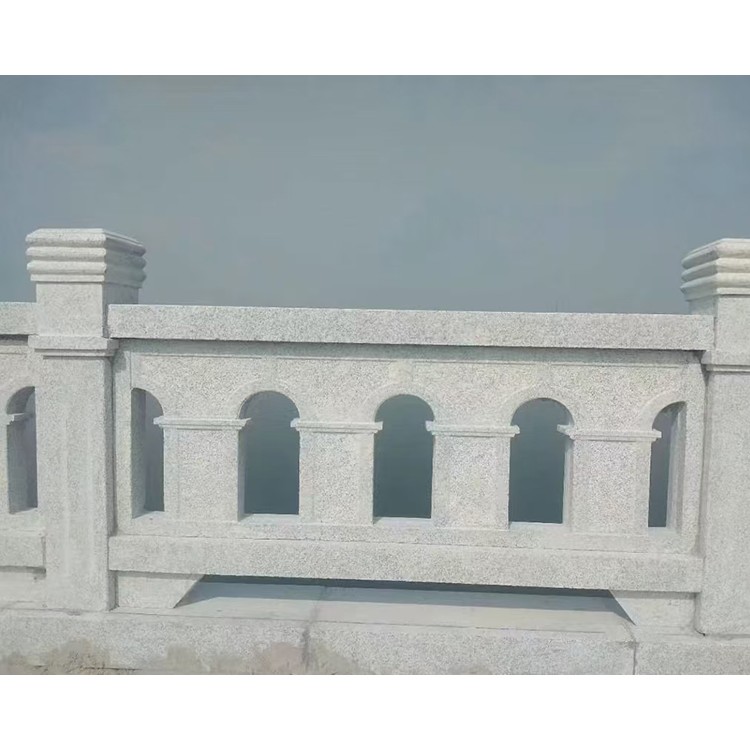






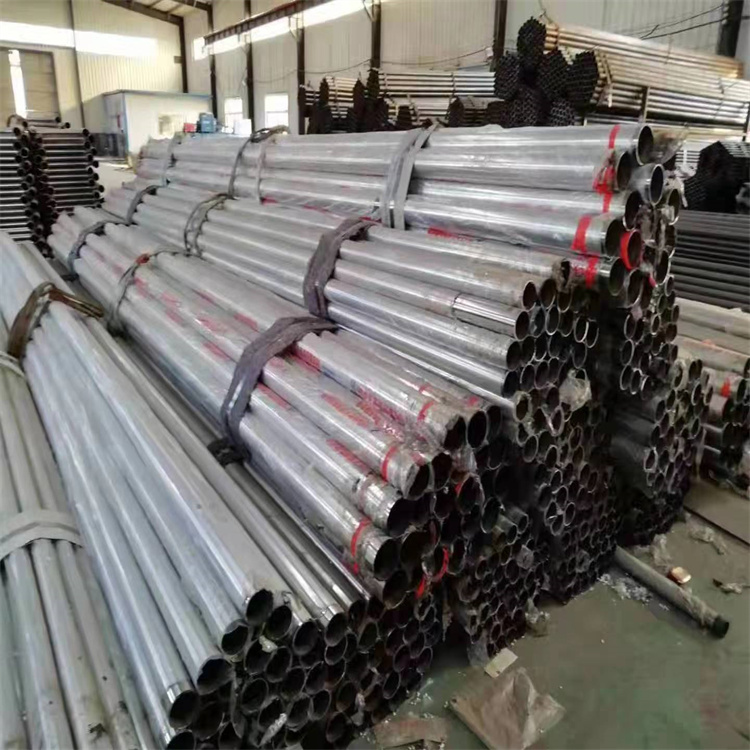
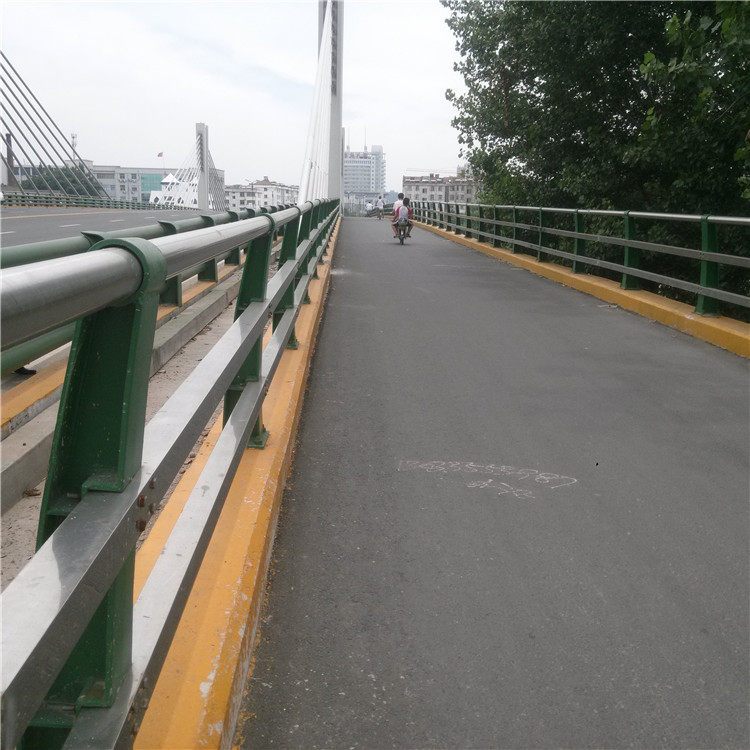
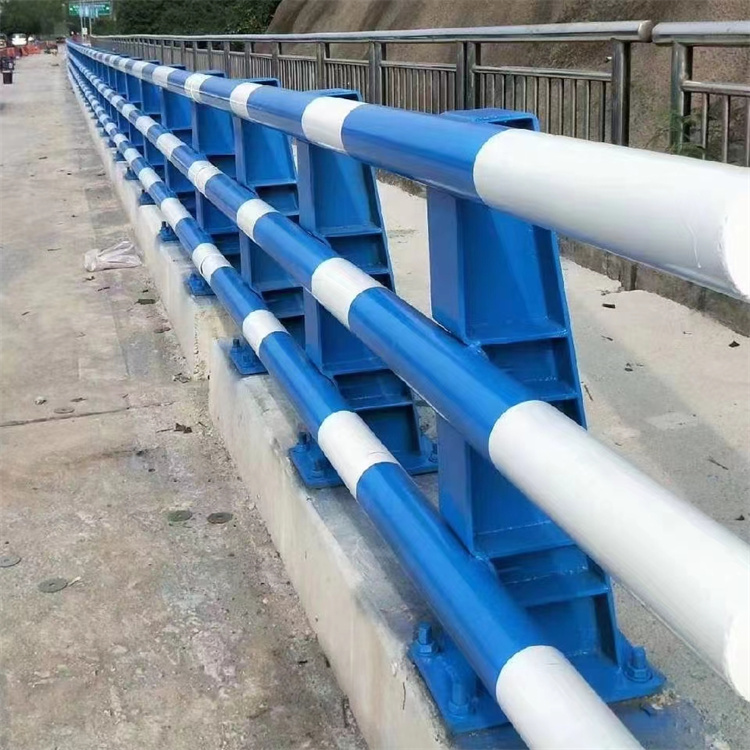
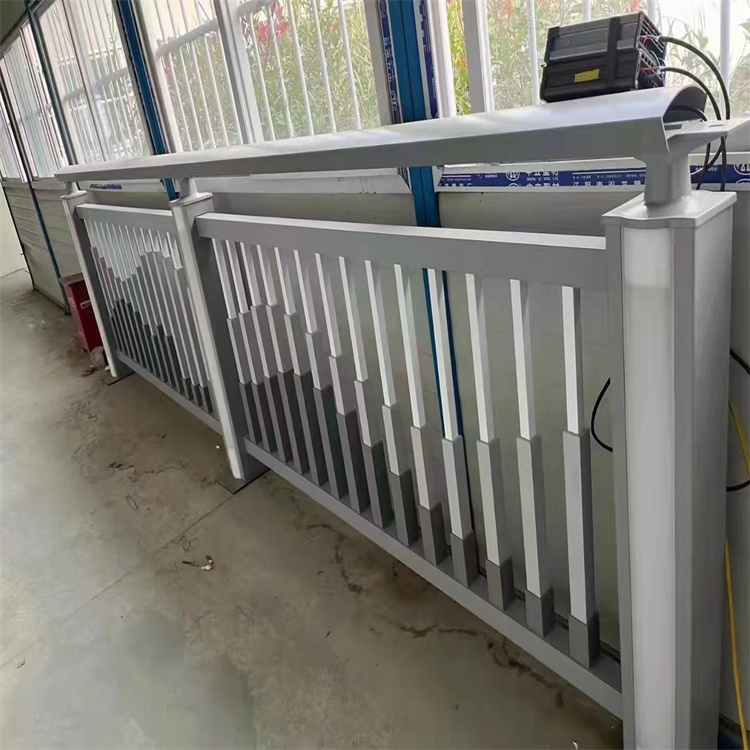
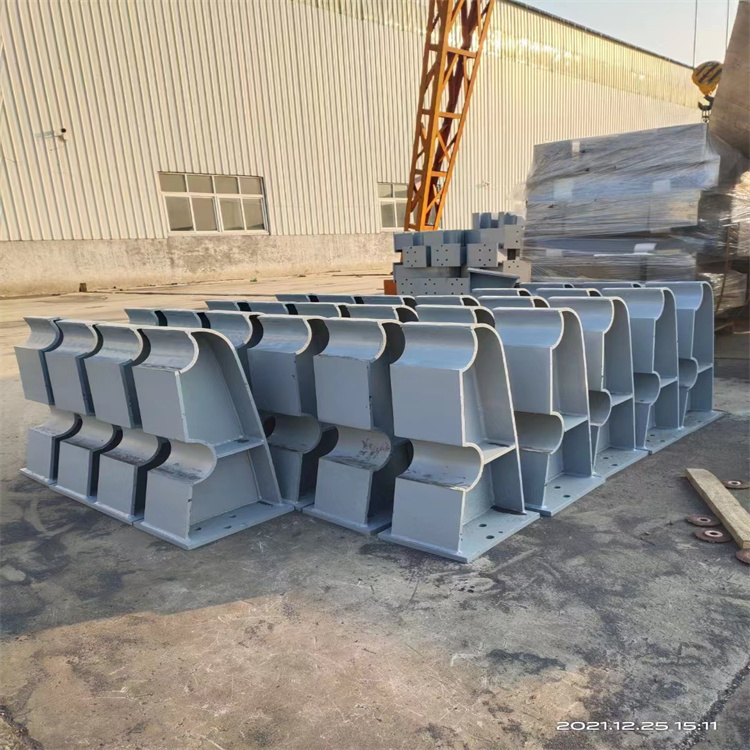
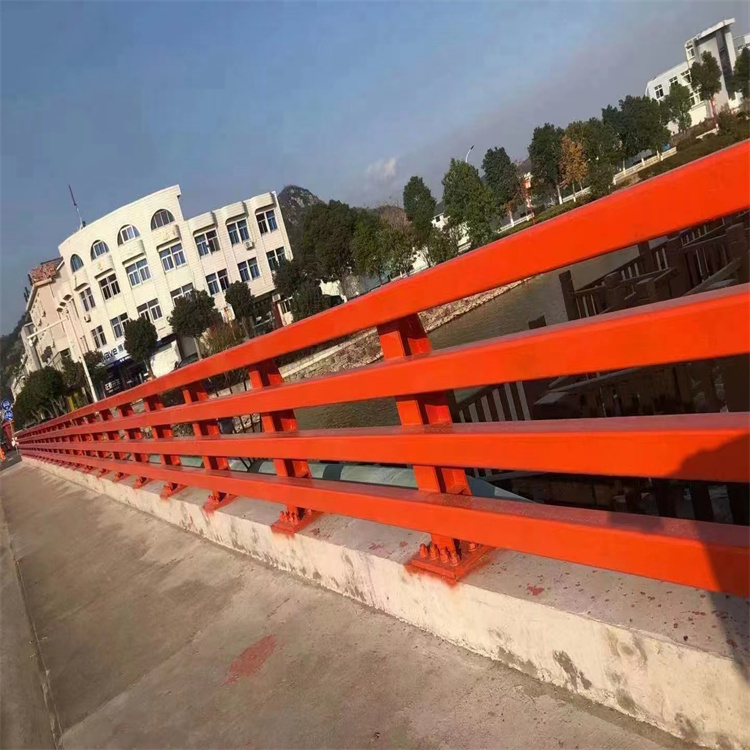
Landscape railingAll traffic facility components of the posts are generally treated with hot-dip galvanizing for metal surface processing. To ensure their corrosion resistance, inspections are required in three aspects: the amount of galvanizing layer adhesion, the uniformity of the galvanizing layer, and the adhesion performance of the galvanizing layer.
Landscape GuardrailAll traffic facility components of the pillars are generally treated with hot-dip galvanizing for metal surface processing. To ensure their anti-corrosion performance, inspections are required in three aspects: the amount of galvanizing layer adhesion, the uniformity of the galvanizing layer, and the adhesion performance of the galvanizing layer.
Galvanized coating adhesion test:
The zinc used for galvanizing should beGB470 specified 0# or 1# zinc, the zinc coating amount and thickness should comply with the standards. The zinc coating amount test can be conducted using the antimony trichloride method or a coating thickness gauge.
Basic Principle of Antimony Trichloride Method: As zinc can completely dissolve in the concentrated hydrochloric acid solution of antimony trichloride, the unit area zinc adsorption amount is calculated through the weight measurement before and after dissolution.
2. Zinc Coating Uniformity Test
The uniformity test of the galvanized layer generally employs the copper sulfate method.
Principle: By using copper sulfate solution to etch the sample, the time and extent of zinc metal displacement are determined to assess the uniformity of the coating.
Sample Preparation: Mix36g of chemical pure copper sulfate is dissolved in 100ml of distilled water. After heating to dissolve, cool to room temperature, add copper hydroxide or copper carbonate (1g for every 21L of copper sulfate solution), stir to mix evenly, let stand for more than 24 hours, and the clear liquid after filtration is the required sample.