






Introduction to Stainless Steel Flanged Socket Welding Fittings
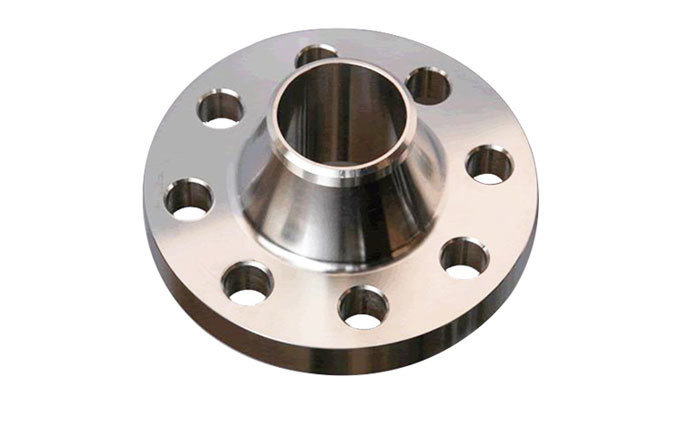
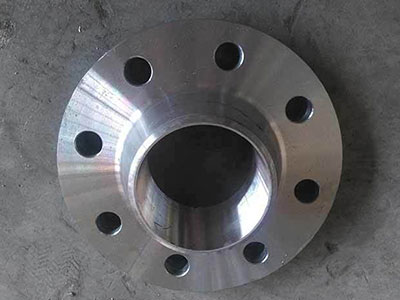
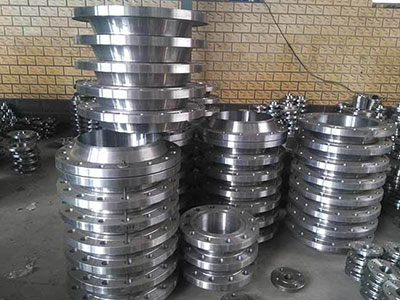
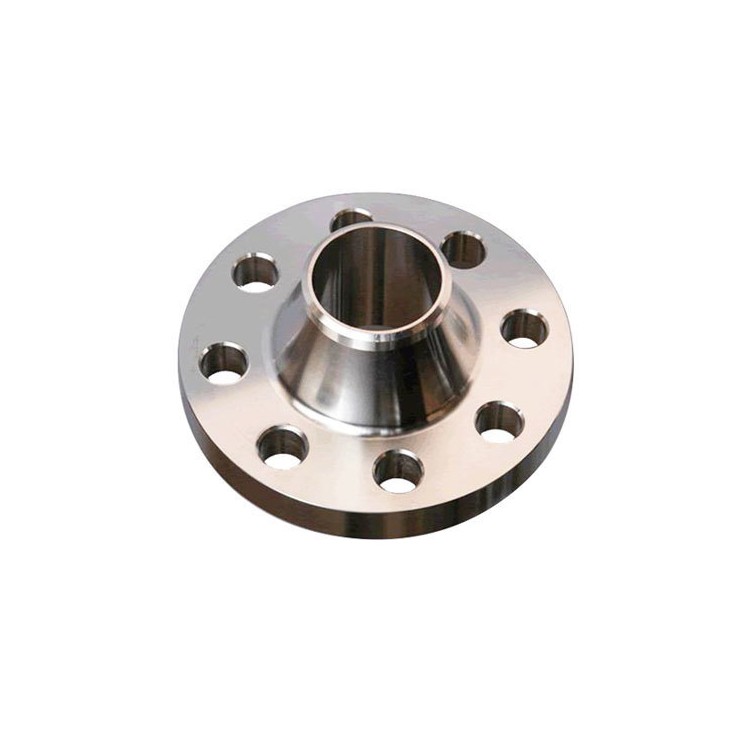
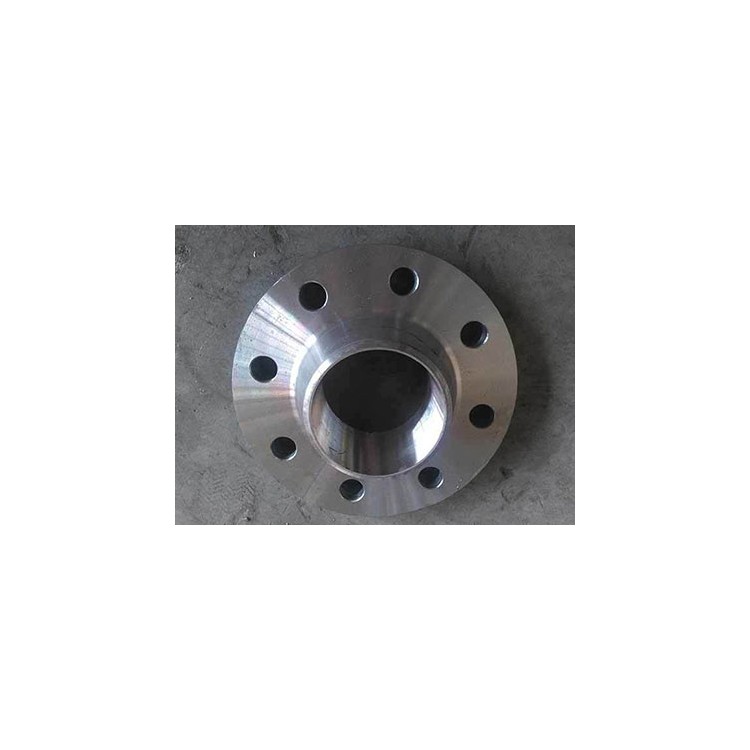
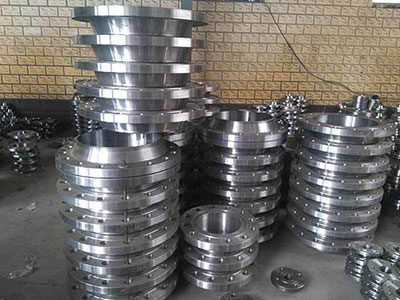
Stainless steel flanged socket welds are categorized by the material of the stainless steel flange. The flanged socket welds are also known as neck flanges, socket weld flanges, and long-neck flanges, among others.
Necked butt weld flanges are used for welding flanges to pipes. They feature a rational structure, high strength and rigidity, and can withstand high temperatures, high pressures, and repeated bending and temperature fluctuations, ensuring reliable sealing.
Features of Stainless Steel Flanged Socket Welding Fittings
Weld neck flanges are strictly controlled for technical parameters during production and welding to ensure their full functionality and value in both manufacturing and use. These flanges are resistant to deformation, provide a good seal, and have wide applications. They meet the requirements for both rigidity and elasticity and feature a reasonable transition of weld neck thinning. The weld joint is far from the mating surface, thus protecting it from deformation caused by welding temperatures. They adopt a more complex trumpet-shaped structure, suitable for pipelines subjected to significant fluctuations in pressure or temperature, as well as for high-temperature, high-pressure, and low-temperature pipelines. Generally used for pipe connections and valves with PN ratings over 2.5 MPa; also used in pipelines transporting expensive, flammable, and explosive media.
Specification Model
DN15-DN600
Pressure Grade
PN10;PN16;PN25;PN40;PN63;PN100;PN160;
Sealing Surface Type
Rounded Face (RF), Full Flat (FF), Molded Flat (MFM), Concave (FM), Convex (M), Tongue and Groove (TG)
The concave-convex faced flanged weld neck (MFM) is for matching use.
Stainless steel flanged socket welding forged steel plate
304、304L、316、316L、321;
Standard Operation Procedure
Chemical Industry Standard: HG/T20592-2009, HG/T20615-2009
National Standards: GB/T9115.1-2000, GB/T9115.2-2000, GB/T9115.3-2000, GB/T9115.4-2000
Mechanical Department Standard: JB/T86.2-94
Marine Standard: CB/T47-1999
Among them, the standards such as ANSI, DIN, JIS, and European standards are widely applied.
Connection Type
Neck welding, single-sided bolt securing;
Production Process
The forging process involves selecting steel billets, heating, forming, and post-forging cooling. Forging methods include free forging, die forging, and mold forging. During production, different forging methods are chosen based on the size of the forged part and the quantity of production batches.
Advantages and Disadvantages of Stainless Steel Flanged Socket Welding Fittings
Advantages: Necked butt-welding flanges are suitable for high-pressure pipelines;***high pressure, excellent sealing performance, not prone to deformation;***resistant to acids and alkalis, strong corrosion resistance, strong tactile properties.
Drawbacks: Priced relatively higher.
Procurement Recommendations
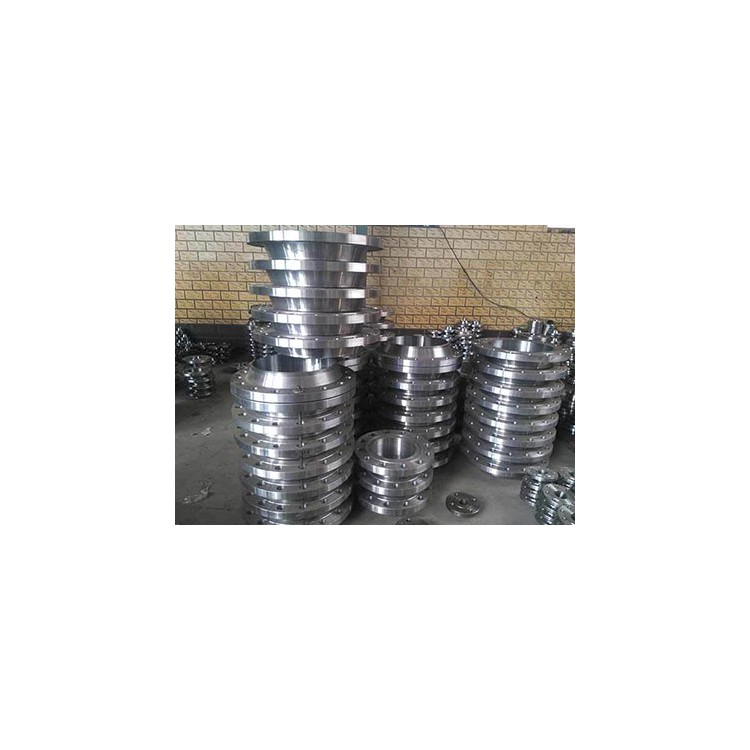
1: We recommend purchasing from a reputable necked butt-welding flange manufacturer with a certain production scale.
2: manufacturers of flanges are required to provide material inspection reports and related documents for neck-welded flanges.
3:颈对焊法兰 must have corresponding specification and model steel stamps and markings.