








Introduction to Welding Flanges
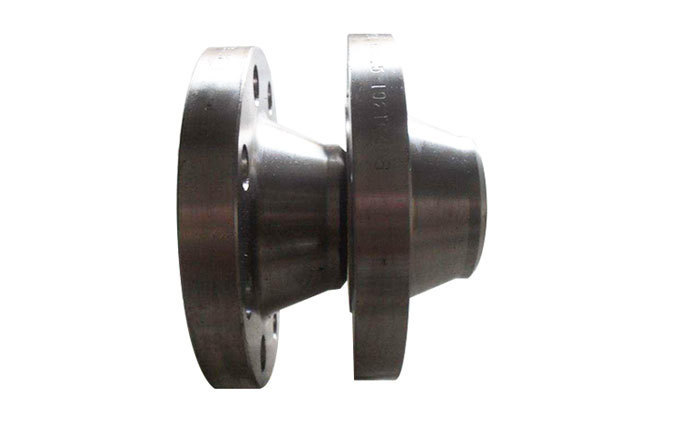
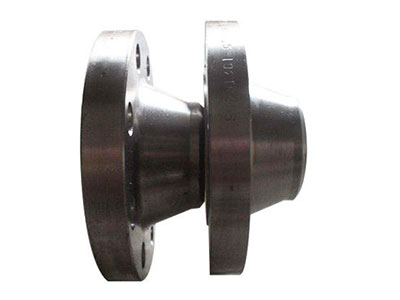
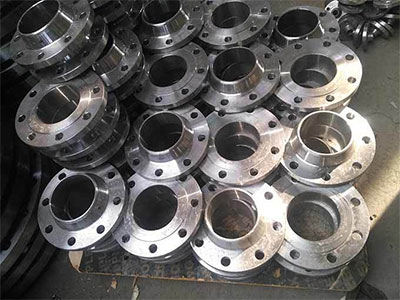
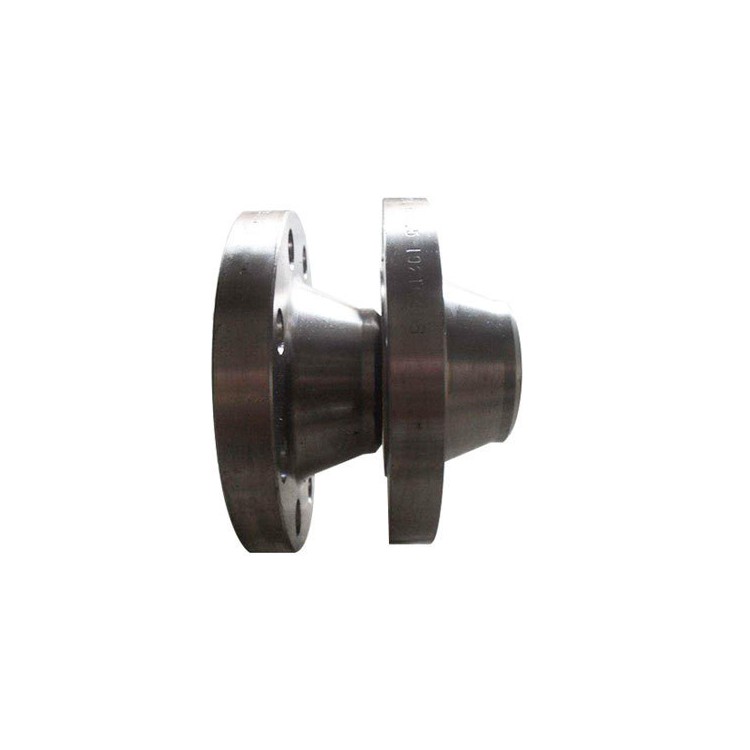
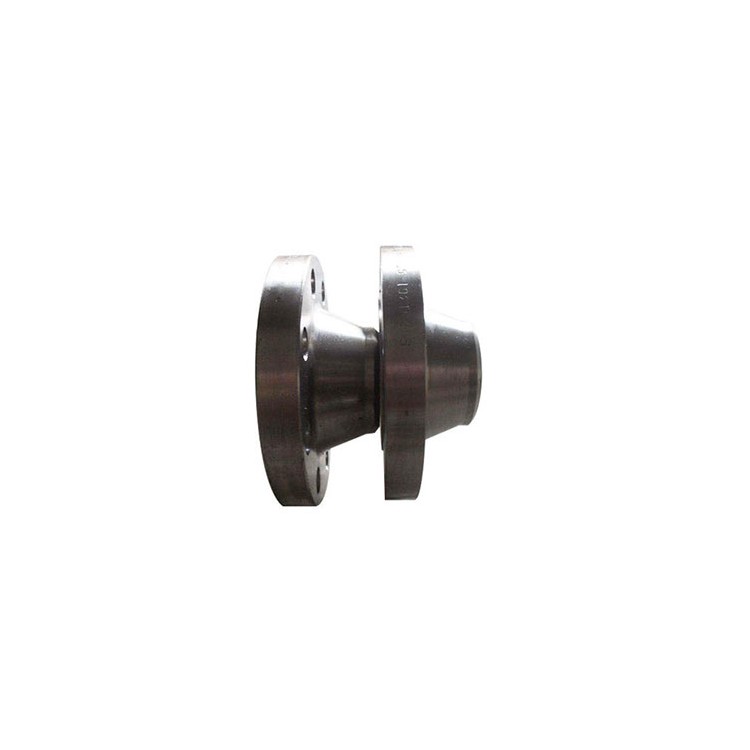
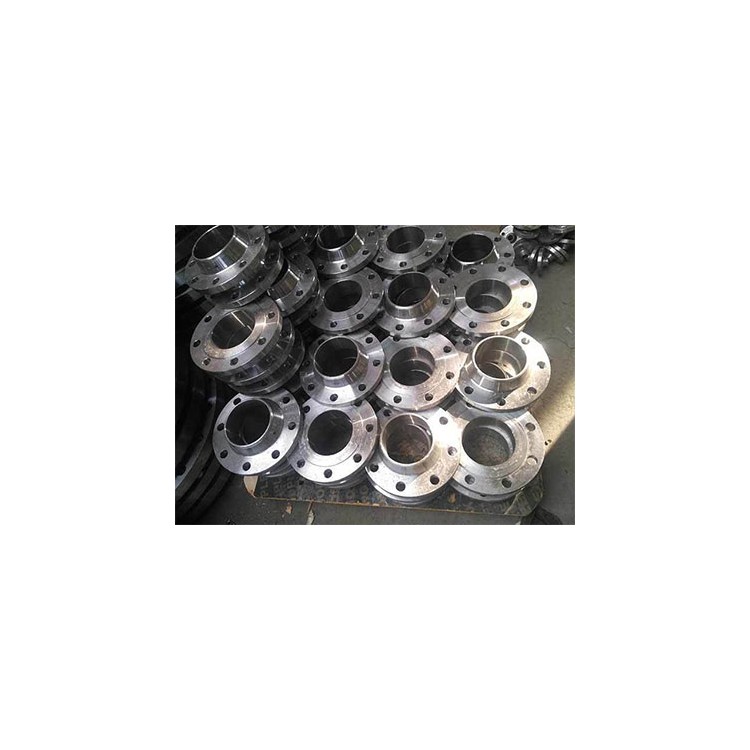
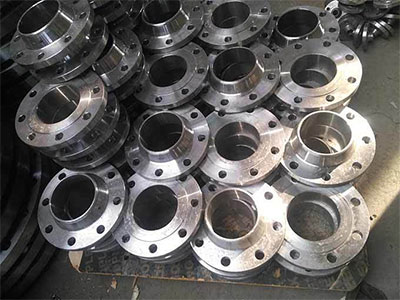
Weld Neck Flanges, also known as Neck Flanges, Long Neck Flanges, High Neck Flanges, etc., are abbreviated as WN in English. The names vary by region, but they all represent the same product.
The difference between socket weld flanges and necked butt weld flanges is that the neck of the socket weld flange is higher, and the neck is welded directly to the pipe, whereas the necked butt weld flange involves inserting the steel pipe into the flange and then welding it.
Features of Welding Flange
Weld neck flanges are resistant to deformation, offer excellent sealing performance, and are widely used.
Corresponding rigidity and flexibility requirements with a reasonable weld-thinning transition, the weld joint is a significant distance from the joint surface, and the joint surface is free from deformation due to welding temperatures.
Also used in pipelines for transporting expensive, flammable, and explosive media.
Model and Specification
DN15-DN600
Pressure Grade
PN10;PN16;PN25;PN40;PN63;PN100;PN160;
Sealing Surface Type
Rounded Face (RF), Flat Face (FF), Milled Face (MFM), Concave Face (FM), Milled (M), Tongue and Groove (TG)
The concave-convex faced flanged weld neck (MFM) is for matching use.
Welding Flange Material
Carbon steel, stainless steel, alloy steel.
Compliance Standards
Chemical Industry Standard: HG/T20592-2009, HG/T20615-2009
National Standards: GB/T9115.1-2000, GB/T9115.2-2000, GB/T9115.3-2000, GB/T9115.4-2000
Mechanical Department Standard: JB/T86.2-94
Marine Standard: CB/T47-1999
Among them are ANSI, DIN, JIS, and other standards.
Connection Type
Welding flanges are used for welding with necked ends to steel pipes, and the other side is secured with bolts and nuts.
Production Process
Pure forging, semi-forged (second choice) are suitable for necked butt-welding flanges and necked lap-welding flanges; steel plates are used for lap-welding flanges, also known as flange blanks.
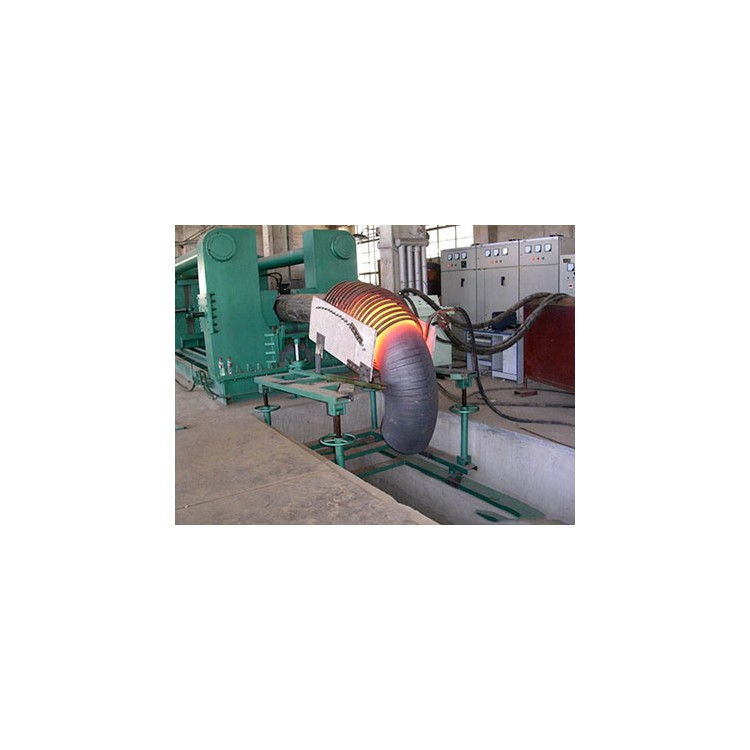
Our颈焊法兰 is manufactured through the process of die forging, also known as model forging. The heated billet is placed inside a die mounted on the die forging equipment, where it is shaped into the desired form.
Basic Processes of Die Forging: blanking, heating, pre-forging, final forging, trimming, edge cutting, tempering, shot blasting;
Common processes include upsetting, lengthening, bending, piercing, and forming.
Common die forging equipment includes forging hammers, hot die forging presses, flat forging machines, and friction presses, etc.
In layman's terms, forged flanges are of higher quality, typically produced by die forging, featuring a finer crystal structure and higher strength; of course, they are also more expensive.
Advantages and Disadvantages of Welding Flanges
Advantages: Necked butt-welding flanges are suitable for high-pressure pipelines; they offer good sealing performance, are not prone to deformation, resistant to acids and alkalis, and have strong corrosion resistance and texture properties.
Drawback: Priced slightly higher.
Procurement Recommendations
1: Recommend purchasing from a reputable welding flange manufacturer with a certain production scale.
2: manufacturers of flanges need to provide material inspection reports and other relevant documents for焊接flanges.
3: Welding flanges must have corresponding specifications, model stamping, and markings.