








Introduction to Socket Welding Flanges for Alloys
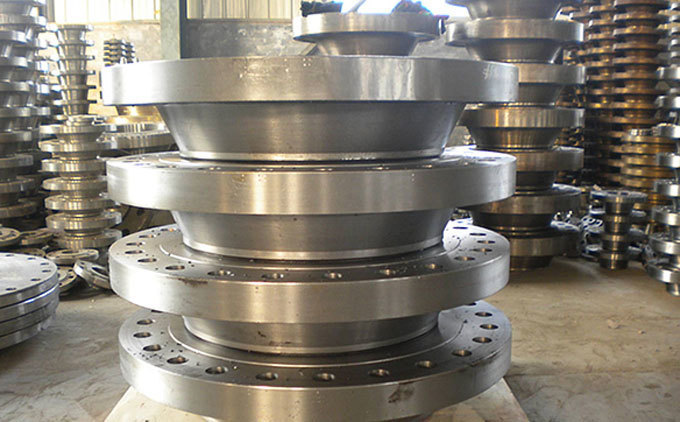
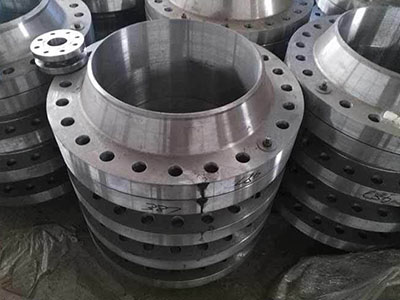
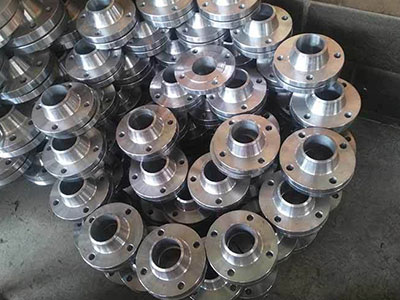
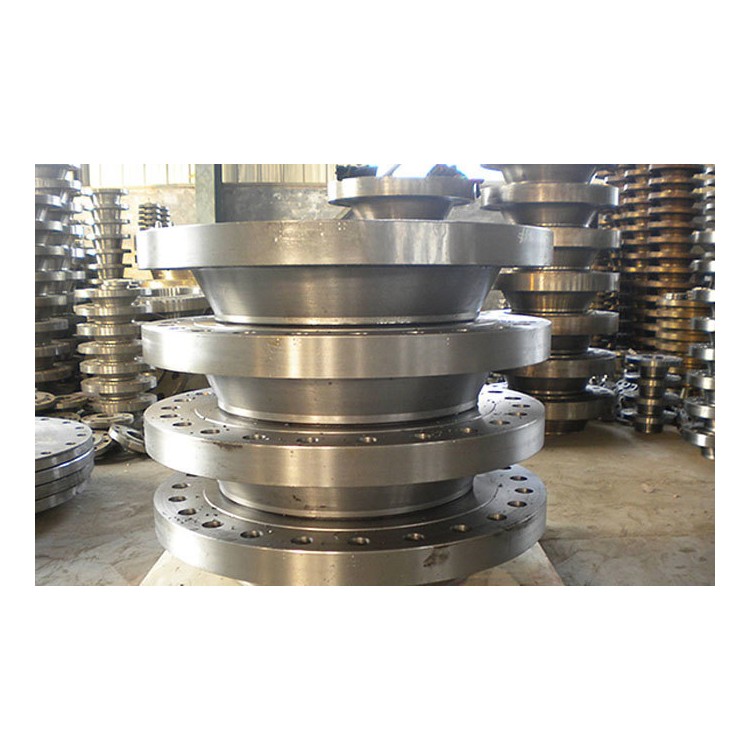
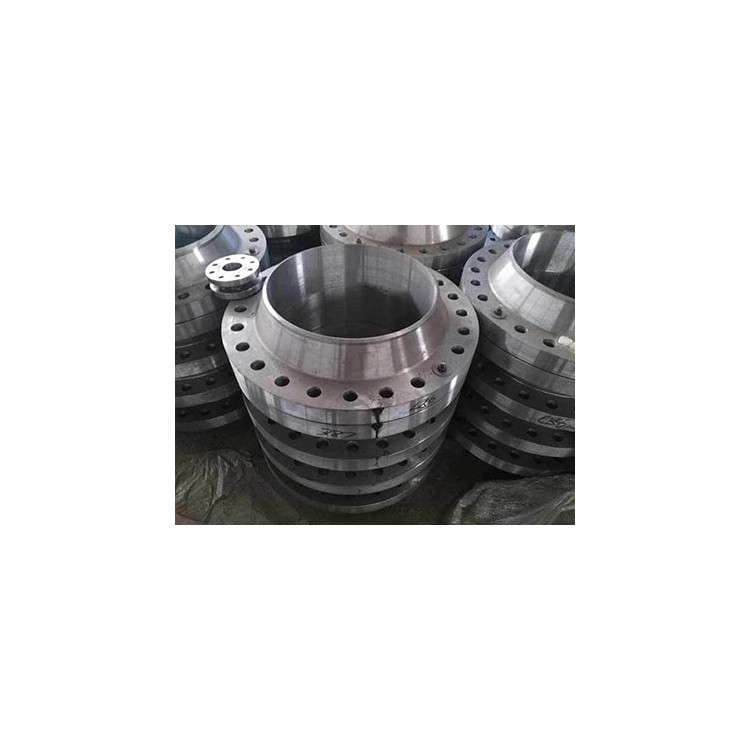
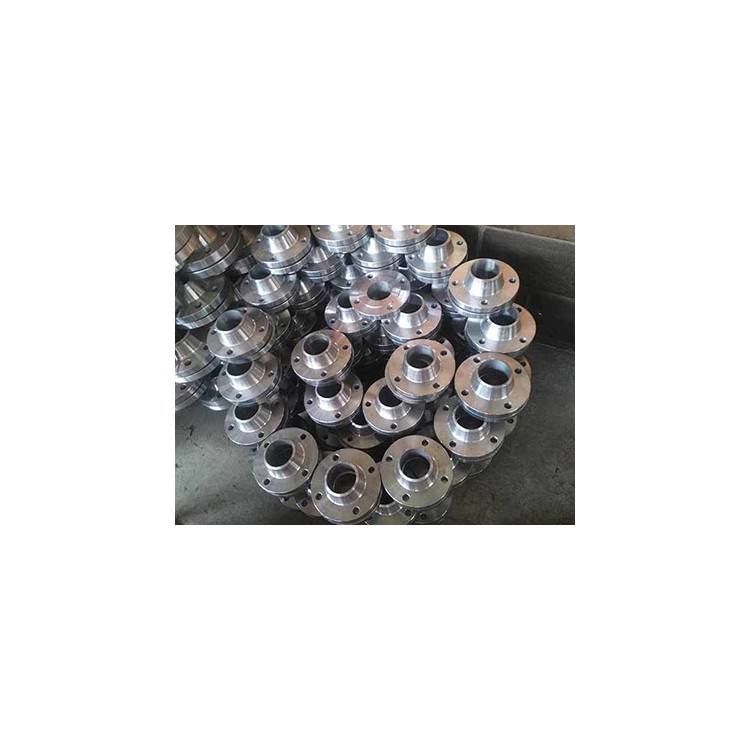
Alloy steel flanged socket welding flanges are classified by alloy steel material, also known as flanged flanges, socket welding flanges, flange disks, etc.
Alloy steel is steel that, in addition to iron and carbon, contains other alloying elements.
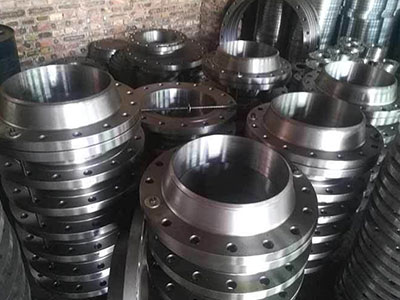
Features of Alloy Socket Weld Flanges
Due to the design's shape characteristics, weld flanges are less prone to deformation, offer good sealing properties, and have wide applications; they meet the requirements for both rigidity and elasticity and have a reasonable transition to weld thinning, with the weld joint being far from the joint surface, thereby protecting the joint from deformation caused by welding temperatures.
A ferrous-carbon alloy flange made by adding a suitable amount of one or more alloying elements to the basic carbon steel.
Based on the addition of different elements and with appropriate processing techniques, high strength, high toughness, wear resistance, corrosion resistance, low-temperature resistance, high-temperature resistance, and non-magnetic properties can be achieved.
Model and Specification
DN15-DN4000
Pressure Rating
PN10;PN16;PN25;PN40;PN63;PN100;PN160;
Sealing Surface Type
Roughness (RF), Full Flat (FF), Mid-Flat (MFM), Flat (FM), Peak (M), Tongue and Groove (TG)
The concave-convex face flanged weld neck (MFM) is for matching use.
Alloy flanged butt-welding flange material
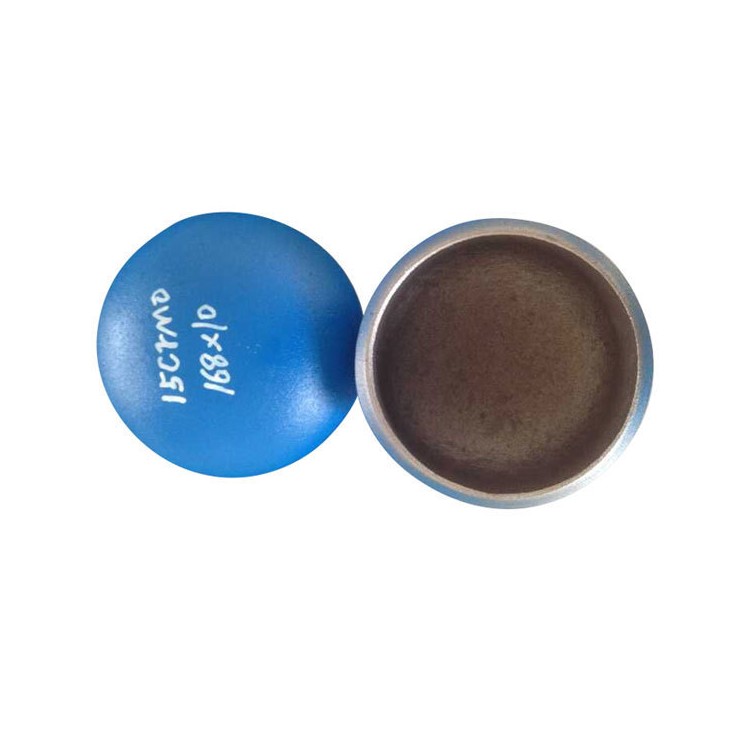
ASTM A182 F1、 F5a、 F9、 F11、 F12、 F22、 F91、A182F12、A182F11、16MnR、Cr5Mo、12Cr1MoV、15CrMo、12Cr2Mo1、A335P22、St45.8/Ⅲ;
Among the commonly used materials are 12Cr1MoV, 15CrMo, and 16MnR.
Standard of Execution
Chemical Industry Standard: HG/T20592-2009, HG/T20615-2009
National Standards: GB/T9115.1-2000, GB/T9115.2-2000, GB/T9115.3-2000, GB/T9115.4-2000
Mechanical Department Standard: JB/T86.2-94
Marine Standard: CB/T47-1999
Among them, various international standards such as ANSI, DIN, JIS, and European standards are widely applied.
Connection Type
Neck welding, single-sided bolt fastening;
Production Process
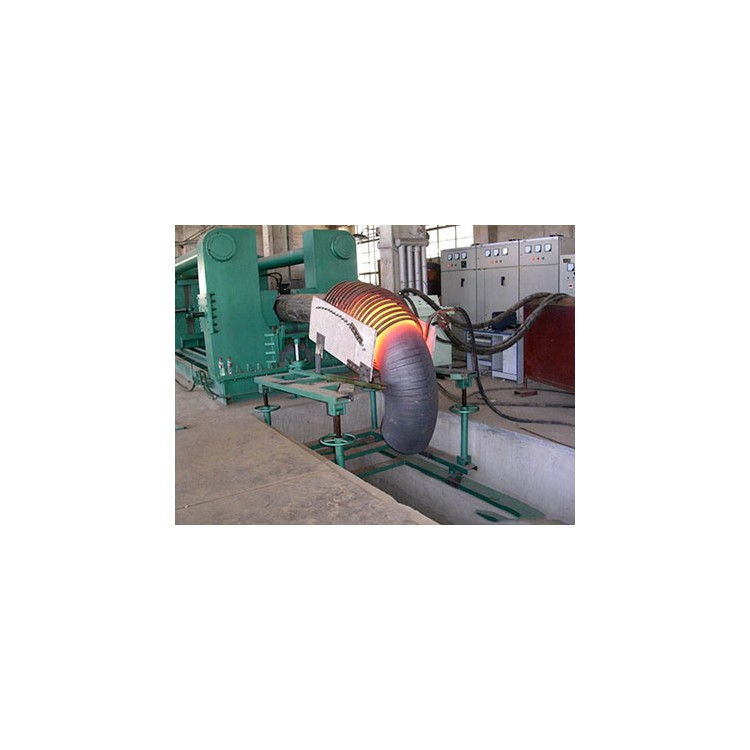
Pure forging and semi-forging are suitable for necked flat welding flanges (SO) and necked butt welding flanges (WN).
The forging process involves selecting steel billets, heating, forming, and post-forging cooling. Forging techniques include free forging, die forging, and mold forging. During production, different forging methods are chosen based on the size of the forging parts and the quantity of production batches.
Procurement Recommendations
1: We recommend purchasing from a reputable neck-welding flange manufacturer with a certain scale of production.
2: Manufacturers of flanges must provide material inspection reports and related documents for焊接颈法兰.
3:颈对焊法兰 must have corresponding specification and model steel stamping and identification.