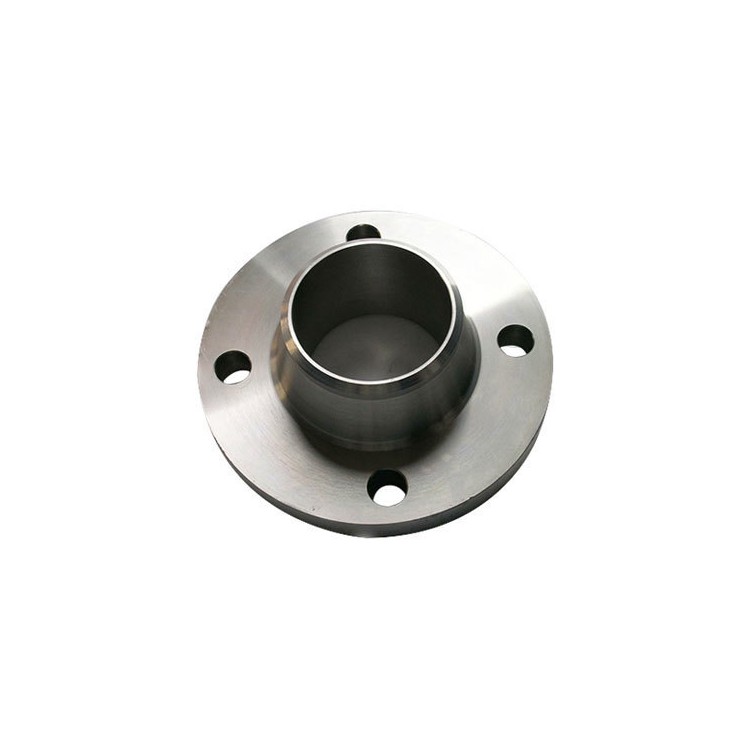

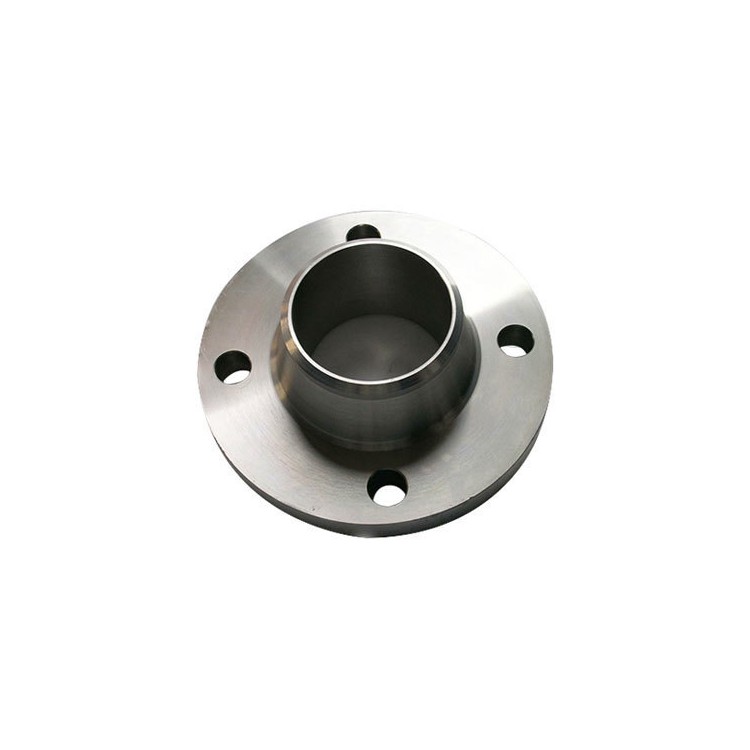
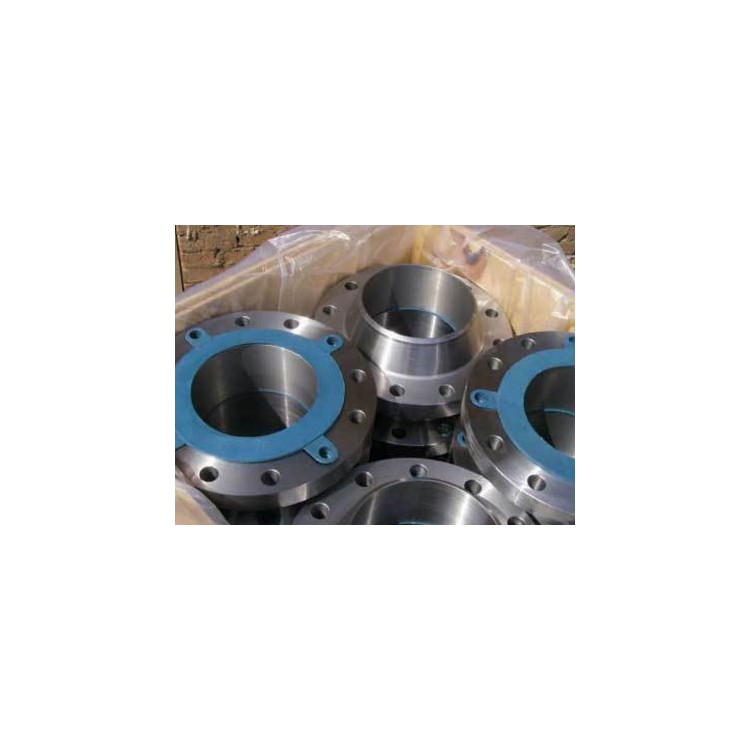
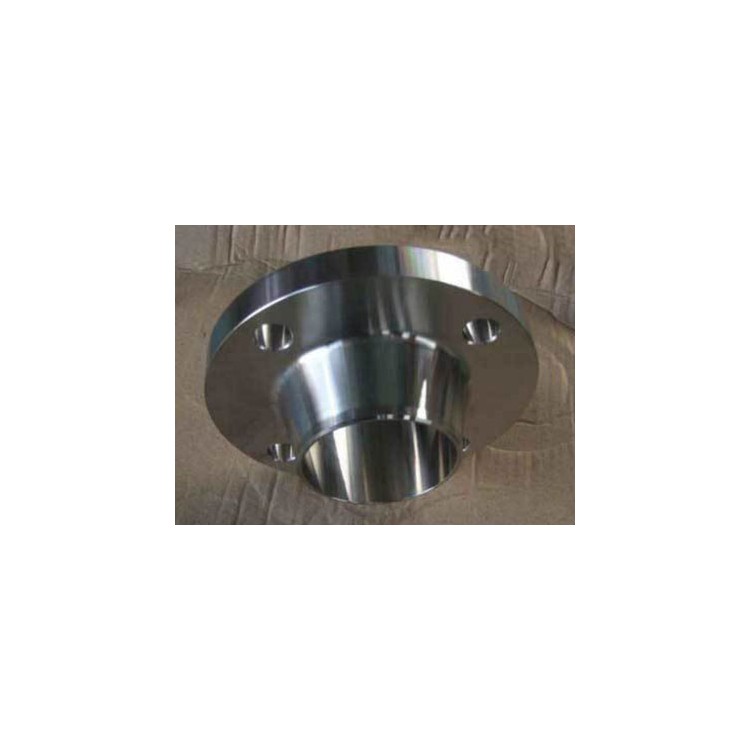







Introduction to ASME High-Neck Welding Flange
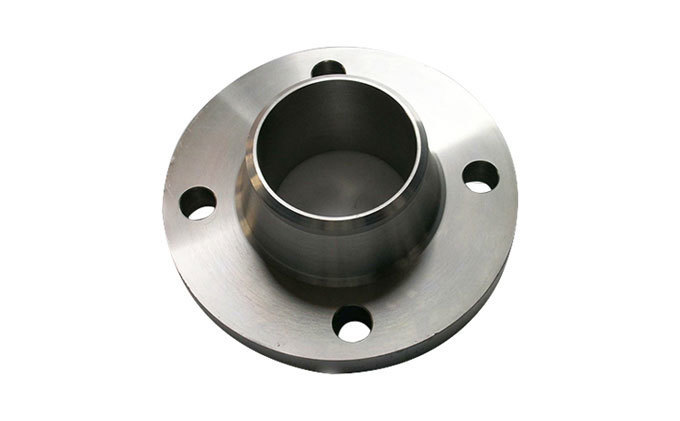
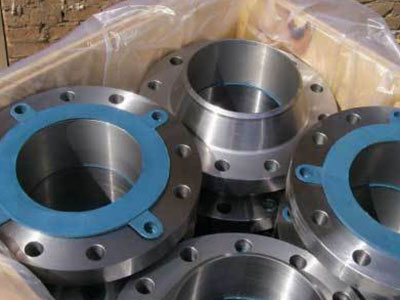
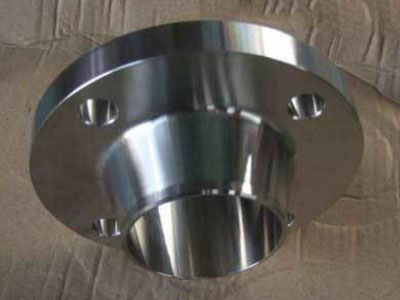
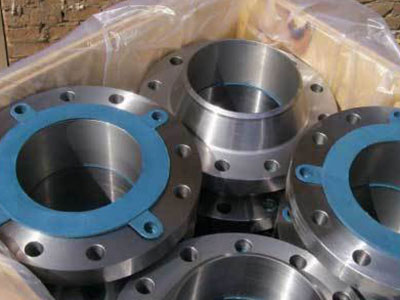
The ASME raised face welding flange is a welding flange produced according to American standards, commonly abbreviated as welding flange or raised face flange, etc. The terminology varies by region, but all refer to the same product.
American standard flanges are components used to connect pipes together, fitting at the ends of pipes. American standard weld neck flanges are made by two methods: forging and casting.
American standard butt-welding flanges can be divided into American standard flanged butt-welding flanges and American standard lap joint butt-welding flanges according to the neck type.
Features of ASME High Neck Welding Flange
Due to the higher neck design of the ASME standard焊接flanges, its design features and mechanical properties have been recognized, and they are widely used in the United States.
Corresponding rigidity and flexibility requirements, with reasonable weld thinning transition, large distance between weld joint and mating surface, and mating surface free from welding temperature deformation.
For pipelines or piping systems subject to significant fluctuations in pressure or temperature, or for high-temperature, high-pressure, and low-temperature applications. Typically used for connections on piping and valves with a PN rating over 2.5 MPa.
Also used in pipelines transporting expensive, flammable, and explosive media.
Specification Model
1/2"~60"
Pressure Grade
150LB、300LB、600LB、900LB、1500LB、2500LB ;
Sealing Surface Type
Oval (RF), Concave (FM), Convex (M), Tongue (T), Groove (G), Full Flat (FF).
ASME high neck weld neck flange material
Stainless steel, alloy steel, carbon steel;
Compliance Standards
ANSI B16.5
ASME B16.47
Connection Type
The American standard焊接flange and the Chinese standard焊接flange have the same connection form,焊接at the neck, a flange gasket is added to the sealing surface, and the bolt holes are secured with bolts.
Production Process
Welding flanges are generally made from forgings or forged rolling processes. When manufactured using steel plates or shaped steel, they must meet the following requirements:
The welded flange should be inspected by ultrasonic testing, with no分层 defects present.
2. The steel should be cut into strips along the rolling direction, bent and welded into a ring, with the surface of the steel forming a cylindrical shape of the ring. It is not allowed to machine the steel plate directly into a flanged socket weld.
3. The connecting weld of the ring should be a full penetration weld.
4. The butt weld of the stainless steel flange ring should undergo post-weld heat treatment, and undergo radiographic or ultrasonic testing. The radiographic testing must meet the II-grade requirements of JB4730, and the ultrasonic testing must meet the I-grade requirements of JB4730.
5. The outer slope of the neck of the welding flange should not exceed 70°.
Procurement Recommendations
1: Recommend purchasing from a reputable neck weld flange manufacturer with a certain scale of production.
2: Manufacturers of flanges are required to provide material inspection reports and related documents for necked butt-weld flanges.
3: Neck Weld Flanges must have corresponding specifications and model steel prints and markings.